The Truth About Accountability in Black Relationships: It Goes Both Ways

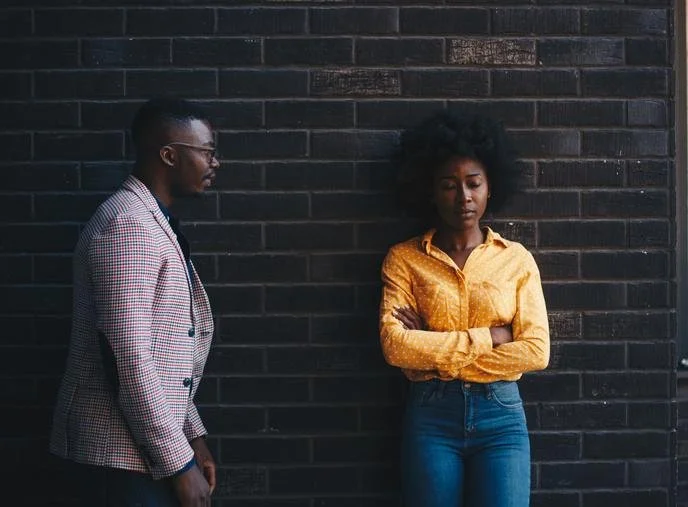
Photo Credit: Sanja Radin via iStockPhoto.com
By: Jamila Gomez
Let’s talk about something that keeps circling in our community but rarely gets addressed with honesty: the lack of accountability in how we navigate relationships—especially between Black men and women. Too often, we find ourselves caught in a blame loop, pointing fingers, posting callouts, sharing memes that reinforce the same tired narratives—and never looking inward. We’ve made an art form out of diagnosing what everyone else did wrong. Meanwhile, our own patterns, choices, and baggage go unchecked.
Here’s the truth: it’s not always them. And deep down, we know that.
But accountability is hard because it demands reflection. It means you have to admit that sometimes you stayed in a relationship you knew wasn’t healthy. It means owning the times you ignored red flags, avoided hard conversations, or used your wounds as weapons. It means acknowledging that healing doesn’t make you perfect—and that being hurt doesn’t give you a pass to hurt someone else.
This is not about blame. It’s about maturity. Because healing isn’t just about calling out the people who hurt you—it’s also about recognizing the ways you showed up in your own dysfunction. It’s about asking, What did I allow? What did I enable? And how have I been part of the problem, even when I was also in pain?
That’s a tough pill to swallow, especially in a culture where survival has made many of us defensive by default. We’re used to being silenced, overlooked, and dismissed—especially Black women and Black men who’ve carried generational trauma. But we can’t use our trauma as a shield from accountability. At some point, we have to get honest with ourselves about how we show up in love, in conflict, and in community.
When we make everything someone else’s fault, we don’t heal—we deflect. We stay stuck in cycles that feel familiar but never fulfilling. We keep attracting the same energy in different bodies because we haven’t done the work to change ourselves. And until we face that, no amount of venting, posting, or dragging our exes is going to bring us peace.
The truth is, relationships take more than good intentions and shared struggle. They take self-awareness, honesty, and the willingness to grow beyond our default behaviors. And yes, that includes owning up to the times you were wrong, even if you were also hurt.
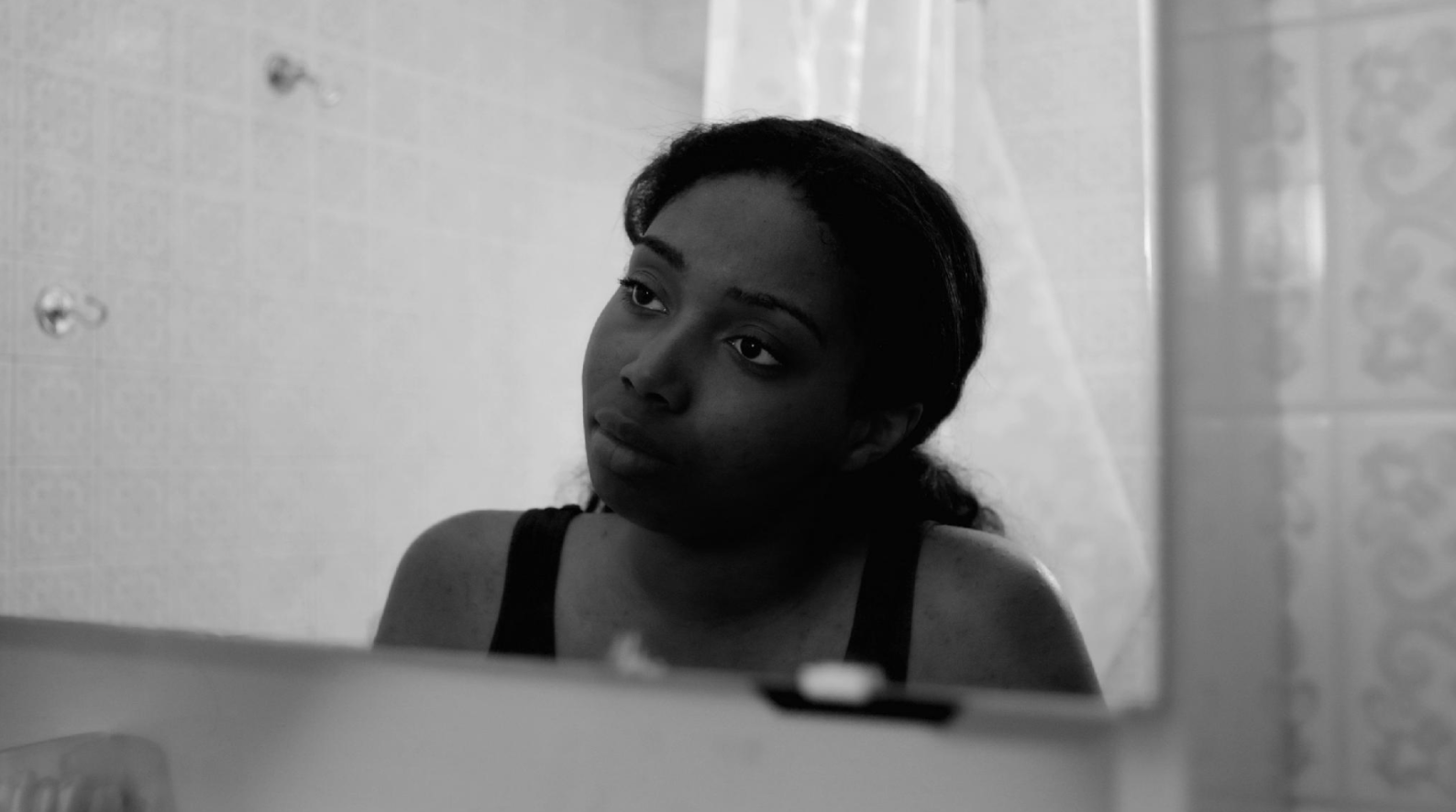
Accountability isn’t weakness—it’s strength. It’s what allows us to stop surviving and start evolving. And if we want something real—something healthy, mutual, and rooted in growth—we’re going to have to stop pointing fingers and start looking in the mirror.
The healing we’re craving? It starts there.

YOU MAY ALSO BE INTERESTED IN: