

The Truth About Accountability in Black Relationships: It Goes Both Ways
This powerful reflection explores the importance of accountability in Black relationships, urging both men and women to break blame cycles, confront their own patterns, and embrace self-awareness for real healing and growth. We discuss it here!


Photo Credit: Sanja Radin via iStockPhoto.com
By: Jamila Gomez
Let’s talk about something that keeps circling in our community but rarely gets addressed with honesty: the lack of accountability in how we navigate relationships—especially between Black men and women. Too often, we find ourselves caught in a blame loop, pointing fingers, posting callouts, sharing memes that reinforce the same tired narratives—and never looking inward. We’ve made an art form out of diagnosing what everyone else did wrong. Meanwhile, our own patterns, choices, and baggage go unchecked.
Here’s the truth: it’s not always them. And deep down, we know that.
But accountability is hard because it demands reflection. It means you have to admit that sometimes you stayed in a relationship you knew wasn’t healthy. It means owning the times you ignored red flags, avoided hard conversations, or used your wounds as weapons. It means acknowledging that healing doesn’t make you perfect—and that being hurt doesn’t give you a pass to hurt someone else.
This is not about blame. It’s about maturity. Because healing isn’t just about calling out the people who hurt you—it’s also about recognizing the ways you showed up in your own dysfunction. It’s about asking, What did I allow? What did I enable? And how have I been part of the problem, even when I was also in pain?
That’s a tough pill to swallow, especially in a culture where survival has made many of us defensive by default. We’re used to being silenced, overlooked, and dismissed—especially Black women and Black men who’ve carried generational trauma. But we can’t use our trauma as a shield from accountability. At some point, we have to get honest with ourselves about how we show up in love, in conflict, and in community.
When we make everything someone else’s fault, we don’t heal—we deflect. We stay stuck in cycles that feel familiar but never fulfilling. We keep attracting the same energy in different bodies because we haven’t done the work to change ourselves. And until we face that, no amount of venting, posting, or dragging our exes is going to bring us peace.
The truth is, relationships take more than good intentions and shared struggle. They take self-awareness, honesty, and the willingness to grow beyond our default behaviors. And yes, that includes owning up to the times you were wrong, even if you were also hurt.
Accountability isn’t weakness—it’s strength. It’s what allows us to stop surviving and start evolving. And if we want something real—something healthy, mutual, and rooted in growth—we’re going to have to stop pointing fingers and start looking in the mirror.
The healing we’re craving? It starts there.

YOU MAY ALSO BE INTERESTED IN:




SHARE TO SOCIAL MEDIA
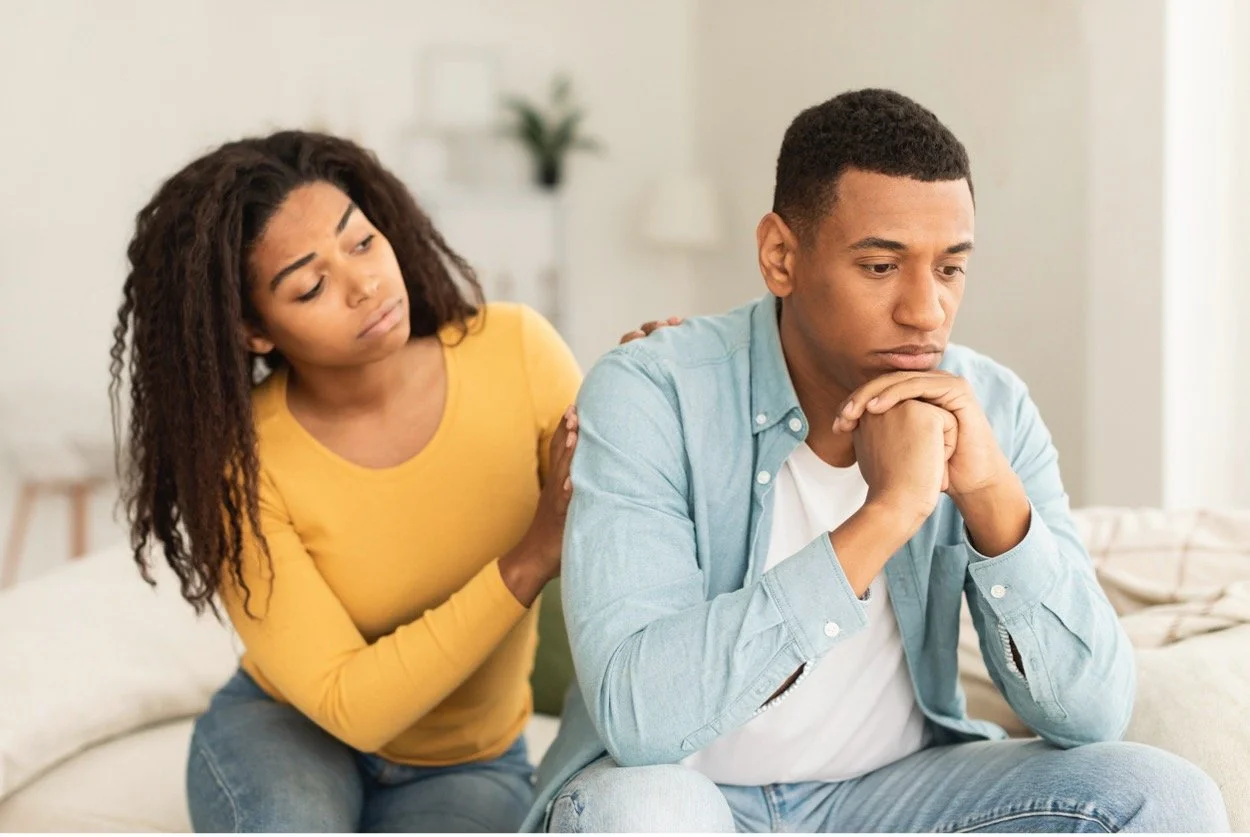
Emotional Unavailability: The Silent Barrier in Relationships
In the vast world of relationships, emotional availability plays a crucial role in creating and maintaining a healthy bond. We discuss it here!


Photo Credit: Prostick-Studio via iStockPhoto.com
By: Jamila Gomez
In the vast world of relationships, emotional availability plays a crucial role in creating and maintaining a healthy bond. It is the ability to connect with another person at a deep emotional level, being present and responsive to their needs. But what happens when one or both partners struggle with emotional unavailability? This silent barrier can significantly impact the quality and longevity of a relationship.
Emotional unavailability refers to an individual's inability or unwillingness to be emotionally vulnerable with their partner. It might manifest in various ways, such as avoiding discussions about feelings, showing a lack of interest in their partner's emotions, or even becoming distant and detached. While it is essential to acknowledge that everyone has their own emotional needs and boundaries, emotional unavailability becomes an issue when it hinders growth and intimacy within a relationship.
Factors of emotional unavailability
One of the primary causes of emotional unavailability is past trauma or unresolved emotional wounds. Previous experiences, such as a history of abuse or neglect, can create deep-rooted fears and anxieties that make it difficult for individuals to trust and open up. They may have developed defense mechanisms to protect themselves from further emotional harm, leading to an emotional wall that isolates them from their partner.
Another significant factor is a fear of rejection or abandonment. Past heartbreaks or the fear of vulnerability can lead individuals to avoid getting too close to someone else emotionally. They may have convinced themselves that emotional distance is a way to protect themselves from inevitable pain, but in reality, it prevents them from experiencing the deep connections and love they desire.
Emotional unavailability isn't limited to avoiding emotions; it can also come in the form of emotional over-investment in other areas of life. Work, hobbies, or addictions can serve as distractions, allowing individuals to avoid addressing their emotions or connecting with their partner on a deeper level. The constant busyness or focus on external accomplishments creates a barrier that prevents them from fully engaging in the relationship.
Effects Of Emotional Unavailability
The effects of emotional unavailability can be detrimental to a relationship. It creates a sense of disconnection, leaving the emotionally available partner feeling isolated, unimportant, and even desperate for emotional reciprocity. The lack of emotional support may cause them to question their partner's love or commitment, leading to increased anxiety and stress within the relationship.
Over time, the emotionally available partner may begin to withdraw, protecting themselves from further emotional pain. This cycle of disconnection and detachment can ultimately erode the foundation of the relationship, leading to communication breakdowns, resentment, and even the end of the relationship altogether.
Recognizing emotional unavailability in oneself or a partner is the first step towards addressing the issue. It requires a willingness to be introspective and explore the underlying causes of this emotional barrier. Seeking therapy or counseling can be immensely helpful, as it provides a safe space to unpack past trauma and develop healthier ways of engaging emotionally in relationships.
For the emotionally unavailable partner, understanding their fears and learning to trust their partner is crucial. Slowly allowing themselves to be vulnerable, step by step, can help rebuild the foundation of trust and intimacy. Being open to honest communication, empathizing with their partner's emotions, and actively participating in relationship-building activities can all contribute to bridging the emotional gap.
YOU MAY ALSO BE INTERESTED IN: