
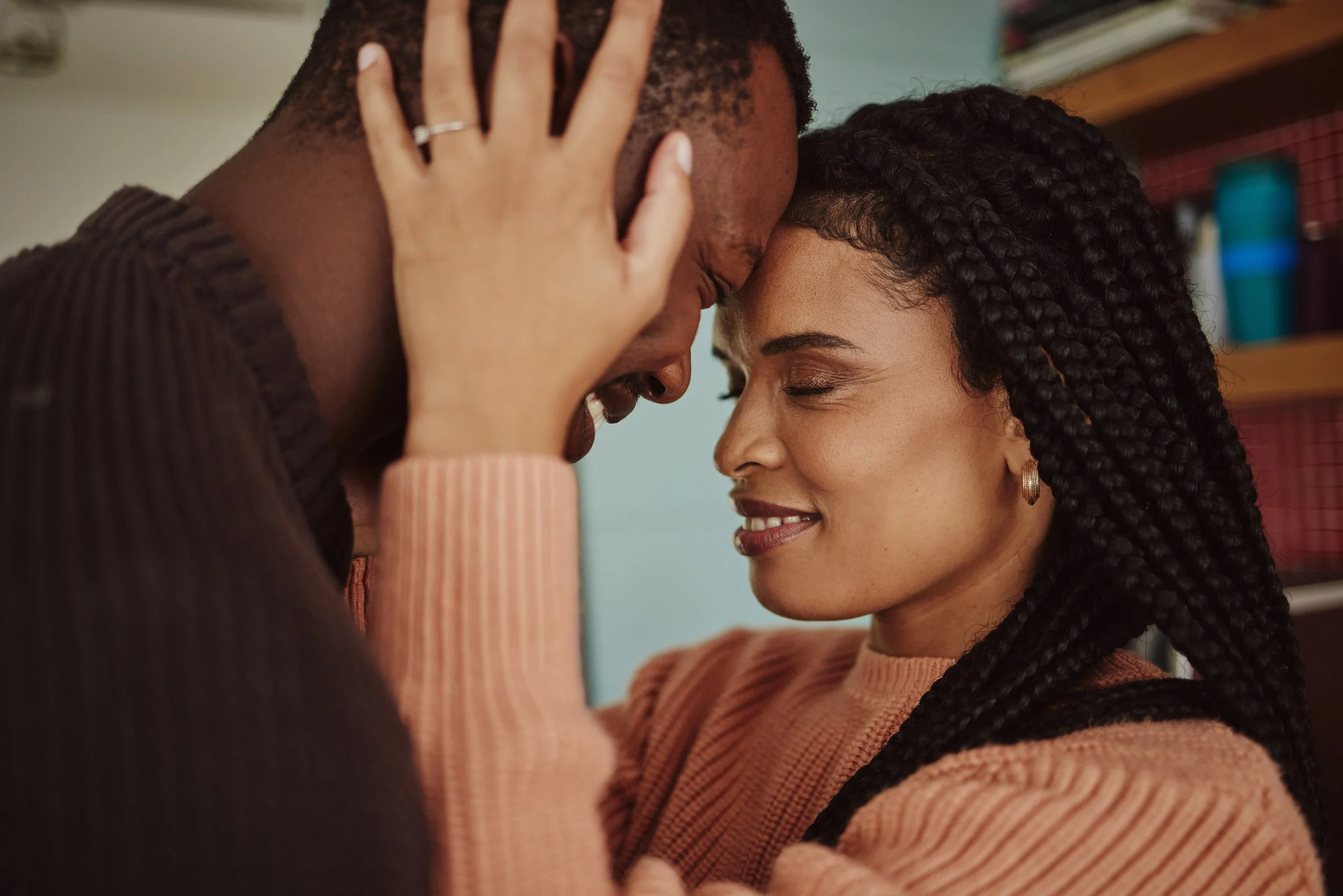
The Outsourcing of Intimacy: Why Borrowed Words Can’t Replace Real Connection
Therapy-speak may give us the words to name our feelings, but real connection requires the messy, vulnerable truth behind them. We discuss it here!

Borrowed Words Can’t Replace Real Connection
Credit: Yuri A. Via Shutterstock
By: Jamila Gomez
We live in an era where therapy-speak and self-help language are everywhere. Scroll through your feed and you’ll see it: people talking about “protecting their peace,” “not having capacity,” or “establishing boundaries.” Podcasts, TikToks, and Instagram reels have given us a whole new vocabulary for how we approach relationships. And while this language has helped many of us name things we didn’t have words for growing up, there’s a danger in leaning on it too heavily. When we start outsourcing our words, we risk outsourcing our intimacy too.
For Black folks especially, therapy and open conversations about mental health weren’t always accessible or encouraged. Having the language of “trauma,” “attachment styles,” or “emotional labor” can feel liberating because it validates what we’ve always felt but couldn’t explain. That’s the upside: these borrowed words can give us clarity and tools. They help us talk about boundaries without guilt, about self-worth without shame. They’ve given us permission to name what once was only swallowed silence.
But the downside is subtle. Sometimes we use therapy-speak as a shield instead of a bridge. It’s easier to say, “I don’t have capacity right now,” than to admit, “I don’t feel like talking because I’m hurt.” The first sounds polished, like you’ve been through a workshop. The second is vulnerable, messy, and real. And intimacy—the real kind—requires mess.
Relationships suffer when everything is filtered through buzzwords. Instead of raw honesty, we give each other curated scripts. Instead of risking being misunderstood, we hide behind universal phrases that sound wise but aren’t personal. A partner, a friend, or even a sibling doesn’t always need the perfect therapeutic phrase. They need you. Your unpolished words, your stumbles, your actual feelings in their raw form.
This is where intimacy lives: in the shaky “I don’t know how to say this, but…” or the fumbling, “I’m scared you’ll leave if I tell you the truth.” Borrowed language can open the door, but it can’t walk us through it. At some point, we have to put down the script and risk sounding human.
It’s important to remember: vulnerability is not supposed to sound perfect. Love isn’t an essay, it’s an exchange. Healing isn’t a caption, it’s a practice. The point isn’t to be fluent in therapy-speak; the point is to be fluent in yourself.
We can’t afford to let our intimacy become outsourced. The people closest to us deserve more than a vocabulary—they deserve our voices. Not the podcast version, not the Instagram-ready one, but the shaky, complicated, deeply personal truth. That’s what real connection is made of.

YOU MAY ALSO BE INTERESTED IN:

SHARE TO SOCIAL MEDIA

How to Argue Well: Building Healthy Relationships in Black Families
Learning to argue well is essential for healthy relationships, especially in Black families where generational patterns have shaped how conflict is handled. We discuss it here!
How to Argue Well: Building Healthy Relationships in Black Families
By: Jamila Gomez
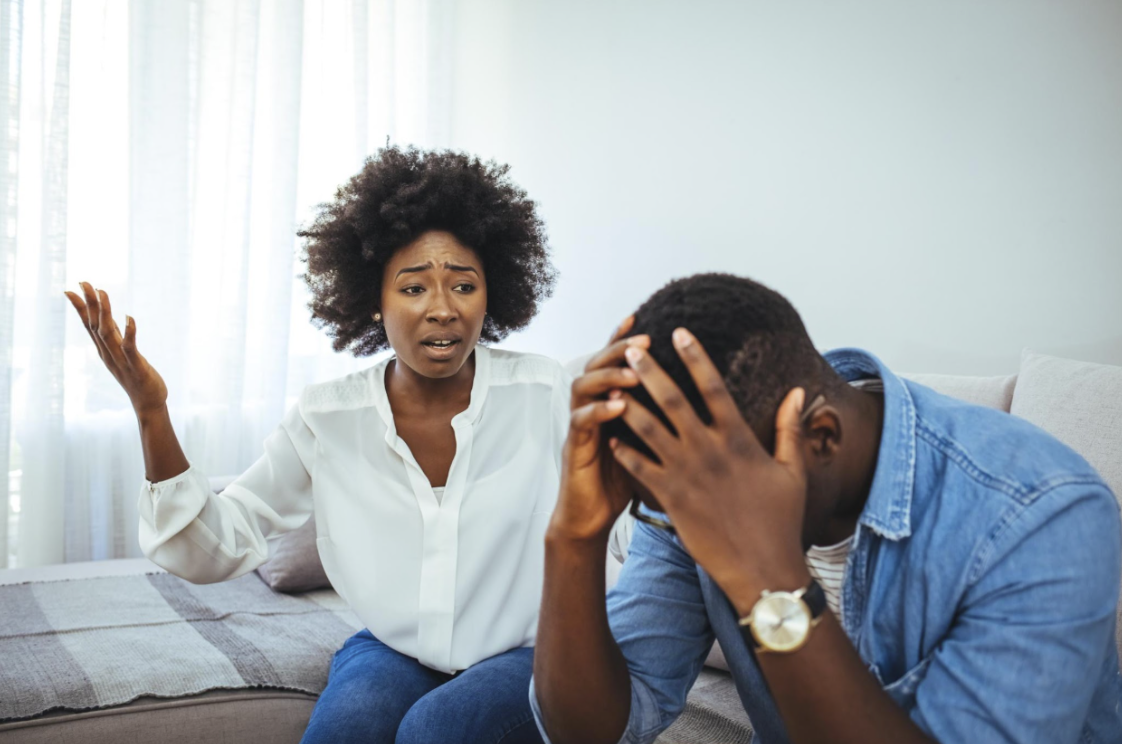
Most of us learned how to argue the hard way. We didn’t get formal lessons in conflict resolution; we absorbed whatever was happening in our households, communities, and relationships. For many Black families, arguing was either explosive—raised voices, slammed doors, cutting words—or avoided altogether with silence and side-eye. What we rarely saw was a healthy middle: disagreement handled with care.
That’s why so many of us stumble when it comes to conflict. We either repeat the patterns we grew up with, or we overcorrect and end up walking on eggshells. Gen-X learned not to “talk back,” so silence became the default. Millennials became experts at the long text or email essay, over-explaining in an effort to be heard. Gen-Z has the vocabulary of therapy-speak and is unafraid to call things “toxic” or say they don’t have “capacity,” but vocabulary doesn’t always equal skill. Each generation has its tools, but none of us got a real blueprint for healthy conflict.
The truth is: conflict is inevitable. No matter how loving the relationship, whether romantic or platonic, disagreement will come. The difference between a connection that survives and one that crumbles is not whether you fight, but how you fight. And here’s the uncomfortable part—most of us don’t know how to fight fair. We confuse arguing with winning, when the point of conflict in a healthy relationship is not victory but understanding.
Healthy conflict looks different. It’s arguing the issue, not attacking the person. It’s being able to say, “I need a break,” without ghosting or shutting down. It’s listening with the intent to understand, not waiting for your turn to clap back. It’s recognizing that raising your voice or using sharp words may feel powerful in the moment but often leaves scars long after the argument is over.
To argue well requires humility. You have to accept that you may be wrong, that you might have misunderstood, or that your tone carried more weight than you intended. It requires patience, because sometimes your partner or friend needs space before they can respond. It requires compassion, because the goal is not to destroy but to repair.
Arguing is intimacy. That may sound strange, but it’s true. It means you care enough to stay in the room when things get uncomfortable. It means you’re invested in finding a way back to each other instead of cutting and running. Nobody taught us this, but it’s not too late to learn. Our relationships depend on it.
YOU MAY ALSO BE INTERESTED IN:
SHARE TO SOCIAL MEDIA
Not Every Bad Partner is a Narcissist: How to Tell the Difference
In a world where “narcissist” is overused, here’s how to spot the difference between selfish habits, covert manipulation, true Narcissistic Personality Disorder, and a partner who’s just not for you because no matter the label, your peace is priceless. We discuss it here!
Not Every Bad Partner is a Narcissist: How to Tell the Difference
By: Jamila Gomez
In today’s dating conversations, “narcissist” gets tossed around so much it’s become a catchall insult for anyone selfish or inconsiderate. But there’s a real difference between someone with narcissistic traits, someone with Narcissistic Personality Disorder (NPD), someone showing signs of covert narcissism, and someone who’s simply a bad partner.
Understanding the difference isn’t just about getting the label right but also about knowing what you’re actually dealing with and how likely it is to change.
Narcissistic Traits
Many people carry some narcissistic tendencies without having a personality disorder. These can include a constant need for validation, a habit of steering conversations back to themselves, or struggling to show genuine empathy. Sometimes the behavior is situational—more about insecurity or immaturity than a fixed way of operating. Still, the effect can be draining, especially if you find yourself working harder and harder to keep the relationship balanced.
Covert Narcissism
Covert narcissism is the quieter cousin of the grandiose type people usually picture. Instead of flashy self-importance, the covert type often presents as humble, shy, or victimized. They may draw you in with vulnerable stories, position themselves as misunderstood, and avoid open bragging—yet still need to feel superior in subtle ways.
Common signs include:
Playing the victim in nearly every conflict
Downplaying your wins while highlighting their own
Emotional absence during your moments of pain
Using guilt or deflection when confronted
Withholding full access to their world while keeping tabs on yours
Because they’re not loud or boastful, covert narcissists can fly under the radar longer. The hook is often their “nice” or “wounded” persona, which makes it harder to reconcile when you notice the control, manipulation, and emotional neglect.
Narcissistic Personality Disorder (NPD)
NPD is a diagnosable mental health condition. It’s marked by a consistent pattern of grandiosity, a deep need for admiration, lack of empathy, and exploitation of others for personal gain. These patterns show up across all areas of life, not just in one relationship. True NPD is relatively rare, and only a qualified professional can diagnose it.
A Bad Partner
Some people aren’t narcissists at all—they’re just not good at relationships. They may be selfish, avoidant, or emotionally immature, but they’re capable of empathy, can take responsibility, and may change with effort. They don’t need constant ego boosts, and their missteps aren’t always about control.
The Bottom Line
Overusing “narcissist” can blur the lines between harmful traits, a personality disorder, and plain incompatibility. The label matters less than the impact. If you’re feeling unseen, unsafe, or consistently diminished, the name for it isn’t the point—the decision to protect yourself is.
Labels can be useful for making sense of patterns, but they’re not a requirement for protecting your peace. Whether you’re dealing with a full-blown narcissist, the quieter covert type, or just someone who isn’t capable of showing up for you, the end result is the same—you’re left feeling smaller, less certain, and emotionally drained. The work is in recognizing the behavior early, trusting your discomfort, and remembering that you don’t need a clinical term to justify walking away from what’s hurting you.
YOU MAY ALSO BE INTERESTED IN:
SHARE TO SOCIAL MEDIA
Built to Lead, Longing to Rest: The Catch-22 of Loving a Strong Black Woman
Many Black women navigate the complex tension between strength and softness, shaped by survival and independence, while seeking emotional safety in relationships that honor their full humanity. We discuss it here!
Photo Credit: Jacob Wackerhausen via iStockPhoto.com
By: Jamila Gomez
There’s a constant, quiet tug-of-war many Black women feel—but rarely speak about out loud. It’s the tension between wanting to be soft, loved, and held—and knowing we’ve been raised, shaped, and sometimes forced to always be the strong one.
From the time we’re young, we’re taught independence like it’s gospel. Be smart. Be capable. Don’t depend on anyone. Make your own money. Handle your business. And it’s not just talk—it’s modeled for us in the way we watch our mothers, aunties, grandmothers, and older sisters carry families on their backs with little to no help. We inherit their resilience because we’ve had to. Survival demanded it.
Then we grow up and enter male-dominated spaces, and what do we do? We hold our own. We outperform. We lead. We become providers in ways our mothers never got to. We carry success and self-sufficiency like armor because we had to build our lives in a world that never handed us softness to begin with.
But then… we enter relationships. And suddenly, all that independence becomes “too much.” We’re told we don’t know how to “let a man lead.” We’re accused of being too masculine, too combative, too hard to love. And the same traits that helped us survive—and thrive—are used against us.
It’s confusing. If we stand tall, we’re difficult. If we ease up, we’re gold diggers or lazy. There’s rarely grace for us to just be. And the truth is, many of us do want to rest. We want to be held, not just needed. We want to feel safe enough to take the cape off. But trust—real trust—requires safety. And softness is a risk when you’ve been taught your whole life that depending on others means being let down.
This isn’t about bashing men. It’s about naming the weight we carry, and how complicated it becomes when we’re expected to shift gears emotionally with no support, no reassurance, and no room to be in process.
If we want softness from Black women, the conditions have to exist for us to feel safe being soft. That means emotional safety, consistent leadership, and the kind of partnership that honors our whole humanity—not just the version of us that’s useful or easy.
We are not hard because we want to be. We’re hard because we had to be. And for many of us, the journey isn’t about “submitting”—it’s about unlearning survival in spaces that finally feel safe enough to exhale.
YOU MAY ALSO BE INTERESTED IN:



SHARE TO SOCIAL MEDIA
The Truth About Accountability in Black Relationships: It Goes Both Ways
This powerful reflection explores the importance of accountability in Black relationships, urging both men and women to break blame cycles, confront their own patterns, and embrace self-awareness for real healing and growth. We discuss it here!
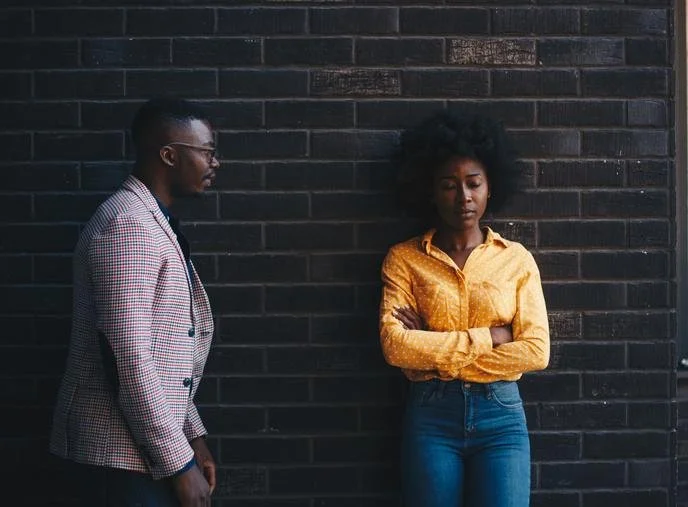
Photo Credit: Sanja Radin via iStockPhoto.com
By: Jamila Gomez
Let’s talk about something that keeps circling in our community but rarely gets addressed with honesty: the lack of accountability in how we navigate relationships—especially between Black men and women. Too often, we find ourselves caught in a blame loop, pointing fingers, posting callouts, sharing memes that reinforce the same tired narratives—and never looking inward. We’ve made an art form out of diagnosing what everyone else did wrong. Meanwhile, our own patterns, choices, and baggage go unchecked.
Here’s the truth: it’s not always them. And deep down, we know that.
But accountability is hard because it demands reflection. It means you have to admit that sometimes you stayed in a relationship you knew wasn’t healthy. It means owning the times you ignored red flags, avoided hard conversations, or used your wounds as weapons. It means acknowledging that healing doesn’t make you perfect—and that being hurt doesn’t give you a pass to hurt someone else.
This is not about blame. It’s about maturity. Because healing isn’t just about calling out the people who hurt you—it’s also about recognizing the ways you showed up in your own dysfunction. It’s about asking, What did I allow? What did I enable? And how have I been part of the problem, even when I was also in pain?
That’s a tough pill to swallow, especially in a culture where survival has made many of us defensive by default. We’re used to being silenced, overlooked, and dismissed—especially Black women and Black men who’ve carried generational trauma. But we can’t use our trauma as a shield from accountability. At some point, we have to get honest with ourselves about how we show up in love, in conflict, and in community.
When we make everything someone else’s fault, we don’t heal—we deflect. We stay stuck in cycles that feel familiar but never fulfilling. We keep attracting the same energy in different bodies because we haven’t done the work to change ourselves. And until we face that, no amount of venting, posting, or dragging our exes is going to bring us peace.
The truth is, relationships take more than good intentions and shared struggle. They take self-awareness, honesty, and the willingness to grow beyond our default behaviors. And yes, that includes owning up to the times you were wrong, even if you were also hurt.
Accountability isn’t weakness—it’s strength. It’s what allows us to stop surviving and start evolving. And if we want something real—something healthy, mutual, and rooted in growth—we’re going to have to stop pointing fingers and start looking in the mirror.
The healing we’re craving? It starts there.
YOU MAY ALSO BE INTERESTED IN:
SHARE TO SOCIAL MEDIA

The Pressure to Be the Healed One in Every Relationship
Black women often carry the emotional burden of others after healing, but true growth means setting boundaries, recognizing emotional outsourcing, and protecting your peace. We discuss it here!
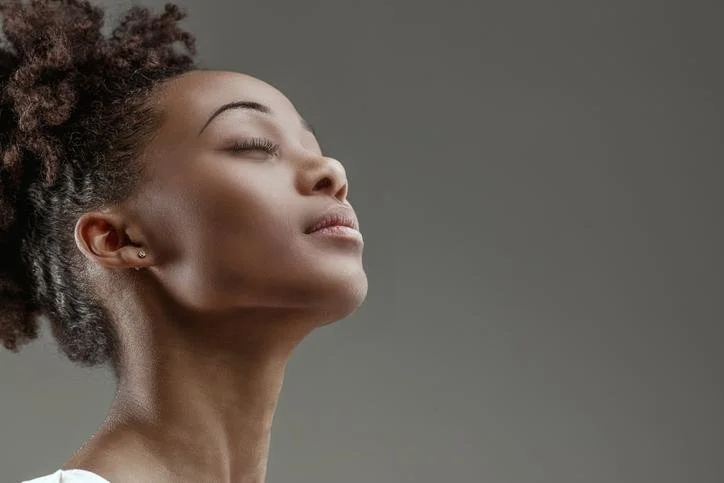
Photo Credit: Giulio Fornasar via iStockPhoto.com
By: Jamila Gomez
Black women are often expected to be the strong one, the wise one, the emotionally mature one—the one who knows better, does better, and shows up whole, no matter what. And while healing is powerful, there’s a quiet pressure that comes with it: once you start doing the work, people assume you’re supposed to carry the emotional weight for everyone else, too.
It shows up in subtle ways. You’re the one expected to de-escalate arguments, make peace in the group chat, understand everyone’s trauma, and never take things too personally. When someone hurts you, you’re told to be the bigger person. When someone lashes out, you’re expected to see their inner child. When you express your own needs or pain, suddenly you’re “too much” or “not as healed as you claim to be.”
Healing doesn’t mean you become emotionally bulletproof. But that’s often the expectation—especially in relationships where the other person hasn’t done their own work. It’s a quiet setup: you grow, they stay the same, and now you’re responsible for bridging the gap. That’s not partnership. That’s emotional outsourcing.
It happens in friendships too. Once you’re known as the “grounded” one or the “emotionally aware” one, your needs get overlooked. You’re the one they vent to, lean on, unload on—but when you start needing support back, things get quiet. Because people often confuse your capacity with your comfort.
And let’s be honest: some folks aren’t looking for accountability. They’re looking for someone who’ll keep making space for their mess without ever asking them to clean it up. That’s where this pressure becomes dangerous. It teaches you to shrink your needs, soften your voice, and overfunction just to maintain peace. But there’s nothing peaceful about always being the one who has to rise above.
Being healed doesn’t mean being passive. It doesn’t mean tolerating disrespect, overexplaining your boundaries, or constantly managing other people’s emotions. Healing means being able to recognize what’s not yours to fix—and choosing to let it go.
We talk a lot about doing the work. But part of the work is realizing when you’re being used as someone else’s shortcut. Being healed doesn’t make you responsible for anyone but you. Growth is not a service you owe to others—it’s a standard you get to protect.
YOU MAY ALSO BE INTERESTED IN:
SHARE TO SOCIAL MEDIA
Is It Love or Leverage?
Many people mistake control and emotional dependency for love, but learning to recognize the difference between genuine connection and subtle manipulation is essential to healing and freedom. We discuss it here!
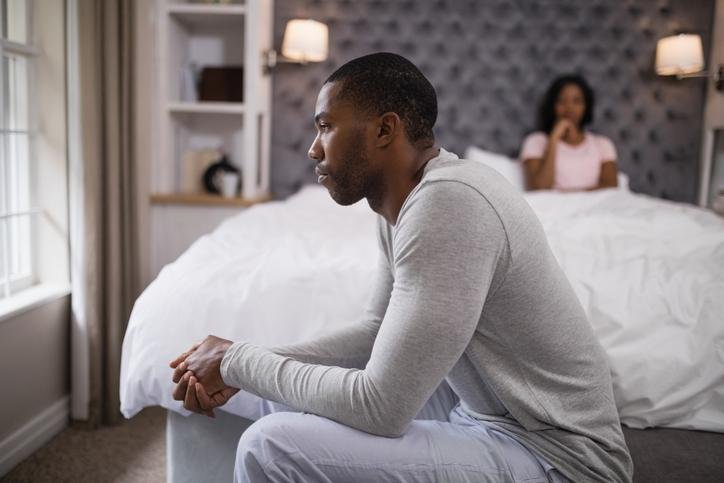
Photo Credit: Wavebreakmedia via iStockPhoto.com
By: Jamila Gomez
Not everyone who sticks around loves you.
Some people stay because your wounds serve them. Because your silence benefits them. Because your self-doubt makes them feel needed, important, or superior. And sometimes, what we call love is really just leverage dressed up in affection.
It’s not always easy to tell the difference—especially if you grew up believing love was something you had to earn. If your earliest experiences taught you that love came with conditions, sacrifices, or expectations, then it makes sense why being overextended in a relationship might feel normal. Familiar, even.
But there’s a cost.
You start mistaking attachment for love. You start confusing being needed with being valued. And you start accepting bare minimum effort as deep connection because you’re emotionally invested in who someone used to be, or who you hoped they’d become.
Ask yourself this: when you started to heal, did they pull closer—or pull away?
When you found your voice, did they celebrate your power—or shrink in discomfort?
When you stopped needing them to validate you, did they support your growth—or start subtly punishing you for it?
Real love doesn’t flinch when you evolve. It doesn’t see your healing as competition. It doesn’t require you to stay broken in order to feel close.
But leverage? Leverage loves the imbalance. It feeds off your guilt, your gratitude, and your fear of being alone. It creates emotional IOUs—those quiet expectations that say, “You owe me for being here.” It disguises itself as loyalty, then uses that loyalty as a leash. It keeps you dependent, unsure, apologizing for outgrowing the box they put you in.
There are people who won’t know how to relate to you once you’re no longer the version of yourself that needed them. People who don’t know how to love you when you’re clear, centered, and free.
And while that may feel like rejection, it’s really revelation.
We were taught to call a lot of things love that were really just fear, control, and performance. We weren’t taught to ask: Do I feel seen here? Do I feel emotionally safe? Do I feel like myself in this relationship—or just a role I’m expected to play?
Because if your light makes them dim, if your joy makes them distant, or if your peace makes them uncomfortable—what you had wasn’t love. It was leverage. It was control. It was comfort at your expense.
The love that’s meant for you will expand with you. It will want your freedom, not your dependence. It will love the real you—not just the version it could manage.
So, the next time it feels hard to tell the difference, sit with this question: Is it love, or is it leverage?
YOU MAY ALSO BE INTERESTED IN:
SHARE TO SOCIAL MEDIA
We Don’t Have to Be Grateful for the Bare Minimum
This powerful reflection challenges the normalization of bare-minimum behavior in relationships, workplaces, and society—especially for Black women—urging readers to reclaim their standards, dignity, and self-worth. We discuss it here!
Photo Credit: CarlosDavid.org via iStockPhoto.com
By: Jamila Gomez
Somewhere along the line, many of us were taught to accept scraps and call it kindness. A text back. A half-hearted apology. A job that pays just enough to keep the lights on. We were told to smile through mistreatment, to be “grateful” for whatever was offered, and to lower our expectations in the name of being easy to love, easy to work with, easy to manage.
But let’s be clear: bare minimums are not gifts. They are obligations.
Responding to a message, being honest, treating people with basic dignity, showing up after causing harm—these are not grand acts of service. They are the floor, not the ceiling. Yet so many of us have been conditioned—especially as Black people, and particularly as Black women—to say “thank you” when we should be saying, “That’s the least you could do.”
This is not about entitlement. This is about restoring balance where systems and relationships have quietly asked us to shrink.
We see it in workplaces that expect us to overperform without recognition. In romantic dynamics where we’re praised just for being chosen, as if our presence isn’t a privilege in itself. In friendships where we’re expected to always understand, always forgive, always be the one reaching out. And in all of these spaces, we’ve been guilted into silence with phrases like “at least they’re trying” or “something is better than nothing.”
But here’s the truth: when the bare minimum is dressed up as effort, we begin to doubt what we actually deserve. We start to internalize the lie that asking for more is being “too much.” That wanting follow-through means we’re ungrateful. That needing consistency somehow makes us needy.
It’s not ungrateful to have standards. It’s not ungrateful to say, “I appreciate this effort, but it’s not enough for me to feel safe, seen, or supported.”
And no, raising the bar doesn’t mean we’re looking for perfection. It means we’re refusing to live in cycles of crumbs and confusion.
What we’re worthy of isn’t excessive. It’s basic human decency, followed by real care, and not just in words—but in presence, energy, and accountability.
So, no more gold stars for the bare minimum. No more over-celebrating people or spaces that barely meet us where we are.
Gratitude doesn’t mean settling. And your standards don’t make you unkind. They make you clear.
YOU MAY ALSO BE INTERESTED IN:
SHARE TO SOCIAL MEDIA
There's Something Special About Black Love and It Should Be Celebrated
There's something very special about Black love and the bond that comes with it! We discuss it here!

By: Jordan King
While February is proudly Black History Month, we also observe a special day for the celebration of love in all forms and fashions. When it comes to speaking about love within the Black community at large, this topic is so vast and at times controversial. Everyone (rightfully so) has different and conflicting perspectives. However, all of our people deserve and are entitled to love; especially when we have done that inner work to heal and be the best version of a mate for your significant other!
To be able to love freely and unapologetically is a divine right. Love should not be complicated, however, naturally things happen. Now, for some reason when it comes to Black love; it’s not just complicated but complex. The presence of Blacks in America spans over 400 years yet somehow we have managed to maintain our kind. Traditionally, media has struggled with how to properly represent affection, care, and love when it comes to colored people. Often times our love is seen as too dramatic, toxic or situation based. Now of course that’s not to say that America misrepresents other cultures too.
Admittedly; while my parents are divorced, I have been grateful to witness other examples of healthy relationships and marriages. Also it’s very important to acknowledge the valleys in various stages of relationships, as not every day will be easy or disagreements will arise. On the other side, people can eventually grow apart and lead cordial lives. Nonetheless, the goal of our generation should be to not only redefine the definition of love in modern times; yet also maintain the essence of what love has always been!
The illusion of options will unfortunately make it hard for us to be able to properly find their person. In the past, people were relegated to shorter radiuses to find their lifelong partners. However, this also can be a positive! For instance, two people that were meant for each other but maybe distance would’ve prevented them from ever meeting; could manifest a connection through the tools of technology.
While I do believe in the concept of “love is love”, as well as the idea that anybody can find their person within anyone else; there’s just something so unique about the love affair between two Black people, as well as the care and intimacy that they are able to show due to the combined history and lineage. Honestly, it is through the strife that Black people have experienced throughout our collective history, that we have been able to transmute that pain into an overall deep love and care. A force so mighty that when applied properly can be miraculous, as well as even generation binding.
Some, and hopefully more of you will get the chance to experience family reunions with true elders. Those that have the matriarchs & patriarchs that can truly pass on a long history, as well as being able to experience these people up close. One day, those elders (hopefully) will be us!
To be Black, is an honor; A birthright. The ability to find and maintain love while Black, can be challenging; however, ultimately so rewarding. There’s a very unique importance and aspect of love that can always be revealed and nurtured between two people from similar cultures.
YOU MAY ALSO BE INTERESTED IN:
SHARE TO SOCIAL MEDIA
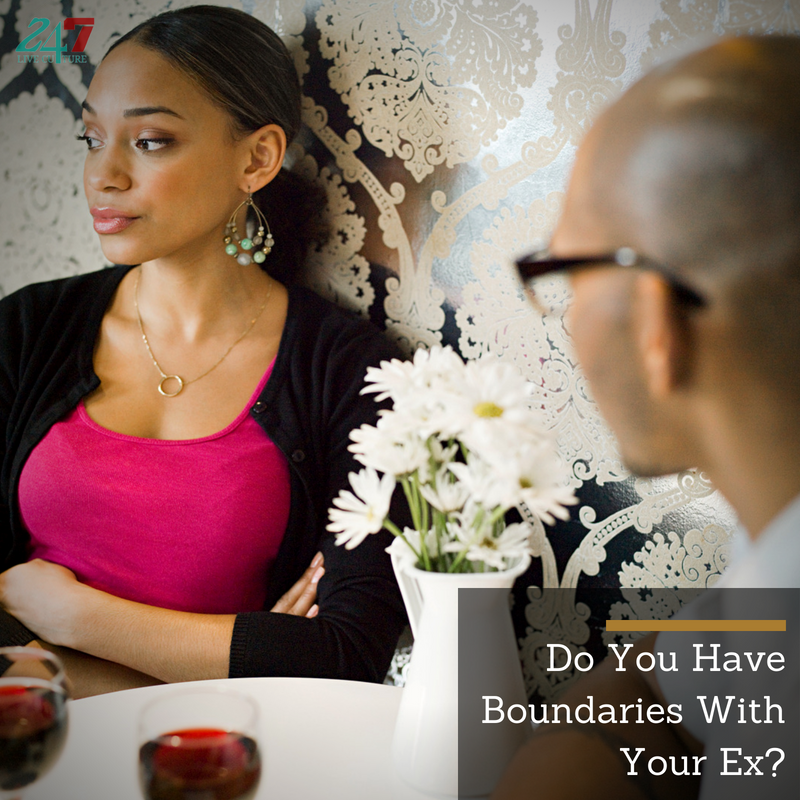
Do You Have Boundaries With Your Ex?
In some relationships, people are able to maintain healthy relationships with their exes, but just how close are you? Here are some things you may be doing with your Ex that are no good because you don’t have any set boundaries!

By: Alyssa Cole
In some relationships, people are able to maintain healthy relationships with their exes, but just how close are you? If you're a fan of the hit Hulu series Insecure, we saw in a recent episode Issa battle with her temptations and sexual desires to not have sex with her old boo Daniel. Most viewers I’m sure were caught off guard at the end of the episode when Issa stops Daniel right in his tracks as he’s beginning to set the mood. Were you not screaming at the television in disbelief?! But this episode had a great lesson in it, which is to have self-control and to definitely set some boundaries! Here are some things you may be doing with your Ex that are no good because you don’t have any set and enforced boundaries!
Having Sex With Your Ex
Now you know you’re wrong for this! But let’s be real, things happen. Is it right or healthy? Of course not! Sure it feels amazing, but it’s not worth it. Some advice? Date somebody new and once you feel they are promising and headed towards something long lasting, become intimate with that person. It’s so easy to get caught up with your ex, especially for the sex, but mentally and emotionally, it’s not a good move in the long run.
Looking At Your Ex’s Social Media Posts And Photos
Now you know better. Ok, I get it, some of you are still friends with your exes but even if you or if you aren’t, refrain from internet stalking them. We all know the average human being is nosey as crap! But once you get on their page and get to scrolling, the next thing you know you’re going down memory lane, thinking about the last time you went out with them, and what made you fall for them in the beginning. DON’T DO IT! If you ever want to truly move on, you should really take a step back from checking their social media and for some people, you may need to remove them from your social media altogether. Thank me later.

Reaching Out To Your Ex When You’re Drinking
Now listen. I don’t even need to go into detail about this one because you know you’re acting up when you do this. One of the most popular things people do especially if the break up is still fresh is reach out when you’re under the influence to your ex. This is never a good idea! This is where having self-control comes into play. Know your triggers! If you know that Sangria or Jack and Coke makes you feel a way and you’re not over your ex, turn your phone off when you’re out or have a friend hold your phone. It’s not childish, it’s called being smart! I’ve had to tell my friends to hold my phone when I knew I was still getting over someone, just to prevent sending something I didn’t mean or worse, sending something I did mean but didn’t have the guts to say when I was sober. Be very careful when you’re under the influence!
Are you guilty of any of those things above? Maybe or maybe not, but the most important thing to remember is to know your triggers and always have self-control. Ask yourself why did you end up breaking up in the first place? Is your current friendship a healthy one? Are you falling back into a place of comfort with them because it’s what you're used to? There isn’t a rule saying you can’t be friends with your ex, but to really help you move forward, it’s important to set clear boundaries and don’t overlook them. Be confident in yourself that you can be happy and satisfied with someone new and especially when you’re by yourself.
YOU MAY ALSO BE INTERESTED IN:
SHARE TO SOCIAL MEDIA
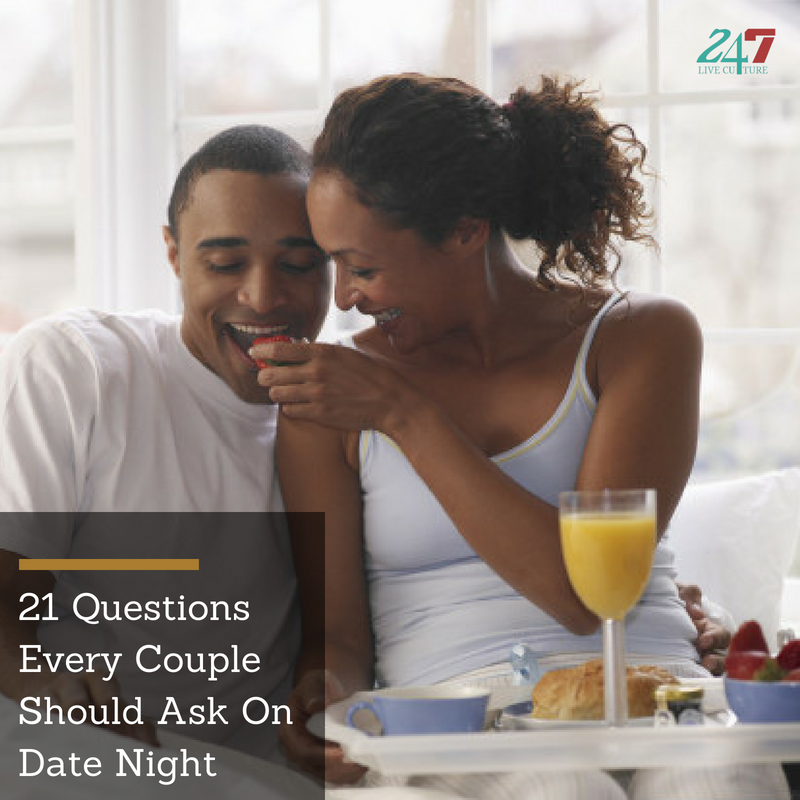
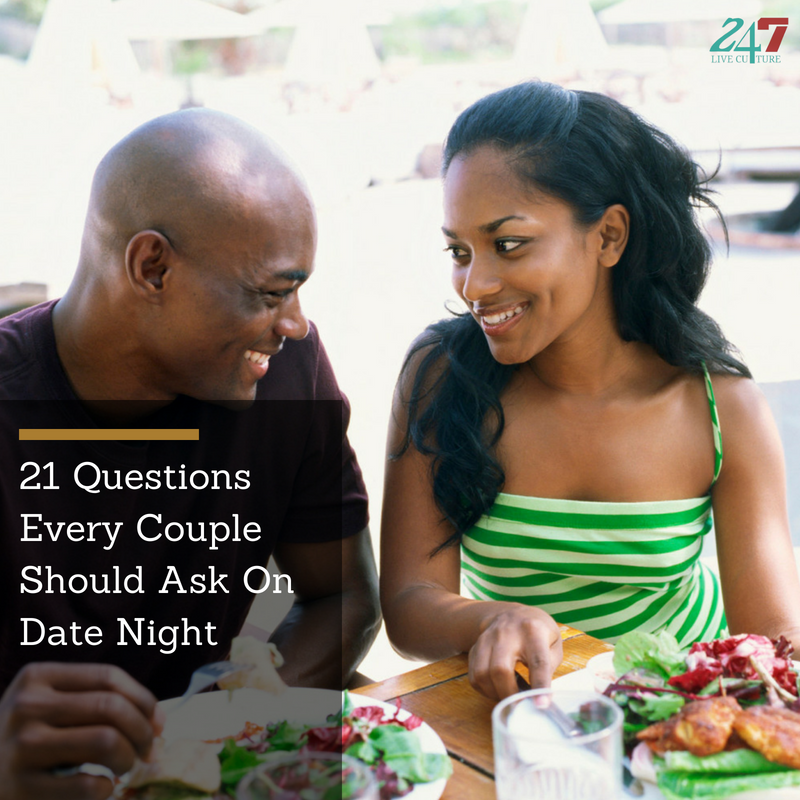
21 Questions Every Couple Should Ask On Date Night
Whether you’re going out for a romantic dinner with your partner, or you’re staying in for some netflix and chill, here are 21 questions every couple should ask on date night!
By: Omar Cook
Getting to know your partner is essential to having a great relationship, and communication should be a top priority. Sometimes just sitting down to have a simple conversation about life can be a great date idea. Whether you’re going out for a romantic dinner with your partner, or you’re staying in for some netflix and chill, here are 21 questions every couple should ask on date night!
Questions About You?
1. What is your ultimate goal in life?
2. What is the craziest thing you’ve ever done?
3. Do you have any regrets?
4. What’s one thing I don’t know about you?
5. What scares you or makes you nervous?
6. What is your most proud accomplishment?
7. Where do you see yourself in 5 years? 10 years?
Questions About Me?
1. What are 2 facts about me?
2. What do you like about me the most?
3. What’s 1 thing that you think I can do better?
4. What am I passionate about?
5. What is my favorite song/music artist/movie?
6. What is my dream job?
7. What are my biggest turn-ons? Turn-offs?
What About Us?
1. What do you enjoy about our relationship the most?
2. What is your favorite memory of us?
3. What is the biggest weakness of our relationship?
4. Where would you prefer to settle down as a couple?
5. What is the greatest strength of our relationship?
6. Where do you see us in 5 years?
7. What should we do together that we haven’t done already?
YOU MAY ALSO BE INTERESTED IN:
SHARE TO SOCIAL MEDIA
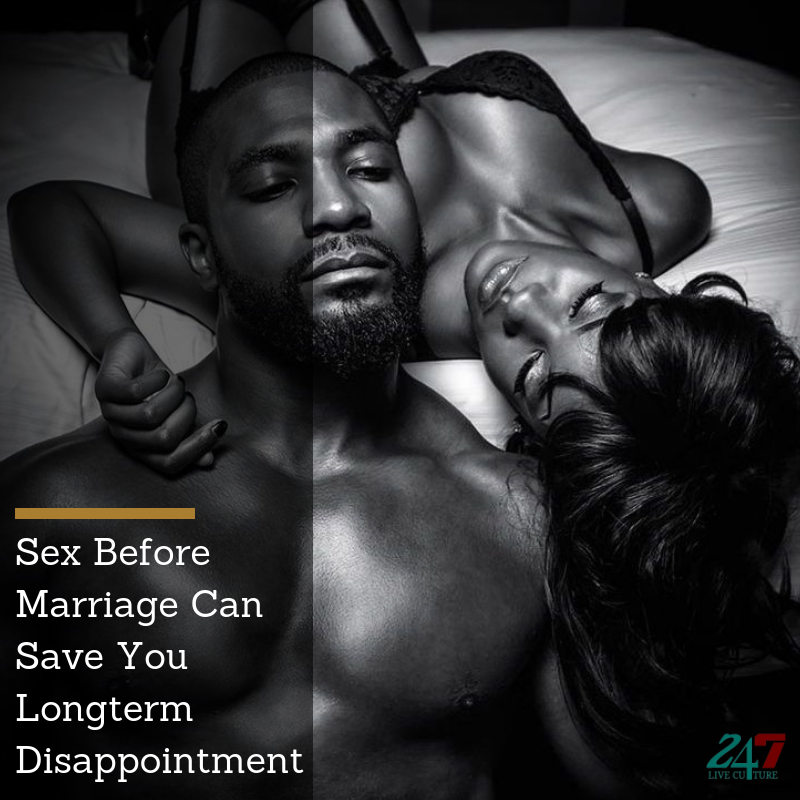
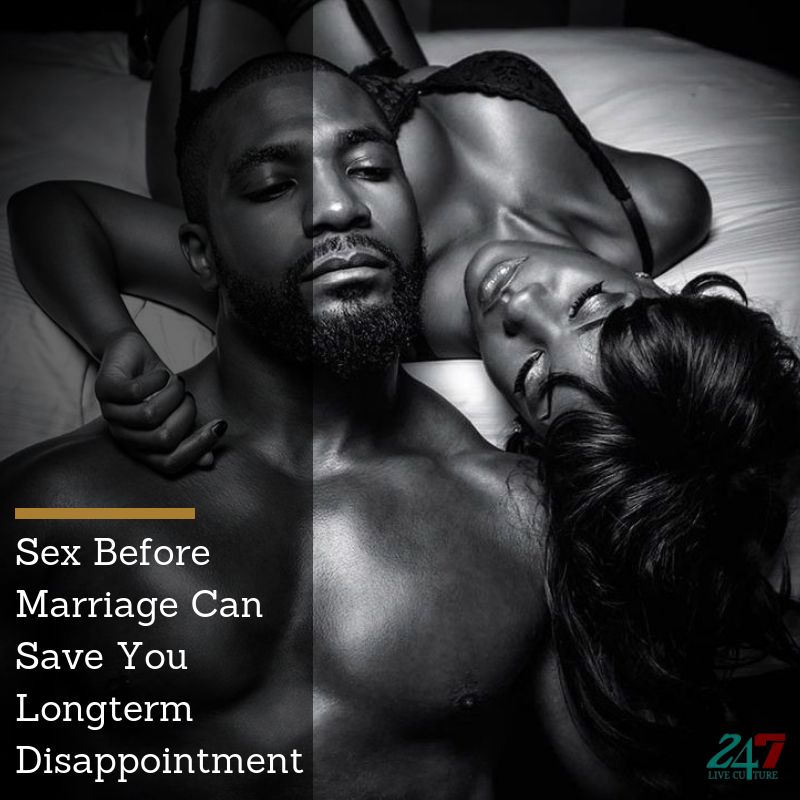
Sex Before Marriage Can Save You Longterm Disappointment
Getting into a marriage just to find out that the person of your dreams isn’t what you pictured them to be in bed, is a nightmare that we all wish to avoid. Here’s why sex before marriage can be to your benefit!
By: Omar Cook
Sex is a powerful tool that should not be taken for granted and abused. It’s also something that can affect how you interact with your partner in a relationship. We have always been taught from an early age that we should wait until we get married to have sex, but in all honesty, how many people are really waiting until marriage?
This isn’t to say to you should be having sex in every relationship, or with every person that peaks your interest. And if you have religious reasons for holding off until you tie the knot, hold true to your own beliefs. But if things are getting pretty serious and you want to know that what lies under the covers fits your agenda, you might just want to give it a shot.
Waiting until marriage leaves a lot room for the unknown. A legitimate fear of not having sex before marriage is, what if you don’t click with your partner intimately? Sexual attraction and sexual chemistry are two different things. You can be extremely attracted to a person physically but the sex can be wack!

Sex can solve a lot of issues, or at the very least, make some things about your partner just a little bit more tolerable. Imagine having a bad argument, and wanting to be able to make up with each other physically, but the sex is just as bad as the argument. Now you’re physically and mentally frustrated. Lack of sexual chemistry is a recipe for disaster.
It’s like test driving a car, no person in their right mind is going to leave a car lot without taking it around the block first. Sex can always be learned and taught and you can grow with your partner, but that’s definitely a risk you’re going to take if you wait until marriage. If you’re going to spend the rest of your life with a person, you’re obviously going to want to know if they can satisfy you physically. Getting into marriage just to find out that the person of your dreams isn’t what you pictured them to be in bed, is a nightmare that we all wish to avoid.
We don’t live in the 1800s and people aren’t getting married off love at first sight anymore. You’ll want to everything about who you’re getting involved with and sex is a major factor in a relationship. Sex isn’t the answer to a healthy relationship and it should also not be the deciding factor on whether you should be with someone, but it is important nonetheless. If having sex before marriage is what you and your partner decide to do, do it the safe way of course!
YOU MAY ALSO BE INTERESTED IN:
SHARE TO SOCIAL MEDIA
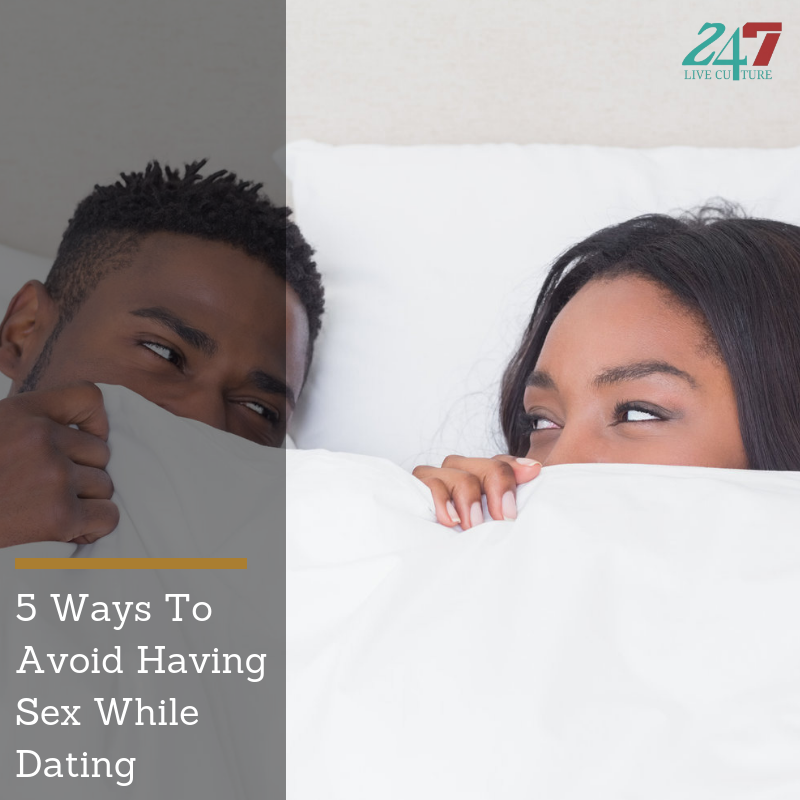
5 Ways To Avoid Having Sex While Dating
You’ve gone on numerous dates and have started really getting to know someone new, but you don’t know if you’re ready to be intimate with your partner! Here are 5 ways to avoid having sex while dating!

By: Alyssa Cole
It’s been a few months, and you’ve gone on numerous dates and have started to really get to know someone new. They're extremely attracted to you mentally and especially physically, but you really want to wait until you’re in a serious and committed relationship to be intimate. There was a time where there was a 90-Day Rule when it came to sex, but over time things have changed and people are letting the flow of how the vibe is with one another decide when the time is right. Although going with the flow is not necessarily a bad thing, you don’t want to let the sexual chemistry cloud the focus on building a solid foundation for the relationship. So what can be done?! Here are a few ways you can avoid having sex while dating.
1) No Home Dates
Trying to decide what to do for a date but you keep thinking about how nice a movie with your favorite take-out cuddled up would be? Stop right there. This is one of the easiest ways to get yourself caught up in a spicy situation with your new boo. We all know a good movie and some extra close touching can lead to much more and it can happen relatively quickly! Try coming up with places to go outside of the house to avoid the extra privacy you’re not ready to have.
2) Avoid Late Meet-ups
Have you ever heard the saying, “The Freaks Come Out At Night"? Yes, this is in fact very true for the average hormonal person. It is more common for someone to think about sexual intercourse the later it gets into the night vs early in the morning or midday. This, of course, varies by the person, but the best thing to do is to arrange plans during the day to make it less of a possibility that you may get tired and potentially desire to stay the night. Which leads me to my next tip.
3) No Sleepovers
I get it. You may be starting to get serious and you have the freedom of staying over each other’s houses. You’re in the faze where you want to see them every other day and spend as much time together, but staying the night is OFF LIMITS! This is definitely the easiest way to end up having sex too soon. You may say to yourself “I can control myself”, early in the night, but then you get comfortable, your favorite love songs are playing, and you find yourself wondering what it would be like to experience that amazing moment with this person your really into right here, right now. Be patient! It’s better to avoid staying the night completely until you are in a serious relationship.

4) Don’t Give The Wrong Impression
How embarrassing is it when your new boo thinks it’s the perfect time to become intimate because your body language is yelling it, but in reality, you aren’t even sure what you’re ready for! Don’t play with their emotions. Don’t start kissing them on their neck or chest and expect them to avoid the temptation. Sex is an intimate thing exchanged between two people and to some, it’s a precious thing to do. Be sure your actions and your mind are on the same level to alleviate any unnecessary confusion. By making it clear you’re not ready and avoiding giving off the wrong vibe, you can avoid your new boo attempting to initiate something sexual.
5) Avoid Things That Trigger Sexual Arousal
It’s no secret people like to drink and some like to take other substances as a form of socializing. If you know that after a few drinks or smoking you may find yourself likely to be in the mood, avoid these behaviors as much as possible when you’re with your partner. You may want to go out for drinks with them and that’s ok, just as long as you know your limit! Knowing what trigger’s you to be sexually aroused, will be crucial to you avoiding having sex too soon.
While all these are great ways to avoid sex, the most important thing you must have is self-control. We live in a time where we want everything fast including relationships, but like all good things that last, it takes time and patience. Just because you wait to take certain big steps doesn’t mean you aren’t seriously interested in the person nor does it mean you won’t become ready at a certain point. Take your time, enjoy the dating phase, and focus on really getting to know the person.
YOU MAY ALSO BE INTERESTED IN:
SHARE TO SOCIAL MEDIA

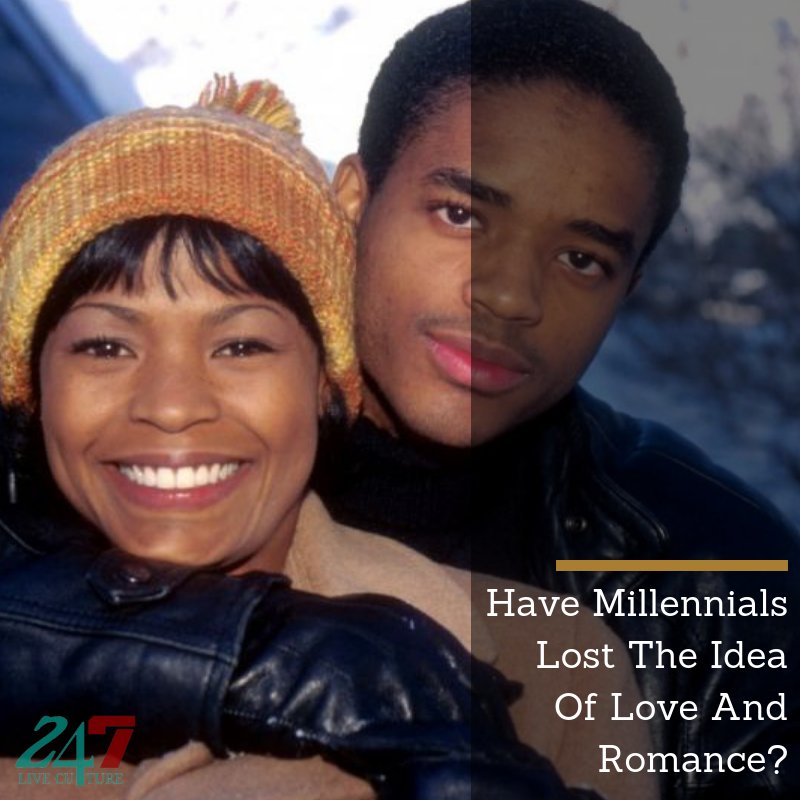
Have Millennials Lost The Idea Of Love And Romance?
Have Millennials Lost The Idea Of Love And Romance? We discuss it here!
By: Omar Cook
What Happened to the Idea of Love and Romance?
Recently I was sitting with some family and you know when you get around family, when the elders speak you listen. I listened to my Great Aunt discuss how she met and fell in love with my Great Uncle as they celebrated 60 years of marriage. 60 years of marriage! The idea of spending 60 years with the love of your life seems like a fairytale out of a movie or a book. How does one even get to this point? 60 years of marriage takes an extreme amount of commitment, tolerance, growth, and love, but most importantly commitment. I know I said commitment twice, but I have to emphasize this word since this is something that millennials seem to lack in this day and age. Times have surely changed, and the thought of settling down at an early age is something most millennials want no parts of, which isn't a bad thing. But somewhere in the changing of generations, we lost the concept of true love! What happened to the idea of love and romance?
We live in a time where hookup culture is glorified, whether in music, tv, social media, or real life. Netflix and chill has become a common theme and has completely replaced the idea of going out on actual dates for some people. What happened to actually asking women out and taking them out on dates? If you take a casual scroll down your twitter timeline, you might occasionally find conversations on what actually constitutes as a date and how much should a person be spending on a date. Social media has fooled people into believing that they have to spend a certain amount of money to wine and dine people to impress the person they're going out with. Reality is, no amount of money can pay for true love and romance.
There used to be a time when people actually had to meet people face to face, and actually court a person in person. It was just a decade ago when you had actually had to spit some real game in person to get a woman to go out with you. Now in the digital age, these type of interactions are dwindling! Now you can just hop in somebody's DMs instead of actually having a real interaction. And if you're really thirsty, you can hop on tinder or POF or whatever social app there is for dating and find an instant hookup! Millennials have become the generation of immediate gratification. Actually courting women and spending time getting to know people, and true dating is slowly becoming a lost art. Simple gestures like sending flowers, writing letters, and actually expressing feelings to a person are part of a romantic culture that this generation lacks.

For whatever reason, men in this time period find it more appealing to rack up a body count rather than focusing on one woman. We tend to go for what's easy and accessible rather than something you actually have to some work into. People are beginning to take the term "live your best life" and use that as an excuse for their sexual promiscuity. Does the idea of love and romance scare people or is it the loyalty and commitment part that makes people act the way they do? A better question is, what actually happened to loyalty and commitment?
This is an interesting time period that we're living in, for good and bad reasons. Our generation has torn down walls of old thinking in all areas of life. The traditional structure of marriage is being shaken up as women are no longer just seen as housekeepers, or housewives but are true breadwinners in today's society. Women are embracing their independence, their individuality, and are no longer settling for the ideals set by past generations. Millennials are putting the idea of love to the side and setting their priorities in other areas, mainly their careers. People believe that being in a committed relationship will slow down their career goals, which is only true if the person you're with isn't on the same page as you. Marriage, what used to be seen as an accomplishment, is no longer seen as that for this generation, but rather something that people will fall into after they have settled down in their careers.
While all of this is cool, the independence that millennials have can be detrimental in other areas. You should absolutely date multiple people so you can find yourself and what you truly like but millennials also use this freedom to be more sexually promiscuous than any other generation. With STDs at an all time high, I think we forget the importance of choosing your partners wisely and practicing safe sex. Things that used to be sacred to relationships, like nudity and the privacy of a relationship are thrown around on social media timelines like candy. Social media has given millennials pictures of what they believe are "relationship goals" and we often don't realize that what's on social media isn't reality.

Social media shouldn't dictate to you what your relationship should be like, what kind of dates you should go on, or whether it's cool or not to be in a relationship. This generation prides itself in being free thinkers but we truly don't realize how much we tend to group think, and let others influence our thoughts. It's okay to love and be in love, and it's surely okay to share romance with your partner. It's okay to make love instead of looking for the quickest hookup. There are still some of us who value what's real; real dates, real love, real romance. And it might just be up to us to rescue the idea of love and romance. Don't let the love fade, millennials.
YOU MAY ALSO BE INTERESTED IN:
SHARE TO SOCIAL MEDIA
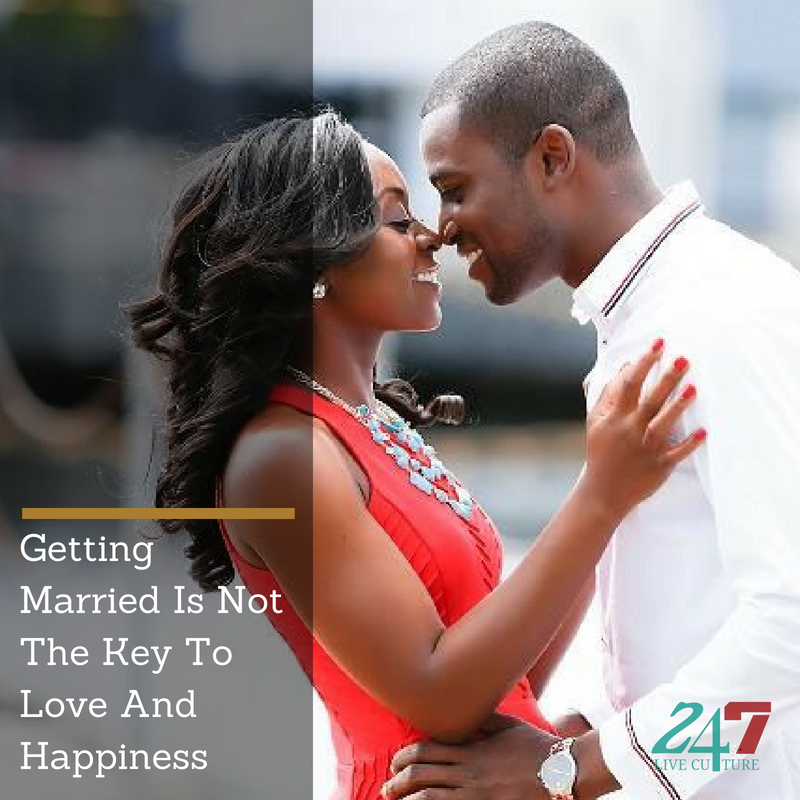
Getting Married Is Not The Key To Love And Happiness
Marriage has always been seen as a high priority goal on the list for people wanting to achieve the American dream, but is getting married really a key to love and happiness? We discuss it here!
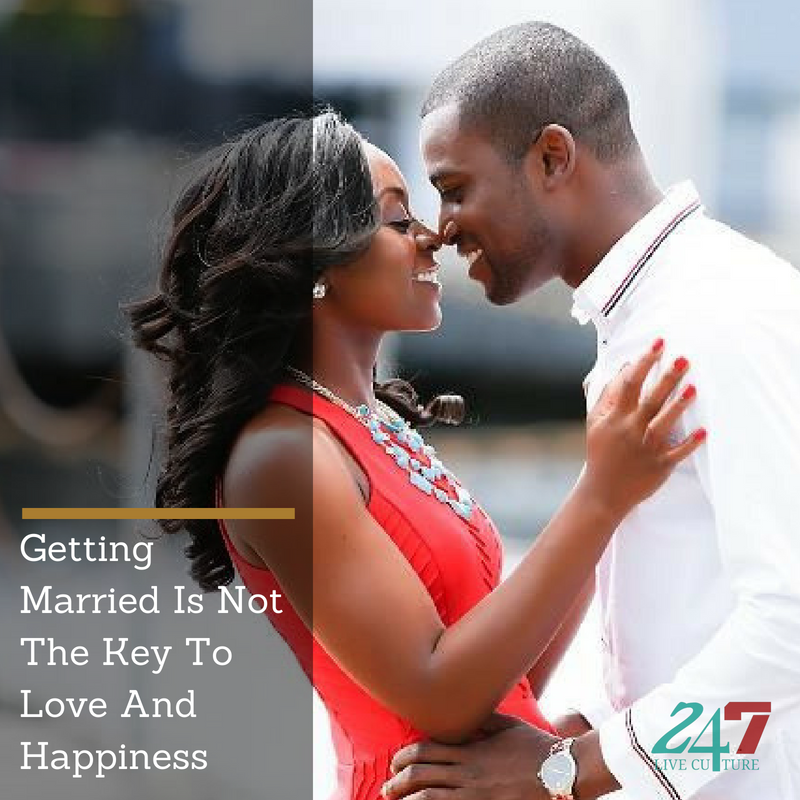
“I’m just trying to make money, catch me a husband, so I can get my happiness.”
By: Deveney Marshall
It was a slow and rainy Wednesday at work, so my coworker and I began talking about our romantic relationships to pass the time. I explained to her I considered myself single(ish) and she shared the same sentiment as well, a sentiment several millennials like myself can relate to. We continued our conversation about marriage and relationships, and before she left she said these words “I’m just trying to make money, catch me a husband, so I can get my happiness.” I pondered on those words for a while, and all I could think to myself was money and marriage aren’t the keys to a happy life and why do we even still believe in that age-old ideal?
Marriage has always been seen as a high priority goal on the list for people wanting to achieve the American dream. Even in 2018, a lot of millennials still see marriage as this fairytale-like fallacy, and feel in order to have happiness then they have to be married. Traditionally speaking, marriage has never been about true love or happiness. It has always been handled like a business deal, using women as collateral. Women would provide domestic duties in exchange for financial security. However, those days are (almost) behind us, and women make enough to sustain their own cost of living. We can now officially marry one another for all of the right reasons, yet we still are not. Why?
For starters, people have to become more honest with themselves. Most people don’t care about having a happy and successful marriage, they just don’t want to be alone. They believe marriage will be this cure-all for their unhappiness. However, marriage is not the cure for loneliness, self-work is.
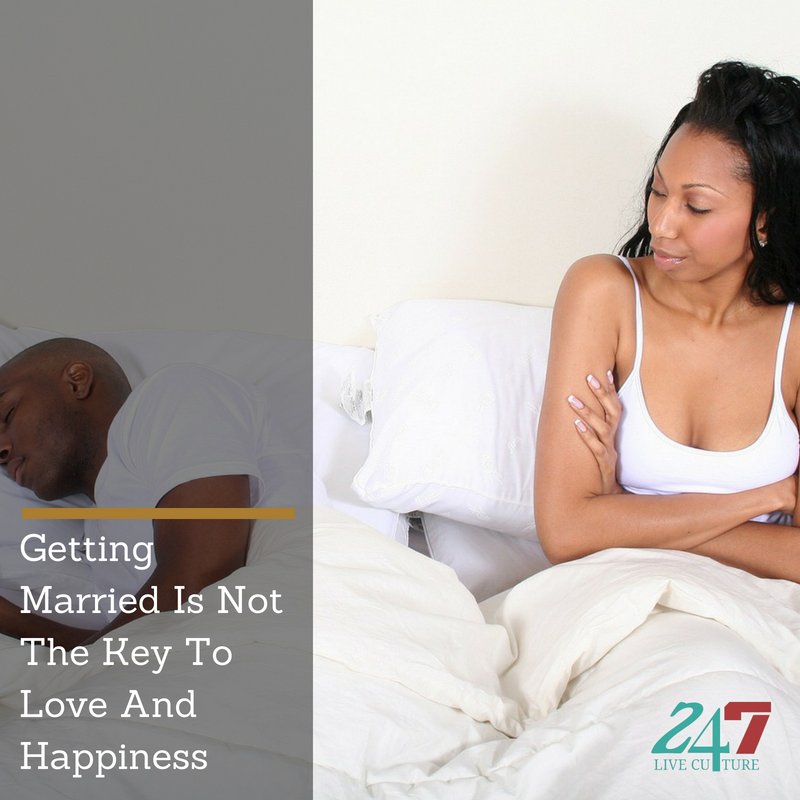
Self work, which falls under us millennials favorite pastime of self care, is about tuning into who we are in this life and growing into the person we want to be. For instance, when is the last time you took a moment to reflect on what truly makes you happy? Or when was the last time you contemplated on the emotions you feel when you're alone? Answering questions like those honestly will help you to begin the self work you need to be an ideal partner for marriage one day. Once you find your happiness, you become more comfortable with who you are, and you stop looking for your joy within someone else.
Now hear me clearly when I say there is nothing wrong with wanting to be married. Marriage can be a beautiful thing when done correctly. Just stop looking for marriage to fulfill this empty void in your life. It won’t, and you will end up feeling even more alone being married than you were while you were single. You are the sole source of your own happiness. Once you realize and believe that, I guarantee you everything else in your life will fall into place (even marriage).
YOU MAY ALSO BE INTERESTED IN:
SHARE TO SOCIAL MEDIA
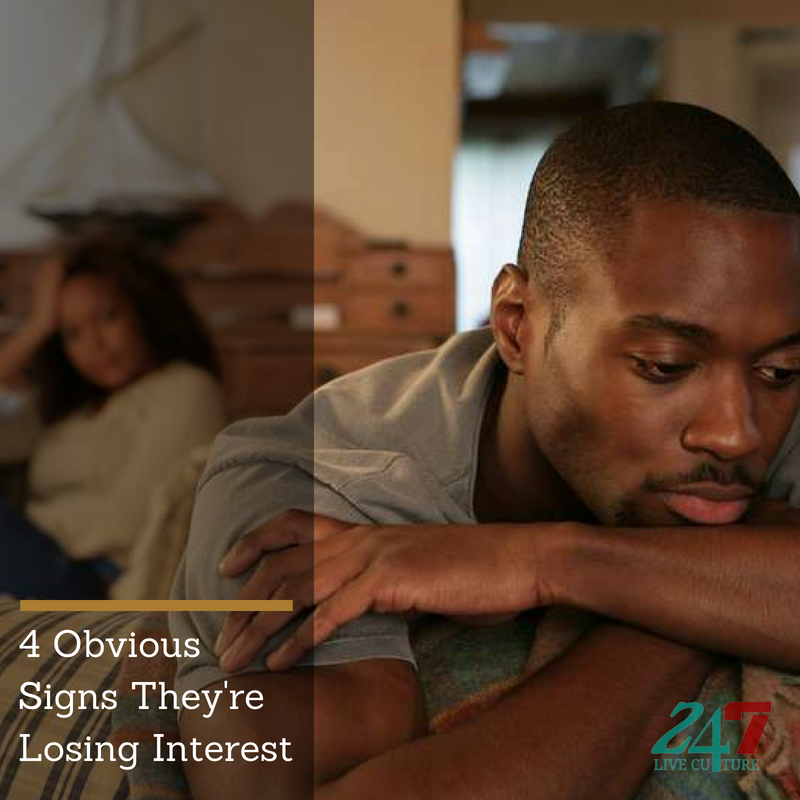
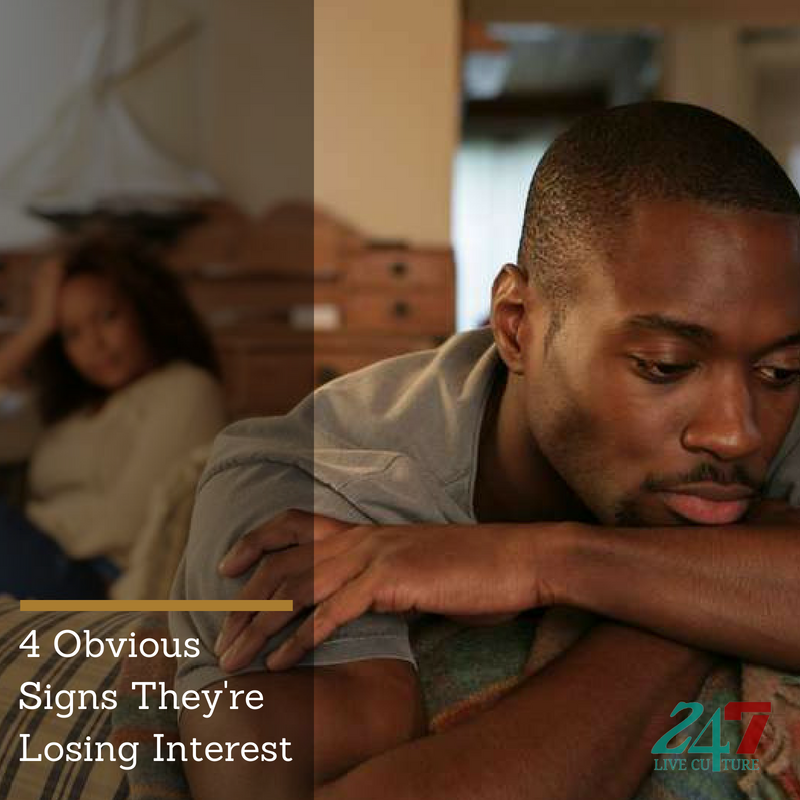
4 Obvious Signs They're Losing Interest
Here are some obvious signs that you may be dealing with someone who is losing interest in you!
By: Alyssa Cole
Dealing with rejection is never easy, especially if you’re being left after investing time into someone. You get so wrapped up in being around that person and it never dawns on you that maybe some things have changed right in front of your eyes. It’s the worst realizing that your clock has ticked its time all away with someone and now you’re back at square one looking for something new to put on your arm. Isn’t it typically a little obvious to see your partner losing interest in you? What’s interesting enough is that we as people do tend to see the signs, but we’re just too blind to initially notice them due to how much we like and care about the person at the time. Are you wondering if the person you’re talking to is losing interest? Have their habits changed? Is the vibe different? Here are some obvious signs that you may be dealing with someone who is losing interest.
The Conversation Becomes Short
If the conversation goes from every day and multiple times throughout the day to only a few times out of the week, there is a good chance they could be getting bored and have lost that spark to engage with you. When you’re starting out and trying to get a feel for someone, typically you can expect to talk on a daily basis or an every other day basis depending on the person. If more than two days go by and you haven’t heard from them, if they aren’t going through something serious on their end personally, this is a big hint they may be on their way out.
They Avoid Serious Conversations
Have the conversations about things like family, politics, interests, and a future together suddenly gone missing from your list of topics? This is not a coincidence. If you are trying to have deep conversations and the person doesn’t desire to engage with you on these matters like before, it is probably because they no longer see you in any of those future scenarios with them and don't desire to start deep conversations because they know they won't stick around in the conversation long enough to finish it with you.

They Start Forgetting Everything
Do they go from remembering everything you enjoy and paying attention to all your little gestures, to suddenly forgetting that they didn’t have a conversation with you? You find yourself reminding them about plans that were made in advance or about something important you already told them? Chances are they are forgetting things because they no longer care to make certain things a priority to remember. Someone who is losing interest and moving on will do this one very often. If someone new has came along, they are probably trying to keep you and the new person’s conversations separate in their mind, but more than likely they are starting to get them mixed up and confusing their own self!
They Constantly Make Excuses
This may be the most obvious sign of them all. When you try to make plans lately do they come up with a silly reason why they can’t come out at the last minute? When they forget to reply back for hours to a message do you start to hear the “Oh I forgot”, “Oh I fell asleep”, “Oh I thought”, statements? We all know what excuses are and sometimes we as people genuinely do make mistakes, but if you are getting excuses more than half of the time when interacting with this person, chances are they are coming up with excuses because they don’t know to be honest about no longer wanting to develop something more with you. Excuses, Excuses, Excuses!!
YOU MAY ALSO BE INTERESTED IN:
Share to social media
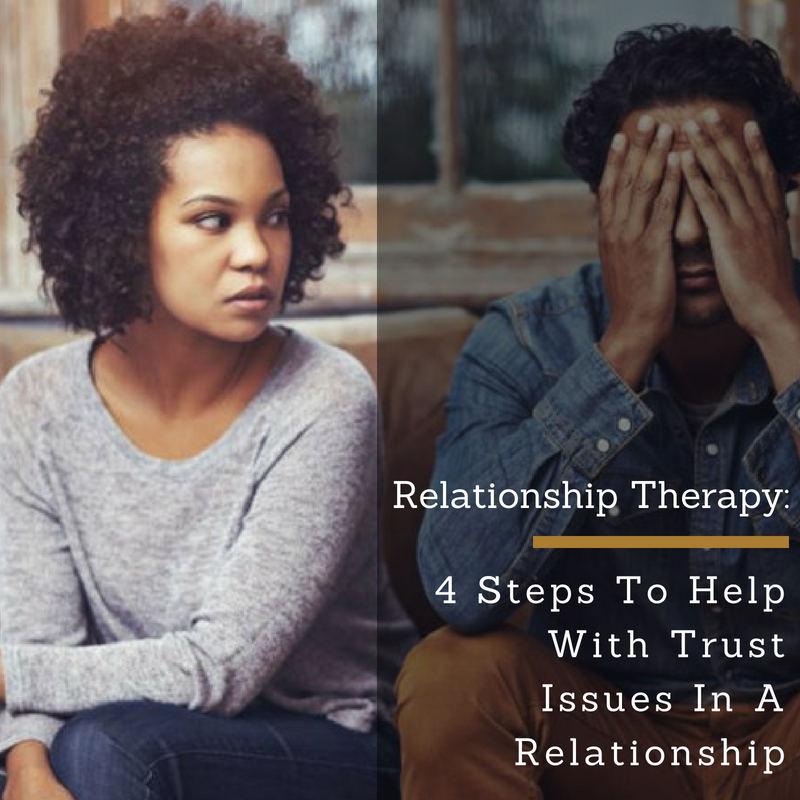
Relationship Therapy: 4 Steps To Help With Trust Issues In A Relationship
Trust is one of the single most important things there is to have between you and another person in a serious relationship. Here are some relationship tips to help with trust issues in your relationships!

By: Alyssa Cole
Trust is one of the single most important things there is to have between you and another person. Whether it's your husband/wife, boyfriend/girlfriend, friends, or even co-workers, having trust is important to the success of all healthy relationships especially a serious relationship. Have you ever found yourself in a situation where you lost trust in someone? They lied to you about something? They kept something important from you? They weren’t honest with you about something that was impactful to you?
This is very common! You may see social media today quotes and tweets with people saying things like “I have trust issues”, “I’m afraid to open up”, “I don’t want to get close to anybody”, “I’m tired of being hurt”. Losing trust in someone special to you can seem like the end of the world sometimes and for many, it can take a long time to regain trust.
Lack of trust, however, is one the worst traits to have when you are trying to develop a new relationship or to save one. Many couples have experienced situations that created a lack of “trust” and the end results have been heartbreaking. Sometimes situations are better off ending, but the ones worth saving require a few steps to get back to that happy medium. Let’s discuss some steps to take when trying to learn how to trust again.
1) Switch Shoes - Switching places with the person that broke your trust to understand why they made the choice that they did, can be very beneficial to you. Have you stopped to ask yourself why they kept something from you? Was it to really hurt you? Was it intentional? Having an open mind to think about the other person’s mindset could help you get a better understanding of the situation.

2) Right Time, Right Place - When you’ve had time to think things through about the situation that hurt you, decide when is the right opportunity to bring the conversation up to find a solution. If you react too quickly, the relationship can suffer damages that may be avoided if you wait just a little while to think things out. There is a time and a place for everything, especially when getting back together.
3) Tone is Everything - The way you approach your first conversation after the situation can potentially determine the results. You could be having thoughts like "I don't wanna do this anymore" or "should I break up with my boyfriend" but take your time and think through. You’re already upset, you’re emotional, and possibly still gathering your thoughts even when going into the conversation, so choose wisely your attitude and volume when talking. When tension is high, there is a greater risk of escalation and it’s crucial to avoid any unnecessary conflict. Remember this is someone you care about! Even though you may be upset, remember to keep your cool, watch your tone, and respect each other’s space. Just talk it out; communication in relationships can keep you from breaking up with someone you love and ending a relationship.
4) Talk It Out, Move Forward - Once you have the conversation, the most important thing from there is to LET IT GO! This is the step that many people struggle with depending on the situation. How often have you heard someone say that they tried but they just couldn’t stop thinking about the past? No! No! No! If you let the past control your relationship, you could end up in a broken relationship! Be strong enough to let the situation go and move forward with them if it’s a relationship truly working saving. Even if you can’t accept the situation and remain close to the person, make it a goal to forgive them, to move forward, and to not hold a grudge over it. Remember that when you don’t forgive, you give the other person power over you. Don’t you want your power? Talk it out and move forward!
Without trust, no serious relationship can be stable, so as people we must learn how to trust and when we lose our trust in others, we must be willing to forgive and to move forward without holding on to past hurt. When you let the pain go, that is when you start to truly live and love again.
Lastly, take your time when healing to ensure that your trust in other's won't suffer in the future. The last thing you want to do is lose out on great people due to holding on to the past right? Remember, trust is key!
YOU MAY ALSO BE INTERESTED IN:
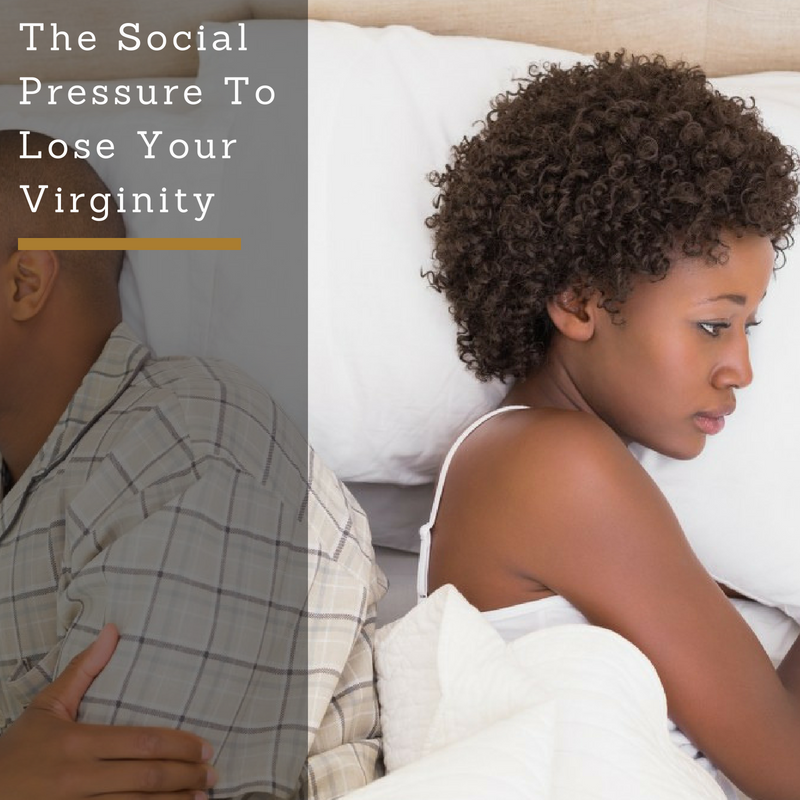
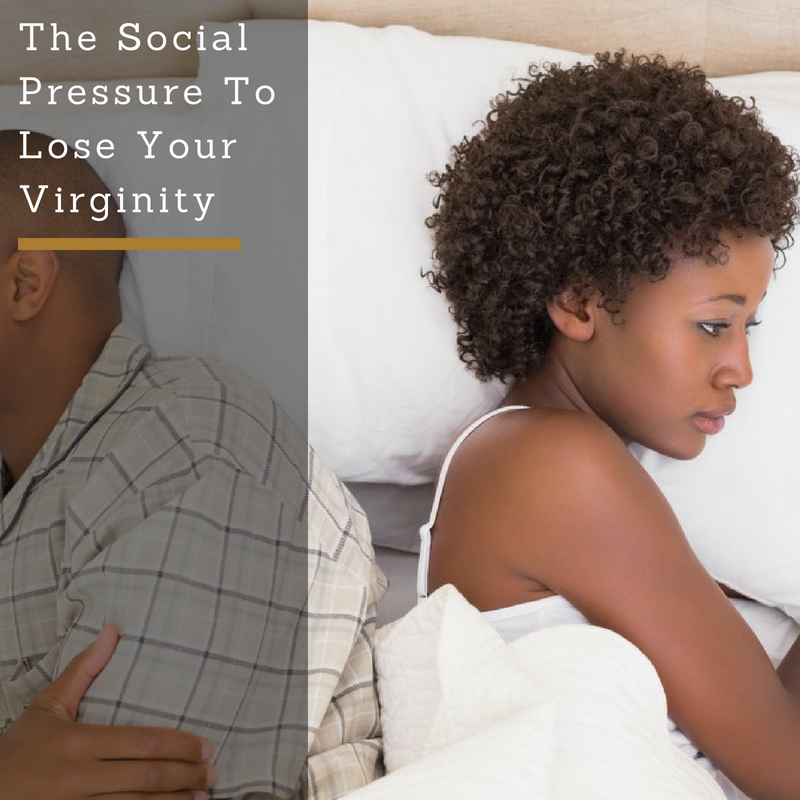
The Social Pressure To Lose Your Virginity
We are a nation obsessed with losing your virginity. Has sex become overemphasized to be seen as more important than it actually is? We discuss the social pressure to lose your virginity!
By: Abina George
We are a nation obsessed with losing your virginity. We have countless movies centered around this concept of purity and the necessity to rip it away, which in turn has created a social pressure to lose your virginity. It’s the only way to purge the innocence and ignorance of childhood and begin to enjoy adulthood in its entirety. Or so the media programs us to think.
According to the media, adulthood is this magical time when a child matures and is finally able to enjoy the freedom and whims of adulthood. Movies like the 40-Year-Old Virgin feed on the fear of many that their life will be unfulfilled without intercourse and enforced the idea that those who aren’t sexually active are social outcasts.
>> SEE ALSO: Relationship Therapy: 4 Steps To Help With Trust Issues In A Relationship
Many have an abrupt realization that adulthood is not as glamorous as many would like you to think. The cost of a few intimate moments can result in STIs and possibly even pregnancy. Many women’s magazines encourage sexual prowess but neglect to list the dangers or the steps one needs to take to stay safe. Then connections with possible partners can be taxing. Some people just don’t mesh well together, and some are just out for conquests.
>> SEE ALSO: Shoot Your Shot: Why A Guy Gets Rejected
American culture dictates that one stipulation of happiness is to be sexually liberated. A person’s desire to prolong the beginning of a sexual life or pickiness of one’s partners is deemed prudish and bizarre.
Respect for a woman’s choice to keep her body to herself is scoffed upon. Many seem to view a woman’s body as a tool to be used by others. Sex is expected after receiving minor niceties. Physical labor such as housework is often understood as the price we pay for a relationship with a man. Overall, a woman’s body is commonly seen as something to be had and used by men.
Women should have the same rights as men. The problem is that most people don’t take seriously the mental and physical dangers involved in sex. A woman should not be ridiculed for making the same sexual choices as a man and more importantly, women should not be pressured into such a huge decision with various possible negative results.
A person has as much right to abstain from sex as those that chose to engage in it. Virgins should not be pressured into such a large event in their lives. For those who decide waiting until marriage is the right decision, that choice should be supported and accepted by peers as much as being sexually active already is.
Enjoy life without the pressures others place upon your body. Your body is yours alone and only you suffer the consequences of these decisions.
YOU MAY ALSO BE INTERESTED IN:
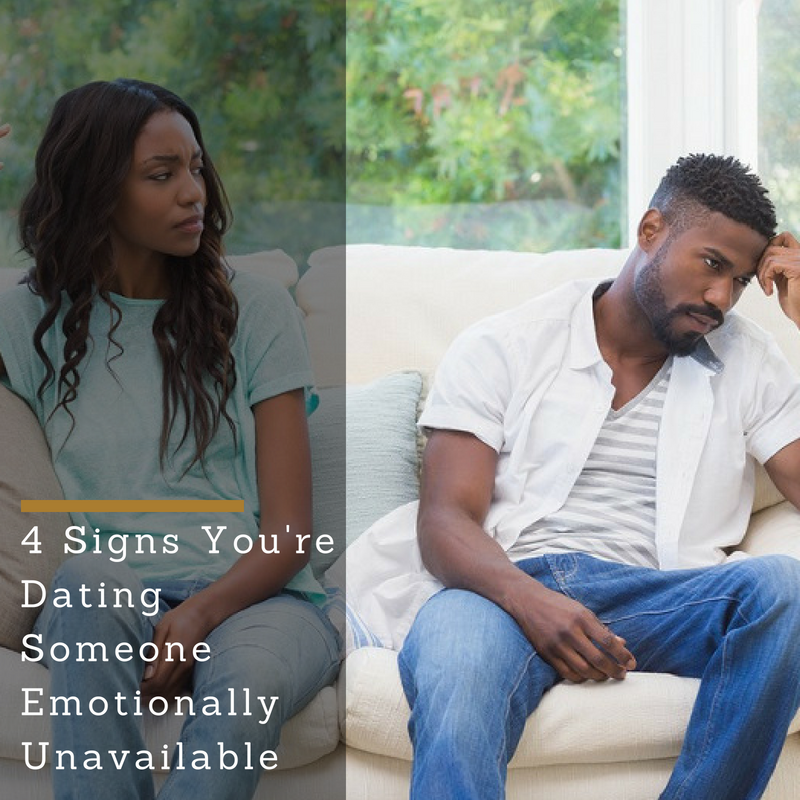
Dating Advice: 4 Signs You're Dating Someone Emotionally Unavailable
Are you getting to know someone who doesn't quite seem like they’re ready to let their guard down? Here are 4 signs that you may be dating someone emotionally unavailable!
By: Alyssa Cole
Are you getting to know someone who doesn't quite seem like their ready to let their guard down? Feeling constantly blocked out when a deep conversation begins? Are they struggling with moving forward to become serious with you? This type of person is not ready for a serious relationship. All of the these situations could stem from two words....EMOTIONALLY UNAVAILABLE!
This term has become a popular thing among the young generations when explaining why they just aren't ready to move forward. Everyone is different and has their different reasons for why they are emotionally unavailable, but am I the only one that gets confused when they do everything like a boyfriend/girlfriend, acts just like a boyfriend/girlfriend, doesn't want to see you with anyone else, but then comes back to you saying their not ready to actually be that special someone to you.

Yes, this can be very frustrating! What's worse is if you invest so much time into someone and don't catch the signs early. We are all just looking for someone who is also focused on growing together and build with so who wants to waste time right?!
Want to know how you can detect if your potential love interest may be emotionally unavailable?
>> SEE ALSO: The Social Pressure To Lose Your Virginity
4 Signs You're Dating Someone Emotionally Unavailable
The Freak - Watch out for this one. They will try to snatch your soul in the sheets quickly but when things start to get a little too deep and you become intimate with this person, they tend to slowly fall back and eventually take off.
When I'm Free - Now this one is the type that only wants to hang out or be sexual when they are in the mood and focuses more so on what they desire and not you. This one can be tricky to spot sometimes if you're dealing with a "nice person". They may come up with excuses as to why they can't do things on your time and even may disappear for days or weeks after just being cuddled up with you while watching movies. Crazy right?
The Complainer - This person will talk about everything their ex did to hurt the relationship but won't own up to where they may have failed to make it work. They like playing the victim and may lack emotional maturity and display it by talking bad about their ex if you ask questions about the previous relationship. It's clear they aren't letting go of a relationship and is a big sign that they may not be emotionally ready for a new relationship.
The " I don't think/I just cant" person - Have they ever said things like "I don't know if I'm ready for a relationship right now", " I don't know how a relationship could work for me at this point", I don't think commitment is for me", or "I'm just not good at relationships"? This person is letting you know without saying it that they clearly are NOT READY for a serious relationship. Do not be the person that wants to be a superwoman/superman and feel like you are just the person to fix all their problems. Don't do it!!! Pay attention to their words because if they are saying things like this, nine times out of ten, they probably mean it.
Pay attention to these types of people and signs you are experiencing. Ask yourself is this the type of person you're dealing with? If someone is emotionally unavailable you must understand that it can take time for them to fully move forward in a relationship. Is it something you are willing to accept? Or do you feel you deserve someone who is open to moving forward with you now?
Choose Wisely.
THIS ARTICLE IS RELATED TO: relationship questions, relationship advice, emotional intelligence, emotional abuse, dating problems advice, advice on love and relationships
YOU MAY ALSO BE INTERESTED IN:
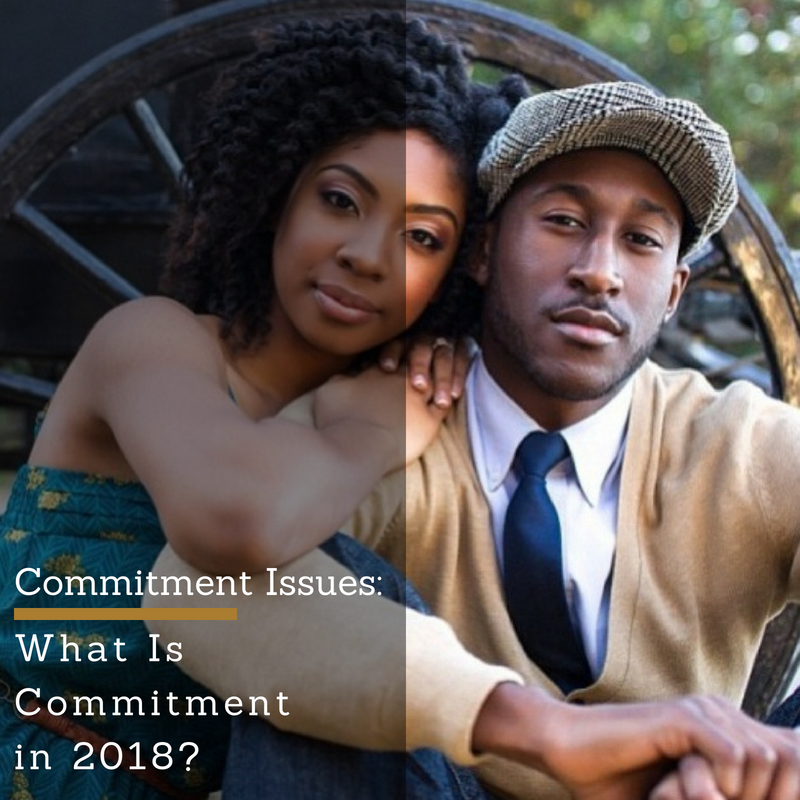
Commitment Issues: What Does Commitment Look Like These Days
What does commitment mean for modern day relationships? When did it become negative to have feelings for someone or admit that you’re falling in love? We discuss commitment issues and what a committed relationship looks like in 2018!
By: Alyssa Cole
Scrolling down timelines on social media today with this new generation includes seeing selfies, fashion, quotes, and oh yea Love Memes! Or can you even call it that to be honest? You see a lot of “I wish I had this” or “All I need is that” type of thing not realizing that hey your mystery lover isn’t going to find you just from ten thousand retweet’s or reposts about what you wish you could find. Sorry!!! One of the best quotes about life that comes to mind is “Walk the walk and talk the talk”.
So many young people say one thing but when someone is right in front of them that may be just the person for them they get hesitant, fearful, sometimes skeptical, or even simply just realize their fear of commitment. Come Again?!!

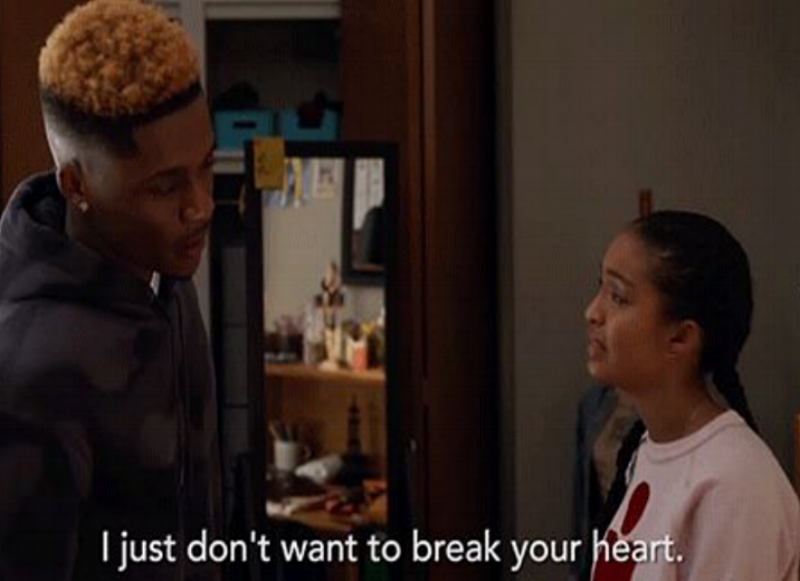
Makes no sense some may say looking in from the outside, but our way of communicating as young people has changed drastically. The tv series “Grown-ish” really displayed it best for the young people. We lack communicating our feelings or make it harder than it needs to be sometimes.
We don’t want to come off too clingy but deep down want that person all to ourselves, we hate seeing that person with other people, but can’t seem to stand up and say “Look I like you and I want to see where this thing could go”. When did feelings become such a negative thing?! Some may blame the environment you grew up in. Divorce ratings are around 50% in likelihood of occurring in America to the average married couple and has been said to have an effect on children even down to the child not desiring in the future marriage or a long term committed relationship. Let that sink in for a second.
Now some may say that sounds crazy but from countless conversations with people, I’ve personally found that more people have said they don’t have any reasons to get married or have doubts about marriage and majority of these people have experienced divorce or separation within their households.
Now although this doesn’t relate to every person in this situation, it’s still eye opening to the impact it can really have on a person. Aside from divorce being a reason, some people just don't want to put in the effort to build something that grows into marriage or even worse, some people just have a ton of expectations or excuses why someone they've met or came across isn't right for them without really taking the time to give them a chance. Have you been guilty of any of these in the past?
As generations continue to grow, the traditional lifestyle fades out and new values and lifestyles slide on in. What will getting married look like in ratings in the next ten years? Will it turn around or will it continue to decrease? Will commitment become extinct at some point or will more young people see the value in it and try to put effort into something long lasting? Only time will tell right?!
One thing we all know is that effective communication in relationships is key agreed? So if we lose sight of how to do that, how can friendships and relationships last? In general, we are all trying to figure out how to become successful and live our best life! Just something to think about!
THIS ARTICLE IS RELATED TO: commitment issues, committed relationship, relationship commitment, relationship commitment issues, dating advice
YOU MAY ALSO BE INTERESTED IN:
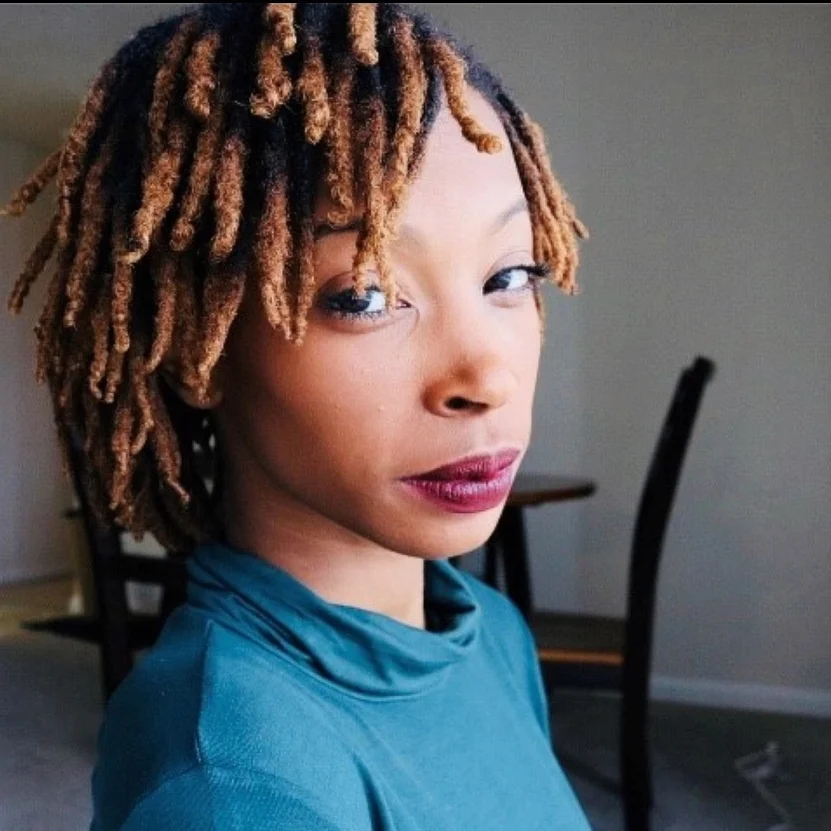
Meet Alyssa Cole, contributing writer to 247 Live Culture!