The Difference Between Being Needed and Being Valued

The Difference Between Being Needed and Being Valued
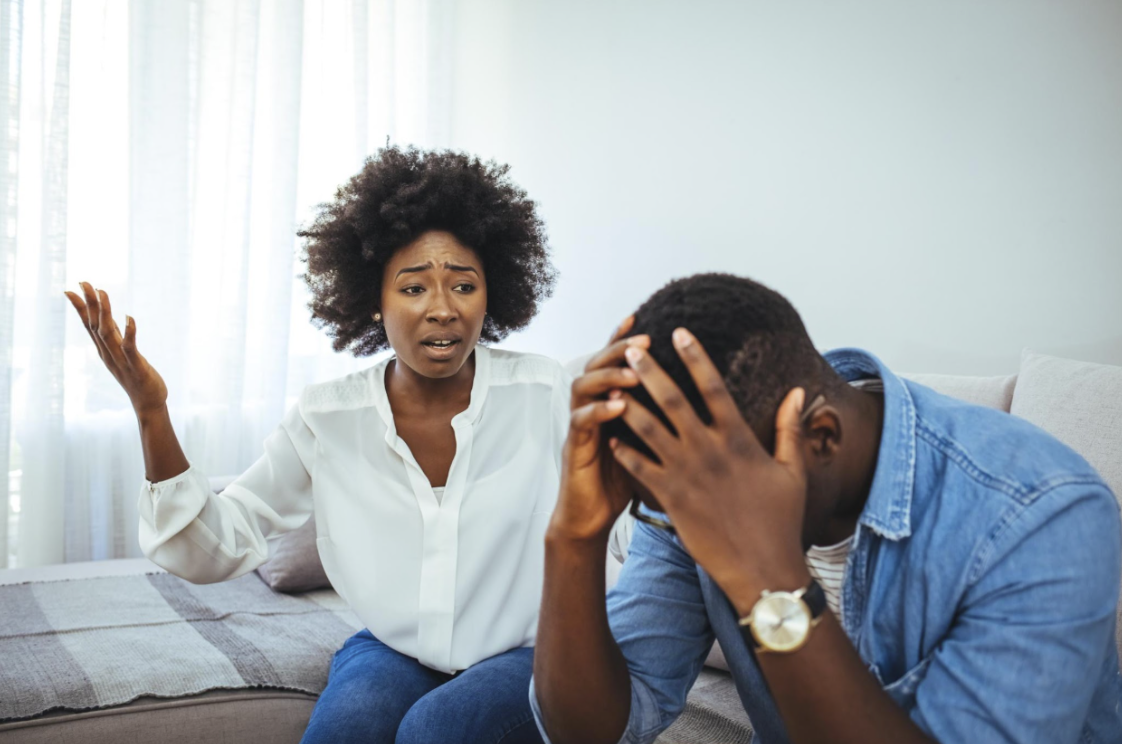
Photo Credit: Ivan Pantic via iStockPhoto.com
By: Jamila Gomez
There is a quiet confusion many Black women live inside of, especially those who are dependable, capable, and emotionally steady. We are surrounded by people who rely on us. They call when something breaks, when a decision needs to be made, when emotions run high, when plans fall apart. From the outside, it can look like importance. From the inside, it often feels like exhaustion.
Being needed creates the illusion of worth. Being valued creates space to breathe.
When you are needed, your presence is tied to function. You solve problems. You hold things together. You anticipate what others forget. Your absence would cause inconvenience, disruption, maybe even chaos. People feel reassured knowing you are there. That reassurance becomes your assignment. You become part of the infrastructure of other people’s lives.
Being valued works differently. Value shows up even when you are not producing, fixing, or holding anything together. It exists when you are tired, unsure, or unavailable. It does not require urgency to be expressed. It does not disappear the moment you stop being useful.
Many Black women learn early that being needed is safer than being visible. Needed women are praised for their reliability, their strength, their willingness to step in. Valued women ask for room. They take up space without explaining. That difference matters.
Needed women receive gratitude that expires quickly. Thank you becomes transactional. Valued women receive consideration that lingers. Their needs are factored in before decisions are made, not after problems arise.
You can tell the difference by what happens when you pause.
When you are needed, slowing down creates anxiety around you. People get uncomfortable. They ask questions that sound like concern but feel like pressure. Are you okay? What’s going on with you? When will you be back to normal? Your rest becomes something to manage.
When you are valued, slowing down is respected. You are not interrogated for needing space. Your capacity is treated as real, not inconvenient.
You can also tell the difference by who adapts.
In relationships where you are needed, you are the flexible one. You adjust your schedule. You soften your tone. You make things easier. Your adaptability becomes expected. When you stop adapting, friction appears.
In relationships where you are valued, adjustment is mutual. You are not the only one bending. You are not the only one doing emotional math.
Being needed can feel affirming at first, especially if you were taught that your worth lives in what you provide. Over time, it becomes draining. You start to notice how often you show up without being asked how you are doing. You notice how your boundaries feel like inconveniences instead of information. You notice how quickly appreciation fades once your labor is complete.
Being valued feels quieter. It may not come with applause. It comes with consistency. It comes with people checking in without an agenda. It comes with being included in decisions that affect you. It comes with not having to earn your place every time you walk into a room.
Many Black women stay in spaces where they are needed because leaving feels selfish. There is guilt attached to withdrawing labor that others depend on. There is fear attached to asking for more than utility.
Choosing value over need is not dramatic. It often happens in small, private moments. You stop volunteering first. You let a call go unanswered. You notice who reaches for you only when something is required. You pay attention to who stays when you are no longer performing strength.
The difference between being needed and being valued becomes clear when you imagine stepping back and ask a simple question. If I were less available, less helpful, less strong, would I still matter here?
The answer tells you more than words ever will.

YOU MAY ALSO BE INTERESTED IN: