4 Ways Black Women Can Stay True to Themselves in Love & Relationships
In relationships where love and partnership can sometimes blur personal boundaries, Black women are learning that preserving their passions, voice, community, and growth is essential to maintaining a strong sense of self while building a meaningful life with someone else! We discuss it here!

Rooted in Self, Even in Love
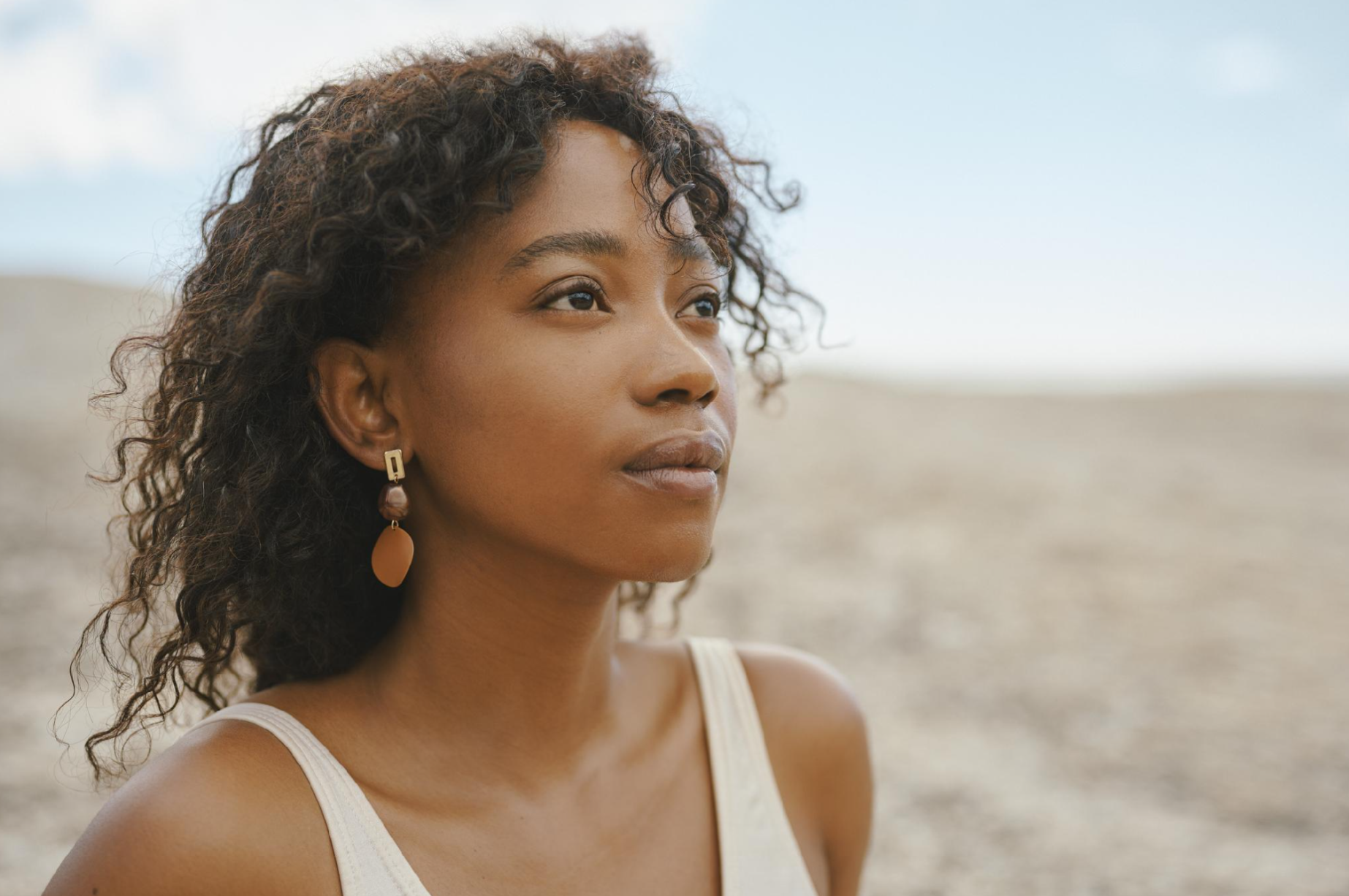
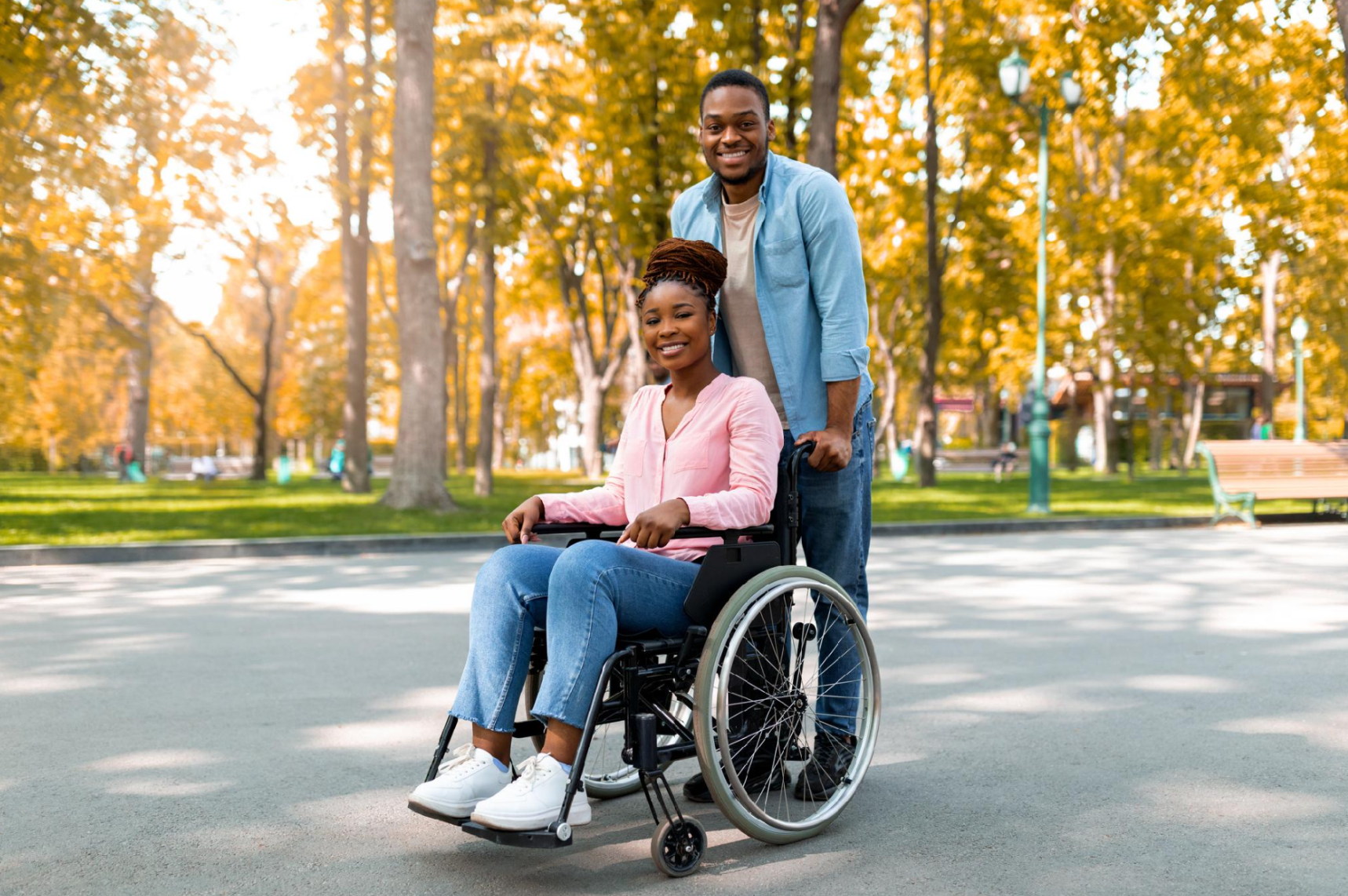
Photo Credit: Foremniakowsi via iStockPhoto.com
By: Jamila Gomez
Relationships can be beautiful, supportive, and deeply meaningful. They can also quietly reshape how a person moves through the world. For Black women especially, maintaining a strong sense of self inside a relationship carries extra weight. History, culture, and social expectations have long placed pressure on Black women to be everything for everyone: strong, supportive, patient, resilient. While those qualities can be powerful, they should never come at the cost of personal identity.
A healthy relationship should allow a Black woman to bring her full self into the partnership rather than slowly shrinking to fit it. Preserving identity is not about resisting connection or refusing compromise. It is about remembering who you are, what you value, and how you want to live while building a life with someone else. Here are four ways to hold onto that identity while in a relationship.
1. Stay Connected to Your Individual Passions
One of the easiest ways identity fades in relationships is through quiet sacrifice. Hobbies disappear. Personal goals get postponed. Interests slowly shift to match a partner’s preferences.
Holding onto your passions protects your sense of individuality. Whether it is writing, art, activism, travel, spirituality, or career ambitions, those pursuits existed before the relationship and deserve space within it.
Your passions are more than activities. They are expressions of who you are. When you keep nurturing them, you remind yourself that your life has direction beyond the relationship. A partner should not replace your purpose. They should walk beside it.
2. Maintain Strong Community Ties
Black women have always drawn strength from community. Friends, family, mentors, and cultural spaces provide support that romantic relationships alone cannot fulfill.
When someone becomes deeply invested in a relationship, it can be tempting to spend most of their time with their partner. Over time, this can unintentionally weaken the connections that once grounded them.
Maintaining friendships and community spaces keeps your perspective balanced. Your friends remind you of who you were before the relationship. They celebrate your wins, challenge you when needed, and provide emotional support that is separate from your partner.
Community also protects cultural identity. For Black women, shared spaces often provide understanding that cannot always be explained inside interracial relationships or even within relationships where cultural awareness differs.
3. Speak Your Needs Clearly
Many Black women are socialized to endure discomfort rather than express it. Strength becomes synonymous with silence. Over time, this can lead to emotional exhaustion and a feeling of being unseen.
Preserving identity requires clear communication. Your voice matters inside the relationship. Your boundaries, values, and emotional needs deserve expression without apology.
Speaking openly does not make someone difficult or demanding. It makes the relationship more honest. When a Black woman communicates her needs, she reinforces that her presence in the relationship is equal, not supportive labor that goes unnoticed.
A partner who values you will want to understand your experiences, including the realities that come with navigating the world as a Black woman.
4. Protect Your Personal Growth
A relationship should expand your life, not pause it. Personal growth does not stop because love enters the picture.
Continue pursuing education, professional goals, personal development, and spiritual exploration. Growth keeps identity active. It reminds you that you are a whole person evolving over time.
Sometimes relationships unintentionally create comfort zones where change slows down. Protecting your growth ensures that you do not lose momentum in your own life story.
When both partners continue evolving, the relationship becomes a place where two full individuals grow alongside each other rather than one person carrying the emotional or developmental weight of the partnership.
Keeping your identity as a Black woman in a relationship is an act of self-respect. It means honoring your passions, staying rooted in community, speaking your truth, and continuing to grow.
Love should not require disappearance. The healthiest relationships are built by two people who remain fully themselves while choosing, every day, to share their lives together.

YOU MAY ALSO BE INTERESTED IN:
SHARE TO SOCIAL MEDIA
The Difference Between Being Needed and Being Valued
For many Black women, constantly being needed can feel like love until you realize you are valued more for what you do than for who you are! We discuss it here!
The Difference Between Being Needed and Being Valued
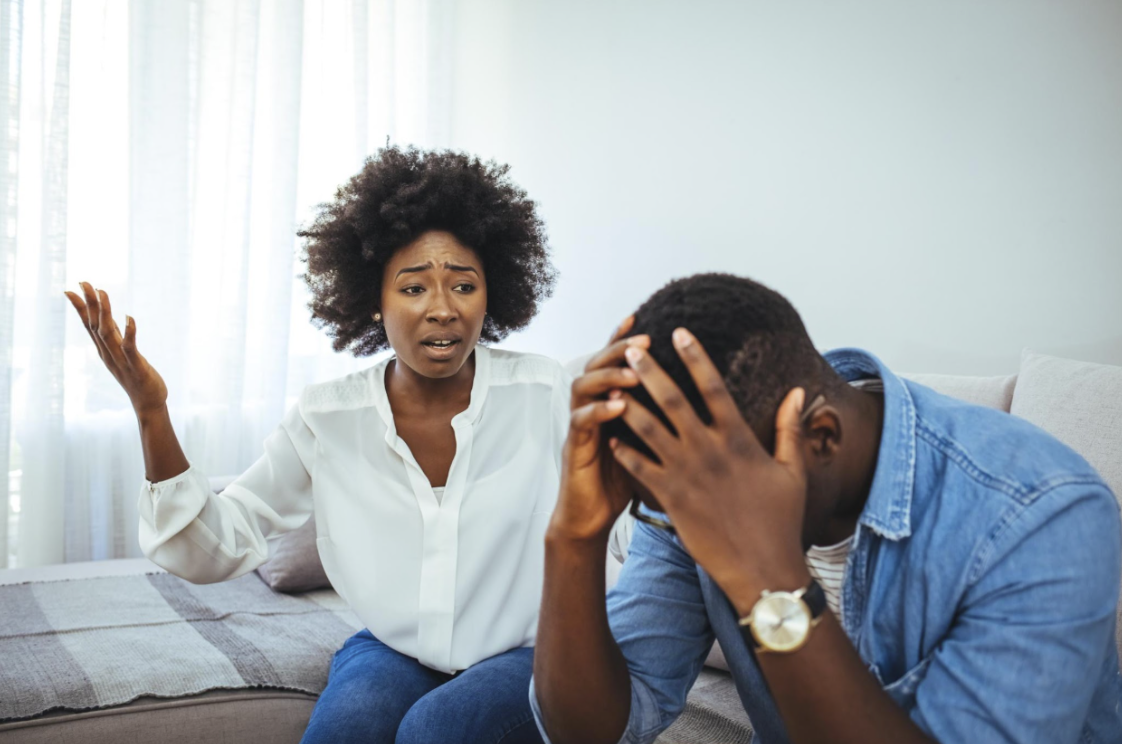
Photo Credit: Ivan Pantic via iStockPhoto.com
By: Jamila Gomez
There is a quiet confusion many Black women live inside of, especially those who are dependable, capable, and emotionally steady. We are surrounded by people who rely on us. They call when something breaks, when a decision needs to be made, when emotions run high, when plans fall apart. From the outside, it can look like importance. From the inside, it often feels like exhaustion.
Being needed creates the illusion of worth. Being valued creates space to breathe.
When you are needed, your presence is tied to function. You solve problems. You hold things together. You anticipate what others forget. Your absence would cause inconvenience, disruption, maybe even chaos. People feel reassured knowing you are there. That reassurance becomes your assignment. You become part of the infrastructure of other people’s lives.
Being valued works differently. Value shows up even when you are not producing, fixing, or holding anything together. It exists when you are tired, unsure, or unavailable. It does not require urgency to be expressed. It does not disappear the moment you stop being useful.
Many Black women learn early that being needed is safer than being visible. Needed women are praised for their reliability, their strength, their willingness to step in. Valued women ask for room. They take up space without explaining. That difference matters.
Needed women receive gratitude that expires quickly. Thank you becomes transactional. Valued women receive consideration that lingers. Their needs are factored in before decisions are made, not after problems arise.
You can tell the difference by what happens when you pause.
When you are needed, slowing down creates anxiety around you. People get uncomfortable. They ask questions that sound like concern but feel like pressure. Are you okay? What’s going on with you? When will you be back to normal? Your rest becomes something to manage.
When you are valued, slowing down is respected. You are not interrogated for needing space. Your capacity is treated as real, not inconvenient.
You can also tell the difference by who adapts.
In relationships where you are needed, you are the flexible one. You adjust your schedule. You soften your tone. You make things easier. Your adaptability becomes expected. When you stop adapting, friction appears.
In relationships where you are valued, adjustment is mutual. You are not the only one bending. You are not the only one doing emotional math.
Being needed can feel affirming at first, especially if you were taught that your worth lives in what you provide. Over time, it becomes draining. You start to notice how often you show up without being asked how you are doing. You notice how your boundaries feel like inconveniences instead of information. You notice how quickly appreciation fades once your labor is complete.
Being valued feels quieter. It may not come with applause. It comes with consistency. It comes with people checking in without an agenda. It comes with being included in decisions that affect you. It comes with not having to earn your place every time you walk into a room.
Many Black women stay in spaces where they are needed because leaving feels selfish. There is guilt attached to withdrawing labor that others depend on. There is fear attached to asking for more than utility.
Choosing value over need is not dramatic. It often happens in small, private moments. You stop volunteering first. You let a call go unanswered. You notice who reaches for you only when something is required. You pay attention to who stays when you are no longer performing strength.
The difference between being needed and being valued becomes clear when you imagine stepping back and ask a simple question. If I were less available, less helpful, less strong, would I still matter here?
The answer tells you more than words ever will.
YOU MAY ALSO BE INTERESTED IN:
SHARE TO SOCIAL MEDIA
5 Reasons Black Women Choose to Embrace Singleness
In recent years, there has been a noticeable increase in the number of Black women choosing and proudly embracing the single life. We discuss it here!

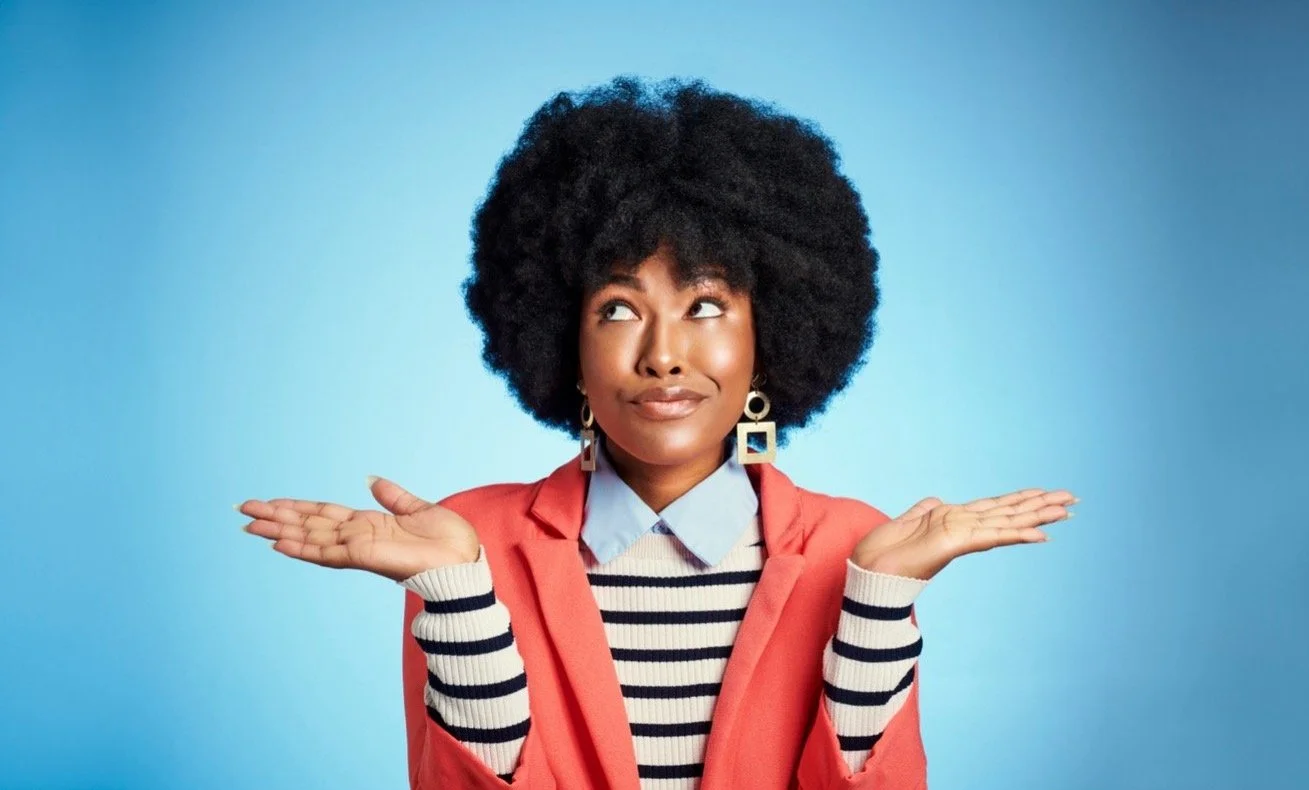
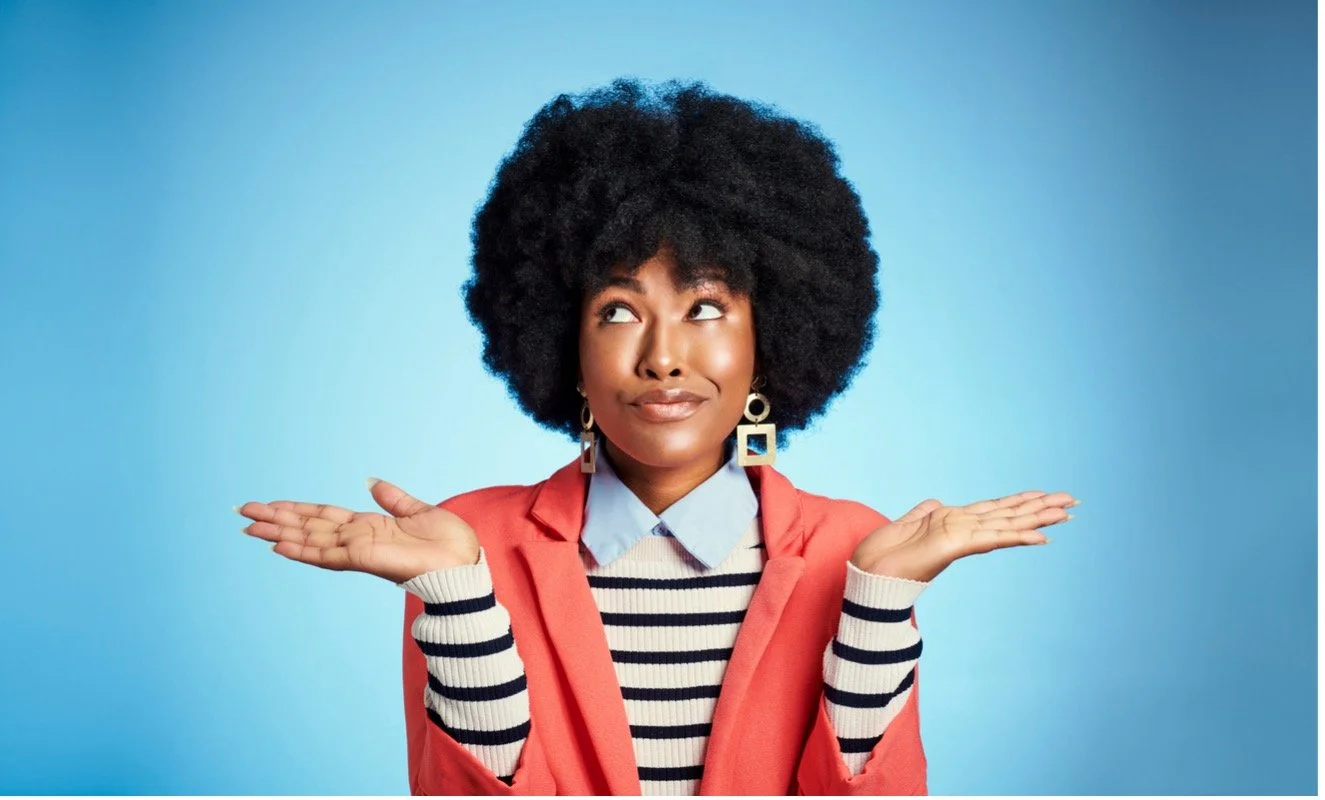
Photo Credit: Delmaine Donson via iStockPhoto.com
By: Jamila Gomez
In recent years, there has been a noticeable increase in the number of Black women choosing and proudly embracing the single life. Whether in professional settings, social circles, or the media, many Black women are consciously opting to prioritize their personal growth, independence, and overall well-being by remaining unattached. While societal stereotypes may suggest that this trend is a product of difficulty finding suitable partners or commitment issues, the truth is far more complex and empowering. Let’s shed light on why Black women are increasingly choosing to be single and celebrate their independence, self-love, and freedom.
1. Breaking Societal Expectations:
Black women have long been burdened with societal expectations regarding relationships and marriage. Traditional norms often depicted them as caretakers, sacrificing their own interests and dreams. However, a cultural shift has magnified the importance of self-worth and autonomy, challenging these outdated stereotypes. Modern Black women are embracing their identity, pursuing their passions, and refusing to feel pressured into relationships that do not align with their personal goals.
2. Prioritizing Personal Growth:
Choosing to be single allows individuals to fully commit to personal growth without distractions. Black women, like anyone else, desire to explore their full potential, build successful careers, and cultivate their own identities. By remaining single, these women can channel their energy into self-development, education, and professional goals, empowering themselves both personally and financially.
3. Reclaiming Control Over Relationships:
Historically, Black women's relationships have been influenced by systemic injustices, such as the reinforcement of stereotypes, oppressive gender roles, racism, and the persistent struggle for equality. By choosing singleness, Black women can reclaim control over their romantic lives, deciding for themselves what they need, desire, and deserve in a partnership. Opting for singleness empowers Black women to negotiate their own terms, building relationships based on mutual respect and equality.
4. Healing and Self-Love:
Embracing the single life enables Black women to invest more time in self-care, emotional healing, and self-love. In a society that hasn't always prioritized them, this decision allows them to focus on introspection, self-reflection, and rediscovering themselves. It serves as a powerful act of self-affirmation, fostering mental and emotional well-being, and paving the way for healthier future relationships.
5. Disrupting Stereotypes:
By actively choosing to be single, Black women demonstrate that their worth and happiness are not tied to their relationship status. This self-affirming decision challenges stereotypes that have perpetuated the notion that a woman's ultimate goal and fulfillment rest solely within a romantic partnership. It breaks free from the notion that singledom implies inadequacy, loneliness, or failure, urging society to recognize and respect the diverse paths women choose to follow.
As more Black women confidently embrace the single life, they are forging new paths, reclaiming their power, and rewriting societal narratives. Their decision to remain unattached is rooted in self-love, personal growth, and a desire for independence. By challenging traditional expectations, they demonstrate that fulfillment thrives not only within relationships but also in the realms of individuality, growth, and empowerment. In doing so, Black women are redefining their identities and inspiring others, sparking conversations around self-worth, personal fulfillment, and the importance of autonomy for women everywhere.
YOU MAY ALSO BE INTERESTED IN: