
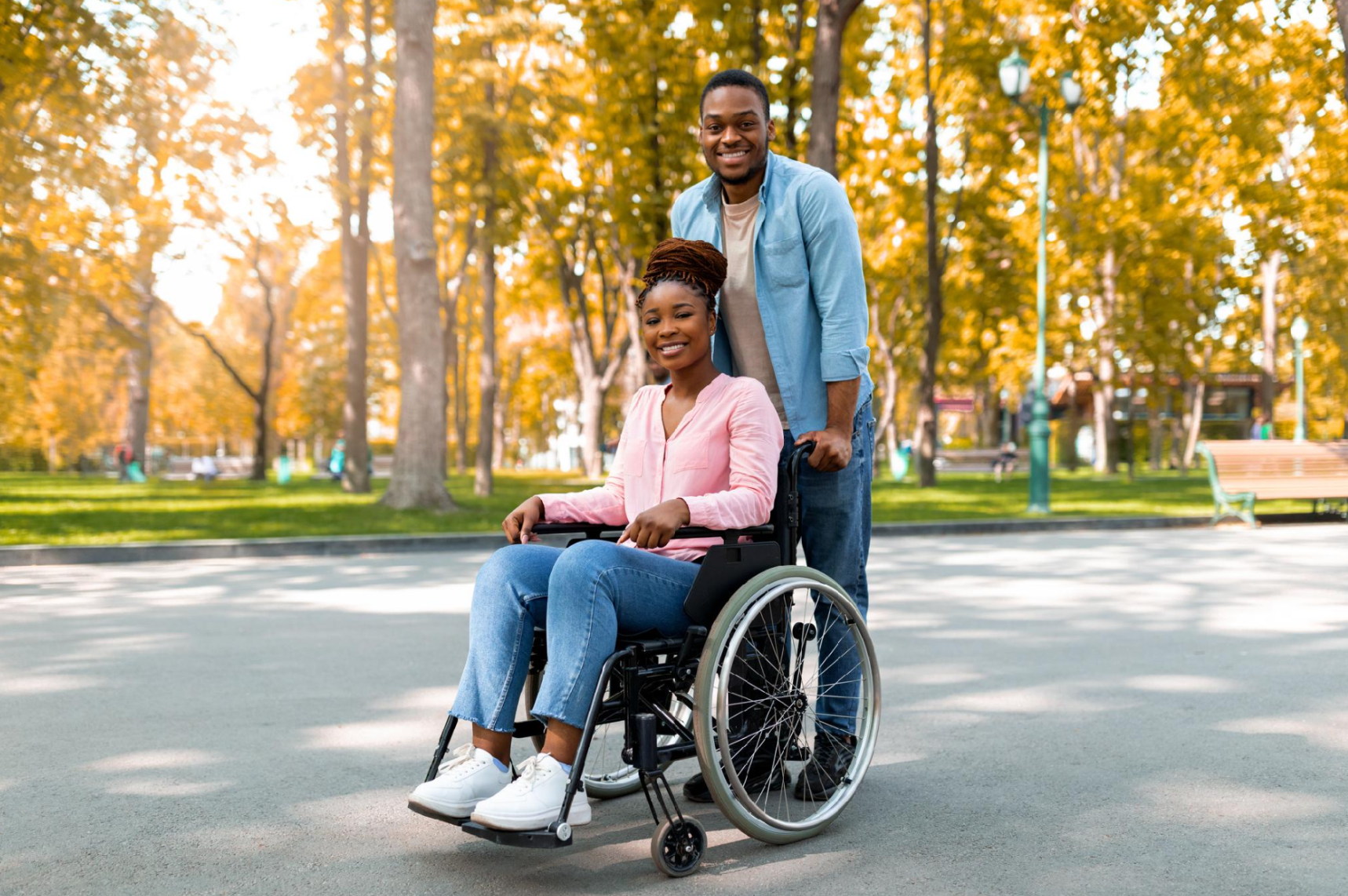
Dating While Disabled is Brave…and Hard
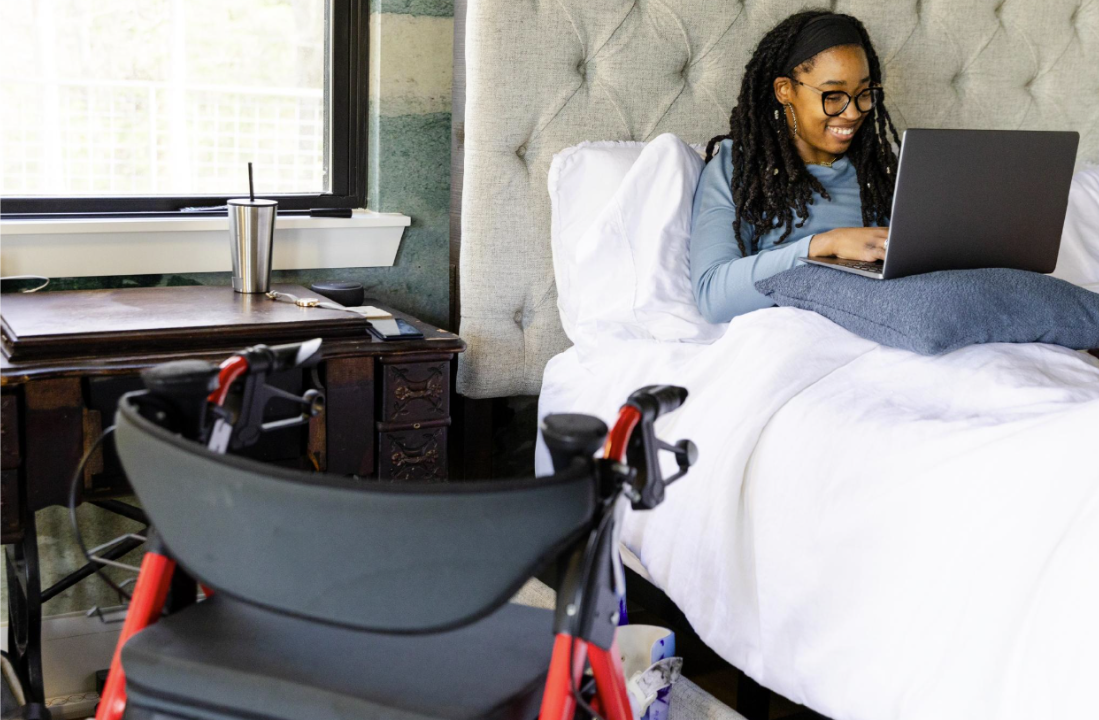
Dating with a disability often requires navigating vulnerability, disclosure, and uncertainty in ways most people never have to consider, while still holding onto the hope of finding a love that embraces the whole person rather than seeing their condition as a limitation! We discuss it here!

Dating While Disabled is Brave
Photo Credit: Prostock Studio via iStockPhoto.com
By: Jamila Gomez
Every disabled person knows a certain moment.
It happens early in a new connection, sometimes on the first date, sometimes a few weeks in when things are starting to feel real. It is the moment you realize you have to decide how much to tell. How soon to tell it. And whether this person, this new and hopeful person sitting across from you, is someone who will stay once they know the full picture.
That moment is exhausting. And it never fully goes away.
Dating is complicated for everyone. But for people living with physical, neurological, or chronic conditions, the complications run deeper than nerves and bad timing. There is an entire layer of calculation that most people never have to think about. Will this person be patient on the hard days? Will they see the condition before they see the person? Will they stay when things get inconvenient? And the question underneath all of those questions, the one that is almost too vulnerable to say out loud: am I too much to love?
Disclosure is one of the hardest parts. Tell too soon and you risk being defined by your condition before someone has had the chance to know you. Wait too long and you risk feeling like you were hiding something. There is no perfect timing. There is only the ongoing negotiation between protecting yourself and letting someone in.
Even when disclosure goes well, even when the person responds with kindness and says all the right things, there is still the waiting. Watching to see if the kindness holds. Watching to see if patience has a limit. Watching for the moment the reality of what it means to love someone with a chronic condition settles in and the dynamic quietly shifts.
Some people leave. Not always loudly. Sometimes they just slowly become less available. Every time that happens, it deposits something in a person. A little more guardedness. A little more reluctance to try again. A quiet, growing belief that love might just be harder to keep than it is to find.
What makes this particularly painful is that the desire for connection does not go away just because connection has been painful. People with disabilities want what everyone wants. Partnership. Intimacy. Someone who knows the hard parts and stays anyway. Someone who does not need the condition to be invisible in order to be comfortable. Someone who loves the whole person, not just the easy version of them.
That is not an unreasonable thing to want. It is the most human thing in the world.
The conversation around disability and dating has started to grow louder in recent years, and that matters. Seeing relationships that include disability portrayed as full, loving, and real changes something in the people who have never seen themselves reflected that way.
Beyond representation, what people living with chronic conditions often need most is permission. Permission to want love without apologizing for the complexity that comes with them. Permission to have standards. Permission to leave situations where they are tolerated instead of chosen. Permission to believe that the right person will not see their condition as a problem to manage but as one part of a whole person worth knowing.
That person exists. And so does the love that does not ask you to shrink before it will stay.

YOU MAY ALSO BE INTERESTED IN:

SHARE TO SOCIAL MEDIA
Why Dismissal in Relationships Causes Lasting Emotional Harm
When women speak about betrayal and emotional harm, the dismissal and invalidation they face can deepen the original wounds and reinforce a culture that minimizes their pain instead of addressing it! We discuss it here!
The Damage of Dismissal'
Photo Credit: dragana991 via iStockPhoto.com
By: Jamila Gomez
When women speak openly about betrayal, abuse, manipulation, or emotional harm, the pain itself is often only part of what they are forced to carry. Equally damaging is what frequently follows: dismissal. The minimizing. The disbelief. The casual reduction of deeply painful experiences into oversensitivity, bitterness, or unnecessary drama. In many cases, the harm does not end with the betrayal itself. It expands through the ways society responds to women once they name what happened.
Dismissal can take many forms. Sometimes it is overt, such as accusing women of exaggerating abuse or framing their emotional pain as an inability to “move on.” Other times, it is subtle, hidden beneath jokes, indifference, or cultural narratives that normalize harmful behavior. Women are often told they are too emotional, too invested, too sensitive, or too focused on issues that should not affect them so deeply. These responses may appear dismissive on the surface, but beneath them lies something more dangerous: the reinforcement of harm through invalidation.
For many women, especially survivors of emotional abuse or chronic betrayal, dismissal can mirror the very dynamics that caused the original wound. Harmful relationships often involve gaslighting, blame-shifting, emotional minimization, and repeated attempts to make women question their own reality. When society responds to women’s pain with the same skepticism or trivialization, it can reinforce those internalized wounds rather than support healing. In this way, dismissal becomes more than an unpleasant reaction. It becomes an extension of the original harm.
This is particularly visible in public conversations surrounding women’s pain. Whether discussing infidelity, emotional abuse, toxic relationships, or larger systemic patterns, there is often significant resistance to women’s collective emotional responses. Instead of engaging with the deeper realities being expressed, people frequently focus on tone policing or diminishing the conversation entirely. The message is clear: the harm itself is secondary to whether women’s reactions are deemed acceptable.
This pattern carries serious consequences. Dismissal teaches women that their pain may not be taken seriously, even when they are harmed. It conditions many to second-guess their own instincts, delay setting boundaries, or remain silent to avoid further invalidation. Over time, this can contribute to a broader culture where women’s suffering is normalized while their responses are scrutinized.
For Black women, dismissal can carry additional weight due to longstanding cultural expectations surrounding strength, resilience, and emotional endurance. Black women are often expected to withstand extraordinary levels of hardship without visible vulnerability. This can create an environment where pain is not only minimized externally but also internally suppressed for survival. The pressure to remain strong can make acknowledgment itself feel radical, while dismissal can deepen emotional isolation.
The normalization of dismissal also protects harmful systems. When betrayal, manipulation, or abuse are consistently minimized, the behaviors themselves are allowed to persist with less accountability. Dismissal shifts focus away from harmful actions and redirects scrutiny toward those naming the harm. This not only undermines survivors but also reinforces broader patterns of inequality and emotional injustice.
Healing requires more than surviving the initial wound. It often requires untangling the damage caused by being repeatedly told that the wound was not serious enough to matter. This is why acknowledgment is so powerful. Validation does not erase harm, but it interrupts the cycle of minimization that often compounds it.
Dismissal is not neutral. It is not harmless. It can deepen wounds, distort healing, and perpetuate the very systems that allow harm to continue. When women speak about pain, betrayal, or abuse, listening is not simply compassionate. It is necessary.
Because sometimes the betrayal is only the beginning.
And too often, dismissal is part of the damage.
YOU MAY ALSO BE INTERESTED IN:
SHARE TO SOCIAL MEDIA
4 Ways Black Women Can Stay True to Themselves in Love & Relationships
In relationships where love and partnership can sometimes blur personal boundaries, Black women are learning that preserving their passions, voice, community, and growth is essential to maintaining a strong sense of self while building a meaningful life with someone else! We discuss it here!
Rooted in Self, Even in Love
Photo Credit: Foremniakowsi via iStockPhoto.com
By: Jamila Gomez
Relationships can be beautiful, supportive, and deeply meaningful. They can also quietly reshape how a person moves through the world. For Black women especially, maintaining a strong sense of self inside a relationship carries extra weight. History, culture, and social expectations have long placed pressure on Black women to be everything for everyone: strong, supportive, patient, resilient. While those qualities can be powerful, they should never come at the cost of personal identity.
A healthy relationship should allow a Black woman to bring her full self into the partnership rather than slowly shrinking to fit it. Preserving identity is not about resisting connection or refusing compromise. It is about remembering who you are, what you value, and how you want to live while building a life with someone else. Here are four ways to hold onto that identity while in a relationship.
1. Stay Connected to Your Individual Passions
One of the easiest ways identity fades in relationships is through quiet sacrifice. Hobbies disappear. Personal goals get postponed. Interests slowly shift to match a partner’s preferences.
Holding onto your passions protects your sense of individuality. Whether it is writing, art, activism, travel, spirituality, or career ambitions, those pursuits existed before the relationship and deserve space within it.
Your passions are more than activities. They are expressions of who you are. When you keep nurturing them, you remind yourself that your life has direction beyond the relationship. A partner should not replace your purpose. They should walk beside it.
2. Maintain Strong Community Ties
Black women have always drawn strength from community. Friends, family, mentors, and cultural spaces provide support that romantic relationships alone cannot fulfill.
When someone becomes deeply invested in a relationship, it can be tempting to spend most of their time with their partner. Over time, this can unintentionally weaken the connections that once grounded them.
Maintaining friendships and community spaces keeps your perspective balanced. Your friends remind you of who you were before the relationship. They celebrate your wins, challenge you when needed, and provide emotional support that is separate from your partner.
Community also protects cultural identity. For Black women, shared spaces often provide understanding that cannot always be explained inside interracial relationships or even within relationships where cultural awareness differs.
3. Speak Your Needs Clearly
Many Black women are socialized to endure discomfort rather than express it. Strength becomes synonymous with silence. Over time, this can lead to emotional exhaustion and a feeling of being unseen.
Preserving identity requires clear communication. Your voice matters inside the relationship. Your boundaries, values, and emotional needs deserve expression without apology.
Speaking openly does not make someone difficult or demanding. It makes the relationship more honest. When a Black woman communicates her needs, she reinforces that her presence in the relationship is equal, not supportive labor that goes unnoticed.
A partner who values you will want to understand your experiences, including the realities that come with navigating the world as a Black woman.
4. Protect Your Personal Growth
A relationship should expand your life, not pause it. Personal growth does not stop because love enters the picture.
Continue pursuing education, professional goals, personal development, and spiritual exploration. Growth keeps identity active. It reminds you that you are a whole person evolving over time.
Sometimes relationships unintentionally create comfort zones where change slows down. Protecting your growth ensures that you do not lose momentum in your own life story.
When both partners continue evolving, the relationship becomes a place where two full individuals grow alongside each other rather than one person carrying the emotional or developmental weight of the partnership.
Keeping your identity as a Black woman in a relationship is an act of self-respect. It means honoring your passions, staying rooted in community, speaking your truth, and continuing to grow.
Love should not require disappearance. The healthiest relationships are built by two people who remain fully themselves while choosing, every day, to share their lives together.
YOU MAY ALSO BE INTERESTED IN:
SHARE TO SOCIAL MEDIA
The Difference Between Being Needed and Being Valued
For many Black women, constantly being needed can feel like love until you realize you are valued more for what you do than for who you are! We discuss it here!
The Difference Between Being Needed and Being Valued
Photo Credit: Ivan Pantic via iStockPhoto.com
By: Jamila Gomez
There is a quiet confusion many Black women live inside of, especially those who are dependable, capable, and emotionally steady. We are surrounded by people who rely on us. They call when something breaks, when a decision needs to be made, when emotions run high, when plans fall apart. From the outside, it can look like importance. From the inside, it often feels like exhaustion.
Being needed creates the illusion of worth. Being valued creates space to breathe.
When you are needed, your presence is tied to function. You solve problems. You hold things together. You anticipate what others forget. Your absence would cause inconvenience, disruption, maybe even chaos. People feel reassured knowing you are there. That reassurance becomes your assignment. You become part of the infrastructure of other people’s lives.
Being valued works differently. Value shows up even when you are not producing, fixing, or holding anything together. It exists when you are tired, unsure, or unavailable. It does not require urgency to be expressed. It does not disappear the moment you stop being useful.
Many Black women learn early that being needed is safer than being visible. Needed women are praised for their reliability, their strength, their willingness to step in. Valued women ask for room. They take up space without explaining. That difference matters.
Needed women receive gratitude that expires quickly. Thank you becomes transactional. Valued women receive consideration that lingers. Their needs are factored in before decisions are made, not after problems arise.
You can tell the difference by what happens when you pause.
When you are needed, slowing down creates anxiety around you. People get uncomfortable. They ask questions that sound like concern but feel like pressure. Are you okay? What’s going on with you? When will you be back to normal? Your rest becomes something to manage.
When you are valued, slowing down is respected. You are not interrogated for needing space. Your capacity is treated as real, not inconvenient.
You can also tell the difference by who adapts.
In relationships where you are needed, you are the flexible one. You adjust your schedule. You soften your tone. You make things easier. Your adaptability becomes expected. When you stop adapting, friction appears.
In relationships where you are valued, adjustment is mutual. You are not the only one bending. You are not the only one doing emotional math.
Being needed can feel affirming at first, especially if you were taught that your worth lives in what you provide. Over time, it becomes draining. You start to notice how often you show up without being asked how you are doing. You notice how your boundaries feel like inconveniences instead of information. You notice how quickly appreciation fades once your labor is complete.
Being valued feels quieter. It may not come with applause. It comes with consistency. It comes with people checking in without an agenda. It comes with being included in decisions that affect you. It comes with not having to earn your place every time you walk into a room.
Many Black women stay in spaces where they are needed because leaving feels selfish. There is guilt attached to withdrawing labor that others depend on. There is fear attached to asking for more than utility.
Choosing value over need is not dramatic. It often happens in small, private moments. You stop volunteering first. You let a call go unanswered. You notice who reaches for you only when something is required. You pay attention to who stays when you are no longer performing strength.
The difference between being needed and being valued becomes clear when you imagine stepping back and ask a simple question. If I were less available, less helpful, less strong, would I still matter here?
The answer tells you more than words ever will.
YOU MAY ALSO BE INTERESTED IN:
SHARE TO SOCIAL MEDIA
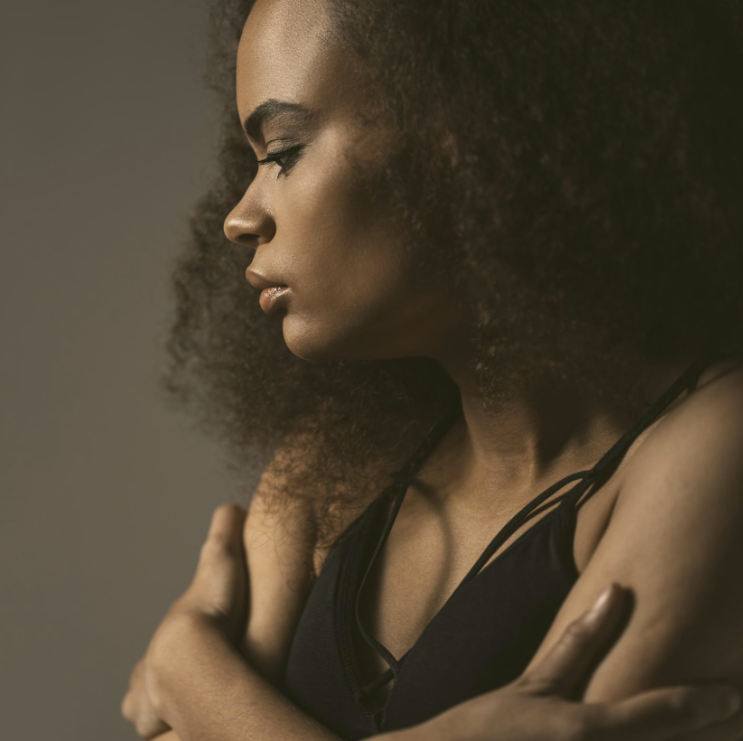
Dating, Desire, and Identity as a Childless Black Woman in Your 40s
Dating in your 40s as a childless Black woman reveals a quiet tension between visibility and erasure, desire and projection, as clarity replaces timelines and partnership becomes less about being chosen and more about being truly seen. We discuss it here!
Dating, Desire, and Identity as a Childless Black Woman in Your 40s
Photo Credit: Lipik1 via iStockPhoto.com
By: Jamila Gomez
Dating in your 40s as a childless Black woman puts you in a strange, often unspoken space. You are visible and invisible at the same time. Desired and dismissed. Assumed to be free, flexible, unburdened, or secretly lacking something. People think they know your story before you open your mouth, and most of the time they’re wrong.
There is a quiet reckoning that happens when motherhood is no longer a future placeholder in your life. Whether that door closed intentionally, slowly, or without your consent, it changes how the world reads you. It changes how you are positioned in dating spaces. It changes how desire is projected onto you, and how your own desire evolves. You are no longer dating with the promise of potential motherhood attached, and that makes some people uncomfortable in ways they don’t know how to name.
For Black women especially, motherhood has long been treated as proof of womanhood, sacrifice, and worth. So when you exist outside of that script in midlife, people do not know where to place you. Some assume you must be lonely. Others assume you are selfish. Some men fetishize your availability while others quietly rule you out because you do not fit the future they imagined without ever asking what future you want.
Dating at this stage forces you to get honest about desire. Not performative desire. Not survival-based desire. Not the kind rooted in fear of ending up alone. Real desire. The kind that asks what you actually want to experience with another person, and what you are no longer willing to tolerate just to say you have someone. That clarity can be liberating, but it can also be isolating when the dating pool feels stuck in outdated expectations.
There is also grief here, even when you are at peace with your life. Grief for paths not taken. Grief for conversations you keep having to manage. Grief for the way people project pity onto a life that feels full to you. You can be content and still feel the ache of being misunderstood. Both things can be true, and you do not owe anyone a tidy explanation that makes them comfortable.
Identity shifts when you stop measuring your life against timelines that were never designed with your reality in mind. You begin to see yourself as complete without qualifiers. Not “successful but childless.” Not “independent because she doesn’t have kids.” Just whole. Dating from that place changes the questions you ask. You stop asking who will choose you and start asking who actually sees you. You pay attention to how someone talks about women, about aging, about freedom, about responsibility. You listen for whether they are curious about your life or just assessing what you lack.
Desire in your 40s is often quieter and deeper. It is less about being chosen and more about mutual recognition. It is about safety, honesty, attraction that does not require you to shrink or explain. It is about wanting companionship that adds to your life instead of rearranging it around someone else’s expectations. That kind of desire does not always fit neatly into dating apps or first-date scripts, and that can be frustrating.
Still, there is power in being a childless Black woman in your 40s who knows herself. You have lived enough to recognize red flags early. You have earned your boundaries. You understand that partnership is not a prize but a choice. Dating becomes less about proving your worth and more about discerning alignment. You are not behind. You are not missing out. You are simply living a life that refuses to be reduced to a single narrative.
The truth is this. Being childless in your 40s does not make you incomplete. It makes you specific. And dating from that truth requires courage, patience, and a willingness to let people disqualify themselves without taking it personally. That is not loss. That is clarity.
YOU MAY ALSO BE INTERESTED IN:
SHARE TO SOCIAL MEDIA
Building Trust Slowly: How Consistency Changes Relationships
Learning to trust those who consistently show up is slow, often uncomfortable work, but it teaches your worth, softens old wounds, and opens the door to real, lasting connection! We discuss it here!
Consistency Can Change Relationships
Photo Credit: Jacob Wackerhausen via iStockPhoto.com
By: Jamila Gomez
There’s a kind of loneliness that doesn’t come from being alone. It comes from learning early that you can’t count on people. When you’ve spent years being the one who overextends, overgives, and overexplains just to feel connected, consistency doesn’t land as comfort. It lands as confusion. And when someone finally shows up with steadiness, your first instinct isn’t gratitude — it’s suspicion. Because a part of you is waiting for the other shoe to drop.
Trusting consistent people is its own kind of healing, and it’s not glamorous. It’s slow, uncomfortable work. And for many of us, especially Black women who’ve been conditioned to carry everything alone, it feels like putting your heart in someone else’s hands without a guarantee they’ll hold it well.
When someone actually shows up — calls when they say they will, follows through, remembers what matters to you — it hits a part of you that still believes reliability is a luxury. You don’t relax into it. You brace for the moment they reveal themselves to be just like the others. Consistency feels foreign because chaos is familiar, and familiar often feels safer than good. So your body fights the very thing your spirit has been asking for.
You may find yourself testing their intentions without meaning to. Pulling back to see if they’ll notice. Going quiet to see if they’ll reach in. Pretending you don’t care as much as you do because caring has cost you in the past. None of these behaviors make you broken. They make you human. And they tell the truth about what you’ve had to survive.
The real work isn’t learning how to trust someone else. It’s learning how to trust your own discernment. Most of us don’t actually fear being abandoned; we fear choosing wrong again. We fear missing the signs. We fear believing in someone who ends up confirming every wound we’ve worked hard to rise from. So we protect ourselves by never fully letting anyone in.
But here’s the shift: consistency is not a trick. It’s a data point. One moment of care doesn’t mean someone is safe, but a pattern of steady behavior over time deserves to be acknowledged. You don’t have to hand over your entire heart just because someone is kind. You also don’t have to guard your entire heart just because someone from your past failed you. There’s middle ground, and it’s where healthy connection lives.
Learning to trust people who show up is a process of letting your body unlearn the idea that closeness equals danger. It’s noticing when someone does exactly what they said they would and letting yourself soften a little — not all at once, just enough to breathe. It’s letting consistency speak louder than your fear. And it’s reminding yourself that discernment isn’t the same as hypervigilance. One protects you. The other exhausts you.
The truth is, some people really do show up. Not perfectly, not dramatically, but with a steady kind of presence that doesn’t need applause. And you don’t have to earn it. You don’t have to shrink yourself to keep it. You don’t have to pretend you’re unbothered by inconsistency just to make the relationship feel balanced. When someone is committed to showing up, they make room for your truth, not just your strengths.
Little by little, consistency teaches you that you’re not asking for too much. That you’re not too complicated to love. That you can be held without performing. And that connection doesn’t have to hurt to be real. Trust doesn’t grow in a single moment — it grows in the quiet evidence of someone choosing to stay, again and again.
And while you may not be ready to fully relax into that yet, you’re allowed to let it matter. Even if it’s unfamiliar. Even if it scares you. Even if a part of you wonders whether you deserve it.
Because the real answer is: you always did. You just needed someone consistent enough to remind you.
YOU MAY ALSO BE INTERESTED IN:
SHARE TO SOCIAL MEDIA

Break Toxic Cycles: Why Self-Healing is Essential Before Jumping Into Another Relationship
Life has a way of teaching us that rushing into a new relationship without healing from the last only repeats old patterns, and taking time to focus on yourself first sets the stage for healthier love and lasting connection! We discuss it here!
Break Toxic Cycles
Credit: insta_photos via Shutterstock
By: Omar Cook
Life has a way of pushing us toward connection, and sometimes the easiest move is to jump from one relationship to the next. But here’s the truth: if you haven’t taken the time to heal, you’re more likely to attract the same patterns, mistakes, and heartbreak all over again.
Too often, we look at a failed relationship and point fingers at the other person, blaming them for what went wrong. But real healing starts when you look inward. Take the time to see where you went wrong, what wounds need attention, and how you can grow into a better version of yourself. That work isn’t always easy. Sitting alone with your thoughts can feel uncomfortable, even painful. But it’s necessary. Alone time is your chance to regroup, rebuild, and clarify exactly what you want from love and from yourself.
When you focus on yourself, your growth, and your healing, you naturally elevate the energy you bring into the world. You become a better-quality person, and the people you attract will be on that same level. True connection isn’t about trying to make an ex jealous or proving something by quickly replacing them. That only keeps you trapped in cycles of heartbreak and disappointment.
Facing the shadow parts of yourself, the parts you don’t like, is a crucial step. Everyone has areas they can improve, and the goal should always be constant evolution. Take the time to get clear on your boundaries, your intentions, and the value you bring to a relationship. That clarity will naturally attract a partner who aligns with the life you’re building, and not someone who just fills a temporary void.
Hopping into another relationship too soon doesn’t just risk repeating the same mistakes, but can also harm the next person. The last thing you want is to be attached to someone who wasn’t meant to be in your life long-term. Doing the work now sets the stage for healthier love, deeper connection, and a partnership that lasts.
True love is waiting for you, but it begins with you healing, growing, and learning to love yourself fully before inviting someone else into your life.
YOU MAY ALSO BE INTERESTED IN:
SHARE TO SOCIAL MEDIA

Fear of Intimacy vs. Standards: Which One Is It?
Fear of intimacy can disguise itself as high standards, but the difference shows up in the walls we build to feel safe even when those same walls keep us from the love we want! We discuss it here!
Fear of Intimacy
Photo Credit: Prostock-Studio via iStockPhoto.com
By: Jamila Gomez
A lot of people confuse fear of intimacy with “just having high standards.” And on the surface, the actions can look the same: being slow to open up, keeping your distance, being cautious with your heart, taking your time before committing. But the truth is, the motivation behind those behaviors is what tells the real story. One protects you. The other keeps you from the very connection you say you want.
Fear of intimacy isn’t about being picky. It’s about being scared. Scared of being seen. Scared of being chosen and then disappointed. Scared of depending on someone who might shift on you later. When you’re moving from fear, you’re not evaluating people — you’re avoiding vulnerability. You pull back when someone gets too close. You sabotage good connections.
You tell yourself they’re “not your type” just to stay in your comfort zone. You choose people who won’t challenge you emotionally because it feels safer than showing up fully. You might even convince yourself you don’t want a relationship at all. But underneath all of that is a fear that if someone actually sees you, they might walk away.
Standards, on the other hand, come from clarity. Standards say, “I know what I value, and I’m not accepting less.” They’re rooted in experience, self-respect, and knowing what kind of relationship you want to build. Standards make you intentional, not avoidant. They help you recognize compatibility, emotional availability, and alignment. They guide you to people who can meet you where you are and grow with you.
The difference shows up in how you respond to a healthy connection. When you have standards, you stay open. You ask questions. You observe. You take your time without pushing people away. You don’t expect perfection, but you do expect consistency. You don’t flinch at honesty or effort. You stay present even when it feels new.
But when fear is driving, closeness feels like a threat. You start anticipating the worst before anything even happens. Someone’s genuine interest makes you uncomfortable because you’re not used to receiving. You limit yourself to surface-level relationships because they feel easier. You choose partners who confirm your fears instead of partners who challenge them. You call it “I’m protecting my peace,” but what you’re really protecting is a wound you haven’t fully faced.
And here’s the truth many of us don’t want to sit with: sometimes we hide behind “standards” so we don’t have to admit we’re scared. We overcorrect. We build walls and call them boundaries. We convince ourselves that emotional independence means emotional isolation. We pretend we’re not moved, when in reality, we just don’t trust that intimacy won’t cost us more than it gives.
The key is asking yourself one honest question: Are my choices rooted in self-respect or self-protection? If it’s self-respect, that’s standards. Keep them. They’re shaping the kind of connection you actually deserve. If it’s self-protection, that’s fear. And fear keeps your heart several steps behind your growth.
You don’t have to lower your standards. You just have to stop confusing emotional distance with emotional maturity. When you’re willing to separate fear from discernment, you finally give yourself room to connect without losing yourself.
YOU MAY ALSO BE INTERESTED IN:
SHARE TO SOCIAL MEDIA

Healing and Relationships: Why Personal Growth Can Make Love Feel Harder
Healing can feel like it makes you harder to love when you stop shrinking for others and start honoring your growth! We discuss it here!
When Healing Makes You Harder to Love
Photo Credit: Anastasiia Havrysh via iStockPhoto.com
By: Jamila Gomez
We talk about healing like it’s a glow-up—peaceful, polished, and easy to digest. But real healing is gritty. It disrupts dynamics, redraws lines, and forces people to meet the version of you that no longer bends to make them comfortable. The world loves a healing story until it has to adjust to your healed behavior.
The truth is, healing often makes you harder to love. Not because you’re suddenly cold or self-centered, but because you stop performing the kind of love that exhausted you. You start saying no without guilt. You stop over-explaining. You no longer make room for people who only show up when you’re small. And for those who benefited from your unhealed patterns, like your silence, your compliance, your overgiving? That shift feels like betrayal.
Healing changes your emotional language. It alters how you communicate, what you tolerate, and who feels safe around you. Old connections start to wobble under the weight of your growth. The friend who once called you for every crisis might accuse you of being distant. The family member who thrived on guilt might call you selfish. The partner who was used to emotional caretaking might say you’ve changed—and they’d be right.
This isn’t the version of healing people romanticize online. It’s not bubble baths and affirmations; it’s confrontation and loss. It’s realizing that love built on your people-pleasing isn’t sustainable. It’s learning that peace doesn’t always look like harmony. It often looks like silence, space, or saying no.
Healing also exposes emotional economies: who withdraws and who deposits. When you stop paying in self-sacrifice, the people who were cashing in might disappear. That can feel like abandonment, but it’s actually clarity. You begin to see who valued your presence and who only valued your compliance.
The backlash is real. People don’t always celebrate your boundaries—they test them. They say, “You used to be more understanding,” because they miss the version of you that absorbed their discomfort. They frame your growth as ego, your silence as distance, your boundaries as hostility. But healing doesn’t make you unkind; it makes you honest.
There’s also the inner grief no one prepares you for -- the mourning of how easy love used to be when you didn’t ask for much. Healing can make you miss your old self, the one who forgave too easily, who said “it’s fine” to avoid conflict. You’ll question whether you’re too guarded now, too skeptical, too complicated. But that doubt is part of the detox. You’re learning to love without self-erasure, and that takes practice.
We should stop selling the idea that healed people are easier to love. In many ways, they’re more difficult. They’re more truthful, more discerning, less tolerant of performative connection. But that difficulty is what makes the love they offer richer. It’s not love built on fantasy or fear; it’s love grounded in accountability, choice, and respect.
If someone can only love you when you’re unhealed, they never loved you. They loved the version of you that made them comfortable. Real connection survives the evolution. It adapts. It grows with you, not in spite of you.
So yes, healing might make you harder to love, but only for the ones who never planned to love you fully in the first place.
YOU MAY ALSO BE INTERESTED IN:
SHARE TO SOCIAL MEDIA

Settling for a Pick, Starving for Love: The Difference Between Being Chosen and Being Cherished
Too many women are taught to seek validation instead of real love, but true power begins when you stop waiting to be picked and start choosing yourself. We discuss it here!
Starving For Love
Photo Credit: Prostock-Studio via iStockPhoto.com
By: Jamila Gomez
Too many women aren’t looking for love. They’re looking to be picked. And those two things are not the same.
Love is about mutual care, reciprocity, and choosing each other again and again. Being picked is about validation—proof that someone sees you, wants you, claims you. For many women, that validation has been framed as the ultimate prize, even more than love itself. The ring, the relationship status, the “he chose me” moment—all of it can feel like an answer to the deeper question: Am I enough?
This desire doesn’t appear out of nowhere. From an early age, girls are socialized to see desirability as currency. We are shown fairy tales where the story ends when the prince chooses the princess. We grow up watching romantic comedies where the central tension is who will be picked at the end. Family, church, and culture repeat the same message in quieter ways: you matter more when someone claims you. That message burrows deep, until the hunger to be chosen can drown out the hunger to be loved well.
But being picked is not the same as being loved. Being picked just means someone selected you—sometimes out of convenience, timing, or self-interest. It says nothing about how they will treat you, whether they will respect you, or if they will nurture your growth. Plenty of people are picked into relationships where they feel unseen, unvalued, or even unsafe. The desire to be validated at any cost can keep women tethered to partners who never truly offer love.
The cost of this confusion is steep. When the goal is to be picked, standards lower. Red flags get ignored. Attention is mistaken for affection. A warm body is mistaken for intimacy. And the cycle repeats: disappointment, emptiness, sometimes even harm—all while clinging to the fact that at least someone chose you. But being chosen without being cherished is a hollow victory.
What would it look like to shift the frame? To ask not, Will someone pick me? but instead, Do I choose this person? Do I choose this relationship? That small reversal changes everything. It moves power from passive acceptance to active decision. It reminds women that their worth is not measured by who claims them, but by what they claim for themselves.
The question lingers: do you want love, or do you just want to be picked? And what would change if you stopped confusing the two?
YOU MAY ALSO BE INTERESTED IN:
SHARE TO SOCIAL MEDIA

Shared Trauma vs Shared Joy in Relationships: From Survival Bonds to Thriving Friendships
Some of our deepest bonds were born in pain, but it is shared joy not shared trauma that keeps relationships alive and thriving. We discuss it here!
From Survival Bonds to Thriving Friendships
Photo Credi: carlesmiro via Shutterstock
By: Jamila Gomez
Many of our deepest bonds started in survival. The friend who sat with you after a breakup. The cousin who grew up in the same chaos you did. The co-worker who whispered the truth about a toxic boss when nobody else would. For Black folks especially, trauma has often been the glue that holds our relationships together. We find each other in the hurt. We recognize ourselves in each other’s scars.
But here’s the question: if pain is the foundation of our closeness, what happens when the pain fades? If the trauma that bonded us is no longer present, is there anything left?
Shared trauma is powerful. It creates instant intimacy because someone else gets it. You don’t have to explain the unexplainable. They already know. But trauma-based relationships can be tricky, because they sometimes stop growing once the wounds stop bleeding. If we never build joy into the bond, then the friendship or partnership can become a cycle of revisiting pain, over and over, as if the only way to connect is to reopen the scar.
Shared joy is different. Joy expands us. It doesn’t just say, “I understand where you’ve been,” it says, “I want to see where you can go.” Joy gives relationships stamina because it gives you something to celebrate together, not just something to survive. Laughing until your stomach hurts, road-tripping with no plan, cheering each other’s wins—those moments keep people close long after trauma has been named and healed.
Too often, we don’t notice the difference until it’s too late. A friendship that once felt unshakable starts to feel heavy, because every conversation circles back to old wounds. A partner feels more like a therapist than a lover. We realize we’ve built a connection that requires us to stay unwell in order to stay close. That’s not intimacy—it’s bondage.
The truth is, we need both. Trauma bonds can start the fire, but joy has to keep it burning. The challenge is asking ourselves: what do we and our people share when we’re not hurting? If the answer is silence, gossip, or nostalgia for old pain, it might be time to shift the foundation.
Relationships rooted in joy don’t erase the hard stuff—they hold it better. But they also remind us that we’re more than what broke us. The people who can laugh with you, dream with you, and grow with you are the ones who keep you alive, not just the ones who kept you company in the dark.
YOU MAY ALSO BE INTERESTED IN:
SHARE TO SOCIAL MEDIA
The Outsourcing of Intimacy: Why Borrowed Words Can’t Replace Real Connection
Therapy-speak may give us the words to name our feelings, but real connection requires the messy, vulnerable truth behind them. We discuss it here!
Borrowed Words Can’t Replace Real Connection
Credit: Yuri A. Via Shutterstock
By: Jamila Gomez
We live in an era where therapy-speak and self-help language are everywhere. Scroll through your feed and you’ll see it: people talking about “protecting their peace,” “not having capacity,” or “establishing boundaries.” Podcasts, TikToks, and Instagram reels have given us a whole new vocabulary for how we approach relationships. And while this language has helped many of us name things we didn’t have words for growing up, there’s a danger in leaning on it too heavily. When we start outsourcing our words, we risk outsourcing our intimacy too.
For Black folks especially, therapy and open conversations about mental health weren’t always accessible or encouraged. Having the language of “trauma,” “attachment styles,” or “emotional labor” can feel liberating because it validates what we’ve always felt but couldn’t explain. That’s the upside: these borrowed words can give us clarity and tools. They help us talk about boundaries without guilt, about self-worth without shame. They’ve given us permission to name what once was only swallowed silence.
But the downside is subtle. Sometimes we use therapy-speak as a shield instead of a bridge. It’s easier to say, “I don’t have capacity right now,” than to admit, “I don’t feel like talking because I’m hurt.” The first sounds polished, like you’ve been through a workshop. The second is vulnerable, messy, and real. And intimacy—the real kind—requires mess.
Relationships suffer when everything is filtered through buzzwords. Instead of raw honesty, we give each other curated scripts. Instead of risking being misunderstood, we hide behind universal phrases that sound wise but aren’t personal. A partner, a friend, or even a sibling doesn’t always need the perfect therapeutic phrase. They need you. Your unpolished words, your stumbles, your actual feelings in their raw form.
This is where intimacy lives: in the shaky “I don’t know how to say this, but…” or the fumbling, “I’m scared you’ll leave if I tell you the truth.” Borrowed language can open the door, but it can’t walk us through it. At some point, we have to put down the script and risk sounding human.
It’s important to remember: vulnerability is not supposed to sound perfect. Love isn’t an essay, it’s an exchange. Healing isn’t a caption, it’s a practice. The point isn’t to be fluent in therapy-speak; the point is to be fluent in yourself.
We can’t afford to let our intimacy become outsourced. The people closest to us deserve more than a vocabulary—they deserve our voices. Not the podcast version, not the Instagram-ready one, but the shaky, complicated, deeply personal truth. That’s what real connection is made of.
YOU MAY ALSO BE INTERESTED IN:
SHARE TO SOCIAL MEDIA

How to Argue Well: Building Healthy Relationships in Black Families
Learning to argue well is essential for healthy relationships, especially in Black families where generational patterns have shaped how conflict is handled. We discuss it here!
How to Argue Well: Building Healthy Relationships in Black Families
By: Jamila Gomez
Most of us learned how to argue the hard way. We didn’t get formal lessons in conflict resolution; we absorbed whatever was happening in our households, communities, and relationships. For many Black families, arguing was either explosive—raised voices, slammed doors, cutting words—or avoided altogether with silence and side-eye. What we rarely saw was a healthy middle: disagreement handled with care.
That’s why so many of us stumble when it comes to conflict. We either repeat the patterns we grew up with, or we overcorrect and end up walking on eggshells. Gen-X learned not to “talk back,” so silence became the default. Millennials became experts at the long text or email essay, over-explaining in an effort to be heard. Gen-Z has the vocabulary of therapy-speak and is unafraid to call things “toxic” or say they don’t have “capacity,” but vocabulary doesn’t always equal skill. Each generation has its tools, but none of us got a real blueprint for healthy conflict.
The truth is: conflict is inevitable. No matter how loving the relationship, whether romantic or platonic, disagreement will come. The difference between a connection that survives and one that crumbles is not whether you fight, but how you fight. And here’s the uncomfortable part—most of us don’t know how to fight fair. We confuse arguing with winning, when the point of conflict in a healthy relationship is not victory but understanding.
Healthy conflict looks different. It’s arguing the issue, not attacking the person. It’s being able to say, “I need a break,” without ghosting or shutting down. It’s listening with the intent to understand, not waiting for your turn to clap back. It’s recognizing that raising your voice or using sharp words may feel powerful in the moment but often leaves scars long after the argument is over.
To argue well requires humility. You have to accept that you may be wrong, that you might have misunderstood, or that your tone carried more weight than you intended. It requires patience, because sometimes your partner or friend needs space before they can respond. It requires compassion, because the goal is not to destroy but to repair.
Arguing is intimacy. That may sound strange, but it’s true. It means you care enough to stay in the room when things get uncomfortable. It means you’re invested in finding a way back to each other instead of cutting and running. Nobody taught us this, but it’s not too late to learn. Our relationships depend on it.
YOU MAY ALSO BE INTERESTED IN:
SHARE TO SOCIAL MEDIA

Not Every Bad Partner is a Narcissist: How to Tell the Difference
In a world where “narcissist” is overused, here’s how to spot the difference between selfish habits, covert manipulation, true Narcissistic Personality Disorder, and a partner who’s just not for you because no matter the label, your peace is priceless. We discuss it here!
Not Every Bad Partner is a Narcissist: How to Tell the Difference
By: Jamila Gomez
In today’s dating conversations, “narcissist” gets tossed around so much it’s become a catchall insult for anyone selfish or inconsiderate. But there’s a real difference between someone with narcissistic traits, someone with Narcissistic Personality Disorder (NPD), someone showing signs of covert narcissism, and someone who’s simply a bad partner.
Understanding the difference isn’t just about getting the label right but also about knowing what you’re actually dealing with and how likely it is to change.
Narcissistic Traits
Many people carry some narcissistic tendencies without having a personality disorder. These can include a constant need for validation, a habit of steering conversations back to themselves, or struggling to show genuine empathy. Sometimes the behavior is situational—more about insecurity or immaturity than a fixed way of operating. Still, the effect can be draining, especially if you find yourself working harder and harder to keep the relationship balanced.
Covert Narcissism
Covert narcissism is the quieter cousin of the grandiose type people usually picture. Instead of flashy self-importance, the covert type often presents as humble, shy, or victimized. They may draw you in with vulnerable stories, position themselves as misunderstood, and avoid open bragging—yet still need to feel superior in subtle ways.
Common signs include:
Playing the victim in nearly every conflict
Downplaying your wins while highlighting their own
Emotional absence during your moments of pain
Using guilt or deflection when confronted
Withholding full access to their world while keeping tabs on yours
Because they’re not loud or boastful, covert narcissists can fly under the radar longer. The hook is often their “nice” or “wounded” persona, which makes it harder to reconcile when you notice the control, manipulation, and emotional neglect.
Narcissistic Personality Disorder (NPD)
NPD is a diagnosable mental health condition. It’s marked by a consistent pattern of grandiosity, a deep need for admiration, lack of empathy, and exploitation of others for personal gain. These patterns show up across all areas of life, not just in one relationship. True NPD is relatively rare, and only a qualified professional can diagnose it.
A Bad Partner
Some people aren’t narcissists at all—they’re just not good at relationships. They may be selfish, avoidant, or emotionally immature, but they’re capable of empathy, can take responsibility, and may change with effort. They don’t need constant ego boosts, and their missteps aren’t always about control.
The Bottom Line
Overusing “narcissist” can blur the lines between harmful traits, a personality disorder, and plain incompatibility. The label matters less than the impact. If you’re feeling unseen, unsafe, or consistently diminished, the name for it isn’t the point—the decision to protect yourself is.
Labels can be useful for making sense of patterns, but they’re not a requirement for protecting your peace. Whether you’re dealing with a full-blown narcissist, the quieter covert type, or just someone who isn’t capable of showing up for you, the end result is the same—you’re left feeling smaller, less certain, and emotionally drained. The work is in recognizing the behavior early, trusting your discomfort, and remembering that you don’t need a clinical term to justify walking away from what’s hurting you.
YOU MAY ALSO BE INTERESTED IN:
SHARE TO SOCIAL MEDIA
Built to Lead, Longing to Rest: The Catch-22 of Loving a Strong Black Woman
Many Black women navigate the complex tension between strength and softness, shaped by survival and independence, while seeking emotional safety in relationships that honor their full humanity. We discuss it here!
Photo Credit: Jacob Wackerhausen via iStockPhoto.com
By: Jamila Gomez
There’s a constant, quiet tug-of-war many Black women feel—but rarely speak about out loud. It’s the tension between wanting to be soft, loved, and held—and knowing we’ve been raised, shaped, and sometimes forced to always be the strong one.
From the time we’re young, we’re taught independence like it’s gospel. Be smart. Be capable. Don’t depend on anyone. Make your own money. Handle your business. And it’s not just talk—it’s modeled for us in the way we watch our mothers, aunties, grandmothers, and older sisters carry families on their backs with little to no help. We inherit their resilience because we’ve had to. Survival demanded it.
Then we grow up and enter male-dominated spaces, and what do we do? We hold our own. We outperform. We lead. We become providers in ways our mothers never got to. We carry success and self-sufficiency like armor because we had to build our lives in a world that never handed us softness to begin with.
But then… we enter relationships. And suddenly, all that independence becomes “too much.” We’re told we don’t know how to “let a man lead.” We’re accused of being too masculine, too combative, too hard to love. And the same traits that helped us survive—and thrive—are used against us.
It’s confusing. If we stand tall, we’re difficult. If we ease up, we’re gold diggers or lazy. There’s rarely grace for us to just be. And the truth is, many of us do want to rest. We want to be held, not just needed. We want to feel safe enough to take the cape off. But trust—real trust—requires safety. And softness is a risk when you’ve been taught your whole life that depending on others means being let down.
This isn’t about bashing men. It’s about naming the weight we carry, and how complicated it becomes when we’re expected to shift gears emotionally with no support, no reassurance, and no room to be in process.
If we want softness from Black women, the conditions have to exist for us to feel safe being soft. That means emotional safety, consistent leadership, and the kind of partnership that honors our whole humanity—not just the version of us that’s useful or easy.
We are not hard because we want to be. We’re hard because we had to be. And for many of us, the journey isn’t about “submitting”—it’s about unlearning survival in spaces that finally feel safe enough to exhale.
YOU MAY ALSO BE INTERESTED IN:


SHARE TO SOCIAL MEDIA
The Truth About Accountability in Black Relationships: It Goes Both Ways
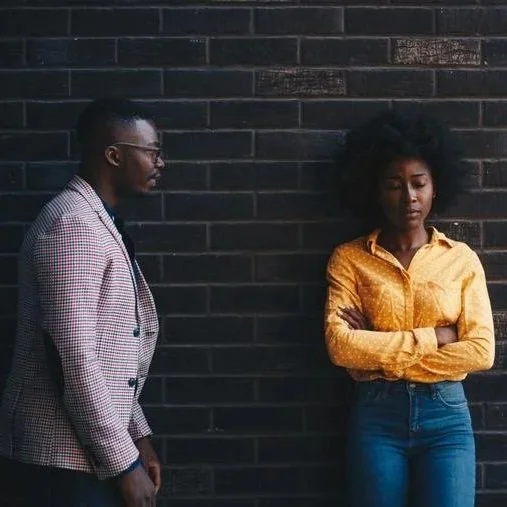
This powerful reflection explores the importance of accountability in Black relationships, urging both men and women to break blame cycles, confront their own patterns, and embrace self-awareness for real healing and growth. We discuss it here!
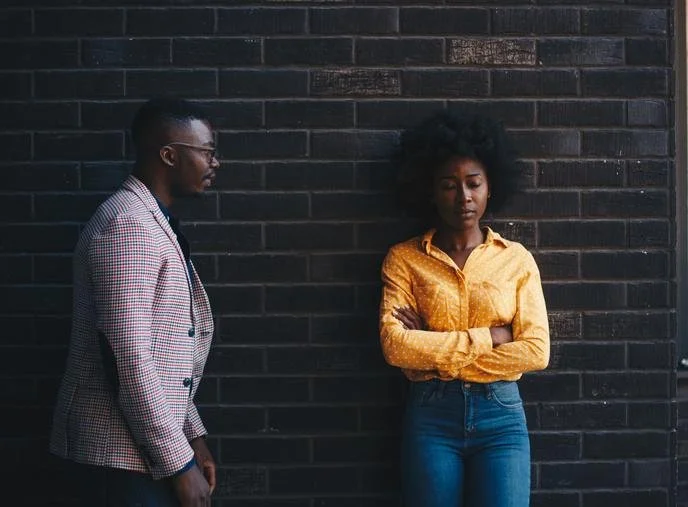
Photo Credit: Sanja Radin via iStockPhoto.com
By: Jamila Gomez
Let’s talk about something that keeps circling in our community but rarely gets addressed with honesty: the lack of accountability in how we navigate relationships—especially between Black men and women. Too often, we find ourselves caught in a blame loop, pointing fingers, posting callouts, sharing memes that reinforce the same tired narratives—and never looking inward. We’ve made an art form out of diagnosing what everyone else did wrong. Meanwhile, our own patterns, choices, and baggage go unchecked.
Here’s the truth: it’s not always them. And deep down, we know that.
But accountability is hard because it demands reflection. It means you have to admit that sometimes you stayed in a relationship you knew wasn’t healthy. It means owning the times you ignored red flags, avoided hard conversations, or used your wounds as weapons. It means acknowledging that healing doesn’t make you perfect—and that being hurt doesn’t give you a pass to hurt someone else.
This is not about blame. It’s about maturity. Because healing isn’t just about calling out the people who hurt you—it’s also about recognizing the ways you showed up in your own dysfunction. It’s about asking, What did I allow? What did I enable? And how have I been part of the problem, even when I was also in pain?
That’s a tough pill to swallow, especially in a culture where survival has made many of us defensive by default. We’re used to being silenced, overlooked, and dismissed—especially Black women and Black men who’ve carried generational trauma. But we can’t use our trauma as a shield from accountability. At some point, we have to get honest with ourselves about how we show up in love, in conflict, and in community.
When we make everything someone else’s fault, we don’t heal—we deflect. We stay stuck in cycles that feel familiar but never fulfilling. We keep attracting the same energy in different bodies because we haven’t done the work to change ourselves. And until we face that, no amount of venting, posting, or dragging our exes is going to bring us peace.
The truth is, relationships take more than good intentions and shared struggle. They take self-awareness, honesty, and the willingness to grow beyond our default behaviors. And yes, that includes owning up to the times you were wrong, even if you were also hurt.
Accountability isn’t weakness—it’s strength. It’s what allows us to stop surviving and start evolving. And if we want something real—something healthy, mutual, and rooted in growth—we’re going to have to stop pointing fingers and start looking in the mirror.
The healing we’re craving? It starts there.
YOU MAY ALSO BE INTERESTED IN:
SHARE TO SOCIAL MEDIA

The Pressure to Be the Healed One in Every Relationship
Black women often carry the emotional burden of others after healing, but true growth means setting boundaries, recognizing emotional outsourcing, and protecting your peace. We discuss it here!
Photo Credit: Giulio Fornasar via iStockPhoto.com
By: Jamila Gomez
Black women are often expected to be the strong one, the wise one, the emotionally mature one—the one who knows better, does better, and shows up whole, no matter what. And while healing is powerful, there’s a quiet pressure that comes with it: once you start doing the work, people assume you’re supposed to carry the emotional weight for everyone else, too.
It shows up in subtle ways. You’re the one expected to de-escalate arguments, make peace in the group chat, understand everyone’s trauma, and never take things too personally. When someone hurts you, you’re told to be the bigger person. When someone lashes out, you’re expected to see their inner child. When you express your own needs or pain, suddenly you’re “too much” or “not as healed as you claim to be.”
Healing doesn’t mean you become emotionally bulletproof. But that’s often the expectation—especially in relationships where the other person hasn’t done their own work. It’s a quiet setup: you grow, they stay the same, and now you’re responsible for bridging the gap. That’s not partnership. That’s emotional outsourcing.
It happens in friendships too. Once you’re known as the “grounded” one or the “emotionally aware” one, your needs get overlooked. You’re the one they vent to, lean on, unload on—but when you start needing support back, things get quiet. Because people often confuse your capacity with your comfort.
And let’s be honest: some folks aren’t looking for accountability. They’re looking for someone who’ll keep making space for their mess without ever asking them to clean it up. That’s where this pressure becomes dangerous. It teaches you to shrink your needs, soften your voice, and overfunction just to maintain peace. But there’s nothing peaceful about always being the one who has to rise above.
Being healed doesn’t mean being passive. It doesn’t mean tolerating disrespect, overexplaining your boundaries, or constantly managing other people’s emotions. Healing means being able to recognize what’s not yours to fix—and choosing to let it go.
We talk a lot about doing the work. But part of the work is realizing when you’re being used as someone else’s shortcut. Being healed doesn’t make you responsible for anyone but you. Growth is not a service you owe to others—it’s a standard you get to protect.
YOU MAY ALSO BE INTERESTED IN:
SHARE TO SOCIAL MEDIA
Is It Love or Leverage?
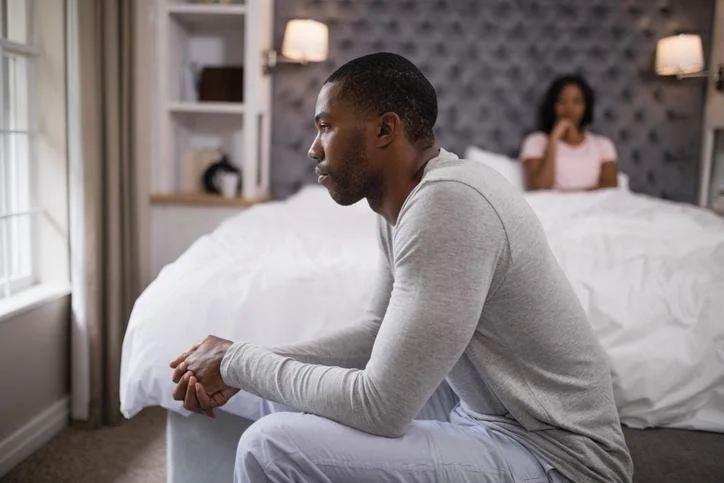
Many people mistake control and emotional dependency for love, but learning to recognize the difference between genuine connection and subtle manipulation is essential to healing and freedom. We discuss it here!
Photo Credit: Wavebreakmedia via iStockPhoto.com
By: Jamila Gomez
Not everyone who sticks around loves you.
Some people stay because your wounds serve them. Because your silence benefits them. Because your self-doubt makes them feel needed, important, or superior. And sometimes, what we call love is really just leverage dressed up in affection.
It’s not always easy to tell the difference—especially if you grew up believing love was something you had to earn. If your earliest experiences taught you that love came with conditions, sacrifices, or expectations, then it makes sense why being overextended in a relationship might feel normal. Familiar, even.
But there’s a cost.
You start mistaking attachment for love. You start confusing being needed with being valued. And you start accepting bare minimum effort as deep connection because you’re emotionally invested in who someone used to be, or who you hoped they’d become.
Ask yourself this: when you started to heal, did they pull closer—or pull away?
When you found your voice, did they celebrate your power—or shrink in discomfort?
When you stopped needing them to validate you, did they support your growth—or start subtly punishing you for it?
Real love doesn’t flinch when you evolve. It doesn’t see your healing as competition. It doesn’t require you to stay broken in order to feel close.
But leverage? Leverage loves the imbalance. It feeds off your guilt, your gratitude, and your fear of being alone. It creates emotional IOUs—those quiet expectations that say, “You owe me for being here.” It disguises itself as loyalty, then uses that loyalty as a leash. It keeps you dependent, unsure, apologizing for outgrowing the box they put you in.
There are people who won’t know how to relate to you once you’re no longer the version of yourself that needed them. People who don’t know how to love you when you’re clear, centered, and free.
And while that may feel like rejection, it’s really revelation.
We were taught to call a lot of things love that were really just fear, control, and performance. We weren’t taught to ask: Do I feel seen here? Do I feel emotionally safe? Do I feel like myself in this relationship—or just a role I’m expected to play?
Because if your light makes them dim, if your joy makes them distant, or if your peace makes them uncomfortable—what you had wasn’t love. It was leverage. It was control. It was comfort at your expense.
The love that’s meant for you will expand with you. It will want your freedom, not your dependence. It will love the real you—not just the version it could manage.
So, the next time it feels hard to tell the difference, sit with this question: Is it love, or is it leverage?
YOU MAY ALSO BE INTERESTED IN:
SHARE TO SOCIAL MEDIA
We Don’t Have to Be Grateful for the Bare Minimum
This powerful reflection challenges the normalization of bare-minimum behavior in relationships, workplaces, and society—especially for Black women—urging readers to reclaim their standards, dignity, and self-worth. We discuss it here!
Photo Credit: CarlosDavid.org via iStockPhoto.com
By: Jamila Gomez
Somewhere along the line, many of us were taught to accept scraps and call it kindness. A text back. A half-hearted apology. A job that pays just enough to keep the lights on. We were told to smile through mistreatment, to be “grateful” for whatever was offered, and to lower our expectations in the name of being easy to love, easy to work with, easy to manage.
But let’s be clear: bare minimums are not gifts. They are obligations.
Responding to a message, being honest, treating people with basic dignity, showing up after causing harm—these are not grand acts of service. They are the floor, not the ceiling. Yet so many of us have been conditioned—especially as Black people, and particularly as Black women—to say “thank you” when we should be saying, “That’s the least you could do.”
This is not about entitlement. This is about restoring balance where systems and relationships have quietly asked us to shrink.
We see it in workplaces that expect us to overperform without recognition. In romantic dynamics where we’re praised just for being chosen, as if our presence isn’t a privilege in itself. In friendships where we’re expected to always understand, always forgive, always be the one reaching out. And in all of these spaces, we’ve been guilted into silence with phrases like “at least they’re trying” or “something is better than nothing.”
But here’s the truth: when the bare minimum is dressed up as effort, we begin to doubt what we actually deserve. We start to internalize the lie that asking for more is being “too much.” That wanting follow-through means we’re ungrateful. That needing consistency somehow makes us needy.
It’s not ungrateful to have standards. It’s not ungrateful to say, “I appreciate this effort, but it’s not enough for me to feel safe, seen, or supported.”
And no, raising the bar doesn’t mean we’re looking for perfection. It means we’re refusing to live in cycles of crumbs and confusion.
What we’re worthy of isn’t excessive. It’s basic human decency, followed by real care, and not just in words—but in presence, energy, and accountability.
So, no more gold stars for the bare minimum. No more over-celebrating people or spaces that barely meet us where we are.
Gratitude doesn’t mean settling. And your standards don’t make you unkind. They make you clear.
YOU MAY ALSO BE INTERESTED IN:
SHARE TO SOCIAL MEDIA
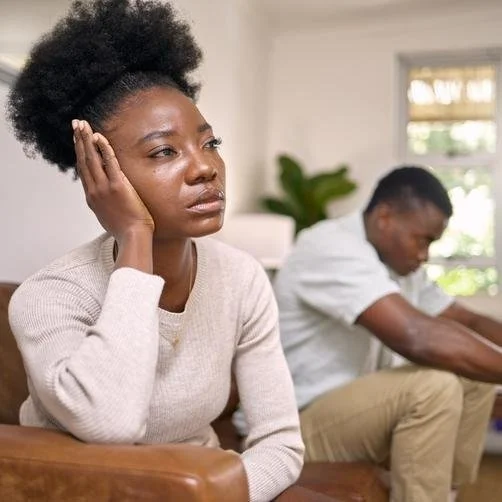
“Was It Me?” The Weight of Being Left, and the War Women Wage on Themselves
Many women blame themselves after a breakup, but the truth is, being left doesn't mean you're unworthy—it often means you loved someone unwilling to rise and meet your depth. We discuss it here!
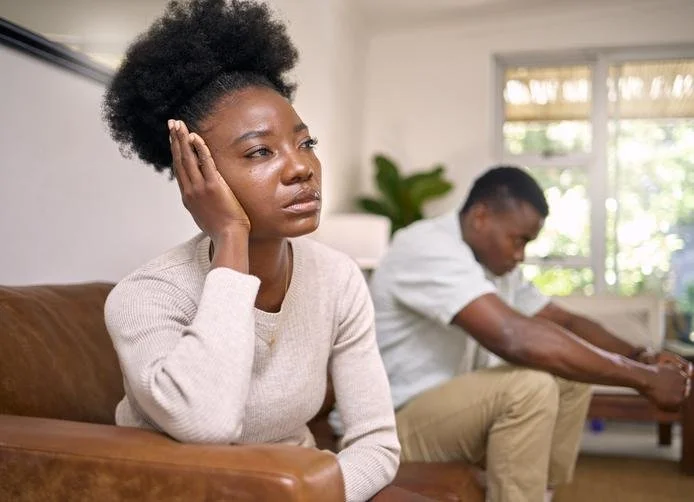
Photo Credit: PeopleImages via iStockPhoto.com
By: Jamila Gomez
When a relationship ends, especially one that felt deeply personal and emotionally invested, many women are left sitting in the rubble asking the same quiet question: “Was it me?”
This question doesn’t usually come from nowhere. It comes after months—or years—of showing up fully. Of offering softness, patience, loyalty, and grace. Of adjusting expectations, waiting through silence, and giving more than was ever reciprocated. And still, the person leaves. Or worse, they stay just long enough to erode the woman’s sense of self.
It becomes easy—almost automatic—to assume that if someone leaves after being given so much, the fault must lie with the giver. So many women begin internalizing the departure as a personal failure. If someone else gets the version of that person who is ready to love, ready to commit, ready to show up—what does that say about the one who got left?
The mind turns grief into a loop of self-blame. “Maybe I was too much.” “Maybe I wasn’t supportive enough.” “Maybe I wasn’t the one.” And it becomes even more painful when the person they loved appears to move on with ease—offering to someone else the very things they withheld.
But here’s the truth many women miss while sitting in that loop: sometimes it’s not about capacity. Sometimes that person was fully capable of loving, committing, and showing up. They just didn’t want to. At least, not for the woman who loved them first.
And that’s what cuts the deepest—not just the abandonment, but the realization that someone could have done better, and simply chose not to. They chose not to grow. Not to stay. Not to honor the love that was freely given.
In response to this pain, many women don’t get angry. They get self-punishing. They dig through the relationship for clues. They take on blame that doesn’t belong to them. Not just for the parts they played, but for the parts the other person refused to own. This isn’t accountability—it’s absorption. It’s self-blame disguised as growth. The idea is, “If I claim everything, maybe I can avoid being blindsided next time.”
But true accountability sounds different. It says: “Here’s what I did. Here’s what I allowed. Here’s what I’ll do differently next time.” It does not say: “Here’s all the harm they caused—and how I made it happen.”
It’s possible to acknowledge the ways one may have stayed too long, ignored their own instincts, or hoped beyond reason—and still not carry the shame of someone else’s refusal to rise. Self-blame often feels like a kind of control: if it’s my fault, then maybe I can change enough to prevent it from happening again. But the only thing it truly does is keep the wound open and the healing out of reach.
Many women confuse being “easy to love” with being convenient. And many have spent years giving the best of themselves to people who were not willing to meet them at that depth. This doesn’t make them unlovable—it makes them unmatched. It means they haven’t yet been met by someone emotionally available, honest, and invested enough to see them clearly and choose them fully.
Being loved should never require being less. It should not ask for self-erasure, performance, or proof. And being left is not evidence of unworthiness. It’s often just evidence that the person was unwilling to meet love with the maturity, courage, and emotional labor it takes to sustain it.
The grief is real. The loneliness is sharp. But the story that says “you weren’t enough” is not true—it’s trauma. It’s repetition. It’s the residue of being too understanding for too long.
The truth is: real love doesn’t need convincing. It doesn’t require self-abandonment. And it doesn’t leave when things stop being easy.
Some women are still protecting their most sacred parts from people who only know how to consume, not contribute. That’s not a weakness. That’s wisdom.
And it’s not too late to stop blaming yourself for the times you called exploitation love. You didn’t fail at love—you just loved someone who refused to rise to meet you. That doesn’t mean you weren’t worth it. It means you loved past your limits, and now, it’s time to come home to yourself.
YOU MAY ALSO BE INTERESTED IN: