Healing and Relationships: Why Personal Growth Can Make Love Feel Harder


When Healing Makes You Harder to Love
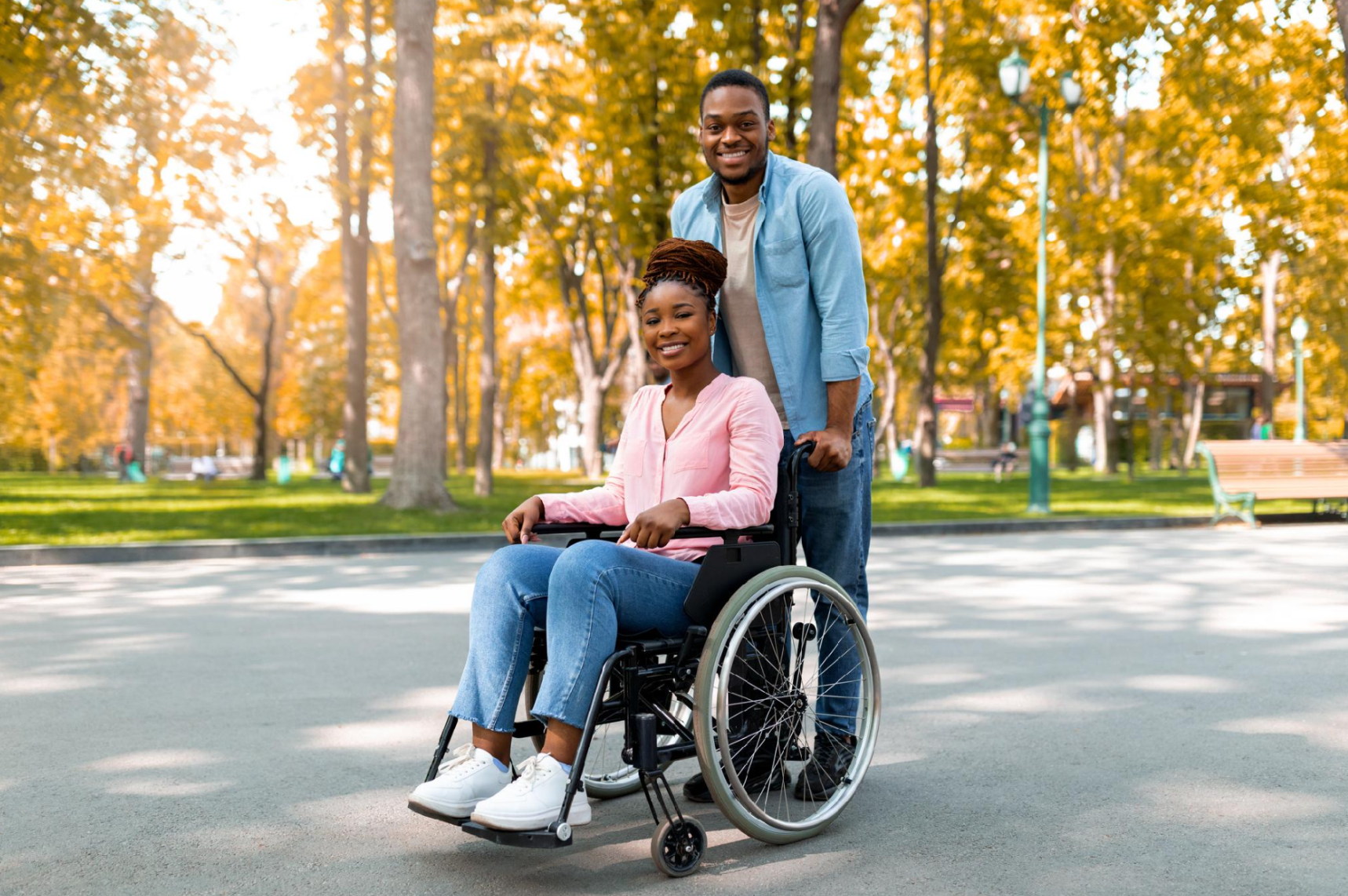
Photo Credit: Anastasiia Havrysh via iStockPhoto.com
By: Jamila Gomez
We talk about healing like it’s a glow-up—peaceful, polished, and easy to digest. But real healing is gritty. It disrupts dynamics, redraws lines, and forces people to meet the version of you that no longer bends to make them comfortable. The world loves a healing story until it has to adjust to your healed behavior.
The truth is, healing often makes you harder to love. Not because you’re suddenly cold or self-centered, but because you stop performing the kind of love that exhausted you. You start saying no without guilt. You stop over-explaining. You no longer make room for people who only show up when you’re small. And for those who benefited from your unhealed patterns, like your silence, your compliance, your overgiving? That shift feels like betrayal.
Healing changes your emotional language. It alters how you communicate, what you tolerate, and who feels safe around you. Old connections start to wobble under the weight of your growth. The friend who once called you for every crisis might accuse you of being distant. The family member who thrived on guilt might call you selfish. The partner who was used to emotional caretaking might say you’ve changed—and they’d be right.
This isn’t the version of healing people romanticize online. It’s not bubble baths and affirmations; it’s confrontation and loss. It’s realizing that love built on your people-pleasing isn’t sustainable. It’s learning that peace doesn’t always look like harmony. It often looks like silence, space, or saying no.
Healing also exposes emotional economies: who withdraws and who deposits. When you stop paying in self-sacrifice, the people who were cashing in might disappear. That can feel like abandonment, but it’s actually clarity. You begin to see who valued your presence and who only valued your compliance.
The backlash is real. People don’t always celebrate your boundaries—they test them. They say, “You used to be more understanding,” because they miss the version of you that absorbed their discomfort. They frame your growth as ego, your silence as distance, your boundaries as hostility. But healing doesn’t make you unkind; it makes you honest.
There’s also the inner grief no one prepares you for -- the mourning of how easy love used to be when you didn’t ask for much. Healing can make you miss your old self, the one who forgave too easily, who said “it’s fine” to avoid conflict. You’ll question whether you’re too guarded now, too skeptical, too complicated. But that doubt is part of the detox. You’re learning to love without self-erasure, and that takes practice.
We should stop selling the idea that healed people are easier to love. In many ways, they’re more difficult. They’re more truthful, more discerning, less tolerant of performative connection. But that difficulty is what makes the love they offer richer. It’s not love built on fantasy or fear; it’s love grounded in accountability, choice, and respect.
If someone can only love you when you’re unhealed, they never loved you. They loved the version of you that made them comfortable. Real connection survives the evolution. It adapts. It grows with you, not in spite of you.
So yes, healing might make you harder to love, but only for the ones who never planned to love you fully in the first place.

YOU MAY ALSO BE INTERESTED IN: