

Healing and Relationships: Why Personal Growth Can Make Love Feel Harder
Healing can feel like it makes you harder to love when you stop shrinking for others and start honoring your growth! We discuss it here!

When Healing Makes You Harder to Love
Photo Credit: Anastasiia Havrysh via iStockPhoto.com
By: Jamila Gomez
We talk about healing like it’s a glow-up—peaceful, polished, and easy to digest. But real healing is gritty. It disrupts dynamics, redraws lines, and forces people to meet the version of you that no longer bends to make them comfortable. The world loves a healing story until it has to adjust to your healed behavior.
The truth is, healing often makes you harder to love. Not because you’re suddenly cold or self-centered, but because you stop performing the kind of love that exhausted you. You start saying no without guilt. You stop over-explaining. You no longer make room for people who only show up when you’re small. And for those who benefited from your unhealed patterns, like your silence, your compliance, your overgiving? That shift feels like betrayal.
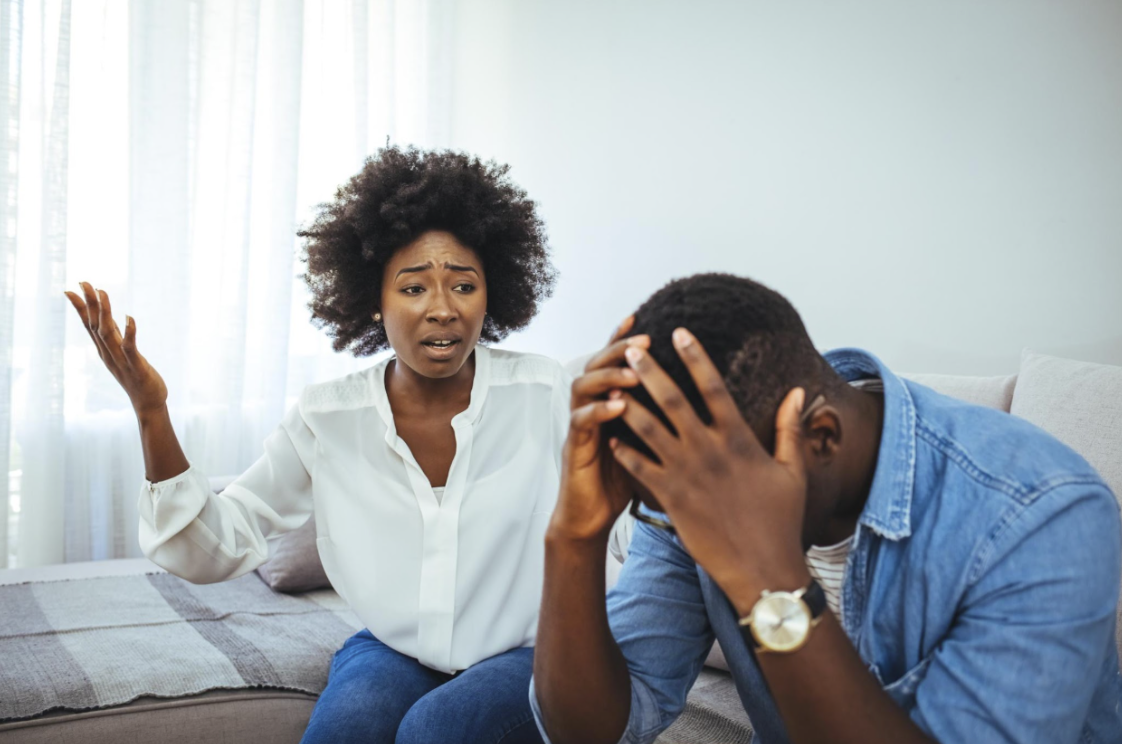
Healing changes your emotional language. It alters how you communicate, what you tolerate, and who feels safe around you. Old connections start to wobble under the weight of your growth. The friend who once called you for every crisis might accuse you of being distant. The family member who thrived on guilt might call you selfish. The partner who was used to emotional caretaking might say you’ve changed—and they’d be right.
This isn’t the version of healing people romanticize online. It’s not bubble baths and affirmations; it’s confrontation and loss. It’s realizing that love built on your people-pleasing isn’t sustainable. It’s learning that peace doesn’t always look like harmony. It often looks like silence, space, or saying no.
Healing also exposes emotional economies: who withdraws and who deposits. When you stop paying in self-sacrifice, the people who were cashing in might disappear. That can feel like abandonment, but it’s actually clarity. You begin to see who valued your presence and who only valued your compliance.
The backlash is real. People don’t always celebrate your boundaries—they test them. They say, “You used to be more understanding,” because they miss the version of you that absorbed their discomfort. They frame your growth as ego, your silence as distance, your boundaries as hostility. But healing doesn’t make you unkind; it makes you honest.
There’s also the inner grief no one prepares you for -- the mourning of how easy love used to be when you didn’t ask for much. Healing can make you miss your old self, the one who forgave too easily, who said “it’s fine” to avoid conflict. You’ll question whether you’re too guarded now, too skeptical, too complicated. But that doubt is part of the detox. You’re learning to love without self-erasure, and that takes practice.
We should stop selling the idea that healed people are easier to love. In many ways, they’re more difficult. They’re more truthful, more discerning, less tolerant of performative connection. But that difficulty is what makes the love they offer richer. It’s not love built on fantasy or fear; it’s love grounded in accountability, choice, and respect.
If someone can only love you when you’re unhealed, they never loved you. They loved the version of you that made them comfortable. Real connection survives the evolution. It adapts. It grows with you, not in spite of you.
So yes, healing might make you harder to love, but only for the ones who never planned to love you fully in the first place.

YOU MAY ALSO BE INTERESTED IN:


SHARE TO SOCIAL MEDIA

The Pressure to Be the Healed One in Every Relationship
Black women often carry the emotional burden of others after healing, but true growth means setting boundaries, recognizing emotional outsourcing, and protecting your peace. We discuss it here!

Photo Credit: Giulio Fornasar via iStockPhoto.com
By: Jamila Gomez
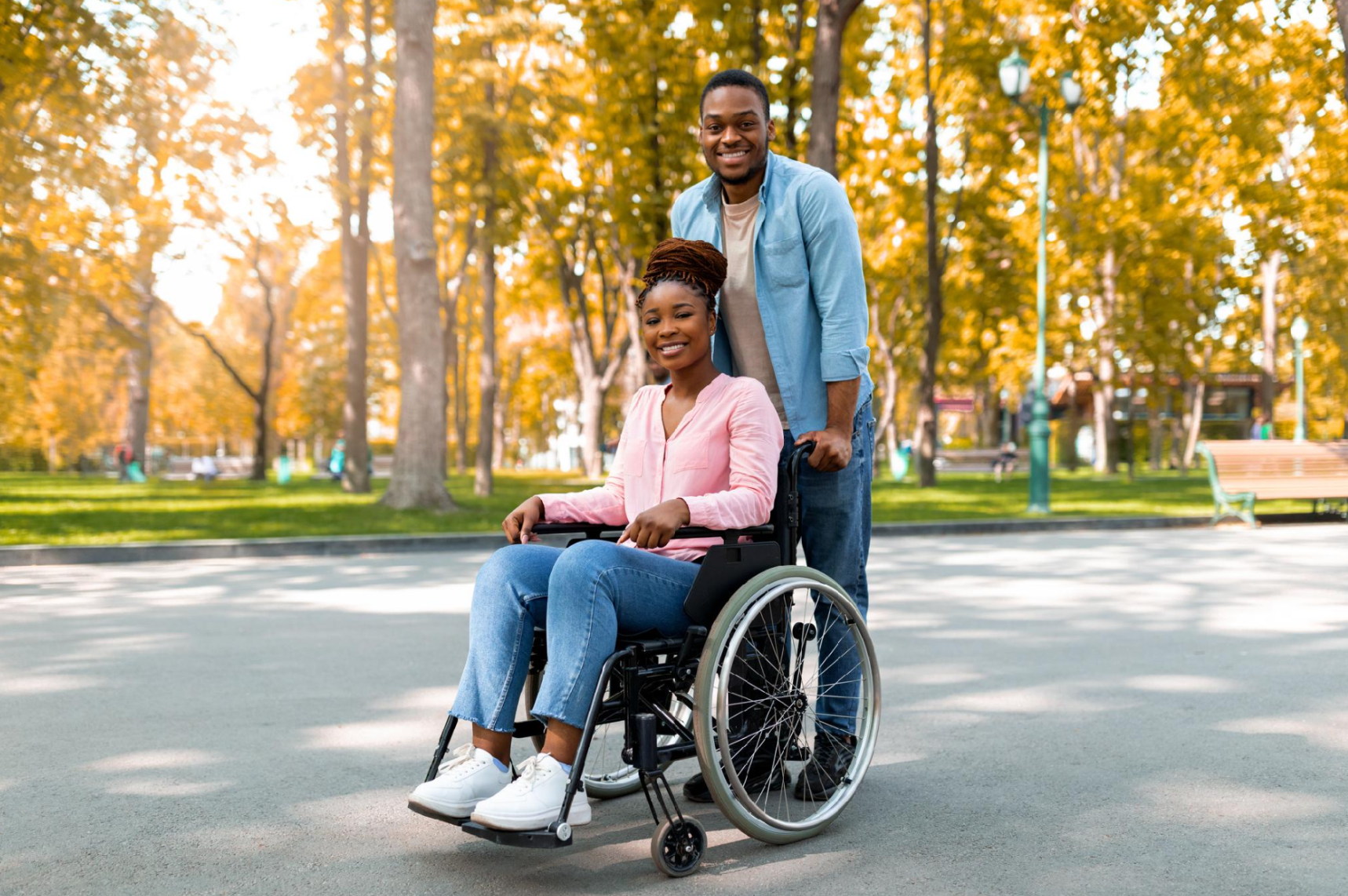
Black women are often expected to be the strong one, the wise one, the emotionally mature one—the one who knows better, does better, and shows up whole, no matter what. And while healing is powerful, there’s a quiet pressure that comes with it: once you start doing the work, people assume you’re supposed to carry the emotional weight for everyone else, too.
It shows up in subtle ways. You’re the one expected to de-escalate arguments, make peace in the group chat, understand everyone’s trauma, and never take things too personally. When someone hurts you, you’re told to be the bigger person. When someone lashes out, you’re expected to see their inner child. When you express your own needs or pain, suddenly you’re “too much” or “not as healed as you claim to be.”
Healing doesn’t mean you become emotionally bulletproof. But that’s often the expectation—especially in relationships where the other person hasn’t done their own work. It’s a quiet setup: you grow, they stay the same, and now you’re responsible for bridging the gap. That’s not partnership. That’s emotional outsourcing.
It happens in friendships too. Once you’re known as the “grounded” one or the “emotionally aware” one, your needs get overlooked. You’re the one they vent to, lean on, unload on—but when you start needing support back, things get quiet. Because people often confuse your capacity with your comfort.
And let’s be honest: some folks aren’t looking for accountability. They’re looking for someone who’ll keep making space for their mess without ever asking them to clean it up. That’s where this pressure becomes dangerous. It teaches you to shrink your needs, soften your voice, and overfunction just to maintain peace. But there’s nothing peaceful about always being the one who has to rise above.
Being healed doesn’t mean being passive. It doesn’t mean tolerating disrespect, overexplaining your boundaries, or constantly managing other people’s emotions. Healing means being able to recognize what’s not yours to fix—and choosing to let it go.
We talk a lot about doing the work. But part of the work is realizing when you’re being used as someone else’s shortcut. Being healed doesn’t make you responsible for anyone but you. Growth is not a service you owe to others—it’s a standard you get to protect.
YOU MAY ALSO BE INTERESTED IN:




SHARE TO SOCIAL MEDIA

Is It Love or Leverage?
Many people mistake control and emotional dependency for love, but learning to recognize the difference between genuine connection and subtle manipulation is essential to healing and freedom. We discuss it here!

Photo Credit: Wavebreakmedia via iStockPhoto.com
By: Jamila Gomez
Not everyone who sticks around loves you.
Some people stay because your wounds serve them. Because your silence benefits them. Because your self-doubt makes them feel needed, important, or superior. And sometimes, what we call love is really just leverage dressed up in affection.
It’s not always easy to tell the difference—especially if you grew up believing love was something you had to earn. If your earliest experiences taught you that love came with conditions, sacrifices, or expectations, then it makes sense why being overextended in a relationship might feel normal. Familiar, even.
But there’s a cost.
You start mistaking attachment for love. You start confusing being needed with being valued. And you start accepting bare minimum effort as deep connection because you’re emotionally invested in who someone used to be, or who you hoped they’d become.
Ask yourself this: when you started to heal, did they pull closer—or pull away?
When you found your voice, did they celebrate your power—or shrink in discomfort?
When you stopped needing them to validate you, did they support your growth—or start subtly punishing you for it?
Real love doesn’t flinch when you evolve. It doesn’t see your healing as competition. It doesn’t require you to stay broken in order to feel close.
But leverage? Leverage loves the imbalance. It feeds off your guilt, your gratitude, and your fear of being alone. It creates emotional IOUs—those quiet expectations that say, “You owe me for being here.” It disguises itself as loyalty, then uses that loyalty as a leash. It keeps you dependent, unsure, apologizing for outgrowing the box they put you in.
There are people who won’t know how to relate to you once you’re no longer the version of yourself that needed them. People who don’t know how to love you when you’re clear, centered, and free.
And while that may feel like rejection, it’s really revelation.
We were taught to call a lot of things love that were really just fear, control, and performance. We weren’t taught to ask: Do I feel seen here? Do I feel emotionally safe? Do I feel like myself in this relationship—or just a role I’m expected to play?
Because if your light makes them dim, if your joy makes them distant, or if your peace makes them uncomfortable—what you had wasn’t love. It was leverage. It was control. It was comfort at your expense.
The love that’s meant for you will expand with you. It will want your freedom, not your dependence. It will love the real you—not just the version it could manage.
So, the next time it feels hard to tell the difference, sit with this question: Is it love, or is it leverage?
YOU MAY ALSO BE INTERESTED IN:
SHARE TO SOCIAL MEDIA

How Past Relationships Shape Our Future Love Life
Learn how past relationships shape your future love life by teaching valuable lessons, healing emotional wounds, and building emotional resilience that helps you set healthy boundaries and form fulfilling connections. We discuss it here!


Photo Credit: Jacob Wackerhausen via iStockPhoto.com
By: Jamila Gomez
Love is a journey filled with lessons, emotions, and personal growth. Every relationship we experience leaves an imprint on us, shaping how we perceive love, trust, and commitment. Whether it ended in heartbreak or mutual understanding, our past relationships influence how we approach new romantic connections. From emotional baggage to valuable lessons, here’s how our past relationships mold our future love life.
1. Learning from Mistakes
One of the most significant ways past relationships shape us is by teaching us what works and what doesn’t. When a relationship ends, we reflect on what went wrong—was it poor communication, mismatched values, or unmet expectations? These insights help us make better choices in the future, ensuring we don’t repeat the same mistakes.
For instance, if someone has experienced a relationship where they felt unheard, they may prioritize finding a partner who values open and honest communication. This self-awareness allows for healthier and more fulfilling connections.
2. Emotional Baggage and Healing
Not all relationships end on good terms, and sometimes, they leave emotional scars. Betrayal, heartbreak, and toxic dynamics can create trust issues, fear of vulnerability, or low self-esteem. If these wounds are left unhealed, they can affect future relationships, causing unnecessary insecurities or defensive behaviors.
However, when people take time to heal and reflect on their emotional wounds, they enter new relationships with a clearer mind and an open heart. Acknowledging and working through past pain leads to emotional maturity and prevents repeating unhealthy patterns.
3. Understanding Personal Needs and Boundaries
Every relationship provides an opportunity to understand what we truly need from a partner. Some people may realize they need emotional support, while others may prioritize independence. Past relationships help clarify these needs, making it easier to set healthy boundaries in the future.
For example, someone who once felt suffocated in a controlling relationship might recognize the importance of personal space and seek a partner who respects their independence. Recognizing and asserting these boundaries helps create balanced and respectful relationships.
4. Building Emotional Resilience
Breakups and failed relationships, while painful, also build emotional resilience. Overcoming heartbreak teaches people how to cope with disappointment, adapt to change, and emerge stronger. This resilience makes individuals more capable of handling challenges in future relationships, fostering patience, understanding, and maturity.
Past relationships are not just chapters of our love life but stepping stones toward personal growth and healthier future relationships. They teach us valuable lessons, help us heal, and shape our understanding of love. By embracing these experiences, we can move forward with confidence, ready to build meaningful and fulfilling romantic connections.
YOU MAY ALSO BE INTERESTED IN:
SHARE TO SOCIAL MEDIA

4 Reasons You Don't Need Closure
Seeking closure has become a popular notion in our society, where individuals are taught to believe that finding a resolution after a breakup, the end of a friendship, or a significant loss is necessary for healing and moving forward. We discuss 5 reasons you don’t need closure here!
Photo Credit: skyNext via istockphoto.com
By: Jamila Gomez
Seeking closure has become a popular notion in our society, where individuals are taught to believe that finding a resolution after a breakup, the end of a friendship, or a significant loss is necessary for healing and moving forward. While it is indeed natural to desire answers or understanding, the idea of seeking closure, as often portrayed, can be misleading and counterproductive. Here are some reasons why seeking closure may ultimately be pointless and how letting go can be a more empowering and liberating approach to healing.
1. Closure is a subjective and elusive concept:
The concept of closure implies neatly tying up loose ends, getting answers, and achieving a sense of finality. However, in reality, closure is highly subjective and can vary significantly from person to person. What may bring closure to one person might not work for another. Expecting someone else to provide closure or waiting for external factors to bring a sense of resolution can lead to frustration and a prolonged healing process.
2. Closure does not always guarantee healing:
The misconception that closure is essential for healing often sets unrealistic expectations. The truth is, that closure is not a magical switch that automatically heals emotional wounds. Healing is a personal journey that involves introspection, self-reflection, and time for emotional acceptance. Seeking closure can divert attention away from self-growth and healing by fixating on the past, hindering progress toward the future.
3. Closure may not lead to answers:
We seek closure in the hopes of finding answers to our burning questions, but this is not always promised. Sometimes, the other party involved may not be willing or able to provide satisfactory answers. In such cases, relentlessly seeking closure can become a never-ending cycle of frustration and disappointment. Instead of seeking answers externally, it may be more productive to search within oneself and find resolution through personal introspection and self-discovery.
4. Letting go offers freedom and empowerment:
Rather than relentlessly seeking closure, individuals can benefit from embracing the art of letting go. Letting go is an active process that involves accepting the situation, acknowledging one's emotions, and allowing oneself to move forward. By focusing on self-healing and personal growth, individuals can experience liberation and empowerment. Letting go allows us to reclaim our power, create new beginnings, and forge a clearer path ahead.
While the desire for closure is a natural human instinct, fixating on obtaining it can impede personal growth and healing. Seeking closure can be an endless pursuit, often leading to more questions than answers. Understanding the futility of this pursuit, individuals can begin to embrace the power of letting go. By accepting the past, acknowledging emotions, and actively moving towards self-healing, individuals can forge a new path with strength, resilience, and a renewed sense of freedom. So rather than pursuing the elusive concept of closure, let us embrace the art of letting go and open ourselves to a world of endless possibilities.
YOU MAY ALSO BE INTERESTED IN: