Settling for a Pick, Starving for Love: The Difference Between Being Chosen and Being Cherished


Starving For Love
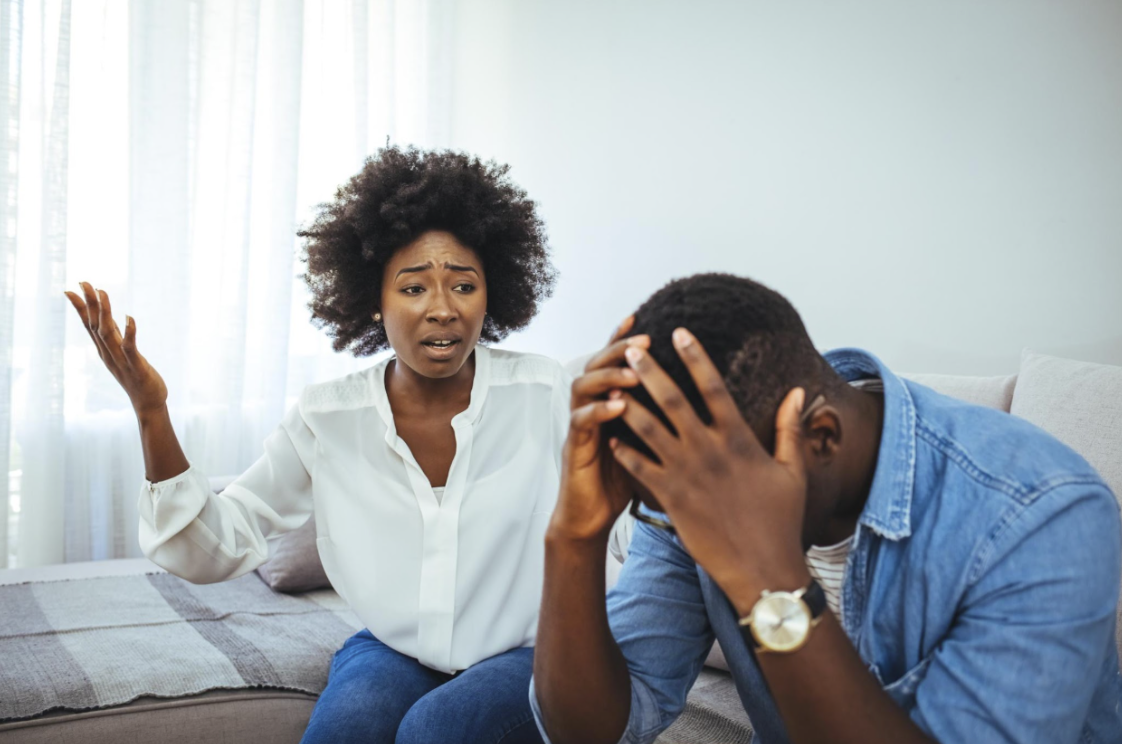
Photo Credit: Prostock-Studio via iStockPhoto.com
By: Jamila Gomez
Too many women aren’t looking for love. They’re looking to be picked. And those two things are not the same.
Love is about mutual care, reciprocity, and choosing each other again and again. Being picked is about validation—proof that someone sees you, wants you, claims you. For many women, that validation has been framed as the ultimate prize, even more than love itself. The ring, the relationship status, the “he chose me” moment—all of it can feel like an answer to the deeper question: Am I enough?
This desire doesn’t appear out of nowhere. From an early age, girls are socialized to see desirability as currency. We are shown fairy tales where the story ends when the prince chooses the princess. We grow up watching romantic comedies where the central tension is who will be picked at the end. Family, church, and culture repeat the same message in quieter ways: you matter more when someone claims you. That message burrows deep, until the hunger to be chosen can drown out the hunger to be loved well.
But being picked is not the same as being loved. Being picked just means someone selected you—sometimes out of convenience, timing, or self-interest. It says nothing about how they will treat you, whether they will respect you, or if they will nurture your growth. Plenty of people are picked into relationships where they feel unseen, unvalued, or even unsafe. The desire to be validated at any cost can keep women tethered to partners who never truly offer love.
The cost of this confusion is steep. When the goal is to be picked, standards lower. Red flags get ignored. Attention is mistaken for affection. A warm body is mistaken for intimacy. And the cycle repeats: disappointment, emptiness, sometimes even harm—all while clinging to the fact that at least someone chose you. But being chosen without being cherished is a hollow victory.
What would it look like to shift the frame? To ask not, Will someone pick me? but instead, Do I choose this person? Do I choose this relationship? That small reversal changes everything. It moves power from passive acceptance to active decision. It reminds women that their worth is not measured by who claims them, but by what they claim for themselves.
The question lingers: do you want love, or do you just want to be picked? And what would change if you stopped confusing the two?

YOU MAY ALSO BE INTERESTED IN: