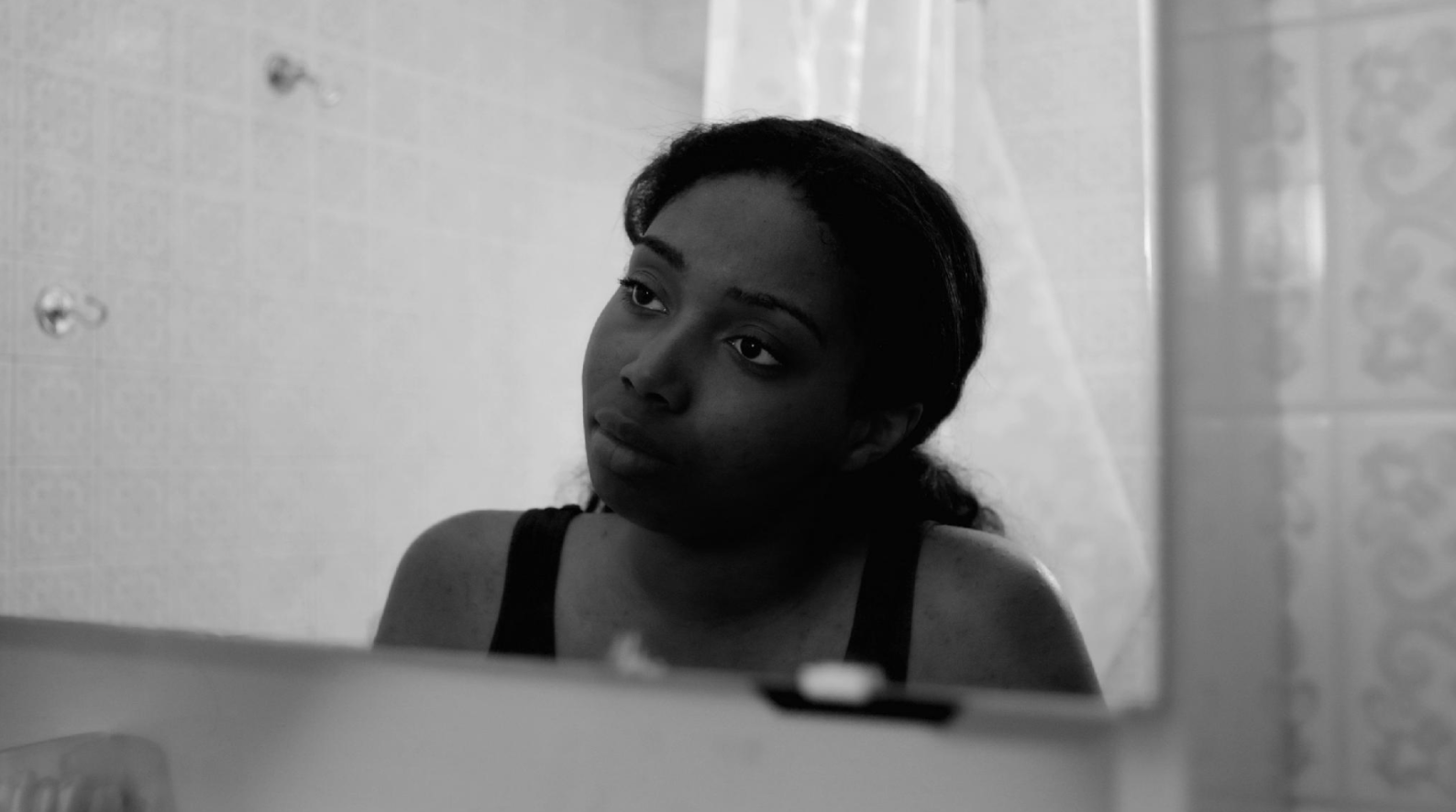
Confidence Looks Different Now: From Performance to Presence


Confidence Looks Different Now
By: Jamila Gomez
For a long time, confidence had a very specific look. It was loud, certain, and seemingly unshakeable. It walked into a room like it belonged there before anyone else had a chance to settle in. It spoke clearly, moved boldly, and rarely appeared to question itself. That was the version of confidence many of us were taught to admire. It looked polished and convincing, the kind that made people nod in approval and assume that person had everything figured out.
Life, however, has a way of reshaping definitions. With time, experience, and a few difficult lessons, confidence begins to look different. It becomes quieter and steadier, and it stops worrying so much about performing for an audience. Instead of trying to prove itself, it learns how to exist without constantly needing validation from other people.
The truth is that a lot of what we once called confidence was actually survival. Many people learned to present strength because they had to. When life demands resilience, you find ways to show up, push through, and keep going even when uncertainty sits just beneath the surface. The world often rewards that kind of presentation, especially when it comes packaged in composure and competence.
But performing certainty and actually feeling secure are not the same thing. Real confidence often arrives later, after someone has lived long enough to recognize the difference. It begins to appear in smaller and more grounded ways. It shows up in the ability to say “I don’t know” without feeling diminished. It shows up when someone chooses honesty over image. It shows up when a person stops trying to be everything to everyone and begins honoring what actually matters to them.
Confidence, in its more mature form, no longer needs to be loud. Sometimes it looks like setting a boundary without explaining yourself over and over again. Sometimes it looks like changing your mind when new information comes along. Sometimes it looks like walking away from something that once defined you. Those choices may not appear dramatic from the outside, but they require a deep level of self-trust that younger versions of us often struggle to access.
Over time, confidence also begins to include room for uncertainty. Instead of demanding perfection, it allows growth to happen in real time. A confident person can admit that they are still learning, still evolving, and still figuring things out. That kind of confidence feels deeply human because it no longer depends on appearing flawless.
It rests on the understanding that mistakes, shifts in direction, and moments of doubt are simply part of a full life. Rather than hiding those experiences, mature confidence learns to integrate them.
This shift matters because many people quietly believe they have lost their confidence when, in reality, it has simply changed form. What once looked like bold declarations may now look like thoughtful pauses. What once looked like relentless striving may now look like discernment. What once looked like saying yes to every opportunity may now look like protecting time, energy, and peace.
Confidence evolves. It grows from performance into presence, from proving into knowing, and from external approval into internal steadiness. It may not command the same attention as the louder version people celebrate, but it carries something far more valuable: the freedom to be fully yourself without needing permission.

YOU MAY ALSO BE INTERESTED IN: