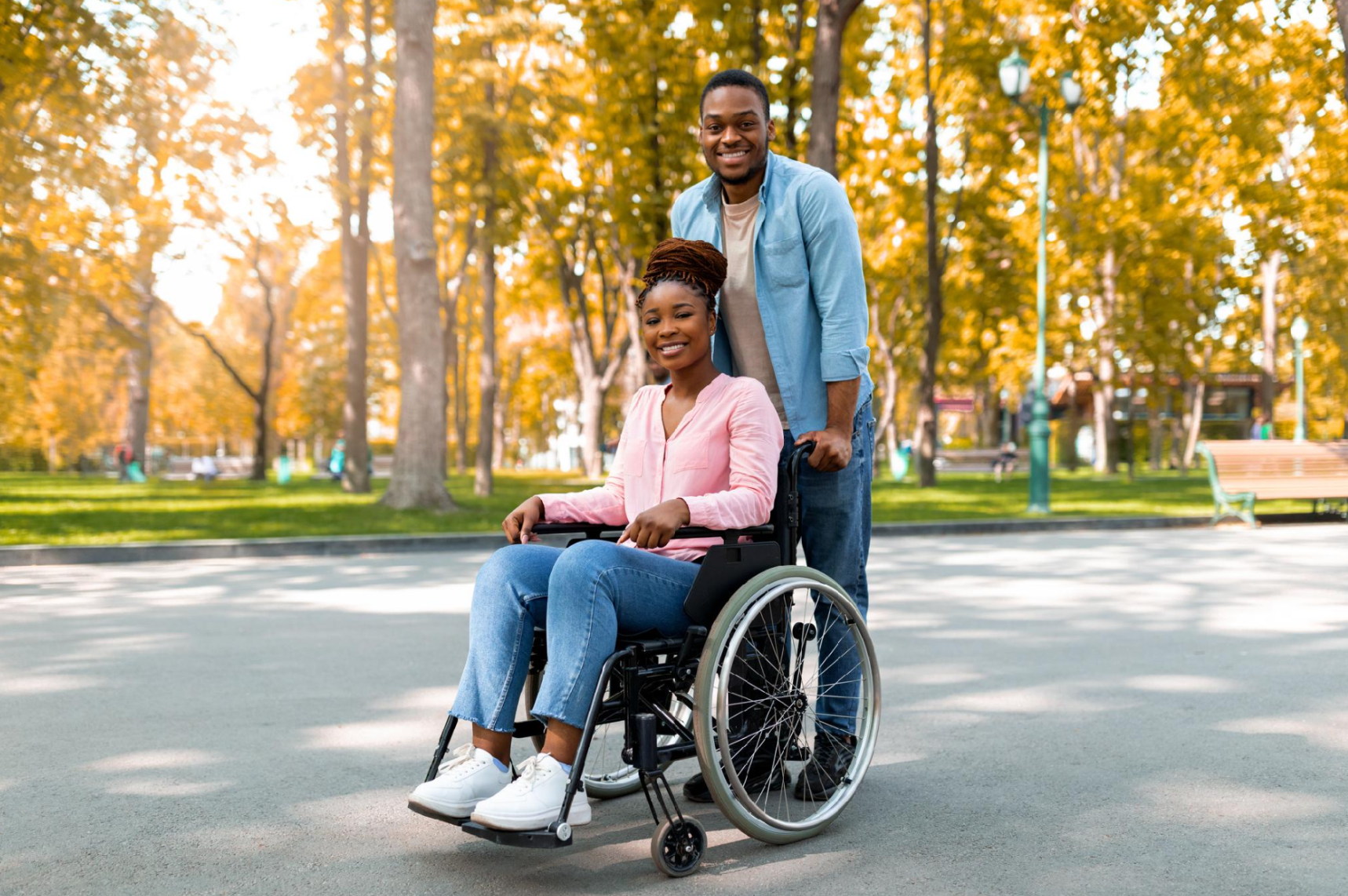
Dating While Disabled is Brave…and Hard
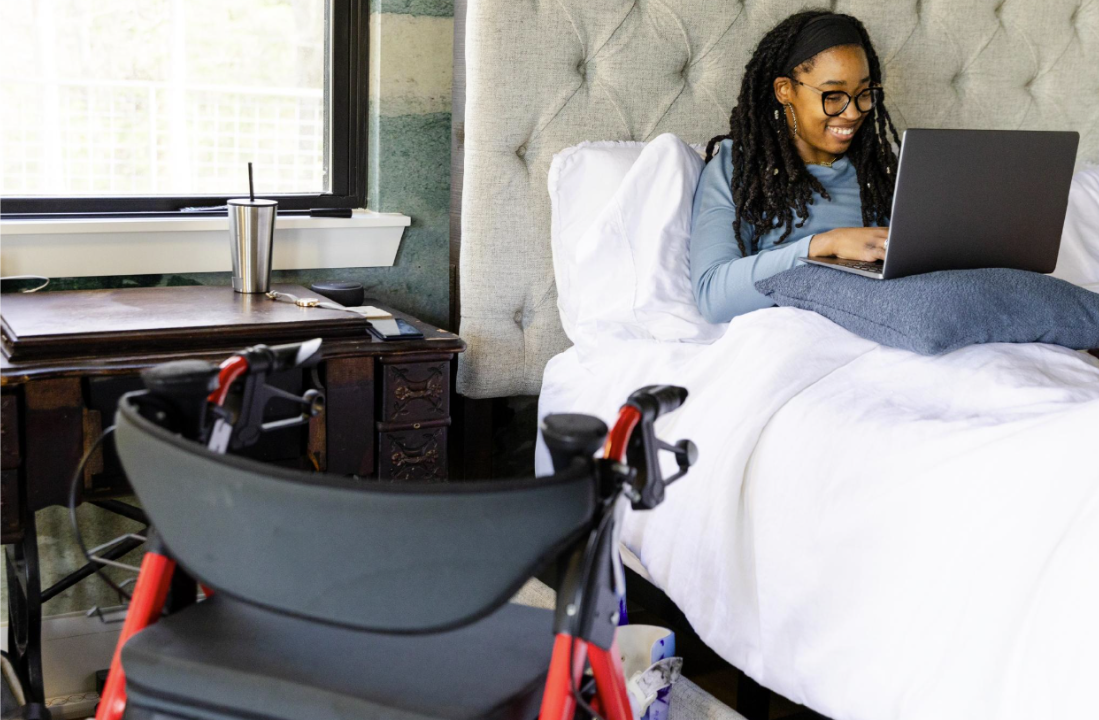
Dating with a disability often requires navigating vulnerability, disclosure, and uncertainty in ways most people never have to consider, while still holding onto the hope of finding a love that embraces the whole person rather than seeing their condition as a limitation! We discuss it here!

Dating While Disabled is Brave
Photo Credit: Prostock Studio via iStockPhoto.com
By: Jamila Gomez
Every disabled person knows a certain moment.
It happens early in a new connection, sometimes on the first date, sometimes a few weeks in when things are starting to feel real. It is the moment you realize you have to decide how much to tell. How soon to tell it. And whether this person, this new and hopeful person sitting across from you, is someone who will stay once they know the full picture.
That moment is exhausting. And it never fully goes away.
Dating is complicated for everyone. But for people living with physical, neurological, or chronic conditions, the complications run deeper than nerves and bad timing. There is an entire layer of calculation that most people never have to think about. Will this person be patient on the hard days? Will they see the condition before they see the person? Will they stay when things get inconvenient? And the question underneath all of those questions, the one that is almost too vulnerable to say out loud: am I too much to love?
Disclosure is one of the hardest parts. Tell too soon and you risk being defined by your condition before someone has had the chance to know you. Wait too long and you risk feeling like you were hiding something. There is no perfect timing. There is only the ongoing negotiation between protecting yourself and letting someone in.
Even when disclosure goes well, even when the person responds with kindness and says all the right things, there is still the waiting. Watching to see if the kindness holds. Watching to see if patience has a limit. Watching for the moment the reality of what it means to love someone with a chronic condition settles in and the dynamic quietly shifts.
Some people leave. Not always loudly. Sometimes they just slowly become less available. Every time that happens, it deposits something in a person. A little more guardedness. A little more reluctance to try again. A quiet, growing belief that love might just be harder to keep than it is to find.
What makes this particularly painful is that the desire for connection does not go away just because connection has been painful. People with disabilities want what everyone wants. Partnership. Intimacy. Someone who knows the hard parts and stays anyway. Someone who does not need the condition to be invisible in order to be comfortable. Someone who loves the whole person, not just the easy version of them.
That is not an unreasonable thing to want. It is the most human thing in the world.
The conversation around disability and dating has started to grow louder in recent years, and that matters. Seeing relationships that include disability portrayed as full, loving, and real changes something in the people who have never seen themselves reflected that way.
Beyond representation, what people living with chronic conditions often need most is permission. Permission to want love without apologizing for the complexity that comes with them. Permission to have standards. Permission to leave situations where they are tolerated instead of chosen. Permission to believe that the right person will not see their condition as a problem to manage but as one part of a whole person worth knowing.
That person exists. And so does the love that does not ask you to shrink before it will stay.

YOU MAY ALSO BE INTERESTED IN:

SHARE TO SOCIAL MEDIA
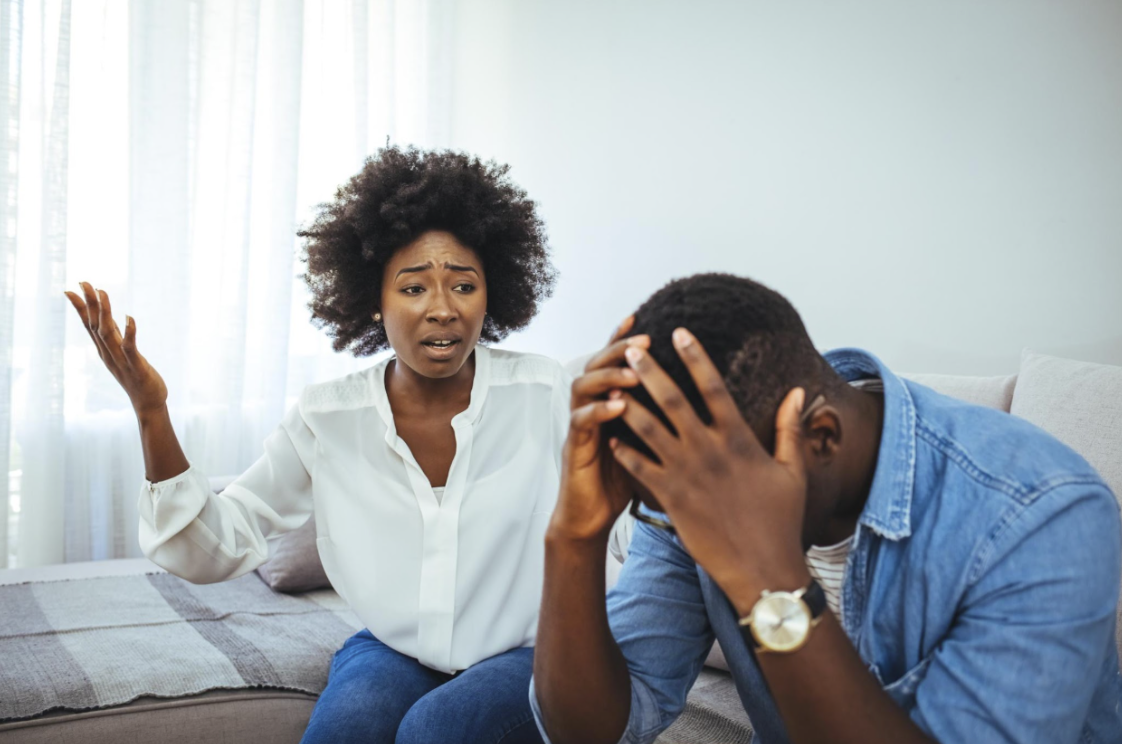
Why Dismissal in Relationships Causes Lasting Emotional Harm
When women speak about betrayal and emotional harm, the dismissal and invalidation they face can deepen the original wounds and reinforce a culture that minimizes their pain instead of addressing it! We discuss it here!
The Damage of Dismissal'
Photo Credit: dragana991 via iStockPhoto.com
By: Jamila Gomez
When women speak openly about betrayal, abuse, manipulation, or emotional harm, the pain itself is often only part of what they are forced to carry. Equally damaging is what frequently follows: dismissal. The minimizing. The disbelief. The casual reduction of deeply painful experiences into oversensitivity, bitterness, or unnecessary drama. In many cases, the harm does not end with the betrayal itself. It expands through the ways society responds to women once they name what happened.
Dismissal can take many forms. Sometimes it is overt, such as accusing women of exaggerating abuse or framing their emotional pain as an inability to “move on.” Other times, it is subtle, hidden beneath jokes, indifference, or cultural narratives that normalize harmful behavior. Women are often told they are too emotional, too invested, too sensitive, or too focused on issues that should not affect them so deeply. These responses may appear dismissive on the surface, but beneath them lies something more dangerous: the reinforcement of harm through invalidation.
For many women, especially survivors of emotional abuse or chronic betrayal, dismissal can mirror the very dynamics that caused the original wound. Harmful relationships often involve gaslighting, blame-shifting, emotional minimization, and repeated attempts to make women question their own reality. When society responds to women’s pain with the same skepticism or trivialization, it can reinforce those internalized wounds rather than support healing. In this way, dismissal becomes more than an unpleasant reaction. It becomes an extension of the original harm.
This is particularly visible in public conversations surrounding women’s pain. Whether discussing infidelity, emotional abuse, toxic relationships, or larger systemic patterns, there is often significant resistance to women’s collective emotional responses. Instead of engaging with the deeper realities being expressed, people frequently focus on tone policing or diminishing the conversation entirely. The message is clear: the harm itself is secondary to whether women’s reactions are deemed acceptable.
This pattern carries serious consequences. Dismissal teaches women that their pain may not be taken seriously, even when they are harmed. It conditions many to second-guess their own instincts, delay setting boundaries, or remain silent to avoid further invalidation. Over time, this can contribute to a broader culture where women’s suffering is normalized while their responses are scrutinized.
For Black women, dismissal can carry additional weight due to longstanding cultural expectations surrounding strength, resilience, and emotional endurance. Black women are often expected to withstand extraordinary levels of hardship without visible vulnerability. This can create an environment where pain is not only minimized externally but also internally suppressed for survival. The pressure to remain strong can make acknowledgment itself feel radical, while dismissal can deepen emotional isolation.
The normalization of dismissal also protects harmful systems. When betrayal, manipulation, or abuse are consistently minimized, the behaviors themselves are allowed to persist with less accountability. Dismissal shifts focus away from harmful actions and redirects scrutiny toward those naming the harm. This not only undermines survivors but also reinforces broader patterns of inequality and emotional injustice.
Healing requires more than surviving the initial wound. It often requires untangling the damage caused by being repeatedly told that the wound was not serious enough to matter. This is why acknowledgment is so powerful. Validation does not erase harm, but it interrupts the cycle of minimization that often compounds it.
Dismissal is not neutral. It is not harmless. It can deepen wounds, distort healing, and perpetuate the very systems that allow harm to continue. When women speak about pain, betrayal, or abuse, listening is not simply compassionate. It is necessary.
Because sometimes the betrayal is only the beginning.
And too often, dismissal is part of the damage.
YOU MAY ALSO BE INTERESTED IN:
SHARE TO SOCIAL MEDIA
4 Ways Black Women Can Stay True to Themselves in Love & Relationships
In relationships where love and partnership can sometimes blur personal boundaries, Black women are learning that preserving their passions, voice, community, and growth is essential to maintaining a strong sense of self while building a meaningful life with someone else! We discuss it here!
Rooted in Self, Even in Love
Photo Credit: Foremniakowsi via iStockPhoto.com
By: Jamila Gomez
Relationships can be beautiful, supportive, and deeply meaningful. They can also quietly reshape how a person moves through the world. For Black women especially, maintaining a strong sense of self inside a relationship carries extra weight. History, culture, and social expectations have long placed pressure on Black women to be everything for everyone: strong, supportive, patient, resilient. While those qualities can be powerful, they should never come at the cost of personal identity.
A healthy relationship should allow a Black woman to bring her full self into the partnership rather than slowly shrinking to fit it. Preserving identity is not about resisting connection or refusing compromise. It is about remembering who you are, what you value, and how you want to live while building a life with someone else. Here are four ways to hold onto that identity while in a relationship.
1. Stay Connected to Your Individual Passions
One of the easiest ways identity fades in relationships is through quiet sacrifice. Hobbies disappear. Personal goals get postponed. Interests slowly shift to match a partner’s preferences.
Holding onto your passions protects your sense of individuality. Whether it is writing, art, activism, travel, spirituality, or career ambitions, those pursuits existed before the relationship and deserve space within it.
Your passions are more than activities. They are expressions of who you are. When you keep nurturing them, you remind yourself that your life has direction beyond the relationship. A partner should not replace your purpose. They should walk beside it.
2. Maintain Strong Community Ties
Black women have always drawn strength from community. Friends, family, mentors, and cultural spaces provide support that romantic relationships alone cannot fulfill.
When someone becomes deeply invested in a relationship, it can be tempting to spend most of their time with their partner. Over time, this can unintentionally weaken the connections that once grounded them.
Maintaining friendships and community spaces keeps your perspective balanced. Your friends remind you of who you were before the relationship. They celebrate your wins, challenge you when needed, and provide emotional support that is separate from your partner.
Community also protects cultural identity. For Black women, shared spaces often provide understanding that cannot always be explained inside interracial relationships or even within relationships where cultural awareness differs.
3. Speak Your Needs Clearly
Many Black women are socialized to endure discomfort rather than express it. Strength becomes synonymous with silence. Over time, this can lead to emotional exhaustion and a feeling of being unseen.
Preserving identity requires clear communication. Your voice matters inside the relationship. Your boundaries, values, and emotional needs deserve expression without apology.
Speaking openly does not make someone difficult or demanding. It makes the relationship more honest. When a Black woman communicates her needs, she reinforces that her presence in the relationship is equal, not supportive labor that goes unnoticed.
A partner who values you will want to understand your experiences, including the realities that come with navigating the world as a Black woman.
4. Protect Your Personal Growth
A relationship should expand your life, not pause it. Personal growth does not stop because love enters the picture.
Continue pursuing education, professional goals, personal development, and spiritual exploration. Growth keeps identity active. It reminds you that you are a whole person evolving over time.
Sometimes relationships unintentionally create comfort zones where change slows down. Protecting your growth ensures that you do not lose momentum in your own life story.
When both partners continue evolving, the relationship becomes a place where two full individuals grow alongside each other rather than one person carrying the emotional or developmental weight of the partnership.
Keeping your identity as a Black woman in a relationship is an act of self-respect. It means honoring your passions, staying rooted in community, speaking your truth, and continuing to grow.
Love should not require disappearance. The healthiest relationships are built by two people who remain fully themselves while choosing, every day, to share their lives together.
YOU MAY ALSO BE INTERESTED IN:
SHARE TO SOCIAL MEDIA
The Difference Between Being Needed and Being Valued
For many Black women, constantly being needed can feel like love until you realize you are valued more for what you do than for who you are! We discuss it here!
The Difference Between Being Needed and Being Valued
Photo Credit: Ivan Pantic via iStockPhoto.com
By: Jamila Gomez
There is a quiet confusion many Black women live inside of, especially those who are dependable, capable, and emotionally steady. We are surrounded by people who rely on us. They call when something breaks, when a decision needs to be made, when emotions run high, when plans fall apart. From the outside, it can look like importance. From the inside, it often feels like exhaustion.
Being needed creates the illusion of worth. Being valued creates space to breathe.
When you are needed, your presence is tied to function. You solve problems. You hold things together. You anticipate what others forget. Your absence would cause inconvenience, disruption, maybe even chaos. People feel reassured knowing you are there. That reassurance becomes your assignment. You become part of the infrastructure of other people’s lives.
Being valued works differently. Value shows up even when you are not producing, fixing, or holding anything together. It exists when you are tired, unsure, or unavailable. It does not require urgency to be expressed. It does not disappear the moment you stop being useful.
Many Black women learn early that being needed is safer than being visible. Needed women are praised for their reliability, their strength, their willingness to step in. Valued women ask for room. They take up space without explaining. That difference matters.
Needed women receive gratitude that expires quickly. Thank you becomes transactional. Valued women receive consideration that lingers. Their needs are factored in before decisions are made, not after problems arise.
You can tell the difference by what happens when you pause.
When you are needed, slowing down creates anxiety around you. People get uncomfortable. They ask questions that sound like concern but feel like pressure. Are you okay? What’s going on with you? When will you be back to normal? Your rest becomes something to manage.
When you are valued, slowing down is respected. You are not interrogated for needing space. Your capacity is treated as real, not inconvenient.
You can also tell the difference by who adapts.
In relationships where you are needed, you are the flexible one. You adjust your schedule. You soften your tone. You make things easier. Your adaptability becomes expected. When you stop adapting, friction appears.
In relationships where you are valued, adjustment is mutual. You are not the only one bending. You are not the only one doing emotional math.
Being needed can feel affirming at first, especially if you were taught that your worth lives in what you provide. Over time, it becomes draining. You start to notice how often you show up without being asked how you are doing. You notice how your boundaries feel like inconveniences instead of information. You notice how quickly appreciation fades once your labor is complete.
Being valued feels quieter. It may not come with applause. It comes with consistency. It comes with people checking in without an agenda. It comes with being included in decisions that affect you. It comes with not having to earn your place every time you walk into a room.
Many Black women stay in spaces where they are needed because leaving feels selfish. There is guilt attached to withdrawing labor that others depend on. There is fear attached to asking for more than utility.
Choosing value over need is not dramatic. It often happens in small, private moments. You stop volunteering first. You let a call go unanswered. You notice who reaches for you only when something is required. You pay attention to who stays when you are no longer performing strength.
The difference between being needed and being valued becomes clear when you imagine stepping back and ask a simple question. If I were less available, less helpful, less strong, would I still matter here?
The answer tells you more than words ever will.
YOU MAY ALSO BE INTERESTED IN:
SHARE TO SOCIAL MEDIA
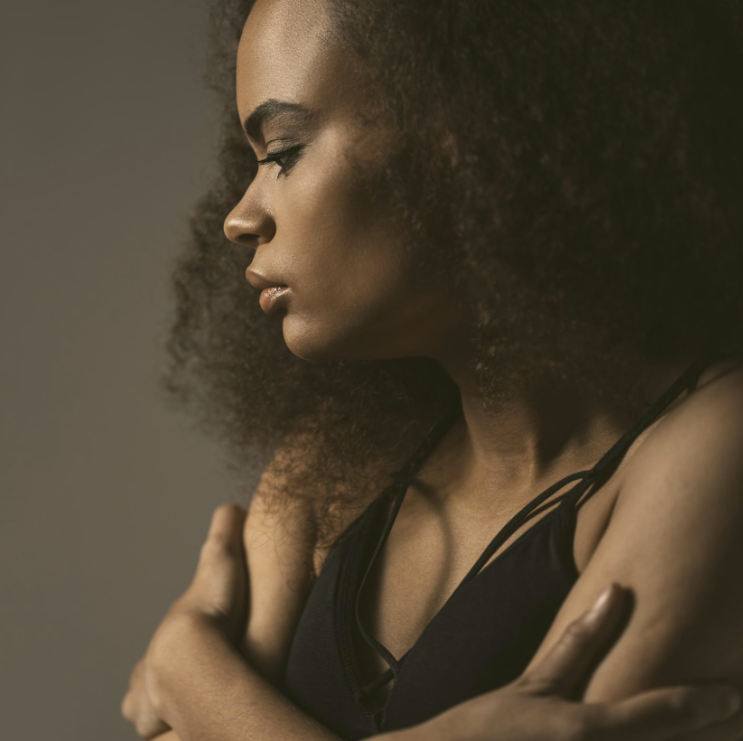
Dating, Desire, and Identity as a Childless Black Woman in Your 40s
Dating in your 40s as a childless Black woman reveals a quiet tension between visibility and erasure, desire and projection, as clarity replaces timelines and partnership becomes less about being chosen and more about being truly seen. We discuss it here!
Dating, Desire, and Identity as a Childless Black Woman in Your 40s
Photo Credit: Lipik1 via iStockPhoto.com
By: Jamila Gomez
Dating in your 40s as a childless Black woman puts you in a strange, often unspoken space. You are visible and invisible at the same time. Desired and dismissed. Assumed to be free, flexible, unburdened, or secretly lacking something. People think they know your story before you open your mouth, and most of the time they’re wrong.
There is a quiet reckoning that happens when motherhood is no longer a future placeholder in your life. Whether that door closed intentionally, slowly, or without your consent, it changes how the world reads you. It changes how you are positioned in dating spaces. It changes how desire is projected onto you, and how your own desire evolves. You are no longer dating with the promise of potential motherhood attached, and that makes some people uncomfortable in ways they don’t know how to name.
For Black women especially, motherhood has long been treated as proof of womanhood, sacrifice, and worth. So when you exist outside of that script in midlife, people do not know where to place you. Some assume you must be lonely. Others assume you are selfish. Some men fetishize your availability while others quietly rule you out because you do not fit the future they imagined without ever asking what future you want.
Dating at this stage forces you to get honest about desire. Not performative desire. Not survival-based desire. Not the kind rooted in fear of ending up alone. Real desire. The kind that asks what you actually want to experience with another person, and what you are no longer willing to tolerate just to say you have someone. That clarity can be liberating, but it can also be isolating when the dating pool feels stuck in outdated expectations.
There is also grief here, even when you are at peace with your life. Grief for paths not taken. Grief for conversations you keep having to manage. Grief for the way people project pity onto a life that feels full to you. You can be content and still feel the ache of being misunderstood. Both things can be true, and you do not owe anyone a tidy explanation that makes them comfortable.
Identity shifts when you stop measuring your life against timelines that were never designed with your reality in mind. You begin to see yourself as complete without qualifiers. Not “successful but childless.” Not “independent because she doesn’t have kids.” Just whole. Dating from that place changes the questions you ask. You stop asking who will choose you and start asking who actually sees you. You pay attention to how someone talks about women, about aging, about freedom, about responsibility. You listen for whether they are curious about your life or just assessing what you lack.
Desire in your 40s is often quieter and deeper. It is less about being chosen and more about mutual recognition. It is about safety, honesty, attraction that does not require you to shrink or explain. It is about wanting companionship that adds to your life instead of rearranging it around someone else’s expectations. That kind of desire does not always fit neatly into dating apps or first-date scripts, and that can be frustrating.
Still, there is power in being a childless Black woman in your 40s who knows herself. You have lived enough to recognize red flags early. You have earned your boundaries. You understand that partnership is not a prize but a choice. Dating becomes less about proving your worth and more about discerning alignment. You are not behind. You are not missing out. You are simply living a life that refuses to be reduced to a single narrative.
The truth is this. Being childless in your 40s does not make you incomplete. It makes you specific. And dating from that truth requires courage, patience, and a willingness to let people disqualify themselves without taking it personally. That is not loss. That is clarity.
YOU MAY ALSO BE INTERESTED IN:
SHARE TO SOCIAL MEDIA
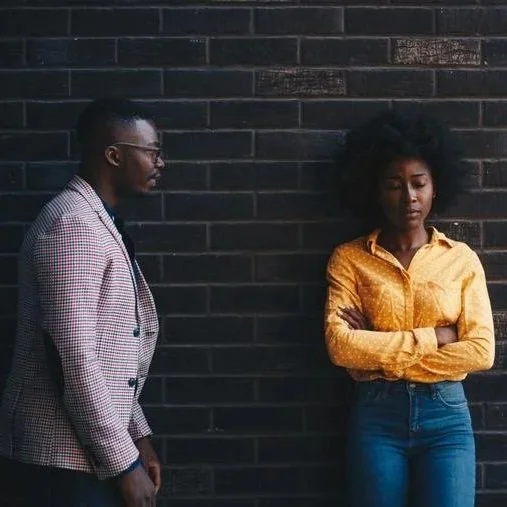
The Truth About Accountability in Black Relationships: It Goes Both Ways
This powerful reflection explores the importance of accountability in Black relationships, urging both men and women to break blame cycles, confront their own patterns, and embrace self-awareness for real healing and growth. We discuss it here!
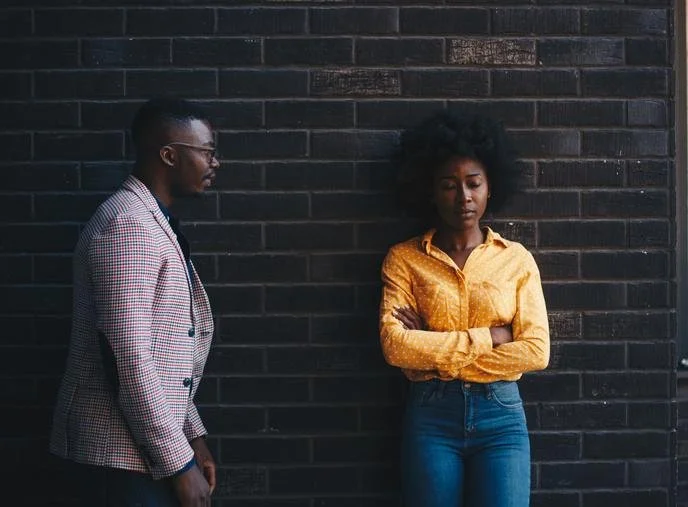
Photo Credit: Sanja Radin via iStockPhoto.com
By: Jamila Gomez
Let’s talk about something that keeps circling in our community but rarely gets addressed with honesty: the lack of accountability in how we navigate relationships—especially between Black men and women. Too often, we find ourselves caught in a blame loop, pointing fingers, posting callouts, sharing memes that reinforce the same tired narratives—and never looking inward. We’ve made an art form out of diagnosing what everyone else did wrong. Meanwhile, our own patterns, choices, and baggage go unchecked.
Here’s the truth: it’s not always them. And deep down, we know that.
But accountability is hard because it demands reflection. It means you have to admit that sometimes you stayed in a relationship you knew wasn’t healthy. It means owning the times you ignored red flags, avoided hard conversations, or used your wounds as weapons. It means acknowledging that healing doesn’t make you perfect—and that being hurt doesn’t give you a pass to hurt someone else.
This is not about blame. It’s about maturity. Because healing isn’t just about calling out the people who hurt you—it’s also about recognizing the ways you showed up in your own dysfunction. It’s about asking, What did I allow? What did I enable? And how have I been part of the problem, even when I was also in pain?
That’s a tough pill to swallow, especially in a culture where survival has made many of us defensive by default. We’re used to being silenced, overlooked, and dismissed—especially Black women and Black men who’ve carried generational trauma. But we can’t use our trauma as a shield from accountability. At some point, we have to get honest with ourselves about how we show up in love, in conflict, and in community.
When we make everything someone else’s fault, we don’t heal—we deflect. We stay stuck in cycles that feel familiar but never fulfilling. We keep attracting the same energy in different bodies because we haven’t done the work to change ourselves. And until we face that, no amount of venting, posting, or dragging our exes is going to bring us peace.
The truth is, relationships take more than good intentions and shared struggle. They take self-awareness, honesty, and the willingness to grow beyond our default behaviors. And yes, that includes owning up to the times you were wrong, even if you were also hurt.
Accountability isn’t weakness—it’s strength. It’s what allows us to stop surviving and start evolving. And if we want something real—something healthy, mutual, and rooted in growth—we’re going to have to stop pointing fingers and start looking in the mirror.
The healing we’re craving? It starts there.
YOU MAY ALSO BE INTERESTED IN: