

Break Toxic Cycles: Why Self-Healing is Essential Before Jumping Into Another Relationship
Life has a way of teaching us that rushing into a new relationship without healing from the last only repeats old patterns, and taking time to focus on yourself first sets the stage for healthier love and lasting connection! We discuss it here!

Break Toxic Cycles
Credit: insta_photos via Shutterstock
By: Omar Cook
Life has a way of pushing us toward connection, and sometimes the easiest move is to jump from one relationship to the next. But here’s the truth: if you haven’t taken the time to heal, you’re more likely to attract the same patterns, mistakes, and heartbreak all over again.
Too often, we look at a failed relationship and point fingers at the other person, blaming them for what went wrong. But real healing starts when you look inward. Take the time to see where you went wrong, what wounds need attention, and how you can grow into a better version of yourself. That work isn’t always easy. Sitting alone with your thoughts can feel uncomfortable, even painful. But it’s necessary. Alone time is your chance to regroup, rebuild, and clarify exactly what you want from love and from yourself.
When you focus on yourself, your growth, and your healing, you naturally elevate the energy you bring into the world. You become a better-quality person, and the people you attract will be on that same level. True connection isn’t about trying to make an ex jealous or proving something by quickly replacing them. That only keeps you trapped in cycles of heartbreak and disappointment.
Facing the shadow parts of yourself, the parts you don’t like, is a crucial step. Everyone has areas they can improve, and the goal should always be constant evolution. Take the time to get clear on your boundaries, your intentions, and the value you bring to a relationship. That clarity will naturally attract a partner who aligns with the life you’re building, and not someone who just fills a temporary void.
Hopping into another relationship too soon doesn’t just risk repeating the same mistakes, but can also harm the next person. The last thing you want is to be attached to someone who wasn’t meant to be in your life long-term. Doing the work now sets the stage for healthier love, deeper connection, and a partnership that lasts.
True love is waiting for you, but it begins with you healing, growing, and learning to love yourself fully before inviting someone else into your life.

YOU MAY ALSO BE INTERESTED IN:

SHARE TO SOCIAL MEDIA
The Truth About Accountability in Black Relationships: It Goes Both Ways
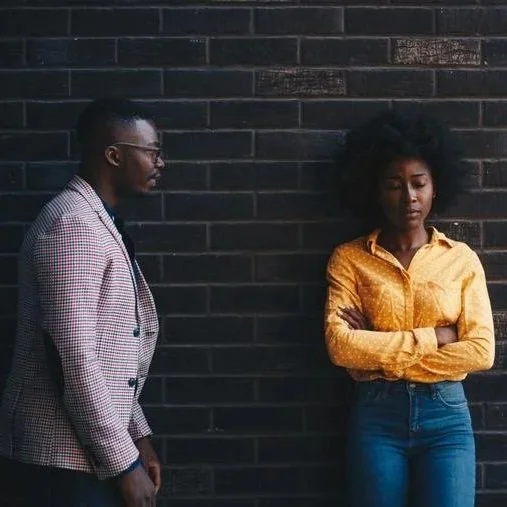
This powerful reflection explores the importance of accountability in Black relationships, urging both men and women to break blame cycles, confront their own patterns, and embrace self-awareness for real healing and growth. We discuss it here!
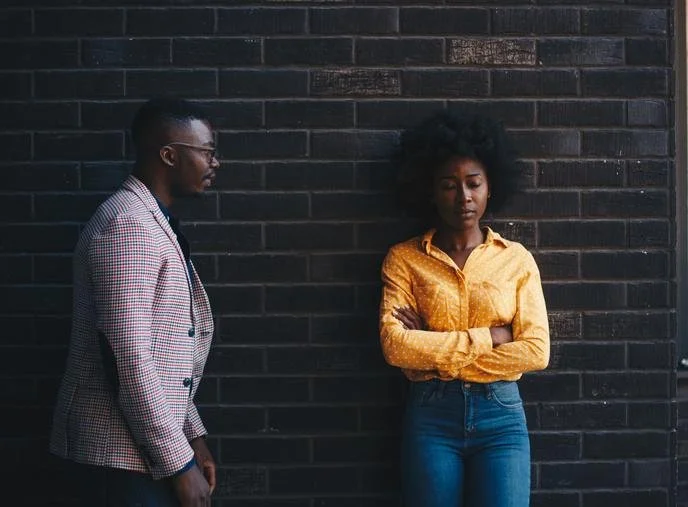
Photo Credit: Sanja Radin via iStockPhoto.com
By: Jamila Gomez
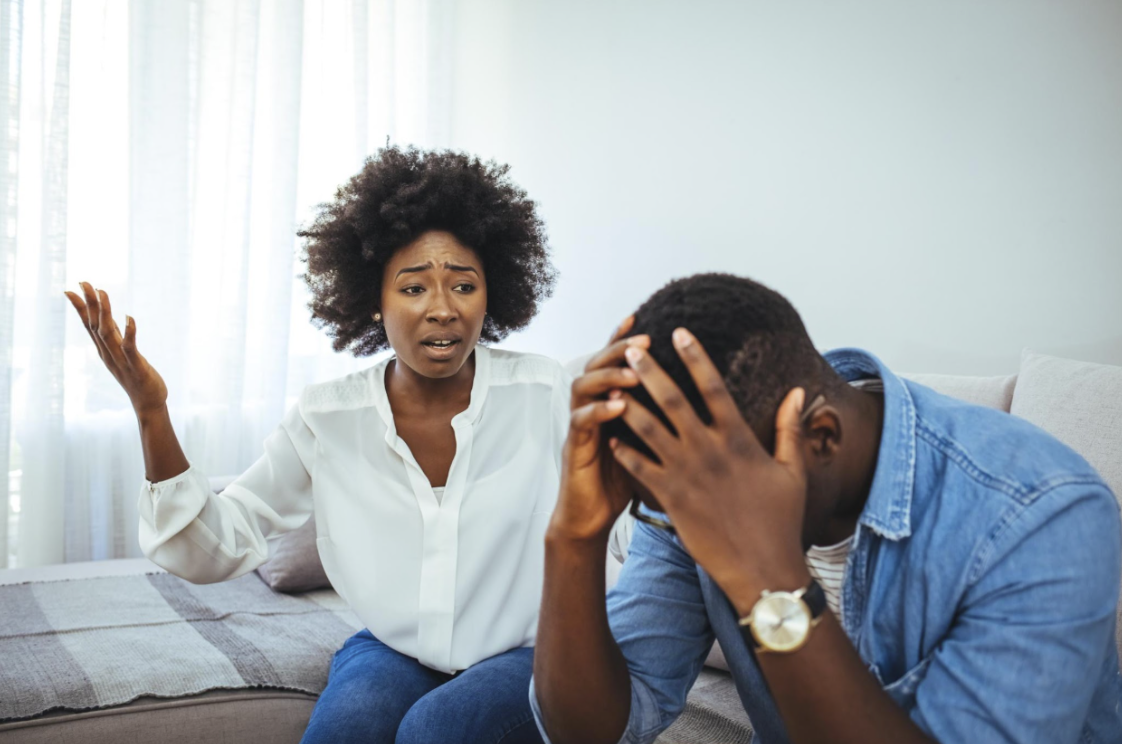
Let’s talk about something that keeps circling in our community but rarely gets addressed with honesty: the lack of accountability in how we navigate relationships—especially between Black men and women. Too often, we find ourselves caught in a blame loop, pointing fingers, posting callouts, sharing memes that reinforce the same tired narratives—and never looking inward. We’ve made an art form out of diagnosing what everyone else did wrong. Meanwhile, our own patterns, choices, and baggage go unchecked.
Here’s the truth: it’s not always them. And deep down, we know that.
But accountability is hard because it demands reflection. It means you have to admit that sometimes you stayed in a relationship you knew wasn’t healthy. It means owning the times you ignored red flags, avoided hard conversations, or used your wounds as weapons. It means acknowledging that healing doesn’t make you perfect—and that being hurt doesn’t give you a pass to hurt someone else.
This is not about blame. It’s about maturity. Because healing isn’t just about calling out the people who hurt you—it’s also about recognizing the ways you showed up in your own dysfunction. It’s about asking, What did I allow? What did I enable? And how have I been part of the problem, even when I was also in pain?
That’s a tough pill to swallow, especially in a culture where survival has made many of us defensive by default. We’re used to being silenced, overlooked, and dismissed—especially Black women and Black men who’ve carried generational trauma. But we can’t use our trauma as a shield from accountability. At some point, we have to get honest with ourselves about how we show up in love, in conflict, and in community.
When we make everything someone else’s fault, we don’t heal—we deflect. We stay stuck in cycles that feel familiar but never fulfilling. We keep attracting the same energy in different bodies because we haven’t done the work to change ourselves. And until we face that, no amount of venting, posting, or dragging our exes is going to bring us peace.
The truth is, relationships take more than good intentions and shared struggle. They take self-awareness, honesty, and the willingness to grow beyond our default behaviors. And yes, that includes owning up to the times you were wrong, even if you were also hurt.
Accountability isn’t weakness—it’s strength. It’s what allows us to stop surviving and start evolving. And if we want something real—something healthy, mutual, and rooted in growth—we’re going to have to stop pointing fingers and start looking in the mirror.
The healing we’re craving? It starts there.

YOU MAY ALSO BE INTERESTED IN:

SHARE TO SOCIAL MEDIA

Transforming Pain into Purpose: A Powerful Journey of Healing and Impact
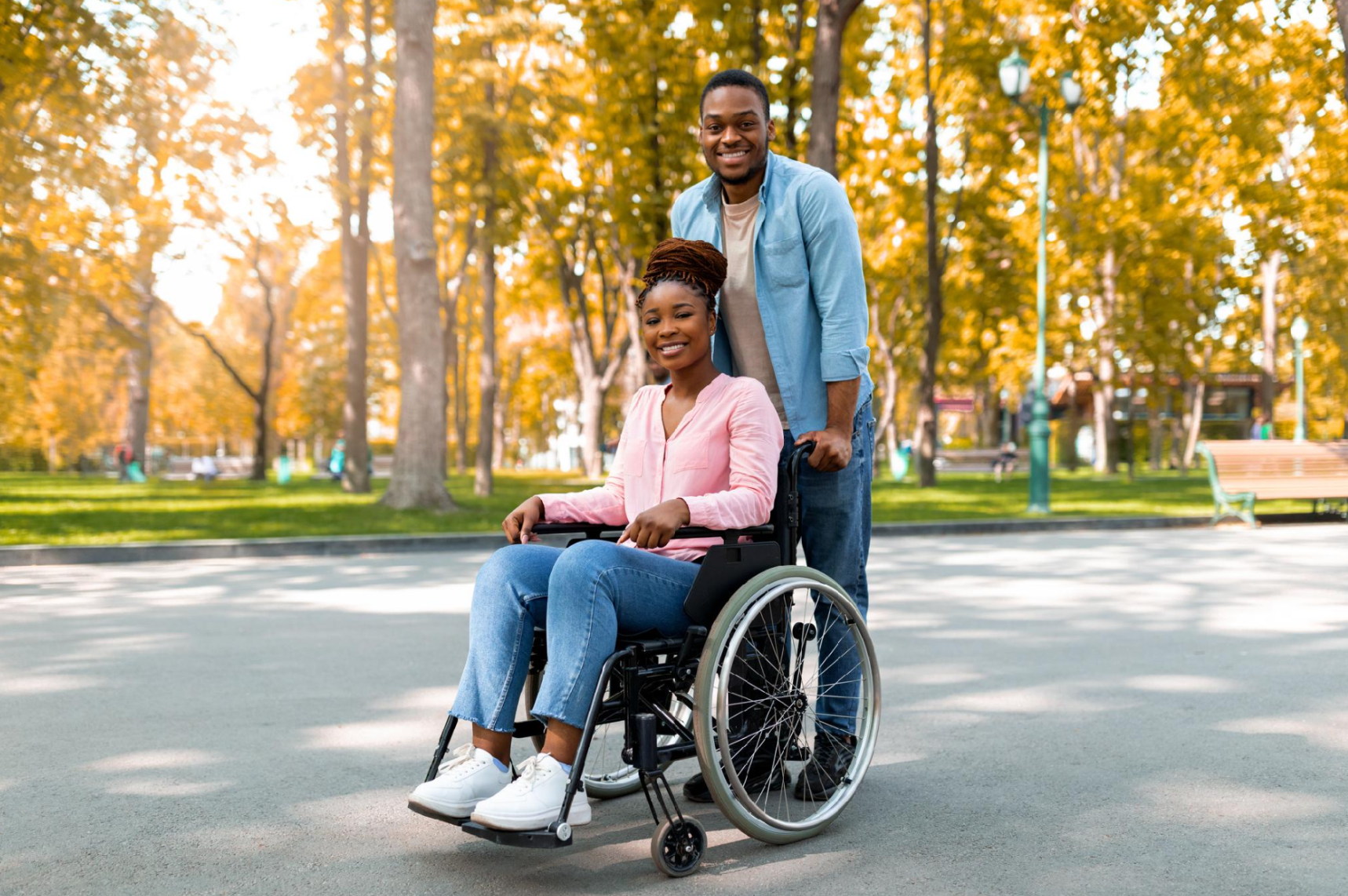
By taking the pain and turning it into purpose, we not only heal ourselves but also help others who may be going through similar struggles. We discuss it here!

Photo Credit: Zolotarevs
By: Jamila Gomez
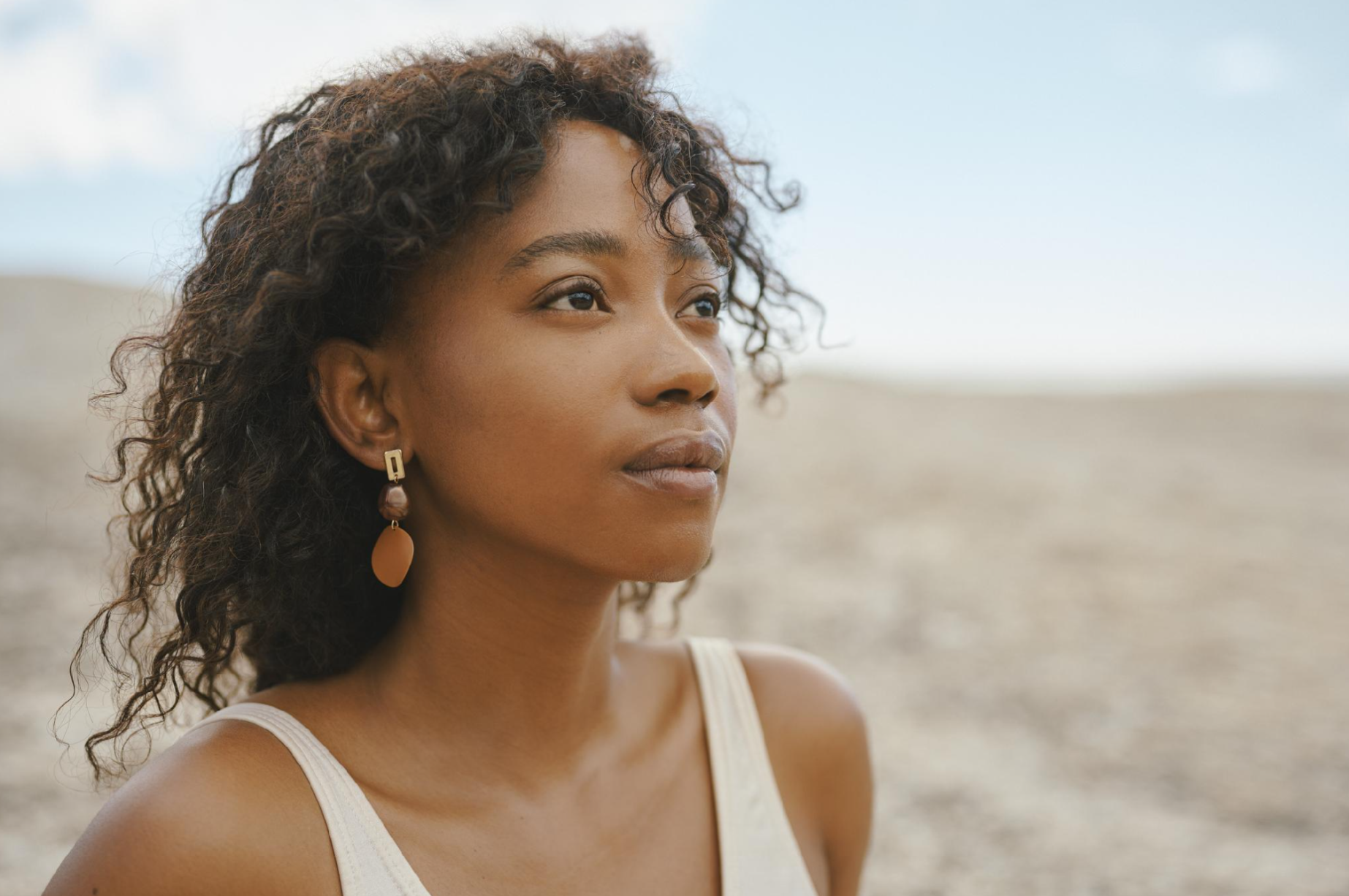
Turning pain into purpose is a powerful way to transform your life. When we experience pain, whether it is physical, emotional, or psychological, it can be overwhelming and consume our thoughts and energy. However, pain can also be a catalyst for growth and transformation. By taking the pain and turning it into purpose, we not only heal ourselves but also help others who may be going through similar struggles.
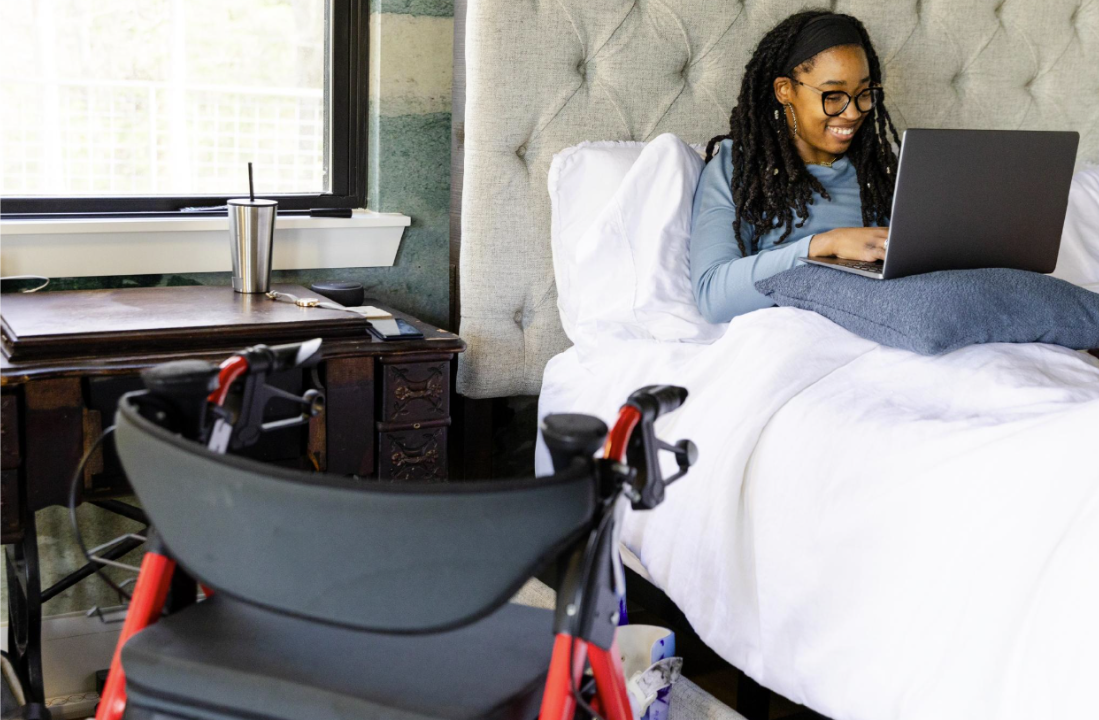
Pain can come in many forms: a debilitating illness, the loss of a loved one, heartbreak, injustice, trauma, failure, and disappointment. These experiences can leave us feeling helpless, lost, and defeated. However, the pain can also serve as a wake-up call to reassess our lives, values, beliefs, and goals. It can help us to connect with our inner selves and recognize what truly matters to us.
When we turn pain into purpose, we take control of our lives and use the pain to fuel our passions and make a positive impact on the world. For instance, a person who has survived cancer may become an advocate for cancer research and help raise awareness and funds for the cause. A person who has lost a child to suicide may establish a non-profit organization to help prevent youth suicide and support families who have experienced similar losses. A person who has faced discrimination and inequality may use their experiences to fight for equal rights and social justice.
Turning pain into purpose requires courage, resilience, and a willingness to let go of the past and move forward. It also requires self-reflection and self-care, as it can be emotionally taxing to confront and process painful experiences. However, the rewards of turning pain into purpose are immense. It can bring a sense of purpose, meaning, and fulfillment to our lives by making a difference in the lives of others. It also helps us to reclaim our power and not be defined by our pain.
Turning pain into purpose can be a transformative process that enables us to use our pain to create purpose and meaning in our lives. By embracing our pain and using it to fuel our passions and goals, we can make a positive impact on the world and transform our lives in the process.
YOU MAY ALSO BE INTERESTED IN:
SHARE TO SOCIAL MEDIA
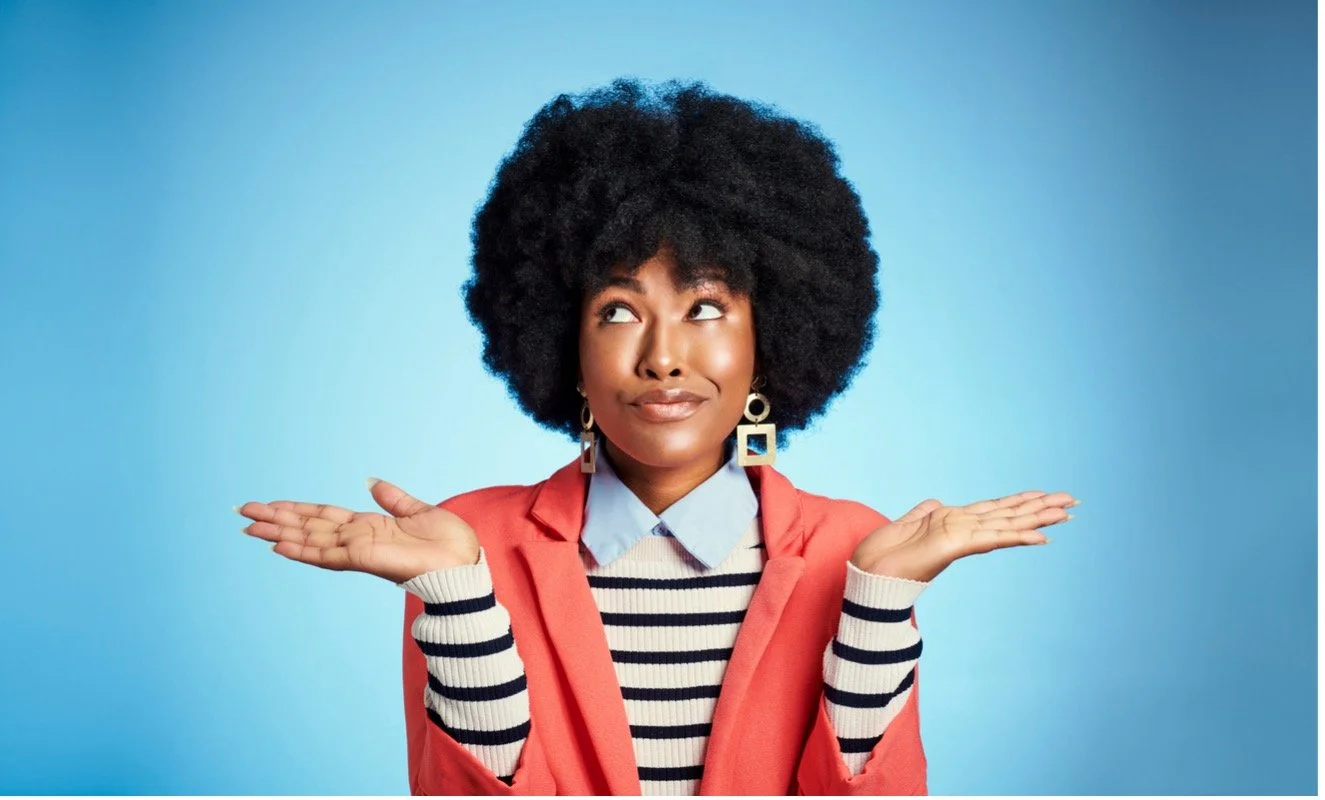
5 Reasons Black Women Choose to Embrace Singleness
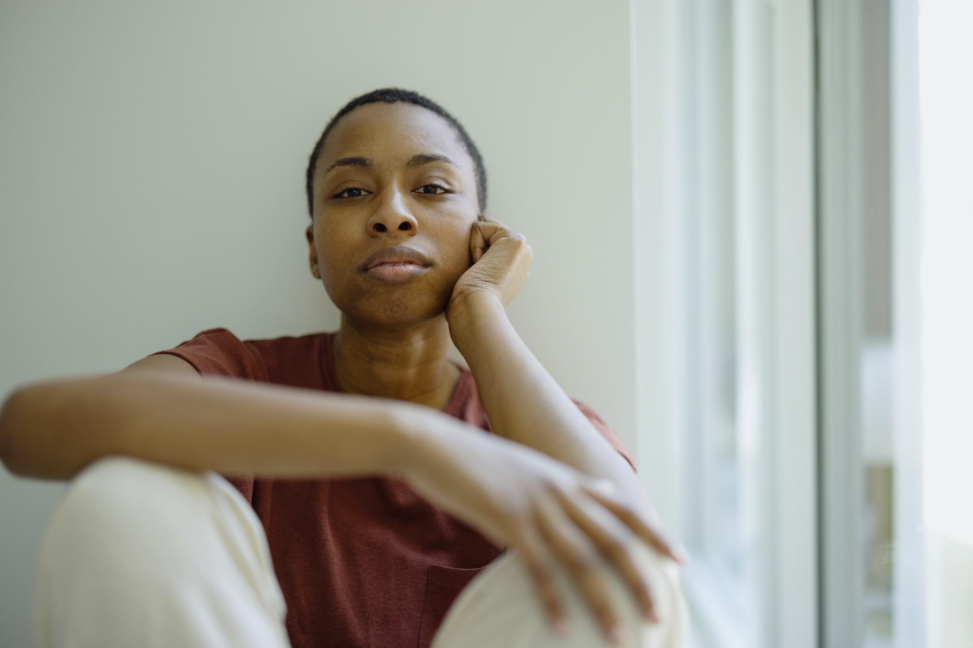
In recent years, there has been a noticeable increase in the number of Black women choosing and proudly embracing the single life. We discuss it here!
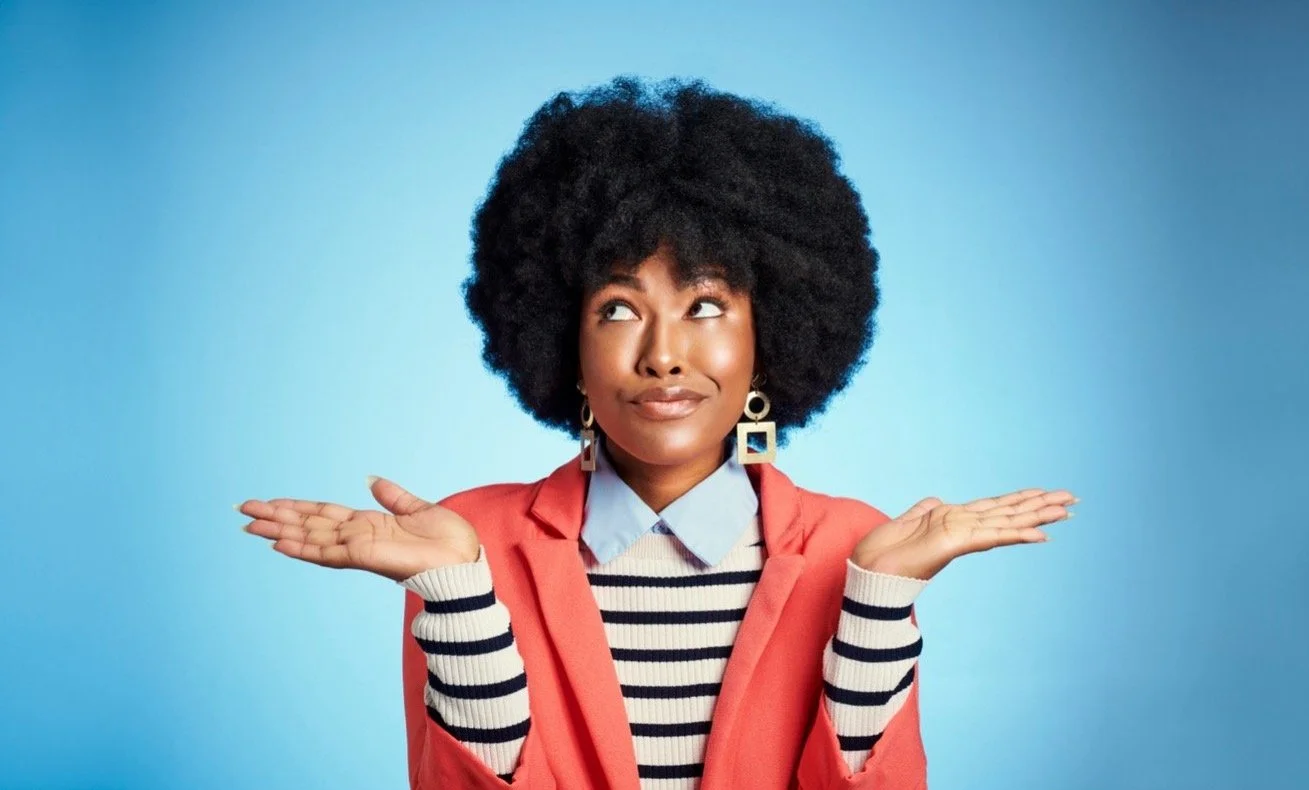
Photo Credit: Delmaine Donson via iStockPhoto.com
By: Jamila Gomez
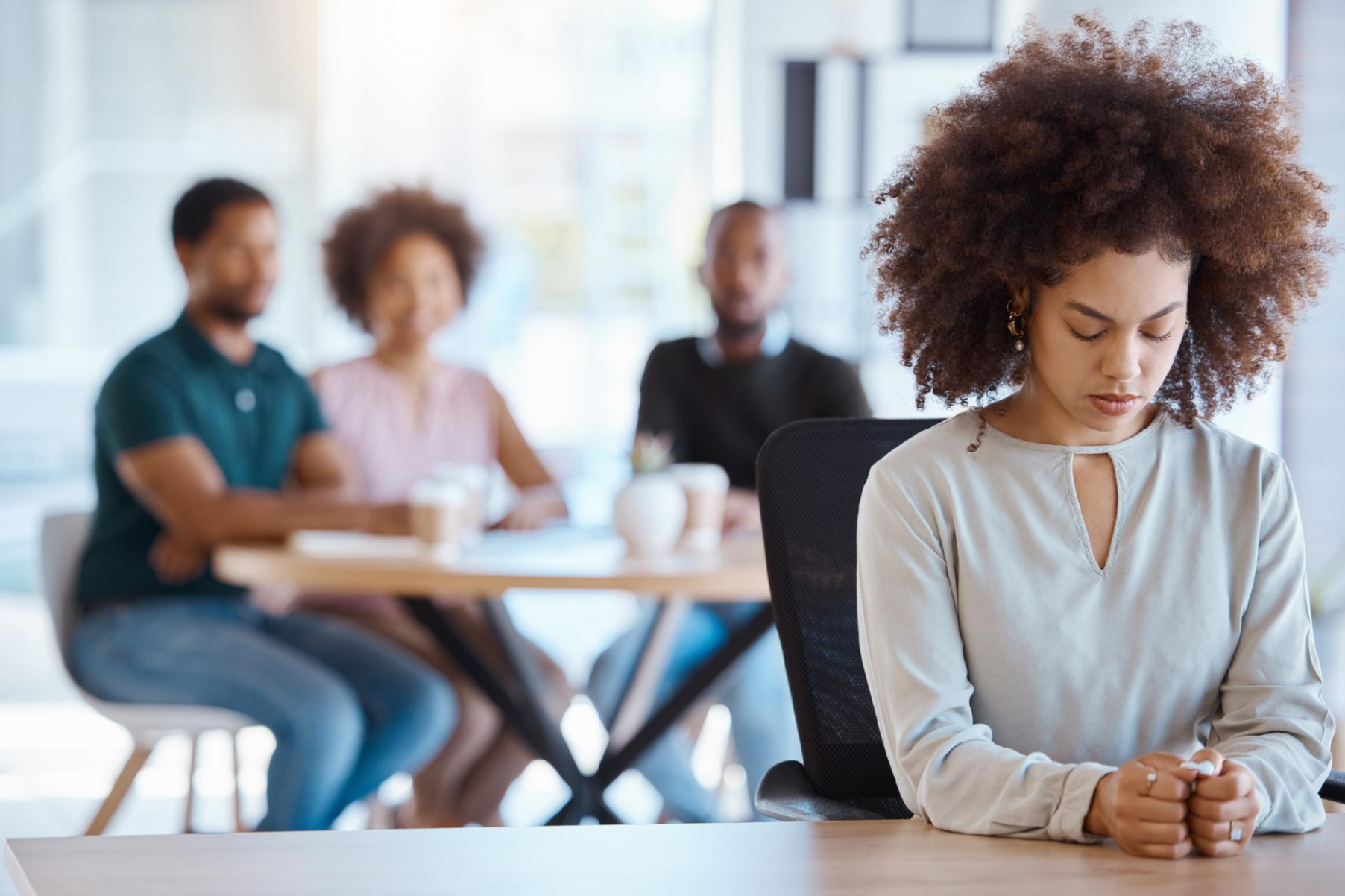
In recent years, there has been a noticeable increase in the number of Black women choosing and proudly embracing the single life. Whether in professional settings, social circles, or the media, many Black women are consciously opting to prioritize their personal growth, independence, and overall well-being by remaining unattached. While societal stereotypes may suggest that this trend is a product of difficulty finding suitable partners or commitment issues, the truth is far more complex and empowering. Let’s shed light on why Black women are increasingly choosing to be single and celebrate their independence, self-love, and freedom.
1. Breaking Societal Expectations:
Black women have long been burdened with societal expectations regarding relationships and marriage. Traditional norms often depicted them as caretakers, sacrificing their own interests and dreams. However, a cultural shift has magnified the importance of self-worth and autonomy, challenging these outdated stereotypes. Modern Black women are embracing their identity, pursuing their passions, and refusing to feel pressured into relationships that do not align with their personal goals.
2. Prioritizing Personal Growth:
Choosing to be single allows individuals to fully commit to personal growth without distractions. Black women, like anyone else, desire to explore their full potential, build successful careers, and cultivate their own identities. By remaining single, these women can channel their energy into self-development, education, and professional goals, empowering themselves both personally and financially.
3. Reclaiming Control Over Relationships:
Historically, Black women's relationships have been influenced by systemic injustices, such as the reinforcement of stereotypes, oppressive gender roles, racism, and the persistent struggle for equality. By choosing singleness, Black women can reclaim control over their romantic lives, deciding for themselves what they need, desire, and deserve in a partnership. Opting for singleness empowers Black women to negotiate their own terms, building relationships based on mutual respect and equality.
4. Healing and Self-Love:
Embracing the single life enables Black women to invest more time in self-care, emotional healing, and self-love. In a society that hasn't always prioritized them, this decision allows them to focus on introspection, self-reflection, and rediscovering themselves. It serves as a powerful act of self-affirmation, fostering mental and emotional well-being, and paving the way for healthier future relationships.
5. Disrupting Stereotypes:
By actively choosing to be single, Black women demonstrate that their worth and happiness are not tied to their relationship status. This self-affirming decision challenges stereotypes that have perpetuated the notion that a woman's ultimate goal and fulfillment rest solely within a romantic partnership. It breaks free from the notion that singledom implies inadequacy, loneliness, or failure, urging society to recognize and respect the diverse paths women choose to follow.
As more Black women confidently embrace the single life, they are forging new paths, reclaiming their power, and rewriting societal narratives. Their decision to remain unattached is rooted in self-love, personal growth, and a desire for independence. By challenging traditional expectations, they demonstrate that fulfillment thrives not only within relationships but also in the realms of individuality, growth, and empowerment. In doing so, Black women are redefining their identities and inspiring others, sparking conversations around self-worth, personal fulfillment, and the importance of autonomy for women everywhere.
YOU MAY ALSO BE INTERESTED IN: