
Built to Lead, Longing to Rest: The Catch-22 of Loving a Strong Black Woman
Many Black women navigate the complex tension between strength and softness, shaped by survival and independence, while seeking emotional safety in relationships that honor their full humanity. We discuss it here!

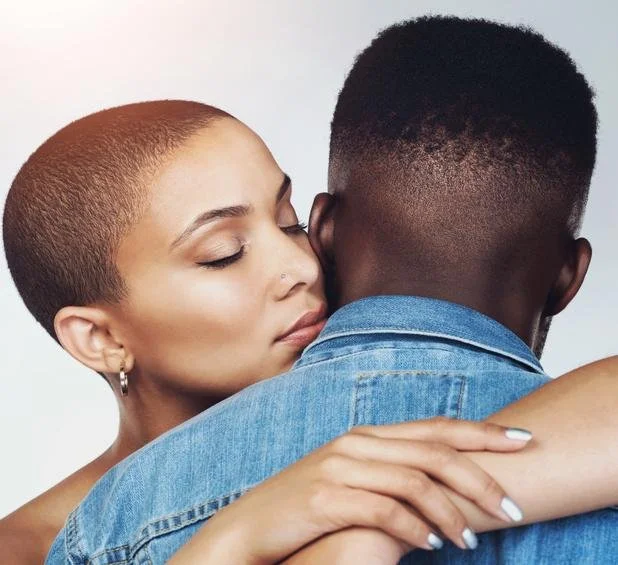
Photo Credit: Jacob Wackerhausen via iStockPhoto.com
By: Jamila Gomez
There’s a constant, quiet tug-of-war many Black women feel—but rarely speak about out loud. It’s the tension between wanting to be soft, loved, and held—and knowing we’ve been raised, shaped, and sometimes forced to always be the strong one.
From the time we’re young, we’re taught independence like it’s gospel. Be smart. Be capable. Don’t depend on anyone. Make your own money. Handle your business. And it’s not just talk—it’s modeled for us in the way we watch our mothers, aunties, grandmothers, and older sisters carry families on their backs with little to no help. We inherit their resilience because we’ve had to. Survival demanded it.
Then we grow up and enter male-dominated spaces, and what do we do? We hold our own. We outperform. We lead. We become providers in ways our mothers never got to. We carry success and self-sufficiency like armor because we had to build our lives in a world that never handed us softness to begin with.
But then… we enter relationships. And suddenly, all that independence becomes “too much.” We’re told we don’t know how to “let a man lead.” We’re accused of being too masculine, too combative, too hard to love. And the same traits that helped us survive—and thrive—are used against us.
It’s confusing. If we stand tall, we’re difficult. If we ease up, we’re gold diggers or lazy. There’s rarely grace for us to just be. And the truth is, many of us do want to rest. We want to be held, not just needed. We want to feel safe enough to take the cape off. But trust—real trust—requires safety. And softness is a risk when you’ve been taught your whole life that depending on others means being let down.
This isn’t about bashing men. It’s about naming the weight we carry, and how complicated it becomes when we’re expected to shift gears emotionally with no support, no reassurance, and no room to be in process.
If we want softness from Black women, the conditions have to exist for us to feel safe being soft. That means emotional safety, consistent leadership, and the kind of partnership that honors our whole humanity—not just the version of us that’s useful or easy.
We are not hard because we want to be. We’re hard because we had to be. And for many of us, the journey isn’t about “submitting”—it’s about unlearning survival in spaces that finally feel safe enough to exhale.

YOU MAY ALSO BE INTERESTED IN:



SHARE TO SOCIAL MEDIA
The Truth About Accountability in Black Relationships: It Goes Both Ways
This powerful reflection explores the importance of accountability in Black relationships, urging both men and women to break blame cycles, confront their own patterns, and embrace self-awareness for real healing and growth. We discuss it here!
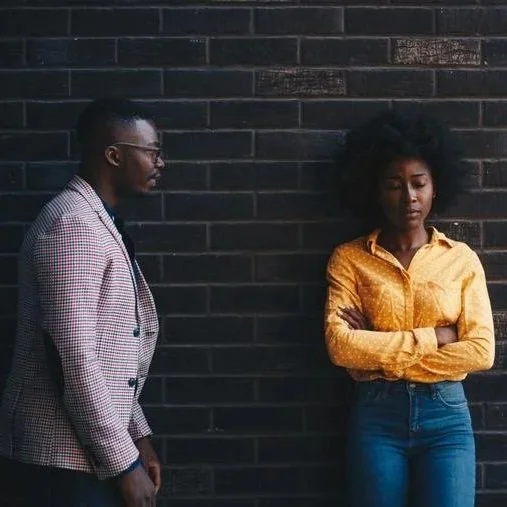
Photo Credit: Sanja Radin via iStockPhoto.com
By: Jamila Gomez
Let’s talk about something that keeps circling in our community but rarely gets addressed with honesty: the lack of accountability in how we navigate relationships—especially between Black men and women. Too often, we find ourselves caught in a blame loop, pointing fingers, posting callouts, sharing memes that reinforce the same tired narratives—and never looking inward. We’ve made an art form out of diagnosing what everyone else did wrong. Meanwhile, our own patterns, choices, and baggage go unchecked.
Here’s the truth: it’s not always them. And deep down, we know that.
But accountability is hard because it demands reflection. It means you have to admit that sometimes you stayed in a relationship you knew wasn’t healthy. It means owning the times you ignored red flags, avoided hard conversations, or used your wounds as weapons. It means acknowledging that healing doesn’t make you perfect—and that being hurt doesn’t give you a pass to hurt someone else.
This is not about blame. It’s about maturity. Because healing isn’t just about calling out the people who hurt you—it’s also about recognizing the ways you showed up in your own dysfunction. It’s about asking, What did I allow? What did I enable? And how have I been part of the problem, even when I was also in pain?
That’s a tough pill to swallow, especially in a culture where survival has made many of us defensive by default. We’re used to being silenced, overlooked, and dismissed—especially Black women and Black men who’ve carried generational trauma. But we can’t use our trauma as a shield from accountability. At some point, we have to get honest with ourselves about how we show up in love, in conflict, and in community.
When we make everything someone else’s fault, we don’t heal—we deflect. We stay stuck in cycles that feel familiar but never fulfilling. We keep attracting the same energy in different bodies because we haven’t done the work to change ourselves. And until we face that, no amount of venting, posting, or dragging our exes is going to bring us peace.
The truth is, relationships take more than good intentions and shared struggle. They take self-awareness, honesty, and the willingness to grow beyond our default behaviors. And yes, that includes owning up to the times you were wrong, even if you were also hurt.
Accountability isn’t weakness—it’s strength. It’s what allows us to stop surviving and start evolving. And if we want something real—something healthy, mutual, and rooted in growth—we’re going to have to stop pointing fingers and start looking in the mirror.
The healing we’re craving? It starts there.
YOU MAY ALSO BE INTERESTED IN:
SHARE TO SOCIAL MEDIA

The Pressure to Be the Healed One in Every Relationship
Black women often carry the emotional burden of others after healing, but true growth means setting boundaries, recognizing emotional outsourcing, and protecting your peace. We discuss it here!

Photo Credit: Giulio Fornasar via iStockPhoto.com
By: Jamila Gomez
Black women are often expected to be the strong one, the wise one, the emotionally mature one—the one who knows better, does better, and shows up whole, no matter what. And while healing is powerful, there’s a quiet pressure that comes with it: once you start doing the work, people assume you’re supposed to carry the emotional weight for everyone else, too.
It shows up in subtle ways. You’re the one expected to de-escalate arguments, make peace in the group chat, understand everyone’s trauma, and never take things too personally. When someone hurts you, you’re told to be the bigger person. When someone lashes out, you’re expected to see their inner child. When you express your own needs or pain, suddenly you’re “too much” or “not as healed as you claim to be.”
Healing doesn’t mean you become emotionally bulletproof. But that’s often the expectation—especially in relationships where the other person hasn’t done their own work. It’s a quiet setup: you grow, they stay the same, and now you’re responsible for bridging the gap. That’s not partnership. That’s emotional outsourcing.
It happens in friendships too. Once you’re known as the “grounded” one or the “emotionally aware” one, your needs get overlooked. You’re the one they vent to, lean on, unload on—but when you start needing support back, things get quiet. Because people often confuse your capacity with your comfort.
And let’s be honest: some folks aren’t looking for accountability. They’re looking for someone who’ll keep making space for their mess without ever asking them to clean it up. That’s where this pressure becomes dangerous. It teaches you to shrink your needs, soften your voice, and overfunction just to maintain peace. But there’s nothing peaceful about always being the one who has to rise above.
Being healed doesn’t mean being passive. It doesn’t mean tolerating disrespect, overexplaining your boundaries, or constantly managing other people’s emotions. Healing means being able to recognize what’s not yours to fix—and choosing to let it go.
We talk a lot about doing the work. But part of the work is realizing when you’re being used as someone else’s shortcut. Being healed doesn’t make you responsible for anyone but you. Growth is not a service you owe to others—it’s a standard you get to protect.
YOU MAY ALSO BE INTERESTED IN:
SHARE TO SOCIAL MEDIA

Is It Love or Leverage?
Many people mistake control and emotional dependency for love, but learning to recognize the difference between genuine connection and subtle manipulation is essential to healing and freedom. We discuss it here!

Photo Credit: Wavebreakmedia via iStockPhoto.com
By: Jamila Gomez
Not everyone who sticks around loves you.
Some people stay because your wounds serve them. Because your silence benefits them. Because your self-doubt makes them feel needed, important, or superior. And sometimes, what we call love is really just leverage dressed up in affection.
It’s not always easy to tell the difference—especially if you grew up believing love was something you had to earn. If your earliest experiences taught you that love came with conditions, sacrifices, or expectations, then it makes sense why being overextended in a relationship might feel normal. Familiar, even.
But there’s a cost.
You start mistaking attachment for love. You start confusing being needed with being valued. And you start accepting bare minimum effort as deep connection because you’re emotionally invested in who someone used to be, or who you hoped they’d become.
Ask yourself this: when you started to heal, did they pull closer—or pull away?
When you found your voice, did they celebrate your power—or shrink in discomfort?
When you stopped needing them to validate you, did they support your growth—or start subtly punishing you for it?
Real love doesn’t flinch when you evolve. It doesn’t see your healing as competition. It doesn’t require you to stay broken in order to feel close.
But leverage? Leverage loves the imbalance. It feeds off your guilt, your gratitude, and your fear of being alone. It creates emotional IOUs—those quiet expectations that say, “You owe me for being here.” It disguises itself as loyalty, then uses that loyalty as a leash. It keeps you dependent, unsure, apologizing for outgrowing the box they put you in.
There are people who won’t know how to relate to you once you’re no longer the version of yourself that needed them. People who don’t know how to love you when you’re clear, centered, and free.
And while that may feel like rejection, it’s really revelation.
We were taught to call a lot of things love that were really just fear, control, and performance. We weren’t taught to ask: Do I feel seen here? Do I feel emotionally safe? Do I feel like myself in this relationship—or just a role I’m expected to play?
Because if your light makes them dim, if your joy makes them distant, or if your peace makes them uncomfortable—what you had wasn’t love. It was leverage. It was control. It was comfort at your expense.
The love that’s meant for you will expand with you. It will want your freedom, not your dependence. It will love the real you—not just the version it could manage.
So, the next time it feels hard to tell the difference, sit with this question: Is it love, or is it leverage?
YOU MAY ALSO BE INTERESTED IN:
SHARE TO SOCIAL MEDIA
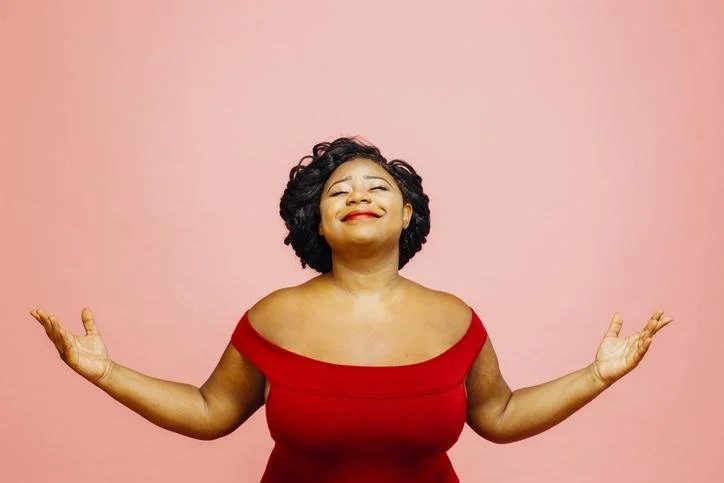
We Don’t Have to Be Grateful for the Bare Minimum
This powerful reflection challenges the normalization of bare-minimum behavior in relationships, workplaces, and society—especially for Black women—urging readers to reclaim their standards, dignity, and self-worth. We discuss it here!
Photo Credit: CarlosDavid.org via iStockPhoto.com
By: Jamila Gomez
Somewhere along the line, many of us were taught to accept scraps and call it kindness. A text back. A half-hearted apology. A job that pays just enough to keep the lights on. We were told to smile through mistreatment, to be “grateful” for whatever was offered, and to lower our expectations in the name of being easy to love, easy to work with, easy to manage.
But let’s be clear: bare minimums are not gifts. They are obligations.
Responding to a message, being honest, treating people with basic dignity, showing up after causing harm—these are not grand acts of service. They are the floor, not the ceiling. Yet so many of us have been conditioned—especially as Black people, and particularly as Black women—to say “thank you” when we should be saying, “That’s the least you could do.”
This is not about entitlement. This is about restoring balance where systems and relationships have quietly asked us to shrink.
We see it in workplaces that expect us to overperform without recognition. In romantic dynamics where we’re praised just for being chosen, as if our presence isn’t a privilege in itself. In friendships where we’re expected to always understand, always forgive, always be the one reaching out. And in all of these spaces, we’ve been guilted into silence with phrases like “at least they’re trying” or “something is better than nothing.”
But here’s the truth: when the bare minimum is dressed up as effort, we begin to doubt what we actually deserve. We start to internalize the lie that asking for more is being “too much.” That wanting follow-through means we’re ungrateful. That needing consistency somehow makes us needy.
It’s not ungrateful to have standards. It’s not ungrateful to say, “I appreciate this effort, but it’s not enough for me to feel safe, seen, or supported.”
And no, raising the bar doesn’t mean we’re looking for perfection. It means we’re refusing to live in cycles of crumbs and confusion.
What we’re worthy of isn’t excessive. It’s basic human decency, followed by real care, and not just in words—but in presence, energy, and accountability.
So, no more gold stars for the bare minimum. No more over-celebrating people or spaces that barely meet us where we are.
Gratitude doesn’t mean settling. And your standards don’t make you unkind. They make you clear.
YOU MAY ALSO BE INTERESTED IN:
SHARE TO SOCIAL MEDIA
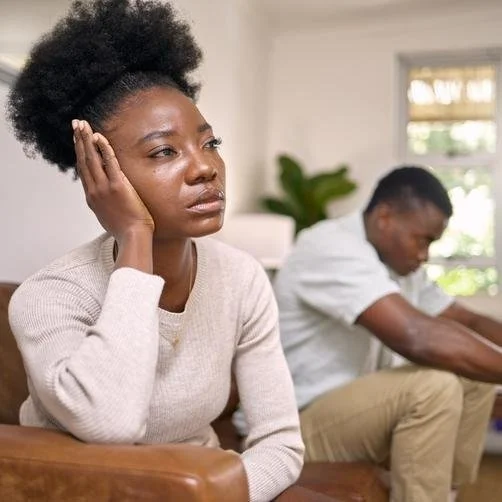
“Was It Me?” The Weight of Being Left, and the War Women Wage on Themselves
Many women blame themselves after a breakup, but the truth is, being left doesn't mean you're unworthy—it often means you loved someone unwilling to rise and meet your depth. We discuss it here!
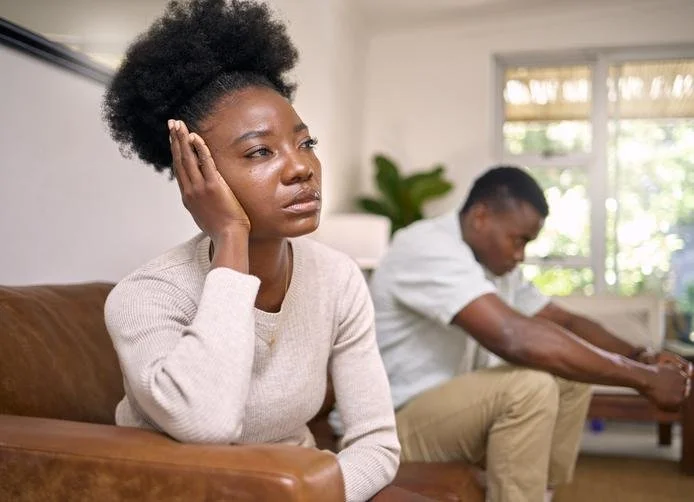
Photo Credit: PeopleImages via iStockPhoto.com
By: Jamila Gomez
When a relationship ends, especially one that felt deeply personal and emotionally invested, many women are left sitting in the rubble asking the same quiet question: “Was it me?”
This question doesn’t usually come from nowhere. It comes after months—or years—of showing up fully. Of offering softness, patience, loyalty, and grace. Of adjusting expectations, waiting through silence, and giving more than was ever reciprocated. And still, the person leaves. Or worse, they stay just long enough to erode the woman’s sense of self.
It becomes easy—almost automatic—to assume that if someone leaves after being given so much, the fault must lie with the giver. So many women begin internalizing the departure as a personal failure. If someone else gets the version of that person who is ready to love, ready to commit, ready to show up—what does that say about the one who got left?
The mind turns grief into a loop of self-blame. “Maybe I was too much.” “Maybe I wasn’t supportive enough.” “Maybe I wasn’t the one.” And it becomes even more painful when the person they loved appears to move on with ease—offering to someone else the very things they withheld.
But here’s the truth many women miss while sitting in that loop: sometimes it’s not about capacity. Sometimes that person was fully capable of loving, committing, and showing up. They just didn’t want to. At least, not for the woman who loved them first.
And that’s what cuts the deepest—not just the abandonment, but the realization that someone could have done better, and simply chose not to. They chose not to grow. Not to stay. Not to honor the love that was freely given.
In response to this pain, many women don’t get angry. They get self-punishing. They dig through the relationship for clues. They take on blame that doesn’t belong to them. Not just for the parts they played, but for the parts the other person refused to own. This isn’t accountability—it’s absorption. It’s self-blame disguised as growth. The idea is, “If I claim everything, maybe I can avoid being blindsided next time.”
But true accountability sounds different. It says: “Here’s what I did. Here’s what I allowed. Here’s what I’ll do differently next time.” It does not say: “Here’s all the harm they caused—and how I made it happen.”
It’s possible to acknowledge the ways one may have stayed too long, ignored their own instincts, or hoped beyond reason—and still not carry the shame of someone else’s refusal to rise. Self-blame often feels like a kind of control: if it’s my fault, then maybe I can change enough to prevent it from happening again. But the only thing it truly does is keep the wound open and the healing out of reach.
Many women confuse being “easy to love” with being convenient. And many have spent years giving the best of themselves to people who were not willing to meet them at that depth. This doesn’t make them unlovable—it makes them unmatched. It means they haven’t yet been met by someone emotionally available, honest, and invested enough to see them clearly and choose them fully.
Being loved should never require being less. It should not ask for self-erasure, performance, or proof. And being left is not evidence of unworthiness. It’s often just evidence that the person was unwilling to meet love with the maturity, courage, and emotional labor it takes to sustain it.
The grief is real. The loneliness is sharp. But the story that says “you weren’t enough” is not true—it’s trauma. It’s repetition. It’s the residue of being too understanding for too long.
The truth is: real love doesn’t need convincing. It doesn’t require self-abandonment. And it doesn’t leave when things stop being easy.
Some women are still protecting their most sacred parts from people who only know how to consume, not contribute. That’s not a weakness. That’s wisdom.
And it’s not too late to stop blaming yourself for the times you called exploitation love. You didn’t fail at love—you just loved someone who refused to rise to meet you. That doesn’t mean you weren’t worth it. It means you loved past your limits, and now, it’s time to come home to yourself.
YOU MAY ALSO BE INTERESTED IN: