

We Need to Talk About Emotional Manipulation in Black Families
Many Black families struggle to differentiate love from control, mistaking emotional manipulation for tradition and loyalty, but healing begins by naming the harm and breaking generational cycles. We discuss it here!

Photo Credit: Rawpixel via iStockPhoto.com
By: Jamila Gomez
There’s a difference between love and control—but in many Black families, that line has been blurred for so long, we’ve been taught to see them as the same thing.
Emotional manipulation isn’t always loud or aggressive. Most of the time, it shows up quiet and familiar, wrapped in phrases we’ve heard all our lives:
“After all I’ve done for you.”
“That’s just how I was raised.”
“You think you better than us now?”
It’s the guilt trip when you try to set boundaries. The silent treatment when you say no. The expectation that you’ll show up, pay up, and never speak up. And if you dare to name what’s happening, you’re suddenly the disrespectful one—the ungrateful child, the outsider, the problem.
In Black families, there’s often an unspoken belief that elders are above accountability, that “family business” should stay quiet, and that loyalty means silence—even in the face of harm. It’s a survival response rooted in real history. Our families have spent generations trying to hold it together under systemic pressure, economic struggle, and racial trauma. Control, shame, and fear became tools to protect and preserve. But those same tools are now damaging us from the inside.
When love is measured by obedience, and respect is weaponized to silence you, it’s not protection—it’s manipulation. And what gets dismissed as “just how they are” ends up becoming our emotional blueprint. It teaches us to ignore our own needs, overextend ourselves, and mistake guilt for connection. We carry that into our friendships, romantic relationships, and even into parenting, where the cycle threatens to continue.
This isn’t about blame—it’s about awareness. Because healing starts with naming what hurt us, not pretending it didn’t. And some of the things we normalized growing up were never okay. The problem is, if you try to break the pattern, you risk being labeled difficult, distant, or “not family-oriented.” But what they don’t understand is that choosing your peace isn’t abandonment—it’s protection, too.
Black families deserve better than cycles of emotional silence and manipulation dressed up as tradition. We deserve relationships built on mutual respect, real communication, and space to grow. But we won’t get there if we keep pretending that guilt is love and silence is strength.
We’re allowed to want more. We’re allowed to choose differently. And we don’t owe anyone our emotional freedom just to keep the peace.
The truth is that the only way to truly honor our families is to do the work they weren’t allowed—or willing—to do. That starts by being honest about what’s been passed down… and deciding which parts end with us.

YOU MAY ALSO BE INTERESTED IN:




SHARE TO SOCIAL MEDIA

Your Attachment Style Isn’t a Personality Trait
Understanding that attachment styles are learned coping mechanisms—not fixed personality traits—can help you break free from emotional patterns and build healthier, more secure relationships. We discuss it here!
Photo Credit: SolStock via iStockPhoto.com
By: Jamila Gomez
Attachment styles have become a popular topic lately—people are quick to label themselves as anxious, avoidant, secure, or fearful. Social media quizzes, memes, and quick-hit psychology posts make it easy to say, “Oh, I’m just anxiously attached,” or, “I’m avoidant—that’s who I am.” But here’s the truth we often overlook: your attachment style isn’t actually your personality. It’s not something you were born with, and it certainly isn’t fixed for life.
Attachment styles are coping mechanisms formed in early relationships—usually with caregivers—and shaped by later life experiences. If you felt consistently loved and safe as a child, chances are you developed a secure attachment style. If affection was unpredictable, you might have become anxious—always bracing for the possibility of being abandoned. If your emotional needs were consistently neglected or dismissed, avoidance became your armor. And if your caregivers were unpredictable or unsafe, fearful attachment—mixing anxiety with avoidance—likely became your default mode of navigating relationships.
But these styles aren’t personality traits; they’re survival strategies. They’re what you learned to do to protect yourself from emotional pain, disappointment, and rejection. And what was learned can also be unlearned.
When you see attachment as something fluid rather than fixed, you create space to grow, heal, and transform. Labeling yourself permanently as anxious or avoidant can lock you into patterns of behavior that no longer serve you. It can even become an excuse to avoid doing the deeper emotional work necessary to develop healthier, more secure connections.
Consider this: if your attachment style were truly a core part of your personality, you’d never feel the urge to change it. Yet, many of us do. We grow tired of sabotaging good relationships, exhausted by constantly needing reassurance, or burdened by our instinct to emotionally withdraw whenever intimacy feels too real.
Healing begins by recognizing that your attachment style is not who you are—it’s simply how you learned to be. With awareness, intention, and often professional or therapeutic support, you can reshape your emotional habits and responses. You can develop trust, communicate openly, and build emotional safety within yourself and with others.
Your attachment style doesn’t define your worth or your capacity to love and be loved. Instead, it’s a roadmap showing you exactly where healing needs to happen. By treating your attachment style as something to understand rather than something to accept as your permanent identity, you reclaim your power and invite genuine connection into your life.
So remember: your attachment style isn’t your destiny. It’s your starting point—and your invitation—to heal.
YOU MAY ALSO BE INTERESTED IN:
SHARE TO SOCIAL MEDIA

Designing a Trip That Actually Feels Good to You
In a world full of noise, true spiritual clarity often comes through stillness, reminding us that God's voice is often found not in the loud, but in the quiet moments of intuition, presence, and peace. We discuss it here!
Photo Credit: andreswd via iStockPhoto.com
By: Jamila Gomez
There’s a difference between traveling and actually enjoying the trip. Too many women return from vacation exhausted, overstimulated, and needing another few days to recover. What was supposed to be a reset turns into another task—a tightly packed schedule designed for aesthetics more than actual enjoyment. Somewhere along the way, leisure started to feel like performance.
Designing a trip that feels good to you begins with clarity. Not every destination needs to be trendy. Not every restaurant needs to be Michelin-rated. And not every moment needs to be posted. The real question is: what kind of travel makes you feel most like yourself? Because if the trip isn’t aligned with who you are, it won’t serve you—no matter how far the flight.
Some women want movement—museums, excursions, and planned days from start to finish. Others want slow mornings, late breakfasts, and no alarms. Both are valid. But problems start when people plan around pressure instead of preference. If you’re not a morning person at home, forcing a sunrise hike on vacation isn’t self-care—it’s performance. Trust your rhythm.
Start by identifying the purpose of the trip before you book anything. Is it a break, a celebration, a recovery, or just an escape? That answer will tell you what kind of space you need, how much energy you have to give, and who (if anyone) should come with you. Don’t say yes to trips that don’t reflect your needs. Grown woman travel should feel good before, during, and after the flight.
Build space into your itinerary. If every hour is accounted for, it’s not leisure—it’s obligation. You need room to wander, to nap, to cancel plans without guilt. The best memories often happen during the unscheduled time. A good trip leaves space for spontaneity without leaving you drained.
There’s also power in traveling for yourself—not for photos, not for content, not for a recap. You don’t owe anyone a slideshow or proof of fun. If the experience felt meaningful to you, that’s enough. The views can stay in your head. The peace can stay off the grid.
And when the trip ends, ask yourself: did it give something back to me? Whether it’s calm, clarity, connection, or just a reason to smile when you think back on it—that’s what matters. Because a trip done right doesn’t just take you somewhere new. It brings you back to yourself.
YOU MAY ALSO BE INTERESTED IN:
SHARE TO SOCIAL MEDIA

Gentle Words for a Mind in Overdrive
Feeling overwhelmed is not a weakness—it's a human signal to slow down, breathe, and take one compassionate step toward peace and clarity. We discuss it here!
Photo Credit: Viorel Kurnosov via iStockPhoto.com
By: Jamila Gomez
When overwhelm sets in, it often feels like being trapped beneath a wave, struggling to catch your breath. Let’s pause right here. First, breathe with me—slowly in, and slowly out. Let’s ground ourselves before we unpack everything swirling around inside.
It’s completely understandable to feel buried under this weight right now. Life has a relentless way of piling on challenges, obligations, and expectations. Recognize this: your overwhelm doesn’t indicate weakness or failure; it’s a signal from your body and mind that you’re juggling more than feels manageable. That’s not a flaw—it’s being human.
Take a moment to acknowledge everything that’s causing your overwhelm. It can feel counterintuitive to face it directly, but clarity often begins with gentle acknowledgment. What specifically feels too heavy today? Is it work pressure, relationship struggles, health concerns, or perhaps the accumulation of many smaller tasks?
Now, let’s compassionately observe what’s happening inside. Overwhelm often whispers lies that sound like truth: “You can’t handle this,” or “You’ll never catch up.” But pause here—these are feelings, not facts. Feelings are valid but not permanent, intense but not all-knowing. You have navigated moments of overwhelm before, even when it felt impossible, and each time, you have found your way through.
Even now, in the fog of too much, there is still something steady inside you. That part of you that got up today, that part of you reading this right now—it matters. It counts. You are not frozen, even if you’re moving slowly. That is still movement. That is still you choosing to try.
Consider for a moment what small action could create some breathing room right now. Not a sweeping, overwhelming solution—just one small step. Maybe it’s writing down a single task to complete, asking someone for help, or choosing to postpone something until tomorrow. Allow yourself permission for small actions that feel gentle rather than Herculean.
And if the small step today is simply letting yourself cry, or rest, or sit in silence for five minutes—that’s valid too. You are not lazy for needing to pause. You are not broken because your capacity is lower today. You’re responding to the weight of your life the best way you can in this moment.
Finally, remember this: you are not alone in this feeling. Many others have stood exactly where you are, feeling exactly what you’re feeling. Overwhelm is isolating, but the reality is profoundly human and deeply shared.
Give yourself the grace you would generously offer someone else in your shoes. Talk to yourself gently: “It’s okay that I’m feeling this. It won’t last forever. I’m allowed to take this slowly, step by step.”
Trust your resilience—it has quietly helped you move through countless tough moments before. It’s okay to slow down, reach out, and prioritize care. You’ve got this—not because it’s easy, but because you have the strength, even in exhaustion, to show up for yourself one gentle step at a time.
YOU MAY ALSO BE INTERESTED IN:
SHARE TO SOCIAL MEDIA

Dare to Want What’s Truly Yours
Discover how shedding expectations and embracing your authentic desires can lead to a more fulfilling, purpose-driven life rooted in self-trust and clarity. We discuss it here!

Photo Credit: Tinpixels via iStockPhoto.com
By: Jamila Gomez
If you woke up tomorrow morning completely free of anyone else’s expectations, judgments, or opinions, what would you truly want? It’s a deceptively simple question, yet many of us struggle to answer it honestly. We spend so much of our lives shaping our choices around how they’ll be perceived by others—family, friends, coworkers, even strangers—that we often lose sight of our authentic selves. But beneath the layers of external validation and approval-seeking lies a powerful clarity waiting to be uncovered.
Discovering what we truly desire, independent of others’ perceptions, requires courage. It demands that we peel away the protective layers we’ve built up over the years—layers formed by societal pressures, familial expectations, and cultural norms. Beneath it all, you’ll find not just your authentic desires, but also your unique passions, joys, and purposes that are truly yours.
The journey of self-discovery begins with curiosity. Start by asking yourself small, yet deeply revealing questions: What activities make me lose track of time? When do I feel most alive and genuine? Which dreams excite me even if they seem impractical or unconventional? These questions can guide you back to yourself, illuminating paths you may have overlooked because they weren’t “acceptable” or aligned with traditional expectations.
Imagine for a moment how liberating it would feel to genuinely prioritize your own desires without the noise of judgment clouding your decisions. Maybe you’d pursue a career that society doesn’t typically celebrate but makes your heart race with excitement. Perhaps you’d relocate to a city or country that resonates deeply with your spirit, despite skepticism from those around you. Or maybe you’d finally commit to a passion project, whether it’s writing poetry, making art, or traveling solo.
It’s not selfish to seek out what fulfills you; it’s self-respect. The beauty of authenticity is that it doesn’t diminish your relationships—it enriches them. When you’re living in alignment with your true desires, your connections become deeper and more genuine, rooted in who you truly are rather than who you’re expected to be.
Consider taking just one brave step today toward embracing your truth. Speak a desire aloud, journal about your secret dreams, or explore a small, unconventional choice that resonates with your soul. By gradually nurturing this inner authenticity, you’ll build confidence and clarity, ultimately discovering a life shaped by your genuine desires rather than others’ expectations.
So, ask yourself again: What would you truly want if no one else’s opinions mattered? Your answer could be the beginning of a remarkable journey toward your most authentic and fulfilling life.
YOU MAY ALSO BE INTERESTED IN:
SHARE TO SOCIAL MEDIA

“But That’s Your Family”: Untangling Guilt, Loyalty, and Limits in Blood Ties
Setting boundaries with family is an act of self-preservation, not betrayal, empowering you to prioritize mental health, protect your peace, and challenge toxic generational patterns with love and courage. We discuss it here!

Photo Credit: PixelsEffect via iStockPhoto.com
By: Jamila Gomez
There’s a phrase many of us have heard when we try to assert ourselves with family: “But that’s your family.” As if the word alone should override disrespect, excuse harm, or obligate us to stay in proximity to pain. The truth is, family ties can complicate boundaries in ways that are deeply emotional, often tangled in guilt, loyalty, and the hope that things might change. But blood doesn’t give someone the right to bleed you dry.
Setting boundaries with family isn’t about being cruel. It’s about reclaiming agency. It’s the moment you stop shrinking yourself to keep the peace. It’s choosing your mental health over traditions that teach silence. It’s saying, “I love you, but I will not abandon myself to stay connected to you.” And sometimes, that love means loving from afar—or not at all.
The idea that family is sacred often becomes a weapon. You’re told to forgive quickly, to “just let it go,” to keep showing up even when you’re breaking inside. But boundary-setting is not about bitterness. It’s about self-preservation. It’s how you teach others how to treat you—and how you finally begin to believe that you deserve peace, too.
Still, it’s not easy. When you set a boundary with a parent, a sibling, or an elder, it can feel like betrayal. The grief is real. You might mourn the relationship you wish you had. You might battle shame for “disrespecting” someone who raised you. You might fear being labeled ungrateful or dramatic. But honoring your truth is not disrespect. Protecting your energy is not betrayal. And grief, while hard, is often the evidence that you’re doing something necessary.
Some will not understand. Some will push back harder. They’ll say you’ve changed—and they’ll be right. You are changing. You are breaking patterns. You are learning how to live from a place of self-trust instead of fear. And that transformation is often lonely—but it’s also where healing begins.
Letting go of unhealthy dynamics, even in the name of family, is an act of courage. It takes strength to say no more, to create distance, to demand reciprocity and mutual respect. And while some relationships may survive the shift, others won’t. That’s okay. Closure doesn’t always come with mutual understanding. Sometimes, it’s simply a quiet decision to choose yourself.
So the next time someone says, “But that’s your family,” remember: Yes. And I’m still allowed to have limits.
YOU MAY ALSO BE INTERESTED IN:
SHARE TO SOCIAL MEDIA

You Don’t Owe the Past an Explanation
Obsessing over the past may feel like healing, but true peace begins when you stop over-analyzing the wreckage and start choosing yourself. We discuss it here!

Photo Credit: Giulio Fornasar via iStockPhoto.com
By: Jamila Gomez
Life hands us countless puzzles, messy moments, and confusing relationships. Sometimes we become so absorbed in analyzing and replaying every detail of these situations that we get stuck—frozen in the past, endlessly wondering what could have been done differently.
There’s a quote by 2Pac that cuts through this cycle with sharp clarity:
“You can spend minutes, hours, days, weeks, or even months over-analyzing a situation; trying to put the pieces together, justifying what could’ve, would’ve happened or you can just leave the pieces on the floor and move the fu\*k on.”
That statement reminds us of a hard but necessary truth: there is a point where reflection becomes self-sabotage. It’s one thing to understand our past so we can grow. But it’s another to stay stuck in a loop, obsessing over things that will never change, waiting for closure that may never come.
The need to make sense of our pain is deeply human. We replay conversations, analyze our actions, and search for a missing piece that might explain the hurt. But the reality is that not all pain has a neat origin story. Not all relationships end with clarity. And not all decisions were made with fairness or logic.
Sometimes, the healthiest thing we can do is put the magnifying glass down and step back from the wreckage.
Leaving the pieces on the floor doesn’t mean you’re weak or careless. It means you’re wise enough to know when something is no longer worth your time, your peace, or your energy. It means you recognize that healing doesn’t always begin with answers—sometimes, it begins with acceptance.
Letting go isn’t passive. It’s one of the most courageous and active choices you can make. It’s looking at the wreckage and saying, “I’ll build something new anyway.” It’s choosing your future over your past. It’s deciding that your growth doesn’t require permission from your pain.
Moving on doesn’t mean the experience didn’t matter. It just means you matter more. You are not abandoning your truth by walking away—you are protecting it.
There is strength in refusing to make yourself small for the sake of understanding someone else's harm. There is power in leaving the door closed, even when curiosity wants to reopen it. Choosing peace over clarity is not weakness; it's wisdom earned through experience.
So if you find yourself endlessly dissecting a moment, a decision, a heartbreak—ask yourself if it’s helping you heal or just holding you hostage. Ask yourself if those pieces on the floor are really worth picking back up, or if your energy is better spent elsewhere.
Sometimes, the only way to reclaim your peace is to walk away from the mess and leave it exactly as it is.
Unfinished. Unanswered. And no longer your responsibility to fix.
Because what deserves your energy now isn't what broke you, but what builds you next. You owe yourself that much.
YOU MAY ALSO BE INTERESTED IN:
SHARE TO SOCIAL MEDIA
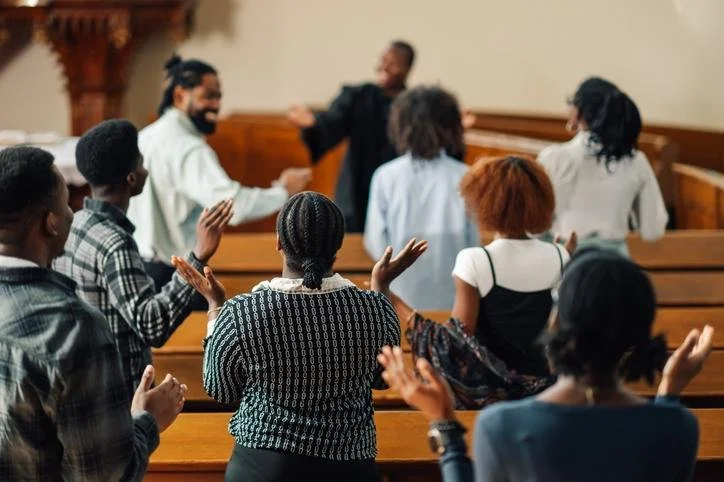
Is the Black Church Still a Safe Space? Depends Who You Ask
The Black church holds a powerful legacy of faith, resilience, and community, but it also carries a complicated history of silence, shame, and spiritual harm that continues to shape conversations about healing, inclusion, and transformation today. We discuss it here!
Photo Credit: zamrzutitonovi via iStockPhoto.com
By: Jamila Gomez
The Black church has always been more than just a building. It’s been a refuge, a gathering place, a sanctuary when the rest of the world felt unsafe. For many of us, it’s where we learned to pray, to praise, to hold on. But for others, it’s also where we first learned how to hide.
Because while the Black church gave us faith, community, and language for survival—it also gave us silence, shame, and suppression.
The Duality We Don’t Talk About Enough
To say the Black church saved lives isn’t an exaggeration. It has carried generations through slavery, segregation, systemic injustice, and communal grief. It built leaders, movements, and entire cultural traditions.
But alongside that power sits a less often acknowledged truth: the church has also been a space where many of us first encountered spiritual manipulation, misogyny, homophobia, and emotional abuse—all wrapped in scripture.
And that’s the part folks don’t always want to admit: you can love a space and still name how it hurt you.
The Pain That Got Dressed Up as Doctrine
For many Black women, the church taught us to be small and silent. To serve before we spoke. To stay in marriages that were breaking us. To “pray it away” instead of going to therapy. To mistake suffering for virtue.
For many queer folks, it meant sitting in pews that preached damnation over dignity—learning to perform identity in order to survive the judgment.
For survivors of abuse, the message was often clear: protect the reputation of the church, even if it costs you your voice.
What do you do when the place that taught you about God also taught you how to disappear?
Why Some of Us Left
Some of us didn’t leave the church because we lost faith—we left because we found ourselves.
We started asking questions no one wanted to answer. We got tired of being told that our trauma was a test, or that our boundaries were rebellion. We craved a God who didn’t require erasure as an offering.
And so we left. Not always in anger. Sometimes just in silence.
And Yet, for Some, It’s Still Home
There are Black churches doing real, radical work—centering mental health, embracing LGBTQ+ members, challenging generational harm. For some, it remains a lifeline, a chosen family, a vital anchor in the chaos of the world.
So when someone asks, “Is the Black church still a safe space?”—the most honest answer might be: For some, yes. For others, it never was.
The Black church has a legacy of resilience and contradiction. It has held us up and held us back. It has birthed liberation and enabled silence. It has given us hope, and for some of us, it has demanded our hiding in return.
But telling the truth about that complexity isn’t betrayal—it’s healing. Because safe spaces don’t just feel good. They make room for hard conversations. They grow. They evolve. They repent when needed.
And maybe the real question isn’t whether the Black church is a safe space—but whether it’s willing to become one.
YOU MAY ALSO BE INTERESTED IN:
SHARE TO SOCIAL MEDIA

Misdiagnosed and Misunderstood: What the System Gets Wrong About Black Emotion
This powerful article explores how the mental health system often mislabels Black pain, calling survival strategies symptoms and overlooking cultural context, while offering a path toward healing through culturally affirming care and self-reclamation. We discuss it here!

Photo Credit: nortonrsx via iStockPhoto.com
By: Jamila Gomez
You sit across from someone who’s supposed to help. You try to explain the weight you carry—the irritability, the sadness that won’t leave, the constant fear of being too much or not enough. But instead of asking what happened to you, they start jotting down what’s wrong with you.
And just like that, your rage is aggression. Your grief becomes a diagnosis. Your survival instincts are now symptoms.
This is what happens when Black people’s pain gets filtered through a lens that was never meant to see us clearly.
The System Was Never Neutral
Let’s be honest: the mental health system is not as neutral, objective, or inclusive as it wants to believe. Most of what we’ve come to accept as psychological “norms” were built around white, Western ideals of expression, behavior, and functionality. So when we show up with a completely different cultural blueprint—one rooted in resilience, resistance, and generational trauma—we’re often misunderstood.
Studies have shown that Black people are more likely to be diagnosed with psychotic disorders like schizophrenia, while white patients presenting the same symptoms often get milder mood disorder labels like depression or anxiety. Black children are more likely to be labeled “oppositional” than “traumatized.” Black women are told they’re too guarded, too angry, too loud, too resistant.
Too everything.
What You Call a Disorder, I Call a Defense Mechanism
What happens when you grow up in environments where being too emotional wasn’t safe? When silence and strength were expected just to survive? When no one ever said “I see you,” so you stopped expecting to be seen?
You develop defenses. You shut down. You get sharp-tongued. You armor up.
And then, when you finally sit down in front of someone with a clipboard and an acronym behind their name, they name the behavior—but not the why. Suddenly you’re “avoidant.” “Hypervigilant.” “Disregulated.”
No one ever stops to ask: What would it look like to treat the context, not just the symptoms?
Labels Without Language
When you’ve spent your whole life navigating racism, family trauma, economic stress, and cultural silence, your emotions don’t always show up politely. Some of us dissociate in church pews. Some of us stay booked and busy because the stillness is triggering. Some of us laugh too loud, too long, because we’ve never been allowed to cry in peace.
But these are not disorders. These are strategies. They were our ancestors’ armor—and now they’re our inheritance.
And yet, if you walk into the wrong office with the right pain, you might leave with a label that cages more than it frees.
The Cost of Misdiagnosis
It’s not just about hurt feelings—it’s about missed healing.
When our anger gets labeled as aggression, no one investigates what we lost.
When our numbness gets labeled as detachment, no one asks what we’re still trying to survive.
When our silence is labeled as non-compliance, no one considers that maybe we’re just exhausted from not being believed.
Mislabeled pain doesn’t get healed. It gets managed, medicated, monitored. But it doesn’t get met with compassion or curiosity.
And that’s the real danger—when the system treats our trauma like a character flaw, our healing becomes harder to reach.
So What Do We Do?
We name it. We question it. We stop blindly accepting frameworks that were never built with us in mind.
We seek therapists who see us fully—not just as a bundle of symptoms, but as whole human beings with rich cultural lives and layered histories. We explore alternative healing modalities that speak to the soul, not just the psyche—ancestral healing, somatic work, storytelling, ritual, reclamation.
And most importantly, we remember this:
Not every emotion needs to be fixed.
Not every reaction is dysfunctional.
Not everything needs to be diagnosed.
Sometimes it’s just being Black… and tired.
To anyone who has ever felt misread, mislabeled, or mishandled in a space that was supposed to help you—you are not imagining it. The system isn’t broken. It was built this way.
But so were we. Built to endure, built to adapt, built to remember ourselves whole.
And now? We get to heal on our terms.
YOU MAY ALSO BE INTERESTED IN:
SHARE TO SOCIAL MEDIA

Why Narcissists Prefer Long-Distance Relationships
Narcissists often prefer long-distance relationships because the emotional and physical separation allows them to manipulate, avoid accountability, and control their image without true intimacy. We discuss it here!
Photo Credit: Prostack-Studio via iStockPhoto.com
By: Jamila Gomez
At first glance, a long-distance relationship might seem like a challenge most people would avoid—especially if they crave connection, intimacy, or physical closeness. But for a narcissist, it’s often the perfect setup. The emotional distance and physical separation offer them unique advantages that in-person relationships just don’t.
One of the main reasons narcissists prefer long-distance relationships is control without accountability. When there’s physical distance, it’s easier for them to curate a persona and show only the parts of themselves they want you to see. Through texts, calls, and video chats, they can love-bomb you with exaggerated affection and charm—all while hiding manipulative behavior, lies, or even other relationships. You can’t observe their day-to-day actions, so it’s harder to call out inconsistencies or see red flags clearly.
Long-distance also allows the narcissist to stay emotionally detached. Vulnerability and emotional closeness threaten their need for superiority and control. In-person relationships often require empathy, compromise, and consistent emotional presence—things narcissists struggle with or avoid altogether. The physical absence gives them room to avoid deeper emotional responsibility while still receiving admiration, validation, and attention from afar.
Another draw? They can idealize and devalue more easily from a distance. Narcissists tend to swing between putting their partner on a pedestal and then tearing them down. When they don’t see you often, it’s easier to sustain the fantasy phase longer. But when the pedestal crumbles—and it always does—they can also withdraw or discard you without the uncomfortable confrontation of real-life proximity. The breakup can be as abrupt and cold as a text message.
Narcissists also thrive on having multiple sources of supply—people who feed their ego and meet their emotional needs. Long-distance relationships make it easier to juggle other partners without being caught. You’re less likely to know their friends, frequent places, or see who they’re interacting with. This secrecy feeds their need for control and power without much risk of exposure.
Lastly, a long-distance dynamic allows them to play the victim if things go south. If you become suspicious or frustrated with the lack of presence, they can flip the script and claim you’re the needy one. They might say you’re “too emotional,” “overreacting,” or “never satisfied,” when in reality, you’re just trying to get clarity and connection.
In the end, long-distance relationships give narcissists the perfect illusion of intimacy—with very little of the actual work required to sustain it. It’s not about love. It’s about access, ego, and escape.
And if you’re in one, it’s worth asking: Is this person really unavailable…or just emotionally inaccessible by design?
YOU MAY ALSO BE INTERESTED IN:
SHARE TO SOCIAL MEDIA

Why Being “Low-Drama” Isn’t the Flex You Think It Is (When It’s Just Suppression)
Being “low-drama” is often praised, but for many—especially survivors of narcissistic abuse—it’s a trauma response rooted in emotional suppression, not genuine peace. We discuss it here!
Photo Credit: Charday Penn via iStockPhoto.com
By: Jamila Gomez
We live in a world where being “low-drama” is praised like a personality trait. You hear it everywhere—“I don’t do drama,” “I’m chill,” “I just keep the peace.” But here’s the hard truth: sometimes that low-drama energy is not peace. It’s emotional suppression in disguise.
Especially for survivors of narcissistic abuse or emotionally unavailable dynamics, being “low-drama” is often not a sign of maturity—it’s a trauma response. It’s what happens when expressing your needs was punished, when being honest got flipped back on you, or when standing up for yourself only made things worse.
So you learned to stay quiet. You learned to shrink. You learned that feeling less was safer than being too much.
But here’s the danger: in the name of being easygoing, you can lose touch with your own emotional reality. You convince yourself that your standards are “too high,” your boundaries are “harsh,” or your feelings are “too sensitive.” You start settling for crumbs and calling it grace. You stop asking for what you need because silence feels safer than rejection.
You begin to wear your lack of reaction like armor.
But you weren’t made to be numb.
There is a difference between peace and passivity. Peace is intentional. It’s rooted in clarity, honesty, and alignment. Passivity, though? That’s when you don’t speak up because you’re afraid of conflict. That’s when you tolerate mistreatment and call it “not wanting drama.”
And let’s be real: narcissists love a low-drama woman. They thrive when you don’t question, don’t challenge, don’t confront. They count on your silence to keep control.
Healing means learning to stop seeing your voice as a liability. It means recognizing that emotion doesn’t equal chaos—and expressing hurt doesn’t make you difficult.
Being “low-drama” is only admirable if it comes from regulation, not repression. If it’s based on self-awareness, not fear of being abandoned.
So if you’ve ever prided yourself on being “unbothered,” ask yourself: is that peace—or is that shutdown?
You don’t have to explode to be expressive. You don’t have to argue to advocate. You don’t have to be chaotic to be clear.
You just have to believe that your feelings matter—and that drama isn’t the issue.
Disrespect is.
YOU MAY ALSO BE INTERESTED IN:
SHARE TO SOCIAL MEDIA
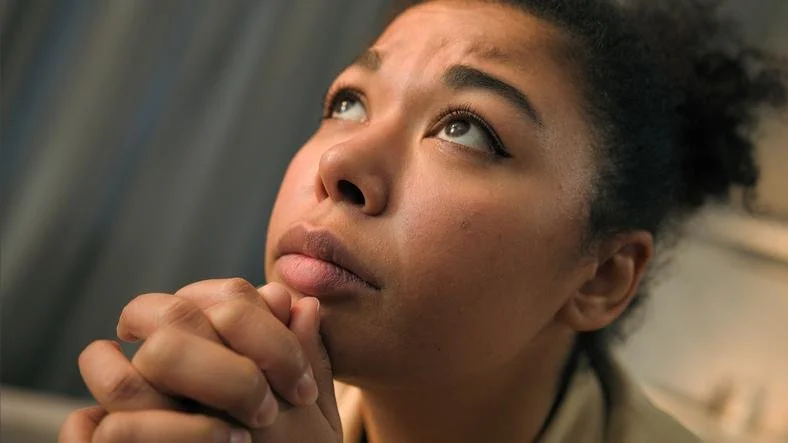
When God Feels Silent While You’re Breaking
In times of deep suffering when God feels silent, it's not always absence but often sacred presence—an invitation to trust what’s already within. We discuss it here!
Photo Credit: Yuliia Kaveshnikova via iStockPhoto.com
By: Jamila Gomez
There are moments in life when everything inside you is collapsing, and heaven feels closed for business. You pray, but the words echo back. You beg for answers, but silence fills the space. In those moments, it’s easy to believe you’ve been abandoned. That God’s off somewhere else. That maybe you were wrong to trust Him in the first place.
Silence in suffering can feel like cruelty. You’re bleeding emotionally, spiritually, maybe even physically—and all you get is quiet. No signs. No reassurance. Just stillness while your world is on fire.
But what if the silence isn’t absence? What if it’s presence in a different form?
Think about it. When a teacher is silent during a test, it’s not because they’ve left the room. It’s because the test is designed to reveal what’s already been taught. Maybe this isn’t God ghosting you. Maybe it’s Him trusting what He’s built in you.
That doesn’t mean the pain isn’t real. It doesn’t mean you should pretend it’s fine. You’re allowed to scream, to cry, to not know what to say. Even Jesus, in His final moments, cried out, “My God, why have you forsaken me?” If the Son of God could say that and still be in the center of God’s will, so can you.
We often want comfort to come in noise—answers, feelings, a miracle. But God doesn’t always speak the way we want. Sometimes He speaks through the waiting, the wrestling, the long nights of not knowing. And the silence? It can strip away everything we thought was holding us up until all that’s left is raw faith.
Not the polished kind. The gritty, trembling kind. The kind that says, “I don’t understand, but I’m not letting go.”
And that’s the point. Silence doesn’t have to mean distance. In fact, sometimes the quiet is the closest we’ll ever feel to the edge of something holy. Because when all the lights go out and the noise dies down, there’s a chance to hear something deeper—not outside of you, but within.
The silence may not give you answers, but it can give you presence. It can hold space for you to be broken, and still be beloved. God’s silence isn’t the same as His absence. It might just be His way of saying: I’m here. I see you. Keep breathing.
So if you’re breaking right now and God feels silent, know this: the silence doesn’t mean you’re forgotten. It might mean you’re being held in ways words can’t express.
YOU MAY ALSO BE INTERESTED IN:
SHARE TO SOCIAL MEDIA

3 Trauma Responses We Normalize
Unpack the hidden trauma behind over-achieving, people-pleasing, and emotional detachment, and learn why healing—not just coping—is the path to true freedom. We discuss it here!
Photo Credit: izusek via iStockPhoto.com
By: Jamila Gomez
We all carry emotional baggage. But what if some of the behaviors we see as “just how I am” are actually trauma responses we’ve normalized? Coping mechanisms formed under stress don’t disappear just because the danger is gone—they often evolve into habits we mistake for personality traits. Here are three common trauma responses we tend to normalize without realizing what’s underneath.
1. Over-Achieving as a Way to Feel Safe
You always say yes. You chase the next goal, the next milestone, the next pat on the back. People call you ambitious, driven, a high-performer. But behind the accolades might be a nervous system stuck in overdrive, conditioned to believe that worth comes from doing.
This response often stems from childhood environments where love or safety felt conditional—where you had to earn approval or stay useful to avoid being overlooked or punished. The result? You measure your value by your productivity. Rest feels lazy. Slowing down feels unsafe. But constant achievement isn’t freedom; it’s survival dressed as success.
2. People-Pleasing to Avoid Conflict
You pride yourself on being easygoing. You’re always available, always agreeable, and always putting others first. You avoid conflict like it’s fire. What looks like kindness might actually be fear.
People-pleasing often develops in chaotic or emotionally unpredictable environments. If disagreeing led to punishment, rejection, or emotional withdrawal, you learned to keep the peace at all costs. The problem is, you lose yourself in the process. Your boundaries dissolve. Your needs shrink. And even though you’re surrounded by people, you feel invisible. That’s not harmony—it’s self-erasure.
3. Detachment That Feels Like Independence
You don’t “do feelings.” You’re self-sufficient. You push people away when they get too close. You take pride in being low-maintenance. To the outside world, it looks like strength. But it’s often just a deeply embedded defense mechanism.
This kind of detachment is common in people who grew up in environments where vulnerability wasn’t safe—where emotional needs were ignored, ridiculed, or weaponized. So you learned to turn them off. You convinced yourself you didn’t need anyone. But independence born from trauma isn’t freedom—it’s isolation.
Recognizing trauma responses isn’t about blaming yourself or your past. It’s about understanding your wiring so you can rewrite it. These patterns helped you survive. But if they’re now keeping you from connecting, healing, or simply feeling at home in your own skin, it’s worth looking deeper.
Normalize healing, not just coping.
YOU MAY ALSO BE INTERESTED IN:
SHARE TO SOCIAL MEDIA

Cultural Gaslighting: “That’s Just How We Were Raised”
Unpacking cultural gaslighting, this article explores how the phrase "that’s just how we were raised" is used to excuse harmful behavior and why unlearning outdated norms is key to healing and growth. We discuss it here!
Photo Credit: skynesher via iStockPhoto.com
By: Jamila Gomez
We’ve all heard it. You question something harmful—maybe a rigid gender role, casual racism, or toxic parenting—and someone shrugs it off with, “That’s just how we were raised.” It’s meant to end the conversation. But really, it’s a form of cultural gaslighting.
Cultural gaslighting happens when people use tradition or upbringing to excuse behavior that’s clearly harmful or outdated. It’s a way of shifting blame from individuals to culture, as if culture is a fixed, unchangeable force that can’t be questioned. This defense not only dismisses real harm—it also pressures people to doubt their own experiences, especially if they’re trying to unlearn or challenge the values they were taught.
Let’s be clear: culture is not immune to criticism. The way we were raised might have shaped us, but it doesn’t define us forever. Saying “that’s just how we were raised” doesn’t explain behavior—it excuses it. It turns culture into a shield instead of a context. Worse, it implies that calling out harmful norms is somehow disrespectful or disloyal.
This mindset often shows up in family dynamics. A parent might defend verbal abuse as “tough love.” A grandparent might justify a racist comment by saying “that’s just how it was back then.” But normalizing harm doesn’t erase it. And clinging to outdated behavior because it’s familiar keeps cycles of dysfunction going.
It also plays out in institutions. Schools, religions, and workplaces often resist change by invoking tradition. They treat critique as betrayal rather than an opportunity for growth. When people raise legitimate concerns, they’re gaslit into thinking they’re being too sensitive, too radical, or too angry.
But growth starts when we separate understanding from endorsement. Yes, we can acknowledge where we come from. We can recognize why certain behaviors or beliefs took root in our families or communities. But that doesn’t mean we have to carry them forward. The excuse of “how we were raised” becomes meaningless when we realize we now have the power—and the responsibility—to choose differently.
Unlearning takes effort. It means sitting with discomfort, confronting hard truths, and rewriting inherited scripts. But it’s not betrayal—it’s liberation. Challenging cultural norms isn’t a sign of disrespect. It’s a sign that we’re paying attention, that we care enough to want better—for ourselves and the generations after us.
So the next time someone says, “That’s just how we were raised,” ask: “But is that still okay now?” Culture evolves. And so should we.
YOU MAY ALSO BE INTERESTED IN:
SHARE TO SOCIAL MEDIA

The Unjustifiable Shatter: When Just Leaving Isn’t Enough
Surviving emotional abuse, especially from a narcissist, threatens their ego because your healing, peace, and wholeness prove they never broke you. We discuss it here!
Photo Credit: PeopleImages via iStockPhoto.com
By: Jamila Gomez
I came across a quote from comedian Corey Holcomb recently that hit me harder than I expected. It said:
“The reason they won’t leave you alone is because they can’t leave with you intact. You must be destroyed before they can move on with a clear conscience.”
That line wrecked me—because it was too accurate.
So many people who’ve been in relationships with narcissists or emotionally manipulative partners know exactly what that means, even if they couldn’t name it. You weren’t just abandoned. You were targeted. Not because you were unworthy, but because your wholeness was a threat.
A narcissist doesn’t want to just leave.
They need to win—and they can’t “win” if you walk away healed, loved, respected, and at peace. So instead, they try to break you. Piece by piece. Confidence, community, self-worth. Because if you fall apart, they get to say, “See? I told you she was unstable.”
They don’t need to love you. They just need to feel right. And if you’re still intact, they have to confront the fact that they were wrong. That’s why the smear campaigns happen. That’s why they push for reactions. That’s why they check to see if you’re still “damaged.”
But if you’re still here—healing, rising, reclaiming your life—that’s the part they didn’t plan for. You surviving ruins the script. You choosing peace exposes the lie. You being whole is proof they never broke you.
So if you’ve been wondering why someone who hurt you so deeply still lingers in your orbit—it’s not love. It’s image. It’s ego. And it’s their discomfort with the fact that you made it out intact.
Don’t go back. Don’t explain. Don’t shrink. You’re already doing what they never expected: You survived.
YOU MAY ALSO BE INTERESTED IN:
SHARE TO SOCIAL MEDIA

You Can Be Aligned—and Still Feel Overlooked
Feeling overlooked while walking in your purpose is normal—alignment doesn't always come with applause, but your work, truth, and growth still matter deeply. We discuss it here!
Photo Credit: Jay Yuno via iStockPhoto.com
By: Jamila Gomez
Let’s go ahead and tell the truth:
You can be aligned. You can be clear on your purpose, committed to your path, and doing the work with your whole heart—and still feel overlooked.
Still feel like no one’s seeing you.
Still feel like you’re showing up for a room that stays quiet.
Still feel like you’re doing everything “right” and wondering if any of it matters.
That’s the part nobody tells you about when they talk about purpose and passion.
That you can be walking in alignment with everything you’re called to do and still question yourself. Not because you lack direction, but because the world around you hasn’t caught up to what you’re building.
It’s a hard space to sit in.
Especially when you’re watching other people get the visibility, the support, the success—while you’re still grinding quietly, trying not to take it personal.
But here’s what you need to know:
Silence is not a sign of failure.
And slowness is not a sign that you’re lost.
You are not being punished for choosing purpose.
You are not invisible just because you aren’t being applauded.
You are not on the wrong path just because no one’s walking beside you yet.
The work you’re doing matters, even if it hasn’t gone viral.
The truth you’re sharing matters, even if it hasn’t “converted” yet.
And the healing you’re offering—through your story, your creativity, your courage—is still reaching the people it’s meant to, even if it’s one soul at a time.
So if you’re feeling discouraged, not because you’re unmotivated but because you’re unseen, hold onto this:
You don’t need to be celebrated to be in alignment.
You just need to keep showing up as yourself.
That is the work. That is the calling. That is enough.
And even if no one’s clapping yet—you’re still becoming.
YOU MAY ALSO BE INTERESTED IN:
SHARE TO SOCIAL MEDIA
I Don’t Know Who Needs to Hear This, But…
Feeling emotionally exhausted is valid, especially for Black individuals navigating strength, survival, and unspoken burdens—this is your reminder that rest, softness, and being enough without performing are all your birthright. We discuss it here!
Photo Credit: Boogich via iStockPhoto.com
By: Jamila Gomez
You don’t have to keep pretending that you’re okay just because people are used to you being strong.
I don’t know who needs to hear this, but your exhaustion makes sense. Not just the physical kind—the soul kind. The kind of tired that doesn’t go away after one good night’s sleep. The kind that lingers after you’ve checked off every box but still feel like you’re falling short.
This world asks a lot of you. And if you’re Black, it asks for even more—your time, your brilliance, your patience, your resilience—and rarely pauses to return the favor. You’re expected to be dependable even when no one checks to see if you’re depleted. And you’ve probably learned how to smile through it. To keep showing up. To hold space for others when no one holds space for you.
But what about you?
You, who is grieving things you never got to name.
You, who is tired of performing strength while no one sees your softness.
You, who doesn’t feel good enough—even when you’re doing more than most.
Let me say this clearly: You are not weak for feeling weary. You are human.
Feeling tired doesn’t mean you’re doing something wrong. It might just mean you’ve outgrown the life you had to build just to survive. It might mean your spirit is asking for more rest, more truth, more honesty. Not just naps and spa days—but real permission to not always be okay.
You are not behind. You are not broken. You are not less than.
You are carrying more than most people will ever see. And even if no one claps for you today, even if no one texts to check in, even if no one says “I’m proud of you”—you’re still doing something sacred.
You’re surviving systems not made for you.
You’re trying to heal without a map.
You’re showing up in rooms that weren’t designed with your rest in mind.
That deserves more than just validation. It deserves relief.
So, if no one has told you lately: You matter. You’re allowed to pause. You are enough—right now, without proving a thing.
You don’t need to be everyone’s anchor. Sometimes, you just need to float.
And maybe this is your permission to do just that.
YOU MAY ALSO BE INTERESTED IN:
SHARE TO SOCIAL MEDIA

5 Things You Need to Let Go of to Truly Thrive
Learn how to thrive by releasing emotional burdens, setting boundaries, and redefining healing on your own terms in this empowering guide for Black wellness and liberation. We discuss it here!
Photo Credit: pixdeluxe via iStockPhoto.com
By: Jamila Gomez
Thriving isn’t just about money, success, or finally taking that trip. Thriving is about liberation—emotional, mental, spiritual. And for many of us, especially in the Black community, that journey starts not with what we gain, but with what we release.
Here are five things it’s time to let go of if you’re ready to truly thrive:
1. The Pressure to Be Everything for Everyone
You don’t have to carry the whole family. You don’t have to be the one everyone leans on while secretly breaking inside. Let go of the identity that says you’re only valuable when you’re useful. Your peace matters. Your rest matters. You matter even when you’re not producing.
2. Guilt Around Choosing Yourself
Choosing yourself is not betrayal. It’s survival. It’s wholeness. We’ve been taught to put everyone else first—but thriving demands boundaries. It means letting go of guilt when you say no, when you walk away, when you honor your own needs. Guilt has no place in your self-care.
3. The Idea That Healing Has to Look a Certain Way
Your healing doesn’t have to be soft, poetic, or Instagram-ready. It might be ugly crying in the car. It might be setting fire to old journals. It might be silence. Stop comparing your healing to someone else’s timeline. Let go of the image, and honor the process.
4. Needing Everyone to Understand Your Growth
Not everyone will get it. Not everyone needs to. You’re not growing for their approval—you’re growing for your freedom. Let go of needing people to clap for your boundaries, understand your distance, or agree with your vision. You’re not available for shrinking anymore.
5. The Story That Says You’re Too Late
You are not behind. You’re not too old. You didn’t miss your moment. That lie is rooted in comparison and capitalism. As long as you’re still breathing, there is still time to do what you were called to do. Let go of the shame, and give yourself permission to begin again.
Letting go isn’t weakness—it’s a form of power. It’s not giving up. It’s making room. And you deserve a life with room to breathe, grow, and be well—not just survive.
Because thriving isn’t a luxury.
It’s your birthright.
YOU MAY ALSO BE INTERESTED IN:
SHARE TO SOCIAL MEDIA
Hope Without Evidence: The Sacred Strength of Believing in the Silence
Holding onto hope without evidence is an act of emotional and spiritual strength, especially for those quietly believing, creating, and showing up without recognition or visible results. We discuss it here!
Photo Credit: FG Trade via iStockPhoto.com
By: Jamila Gomez
Hope without evidence is one of the heaviest things a person can carry. It’s not the kind of hope people write songs about or post inspirational quotes for. It’s not pretty. It’s not poetic when you’re actually living it. It’s the quiet, aching kind—the kind that wakes you up in the morning with a lump in your throat and still somehow pushes you to get up and try again. It’s the hope you hold when nothing around you is changing, when the silence is louder than the signs, when you’ve prayed, worked, and shown up, and the results still haven’t come.
There’s a sacred exhaustion that comes with holding onto vision when reality won’t cooperate. You believe in healing, but your wounds still ache. You believe you’re called to help others, but no one’s reaching out. You believe your words matter, but your posts get ignored. You believe your gifts have value, but nothing’s selling. And still… you keep going. You keep creating. You keep believing. And that kind of hope? That’s holy.
We don’t talk enough about the emotional labor of waiting. Waiting in faith. Waiting in silence. Waiting when you feel invisible. Some people confuse that with weakness or foolishness. But the truth is, it takes an unbelievable amount of strength to hope without proof. To say, “I still believe,” when you have every reason to walk away. That’s not naïve. That’s spiritual endurance.
What makes hope without evidence even harder is how isolating it can feel. You see others getting what you’ve been praying for. You watch people blow up overnight with half the depth or intention. You wonder if your voice is even real anymore, or if you’ve imagined the whole thing. You get tempted to shrink, to stop, to delete it all. And yet—something in you keeps whispering, “Not yet.” That’s the part you can’t explain. That’s the part that still believes in breakthrough, even with empty hands.
If you’re in that space right now—holding hope that no one sees, trusting God in the silence, showing up without applause—please hear this: You are not crazy. You are not weak. And you are not alone. Your voice still matters, even when it feels like no one’s listening. And the weight you’re carrying? It’s not a burden. It’s a seed.
Let it root. Let it stretch. Let it rest.
The evidence will come.
YOU MAY ALSO BE INTERESTED IN:
SHARE TO SOCIAL MEDIA

Don’t Save Me. See Me
Many young Black adults aren’t asking to be saved—they simply want to be seen, held, and acknowledged for their quiet healing, emotional resilience, and everyday survival. We discuss it here!
Photo Credit: visualspace via iStockPhoto.com
By: Jamila Gomez
There’s a difference between needing help and needing to be witnessed. A lot of us—especially young Black adults—aren’t out here begging to be saved. We’re not waiting for someone to swoop in and rescue us. We’ve learned how to survive. How to patch ourselves up. How to smile when we’re breaking. What we want—what we deserve—is to be seen.
To be seen in the moments when we’re holding it together with frayed threads. To be seen in the spaces where we’re healing, even if the healing is slow, messy, or invisible to everyone else. We don’t need anyone to tell us how to fix our lives—we’ve had enough advice. What we need is someone who can hold space for us without trying to change us. Someone who sees the effort beneath the silence. Someone who can look past the performance and say, “I know it took everything for you to show up today. I see that.”
Too often, we feel like we have to earn our worth through productivity or perfection. That if we’re not thriving, we’re failing. That if we’re not performing joy, we’re a burden. So we shrink. We smile. We keep going. But inside, we’re just wishing someone would notice. Not to fix us. Just to acknowledge the weight we carry.
This is especially true when you’re doing inner work that no one can see. Healing childhood wounds. Breaking cycles. Choosing peace over chaos. Setting boundaries. Unlearning how to abandon yourself. That kind of work doesn’t come with applause. But it deserves recognition. And even if no one around you is clapping for your quiet transformation, it doesn’t mean it’s not real.
So if you’ve been showing up for yourself in ways that no one knows about—if you’ve been choosing to stay, choosing to try, choosing to keep breathing when it would’ve been easier to shut down—that matters. You matter.
You don’t need to be rescued. You’ve already made it through things that were meant to break you. What you need—what we all need—is to be reminded that our becoming is valid, even when it’s unseen.
You don’t want to be saved. You just want to be seen. And you are.
YOU MAY ALSO BE INTERESTED IN: