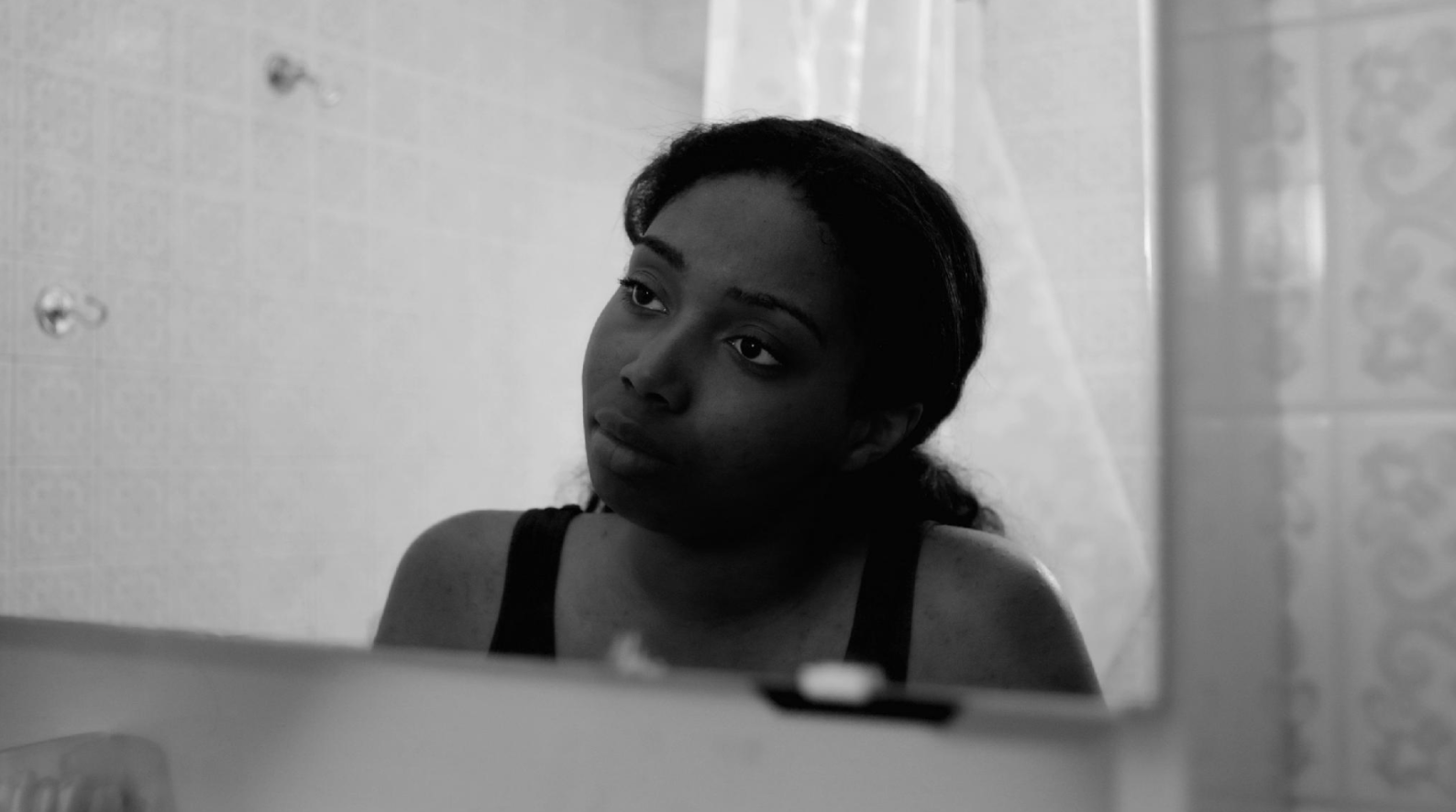
The Inflation of “Trauma”: When Trauma Gets Overused and the Truth Gets Lost

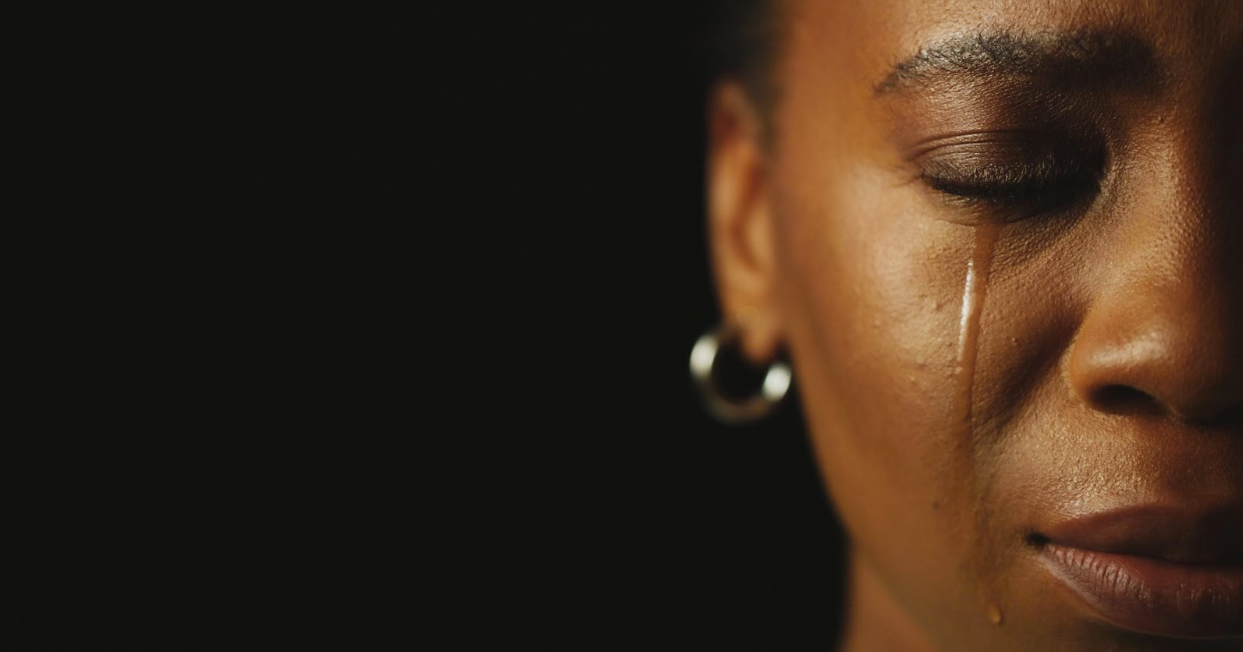
When Trauma Gets Overused and the Truth Gets Lost
Photo Credit: Jacob Wackerhausen via iStockPhoto.com
By: Jamila Gomez
There was a time when trauma meant something that split your world open. People used the word carefully because it named a kind of pain that didn’t just hurt; it changed who you were. Somewhere along the way, the word got stretched until it started showing up everywhere. Now it covers everything from a bad date to a rough week.
When everything becomes trauma, nothing really is.
That isn’t to say people shouldn’t talk about what hurts. Feelings need language. But trauma is a very specific kind of wound. It shakes your sense of safety. It lives in your body. It lingers long after the moment is over. When we blur the line between pain and trauma, we take away the gravity of what the word is meant to hold.
Social media made that blur even worse. Therapy language turned into a trend. Everyone knows the buzzwords now: triggers, gaslighting, boundaries, trauma responses. There’s power in naming things, but words lose meaning when we start using them like captions. “My trauma made me do that” often replaces “I hurt someone.” “That triggered me” becomes “That bothered me.” We start speaking in shortcuts instead of saying what’s true.
That’s where accountability gets lost.
There’s also an unevenness in who gets to talk about trauma without being questioned. When a white influencer opens up about it, people call it vulnerability. When a Black woman does the same, she’s labeled angry or dramatic. When a poor person names it, they’re accused of making excuses. The word hasn’t just been overused; it’s been unevenly respected.
And because it’s everywhere, people are starting to tune it out. Real trauma stories get buried under a sea of minor grievances described with the same language. People who’ve survived violence or long-term abuse start to sound no different from those who’ve simply had a rough day. That doesn’t build empathy. It erases it.
Still, it makes sense why people reach for the word. In a world that rewards resilience and punishes emotion, saying “I have trauma” can feel like a shield. It’s a way of asking to be taken seriously. But when every hurt is called trauma, care starts to lose meaning too. Sometimes we’re just hurt. Sometimes we’re disappointed. Sometimes we’re grieving. That doesn’t make it small; it makes it real.
We don’t need to shame people for getting it wrong. We just need to be honest again. Not every heartbreak is trauma. Not every disagreement is abuse. Not every uncomfortable moment means danger. Some things are simply painful. Learning to sit with that without exaggerating it is its own form of growth.
Language shapes how we hold each other. If we use big words for every small wound, the words lose their weight. People who are still carrying real trauma deserve for it to mean something when they say it.
Maybe the goal isn’t to prove who’s been hurt the most. Maybe it’s to tell the truth about what we’ve lived through, what still needs healing, and what we can face without hiding behind labels. That kind of honesty might not trend, but it’s where the real healing starts.

YOU MAY ALSO BE INTERESTED IN: