The Power of Boundaries: Finding Freedom in Being Unavailable


The Freedom in Being Unavailable
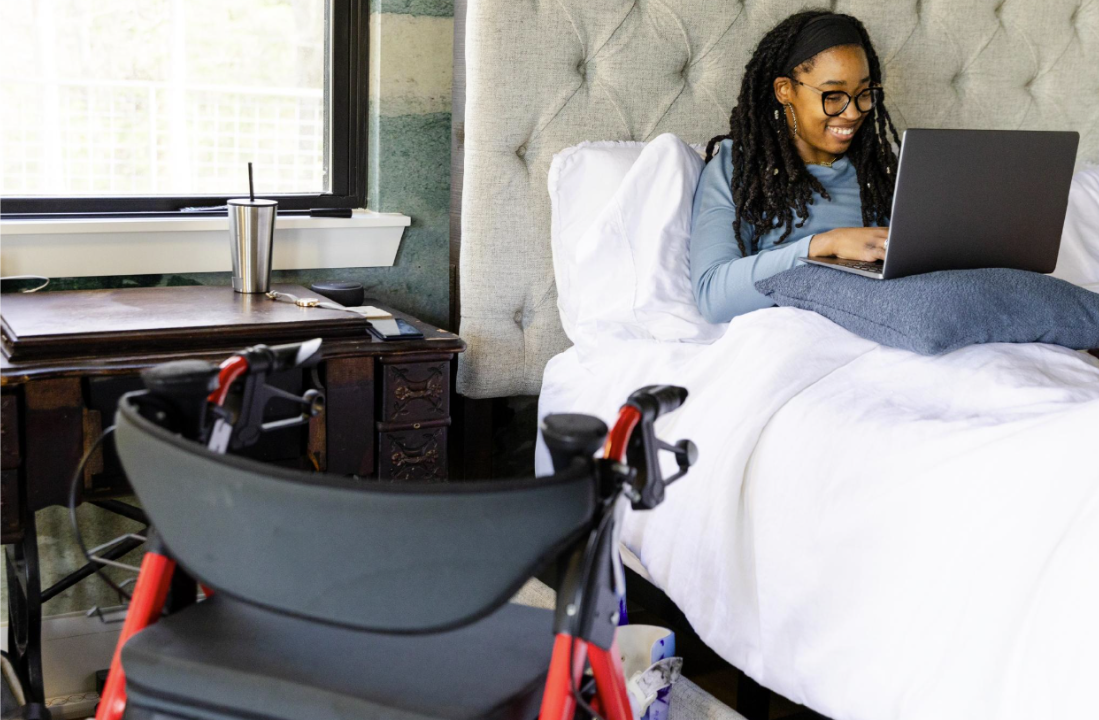
Photo Credit: Meeko Media via iStockPhoto.com
By: Jamila Gomez
There’s a certain kind of exhaustion that doesn’t come from doing too much—it comes from being expected to. The world still treats women’s availability as a resource to be mined. Black women, especially, are taught early that strength means endurance: take the call, pick up the slack, swallow the feeling. Then, when you finally draw a line, someone calls you selfish, distant, or ungrateful.
It’s a strange paradox—to be admired for resilience and punished for the boundaries that make it possible. In the workplace, at home, and even in friendship circles, “flexibility” is often code for self-abandonment. Employers preach self-care in staff meetings, then extend schedules, cut pay, or stretch workloads under the banner of teamwork. Families talk about love and loyalty while quietly expecting the same few shoulders to carry the weight. Communities celebrate sisterhood but guilt the same women into being available for everyone but themselves.
The message is clear: your value is in your usefulness. And when you stop being useful to others, they stop being comfortable with you.
Boundaries threaten systems built on silent labor. They disrupt the flow of convenience. When a woman says, “I can’t do that,” she exposes how much was being done without acknowledgment. For some people, that truth feels like an attack. But it isn’t hostility—it’s honesty. It’s the radical act of choosing not to perform depletion for someone else’s comfort.
What gets overlooked is that boundaries aren’t walls; they’re doors with locks. They don’t keep love out—they protect the space where love can breathe. Setting them doesn’t mean rejection; it means discernment. The same boundaries that protect your mental health at work are the ones that protect your peace at home. They make room for rest, creativity, and care that isn’t coerced.
In relationships, boundaries expose imbalance. They ask hard questions: Why is my peace negotiable but yours isn’t? Why is my capacity assumed to be endless? Too often, “being there” for others has meant erasing yourself. But you can’t build healthy connection from depletion. Relationships that require your silence or exhaustion to survive are not acts of love; they’re transactions disguised as intimacy.
In families, boundaries shift generational habits. Many of us were raised to confuse obedience with respect. Saying no to parents, elders, or siblings was seen as betrayal. But refusing to repeat cycles of overfunctioning and guilt isn’t rebellion—it’s repair. It’s how you stop trauma from turning into tradition.
At work, boundaries look like refusing to glorify burnout. They look like declining unpaid emotional labor, saying no to “just one more task,” and remembering that flexibility is a privilege, not a personality trait. The language of sacrifice is seductive—especially in helping professions—but martyrdom doesn’t serve anyone. Healthy employees do better work. Tired ones just make it through the day.
Community boundaries are trickier. They require recognizing that being part of something larger doesn’t mean being consumed by it. Activism, advocacy, faith work—all of it can turn into performance if rest isn’t built in. There’s nothing radical about self-neglect. Revolution requires stamina, not self-destruction.
The truth is, many people aren’t mad that you set boundaries—they’re mad that you stopped centering their comfort. When you start valuing your own time, energy, and emotional capacity, people who benefited from your lack of boundaries will call it attitude. Let them. That’s not arrogance—it’s recovery.
The work now is unlearning the guilt attached to protecting your peace. You don’t owe constant access to anyone—not your job, not your family, not your friends. Boundaries are a form of integrity. They keep you honest about what you can give and clear about what you need.
To live without them is to live on borrowed energy. To live with them is to finally understand that caring for yourself doesn’t make you less compassionate—it makes you sustainable.
Choosing yourself isn’t betrayal. It’s the only way to stay whole in a world that keeps asking for pieces.

YOU MAY ALSO BE INTERESTED IN: