

Pause While You Can: How to Prevent Burnout in a Busy Life
Burnout can creep in quietly when you keep pushing past your limits and putting yourself last, but learning to slow down and take intentional pauses can help you protect your energy and stay grounded in your life! We discuss it here!

Pause While You Still Can
Photo Credit: skynesher via iStockPhoto.com
By: Jamila Gomez
Burnout rarely shows up all at once. It builds quietly, in the moments you ignore your own limits, push past your capacity, and tell yourself you will rest later. Later turns into a habit of postponing yourself. Learning to breathe before burnout is about interrupting that pattern before it costs you more than you can afford to lose.
Slowing down sounds simple, but for many people, it feels unnatural. When you are used to moving, producing, solving, and showing up for everyone else, stillness can feel like falling behind. You may even feel restless when things get quiet, like you should be doing something more. That feeling is not a signal that you need more pressure. It is often a sign that you have been running on overdrive for too long.
Breathing, in this context, is not just about air. It is about creating a pause in your day that belongs to you. A moment where you are not responding, fixing, or proving anything. Just a moment where you can check in with yourself without rushing past what you find. That pause might be five minutes in the morning before your phone starts buzzing, or a short walk where you let your mind settle instead of filling it with more noise.
What matters is that you take it before your body forces you to.
Burnout has a way of making the decision for you when you refuse to make it for yourself. It shows up as exhaustion that sleep does not fix, irritability that feels out of character, or a lack of motivation for things you once cared about. By the time you notice it clearly, you are already depleted. Learning to breathe beforehand means you stop waiting for that point. You start paying attention earlier.
You notice when your patience is shorter than usual. You recognize when everything feels urgent, even when it is not. You catch yourself pushing through instead of stepping back. Those are your cues. Not to quit everything, but to adjust. To give yourself room before the pressure builds into something heavier.
This is not about abandoning responsibility. It is about managing your energy in a way that allows you to keep showing up without losing yourself in the process. When you slow down on purpose, you move differently. You become more intentional with your time, more honest about what you can handle, and more willing to say no when something does not fit.
Rest becomes part of your rhythm instead of something you earn only after you are worn down.
It may feel uncomfortable at first. You might question whether you are doing enough or wonder if taking time for yourself is selfish. But over time, you start to see the difference. You are clearer. You are steadier. You respond instead of react. And most importantly, you are not constantly on the edge of running out of yourself.
Learning to breathe before burnout is not a one-time decision. It is a practice. One that asks you to notice when you are reaching your limit and to respect it before your body demands it. It is choosing to care for yourself in real time, not just after everything has already taken its toll.
That is how you stay present in your life without being consumed by it.

YOU MAY ALSO BE INTERESTED IN:



SHARE TO SOCIAL MEDIA

Protecting Your Energy as a Black Woman: Mental Health, Boundaries, and Healing
Protecting your energy and mental health as a Black woman means releasing survival mode, setting unapologetic boundaries, choosing rest and support over endurance, and honoring a life rooted in peace rather than constant sacrifice! We discuss it here!
Protecting Your Energy and Mental Health as a Black Woman
Photo Credit: LaylaBird via iStockPhoto.com
By: Jamila Gomez
Protecting your energy isn’t a luxury — it’s survival. As Black women, we carry expectations that were handed to us long before we had the chance to name ourselves. We’re expected to be resilient, unbreakable, endlessly available, and grateful for whatever space we’re given — even when that space drains the life out of us. Protecting your energy and mental health starts with rejecting the lie that your worth is tied to how much pain you can hold or how much you can endure for everyone else.
The first hard truth is this: no one is going to guard your boundaries for you. People will take what you keep giving, especially when you’ve trained them to expect your labor, your listening ear, your time, your emotional care — all without question. Protecting your energy means noticing where you are overextending and being honest about the cost. If every conversation leaves you exhausted, if every relationship feels one-sided, if every room you walk into demands that you shrink just to keep the peace, something has to change. You don’t owe your sanity to anyone’s comfort.
It also means getting clear about the difference between being “strong” and being supported. Strength without support becomes isolation. Too many of us are praised for our endurance while suffering in silence. There’s nothing empowering about carrying what is slowly breaking you down. Protecting your mental health requires unlearning the habit of pushing through every storm alone. Ask for help. Say when you’re not okay. Choose friendships and communities where vulnerability is not treated like weakness, but like truth-telling.
Another part of protecting your energy is walking away from constant survival mode. When you’ve spent years fighting to prove yourself — in workplaces, families, relationships, and even spiritual spaces — rest can feel like guilt. Stillness can feel like laziness. But your nervous system is not a machine. Rest is not a reward you earn after you’ve almost collapsed. It is a necessity. Give yourself permission to log off, decline invitations, say “not today,” and step back from environments that thrive on urgency and chaos. Peace isn’t passive — it is intentional.
And let’s be honest: some of the harm comes from spaces that claim to love us. Family, church, friendships, or communities that refuse to respect your boundaries will frame you as selfish when you finally choose yourself. Protecting your mental health as a Black woman means accepting that some relationships will not survive your healing. That grief is real — but so is your freedom. You are not abandoning anyone by refusing to abandon yourself.
Pay attention to your body. The headaches, tension, fatigue, irritability, emotional numbness — those are signals, not inconveniences. Your body tells the truth even when you try to push past it. Therapy, journaling, movement, breathwork, medication if needed — these are tools, not admissions of failure. You deserve comprehensive care, not just encouragement to “be strong.”
Protecting your energy also means honoring your voice. Stop minimizing what hurts you just to avoid being labeled “difficult.” Advocate for fair pay. Challenge disrespect. Leave workplaces that drain you without remorse. You are not required to shrink to remain employable, lovable, or acceptable.
Most importantly, protecting your mental health requires envisioning a future where you are more than what you’ve survived. Healing is not just about recovering from the past — it’s about choosing a life that aligns with your values, your capacity, and your joy. Say yes to spaces where you feel seen. Say yes to softness, to laughter, to friendships that pour back into you. Say yes to a version of yourself that doesn’t center struggle as an identity.
You have one life in this body. Your energy is sacred. Your mind is not a battlefield for everyone else’s expectations. Protect it — boldly, unapologetically, and without delay.
YOU MAY ALSO BE INTERESTED IN:
SHARE TO SOCIAL MEDIA

The Power of Boundaries: Finding Freedom in Being Unavailable
Many women, especially Black women, are praised for their strength yet punished for setting the boundaries that protect their peace, but true self-care means choosing sustainability over sacrifice and reclaiming the right to rest, heal, and be whole. We discuss it here!
The Freedom in Being Unavailable
Photo Credit: Meeko Media via iStockPhoto.com
By: Jamila Gomez
There’s a certain kind of exhaustion that doesn’t come from doing too much—it comes from being expected to. The world still treats women’s availability as a resource to be mined. Black women, especially, are taught early that strength means endurance: take the call, pick up the slack, swallow the feeling. Then, when you finally draw a line, someone calls you selfish, distant, or ungrateful.
It’s a strange paradox—to be admired for resilience and punished for the boundaries that make it possible. In the workplace, at home, and even in friendship circles, “flexibility” is often code for self-abandonment. Employers preach self-care in staff meetings, then extend schedules, cut pay, or stretch workloads under the banner of teamwork. Families talk about love and loyalty while quietly expecting the same few shoulders to carry the weight. Communities celebrate sisterhood but guilt the same women into being available for everyone but themselves.
The message is clear: your value is in your usefulness. And when you stop being useful to others, they stop being comfortable with you.
Boundaries threaten systems built on silent labor. They disrupt the flow of convenience. When a woman says, “I can’t do that,” she exposes how much was being done without acknowledgment. For some people, that truth feels like an attack. But it isn’t hostility—it’s honesty. It’s the radical act of choosing not to perform depletion for someone else’s comfort.
What gets overlooked is that boundaries aren’t walls; they’re doors with locks. They don’t keep love out—they protect the space where love can breathe. Setting them doesn’t mean rejection; it means discernment. The same boundaries that protect your mental health at work are the ones that protect your peace at home. They make room for rest, creativity, and care that isn’t coerced.
In relationships, boundaries expose imbalance. They ask hard questions: Why is my peace negotiable but yours isn’t? Why is my capacity assumed to be endless? Too often, “being there” for others has meant erasing yourself. But you can’t build healthy connection from depletion. Relationships that require your silence or exhaustion to survive are not acts of love; they’re transactions disguised as intimacy.
In families, boundaries shift generational habits. Many of us were raised to confuse obedience with respect. Saying no to parents, elders, or siblings was seen as betrayal. But refusing to repeat cycles of overfunctioning and guilt isn’t rebellion—it’s repair. It’s how you stop trauma from turning into tradition.
At work, boundaries look like refusing to glorify burnout. They look like declining unpaid emotional labor, saying no to “just one more task,” and remembering that flexibility is a privilege, not a personality trait. The language of sacrifice is seductive—especially in helping professions—but martyrdom doesn’t serve anyone. Healthy employees do better work. Tired ones just make it through the day.
Community boundaries are trickier. They require recognizing that being part of something larger doesn’t mean being consumed by it. Activism, advocacy, faith work—all of it can turn into performance if rest isn’t built in. There’s nothing radical about self-neglect. Revolution requires stamina, not self-destruction.
The truth is, many people aren’t mad that you set boundaries—they’re mad that you stopped centering their comfort. When you start valuing your own time, energy, and emotional capacity, people who benefited from your lack of boundaries will call it attitude. Let them. That’s not arrogance—it’s recovery.
The work now is unlearning the guilt attached to protecting your peace. You don’t owe constant access to anyone—not your job, not your family, not your friends. Boundaries are a form of integrity. They keep you honest about what you can give and clear about what you need.
To live without them is to live on borrowed energy. To live with them is to finally understand that caring for yourself doesn’t make you less compassionate—it makes you sustainable.
Choosing yourself isn’t betrayal. It’s the only way to stay whole in a world that keeps asking for pieces.
YOU MAY ALSO BE INTERESTED IN:
SHARE TO SOCIAL MEDIA
Protecting Your Peace in the Wake of Political Uproar
Learn practical strategies to protect your mental well-being and find balance after the emotional highs and lows of an election. We discuss it here!

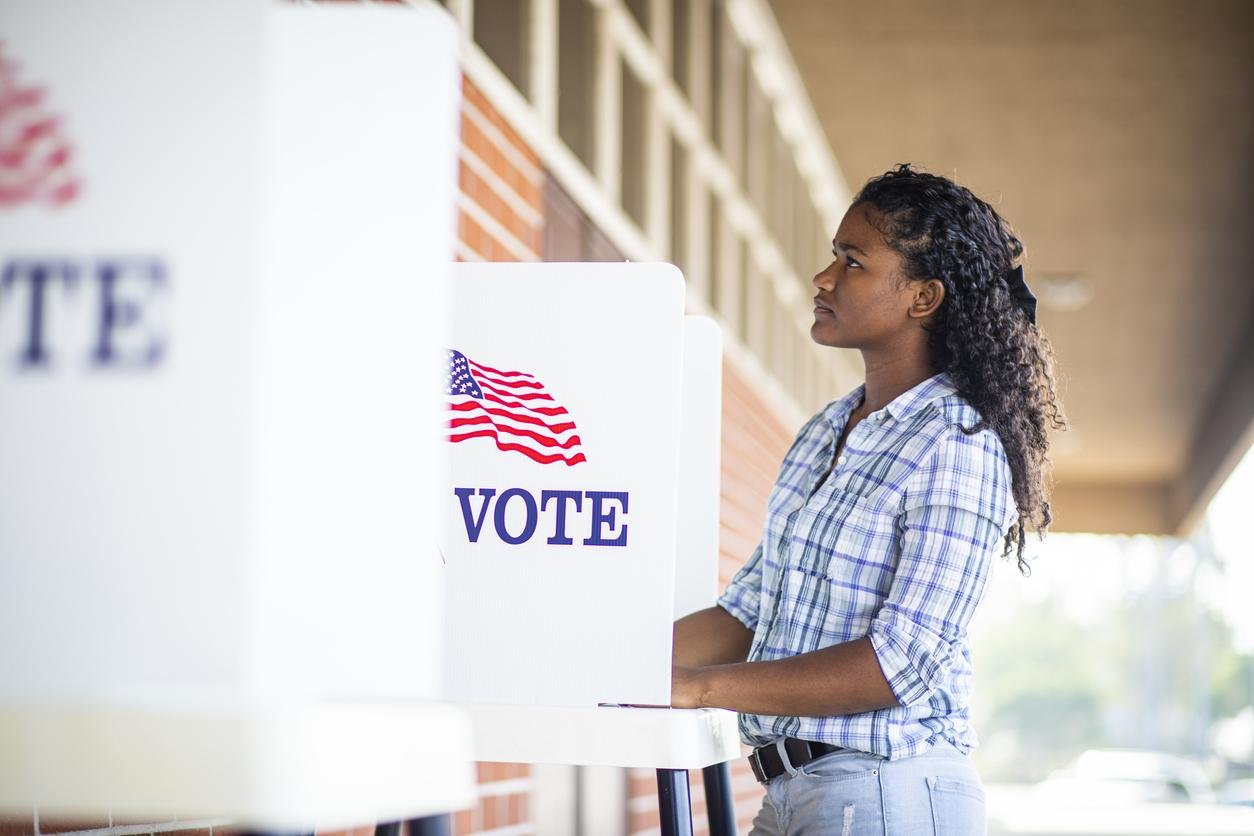
Photo Credit: adamkaz via iStockPhoto.com
By: Jamila Gomez
The aftermath of an election often brings a rollercoaster of emotions. Whether elated, disappointed, or simply exhausted, people experience a wide range of reactions as they process the outcome. The energy can be intense, with social media, news outlets, and conversations buzzing with analysis, speculation, and debate. Amidst this, protecting your peace becomes crucial for mental, emotional, and even physical well-being.
1. Set Boundaries with Media Consumption
The 24/7 news cycle often amplifies emotions, and continuous updates can become overwhelming. Give yourself permission to step away from news and social media, even if just temporarily. This may mean limiting exposure to certain channels, muting specific keywords, or setting designated times for checking updates.
Consider taking a “digital detox” day or two if needed. By controlling when and how you engage with the news, you can avoid overstimulation and feel more empowered.
2. Recognize and Acknowledge Your Emotions
It’s normal to feel a mix of emotions following an election—relief, disappointment, anger, or uncertainty. Allow yourself to acknowledge these emotions without judgment. Reflecting on why you feel this way can be grounding and can help you gain insights into what values and issues are most important to you.
You may also find it helpful to write in a journal, talk with a friend, or even seek support from a counselor. Processing your emotions in a constructive way can help you release negativity and regain balance.
3. Focus on What You Can Control
Elections are high-stakes events, and it’s easy to feel helpless, especially when the outcome doesn’t align with your hopes. To regain a sense of agency, focus on the things you can control in your own life. This may include volunteering, advocating for causes you believe in, or simply creating a positive impact in your community.
Taking action, even on a small scale, can provide a meaningful way to channel your energy and make a difference, regardless of the political landscape.
4. Engage in Activities That Bring You Joy
Returning to hobbies and activities you love is a powerful way to reset. Engaging in something enjoyable can help reduce stress and refocus your mind on things that bring positivity. Reading, painting, hiking, or spending time with loved ones can all provide a welcome reprieve from the tension.
Reconnecting with joy reminds you of the aspects of life that bring fulfillment outside of politics.
5. Practice Mindfulness and Self-Care
Mindfulness practices, such as meditation, deep breathing, or simply taking a walk, can help you reconnect with the present moment. Regularly engaging in mindfulness not only helps reduce stress but also allows you to approach any remaining tensions with a calmer, clearer mindset.
Other forms of self-care, like getting enough sleep, exercising, and eating well, help build resilience. Staying grounded through these practices can help you navigate challenging times more effectively.
6. Find Your Support System
Connecting with supportive friends, family, or communities can be a great comfort. Talking through feelings in a healthy and constructive way with people you trust helps build a sense of unity and understanding.
If discussions around the election become heated or stressful, set boundaries with those conversations to avoid unnecessary friction. Seek out those who share your commitment to mutual respect and understanding, and prioritize your well-being in all interactions.
7. Reflect on Your Values and Long-Term Goals
In the wake of an election, it can be helpful to revisit your values and long-term goals. Think about what drives you beyond any particular political outcome. These values are often the foundation of how you want to live, regardless of who holds office. Reflecting on your core values can help you feel grounded and give a sense of continuity in times of change.
This can also be an opportunity to think about ways to continue engaging with issues you care about in the future, with an understanding that change often requires ongoing commitment.
8. Practice Compassion, for Yourself and Others
Emotions are heightened after elections, often leading to disagreements and polarization. Practicing compassion for yourself—and others—can help ease some of the stress that comes with navigating divided opinions. Try to understand that, like you, others may be going through their own emotional processes. This approach can foster empathy, reduce friction, and help you stay centered.
9. Embrace the Big Picture
Finally, remember that elections are part of a larger, ongoing journey. Results, while important, do not represent the totality of who we are as individuals or communities. Change is often incremental, and the efforts of individuals working together over time often drive meaningful progress.
Protecting your peace means keeping a balanced perspective, understanding that while elections are significant, they are only one part of life. Embrace the power you hold in shaping your own journey and contributing to the kind of world you hope to see, one step at a time.
YOU MAY ALSO BE INTERESTED IN: