Who Heals the Healer?


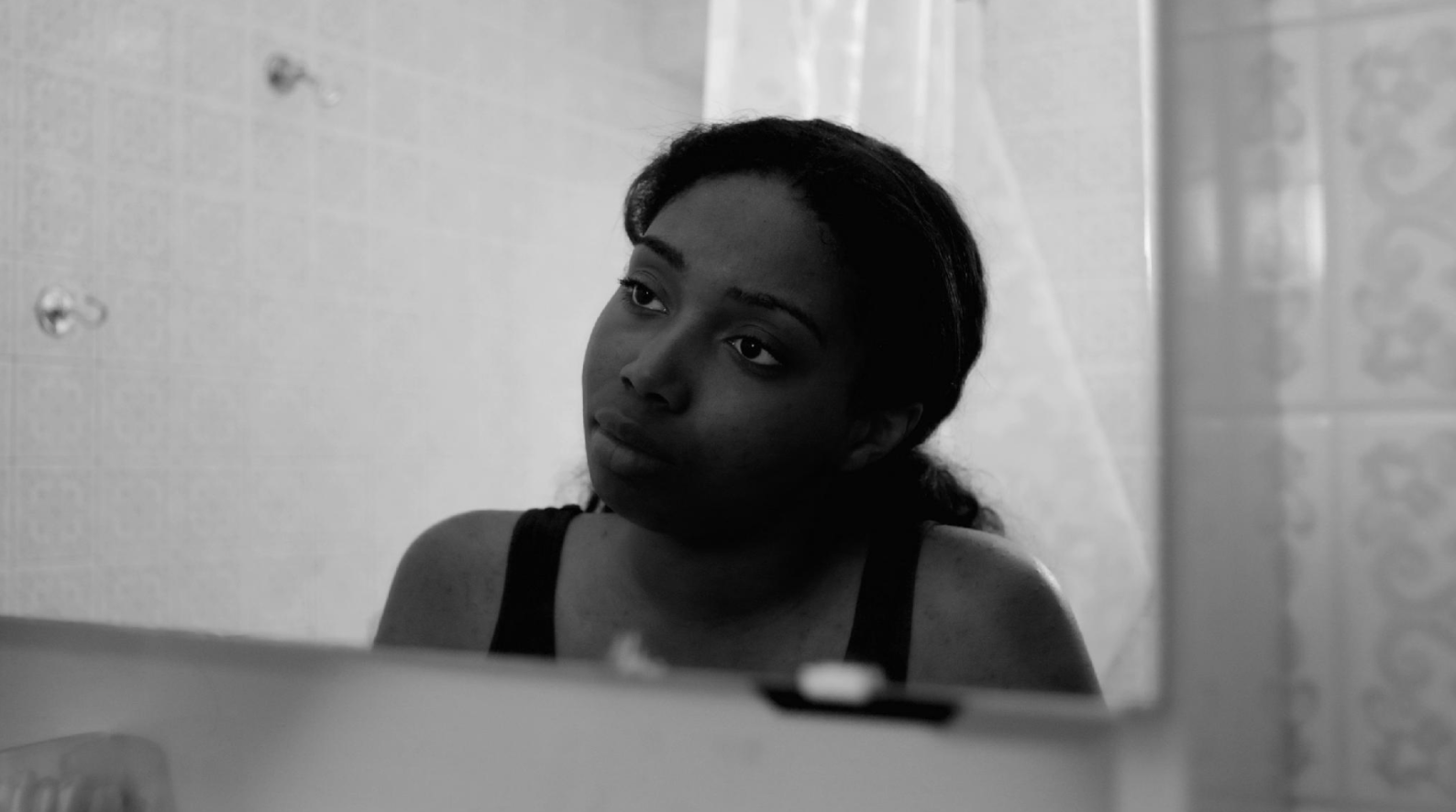
Photo Credit: Delmaine Donson via iStockPhoto.com
By: Jamila Gomez
You’re the one they call when everything falls apart. The one with the calm voice, the right words, the emotional clarity. You’ve helped friends leave toxic relationships, walked them through panic attacks, stayed up late dissecting family trauma and patterns. You’re the safe space. The “therapist friend.”
But what happens when you’re the one unraveling — quietly, invisibly, with no one to hold space for you the way you do for everyone else?
There’s an unspoken pressure that comes with being the emotionally mature one in the group. People start to expect you to have it all together. You become their mirror, their compass, their relief. But inside, you might be exhausted. Resentful. Avoiding your own healing because helping others feels easier — or at least more immediately rewarding.
Many of us learned early that being useful kept us safe. We became the fixer, the listener, the emotional translator in our families. That skill followed us into adulthood, and now we wear it like a badge — even when it’s suffocating. Even when we haven’t had a chance to deal with our own grief, anxiety, fear of abandonment, or burnout.
And the truth is, you can be wise and wounded at the same time. You can give great advice and still struggle to follow it. You can understand boundaries and still have trouble enforcing them. Holding space for others doesn’t mean you’re healed — it just means you’ve learned how to survive while holding pain quietly.
This isn’t about shame. It’s about honesty. You deserve more than being the emotional backbone for everyone else while you’re left holding your own weight in silence. You deserve support, too. Validation. A place to lay your burdens down without needing to explain yourself first.
So here’s a gentle reminder:
You don’t have to earn your worth by being the strong one.
You’re allowed to take off the healer hat and just be human.
You don’t owe anyone 24/7 emotional availability — not even your closest people.
If this is you, consider what replenishes you. Who pours back into you? What would it look like to say, “I don’t have it in me today,” and let that be enough?
Being the therapist friend is beautiful. But so is being the one who rests, who receives, who remembers they’re allowed to need care too. You’re not just a resource. You’re a whole person. Start treating yourself like it.

YOU MAY ALSO BE INTERESTED IN: