

How to Make Meaning of What You’ve Been Through
The meaning you assign to your experiences often shapes your identity and future more than the events themselves, making the way you interpret what you’ve been through a powerful part of growth and healing! We discuss it here!

Making Meaning Out of What You’ve Been Through
Photo Credit: jacoblund via iStockPhoto.com
By: Jamila Gomez
Surviving an experience does not automatically make it make sense. Something can end, and still leave questions behind. What happened may be clear, but what it means is often not. That gap is where interpretation begins, whether it is intentional or not.
Meaning-making is the process of deciding how an experience fits into the larger story of your life. Without it, the mind tends to draw its own conclusions, and those conclusions are not always fair or accurate. When something is painful, confusing, or unresolved, it is common to assign meaning quickly just to create closure. The problem is that quick meaning is often distorted.
A difficult situation might be taken as proof of failure. A loss may be interpreted as evidence that something is wrong or missing. Rejection can quietly turn into a belief about worth. Over time, these interpretations can settle into the background and shape how future experiences are approached. What happened once begins to influence what is expected next.
This is why meaning matters more than the event itself in many cases. The same experience can lead to very different outcomes depending on how it is understood. One interpretation can limit growth, while another can open up a different way of moving forward. The facts stay the same, but the meaning attached to them changes the direction.
Creating meaning requires slowing down enough to examine what actually happened. It means separating facts from assumptions. What can be proven versus what was felt or believed in the moment. Emotions are real, but they are not always reliable as explanations. Without that distinction, it becomes easy to carry forward conclusions that were formed under pressure rather than clarity.
It also requires recognizing that not everything is about personal identity. Some experiences are the result of other people’s choices, circumstances, or limitations. Assigning all meaning inward can create a distorted sense of responsibility. On the other hand, refusing to reflect at all can lead to repeating patterns without understanding why. The balance is in identifying what is yours to learn without claiming what is not yours to carry.
Meaning-making is not about forcing a positive spin or turning every experience into a lesson on demand. Some things take time to understand. Some meanings shift as perspective changes. What matters is staying open to revisiting the story instead of locking it into a single, fixed conclusion.
What you have been through does not speak for itself. It is interpreted, shaped, and understood over time. The meaning you give it will influence how you see yourself, how you relate to others, and how you move forward. That meaning is not set in stone. It is something that can be examined, challenged, and, when necessary, rewritten.

YOU MAY ALSO BE INTERESTED IN:




SHARE TO SOCIAL MEDIA
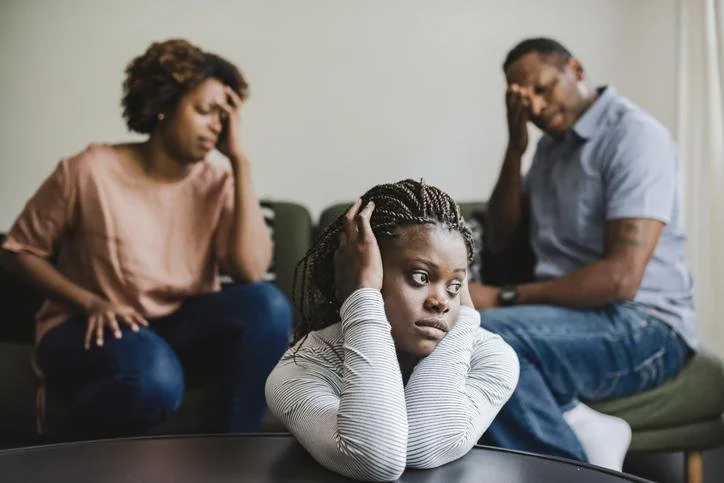
We Need to Talk About Emotional Manipulation in Black Families
Many Black families struggle to differentiate love from control, mistaking emotional manipulation for tradition and loyalty, but healing begins by naming the harm and breaking generational cycles. We discuss it here!
Photo Credit: Rawpixel via iStockPhoto.com
By: Jamila Gomez
There’s a difference between love and control—but in many Black families, that line has been blurred for so long, we’ve been taught to see them as the same thing.
Emotional manipulation isn’t always loud or aggressive. Most of the time, it shows up quiet and familiar, wrapped in phrases we’ve heard all our lives:
“After all I’ve done for you.”
“That’s just how I was raised.”
“You think you better than us now?”
It’s the guilt trip when you try to set boundaries. The silent treatment when you say no. The expectation that you’ll show up, pay up, and never speak up. And if you dare to name what’s happening, you’re suddenly the disrespectful one—the ungrateful child, the outsider, the problem.
In Black families, there’s often an unspoken belief that elders are above accountability, that “family business” should stay quiet, and that loyalty means silence—even in the face of harm. It’s a survival response rooted in real history. Our families have spent generations trying to hold it together under systemic pressure, economic struggle, and racial trauma. Control, shame, and fear became tools to protect and preserve. But those same tools are now damaging us from the inside.
When love is measured by obedience, and respect is weaponized to silence you, it’s not protection—it’s manipulation. And what gets dismissed as “just how they are” ends up becoming our emotional blueprint. It teaches us to ignore our own needs, overextend ourselves, and mistake guilt for connection. We carry that into our friendships, romantic relationships, and even into parenting, where the cycle threatens to continue.
This isn’t about blame—it’s about awareness. Because healing starts with naming what hurt us, not pretending it didn’t. And some of the things we normalized growing up were never okay. The problem is, if you try to break the pattern, you risk being labeled difficult, distant, or “not family-oriented.” But what they don’t understand is that choosing your peace isn’t abandonment—it’s protection, too.
Black families deserve better than cycles of emotional silence and manipulation dressed up as tradition. We deserve relationships built on mutual respect, real communication, and space to grow. But we won’t get there if we keep pretending that guilt is love and silence is strength.
We’re allowed to want more. We’re allowed to choose differently. And we don’t owe anyone our emotional freedom just to keep the peace.
The truth is that the only way to truly honor our families is to do the work they weren’t allowed—or willing—to do. That starts by being honest about what’s been passed down… and deciding which parts end with us.
YOU MAY ALSO BE INTERESTED IN:
SHARE TO SOCIAL MEDIA

Designing a Trip That Actually Feels Good to You
In a world full of noise, true spiritual clarity often comes through stillness, reminding us that God's voice is often found not in the loud, but in the quiet moments of intuition, presence, and peace. We discuss it here!
Photo Credit: andreswd via iStockPhoto.com
By: Jamila Gomez
There’s a difference between traveling and actually enjoying the trip. Too many women return from vacation exhausted, overstimulated, and needing another few days to recover. What was supposed to be a reset turns into another task—a tightly packed schedule designed for aesthetics more than actual enjoyment. Somewhere along the way, leisure started to feel like performance.
Designing a trip that feels good to you begins with clarity. Not every destination needs to be trendy. Not every restaurant needs to be Michelin-rated. And not every moment needs to be posted. The real question is: what kind of travel makes you feel most like yourself? Because if the trip isn’t aligned with who you are, it won’t serve you—no matter how far the flight.
Some women want movement—museums, excursions, and planned days from start to finish. Others want slow mornings, late breakfasts, and no alarms. Both are valid. But problems start when people plan around pressure instead of preference. If you’re not a morning person at home, forcing a sunrise hike on vacation isn’t self-care—it’s performance. Trust your rhythm.
Start by identifying the purpose of the trip before you book anything. Is it a break, a celebration, a recovery, or just an escape? That answer will tell you what kind of space you need, how much energy you have to give, and who (if anyone) should come with you. Don’t say yes to trips that don’t reflect your needs. Grown woman travel should feel good before, during, and after the flight.
Build space into your itinerary. If every hour is accounted for, it’s not leisure—it’s obligation. You need room to wander, to nap, to cancel plans without guilt. The best memories often happen during the unscheduled time. A good trip leaves space for spontaneity without leaving you drained.
There’s also power in traveling for yourself—not for photos, not for content, not for a recap. You don’t owe anyone a slideshow or proof of fun. If the experience felt meaningful to you, that’s enough. The views can stay in your head. The peace can stay off the grid.
And when the trip ends, ask yourself: did it give something back to me? Whether it’s calm, clarity, connection, or just a reason to smile when you think back on it—that’s what matters. Because a trip done right doesn’t just take you somewhere new. It brings you back to yourself.
YOU MAY ALSO BE INTERESTED IN:
SHARE TO SOCIAL MEDIA

You Don’t Owe the Past an Explanation
Obsessing over the past may feel like healing, but true peace begins when you stop over-analyzing the wreckage and start choosing yourself. We discuss it here!

Photo Credit: Giulio Fornasar via iStockPhoto.com
By: Jamila Gomez
Life hands us countless puzzles, messy moments, and confusing relationships. Sometimes we become so absorbed in analyzing and replaying every detail of these situations that we get stuck—frozen in the past, endlessly wondering what could have been done differently.
There’s a quote by 2Pac that cuts through this cycle with sharp clarity:
“You can spend minutes, hours, days, weeks, or even months over-analyzing a situation; trying to put the pieces together, justifying what could’ve, would’ve happened or you can just leave the pieces on the floor and move the fu\*k on.”
That statement reminds us of a hard but necessary truth: there is a point where reflection becomes self-sabotage. It’s one thing to understand our past so we can grow. But it’s another to stay stuck in a loop, obsessing over things that will never change, waiting for closure that may never come.
The need to make sense of our pain is deeply human. We replay conversations, analyze our actions, and search for a missing piece that might explain the hurt. But the reality is that not all pain has a neat origin story. Not all relationships end with clarity. And not all decisions were made with fairness or logic.
Sometimes, the healthiest thing we can do is put the magnifying glass down and step back from the wreckage.
Leaving the pieces on the floor doesn’t mean you’re weak or careless. It means you’re wise enough to know when something is no longer worth your time, your peace, or your energy. It means you recognize that healing doesn’t always begin with answers—sometimes, it begins with acceptance.
Letting go isn’t passive. It’s one of the most courageous and active choices you can make. It’s looking at the wreckage and saying, “I’ll build something new anyway.” It’s choosing your future over your past. It’s deciding that your growth doesn’t require permission from your pain.
Moving on doesn’t mean the experience didn’t matter. It just means you matter more. You are not abandoning your truth by walking away—you are protecting it.
There is strength in refusing to make yourself small for the sake of understanding someone else's harm. There is power in leaving the door closed, even when curiosity wants to reopen it. Choosing peace over clarity is not weakness; it's wisdom earned through experience.
So if you find yourself endlessly dissecting a moment, a decision, a heartbreak—ask yourself if it’s helping you heal or just holding you hostage. Ask yourself if those pieces on the floor are really worth picking back up, or if your energy is better spent elsewhere.
Sometimes, the only way to reclaim your peace is to walk away from the mess and leave it exactly as it is.
Unfinished. Unanswered. And no longer your responsibility to fix.
Because what deserves your energy now isn't what broke you, but what builds you next. You owe yourself that much.
YOU MAY ALSO BE INTERESTED IN:
SHARE TO SOCIAL MEDIA
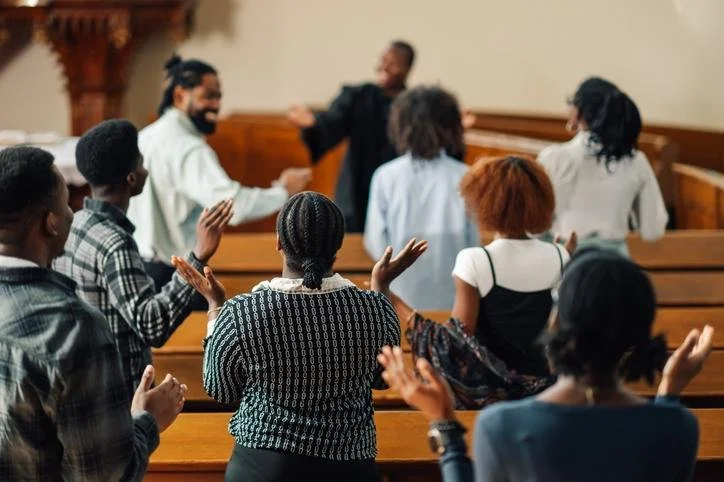
Is the Black Church Still a Safe Space? Depends Who You Ask
The Black church holds a powerful legacy of faith, resilience, and community, but it also carries a complicated history of silence, shame, and spiritual harm that continues to shape conversations about healing, inclusion, and transformation today. We discuss it here!
Photo Credit: zamrzutitonovi via iStockPhoto.com
By: Jamila Gomez
The Black church has always been more than just a building. It’s been a refuge, a gathering place, a sanctuary when the rest of the world felt unsafe. For many of us, it’s where we learned to pray, to praise, to hold on. But for others, it’s also where we first learned how to hide.
Because while the Black church gave us faith, community, and language for survival—it also gave us silence, shame, and suppression.
The Duality We Don’t Talk About Enough
To say the Black church saved lives isn’t an exaggeration. It has carried generations through slavery, segregation, systemic injustice, and communal grief. It built leaders, movements, and entire cultural traditions.
But alongside that power sits a less often acknowledged truth: the church has also been a space where many of us first encountered spiritual manipulation, misogyny, homophobia, and emotional abuse—all wrapped in scripture.
And that’s the part folks don’t always want to admit: you can love a space and still name how it hurt you.
The Pain That Got Dressed Up as Doctrine
For many Black women, the church taught us to be small and silent. To serve before we spoke. To stay in marriages that were breaking us. To “pray it away” instead of going to therapy. To mistake suffering for virtue.
For many queer folks, it meant sitting in pews that preached damnation over dignity—learning to perform identity in order to survive the judgment.
For survivors of abuse, the message was often clear: protect the reputation of the church, even if it costs you your voice.
What do you do when the place that taught you about God also taught you how to disappear?
Why Some of Us Left
Some of us didn’t leave the church because we lost faith—we left because we found ourselves.
We started asking questions no one wanted to answer. We got tired of being told that our trauma was a test, or that our boundaries were rebellion. We craved a God who didn’t require erasure as an offering.
And so we left. Not always in anger. Sometimes just in silence.
And Yet, for Some, It’s Still Home
There are Black churches doing real, radical work—centering mental health, embracing LGBTQ+ members, challenging generational harm. For some, it remains a lifeline, a chosen family, a vital anchor in the chaos of the world.
So when someone asks, “Is the Black church still a safe space?”—the most honest answer might be: For some, yes. For others, it never was.
The Black church has a legacy of resilience and contradiction. It has held us up and held us back. It has birthed liberation and enabled silence. It has given us hope, and for some of us, it has demanded our hiding in return.
But telling the truth about that complexity isn’t betrayal—it’s healing. Because safe spaces don’t just feel good. They make room for hard conversations. They grow. They evolve. They repent when needed.
And maybe the real question isn’t whether the Black church is a safe space—but whether it’s willing to become one.
YOU MAY ALSO BE INTERESTED IN:
SHARE TO SOCIAL MEDIA

3 Trauma Responses We Normalize
Unpack the hidden trauma behind over-achieving, people-pleasing, and emotional detachment, and learn why healing—not just coping—is the path to true freedom. We discuss it here!
Photo Credit: izusek via iStockPhoto.com
By: Jamila Gomez
We all carry emotional baggage. But what if some of the behaviors we see as “just how I am” are actually trauma responses we’ve normalized? Coping mechanisms formed under stress don’t disappear just because the danger is gone—they often evolve into habits we mistake for personality traits. Here are three common trauma responses we tend to normalize without realizing what’s underneath.
1. Over-Achieving as a Way to Feel Safe
You always say yes. You chase the next goal, the next milestone, the next pat on the back. People call you ambitious, driven, a high-performer. But behind the accolades might be a nervous system stuck in overdrive, conditioned to believe that worth comes from doing.
This response often stems from childhood environments where love or safety felt conditional—where you had to earn approval or stay useful to avoid being overlooked or punished. The result? You measure your value by your productivity. Rest feels lazy. Slowing down feels unsafe. But constant achievement isn’t freedom; it’s survival dressed as success.
2. People-Pleasing to Avoid Conflict
You pride yourself on being easygoing. You’re always available, always agreeable, and always putting others first. You avoid conflict like it’s fire. What looks like kindness might actually be fear.
People-pleasing often develops in chaotic or emotionally unpredictable environments. If disagreeing led to punishment, rejection, or emotional withdrawal, you learned to keep the peace at all costs. The problem is, you lose yourself in the process. Your boundaries dissolve. Your needs shrink. And even though you’re surrounded by people, you feel invisible. That’s not harmony—it’s self-erasure.
3. Detachment That Feels Like Independence
You don’t “do feelings.” You’re self-sufficient. You push people away when they get too close. You take pride in being low-maintenance. To the outside world, it looks like strength. But it’s often just a deeply embedded defense mechanism.
This kind of detachment is common in people who grew up in environments where vulnerability wasn’t safe—where emotional needs were ignored, ridiculed, or weaponized. So you learned to turn them off. You convinced yourself you didn’t need anyone. But independence born from trauma isn’t freedom—it’s isolation.
Recognizing trauma responses isn’t about blaming yourself or your past. It’s about understanding your wiring so you can rewrite it. These patterns helped you survive. But if they’re now keeping you from connecting, healing, or simply feeling at home in your own skin, it’s worth looking deeper.
Normalize healing, not just coping.
YOU MAY ALSO BE INTERESTED IN:
SHARE TO SOCIAL MEDIA
I Don’t Know Who Needs to Hear This, But…
Feeling emotionally exhausted is valid, especially for Black individuals navigating strength, survival, and unspoken burdens—this is your reminder that rest, softness, and being enough without performing are all your birthright. We discuss it here!
Photo Credit: Boogich via iStockPhoto.com
By: Jamila Gomez
You don’t have to keep pretending that you’re okay just because people are used to you being strong.
I don’t know who needs to hear this, but your exhaustion makes sense. Not just the physical kind—the soul kind. The kind of tired that doesn’t go away after one good night’s sleep. The kind that lingers after you’ve checked off every box but still feel like you’re falling short.
This world asks a lot of you. And if you’re Black, it asks for even more—your time, your brilliance, your patience, your resilience—and rarely pauses to return the favor. You’re expected to be dependable even when no one checks to see if you’re depleted. And you’ve probably learned how to smile through it. To keep showing up. To hold space for others when no one holds space for you.
But what about you?
You, who is grieving things you never got to name.
You, who is tired of performing strength while no one sees your softness.
You, who doesn’t feel good enough—even when you’re doing more than most.
Let me say this clearly: You are not weak for feeling weary. You are human.
Feeling tired doesn’t mean you’re doing something wrong. It might just mean you’ve outgrown the life you had to build just to survive. It might mean your spirit is asking for more rest, more truth, more honesty. Not just naps and spa days—but real permission to not always be okay.
You are not behind. You are not broken. You are not less than.
You are carrying more than most people will ever see. And even if no one claps for you today, even if no one texts to check in, even if no one says “I’m proud of you”—you’re still doing something sacred.
You’re surviving systems not made for you.
You’re trying to heal without a map.
You’re showing up in rooms that weren’t designed with your rest in mind.
That deserves more than just validation. It deserves relief.
So, if no one has told you lately: You matter. You’re allowed to pause. You are enough—right now, without proving a thing.
You don’t need to be everyone’s anchor. Sometimes, you just need to float.
And maybe this is your permission to do just that.
YOU MAY ALSO BE INTERESTED IN:
SHARE TO SOCIAL MEDIA

5 Things You Need to Let Go of to Truly Thrive
Learn how to thrive by releasing emotional burdens, setting boundaries, and redefining healing on your own terms in this empowering guide for Black wellness and liberation. We discuss it here!
Photo Credit: pixdeluxe via iStockPhoto.com
By: Jamila Gomez
Thriving isn’t just about money, success, or finally taking that trip. Thriving is about liberation—emotional, mental, spiritual. And for many of us, especially in the Black community, that journey starts not with what we gain, but with what we release.
Here are five things it’s time to let go of if you’re ready to truly thrive:
1. The Pressure to Be Everything for Everyone
You don’t have to carry the whole family. You don’t have to be the one everyone leans on while secretly breaking inside. Let go of the identity that says you’re only valuable when you’re useful. Your peace matters. Your rest matters. You matter even when you’re not producing.
2. Guilt Around Choosing Yourself
Choosing yourself is not betrayal. It’s survival. It’s wholeness. We’ve been taught to put everyone else first—but thriving demands boundaries. It means letting go of guilt when you say no, when you walk away, when you honor your own needs. Guilt has no place in your self-care.
3. The Idea That Healing Has to Look a Certain Way
Your healing doesn’t have to be soft, poetic, or Instagram-ready. It might be ugly crying in the car. It might be setting fire to old journals. It might be silence. Stop comparing your healing to someone else’s timeline. Let go of the image, and honor the process.
4. Needing Everyone to Understand Your Growth
Not everyone will get it. Not everyone needs to. You’re not growing for their approval—you’re growing for your freedom. Let go of needing people to clap for your boundaries, understand your distance, or agree with your vision. You’re not available for shrinking anymore.
5. The Story That Says You’re Too Late
You are not behind. You’re not too old. You didn’t miss your moment. That lie is rooted in comparison and capitalism. As long as you’re still breathing, there is still time to do what you were called to do. Let go of the shame, and give yourself permission to begin again.
Letting go isn’t weakness—it’s a form of power. It’s not giving up. It’s making room. And you deserve a life with room to breathe, grow, and be well—not just survive.
Because thriving isn’t a luxury.
It’s your birthright.
YOU MAY ALSO BE INTERESTED IN:
SHARE TO SOCIAL MEDIA

Do We Really Want Healing or Just the Aesthetic of It?
Real healing goes beyond self-care aesthetics, asking us to confront pain, set boundaries, and do the inner work needed for true growth and emotional freedom, especially in the Black community. We discuss it here!
Photo Credit: Jacob Wackerhausen via iStockPhoto.com
By: Jamila Gomez
Healing is trending. You see it in soft pastel quote graphics, in perfectly curated self-care routines, in caption-ready declarations of “choosing peace.” We post about protecting our energy, cutting off toxic people, and living in our soft girl era — but sometimes, behind the scenes, we’re still raw, reactive, and unsure how to actually feel better. It’s fair to ask: do we really want healing, or just the look of it?
This isn’t shade — it’s a real reflection on how the world around us has commercialized a deeply personal journey. The aesthetic of healing is easier to digest. It’s polished. It’s Instagrammable. It gives us the illusion of growth, even if nothing’s actually changing beneath the surface. But real healing? It’s uncomfortable. It’s messy. It’s private. Sometimes it looks like crying in your car, losing friends, setting boundaries that make people mad, or admitting you’re not okay.
In the Black community especially, we’re carrying generations of pain. And when we finally get the language to name what we’ve been through — “trauma,” “attachment wounds,” “inner child work” — it can feel empowering. But language isn’t the same as liberation. Naming the pain is only the beginning. Doing the work? That’s the part that doesn’t always make it to the timeline.
Healing requires us to look at ourselves honestly — not just the ways we’ve been hurt, but the ways we hurt others. It asks us to slow down when we’ve been conditioned to grind. It asks us to forgive, sometimes without closure. It challenges us to feel our feelings instead of numbing them with distractions. And most of all, it asks us to commit — even when there’s no applause for our progress.
This doesn’t mean we can’t enjoy the aesthetics. Light a candle, run that bath, journal in your matching loungewear — if it brings you comfort, do it. But let’s not confuse rituals with repair. The goal isn’t to look like we’re healing. The goal is to live in a way that’s rooted in truth, self-awareness, and growth — even when it’s not pretty.
So the next time we talk about healing, let’s make space for the full picture. Not just the quotes and the crystals, but the inner work that takes courage. Because real healing isn’t always cute — but it is freeing. And we deserve that freedom more than we deserve the aesthetic.
YOU MAY ALSO BE INTERESTED IN:
SHARE TO SOCIAL MEDIA

Who Heals the Healer?
Explore the emotional weight of being the "therapist friend" and why those who hold space for others also deserve rest, support, and healing. We discuss it here!
Photo Credit: Delmaine Donson via iStockPhoto.com
By: Jamila Gomez
You’re the one they call when everything falls apart. The one with the calm voice, the right words, the emotional clarity. You’ve helped friends leave toxic relationships, walked them through panic attacks, stayed up late dissecting family trauma and patterns. You’re the safe space. The “therapist friend.”
But what happens when you’re the one unraveling — quietly, invisibly, with no one to hold space for you the way you do for everyone else?
There’s an unspoken pressure that comes with being the emotionally mature one in the group. People start to expect you to have it all together. You become their mirror, their compass, their relief. But inside, you might be exhausted. Resentful. Avoiding your own healing because helping others feels easier — or at least more immediately rewarding.
Many of us learned early that being useful kept us safe. We became the fixer, the listener, the emotional translator in our families. That skill followed us into adulthood, and now we wear it like a badge — even when it’s suffocating. Even when we haven’t had a chance to deal with our own grief, anxiety, fear of abandonment, or burnout.
And the truth is, you can be wise and wounded at the same time. You can give great advice and still struggle to follow it. You can understand boundaries and still have trouble enforcing them. Holding space for others doesn’t mean you’re healed — it just means you’ve learned how to survive while holding pain quietly.
This isn’t about shame. It’s about honesty. You deserve more than being the emotional backbone for everyone else while you’re left holding your own weight in silence. You deserve support, too. Validation. A place to lay your burdens down without needing to explain yourself first.
So here’s a gentle reminder:
You don’t have to earn your worth by being the strong one.
You’re allowed to take off the healer hat and just be human.
You don’t owe anyone 24/7 emotional availability — not even your closest people.
If this is you, consider what replenishes you. Who pours back into you? What would it look like to say, “I don’t have it in me today,” and let that be enough?
Being the therapist friend is beautiful. But so is being the one who rests, who receives, who remembers they’re allowed to need care too. You’re not just a resource. You’re a whole person. Start treating yourself like it.
YOU MAY ALSO BE INTERESTED IN:
SHARE TO SOCIAL MEDIA

Why We’re Afraid of Intimacy, Not Just Relationships
Explore why emotional intimacy can feel terrifying, especially in the Black community, and how fear of vulnerability often blocks the deep connection we truly crave. We discuss it here!
Photo Credit: Wavebreakmedia via iStockPhoto.com
By: Jamila Gomez
It’s easy to say we’re afraid of relationships. Commitment. Titles. Vulnerability. But if we go deeper, many of us aren’t just afraid of being with someone — we’re afraid of being truly seen. That’s what intimacy actually is. And that’s what terrifies us.
Intimacy isn’t just physical closeness or romantic connection. It’s emotional exposure. It’s letting someone witness the parts of you that you usually hide — your insecurities, your habits, your weird little fears, your dreams that feel too big to say out loud. Intimacy is sitting in silence with someone and not performing. It’s being loved in the parts of yourself you’re still learning to accept. And for a lot of us, that level of openness feels unsafe.
Especially in the Black community, where strength is often a survival mechanism, we’ve been taught to keep our guards up — not because we don’t want love, but because we’ve learned that love doesn’t always mean safety. Some of us were taught to prioritize loyalty over emotional honesty. Others were raised around emotional withholding, where love came with conditions or was only shown in acts of service — not softness.
So we build walls instead of bridges. We say we’re “chilling” or “not ready.” We self-sabotage when things get too real. We date people who stay emotionally unavailable because deep down, we’re afraid of what it would mean to be with someone who’s actually present. Someone who asks real questions. Someone who doesn’t let us hide.
The truth is, many of us want intimacy — deeply. We crave closeness, emotional safety, real connection. But we’ve never had a model for it that didn’t involve pain, loss, or betrayal. So we protect ourselves from love the same way we protect ourselves from harm — by distancing, distracting, or detaching.
But here’s the thing: You can’t heal what you keep hiding. And the love you want can’t reach you if you’re too armored to let it in.
So if you find yourself running from connection that feels “too much,” pause and ask yourself: Am I afraid of them… or of being seen by them?
It’s okay to move slow. To be cautious. But don’t confuse fear with readiness. You might be more ready for real intimacy than you think — not because it’s easy, but because you’re tired of keeping the most tender parts of you locked away.
You don’t have to be perfect to be loved deeply. You just have to be open.
YOU MAY ALSO BE INTERESTED IN:
SHARE TO SOCIAL MEDIA

Practicing Gratitude: A Radical Act of Joy
Practicing gratitude as a Black person is a revolutionary act of joy, resilience, and healing that honors our ancestors, celebrates our culture, and empowers us to thrive despite systemic challenges. We discuss it here!


Photo Credit: Tassil via iStockPhoto.com
By: Jamila Gomez
Being Black in this world is a unique experience—one filled with beauty, resilience, and deep cultural richness, but also with challenges that can be exhausting. Every day, we navigate spaces that weren’t always designed for us, carry generational struggles, and face both overt and subtle forms of discrimination. Yet, despite all of that, we continue to create, thrive, and love. And one of the most powerful ways we can protect our joy is through the practice of gratitude.
Gratitude isn’t about ignoring struggles or pretending oppression doesn’t exist. It’s about recognizing our power, our community, and the blessings that sustain us. It’s about reclaiming our joy in a world that often tries to dim our light.
Gratitude as Resistance
There’s something revolutionary about choosing to see the good in your life when society constantly reminds you of its hardships. When we take time to acknowledge what we’re grateful for—our ancestors’ sacrifices, our culture’s resilience, the love we share with our people—we are resisting narratives that tell us we should always be struggling.
Black joy is an act of defiance. Gratitude strengthens that joy by reminding us that, despite what history and systems have tried to do, we are still here. We are still creating, still innovating, still loving, still pushing forward.
Finding Gratitude in the Everyday
Practicing gratitude doesn’t have to be complicated. It can be as simple as taking a few minutes in the morning to reflect on what you appreciate, journaling about small wins, or even telling your people how much they mean to you. Here are some ways to integrate gratitude into your daily life:
1. Honor Your Ancestors – Take a moment to reflect on those who came before you. Whether through prayer, storytelling, or simply acknowledging their sacrifices, expressing gratitude for their resilience is a powerful way to stay grounded.
2. Celebrate Black Creativity – Be grateful for the music, art, literature, and innovation that Black people have contributed to the world. Whether it’s a song that lifts your spirit or a book that inspires you, take time to appreciate our cultural genius.
3. Thank Your Community – From family and friends to mentors and strangers who support you, recognize the people who show up for you. Gratitude strengthens our bonds and reminds us that we’re not alone.
4. Appreciate Your Own Growth – You’ve survived things that were meant to break you. Give yourself credit. Express gratitude for your strength, your growth, and the lessons you’ve learned.
Gratitude Keeps Us Whole
Practicing gratitude doesn’t mean ignoring reality. It means choosing to see the beauty in the midst of struggle, to uplift ourselves, and to keep our spirits intact. In a world that often tries to wear us down, gratitude is a tool for survival, healing, and joy. And that, in itself, is revolutionary.
YOU MAY ALSO BE INTERESTED IN:
SHARE TO SOCIAL MEDIA

Sisterhood in Self-Care: Building a Supportive Community for Black Women
Building a supportive self-care community among Black women fosters empowerment, healing, and mutual support through shared experiences and intentional connection. We discuss it here!
Photo Credit: Lorado via iStockPhoto.com
By: Jamila Gomez
Building a supportive self-care community among Black women can be a transformative journey of mutual support, empowerment, and shared healing. In a world where daily stressors and systemic challenges often weigh heavily, connecting with other Black women who understand these experiences can provide a powerful sense of belonging and validation. Here are a few guiding principles to consider when fostering such a community.
1. Start with Intention
Begin by defining what you hope to create. Are you looking for a group focused on mental wellness, physical well-being, spiritual growth, or a combination of these elements? Establishing a clear vision helps set the tone, shape group activities, and attract those who will benefit the most from this space.
2. Choose the Right Platforms
It can be helpful to utilize both online and offline spaces to build your community. Social media platforms, private group chats, and video conference tools enable members to stay connected across different locations and time zones. Meanwhile, in-person gatherings—like monthly coffee meetups or wellness circles—foster deeper, face-to-face connections. Striking a balance between virtual and physical interactions ensures that the community remains accessible and engaging.
3. Create a Safe Space
A supportive self-care community thrives on trust and authenticity. Lay down ground rules that emphasize respect, confidentiality, and kindness. Encourage members to speak openly about their challenges, anxieties, and triumphs. Recognizing that many Black women face microaggressions, discrimination, and unique mental health stressors, a culture of understanding and empathy is essential.
4. Encourage Collective Learning
Sharing knowledge and resources is a key aspect of community building. Plan skill-sharing sessions on topics ranging from mindfulness practices to financial wellness. Invite experts—such as therapists, dietitians, or fitness instructors—who understand the specific experiences of Black women. This ensures that discussions are tailored and culturally relevant, enriching the group’s collective wisdom.
5. Celebrate Individual and Collective Wins
Acknowledging achievements, whether big or small, fosters motivation and solidarity. This can be as simple as hosting a virtual “praise break” session where members highlight personal wins from the week, or organizing an in-person gathering to celebrate milestones like job promotions or new business ventures. Recognizing success helps reinforce the sense of unity and support within the group.
6. Practice Sustained Self-Care
Encourage members to develop personalized self-care routines that address their unique emotional, physical, and spiritual needs. Provide regular check-ins to keep each other accountable. Recommendations for journaling, guided meditation, yoga classes, or nature walks can enhance overall well-being. By keeping self-care at the center of everything you do, members can better support themselves and each other.
7. Prioritize Growth and Adaptation
As life circumstances change, your community’s needs will evolve too. Routinely assess what is working and what could be improved. Staying flexible ensures the group remains relevant, uplifting, and supportive as members grow and flourish together.
Through intentional organization, authenticity, and shared commitment, Black women can cultivate powerful self-care networks that nurture strength, healing, and collective uplift.
YOU MAY ALSO BE INTERESTED IN:
SHARE TO SOCIAL MEDIA

Creating a Safe Space for Vulnerability and Healing with a Partner
Learn how to create a safe space for vulnerability and healing in relationships through empathy, trust, and open communication. We discuss it here!

Photo Credit: vitapix via iStockPhoto.com
By: Jamila Gomez
In any healthy relationship, fostering a safe space for vulnerability and healing is essential for deep connection and growth. Relationships thrive when both partners feel secure enough to share their thoughts, feelings, and experiences without fear of judgment or rejection. Creating this space is not just about words but also about actions and attitudes that reinforce trust and emotional safety.
Understanding Vulnerability
Vulnerability is often misunderstood as weakness, but in reality, it is a profound strength. Being vulnerable involves sharing fears, dreams, insecurities, and wounds—elements of our inner selves that we often protect. For healing to occur, these elements must be met with empathy and compassion, not criticism or dismissal. A safe space allows both partners to open up without feeling exposed or ridiculed.
Communication: The Cornerstone of Safety
Clear, honest, and non-judgmental communication is vital in creating a secure environment. Actively listening to your partner, without interrupting or jumping to conclusions, builds trust. Reflective listening—paraphrasing their words to show understanding—can help clarify emotions and validate their experiences. Avoiding blame or defensiveness ensures that the conversation remains constructive.
For example, instead of saying, “You always ignore me,” reframe it as, “I feel unheard when you don’t respond to me.” This shift focuses on feelings rather than accusations, encouraging your partner to respond with empathy rather than defensiveness.
Building Emotional Trust
Trust is a cornerstone of any relationship, and it grows through consistency and authenticity. Keeping promises, being dependable, and showing genuine care are all ways to cultivate trust. When a partner opens up, responding with warmth and acceptance reinforces their sense of safety. Conversely, dismissing or minimizing their feelings can erode trust over time.
Creating a Non-Judgmental Atmosphere
A non-judgmental attitude is critical in promoting healing. Everyone carries emotional scars, and these wounds often manifest in ways we may not fully understand. Recognizing that your partner’s behavior stems from their unique experiences allows you to approach challenges with compassion rather than frustration.
Practicing Patience
Healing takes time. Your partner may need to revisit painful topics or process emotions at their own pace. Rushing or pressuring them to “move on” can hinder their progress. Instead, offer consistent reassurance and remind them that their feelings are valid and important.
Shared Activities for Connection
Engaging in activities that promote connection, such as mindfulness practices, couples’ therapy, or even shared hobbies, can strengthen the bond and create a supportive framework for healing.
Creating a safe space for vulnerability and healing is an ongoing process that requires intention and effort from both partners. By prioritizing empathy, trust, and open communication, couples can transform their relationship into a sanctuary where both individuals feel valued and understood. This foundation not only promotes healing but also fosters a deeper, more resilient connection.
YOU MAY ALSO BE INTERESTED IN:
SHARE TO SOCIAL MEDIA

Overcoming Trust Issues: How to Build Healthy Foundations After Betrayal
Healing from betrayal involves rebuilding trust in yourself, practicing open communication, and fostering relationships rooted in respect and honesty. We discuss it here!
Photo Credit: LaylaBird via iStockPhoto.com
By: Jamila Gomez
Betrayal can be one of the most emotionally painful experiences, leaving scars that make trusting again feel impossible. Whether it stems from a romantic relationship, friendship, or family ties, betrayal shakes the very foundation of trust, creating feelings of vulnerability, anger, and fear. However, it’s important to remember that healing is possible, and trust can be rebuilt—not just with others but within yourself.
Acknowledge and Process the Pain
The first step in overcoming trust issues is acknowledging your emotions. Suppressing feelings of betrayal often leads to prolonged resentment or self-doubt. Journaling, speaking with a trusted confidant, or seeking therapy can provide safe outlets to process these emotions. By naming the hurt and recognizing its source, you begin the journey of self-awareness and healing.
Rebuild Trust in Yourself
Betrayal often leaves people questioning their judgment. Did I miss the signs? Was I too trusting? Rebuilding trust in yourself is crucial before attempting to trust others. Focus on strengthening your intuition and decision-making skills. Set boundaries that protect your emotional well-being, and learn to listen to your instincts. When you trust yourself, you’re better equipped to trust others.
Communicate Openly and Honestly
Healthy relationships are built on clear, honest communication. If you’re working on repairing trust with someone who betrayed you, have open conversations about what happened and what needs to change. Be clear about your boundaries and expectations moving forward. If they’re genuinely remorseful, their actions should align with their words over time.
Be Patient with the Process
Rebuilding trust takes time, and it’s not a linear journey. It’s normal to feel cautious or experience setbacks. Be patient with yourself and others. Celebrate small wins, like being able to share your feelings or take a leap of faith in a new relationship.
Focus on Relationships Built on Mutual Respect
While rebuilding trust, prioritize relationships where respect, empathy, and accountability are present. Surround yourself with people who value honesty and demonstrate reliability through consistent actions.
The Power of Forgiveness
Forgiveness doesn’t mean forgetting or excusing the betrayal; it’s about releasing the emotional burden it holds over you. By forgiving, you reclaim your peace and pave the way for new, healthier connections.
Healing from betrayal isn’t easy, but it’s possible. With time, effort, and a commitment to self-growth, you can overcome trust issues and lay the groundwork for healthier, more fulfilling relationships.
YOU MAY ALSO BE INTERESTED IN:
SHARE TO SOCIAL MEDIA

Black Joy as Resistance: Embracing Happiness Despite Adversity
Black joy serves as a powerful act of resistance, celebrating the resilience and vibrancy of Black culture while countering systemic oppression. We discuss it here!
Photo Credit: PeopleImages via iStockPhoto.com
By: Jamila Gomez
Black joy is a powerful act of resistance, a deliberate choice to experience happiness in the face of systemic oppression, discrimination, and societal challenges. Historically, Black communities have been marginalized and subjected to systemic inequities, and while the narratives often focus on struggle, survival, and resilience, Black joy brings a transformative dimension to the fight for justice and equity. This joy is not merely about momentary happiness but is a profound assertion of humanity, dignity, and self-worth.
At its core, Black joy resists the notion that pain and trauma should define the Black experience. Throughout history, Black people have found ways to celebrate life despite adversity. Whether through music, dance, food, spirituality, or storytelling, Black joy has always been interwoven with culture and identity. From the rhythms of jazz, soul, and hip-hop to the laughter shared at family gatherings and the joy expressed in Black art, each act of joy is a reminder of the richness of Black culture and heritage. These expressions challenge limiting narratives and reinforce a broader, more authentic view of what it means to live and thrive as a Black person.
Black joy is also an antidote to oppression, a way of reclaiming agency in a world that often tries to strip it away. Rather than passively enduring hardship, embracing joy disrupts narratives of victimhood and instead cultivates strength and resilience. It is a way of saying, “We will not let the weight of injustice rob us of our humanity.” This joyful resistance is evident in the celebration of Blackness, the appreciation of shared history, and the embracing of community. By choosing to revel in the beauty of Black life, Black communities resist systems that have attempted to devalue and marginalize them.
Furthermore, Black joy can create space for healing, community, and solidarity. It allows Black individuals to affirm their identities, celebrate each other’s successes, and draw strength from shared experiences. This joy is contagious, spreading a message that Black lives are not defined solely by struggle but are filled with love, laughter, and triumphs.
In embracing Black joy as resistance, Black communities refuse to be solely defined by their struggles. Instead, they assert a powerful, enduring message: that Black life, in all its beauty and vibrancy, is worth celebrating. Black joy is a testament to the resilience and richness of Black culture, a radiant light that continues to shine, undeterred by adversity.
YOU MAY ALSO BE INTERESTED IN:
SHARE TO SOCIAL MEDIA

The Power of Not Going Back
Choosing not to return to what hurt you is a powerful act of self-love that promotes healing, personal growth, and emotional freedom. We discuss it here!
Photo Credit: PeopleImages via iStockPhoto.com
By: Jamila Gomez
At some point in life, we’ve all faced moments where we’ve been deeply hurt. Whether it’s by people, places, or situations, these experiences can leave lasting wounds. What’s important, though, is not just how we heal but also the decisions we make moving forward. One of the most empowering choices we can make is to not go back to what hurt us.
Here’s why breaking free is so crucial for your personal growth and well-being.
1. Healing Isn’t Linear, But Reopening Wounds Sets You Back
Healing from emotional pain is a process. It’s not always smooth, and there will be ups and downs. However, when you go back to the environments, people, or situations that caused the pain, you risk reopening wounds that were starting to heal. Imagine a physical wound—each time you tear it open, it takes longer to close. Emotional scars work the same way. Returning to a toxic person, an unhealthy relationship, or a damaging environment may undo the hard work you’ve put into your recovery.
2. Growth Requires New Spaces and Connections
To grow as individuals, we need to challenge ourselves, learn, and experience new things. Growth seldom happens in places of comfort, and it almost never occurs in environments that suppress our potential. When we return to toxic people or situations, we often fall into old habits and mindsets. It’s difficult to move forward when you’re stuck in the past, constantly replaying hurtful scenarios.
New people and new spaces bring fresh perspectives. They encourage you to think differently and explore parts of yourself that you may have neglected or buried in painful environments. By staying in situations that hurt you, you’re limiting your growth and denying yourself the chance to thrive in healthier, more positive spaces.
3. You Deserve Peace and Respect
One of the hardest lessons to learn is that not everyone and everything deserves your time and energy. When you keep returning to people or situations that have consistently hurt you, you’re indirectly telling yourself that you don’t deserve better. But you do.
You deserve relationships that are based on mutual respect, where you feel safe, valued, and understood. You deserve to spend time in environments that uplift you, not ones that drain your energy or make you feel small. Recognizing your own worth and respecting your boundaries is key to building a life where peace and contentment are the norms, not the exceptions.
4. Breaking the Cycle of Toxicity
Often, going back to hurtful situations feels familiar. It may even feel easier than starting fresh because we get used to certain patterns of behavior, even if they’re harmful. But this cycle of toxicity can be devastating for our mental and emotional health.
Each time you return to a toxic person or situation, you’re reinforcing the belief that this is what you deserve, and you become more entangled in a web of pain, resentment, and frustration. Breaking free from this cycle is a powerful act of self-love and strength. It says, “I am more than this pain, and I am not defined by this experience.”
5. The Fear of the Unknown Is Temporary, but Freedom Lasts
One of the main reasons people return to hurtful situations is fear—fear of being alone, fear of the unknown, or fear that there’s nothing better out there. But the fear of the unknown is temporary. What feels uncomfortable at first will gradually become empowering as you start to realize that there is a world beyond the pain. New opportunities, relationships, and experiences are out there waiting for you, but you can only find them if you’re willing to let go of what no longer serves you.
Stepping into the unknown is a form of liberation. It allows you to explore new paths, discover new strengths, and ultimately create a life where you are not weighed down by the burdens of the past.
6. Trust in Your Ability to Rebuild
Sometimes we go back to painful situations because we think it’s too late to start over. We convince ourselves that we’ve invested too much time, energy, or love into something to let it go. But the truth is, no investment in your well-being is ever wasted. Walking away doesn’t mean failure; it means choosing yourself.
You have the strength to rebuild. It may be slow, and there will be moments of doubt, but each step forward is a victory. Trust in your ability to create something new and better. By not going back to what hurt you, you’re giving yourself the chance to rebuild a life that is aligned with your values, desires, and emotional well-being.
Choose Freedom, Not Familiar Pain
It takes immense courage to walk away from people, places, and situations that hurt us. Familiarity can often trick us into thinking we should stay, but it’s essential to remember that comfort isn’t always good for you. Growth, healing, and self-respect often require making the hard choice to leave behind what no longer serves you.
By choosing not to go back, you’re prioritizing your mental and emotional health, investing in your personal growth, and creating space for better things to enter your life. The path forward may be unknown, but it is a journey toward freedom, peace, and self-love—a journey that you are more than capable of walking.
YOU MAY ALSO BE INTERESTED IN:
SHARE TO SOCIAL MEDIA

Be Who You Needed When You Were Younger
Be the person you needed to be when you were younger, and empower yourself and others by becoming that person. We discuss it here!

Photo Credit: andreswd via iStockPhoto.com
By: Jamila Gomez
As we grow older, we often find ourselves reflecting on the past—on the person we once were and the experiences that shaped us. There’s a common piece of advice that resonates deeply with many: "Be who you needed when you were younger." This simple yet profound concept encourages us to become the person our younger selves desperately needed, to fill the gaps that were once empty, and to offer the guidance, support, and love that we might have lacked.
But what does it truly mean to embody this idea, and how can we apply it to our lives?
Understanding the Concept: Why It Matters
When we think back to our younger years, we may remember moments of vulnerability, confusion, or loneliness. Perhaps we needed someone to listen, to believe in us, or to simply offer reassurance that everything would be okay. Unfortunately, not everyone had that kind of support.
Being who you needed when you were younger is about healing those past wounds by becoming the source of strength, wisdom, and kindness that you once craved. It's about breaking the cycle and providing for others—and for your current self—the compassion and understanding that might have been missing in your own life.
1. Providing the Support You Longed For
Many of us faced challenges in our youth—feeling misunderstood, struggling with self-esteem, or dealing with difficult circumstances without a reliable support system. As an adult, you have the opportunity to offer others the support you wish you had. Whether it's mentoring a young person, being a supportive friend, or simply offering a listening ear, you can make a significant difference in someone’s life by being present in the way you needed someone to be for you.
2. Embracing Your Authenticity
Growing up, you may have felt pressure to conform to certain expectations or standards, suppressing your true self in the process. Now, you have the power to embrace your authenticity and live unapologetically as the person you are. By doing so, you not only honor your younger self but also inspire others to do the same. Being who you needed when you were younger means showing up as your authentic self, giving others permission to do likewise.
3. Cultivating Self-Compassion
One of the most powerful ways to be who you needed when you were younger is to practice self-compassion. As a child or teenager, you may have been overly critical of yourself, constantly striving for perfection or feeling inadequate. Now, you can offer yourself the kindness and understanding you once needed. Treat yourself with the same love and compassion you would have given to a friend in need. This not only heals old wounds but also fosters a healthier, more resilient mindset.
4. Breaking the Cycle
Many of the struggles we faced in our youth were inherited from the generations before us—patterns of behavior, limiting beliefs, and unresolved trauma. By consciously working to break these cycles, you can create a healthier, more positive environment for yourself and those around you. This might involve setting boundaries, challenging negative thought patterns, or seeking therapy to address unresolved issues. Breaking the cycle is a powerful way to ensure that the next generation doesn't have to carry the same burdens.
5. Inspiring and Guiding Others
Think about the role models you wished you had when you were younger. Perhaps you longed for someone who would inspire you to pursue your dreams, or someone who could guide you through tough times. Now, you have the chance to be that role model for others. Share your experiences, offer advice, and encourage others to believe in themselves. By doing so, you can have a lasting impact on their lives, just as you once hoped someone would for you.
6. Forgiving the Past
Part of being who you needed when you were younger involves forgiving the past—both yourself and others. Holding on to resentment or regret only keeps you tethered to the pain of your youth. By forgiving those who may have let you down and forgiving yourself for any perceived shortcomings, you free yourself to move forward with a lighter heart. This act of forgiveness is not about condoning the past but about releasing its hold on your present and future.
7. Building a Life You Love
Finally, being who you needed when you were younger means building a life that reflects your deepest values and desires. It means pursuing your passions, nurturing meaningful relationships, and creating a life that feels fulfilling and authentic. Your younger self may have had dreams and aspirations that were left unfulfilled—now is the time to honor those dreams and make them a reality. By doing so, you pay tribute to the person you once were and the journey that brought you here.
A Path to Healing and Empowerment
Being who you needed when you were younger is a powerful way to heal the wounds of the past while empowering yourself and others in the present. It’s a journey of self-discovery, compassion, and growth. By offering the support, understanding, and love that you once needed, you create a ripple effect that can transform not only your life but also the lives of those around you.
So, take a moment to reflect on who you needed when you were younger, and consider how you can embody that person today. Whether through acts of kindness, embracing your authenticity, or breaking negative cycles, each step you take brings you closer to the life you deserve and the person you were always meant to be.
YOU MAY ALSO BE INTERESTED IN:
SHARE TO SOCIAL MEDIA
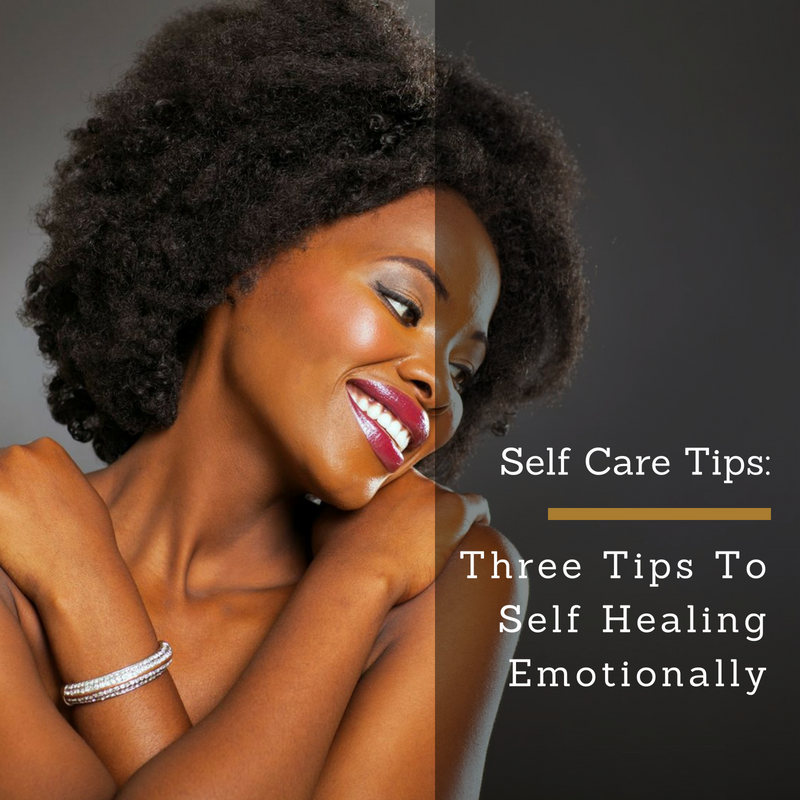
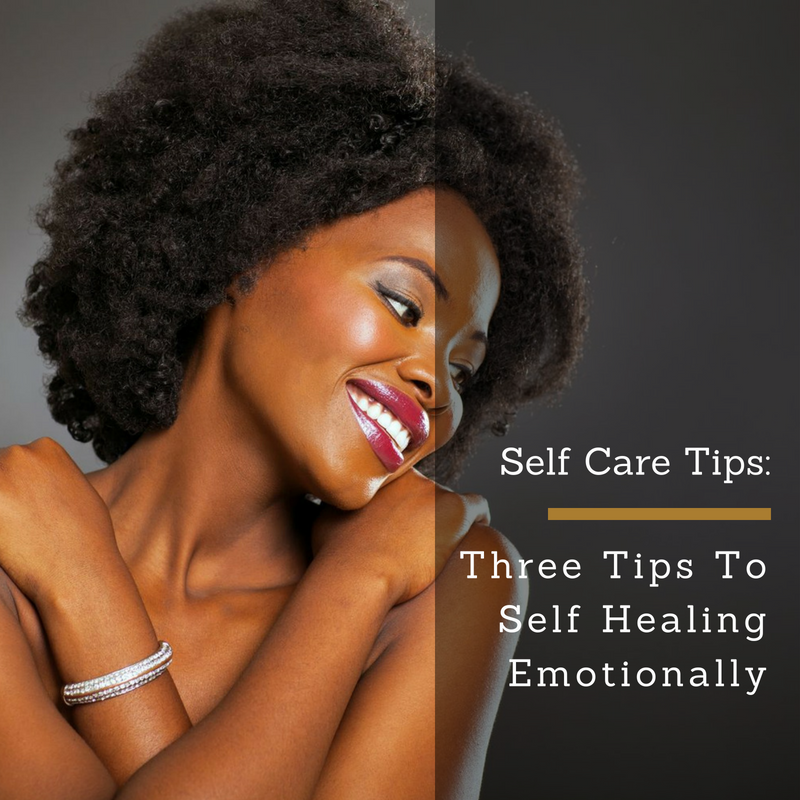
Self Care Tips: 3 Tips To Self Healing Emotionally
Self healing and dealing with your emotions is critical to your state of happiness! Here are 3 self care Tips To Self-Healing Emotionally!

By Alyssa Cole
1. Let Go of Your Fear Of Rejection
We are human and no we don't enjoy getting hurt feelings by people people we like, however, don't let your fear or rejection be the reason you don't take chances to express how you feel about someone. If it doesn't work out, you have to tell yourself everything happens for a reason and that better things are coming your way! Start letting go of fear!
SEE ALSO: Learning Lessons In Patience and Accountability
2. Stop Reminiscing
I'm guilty of this one myself! We all have that one person who we think about from time and time and then you find yourself in your feelings and you start to think what if, if we can work it out, and eventually we make things worse! As challenging as this one is, it's important to remind yourself that thinking about past good times can cause emotional distress. It can create mental stress and emotional stress without you even realizing it. Did you know that?! So let's focus on the present now and keep moving forward past the old times.
>> SEE ALSO: The Spectacle Of Self-Love: A Radical Approach To Self-Love And Appreciation

3. Failure Is The Key To Success
For some, failing has a huge impact on their pride and self-esteem, and that is not something you want to go through. Your self esteem is important daily and you want to keep it up as high as you can to avoid feeling sorry for yourself because this is what causes depression. Practice flipping failure into success by saying positive affirmations like this "I know I didn't do so good on that test but I'll study harder next time so I can do better." Doesn't that sound better than "I failed this test, I'm stupid." Yes, it sounds wayy better! Constantly flip your failures into success and you'll notice a major difference in your self confidence and self-esteem.
These 3 Tips will help you get that much closer to being where you want to be emotionally!
>> SEE ALSO: Mastering Forgiveness: Letting Go of Past Grudges
THIS ARTICLE IS RELATED TO: healing emotional wounds, emotional health, healing woman, emotionally strong woman, healthy woman, stress free life
YOU MAY ALSO BE INTERESTED IN:
Meet Alyssa Cole, contributing writer to 247 Live Culture!