

Don’t Save Me. See Me
Many young Black adults aren’t asking to be saved—they simply want to be seen, held, and acknowledged for their quiet healing, emotional resilience, and everyday survival. We discuss it here!

Photo Credit: visualspace via iStockPhoto.com
By: Jamila Gomez
There’s a difference between needing help and needing to be witnessed. A lot of us—especially young Black adults—aren’t out here begging to be saved. We’re not waiting for someone to swoop in and rescue us. We’ve learned how to survive. How to patch ourselves up. How to smile when we’re breaking. What we want—what we deserve—is to be seen.
To be seen in the moments when we’re holding it together with frayed threads. To be seen in the spaces where we’re healing, even if the healing is slow, messy, or invisible to everyone else. We don’t need anyone to tell us how to fix our lives—we’ve had enough advice. What we need is someone who can hold space for us without trying to change us. Someone who sees the effort beneath the silence. Someone who can look past the performance and say, “I know it took everything for you to show up today. I see that.”
Too often, we feel like we have to earn our worth through productivity or perfection. That if we’re not thriving, we’re failing. That if we’re not performing joy, we’re a burden. So we shrink. We smile. We keep going. But inside, we’re just wishing someone would notice. Not to fix us. Just to acknowledge the weight we carry.
This is especially true when you’re doing inner work that no one can see. Healing childhood wounds. Breaking cycles. Choosing peace over chaos. Setting boundaries. Unlearning how to abandon yourself. That kind of work doesn’t come with applause. But it deserves recognition. And even if no one around you is clapping for your quiet transformation, it doesn’t mean it’s not real.
So if you’ve been showing up for yourself in ways that no one knows about—if you’ve been choosing to stay, choosing to try, choosing to keep breathing when it would’ve been easier to shut down—that matters. You matter.
You don’t need to be rescued. You’ve already made it through things that were meant to break you. What you need—what we all need—is to be reminded that our becoming is valid, even when it’s unseen.
You don’t want to be saved. You just want to be seen. And you are.

YOU MAY ALSO BE INTERESTED IN:




SHARE TO SOCIAL MEDIA
How to Hold Grief and Gratitude at the Same Time
Explore how grief and gratitude can coexist in the Black experience, revealing the healing power of embracing both pain and thankfulness in everyday life. We discuss it here!

Photo Credit: AaronAmat via iStockPhoto.com
By: Jamila Gomez
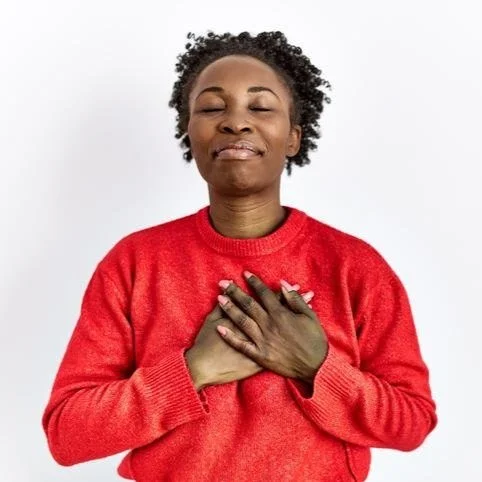
Grief and gratitude seem like emotional opposites. One cracks you open. The other grounds you. One is heavy, hard, and hollow. The other feels light, warm, and full. But the truth is, they often show up together — especially in the Black community, where we’ve had to become experts in holding contradictions.
We laugh at funerals. We sing through sorrow. We keep going, even when our hearts are breaking.
Grief and gratitude don’t cancel each other out — they exist side by side in the same breath.
Maybe you’re mourning a loved one but grateful you got to know them at all.
Maybe you’re grieving a version of yourself you had to let go of, while still being thankful for how far you’ve come.
Maybe life feels unfair right now, and yet you still find yourself smiling at the sky, or saying “thank you” in the quiet.
This is what it means to be human — to be Black — to be alive in a world that doesn’t always make sense but still holds moments of softness.
The trick isn’t choosing between grief and gratitude. The real healing starts when you give yourself permission to feel both — without guilt.
You’re allowed to cry and still appreciate the love that was real.
You’re allowed to miss someone deeply and still move forward with joy.
You’re allowed to say, “This hurts” and also say, “I’m thankful for what it gave me.”
In our culture, we’re often taught to be either broken or blessed. But we’re both. We’re layered. We carry sorrow in one hand and survival in the other.
So how do you hold them both?
Start small.
Say thank you for the little things, even on the hard days.
Make space to honor your grief — not fix it, not rush it, just witness it.
And when joy shows up — in laughter, in food, in sunlight on your skin — let it in. Don’t push it away just because you’re still hurting.
There is no right way to grieve. There is no perfect time to feel grateful. There is only the truth of what you’re holding right now — and the courage to hold it with care.
You don’t have to be all healed to be thankful.
You don’t have to be joyful every day to honor your blessings.
You are allowed to be both hurting and healing — grieving and grateful.
Both can be true. And both can lead you home.
YOU MAY ALSO BE INTERESTED IN:
SHARE TO SOCIAL MEDIA

Do We Really Want Healing or Just the Aesthetic of It?
Real healing goes beyond self-care aesthetics, asking us to confront pain, set boundaries, and do the inner work needed for true growth and emotional freedom, especially in the Black community. We discuss it here!
Photo Credit: Jacob Wackerhausen via iStockPhoto.com
By: Jamila Gomez
Healing is trending. You see it in soft pastel quote graphics, in perfectly curated self-care routines, in caption-ready declarations of “choosing peace.” We post about protecting our energy, cutting off toxic people, and living in our soft girl era — but sometimes, behind the scenes, we’re still raw, reactive, and unsure how to actually feel better. It’s fair to ask: do we really want healing, or just the look of it?
This isn’t shade — it’s a real reflection on how the world around us has commercialized a deeply personal journey. The aesthetic of healing is easier to digest. It’s polished. It’s Instagrammable. It gives us the illusion of growth, even if nothing’s actually changing beneath the surface. But real healing? It’s uncomfortable. It’s messy. It’s private. Sometimes it looks like crying in your car, losing friends, setting boundaries that make people mad, or admitting you’re not okay.
In the Black community especially, we’re carrying generations of pain. And when we finally get the language to name what we’ve been through — “trauma,” “attachment wounds,” “inner child work” — it can feel empowering. But language isn’t the same as liberation. Naming the pain is only the beginning. Doing the work? That’s the part that doesn’t always make it to the timeline.
Healing requires us to look at ourselves honestly — not just the ways we’ve been hurt, but the ways we hurt others. It asks us to slow down when we’ve been conditioned to grind. It asks us to forgive, sometimes without closure. It challenges us to feel our feelings instead of numbing them with distractions. And most of all, it asks us to commit — even when there’s no applause for our progress.
This doesn’t mean we can’t enjoy the aesthetics. Light a candle, run that bath, journal in your matching loungewear — if it brings you comfort, do it. But let’s not confuse rituals with repair. The goal isn’t to look like we’re healing. The goal is to live in a way that’s rooted in truth, self-awareness, and growth — even when it’s not pretty.
So the next time we talk about healing, let’s make space for the full picture. Not just the quotes and the crystals, but the inner work that takes courage. Because real healing isn’t always cute — but it is freeing. And we deserve that freedom more than we deserve the aesthetic.
YOU MAY ALSO BE INTERESTED IN:
SHARE TO SOCIAL MEDIA

Who Heals the Healer?
Explore the emotional weight of being the "therapist friend" and why those who hold space for others also deserve rest, support, and healing. We discuss it here!
Photo Credit: Delmaine Donson via iStockPhoto.com
By: Jamila Gomez
You’re the one they call when everything falls apart. The one with the calm voice, the right words, the emotional clarity. You’ve helped friends leave toxic relationships, walked them through panic attacks, stayed up late dissecting family trauma and patterns. You’re the safe space. The “therapist friend.”
But what happens when you’re the one unraveling — quietly, invisibly, with no one to hold space for you the way you do for everyone else?
There’s an unspoken pressure that comes with being the emotionally mature one in the group. People start to expect you to have it all together. You become their mirror, their compass, their relief. But inside, you might be exhausted. Resentful. Avoiding your own healing because helping others feels easier — or at least more immediately rewarding.
Many of us learned early that being useful kept us safe. We became the fixer, the listener, the emotional translator in our families. That skill followed us into adulthood, and now we wear it like a badge — even when it’s suffocating. Even when we haven’t had a chance to deal with our own grief, anxiety, fear of abandonment, or burnout.
And the truth is, you can be wise and wounded at the same time. You can give great advice and still struggle to follow it. You can understand boundaries and still have trouble enforcing them. Holding space for others doesn’t mean you’re healed — it just means you’ve learned how to survive while holding pain quietly.
This isn’t about shame. It’s about honesty. You deserve more than being the emotional backbone for everyone else while you’re left holding your own weight in silence. You deserve support, too. Validation. A place to lay your burdens down without needing to explain yourself first.
So here’s a gentle reminder:
You don’t have to earn your worth by being the strong one.
You’re allowed to take off the healer hat and just be human.
You don’t owe anyone 24/7 emotional availability — not even your closest people.
If this is you, consider what replenishes you. Who pours back into you? What would it look like to say, “I don’t have it in me today,” and let that be enough?
Being the therapist friend is beautiful. But so is being the one who rests, who receives, who remembers they’re allowed to need care too. You’re not just a resource. You’re a whole person. Start treating yourself like it.
YOU MAY ALSO BE INTERESTED IN:
SHARE TO SOCIAL MEDIA
How to Love Someone Who Suffers from Anxiety or Depression
Supporting a loved one with anxiety or depression means listening without judgment, offering consistent care, encouraging professional help, and educating yourself about mental health—especially within the Black community. We discuss it here!

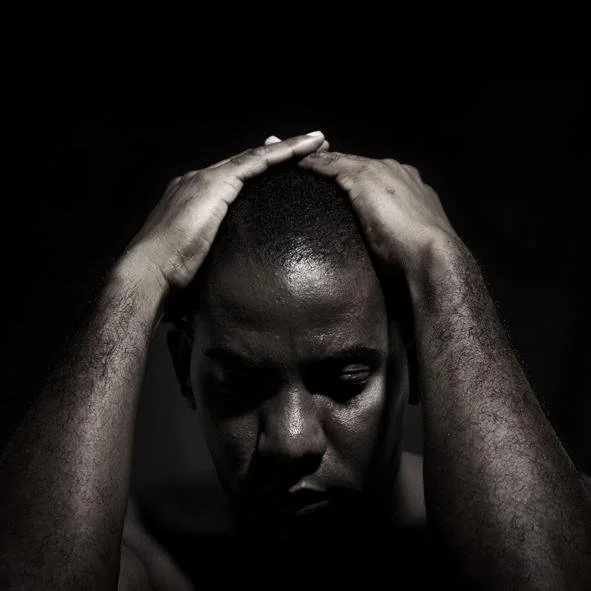
Photo Credit: rgbspace via iStockPhoto.com
By: Jamila Gomez
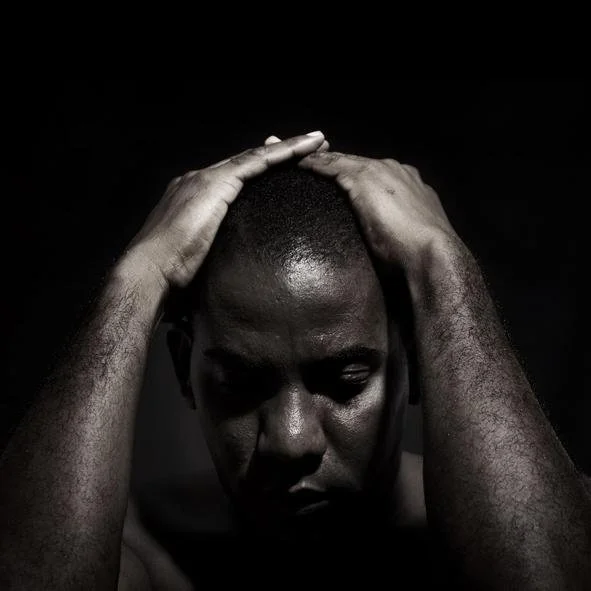
In our community, we often hear phrases like “pray about it,” “be strong,” or “you’ll be fine” when it comes to mental health. But the truth is, anxiety and depression are real, heavy burdens that don’t disappear overnight — and sometimes, our loved ones are fighting silent battles we can’t see. If someone you care about is struggling, knowing how to show up for them with love, patience, and understanding can make all the difference.
1. Listen Without Judgment
One of the most powerful things you can do is simply listen. A lot of us grew up in households where feelings weren’t always talked about, so when someone opens up about their mental health, it’s not easy. Let them speak their truth without jumping to fix, lecture, or minimize their experience. Sometimes, they don’t need answers — they need to feel heard and seen.
2. Educate Yourself About Mental Health
Anxiety and depression don’t always look like sadness or panic attacks. Sometimes, it looks like isolation, irritability, fatigue, or even overworking to avoid feelings. Take time to learn about how these conditions show up, especially in Black folks who often carry the extra weight of systemic stress and cultural expectations to “keep it together.”
3. Offer Real Support — Not Just Words
Saying “I’m here if you need me” is a beautiful sentiment, but actions speak louder. Offer to sit with them, check in regularly, or help with small tasks like errands or cooking. Depression and anxiety can make even basic things feel overwhelming. Your presence and consistency remind them they’re not alone.
4. Be Patient With Their Healing
Mental health struggles don’t have a timeline. There will be good days and bad days. Your loved one may cancel plans, withdraw, or seem distant — try not to take it personally. Healing isn’t linear, and your understanding gives them the space to breathe without added pressure.
5. Encourage Professional Help — Without Shame
In the Black community, therapy has sometimes carried stigma, but it’s crucial to remind your loved one that getting help is a form of strength, not weakness. Encourage them to talk to a professional when they’re ready, and if they’re open to it, help them find a culturally competent therapist who understands the nuances of Black mental health.
6. Protect Your Own Energy, Too
Loving someone with anxiety or depression requires empathy, but it’s also important to care for yourself. Set boundaries when you need to, and don’t be afraid to seek your own support as you walk alongside them.
At the end of the day, love is about showing up, even when the road is hard. Your presence, patience, and compassion could be the light that helps your loved one find their way back to themselves.
YOU MAY ALSO BE INTERESTED IN:
SHARE TO SOCIAL MEDIA

Stay the Course: Remember Why You Started
Reignite your passion and stay the course by reconnecting with your "why," overcoming setbacks, and pushing forward toward your dreams with resilience and purpose. We discuss it here!
Photo Credit: valentinrussanov via iStockPhoto.com
By: Jamila Gomez
Life has a funny way of testing you when you’re chasing a dream. That passion that once lit a fire in your soul can sometimes feel like a burden when challenges come knocking. The excitement you had when you started can fade under the weight of doubt, exhaustion, and the pressure to make things happen—especially in a world where Black excellence is expected to be twice as good just to be considered enough.
But let’s pause for a second.
Think back to why you started. What was the vision that kept you up at night? What was the dream that made you step out in faith, despite the odds? That fire you felt in the beginning is still there—it’s just waiting for you to fan the flames again.
The Weight of the Journey
Let’s be real: sometimes the journey is heavier than expected. Maybe you launched your business, but the sales aren’t rolling in the way you hoped. Maybe you started school, but the workload is pushing you to your limit. Maybe you set out to create change in your community, but the resistance has you wondering if it’s even worth it.
We’ve all been there.
The pressure, the setbacks, the moments of doubt—it’s easy to lose sight of the original vision when you’re knee-deep in the process. But don’t let temporary obstacles make you forget the long-term goal. You didn’t start just to quit.
Reconnect with Your “Why”
When the road gets tough, it’s time to ground yourself in your “why.”
• Remember who you’re doing it for. Is it for the little kid who looks up to you? The ancestors who paved the way? The future generations who deserve to see what’s possible?
• Revisit the passion. What made you excited in the first place? Sometimes, stepping away from the grind to reflect can reignite that passion.
• Acknowledge your progress. You may not be where you want to be yet, but you’re not where you started either. Celebrate the wins, no matter how small.
Keep Going—Your Future Self is Counting on You
Success isn’t about avoiding obstacles—it’s about pushing through them. Every great Black entrepreneur, artist, activist, and leader we admire had moments where they wanted to quit. But they didn’t. They kept showing up, pushing forward, and staying the course.
And now it’s your turn.
So take a deep breath, straighten your crown, and remind yourself: You are capable. You are worthy. And you didn’t come this far just to come this far. Keep going.
YOU MAY ALSO BE INTERESTED IN:
SHARE TO SOCIAL MEDIA
Black Burnout Is Different
Black burnout goes beyond workplace exhaustion—it's cultural fatigue, emotional trauma, and the relentless pressure to perform, making rest and systemic change essential for healing. We discuss it here!
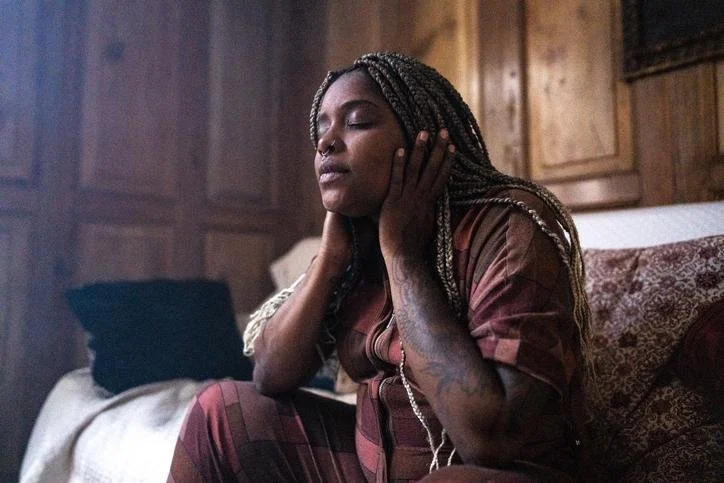
Photo Credit: FG Trade
By: Jamila Gomez
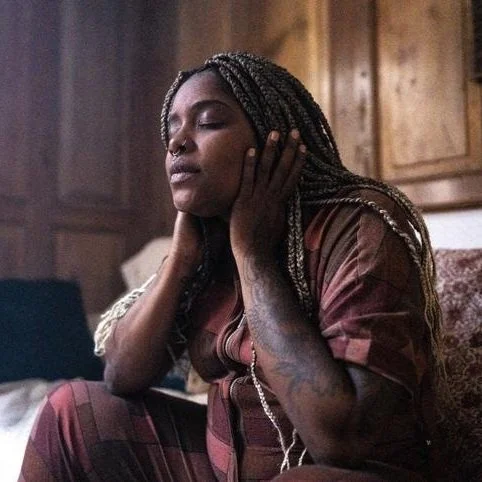
Burnout is a buzzword now—plastered across social media, dissected in think pieces, and casually mentioned in Zoom calls like an annoying guest who refuses to leave. Everyone is exhausted. Everyone is overworked. Everyone is running on fumes. But for Black folks, burnout hits different. It’s not just the exhaustion of too many emails, back-to-back meetings, or an ever-growing to-do list. Black burnout is cultural exhaustion. It is the slow erosion of self in a world that demands your labor, your resilience, and your silence while offering little in return.
The Weight of Representation
For many Black professionals, simply existing in predominantly white spaces is a full-time job. We are expected to be excellent—flawless, really—because mediocrity isn’t an option when you’re “the only” or “one of the few.” Black burnout comes from the constant weight of having to represent an entire race in boardrooms, classrooms, and workplaces where our presence is still treated like a diversity initiative instead of a given.
It’s the extra work of translating, softening, and managing how we are perceived. The pressure to be twice as good for half as much is not just a phrase—it’s an inherited survival tactic passed down from ancestors who knew that one mistake could mean losing everything. That kind of vigilance takes a toll. It eats at the psyche, drains the spirit, and leaves no room for rest.
The Trauma of Witnessing
Black burnout is also tied to what we see and cannot unsee. It’s the ceaseless exposure to racial violence—both historical and present-day—without reprieve. It’s the videos that circulate before we have a chance to opt out, the breaking news alerts that remind us that justice remains a moving target, the performative allyship that flares up and fades just as quickly.
Imagine trying to focus on work while mourning yet another life lost to police brutality. Imagine carrying centuries of generational trauma while expected to smile on a Zoom call. Imagine being told to “take care of yourself” in the same breath that your concerns about systemic racism are dismissed. Black burnout is this contradiction in motion—the expectation to function at full capacity while enduring emotional devastation.
The Cost of Resilience
The world loves Black resilience. It loves our ability to endure, to thrive in the face of adversity, to turn pain into poetry, music, and culture. But resilience is often mistaken for an infinite resource, as if we don’t need rest, care, or protection. The truth is, we are exhausted from being resilient.
Resilience, in the way it is expected of us, is not empowerment—it is extraction. It is the expectation that we will keep pushing forward no matter what, that we will keep showing up, keep leading, keep teaching, keep explaining, keep forgiving, keep doing the work. But what happens when we can’t? What happens when we won’t?
Reclaiming Rest as Resistance
Rest is a radical act for Black people. To rest is to reject the grind culture that was never meant to serve us. To rest is to refuse the idea that we must earn our humanity through endless labor. To rest is to reclaim time, joy, and self-worth from a world that tries to steal them.
Black burnout will not be solved by yoga, deep breathing, or self-care Sundays alone—though those things help. It requires systemic change. It requires workplaces that truly invest in Black employees, not just during Black History Month, but in the policies and culture that shape their daily experiences. It requires a world where Black life is valued, protected, and allowed to flourish beyond survival.
Until then, we must prioritize our own well-being, not as an afterthought but as a necessity. We must give ourselves permission to rest, to disengage, to demand more, and to say no. Because Black burnout is different. And so is the way we must heal from it.
YOU MAY ALSO BE INTERESTED IN:
SHARE TO SOCIAL MEDIA

Honoring Ourselves: Celebrating Black History in 2025 and Beyond
Celebrating Black history daily through storytelling, economic empowerment, political engagement, mental health, and Black joy is essential to our resilience. We discuss it here!
Photo Credit: yurakrasil via Adobe Stock
By: Jamila Gomez
In the face of ongoing efforts to erase Black history from textbooks, public discourse, and policy, it is more important than ever for Black people to actively celebrate themselves—not just in February, but every single day. Black history is American history, and despite the challenges posed by the current political climate, we must continue to uplift our stories, honor our ancestors, and celebrate our contributions to society. Here’s how we can do just that in 2025 and for the next four years.
1. Control the Narrative
If they won’t teach our history, we will. Invest time in learning and sharing Black history through books, documentaries, podcasts, and oral storytelling. Read works by Black scholars like Carter G. Woodson, bell hooks, and Ibram X. Kendi. Start community book clubs or host teach-ins at churches, barbershops, and online spaces to educate one another.
2. Support Black-Owned Businesses
Economic empowerment is a revolutionary act. Make a conscious effort to support Black entrepreneurs, from restaurants and bookstores to fashion designers and tech startups. Apps like WeBuyBlack and Official Black Wall Street can help you find businesses that deserve your dollars.
3. Elevate Black Art and Culture
From the Harlem Renaissance to Afrofuturism, Black artistry has always been a vehicle for resistance and joy. Attend Black theater productions, concerts, and museum exhibits. Share and celebrate Black literature, film, and music on social media. Even hosting a movie night with films like The Woman King, Black Panther, or Selma is a way to affirm our stories.
4. Get Politically Engaged
Attempts to erase Black history are deeply tied to efforts to suppress Black political power. Stay informed about policies that affect Black communities and vote in every election. Support grassroots organizations fighting for racial justice, and consider running for local office or joining advocacy groups that challenge harmful policies.
5. Prioritize Black Mental Health and Wellness
Resistance is exhausting, but self-care is revolutionary. Whether it’s therapy, yoga, meditation, or simply resting without guilt, taking care of yourself is vital. Follow Black wellness advocates and engage in practices that nourish your body and mind.
6. Teach the Next Generation
If they’re trying to keep Black history out of schools, we must ensure our children still learn it. Create home libraries filled with Black literature, enroll them in programs like Freedom Schools, and teach them about their heritage with pride.
7. Celebrate Each Other Daily
Black joy is resistance. Celebrate birthdays, achievements, and everyday moments with intentional love. Show appreciation for the people in your life, mentor young Black professionals, and support one another unapologetically.
No matter how hard they try to erase us, we are still here—thriving, creating, and shaping the future. Black History Month is every day, and our celebration is a testament to our resilience and power.
YOU MAY ALSO BE INTERESTED IN: