
247 Live Culture Launches “40 Under 40” Honoring the Next Generation of Black Innovators, Creatives, and Leaders
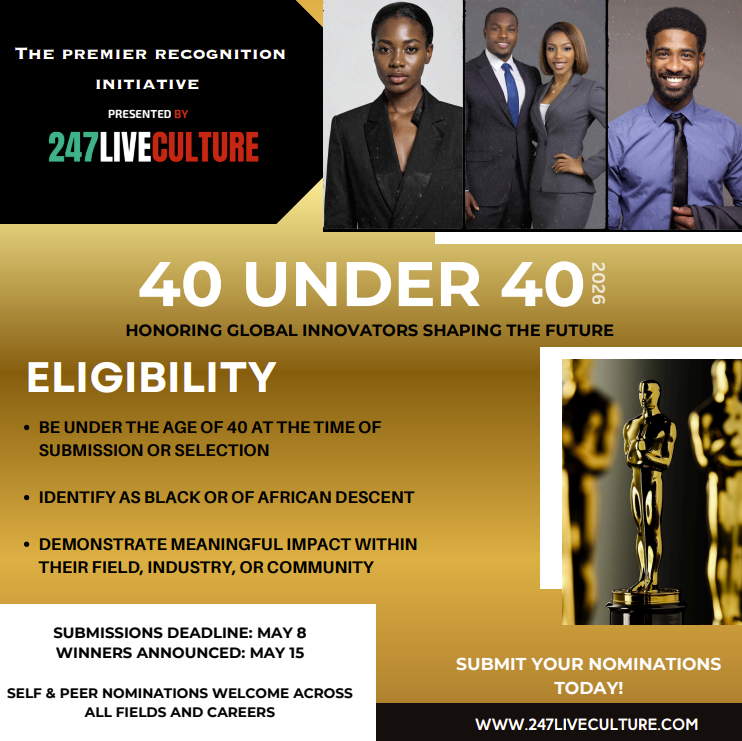
247 Live Culture is proud to announce the official launch of its inaugural 40 Under 40: Global Innovators Shaping the Future List, a premier recognition honoring Black innovators under 40 who are transforming industries, uplifting communities, and shaping the future worldwide! Submissions open now!

40 Under 40: Global Innovators Shaping the Future
By: Vianca Mireya
LOS ANGELES, CA — 247 Live Culture is proud to announce the official launch of its inaugural “40 Under 40: Global Innovators Shaping the Future”! This list is a premier recognition initiative dedicated to celebrating 40 exceptional Black innovators, creatives, entrepreneurs, and leaders under the age of 40 who are actively transforming industries, uplifting communities, and shaping the future on a global scale.
Submissions are now officially open and will be accepted through May 8. The official list will be released on May 15.
A Platform Built for This Moment
From business and entertainment to technology, community activism, and beyond, this highly anticipated recognition list will spotlight individuals who are not only excelling in their respective fields, but actively shaping culture, driving real change, and inspiring the next wave of global leadership.
“This initiative reflects our continued commitment to elevating Black excellence, amplifying powerful voices, and building platforms that celebrate culture, leadership, and legacy. The world needs to know who these difference-makers are.”
Eligibility Criteria
The 247 Live Culture 40 Under 40 is open to global submissions. To be considered, nominees
must:
Be under the age of 40 at the time of submission or selection
Identify as Black / of African descent
Have demonstrated meaningful impact within their field, industry, or community
This is a global recognition open to Black innovators and leaders from every corner of the world.
How Honorees Are Selected
All submissions will be evaluated across five core pillars of excellence:
Impact – Demonstrated influence on community, industry, or culture through meaningful contributions and measurable outcomes
Innovation – Introduction of new ideas, approaches, or solutions that challenge the status quo and drive progress
Leadership – Ability to lead, inspire, and positively influence others through vision, action, and integrity
Achievements – Notable accomplishments, awards, milestones, and recognition within their field or beyond
Influence – Reach and relevance across platforms, communities, and culture, including the ability to shape conversations and inspire change
How to Submit
Nominees and applicants are encouraged to submit the following via submission form or email to contact@247liveculture.com:
A professional bio outlining who they are
A detailed list of accomplishments, achievements, and notable contributions
A summary of the impactful work they are currently doing within their community and/or
industry
A high-quality professional photo
Key Dates
Submission Deadline: May 8
Official List Release: May 15
Submit to: Submissions Linkor contact@247liveculture.com
About 247 Live Culture:
247 Live Culture is a leading Black media and entertainment company dedicated to elevating Black voices, culture, and achievement across all platforms. Through original content, recognition initiatives, and community-driven storytelling, 247 Live Culture continues to build the platforms that celebrate the depth and breadth of Black excellence worldwide.
YOU MAY ALSO BE INTERESTED IN:
SHARE TO SOCIAL MEDIA
7 Black Women in American History Who Changed the World
From fearless activists to groundbreaking leaders and cultural icons, these seven powerful Black women in American history highlight the courage, brilliance, and impact that helped shape the nation and continue to inspire generations today! We discuss it here!
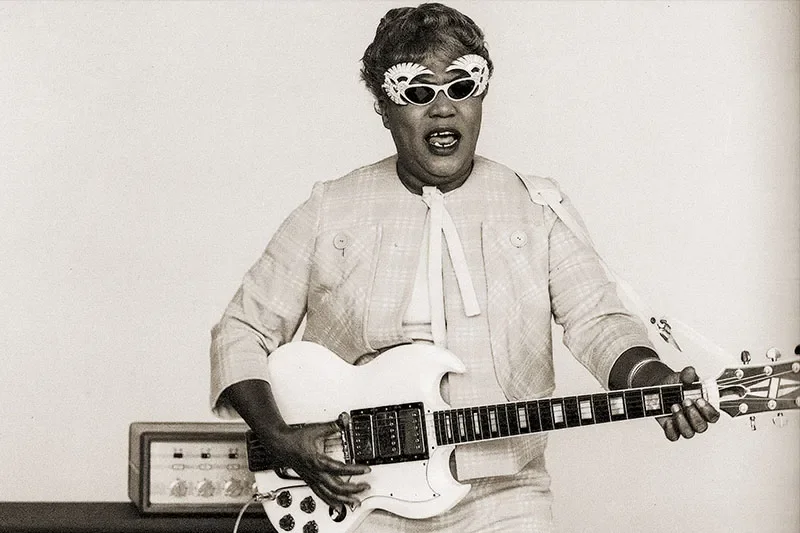
Sister Rosetta Tharpe
Credit: Hans Harzheim
By: Omar Cook
Black history is a living legacy of brilliance, courage, and transformation. At the heart of that legacy are Black women whose leadership, resilience, and vision have shaped the foundation of America as we know it today. Across generations, Black women have broken barriers in politics, civil rights, education, business, and culture, often without the recognition they deserved, yet with an undeniable impact that continues to influence the world at every level of society.
These women did more than rise to prominence. They challenged systems of oppression, redefined what was possible, and created pathways for future generations to walk boldly in their purpose. Through unwavering strength, intelligence, and fearless determination, they turned adversity into progress and purpose into power, becoming symbols of excellence and change.
In honor of their lasting influence, we’re celebrating seven iconic Black women whose contributions helped shape American history and continue to inspire greatness today.
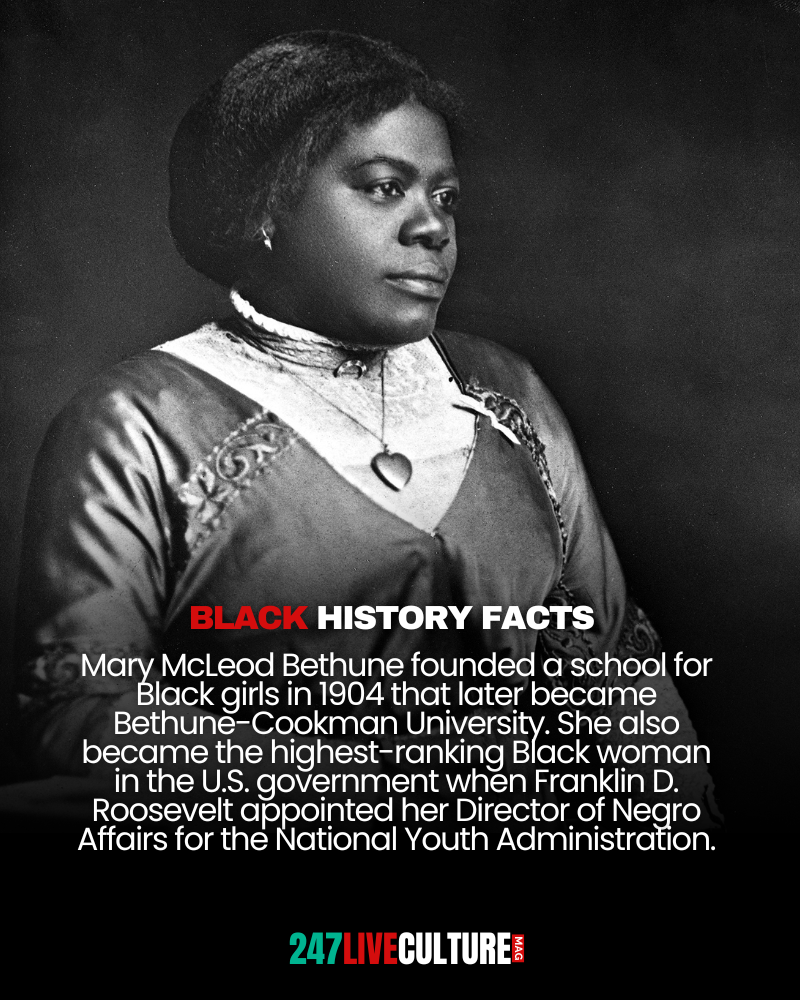
1. Mary McLeod Bethune
Mary McLeod Bethune founded a school for Black girls in 1904 that later became Bethune-Cookman University. She also became the highest-ranking Black woman in the U.S. government when Franklin D. Roosevelt appointed her Director of Negro Affairs for the National Youth Administration.
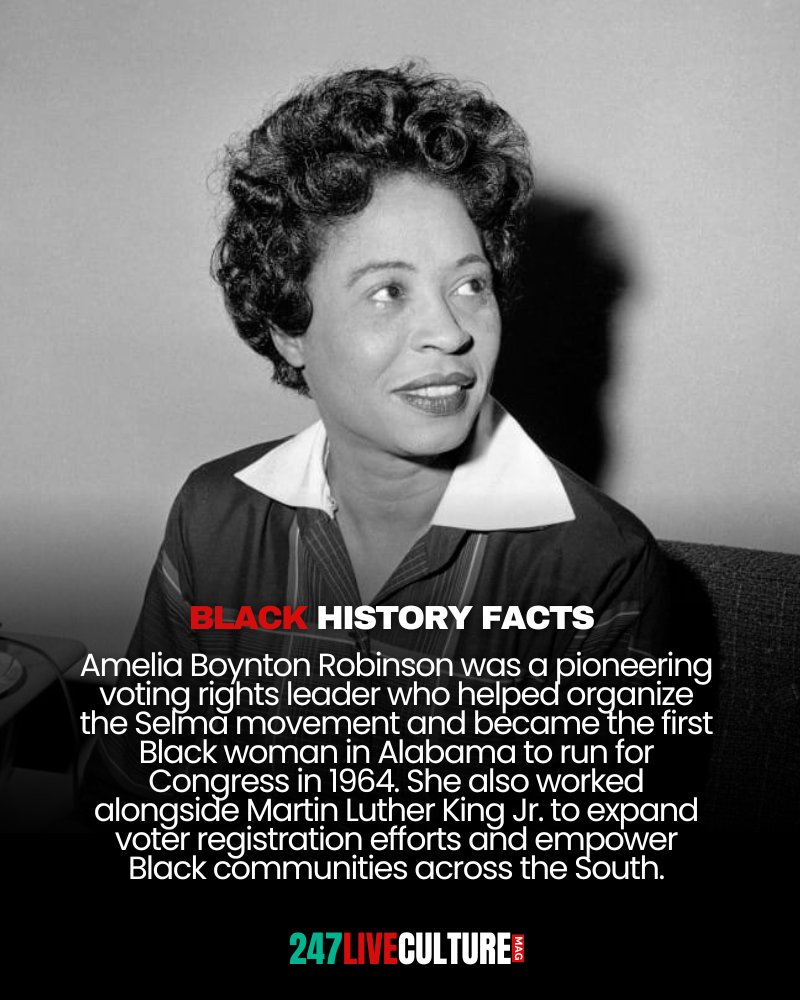
2. Amelia Boynton Robinson
Amelia Boynton Robinson was a pioneering voting rights leader who helped organize the Selma movement and became the first Black woman in Alabama to run for Congress in 1964. She also worked alongside Martin Luther King Jr. to expand voter registration efforts and empower Black communities across the South.
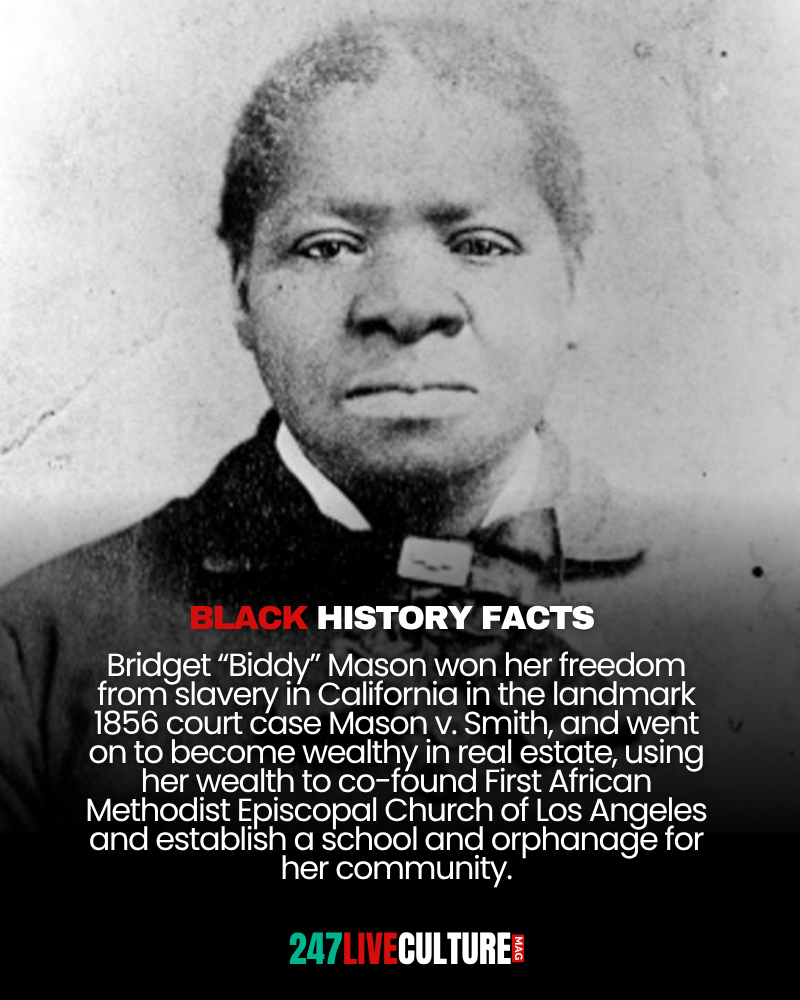
3. Bridget “Biddy” Mason
Bridget “Biddy” Mason won her freedom from slavery in California in the landmark 1856 court case Mason v. Smith, and went on to become wealthy in real estate, using her wealth to co-found First African Methodist Episcopal Church of Los Angeles and establish a school and orphanage for her community.
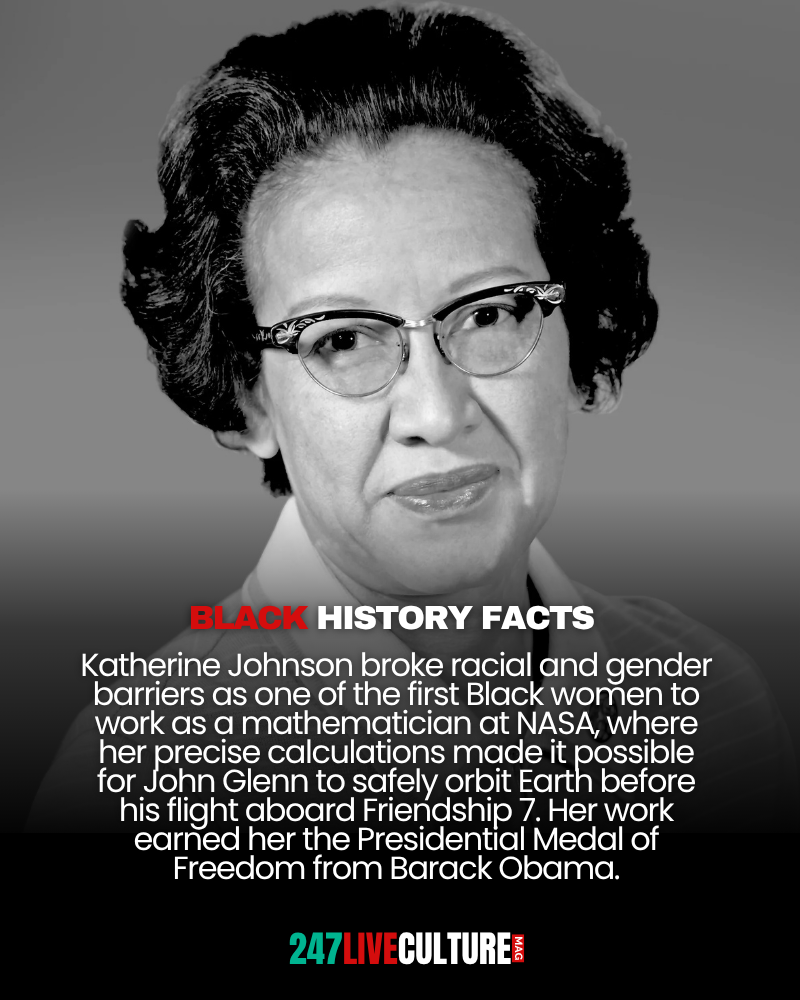
4. Katherine Johnson
Katherine Johnson broke racial and gender barriers as one of the first Black women to work as a mathematician at NASA, where her precise calculations made it possible for John Glenn to safely orbit Earth before his flight aboard Friendship 7. Her work earned her the Presidential Medal of Freedom from Barack Obama.
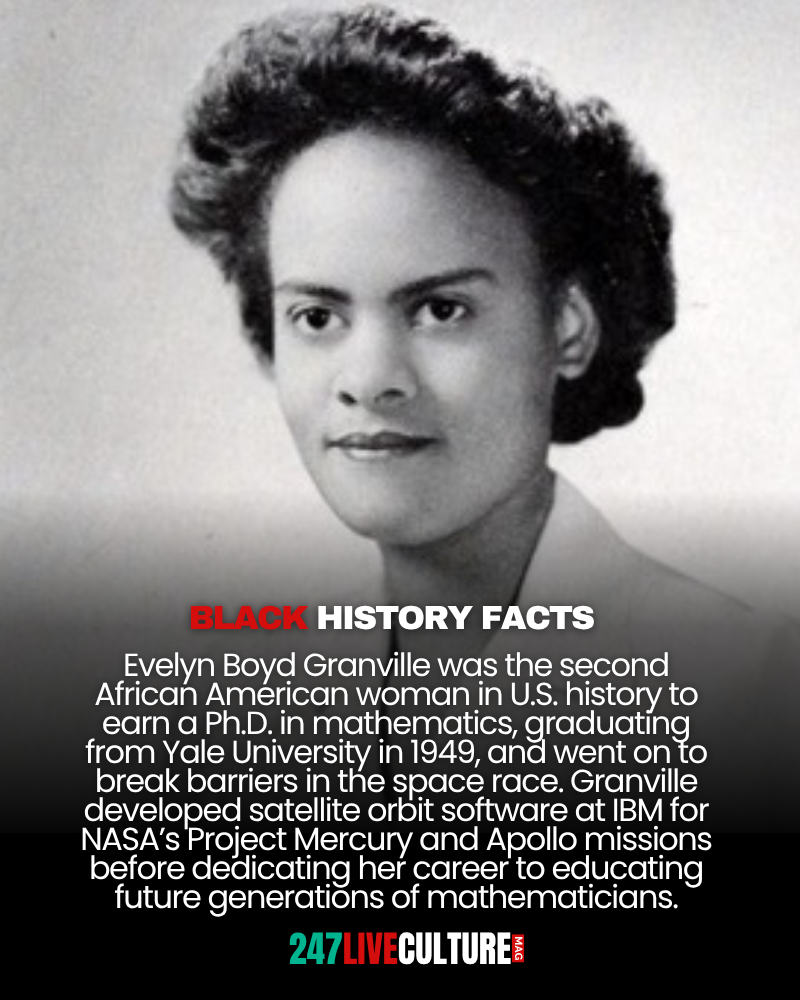
5. Evelyn Boyd Granville
Evelyn Boyd Granville was the second African American woman in U.S. history to earn a Ph.D. in mathematics, graduating from Yale University in 1949, and went on to break barriers in the space race. Granville developed satellite orbit software at IBM for NASA’s Project Mercury and Apollo missions before dedicating her career to educating future generations of mathematicians.
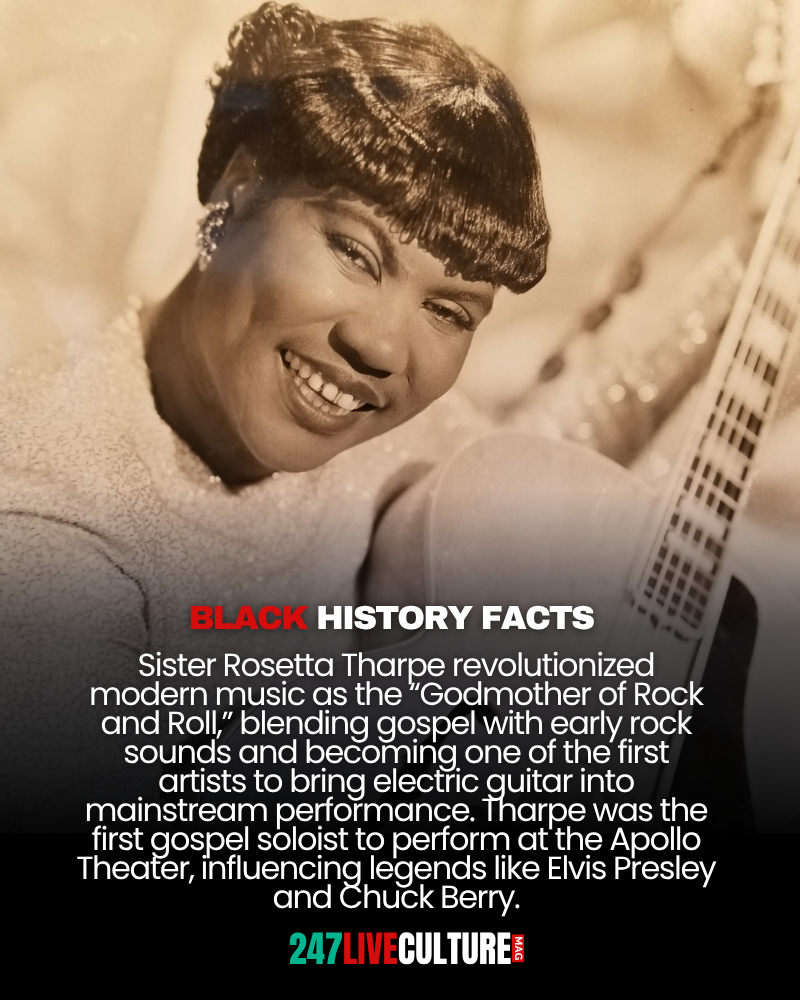
6. Sister Rosetta Tharpe
Sister Rosetta Tharpe revolutionized modern music as the “Godmother of Rock and Roll,” blending gospel with early rock sounds and becoming one of the first artists to bring electric guitar into mainstream performance. Tharpe was the first gospel soloist to perform at the Apollo Theater, influencing legends like Elvis Presley and Chuck Berry.
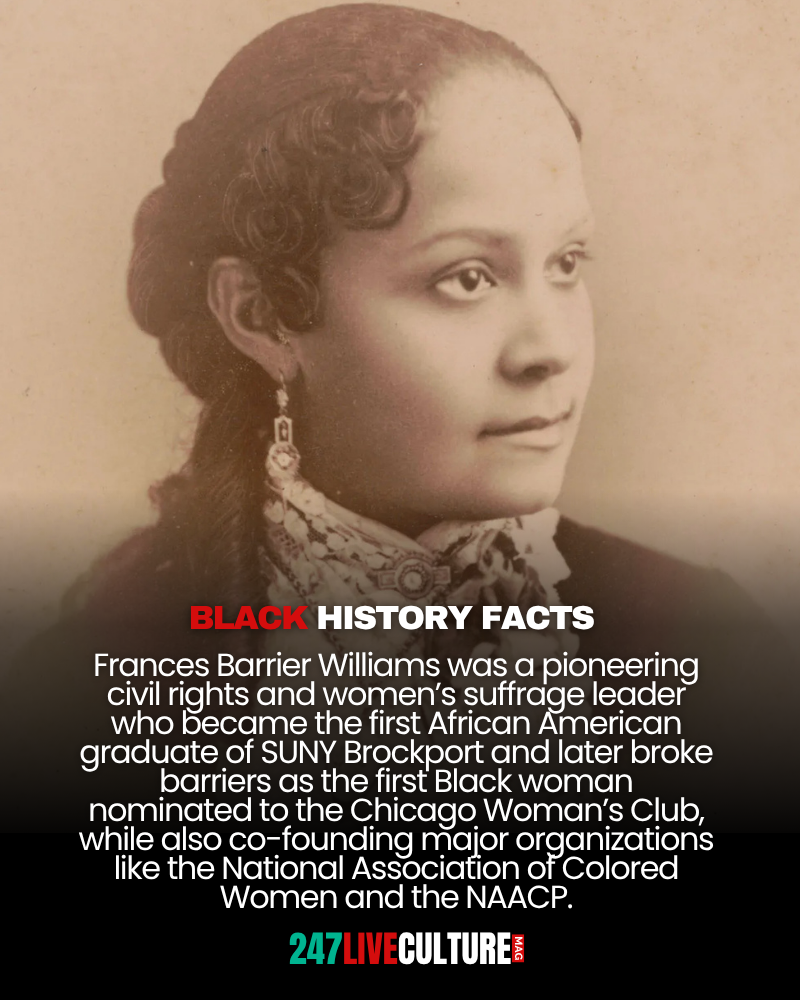
7. Frances Barrier Williams
Frances Barrier Williams was a pioneering civil rights and women’s suffrage leader who became the first African American graduate of SUNY Brockport and later broke barriers as the first Black woman nominated to the Chicago Woman’s Club, while also co-founding major organizations like the National Association of Colored Women and the NAACP.
YOU MAY ALSO BE INTERESTED IN:
SHARE TO SOCIAL MEDIA
Black Culture Is Not a Costume: The Truth About Cultural Appropriation
Blackness is often reduced to an aesthetic that can be imitated without consequence, but for those who live it, it is a constant, deeply rooted experience shaped by history, identity, and reality! We discuss it here!
Black Culture Is Not a Costume
Photo Credit: Edwin Tan via iStockPhoto.com
By: Jamila Gomez
There’s a difference between appreciation and performance, and somewhere along the line, that line has gotten blurry. Blackness has been reduced to an aesthetic—something to wear, imitate, remix, and discard. A look. A sound. A vibe. But Blackness is not a trend, and it’s not something you can step into for a moment and step out of when it’s no longer convenient.
Because for those who live it, there is no off switch.
What people often engage with is a curated version of Blackness. The slang that feels catchy. The style that feels bold. The confidence that reads as effortless. It gets packaged into something consumable, something people can try on to feel more expressive, more interesting, more “real.” But what’s missing from that version is the weight it carries. The history. The assumptions. The way it shapes how you’re seen before you ever open your mouth.
Blackness is lived in the body. It shows up in how you move through the world and how the world responds to you. It affects how you’re treated in rooms you didn’t design, how your tone is interpreted, how your presence is read. It is not just expression—it is experience. And that experience doesn’t pause when it becomes inconvenient or uncomfortable.
That’s where the difference lies.
There are people who can borrow from Blackness without carrying any of its consequences. They can adopt the language, the style, the energy, and still be granted the benefit of the doubt. They can be seen as edgy, creative, or bold, while the very people who originate those same expressions are labeled unprofessional, aggressive, or too much. What is praised on one body is penalized on another.
So when Blackness is treated like an aesthetic, something gets lost. It gets flattened into performance. It becomes something you can imitate without understanding, something you can enjoy without acknowledging. And in that flattening, the fullness of it—the culture, the history, the reality—gets stripped away.
This isn’t about gatekeeping. It’s about truth.
You cannot separate Black expression from Black existence. The style didn’t come from nowhere. The language didn’t form in a vacuum. The creativity people admire was shaped in specific conditions, within specific communities, often as a way to navigate, survive, and make meaning in a world that did not always make space for it.
To engage with Black culture without acknowledging that context is to reduce it. To treat it like a costume is to ignore the fact that, for some, it is not something you wear. It is something you are.
And when the moment passes, when the trend fades, when the aesthetic shifts—some people get to move on.
Others never had that option to begin with.

YOU MAY ALSO BE INTERESTED IN:
SHARE TO SOCIAL MEDIA
The Healing Power of Black Hair: Why Black Hair Is a Powerful Symbol of Identity and Self Love
For many Black women, the journey of caring for their hair goes far beyond beauty, becoming a powerful process of reclaiming identity, challenging historical beauty standards, and finding healing through self-acceptance and cultural connection! We discuss it here!
The Healing Power of Black Hair
Photo Credit: Delmaine Donson via iStockPhoto.com
By: Jamila Gomez
For many Black women, hair carries meaning that goes far beyond style. It holds memory, identity, culture, and sometimes even pain. The relationship between Black women and their hair is deeply layered, shaped by history and personal experience. Because of that, caring for hair can also become a form of healing.
Hair has long been tied to identity in Black communities. Before the transatlantic slave trade, many African cultures used hairstyles to communicate status, tribe, age, or marital position. Hair was art, language, and community all at once. Enslavement disrupted those traditions. Heads were often shaved, both for sanitation and as a way to strip people of cultural identity. That loss created a deep cultural rupture that still echoes today.
After slavery, pressure to conform to European beauty standards intensified. Straight hair became associated with professionalism, attractiveness, and social acceptance. For generations, Black women were taught—sometimes directly and sometimes subtly—that their natural hair was something to control, hide, or fix. Relaxers, hot combs, and chemical treatments became common tools not just for styling, but for survival in workplaces and schools where natural textures were often judged harshly.
Because of that history, hair can hold emotional weight. It is not simply about aesthetics. It can represent years of messaging about worth, belonging, and acceptance.
This is where healing begins.
When Black women start to redefine their relationship with their hair, they are often doing more than changing a hairstyle. They are challenging long-standing narratives about beauty and value. Choosing to wear natural curls, coils, braids, locs, or protective styles can be an act of self-acceptance. It is a way of saying that what grows naturally from the scalp is already worthy.
For many women, the natural hair journey becomes a period of rediscovery. Learning about curl patterns, moisture, and protective care reconnects people with their own bodies. What once felt like something to battle becomes something to understand.
Hair care routines can also create space for reflection. Wash days, detangling sessions, and styling rituals can be slow, intentional moments in an otherwise fast-moving world. These routines allow time to check in with oneself, breathe, and reconnect. The process becomes less about perfection and more about care.
There is also healing in community. Black hair care has always been a shared experience. Mothers doing their daughters’ hair, friends braiding each other’s hair, women exchanging product tips, or sitting together in salons. These moments create conversation, laughter, storytelling, and support.
The salon chair in particular has long functioned as more than a place for styling. It can be a space of honesty where women speak openly about life, relationships, work, and struggles. In those spaces, hair becomes the backdrop for emotional release and connection.
Healing also comes through visibility. When Black women wear their hair in ways that reflect their natural texture or cultural traditions, they expand the definition of beauty for others. Younger girls grow up seeing more possibilities. Representation shifts what is considered normal and acceptable.
This is part of why legislation like the CROWN Act has gained attention in recent years. Laws protecting natural hairstyles in workplaces and schools highlight just how serious the issue of hair discrimination has been. Protecting the right to wear natural hair affirms that cultural expression should not come with penalties.
Ultimately, the connection between hair and healing lies in reclaiming ownership. Black women deciding how to wear their hair, how to care for it, and how to define beauty on their own terms is a powerful shift.
Hair may grow from the scalp, but its meaning runs much deeper. For many Black women, tending to their hair is also a way of tending to themselves.
YOU MAY ALSO BE INTERESTED IN:
SHARE TO SOCIAL MEDIA
20 Black History Facts Celebrating Icons, Innovators, and Leaders
From groundbreaking innovators to fearless activists and cultural icons, these 20 powerful Black history facts celebrate the legends whose voices, talent, and courage helped shape the world and continue to inspire generations today! We discuss it here!
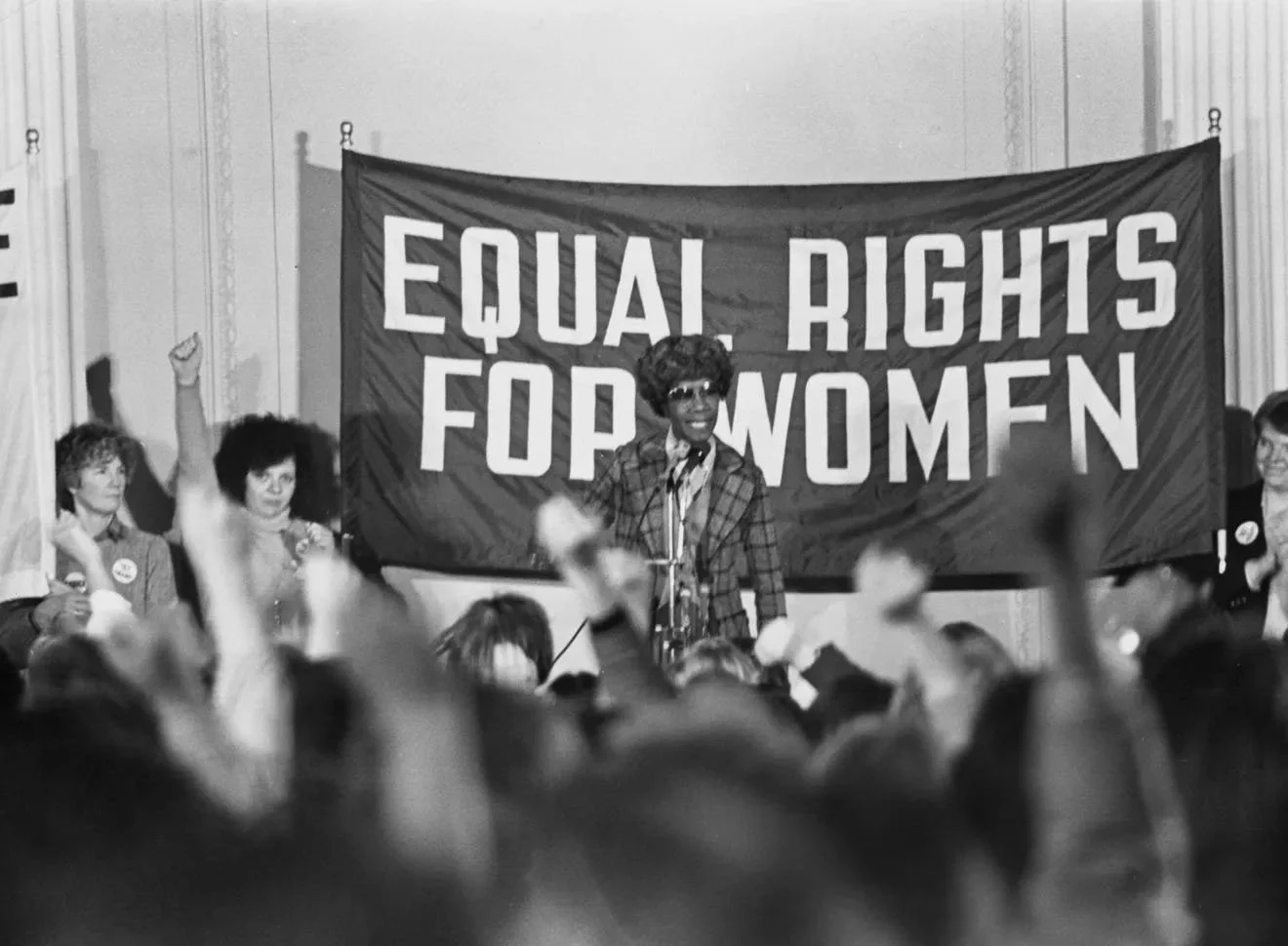
Shirley Chisholm Fought For Equal Rights For All Women
By: Omar Cook
Black history is a living legacy of brilliance, courage, and transformation. Across generations, Black innovators, activists, entertainers, and leaders have shaped the world in profound ways, leaving an undeniable mark on every major industry and influencing culture at the highest levels of society. From groundbreaking achievements in music, politics, science, and civil rights to cultural movements that changed the global conversation, Black voices have consistently carried power, vision, and purpose.
These trailblazers did more than succeed in their fields. They challenged injustice, inspired communities, and opened doors that once seemed permanently closed. Through talent, determination, and fearless leadership, they built legacies that continue to inspire generations past, present, and future.
In honor of that enduring impact, we’re celebrating some of the most iconic figures whose contributions helped shape the world we know today. Here are 20 Black History facts from legendary pioneers whose influence continues to uplift, educate, and inspire.
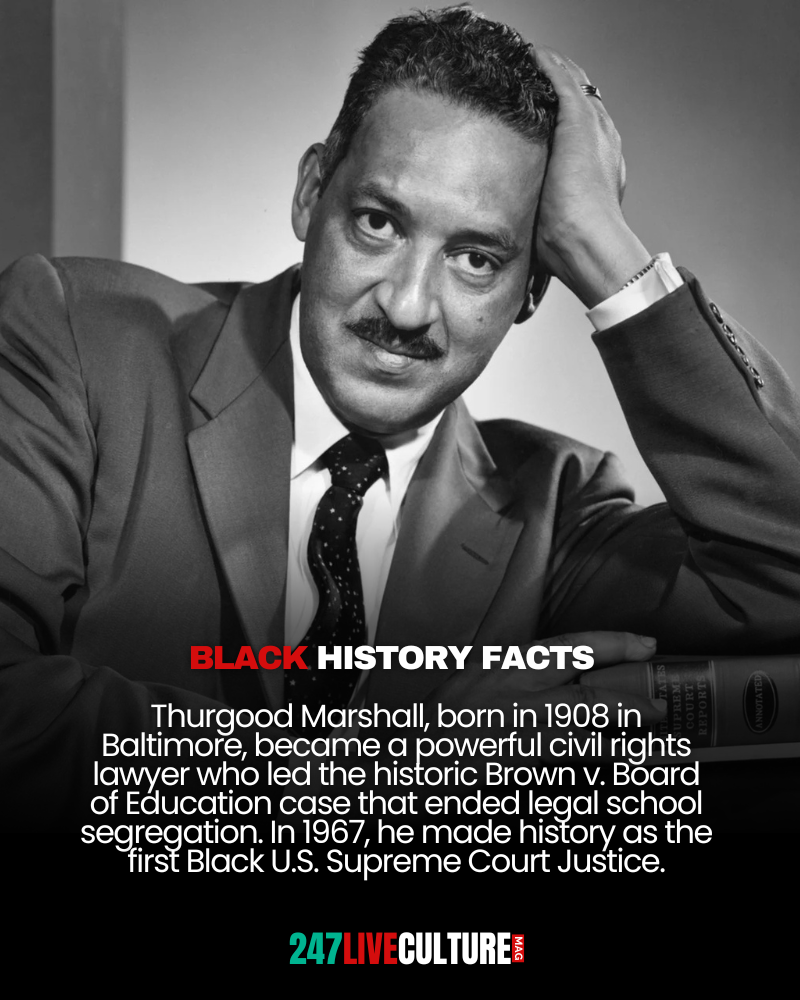
1. Thurgood Marshall
Thurgood Marshall, born in 1908 in Baltimore, became a powerful civil rights lawyer who led the historic Brown v. Board of Education case that ended legal school segregation. In 1967, he made history as the first Black U.S. Supreme Court Justice.
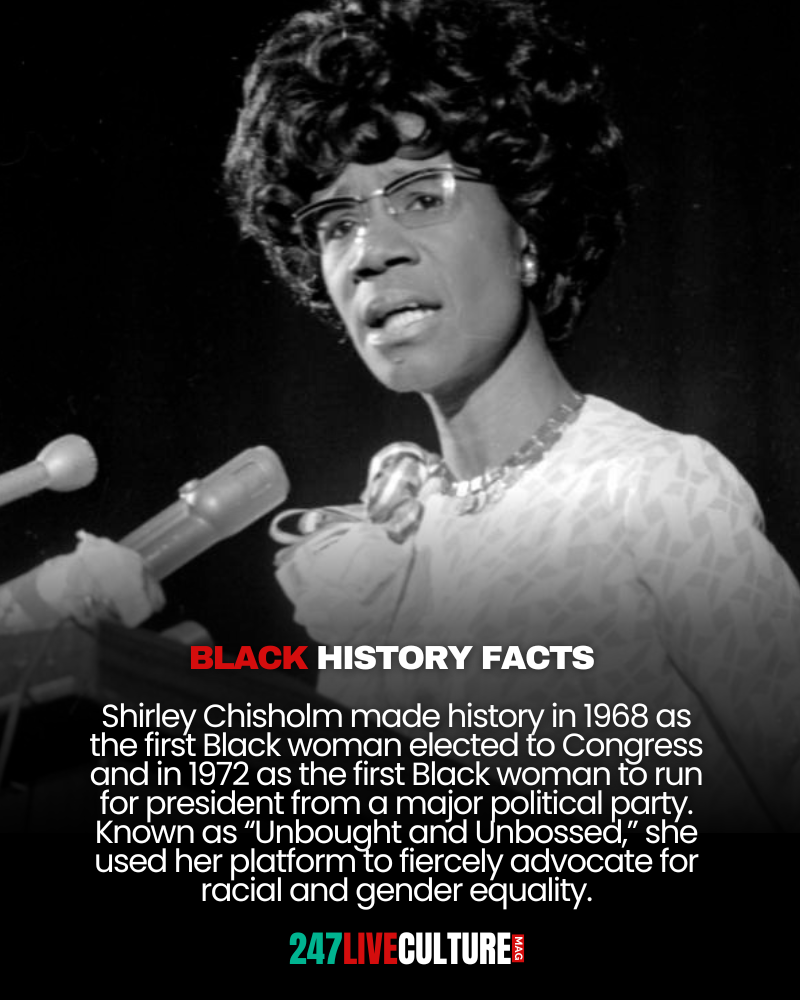
2. SHIRLEY CHISHOLM
Shirley Chisholm made history in 1968 as the first Black woman elected to Congress and in 1972 as the first Black woman to run for president from a major political party. Known as “Unbought and Unbossed,” she used her platform to fiercely advocate for racial and gender equality.
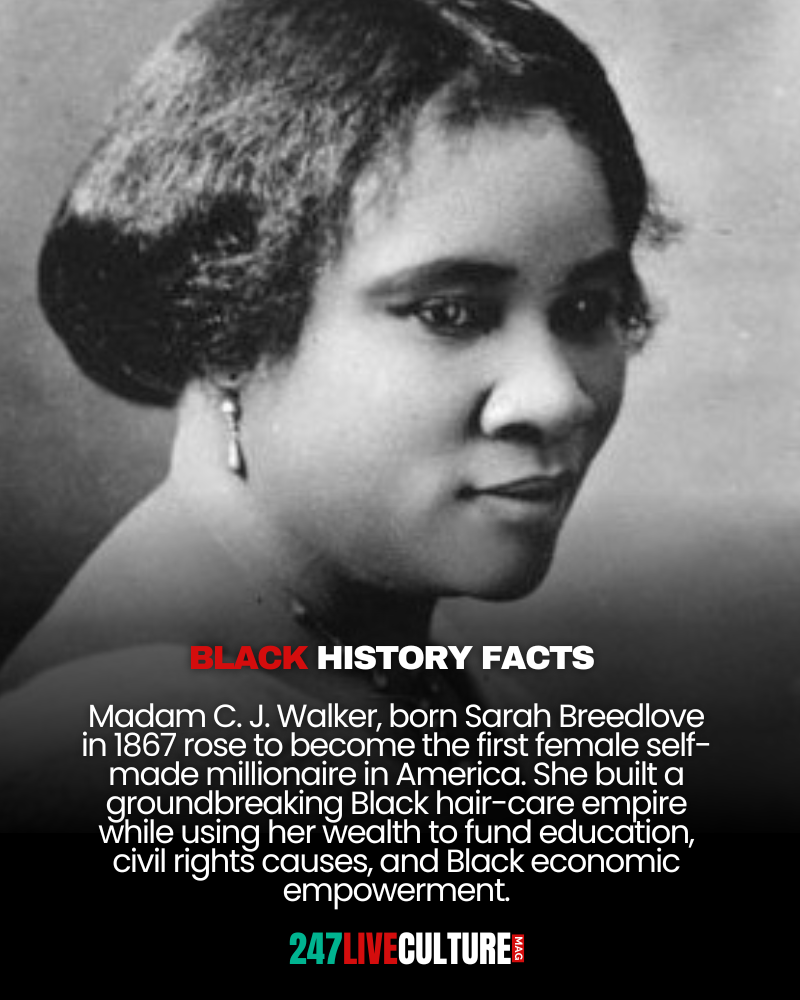
3. Madam C. J. Walker
Madam C. J. Walker, born Sarah Breedlove in 1867 rose to become the first female self-made millionaire in America. She built a groundbreaking Black hair-care empire while using her wealth to fund education, civil rights causes, and Black economic empowerment.
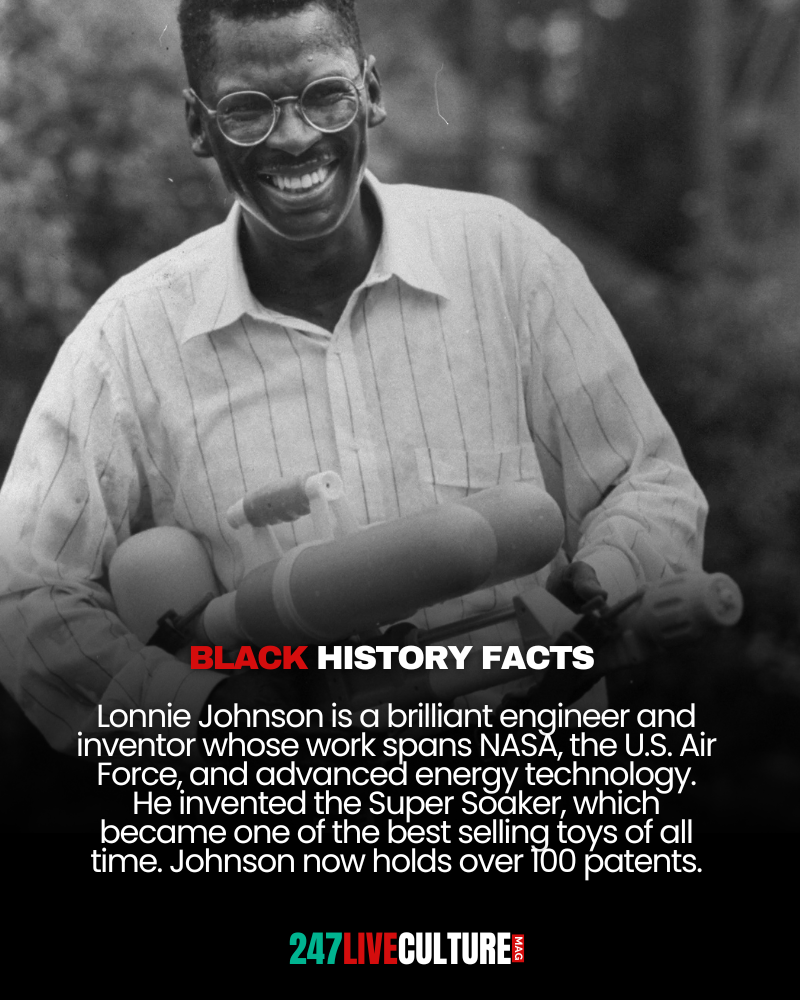
4. Lonnie Johnson
Lonnie Johnson is a brilliant engineer and inventor whose work spans NASA, the U.S. Air Force, and advanced energy technology. He invented the Super Soaker, which became one of the best selling toys of all time. Johnson now holds over 100 patents.
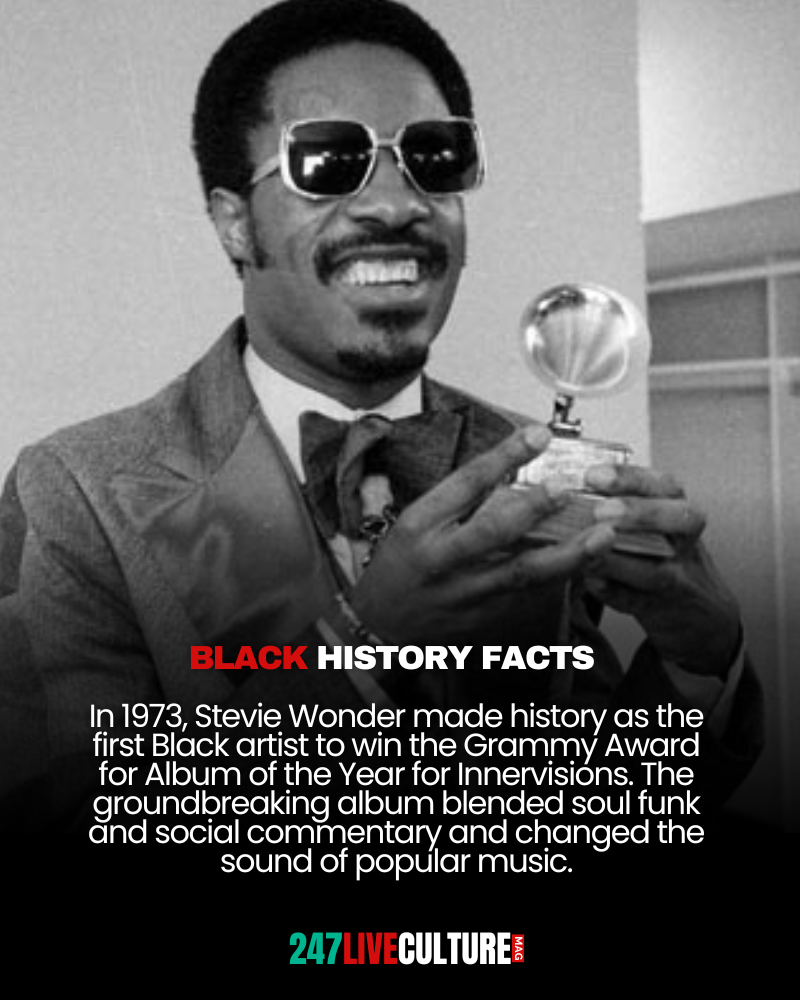
5. Stevie Wonder
In 1973, Stevie Wonder made history as the first Black artist to win the Grammy Award for Album of the Year for Innervisions. The groundbreaking album blended soul funk and social commentary and changed the sound of popular music.
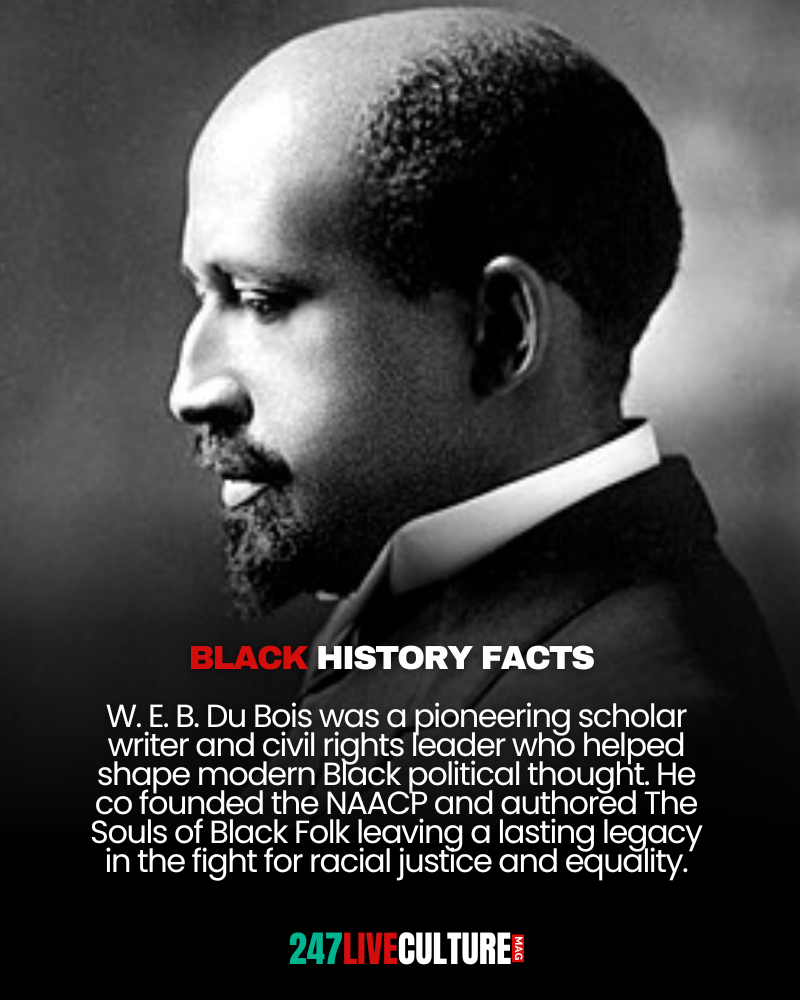
6. W. E. B. Du Bois
W. E. B. Du Bois was a pioneering scholar writer and civil rights leader who helped shape modern Black political thought. He co founded the NAACP and authored The Souls of Black Folk leaving a lasting legacy in the fight for racial justice and equality.
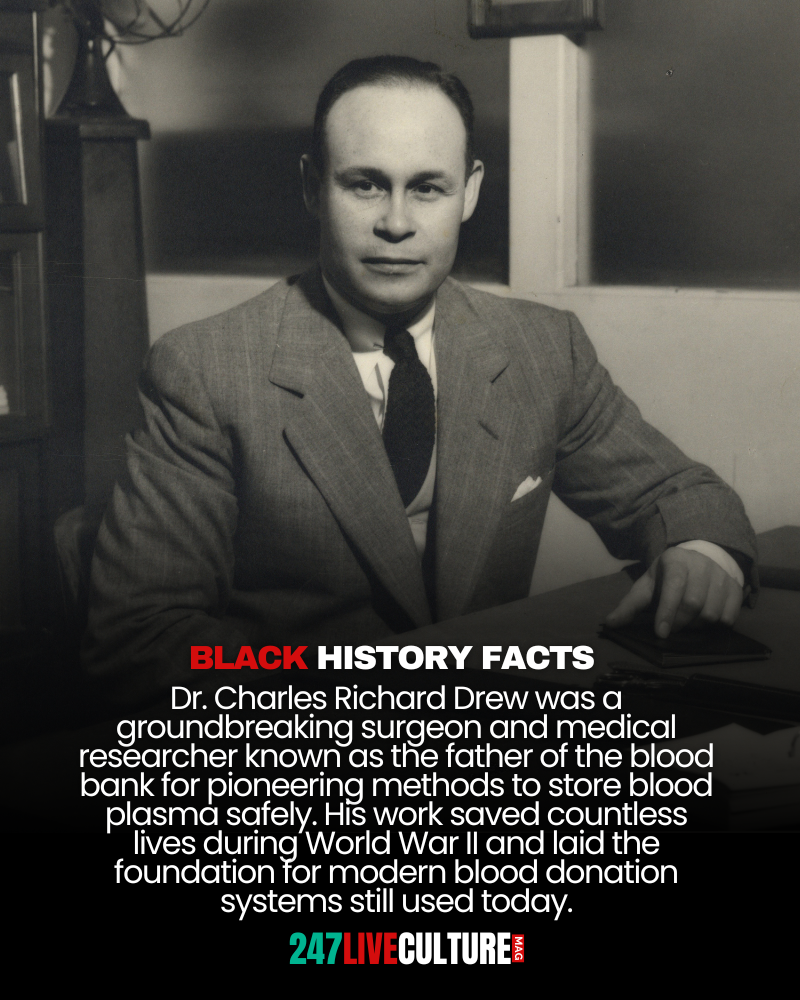
7. Dr. Charles Richard Drew
Dr. Charles Richard Drew was a groundbreaking surgeon and medical researcher known as the father of the blood bank for pioneering methods to store blood plasma safely. His work saved countless lives during World War II and laid the foundation for modern blood donation systems still used today.
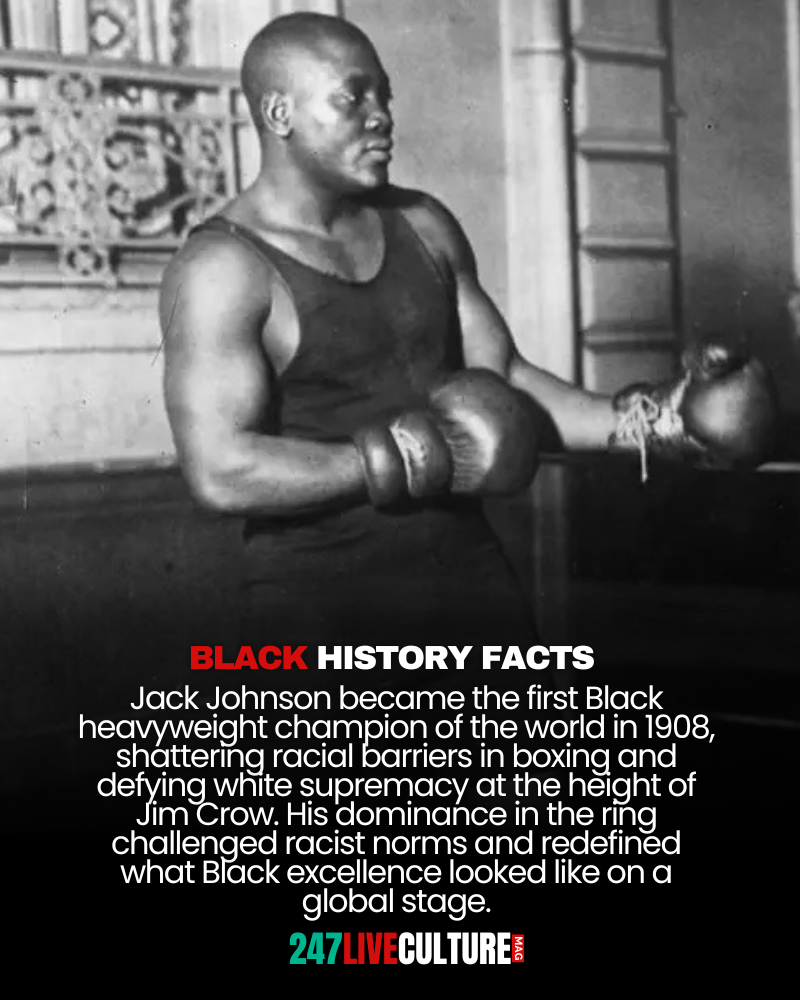
8. Jack Johnson
Jack Johnson became the first Black heavyweight champion of the world in 1908, shattering racial barriers in boxing and defying white supremacy at the height of Jim Crow. His dominance in the ring challenged racist norms and redefined what Black excellence looked like on a global stage.
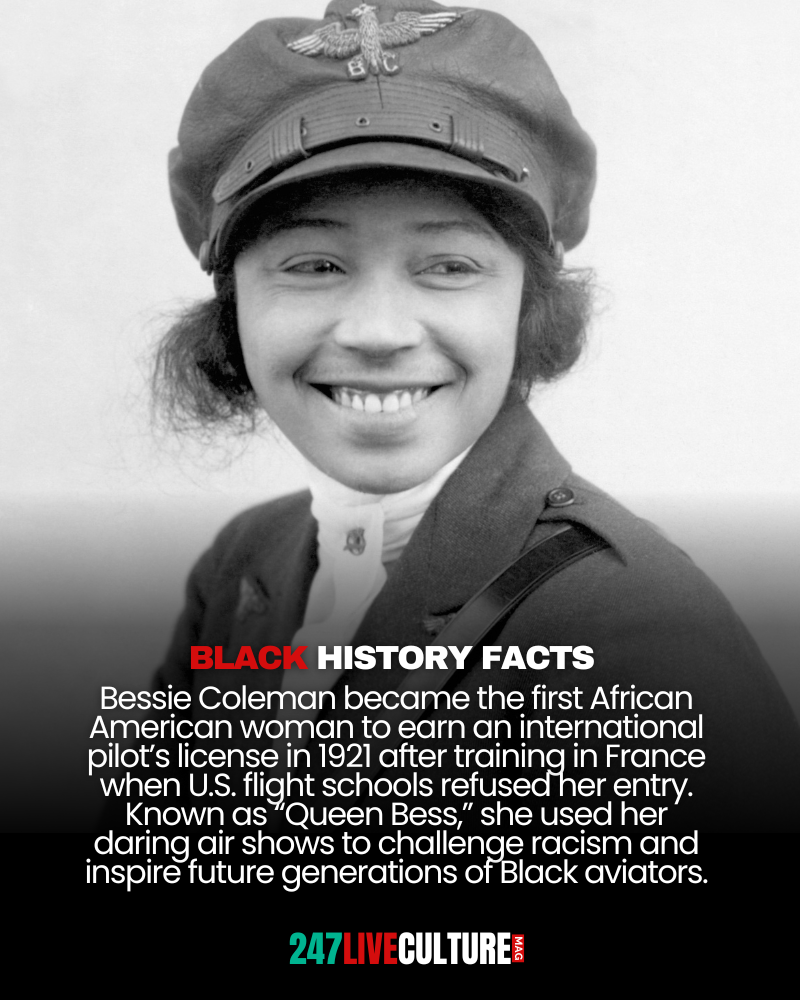
9. Bessie Coleman
Bessie Coleman became the first African American woman to earn an international pilot’s license in 1921 after training in France when U.S. flight schools refused her entry. Known as “Queen Bess,” she used her daring air shows to challenge racism and inspire future generations of Black aviators.
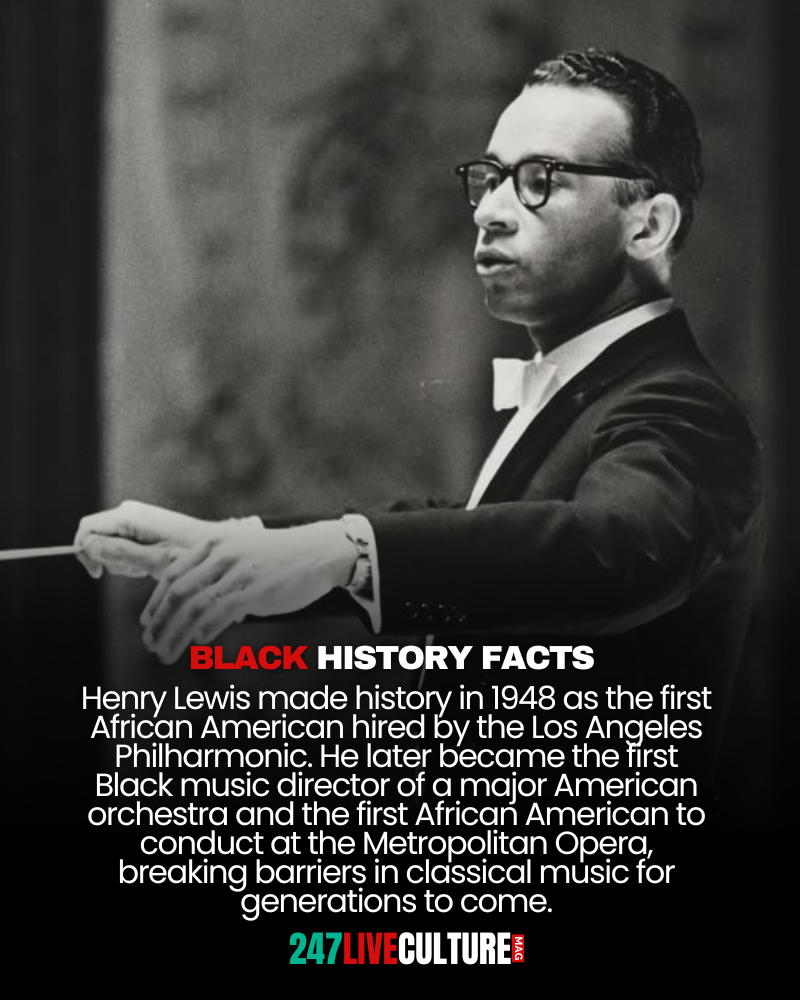
10. Henry Lewis
Henry Lewis made history in 1948 as the first African American hired by the Los Angeles Philharmonic. He later became the first Black music director of a major American orchestra and the first African American to conduct at the Metropolitan Opera, breaking barriers in classical music for generations to come.
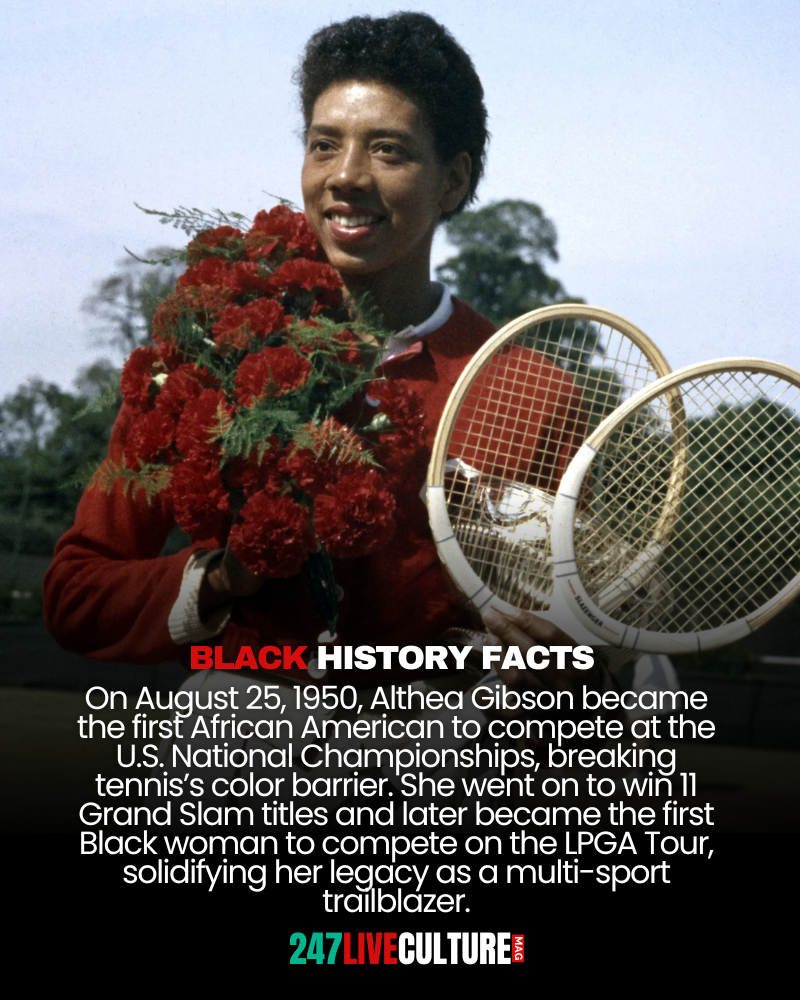
11. Althea Gibson
On August 25, 1950, Althea Gibson became the first African American to compete at the U.S. National Championships, breaking tennis’s color barrier. She went on to win 11 Grand Slam titles and later became the first Black woman to compete on the LPGA Tour, solidifying her legacy as a multi-sport trailblazer.
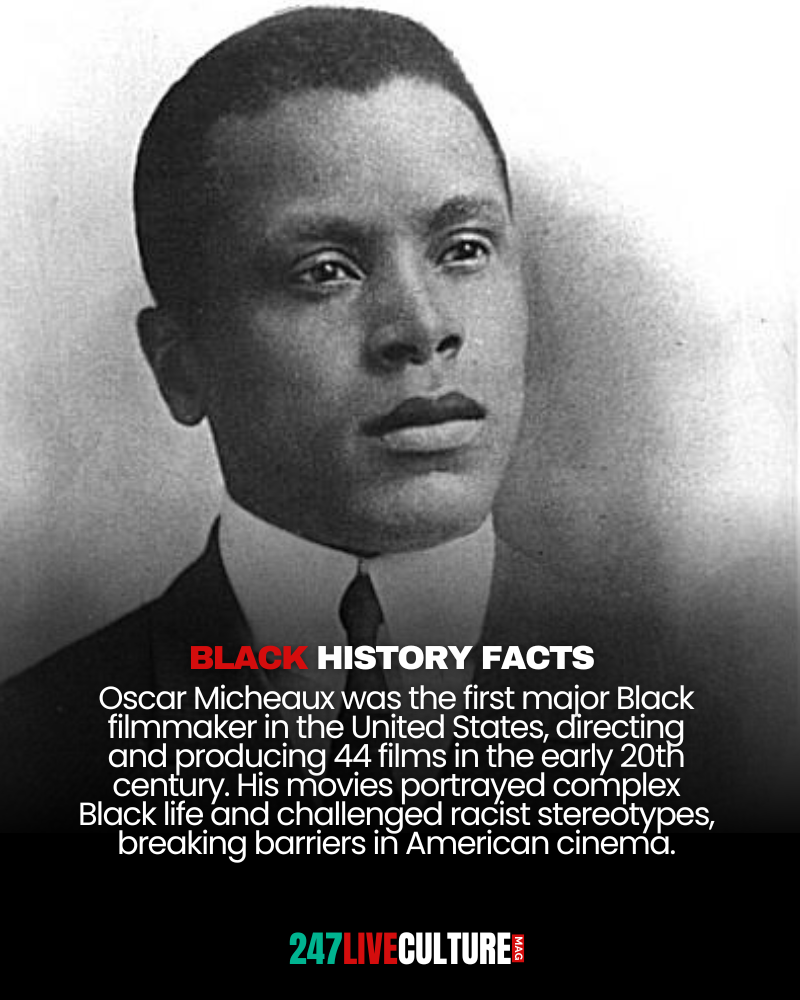
12. Oscar Micheaux
Oscar Micheaux was the first major Black filmmaker in the United States, directing and producing 44 films in the early 20th century. His movies portrayed complex Black life and challenged racist stereotypes, breaking barriers in American cinema.
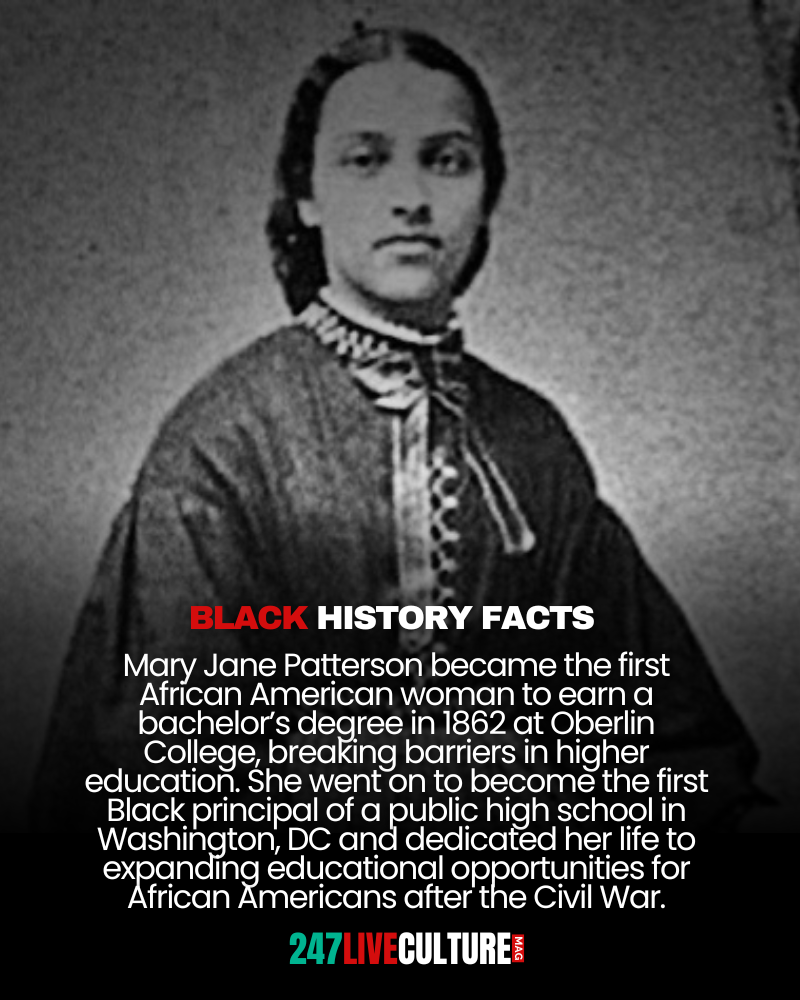
13. Mary Jane Patterson
Mary Jane Patterson became the first African American woman to earn a bachelor’s degree in 1862 at Oberlin College, breaking barriers in higher education. She went on to become the first Black principal of a public high school in Washington, DC and dedicated her life to expanding educational opportunities for African Americans after the Civil War.
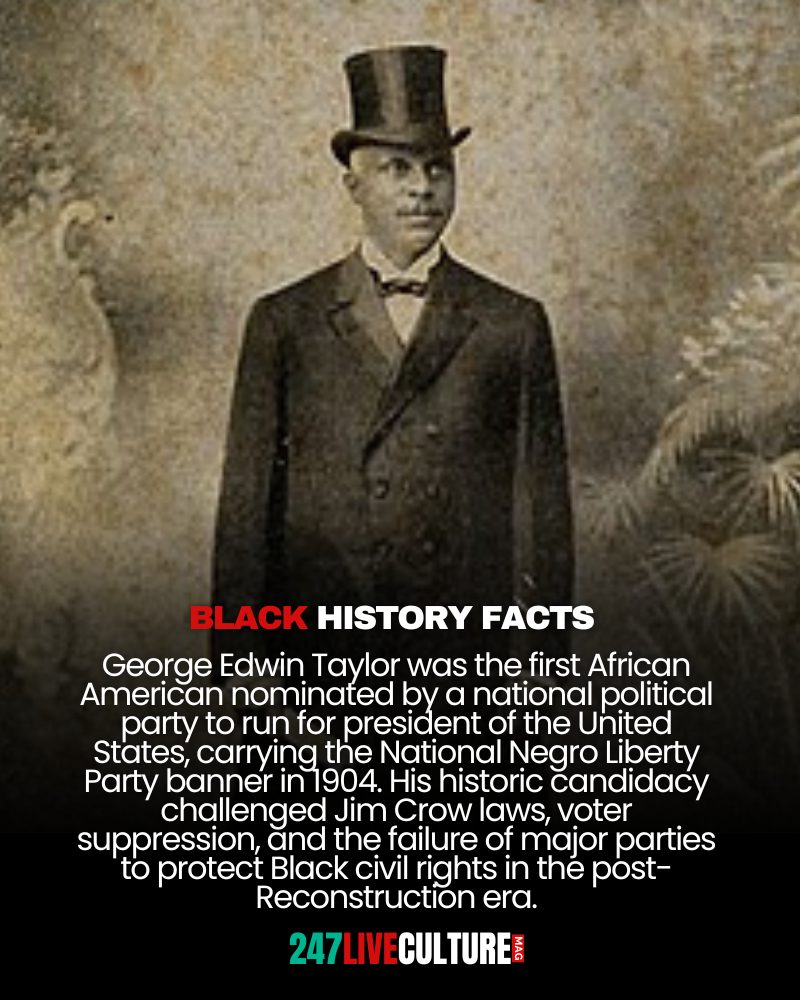
14. George Edwin Taylor
George Edwin Taylor was the first African American nominated by a national political party to run for president of the United States, carrying the National Negro Liberty Party banner in 1904. His historic candidacy challenged Jim Crow laws, voter suppression, and the failure of major parties to protect Black civil rights in the post-Reconstruction era.
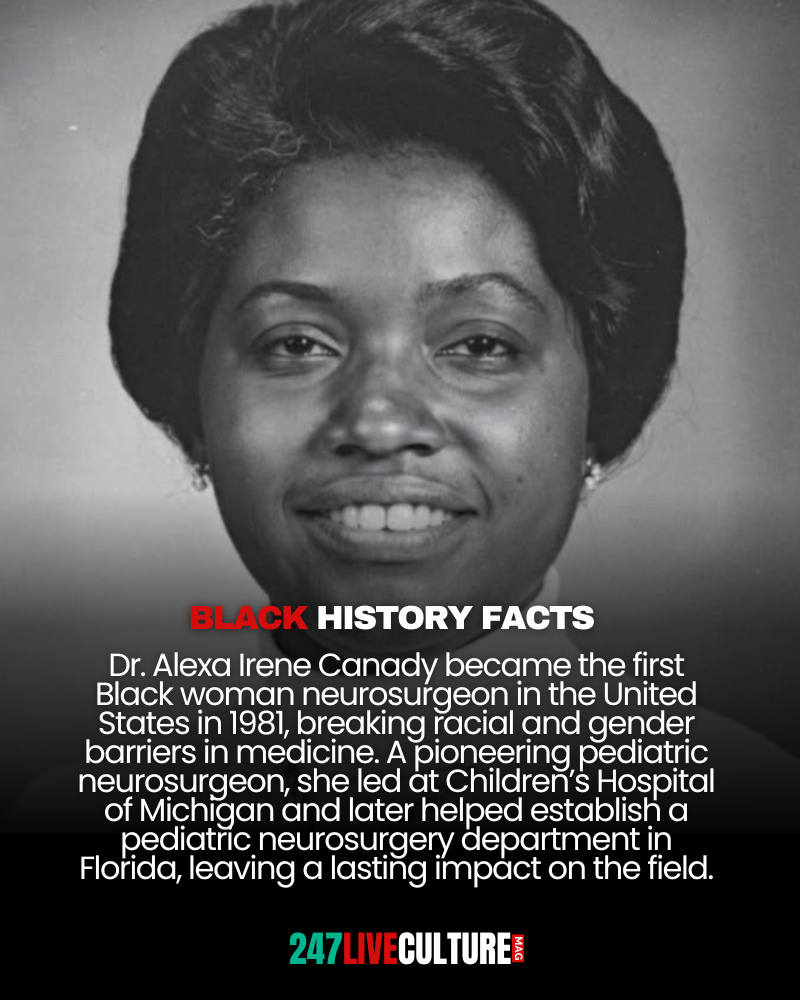
15. Dr. Alexa Irene Canady
Dr. Alexa Irene Canady became the first Black woman neurosurgeon in the United States in 1981, breaking racial and gender barriers in medicine. A pioneering pediatric neurosurgeon, she led at Children’s Hospital of Michigan and later helped establish a pediatric neurosurgery department in Florida, leaving a lasting impact on the field.
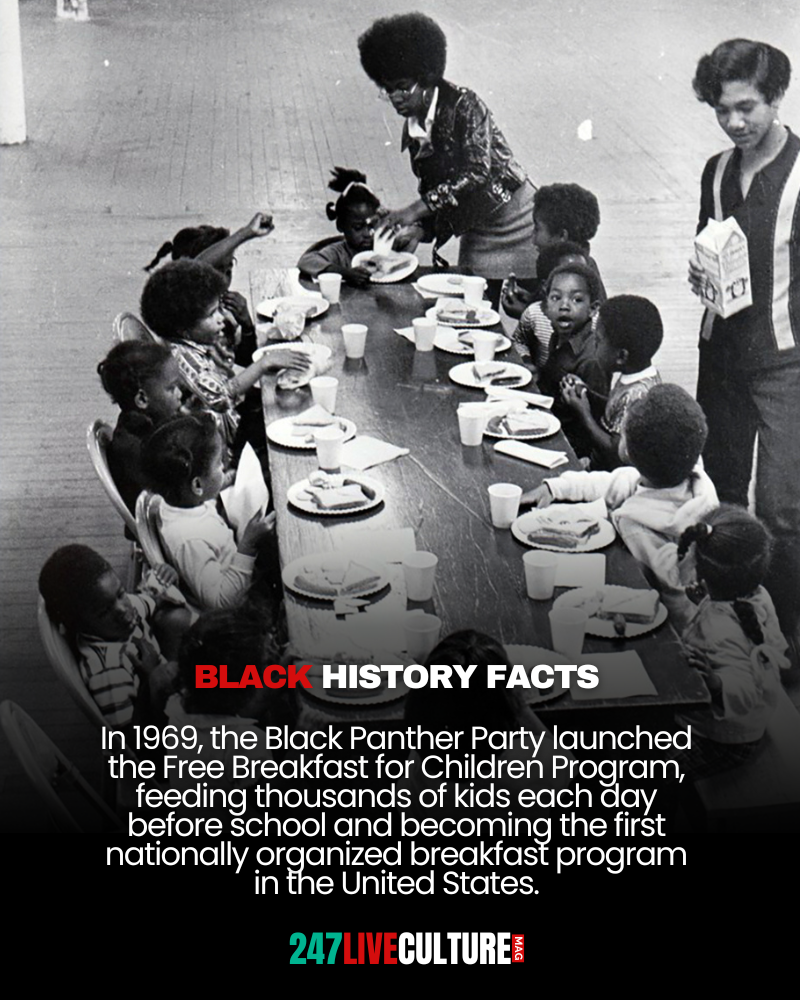
16. Black Panther Party - Free Breakfast Program
In 1969, the Black Panther Party launched the Free Breakfast for Children Program, feeding thousands of kids each day before school and becoming the first nationally organized breakfast program in the United States.
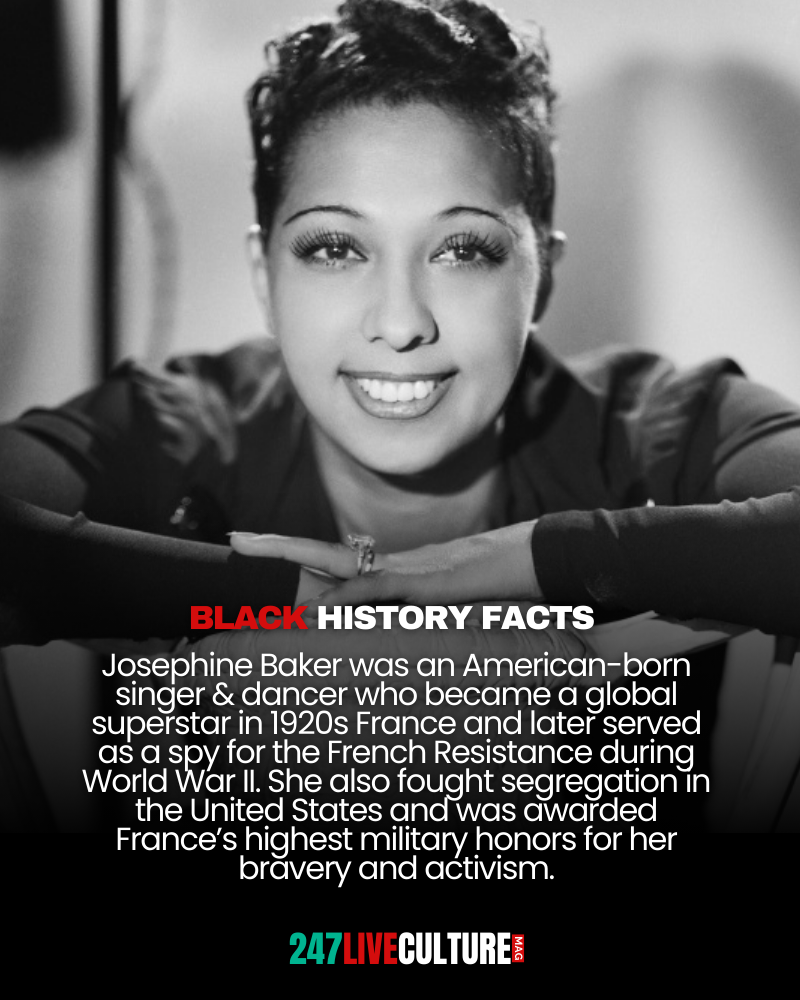
17. Josephine Baker
Josephine Baker was an American-born singer & dancer who became a global superstar in 1920s France and later served as a spy for the French Resistance during World War II. She also fought segregation in the United States and was awarded France’s highest military honors for her bravery and activism.
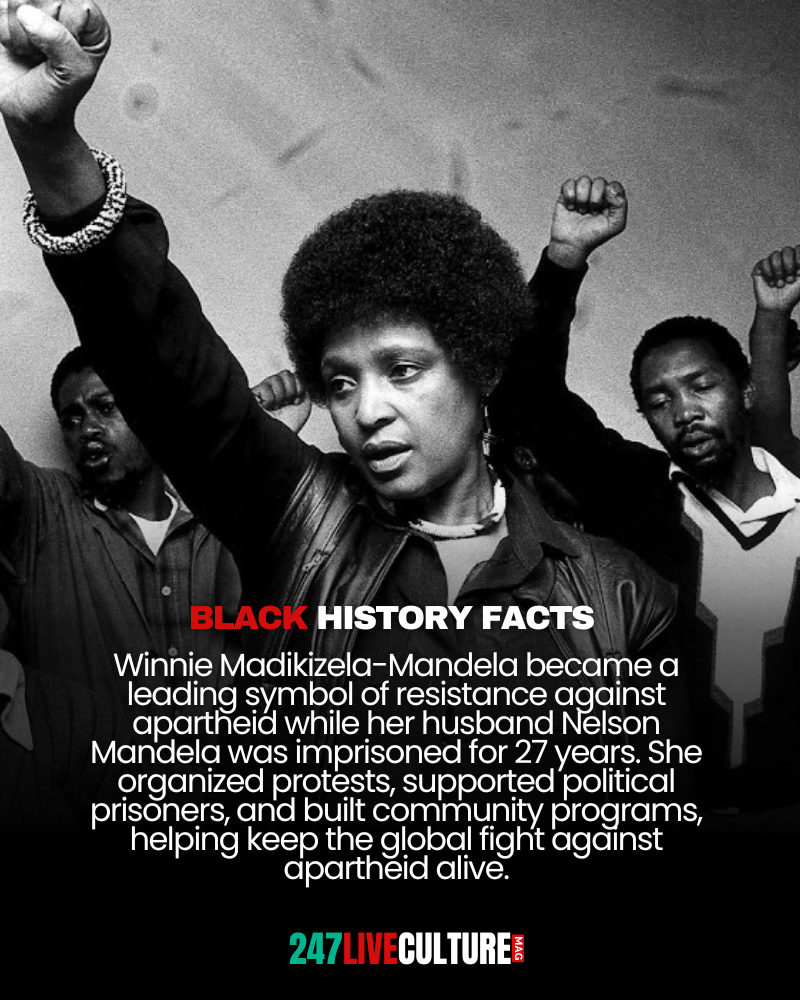
18. Winnie Madikizela-Mandela
Winnie Madikizela-Mandela became a leading symbol of resistance against apartheid while her husband Nelson Mandela was imprisoned for 27 years. She organized protests, supported political prisoners, and built community programs, helping keep the global fight against apartheid alive.
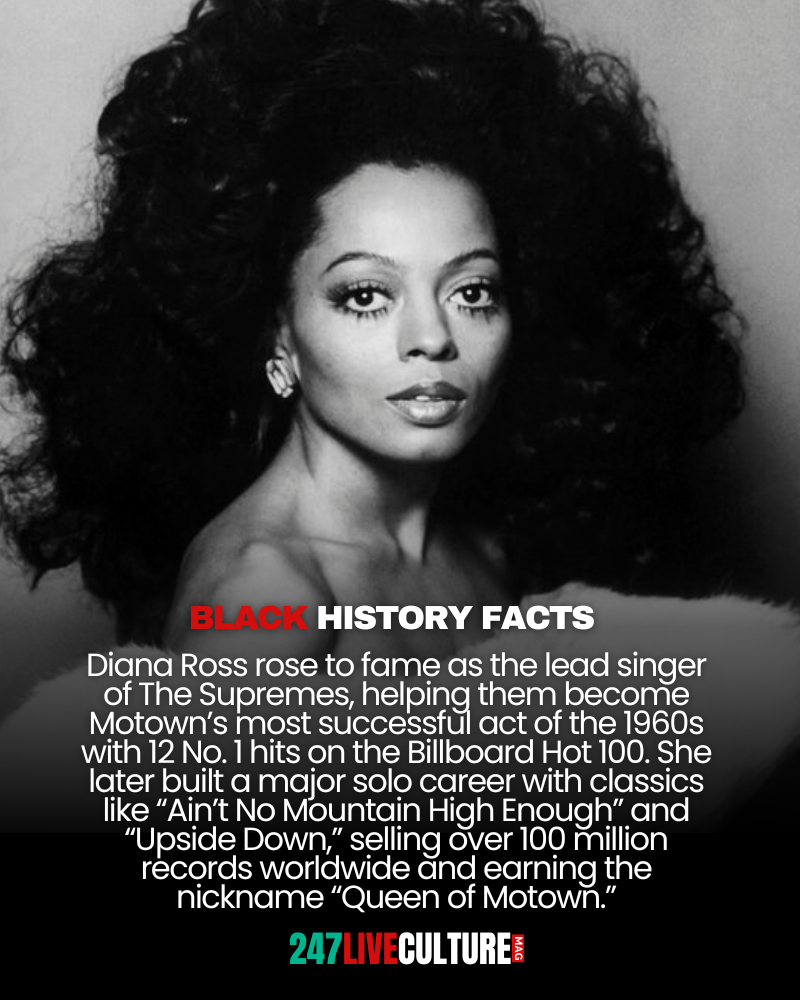
19. Diana Ross
Diana Ross rose to fame as the lead singer of The Supremes, helping them become Motown’s most successful act of the 1960s with 12 No. 1 hits on the Billboard Hot 100. She later built a major solo career with classics like “Ain’t No Mountain High Enough” and “Upside Down,” selling over 100 million records worldwide and earning the nickname “Queen of Motown.”
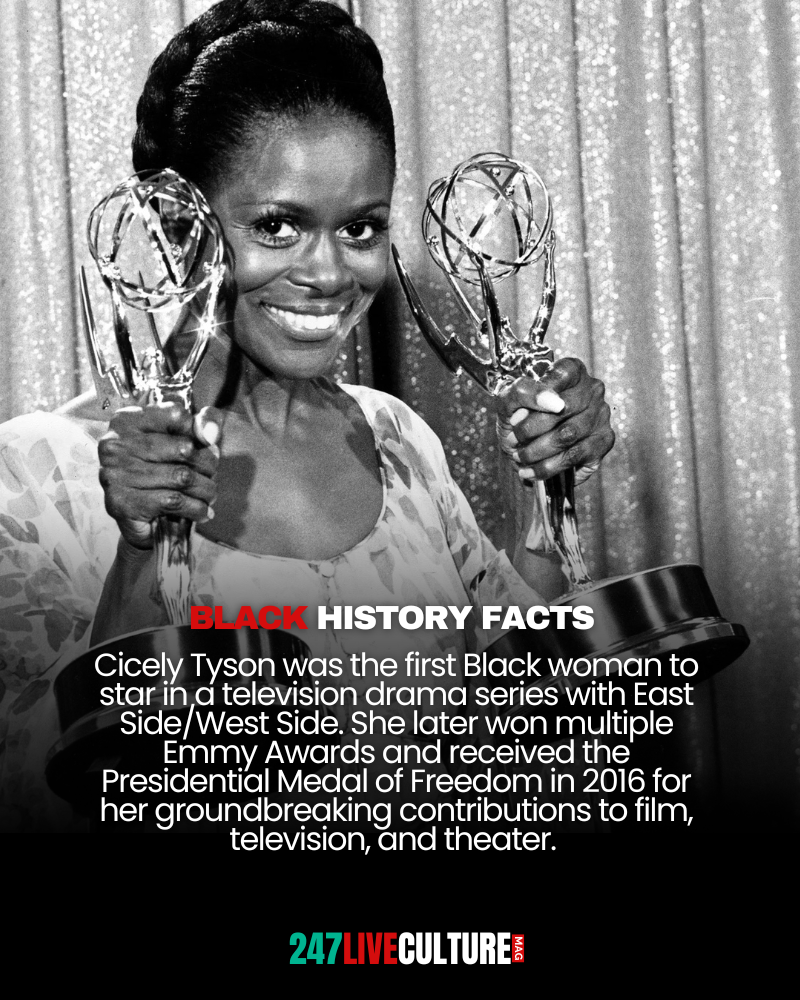
20. Cicely Tyson
Cicely Tyson was the first Black woman to star in a television drama series with East Side/West Side. She later won multiple Emmy Awards and received the Presidential Medal of Freedom in 2016 for her groundbreaking contributions to film, television, and theater.
YOU MAY ALSO BE INTERESTED IN:
SHARE TO SOCIAL MEDIA
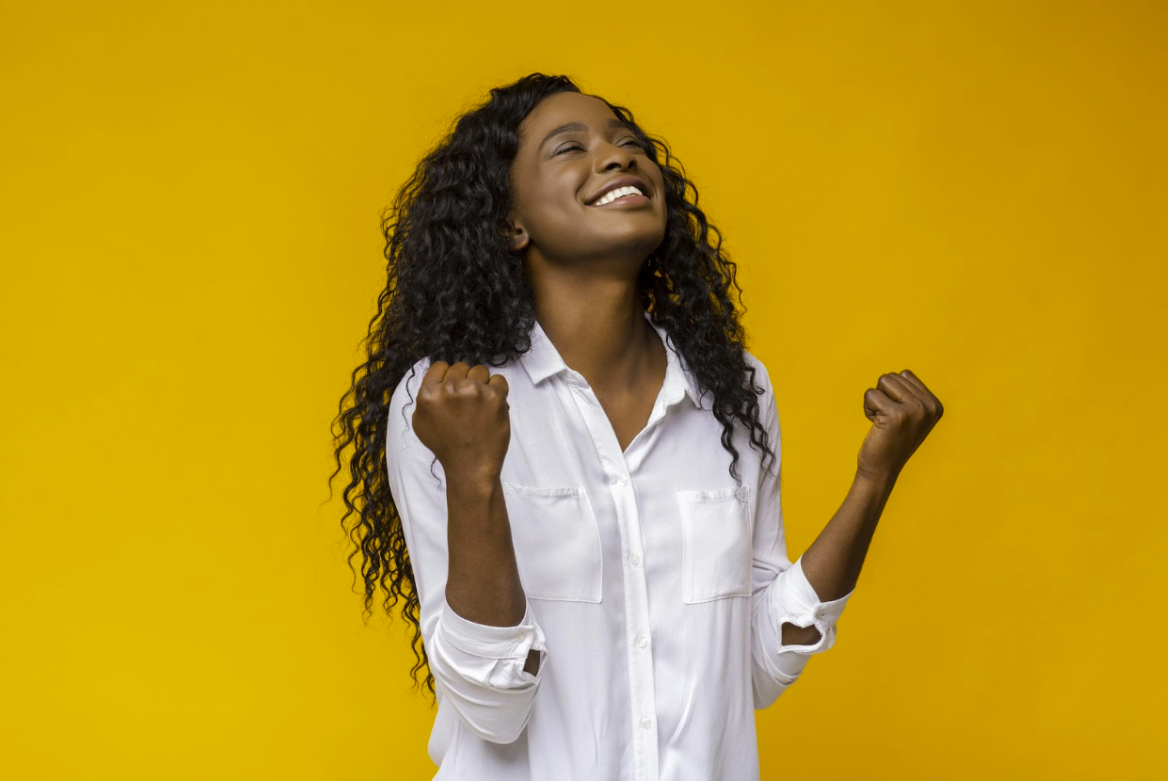
Black Women Deserve to Be Proud
In a world that applauds Black women for their strength but rarely encourages them to celebrate themselves, learning to embrace healthy, unapologetic pride becomes an essential act of self-recognition, confidence, and quiet revolution! We discuss it here!
Black Women Deserve To Be Proud
Photo Credit: Prostock-Studio via iStockPhoto.com
By: Jamila Gomez
Black women are often praised for endurance. People admire how they hold families together, show up for everyone else, and keep moving forward no matter what. Strength becomes the headline. Resilience becomes the brand. What rarely gets centered is pride. Real, unapologetic pride in what they have accomplished and who they have become.
For many Black women, pride can feel complicated. There is a long history of being told to stay humble, to not make others uncomfortable, to not appear arrogant or ungrateful. Success is often softened. Achievements are minimized. Wins are attributed to luck, favor, or timing rather than effort and ability. Over time, that habit of shrinking becomes second nature.
But denying yourself pride slowly chips away at your sense of self. Pride, in its healthiest form, is simply acknowledgment. It is the ability to look at your life and say, I worked for this. I survived that. I grew through that season. It is allowing yourself to feel the weight of what you carried and the fact that you did not drop it.
Without pride, accomplishments blur together. One milestone is reached and immediately replaced by the next demand. There is no pause to integrate what happened. No space to let your nervous system register that something meaningful occurred and that you were the one who made it happen. That constant forward motion creates exhaustion because there is never a moment where anything feels complete.
Black women carry layered expectations from family, community, work, and faith spaces. Many were raised to believe that strength is proven through service and sacrifice. Pride can feel indulgent in comparison. It can feel like drawing attention to yourself in a world that already scrutinizes you. Yet pride is not arrogance. It is alignment. It is recognizing that your effort matters.
The world does not consistently affirm Black women. Competence is often questioned before it is acknowledged. Labor is expected before it is appreciated. Leadership is relied upon before it is credited. If you wait for external validation, you may be waiting a long time. That is why internal validation becomes essential.
Healthy pride builds self trust. It becomes an internal voice that says, I see what you did. I know what it cost you. That voice strengthens confidence in a way that applause never could. It also reshapes identity. Instead of seeing yourself only as the strong one or the responsible one, you begin to see yourself as capable, accomplished, and worthy of celebration.
There is also room for faith in this conversation. Gratitude and pride can coexist. You can acknowledge God’s grace and still recognize your obedience, your discipline, and your courage. Partnership does not require erasing your contribution.
Allowing yourself to be proud changes how you move. You negotiate with more clarity. You rest without as much guilt. You make decisions from confidence rather than fear. Most importantly, you model something powerful for younger Black girls watching. They learn that achievement does not have to be whispered and that celebration does not have to be quiet.
Black women deserve more than survival. Thriving includes honoring yourself. Pride is not excess. It is necessary.
YOU MAY ALSO BE INTERESTED IN:
SHARE TO SOCIAL MEDIA
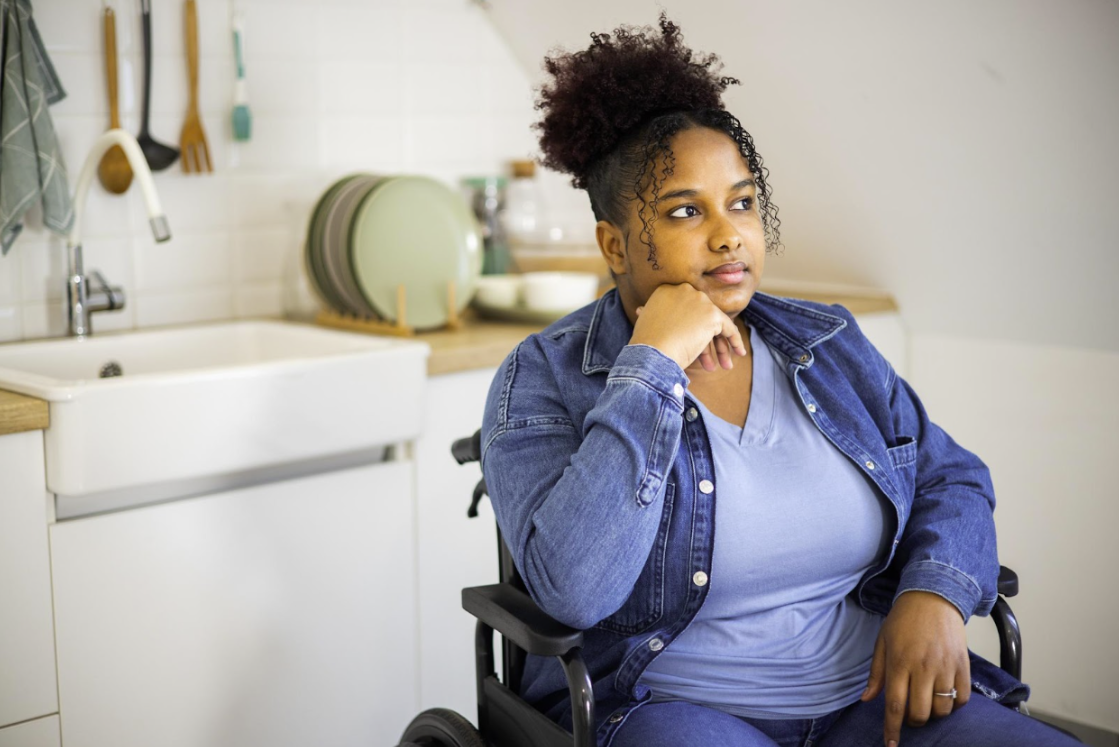
The Invisibility of Disability in the Black Community
For generations, many in the Black community have learned to carry disability in silence beneath the banner of strength and perseverance, but as more people begin to speak openly about their lived realities, a fuller and more honest picture of resilience is finally coming into view! We discuss it here!
Disability in the Black Community
Photo Credit: MixMedia via iStockPhoto.com
By: Jamila Gomez
Disability carries a strange kind of invisibility in the Black community. It is not that disability is rare or that it lacks impact. It is invisible because of how deeply survival is woven into Black identity. Strength, endurance, perseverance — these are celebrated as cultural virtues, passed down like heirlooms. Within that framework, disability often gets absorbed into the broader expectation to “push through,” quietly folded into the narrative of resilience rather than acknowledged as its own lived reality.
Many Black people with disabilities grow up understanding, without anyone explicitly saying it, that there is little room for visible vulnerability. Race already places a target on the body. Adding disability can feel like doubling the risk of being underestimated, dismissed, or pitied. So people adapt. They minimize. They overcompensate. They learn to move through the world in ways that make others comfortable. The disability itself does not disappear, yet the social space for speaking about it does.
There is also the complicated history of how Black bodies have been viewed and treated. Generations have fought against stereotypes of weakness, dependency, and inferiority. Against that backdrop, openly identifying with disability can feel loaded. Some fear it reinforces narratives the community has worked tirelessly to dismantle. Others worry their struggles will be compared to racial oppression in ways that flatten both experiences. The result is silence layered upon silence — disability present, but rarely centered.
Inside families, this dynamic can become even more nuanced. Conditions are acknowledged in practical terms — doctor visits, medications, accommodations — while the emotional and psychological dimensions remain largely unspoken. A child’s chronic illness may be treated as a logistical challenge rather than a shaping force in identity. A mobility limitation becomes something to “manage,” not something that fundamentally influences how a person experiences independence, relationships, or self-perception. Love is present. Support is present. Yet language for the inner world of disability is often missing.
Community spaces reflect similar patterns. Churches pray for healing. Friends offer encouragement. Elders advise persistence. These responses come from care, yet they sometimes leave little room for complexity. Disability becomes framed as an obstacle to overcome, a test of faith, or a private matter. Rarely is it explored as a neutral, enduring aspect of human diversity. Rarely is there curiosity about how living with disability shapes identity beyond hardship.
This invisibility carries consequences. When disability is not openly discussed, people may struggle to see their experiences reflected anywhere. They may question whether their fatigue, limitations, or adaptive behaviors “count” as legitimate. They may feel isolated even within a community known for collective support. The absence of conversation can quietly reinforce the idea that disability sits outside the core Black narrative, rather than fully within it.
Yet visibility is slowly shifting. More Black voices are naming disability as part of their identity, their creativity, their leadership, their everyday lives. These conversations challenge the assumption that strength requires silence. They widen the definition of resilience to include adaptation, rest, interdependence, and self-advocacy. They remind the community that disability has always been present, not as a contradiction to Blackness, but as one of its many lived dimensions.
YOU MAY ALSO BE INTERESTED IN:
SHARE TO SOCIAL MEDIA
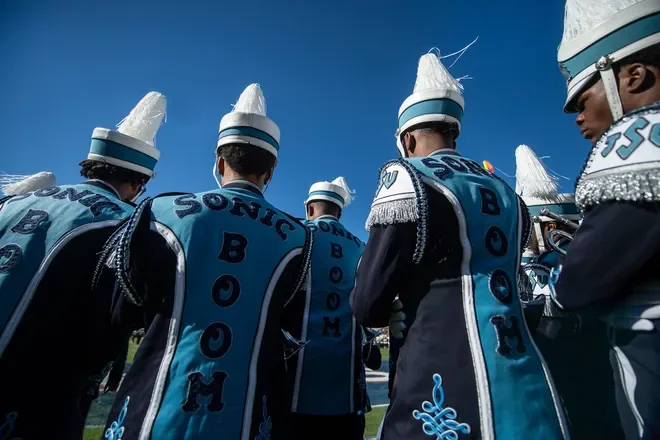
Jackson State’s Sonic Boom Marches Into the National Spotlight Ahead of ‘Michael’ Release
In celebration of Black History Month, Jackson State University’s legendary Sonic Boom of the South joins the national campaign for the Lionsgate film 'Michael', delivering a powerful tribute to Michael Jackson that highlights HBCU culture, musical excellence, and a legacy that continues to lead on the global stage! We discuss it here!
Jackson State's Sonic Boom of the South Shines in Preparation for Highly Anticipated Michael Release
Eric Shelton/Clarion Ledger
By: Joshua Martin
In celebration of Black History Month and ahead of the worldwide release of Michael, Jackson State University is once again commanding the national spotlight. This time through the electrifying sound of its world renowned marching band, the Sonic Boom of the South.
As part of the national campaign for the Lionsgate film, the Sonic Boom delivers a high energy performance of Don’t Stop ’Til You Get Enough, honoring the legendary Michael Jackson while showcasing the culture, precision and pride rooted in the HBCU band tradition. The performance is featured in “MICHAEL CELEBRATES: Legacy, Artistry, Culture,” a tribute connecting Jackson’s global musical influence with the enduring excellence of HBCU communities.
“Michael Jackson’s global impact on music and culture is undeniable. Featuring the Sonic Boom of the South in this national campaign reflects the level of excellence, discipline and tradition that define Jackson State University and HBCUs nationwide. We are proud to see our students represent that legacy on a national stage.” - Interim President Denise Jones Gregory, Ph.D.
For senior Desi Jenkins, lead drum major of the “Jackson 5” (J5), the moment is deeply personal.
“Michael is and will always be my favorite artist, humanitarian and inspiration. Being part of the campaign of this film is extremely full-circle and everything greater than special to me.” - Desi Jenkins, Lead Drum Major
Band director Roderick Little, Ph.D., echoed that pride, calling the initiative a milestone students will cherish for a lifetime.
For decades, the Sonic Boom has carried a pedigree that extends far beyond Mississippi. From NFL halftime stages to national television specials. Now, as anticipation builds for Michael, set to hit theaters April 24th, 2026, Jackson State once again proves that HBCU excellence doesn’t just participate on the national stage, it leads it.
YOU MAY ALSO BE INTERESTED IN:
SHARE TO SOCIAL MEDIA
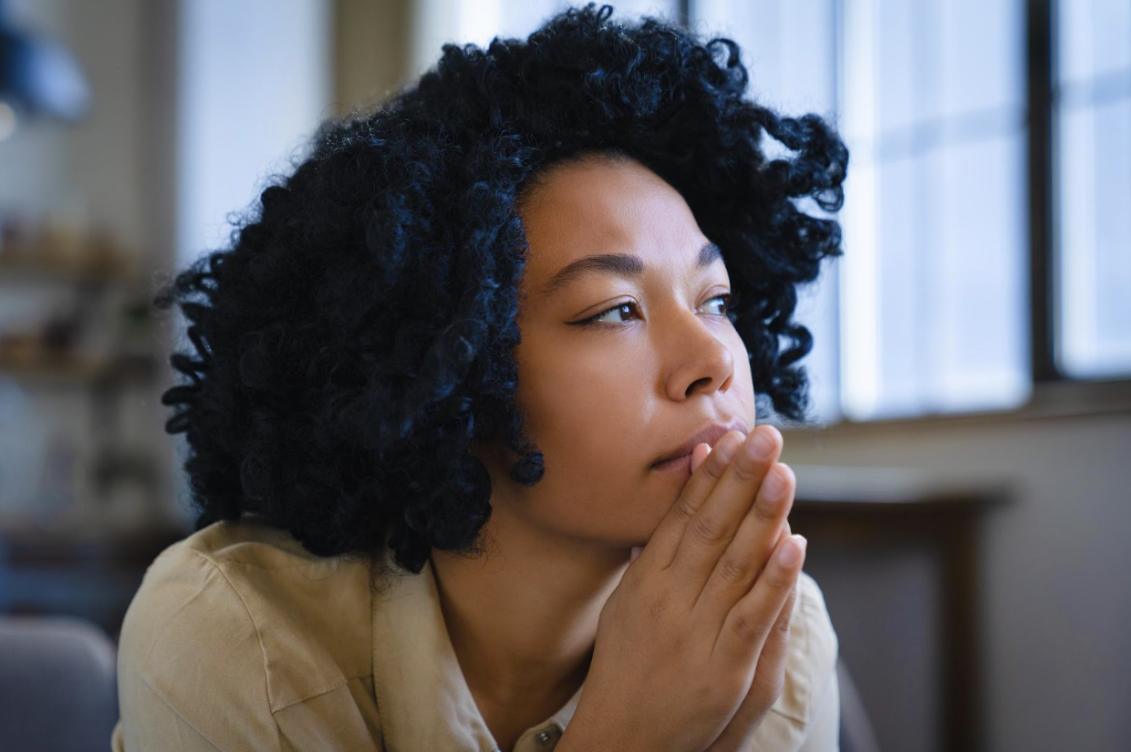
The Strange Weight of Life in Limbo
Sometimes life doesn’t fall apart but instead simply slows down, and in that quiet pause where nothing is visibly wrong yet everything feels heavier, you begin to realize that what feels like stagnation may actually be a season of silent recalibration! We discuss it here!
The Strange Weight of Life in Limbo
Photo Credit: Inside Creative House via iStockPhoto.com
By: Jamila Gomez
There are seasons of life that don’t look like crises. Nothing has dramatically collapsed. No visible disaster has arrived. Yet internally, everything feels delayed, suspended, strangely out of sync. Energy dips. Motivation thins out. Even simple tasks can feel heavier than they should. It’s a peculiar state — not quite turmoil, not quite peace — more like existing in a quiet pause while the rest of the world continues at full speed.
This kind of season is disorienting precisely because it lacks obvious explanation. People are accustomed to linking emotional weight to visible events: loss, conflict, upheaval, disruption. When hardship doesn’t come with a clear headline, the experience can feel illegitimate, even to the person living it. The mind searches for a reason that feels proportional to the feeling. Without one, self-doubt creeps in. Why does everything feel so difficult when nothing appears definitively wrong?
Part of the answer lies in how humans process uncertainty. The brain is deeply comforted by clarity — by defined problems, tangible goals, predictable trajectories. When circumstances feel unsettled or ambiguous, the nervous system doesn’t simply shrug. It works harder. It scans for stability. It attempts to anticipate outcomes. That invisible cognitive labor is draining. Fatigue emerges not from dramatic events, but from sustained mental tension.
Motivation, contrary to popular belief, is not an isolated force of willpower. It is closely tied to perceived control and direction. When the path forward feels unclear, the brain struggles to allocate energy efficiently. Effort without visible progress can feel psychologically expensive. Drive softens. Focus fragments. Tasks that once felt routine may suddenly require disproportionate effort. This shift is often interpreted as laziness or lack of discipline, though it more closely resembles a system responding to instability.
The cultural mythology surrounding motivation leaves little room for these quieter realities. Productivity is treated as a constant expectation, a reflection of character rather than context. Slower periods become suspect. Reduced output feels like personal failure instead of a predictable human response to certain conditions. The pressure to remain relentlessly driven, regardless of circumstance, only compounds the exhaustion.
Yet buffered seasons carry their own logic. Not every phase of life is structured for acceleration. Periods of lowered energy can reflect adaptation rather than deficiency. When the environment feels uncertain, the mind may conserve resources, pulling back from unnecessary expenditure. What appears externally as stagnation may internally represent recalibration — a subtle, often invisible process of adjustment.
There is also an emotional component to existing in limbo. Humans derive comfort from momentum, from the sensation of movement and progression. When life feels paused, even temporarily, restlessness and unease naturally follow. The discomfort does not always signal catastrophe. Sometimes it simply marks the tension between where things are and where one expected them to be.
Recognizing this pattern offers a different lens. A buffering season is not inherently a broken one. It is a state many people encounter, though rarely discussed with nuance. Energy fluctuations, motivational shifts, and mental fatigue frequently mirror situational dynamics rather than personal inadequacies.
Life does not move exclusively in straight, upward lines. Rhythms vary. Speeds change. Some seasons rush forward. Others slow to an almost imperceptible crawl. Both belong to the same human experience. Even pauses have texture. Even stillness has shape.
YOU MAY ALSO BE INTERESTED IN:
SHARE TO SOCIAL MEDIA
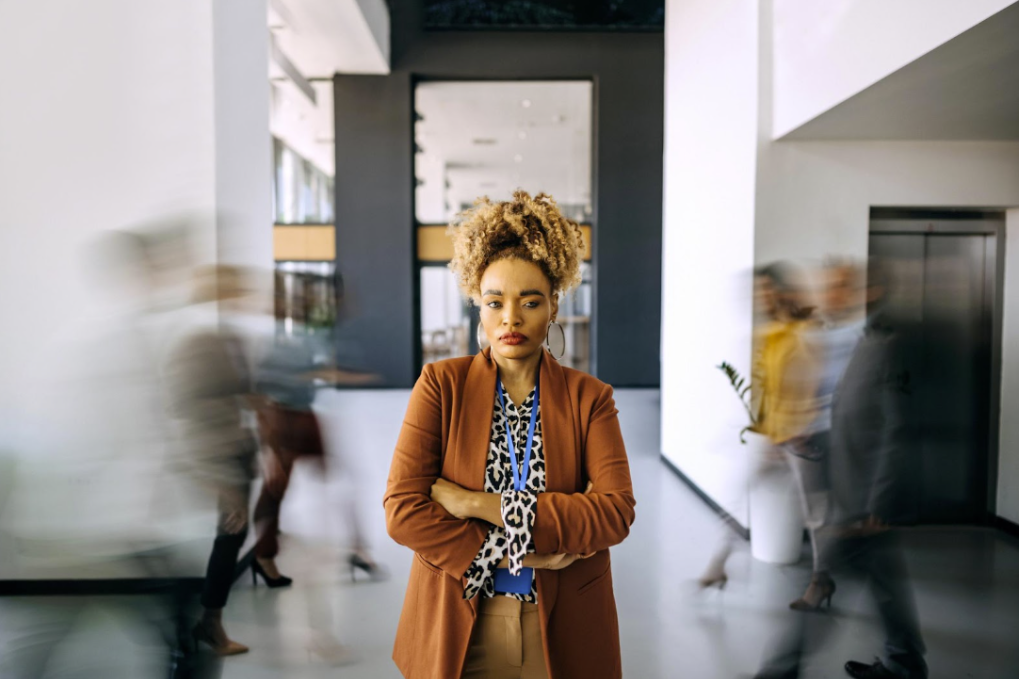
Loving Blackness While Feeling Disconnected From the Community
Navigating Black identity in adulthood often reveals a quiet tension between belonging and becoming, as many come to terms with loving their community while outgrowing spaces that no longer allow them to show up fully! We discuss it here!
Loving Blackness While Feeling Disconnected From the Community
Photo Credit: Pekic via iStockPhoto.com
By: Jamila Gomez
There’s an assumption we don’t talk about enough: that being Black automatically means belonging. That the community is a built-in refuge. That shared history guarantees shared safety.
For a lot of us in our 30s and beyond, that assumption starts to crack.
Not because we don’t love Black people. Not because we’re trying to distance ourselves from our culture. But because loving something doesn’t mean it always holds you well.
Some of us move through Black spaces and feel like guests instead of family. We know the language, the humor, the codes. We show up. We contribute. And still, something feels misaligned. Not dramatically. Just enough to notice.
That quiet dissonance is rarely named. When it is, it’s often misread as arrogance, internalized racism, or “thinking you’re better.” Those labels shut the conversation down before it even starts.
The truth is more uncomfortable.
Blackness is not a monolith, and yet many of our communal spaces still operate as if it is. There are unspoken rules about how you’re supposed to think, worship, grieve, love, vote, parent, speak, and heal. Deviate too far, and you feel it. The pause in the room. The side-eye disguised as concern. The distancing that never gets explained.
For some, the disconnect comes from class differences. For others, it’s neurodivergence, mental health awareness, or simply emotional depth that doesn’t translate well in spaces built on survival and humor as armor. For many in midlife, it’s the slow evolution of values. What mattered at 22 doesn’t always hold at 42.
And that’s where the tension lives.
Because the Black community taught us loyalty early. Stay. Endure. Don’t air things out. Handle it internally. But what happens when “internally” still leaves you unseen?
There’s grief in realizing that the place you thought would understand you best sometimes requires you to flatten yourself to stay connected. There’s confusion in loving your people while feeling emotionally homeless among them. There’s guilt in admitting that you feel safer, calmer, or more honest in spaces that don’t demand a performance of Blackness that no longer fits.
Many people respond to that discomfort by forcing themselves to assimilate back into expectations. Others withdraw completely and carry the loneliness quietly. Both responses are attempts to survive a truth we haven’t given ourselves permission to hold.
Here’s the part we avoid saying: community that requires you to silence parts of yourself is not community. It’s proximity.
Belonging doesn’t mean agreement on everything. But it does mean room to breathe. Room to question. Room to be different without being treated as a threat or a disappointment.
For Black folks in their 30s and over, this conversation matters because many of us are no longer willing to contort ourselves for the sake of optics. We’ve outlived the need to be universally accepted. What we want now is congruence. Alignment. Relationships that don’t punish growth.
Acknowledging alienation doesn’t mean rejecting Blackness. It means telling the truth about how complex it actually is. It means allowing Black identity to be wide enough to hold contradiction, evolution, and difference without exile.
You are not broken because you feel this way. You are not disloyal for noticing it. And you are not alone, even if it feels that way.
The work now is discerning where you can show up fully and where you can stop trying to be understood. Not every space deserves access to who you’re becoming.
And that doesn’t make you less Black. It makes you honest.
YOU MAY ALSO BE INTERESTED IN:
Meet Joshua Martin, Senior Video Editor for 247 Live Culture!
Email: Joshua@247LCTV.com