20 Black History Facts Celebrating Icons, Innovators, and Leaders

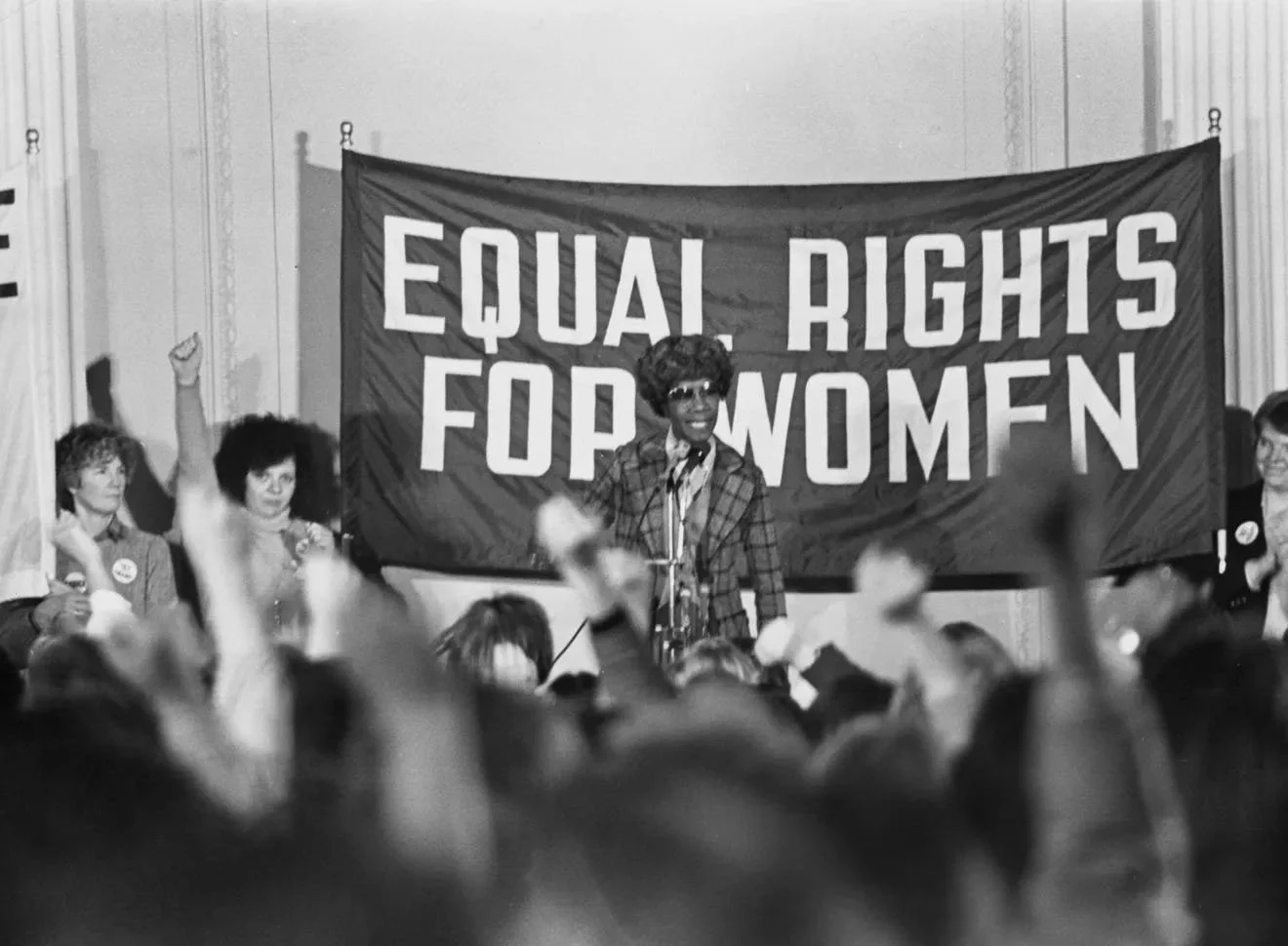
Shirley Chisholm Fought For Equal Rights For All Women
By: Omar Cook
Black history is a living legacy of brilliance, courage, and transformation. Across generations, Black innovators, activists, entertainers, and leaders have shaped the world in profound ways, leaving an undeniable mark on every major industry and influencing culture at the highest levels of society. From groundbreaking achievements in music, politics, science, and civil rights to cultural movements that changed the global conversation, Black voices have consistently carried power, vision, and purpose.
These trailblazers did more than succeed in their fields. They challenged injustice, inspired communities, and opened doors that once seemed permanently closed. Through talent, determination, and fearless leadership, they built legacies that continue to inspire generations past, present, and future.
In honor of that enduring impact, we’re celebrating some of the most iconic figures whose contributions helped shape the world we know today. Here are 20 Black History facts from legendary pioneers whose influence continues to uplift, educate, and inspire.
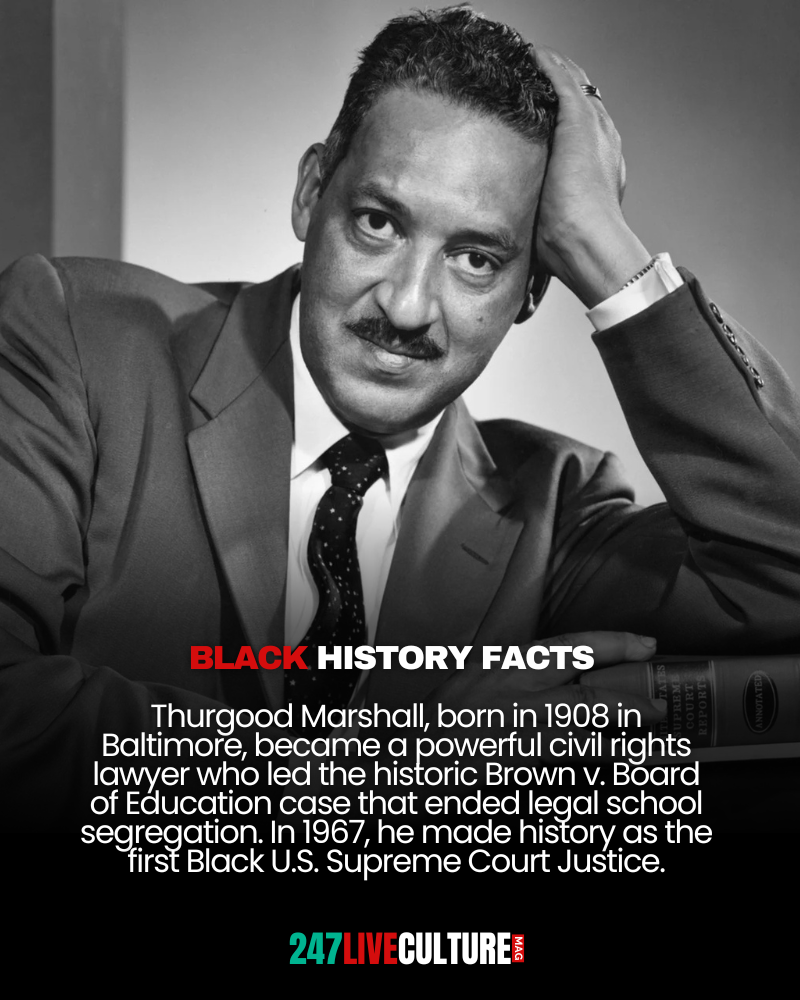
1. Thurgood Marshall
Thurgood Marshall, born in 1908 in Baltimore, became a powerful civil rights lawyer who led the historic Brown v. Board of Education case that ended legal school segregation. In 1967, he made history as the first Black U.S. Supreme Court Justice.
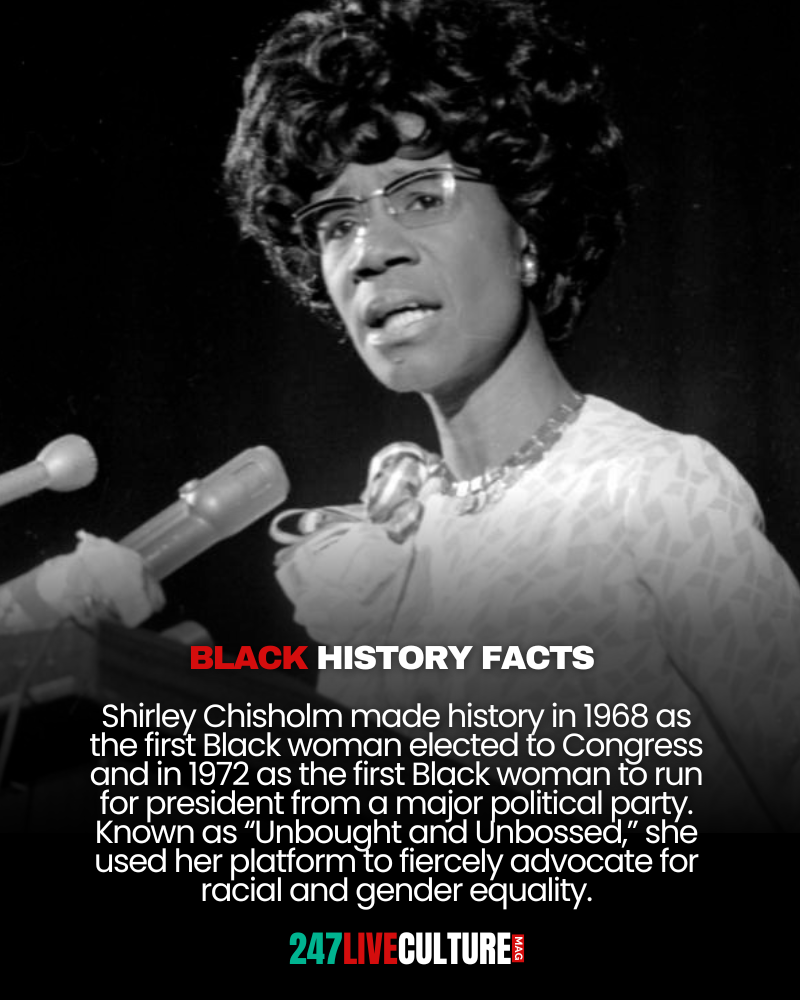
2. SHIRLEY CHISHOLM
Shirley Chisholm made history in 1968 as the first Black woman elected to Congress and in 1972 as the first Black woman to run for president from a major political party. Known as “Unbought and Unbossed,” she used her platform to fiercely advocate for racial and gender equality.
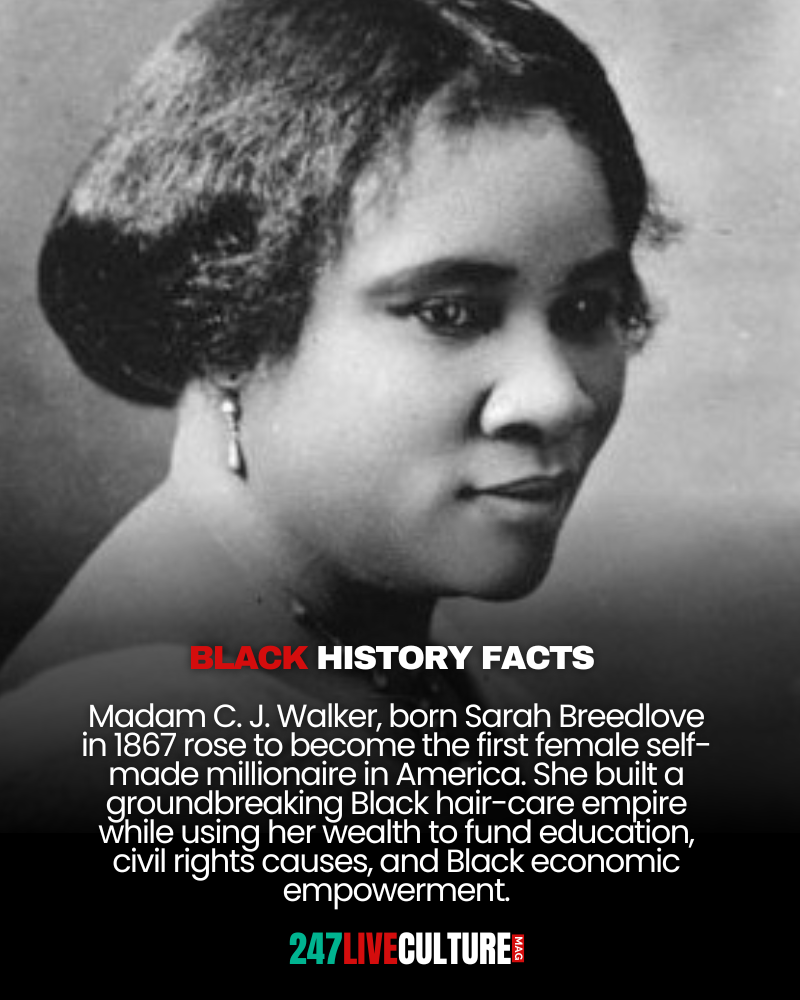
3. Madam C. J. Walker
Madam C. J. Walker, born Sarah Breedlove in 1867 rose to become the first female self-made millionaire in America. She built a groundbreaking Black hair-care empire while using her wealth to fund education, civil rights causes, and Black economic empowerment.
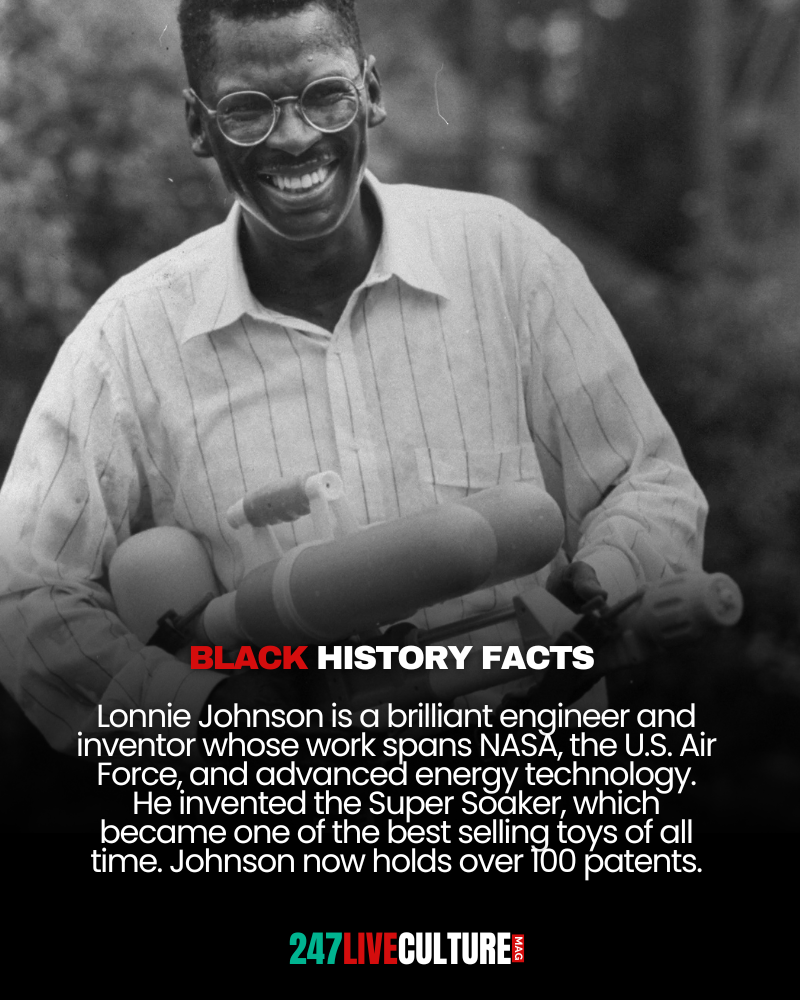
4. Lonnie Johnson
Lonnie Johnson is a brilliant engineer and inventor whose work spans NASA, the U.S. Air Force, and advanced energy technology. He invented the Super Soaker, which became one of the best selling toys of all time. Johnson now holds over 100 patents.
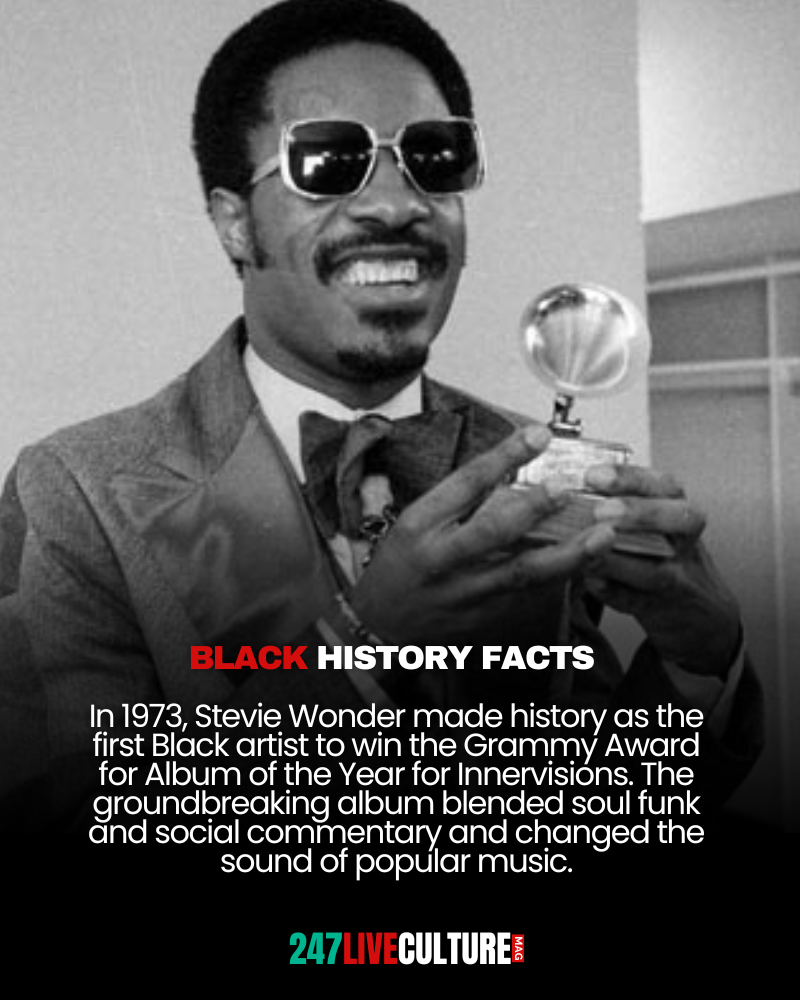
5. Stevie Wonder
In 1973, Stevie Wonder made history as the first Black artist to win the Grammy Award for Album of the Year for Innervisions. The groundbreaking album blended soul funk and social commentary and changed the sound of popular music.
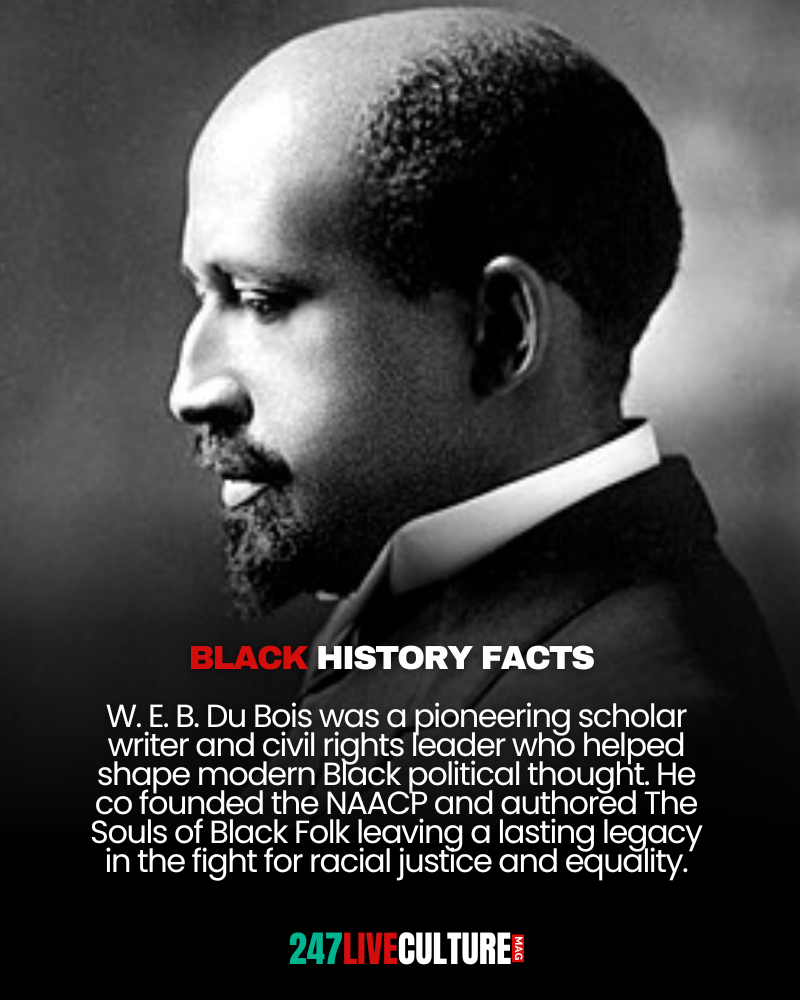
6. W. E. B. Du Bois
W. E. B. Du Bois was a pioneering scholar writer and civil rights leader who helped shape modern Black political thought. He co founded the NAACP and authored The Souls of Black Folk leaving a lasting legacy in the fight for racial justice and equality.
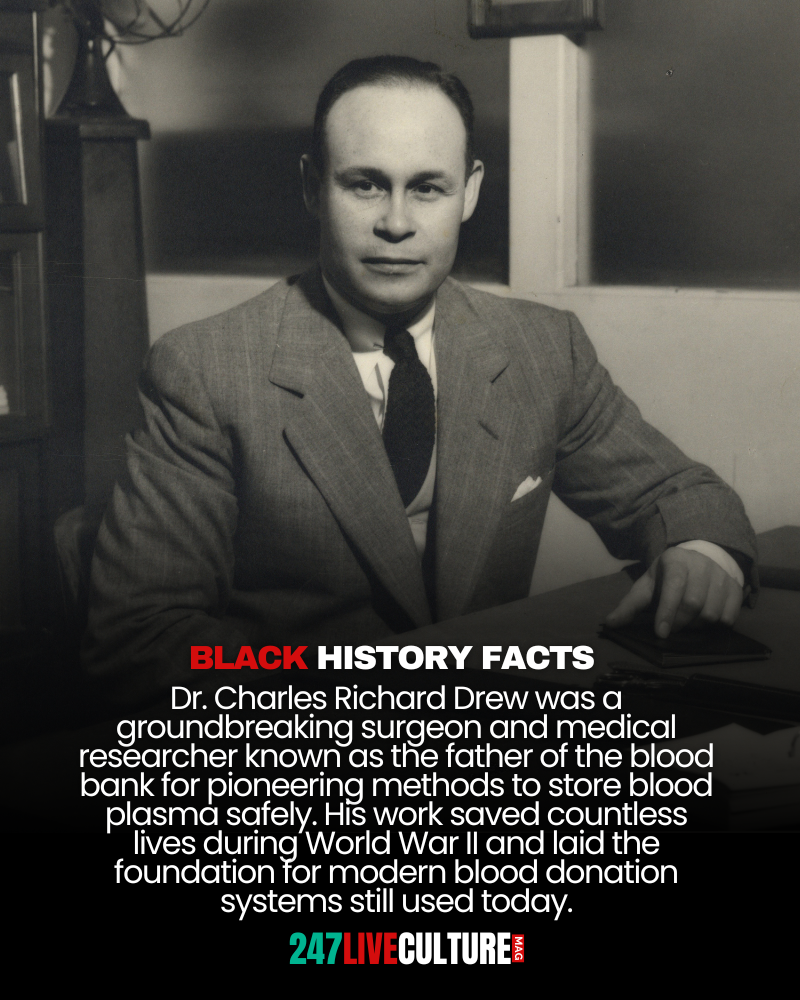
7. Dr. Charles Richard Drew
Dr. Charles Richard Drew was a groundbreaking surgeon and medical researcher known as the father of the blood bank for pioneering methods to store blood plasma safely. His work saved countless lives during World War II and laid the foundation for modern blood donation systems still used today.
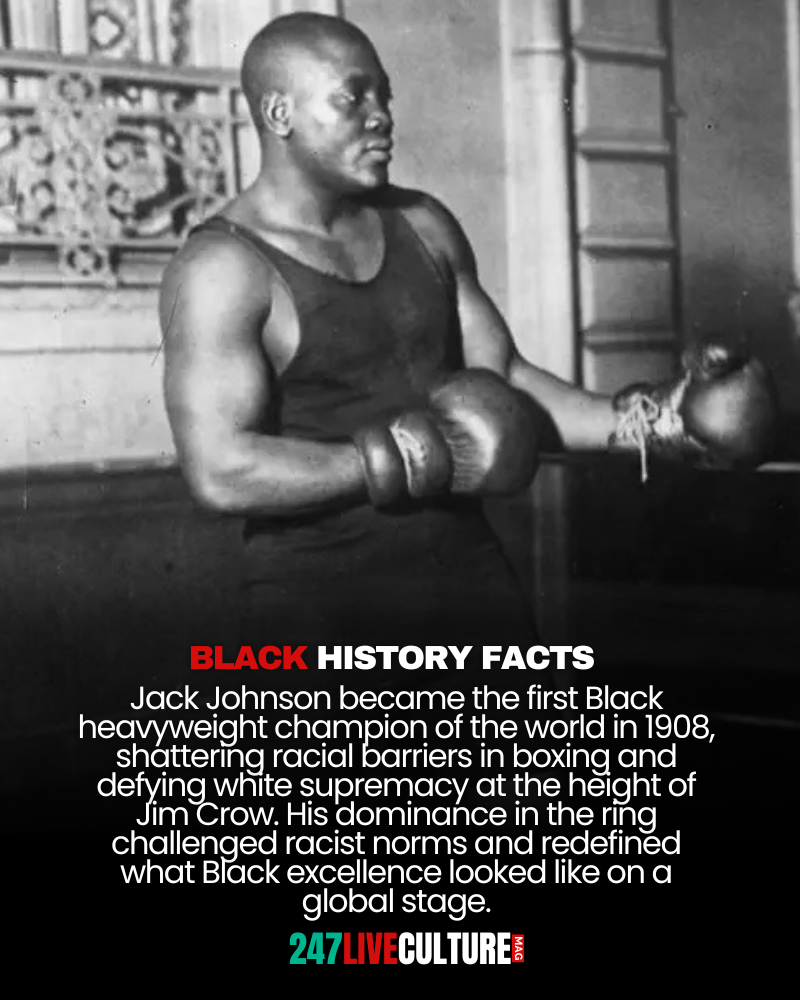
8. Jack Johnson
Jack Johnson became the first Black heavyweight champion of the world in 1908, shattering racial barriers in boxing and defying white supremacy at the height of Jim Crow. His dominance in the ring challenged racist norms and redefined what Black excellence looked like on a global stage.
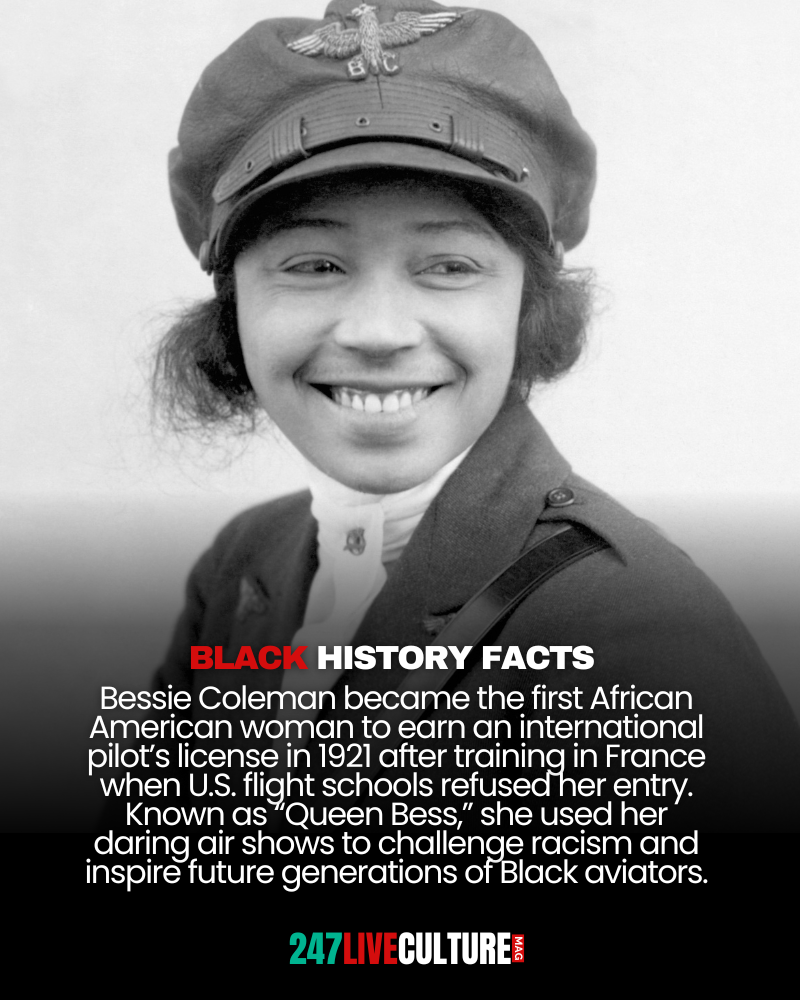
9. Bessie Coleman
Bessie Coleman became the first African American woman to earn an international pilot’s license in 1921 after training in France when U.S. flight schools refused her entry. Known as “Queen Bess,” she used her daring air shows to challenge racism and inspire future generations of Black aviators.
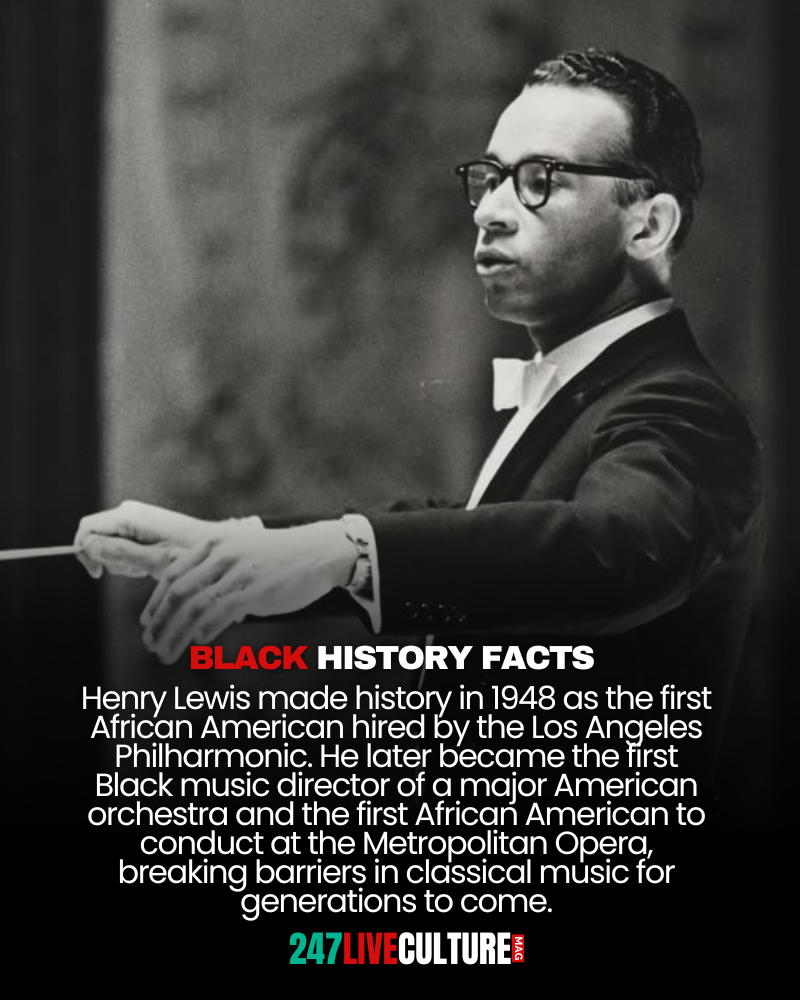
10. Henry Lewis
Henry Lewis made history in 1948 as the first African American hired by the Los Angeles Philharmonic. He later became the first Black music director of a major American orchestra and the first African American to conduct at the Metropolitan Opera, breaking barriers in classical music for generations to come.
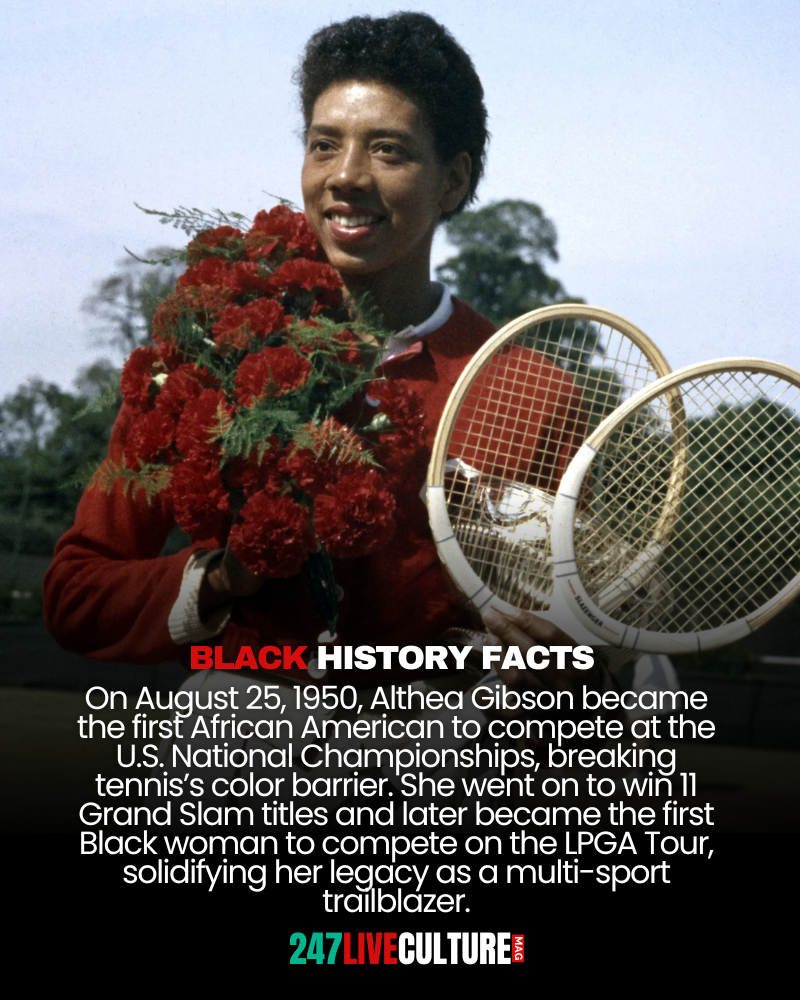
11. Althea Gibson
On August 25, 1950, Althea Gibson became the first African American to compete at the U.S. National Championships, breaking tennis’s color barrier. She went on to win 11 Grand Slam titles and later became the first Black woman to compete on the LPGA Tour, solidifying her legacy as a multi-sport trailblazer.
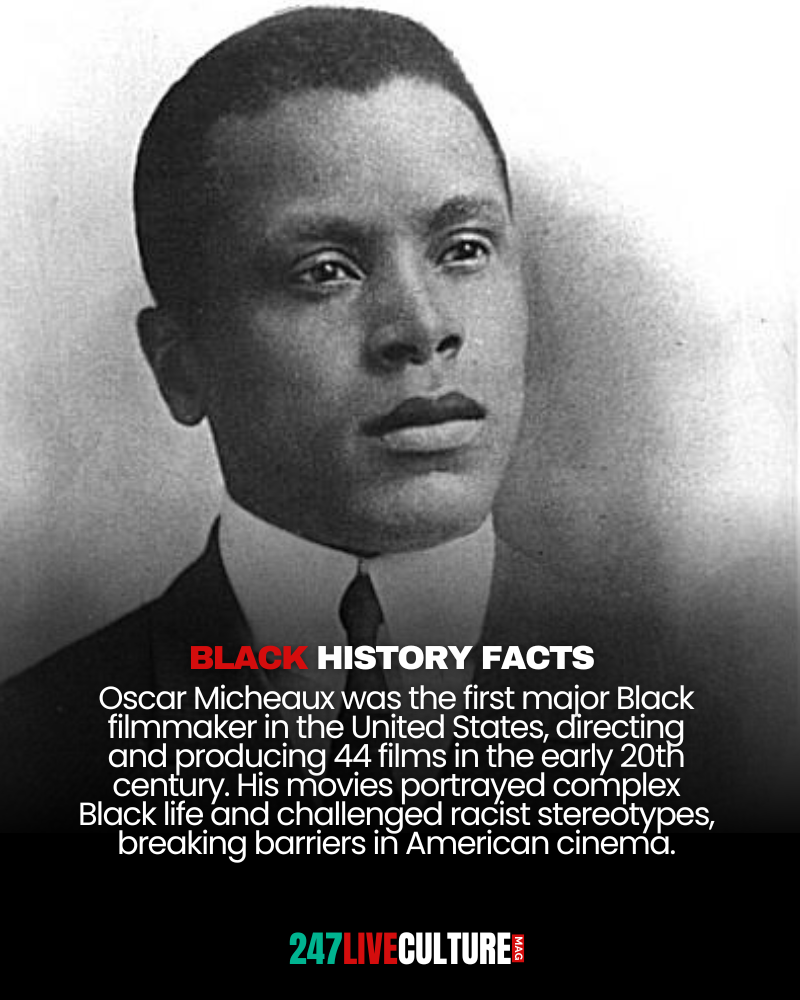
12. Oscar Micheaux
Oscar Micheaux was the first major Black filmmaker in the United States, directing and producing 44 films in the early 20th century. His movies portrayed complex Black life and challenged racist stereotypes, breaking barriers in American cinema.
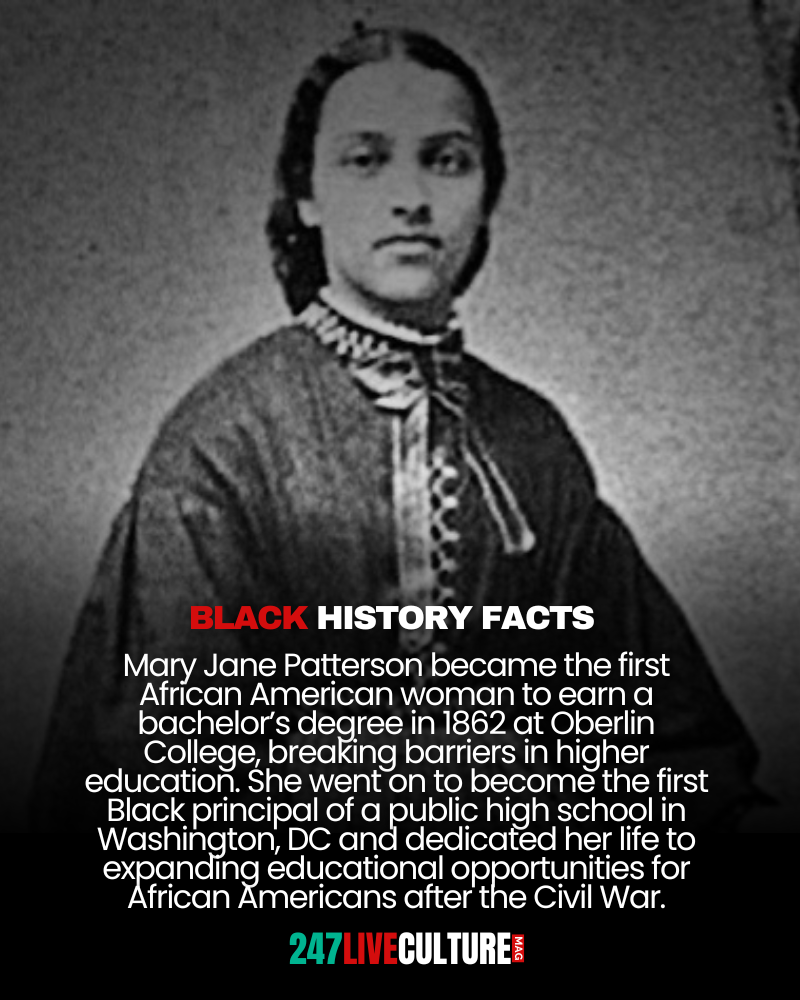
13. Mary Jane Patterson
Mary Jane Patterson became the first African American woman to earn a bachelor’s degree in 1862 at Oberlin College, breaking barriers in higher education. She went on to become the first Black principal of a public high school in Washington, DC and dedicated her life to expanding educational opportunities for African Americans after the Civil War.
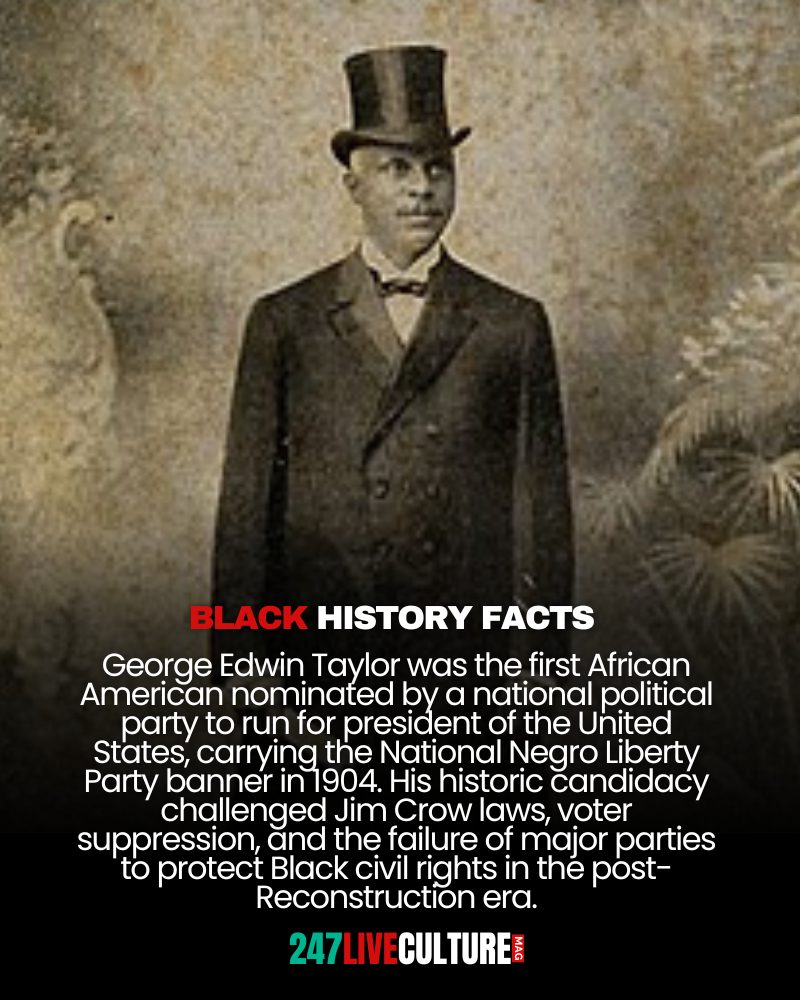
14. George Edwin Taylor
George Edwin Taylor was the first African American nominated by a national political party to run for president of the United States, carrying the National Negro Liberty Party banner in 1904. His historic candidacy challenged Jim Crow laws, voter suppression, and the failure of major parties to protect Black civil rights in the post-Reconstruction era.
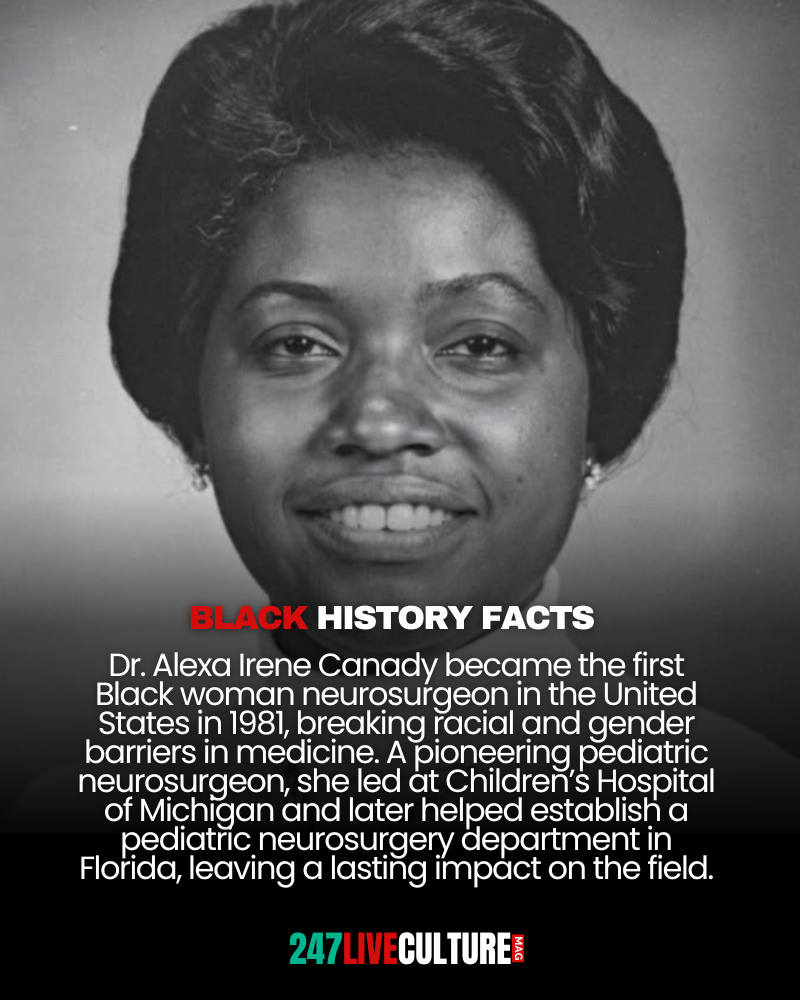
15. Dr. Alexa Irene Canady
Dr. Alexa Irene Canady became the first Black woman neurosurgeon in the United States in 1981, breaking racial and gender barriers in medicine. A pioneering pediatric neurosurgeon, she led at Children’s Hospital of Michigan and later helped establish a pediatric neurosurgery department in Florida, leaving a lasting impact on the field.
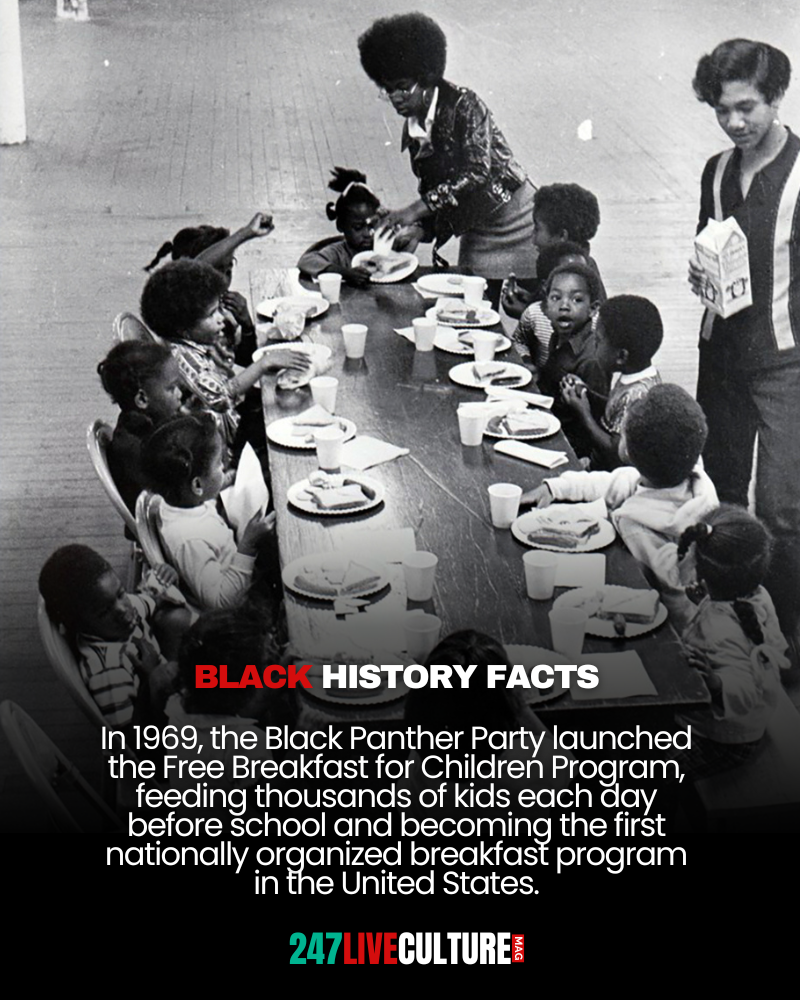
16. Black Panther Party - Free Breakfast Program
In 1969, the Black Panther Party launched the Free Breakfast for Children Program, feeding thousands of kids each day before school and becoming the first nationally organized breakfast program in the United States.
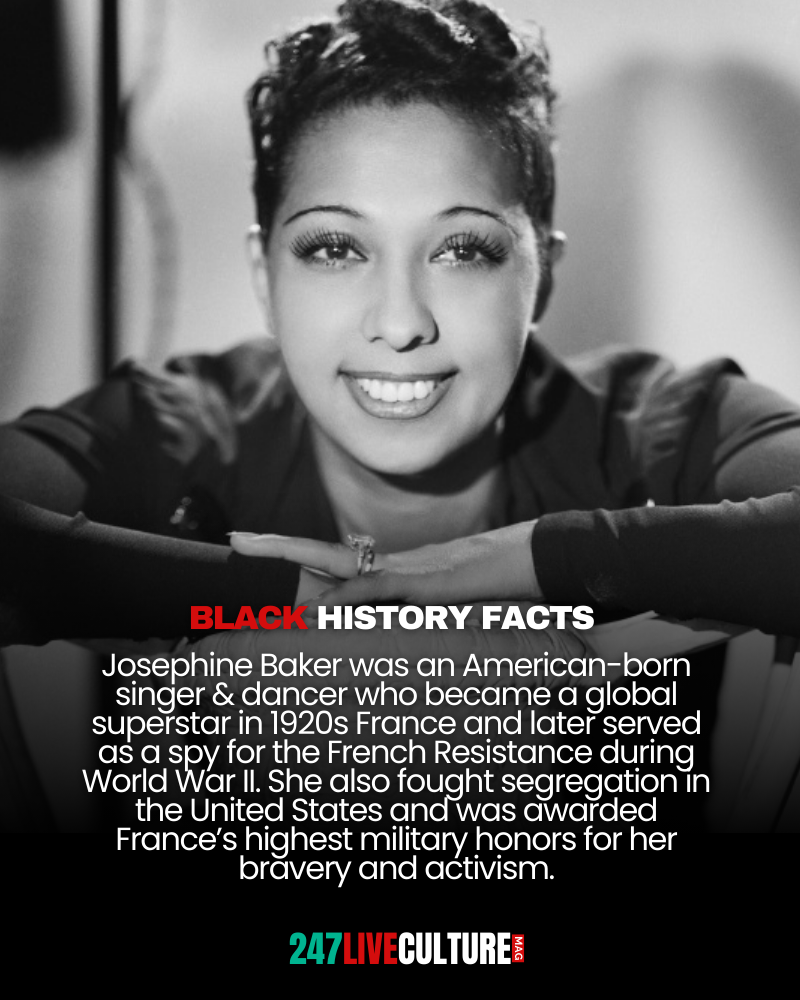
17. Josephine Baker
Josephine Baker was an American-born singer & dancer who became a global superstar in 1920s France and later served as a spy for the French Resistance during World War II. She also fought segregation in the United States and was awarded France’s highest military honors for her bravery and activism.
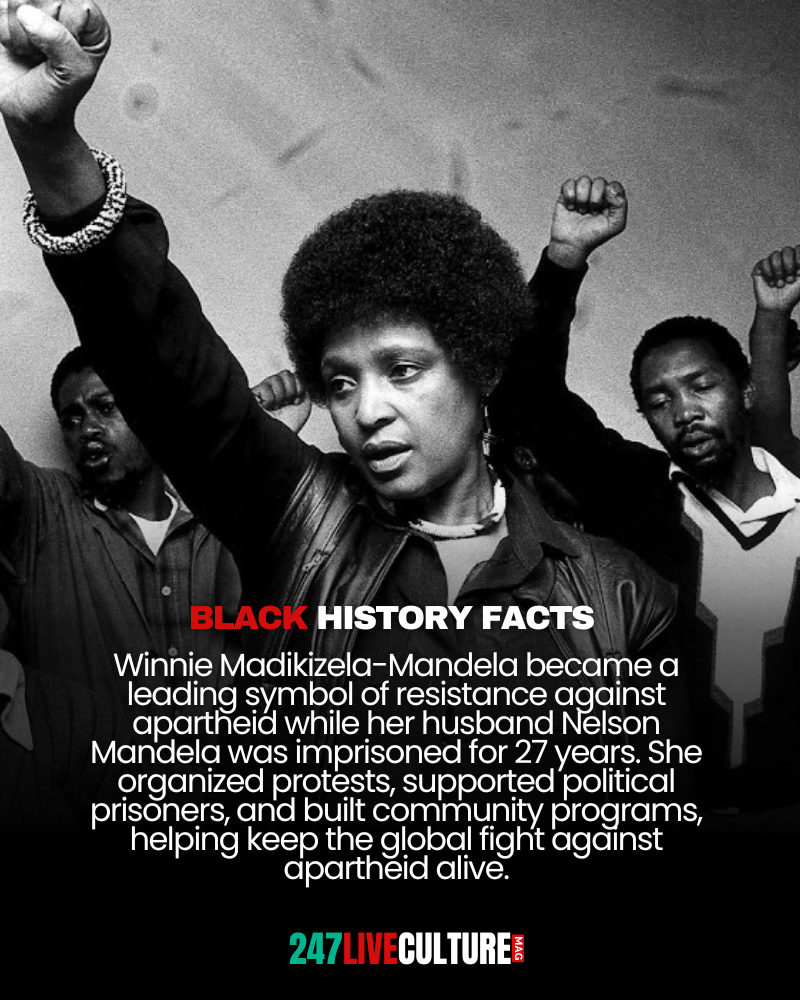
18. Winnie Madikizela-Mandela
Winnie Madikizela-Mandela became a leading symbol of resistance against apartheid while her husband Nelson Mandela was imprisoned for 27 years. She organized protests, supported political prisoners, and built community programs, helping keep the global fight against apartheid alive.
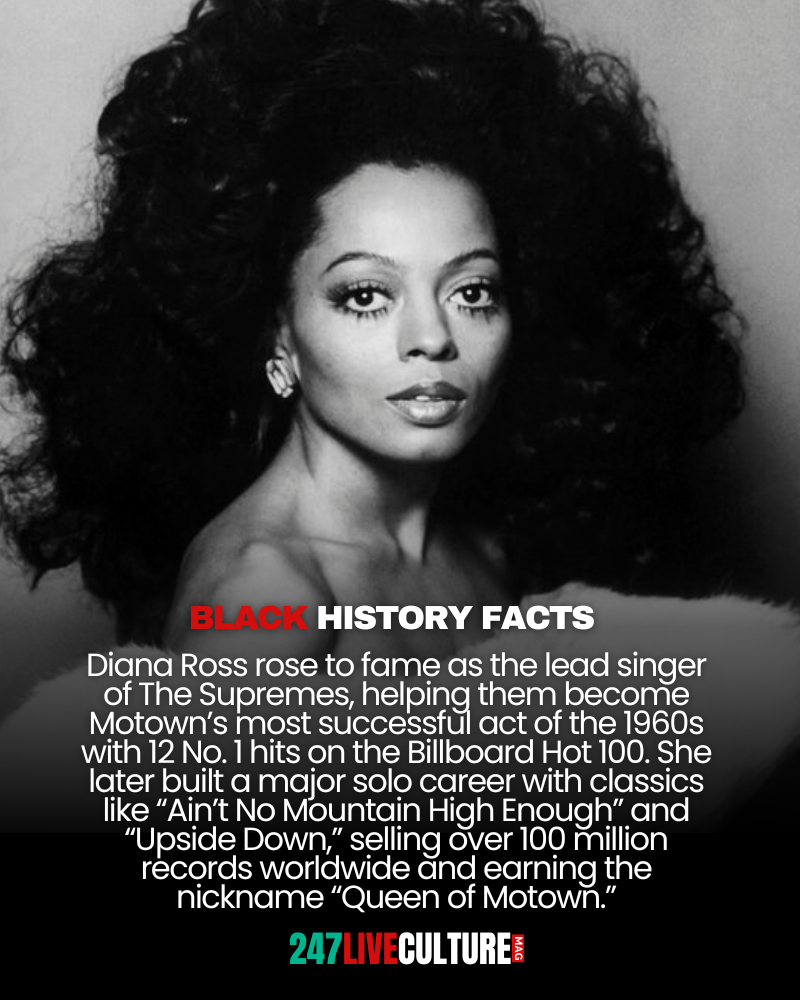
19. Diana Ross
Diana Ross rose to fame as the lead singer of The Supremes, helping them become Motown’s most successful act of the 1960s with 12 No. 1 hits on the Billboard Hot 100. She later built a major solo career with classics like “Ain’t No Mountain High Enough” and “Upside Down,” selling over 100 million records worldwide and earning the nickname “Queen of Motown.”
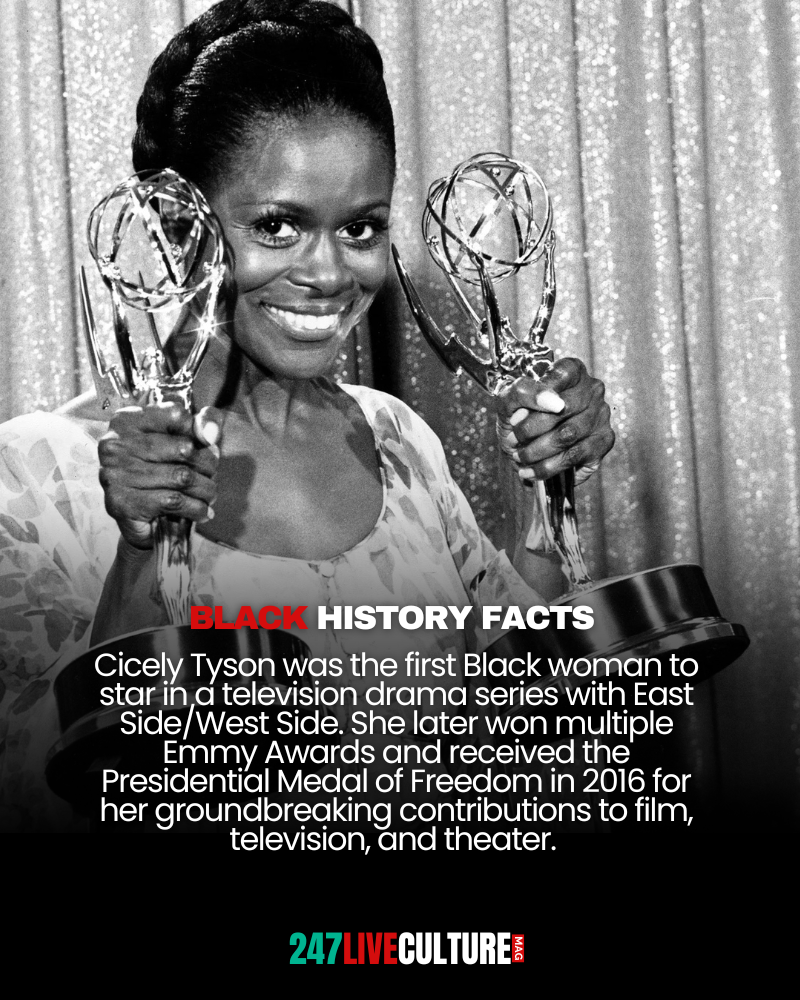
20. Cicely Tyson
Cicely Tyson was the first Black woman to star in a television drama series with East Side/West Side. She later won multiple Emmy Awards and received the Presidential Medal of Freedom in 2016 for her groundbreaking contributions to film, television, and theater.
YOU MAY ALSO BE INTERESTED IN: