Black Culture Is Not a Costume: The Truth About Cultural Appropriation

Black Culture Is Not a Costume
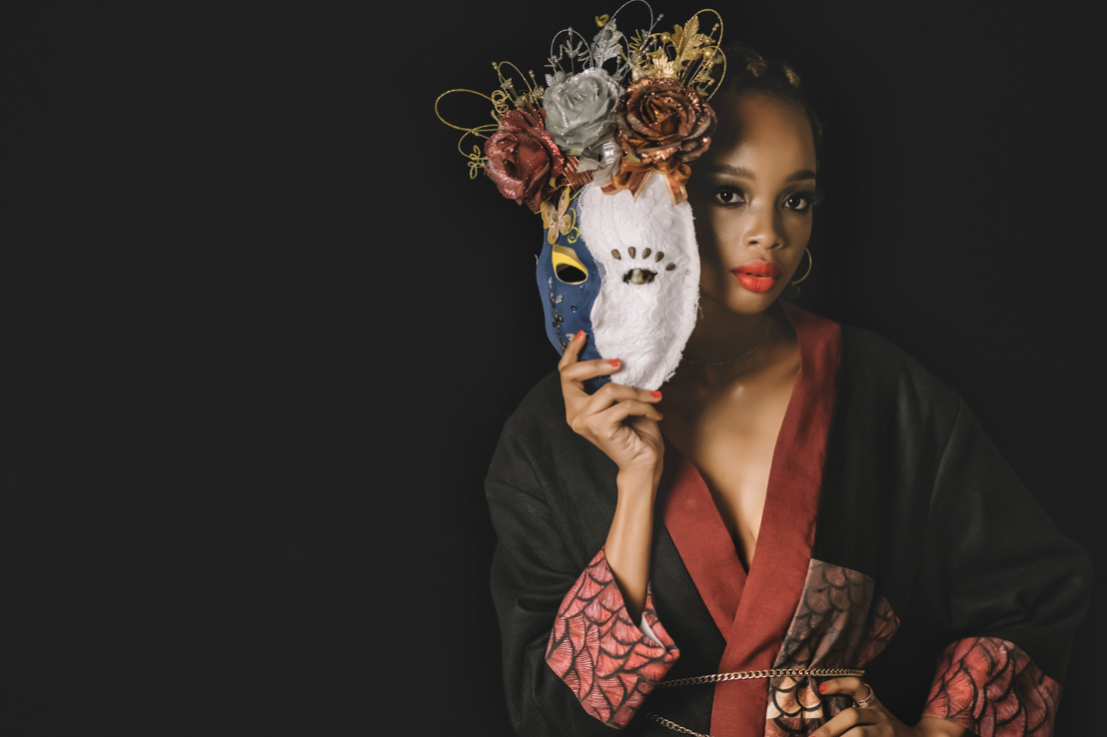
Photo Credit: Edwin Tan via iStockPhoto.com
By: Jamila Gomez
There’s a difference between appreciation and performance, and somewhere along the line, that line has gotten blurry. Blackness has been reduced to an aesthetic—something to wear, imitate, remix, and discard. A look. A sound. A vibe. But Blackness is not a trend, and it’s not something you can step into for a moment and step out of when it’s no longer convenient.
Because for those who live it, there is no off switch.
What people often engage with is a curated version of Blackness. The slang that feels catchy. The style that feels bold. The confidence that reads as effortless. It gets packaged into something consumable, something people can try on to feel more expressive, more interesting, more “real.” But what’s missing from that version is the weight it carries. The history. The assumptions. The way it shapes how you’re seen before you ever open your mouth.
Blackness is lived in the body. It shows up in how you move through the world and how the world responds to you. It affects how you’re treated in rooms you didn’t design, how your tone is interpreted, how your presence is read. It is not just expression—it is experience. And that experience doesn’t pause when it becomes inconvenient or uncomfortable.
That’s where the difference lies.
There are people who can borrow from Blackness without carrying any of its consequences. They can adopt the language, the style, the energy, and still be granted the benefit of the doubt. They can be seen as edgy, creative, or bold, while the very people who originate those same expressions are labeled unprofessional, aggressive, or too much. What is praised on one body is penalized on another.
So when Blackness is treated like an aesthetic, something gets lost. It gets flattened into performance. It becomes something you can imitate without understanding, something you can enjoy without acknowledging. And in that flattening, the fullness of it—the culture, the history, the reality—gets stripped away.
This isn’t about gatekeeping. It’s about truth.
You cannot separate Black expression from Black existence. The style didn’t come from nowhere. The language didn’t form in a vacuum. The creativity people admire was shaped in specific conditions, within specific communities, often as a way to navigate, survive, and make meaning in a world that did not always make space for it.
To engage with Black culture without acknowledging that context is to reduce it. To treat it like a costume is to ignore the fact that, for some, it is not something you wear. It is something you are.
And when the moment passes, when the trend fades, when the aesthetic shifts—some people get to move on.
Others never had that option to begin with.

YOU MAY ALSO BE INTERESTED IN: