The Invisibility of Disability in the Black Community

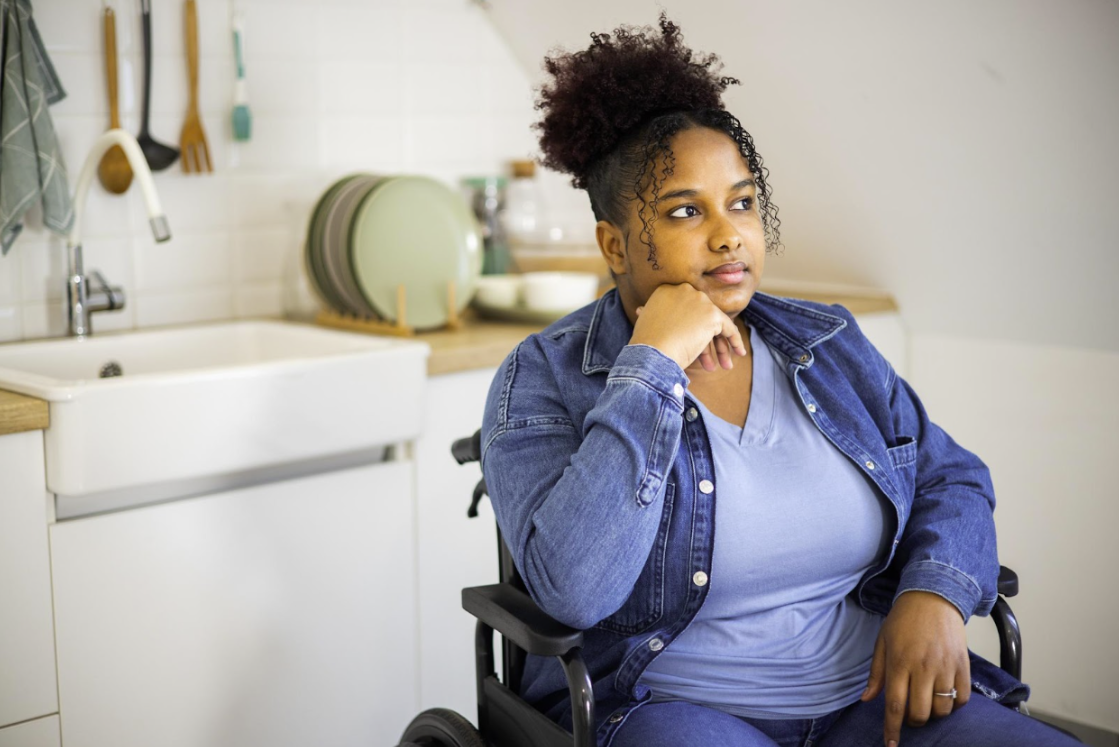
Disability in the Black Community
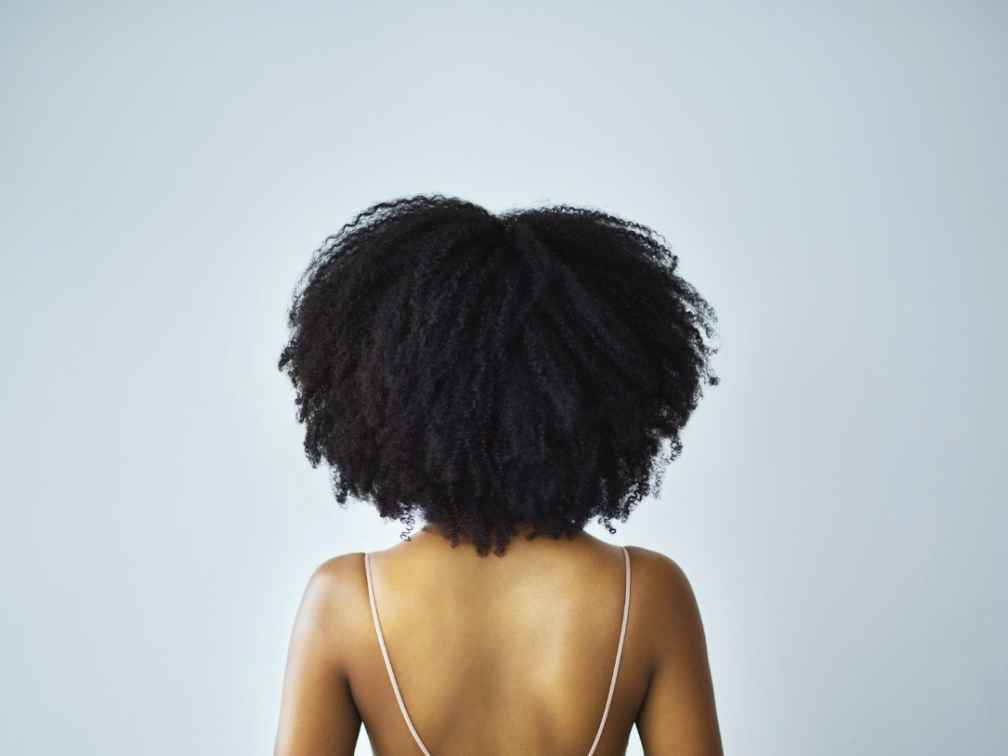
Photo Credit: MixMedia via iStockPhoto.com
By: Jamila Gomez
Disability carries a strange kind of invisibility in the Black community. It is not that disability is rare or that it lacks impact. It is invisible because of how deeply survival is woven into Black identity. Strength, endurance, perseverance — these are celebrated as cultural virtues, passed down like heirlooms. Within that framework, disability often gets absorbed into the broader expectation to “push through,” quietly folded into the narrative of resilience rather than acknowledged as its own lived reality.
Many Black people with disabilities grow up understanding, without anyone explicitly saying it, that there is little room for visible vulnerability. Race already places a target on the body. Adding disability can feel like doubling the risk of being underestimated, dismissed, or pitied. So people adapt. They minimize. They overcompensate. They learn to move through the world in ways that make others comfortable. The disability itself does not disappear, yet the social space for speaking about it does.
There is also the complicated history of how Black bodies have been viewed and treated. Generations have fought against stereotypes of weakness, dependency, and inferiority. Against that backdrop, openly identifying with disability can feel loaded. Some fear it reinforces narratives the community has worked tirelessly to dismantle. Others worry their struggles will be compared to racial oppression in ways that flatten both experiences. The result is silence layered upon silence — disability present, but rarely centered.
Inside families, this dynamic can become even more nuanced. Conditions are acknowledged in practical terms — doctor visits, medications, accommodations — while the emotional and psychological dimensions remain largely unspoken. A child’s chronic illness may be treated as a logistical challenge rather than a shaping force in identity. A mobility limitation becomes something to “manage,” not something that fundamentally influences how a person experiences independence, relationships, or self-perception. Love is present. Support is present. Yet language for the inner world of disability is often missing.
Community spaces reflect similar patterns. Churches pray for healing. Friends offer encouragement. Elders advise persistence. These responses come from care, yet they sometimes leave little room for complexity. Disability becomes framed as an obstacle to overcome, a test of faith, or a private matter. Rarely is it explored as a neutral, enduring aspect of human diversity. Rarely is there curiosity about how living with disability shapes identity beyond hardship.
This invisibility carries consequences. When disability is not openly discussed, people may struggle to see their experiences reflected anywhere. They may question whether their fatigue, limitations, or adaptive behaviors “count” as legitimate. They may feel isolated even within a community known for collective support. The absence of conversation can quietly reinforce the idea that disability sits outside the core Black narrative, rather than fully within it.
Yet visibility is slowly shifting. More Black voices are naming disability as part of their identity, their creativity, their leadership, their everyday lives. These conversations challenge the assumption that strength requires silence. They widen the definition of resilience to include adaptation, rest, interdependence, and self-advocacy. They remind the community that disability has always been present, not as a contradiction to Blackness, but as one of its many lived dimensions.

YOU MAY ALSO BE INTERESTED IN: