Dating While Disabled is Brave…and Hard

Dating While Disabled is Brave
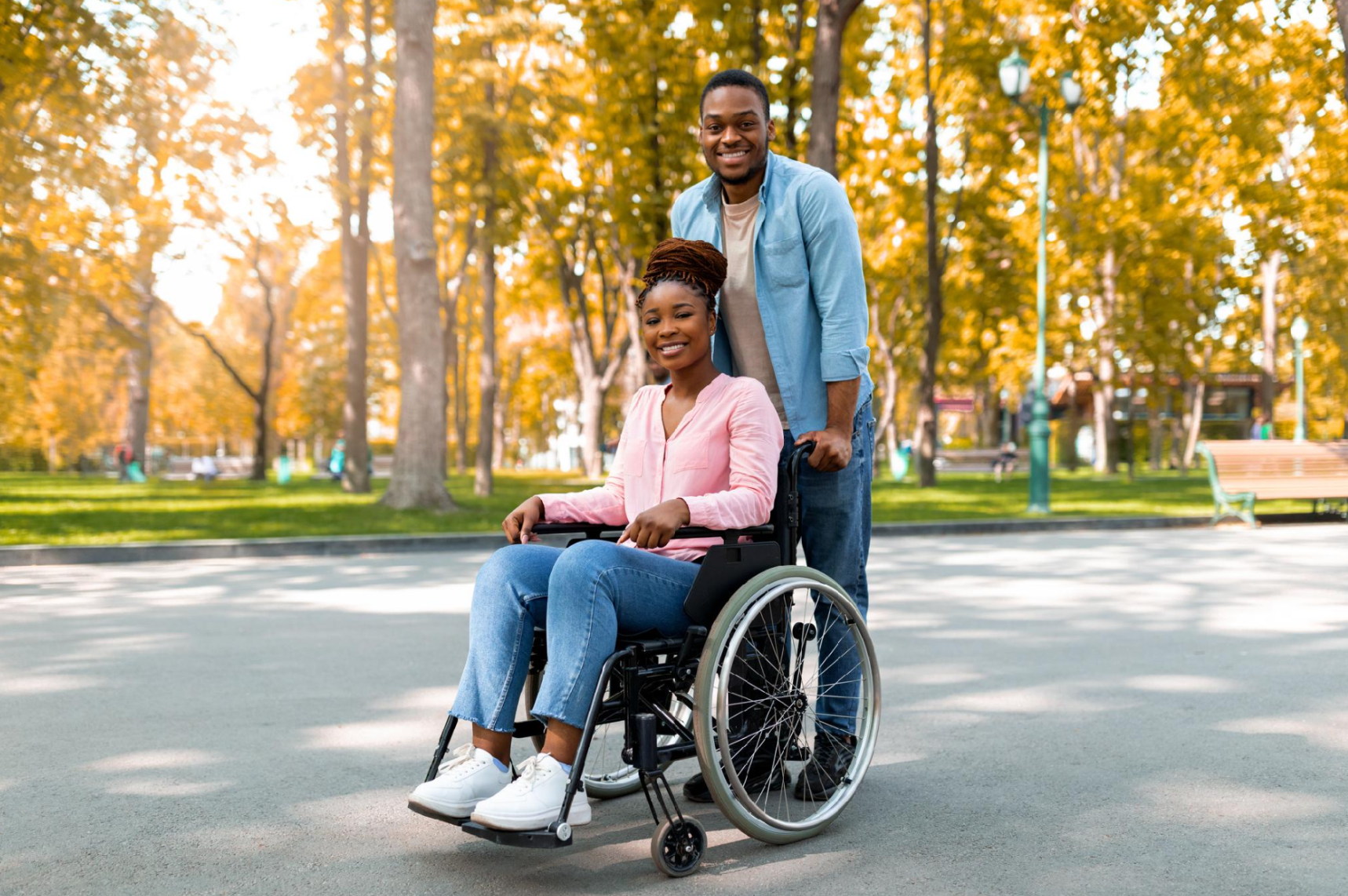
Photo Credit: Prostock Studio via iStockPhoto.com
By: Jamila Gomez
Every disabled person knows a certain moment.
It happens early in a new connection, sometimes on the first date, sometimes a few weeks in when things are starting to feel real. It is the moment you realize you have to decide how much to tell. How soon to tell it. And whether this person, this new and hopeful person sitting across from you, is someone who will stay once they know the full picture.
That moment is exhausting. And it never fully goes away.
Dating is complicated for everyone. But for people living with physical, neurological, or chronic conditions, the complications run deeper than nerves and bad timing. There is an entire layer of calculation that most people never have to think about. Will this person be patient on the hard days? Will they see the condition before they see the person? Will they stay when things get inconvenient? And the question underneath all of those questions, the one that is almost too vulnerable to say out loud: am I too much to love?
Disclosure is one of the hardest parts. Tell too soon and you risk being defined by your condition before someone has had the chance to know you. Wait too long and you risk feeling like you were hiding something. There is no perfect timing. There is only the ongoing negotiation between protecting yourself and letting someone in.
Even when disclosure goes well, even when the person responds with kindness and says all the right things, there is still the waiting. Watching to see if the kindness holds. Watching to see if patience has a limit. Watching for the moment the reality of what it means to love someone with a chronic condition settles in and the dynamic quietly shifts.
Some people leave. Not always loudly. Sometimes they just slowly become less available. Every time that happens, it deposits something in a person. A little more guardedness. A little more reluctance to try again. A quiet, growing belief that love might just be harder to keep than it is to find.
What makes this particularly painful is that the desire for connection does not go away just because connection has been painful. People with disabilities want what everyone wants. Partnership. Intimacy. Someone who knows the hard parts and stays anyway. Someone who does not need the condition to be invisible in order to be comfortable. Someone who loves the whole person, not just the easy version of them.
That is not an unreasonable thing to want. It is the most human thing in the world.
The conversation around disability and dating has started to grow louder in recent years, and that matters. Seeing relationships that include disability portrayed as full, loving, and real changes something in the people who have never seen themselves reflected that way.
Beyond representation, what people living with chronic conditions often need most is permission. Permission to want love without apologizing for the complexity that comes with them. Permission to have standards. Permission to leave situations where they are tolerated instead of chosen. Permission to believe that the right person will not see their condition as a problem to manage but as one part of a whole person worth knowing.
That person exists. And so does the love that does not ask you to shrink before it will stay.

YOU MAY ALSO BE INTERESTED IN: