

Black Women Deserve to Be Proud
In a world that applauds Black women for their strength but rarely encourages them to celebrate themselves, learning to embrace healthy, unapologetic pride becomes an essential act of self-recognition, confidence, and quiet revolution! We discuss it here!

Black Women Deserve To Be Proud
Photo Credit: Prostock-Studio via iStockPhoto.com
By: Jamila Gomez
Black women are often praised for endurance. People admire how they hold families together, show up for everyone else, and keep moving forward no matter what. Strength becomes the headline. Resilience becomes the brand. What rarely gets centered is pride. Real, unapologetic pride in what they have accomplished and who they have become.
For many Black women, pride can feel complicated. There is a long history of being told to stay humble, to not make others uncomfortable, to not appear arrogant or ungrateful. Success is often softened. Achievements are minimized. Wins are attributed to luck, favor, or timing rather than effort and ability. Over time, that habit of shrinking becomes second nature.
But denying yourself pride slowly chips away at your sense of self. Pride, in its healthiest form, is simply acknowledgment. It is the ability to look at your life and say, I worked for this. I survived that. I grew through that season. It is allowing yourself to feel the weight of what you carried and the fact that you did not drop it.
Without pride, accomplishments blur together. One milestone is reached and immediately replaced by the next demand. There is no pause to integrate what happened. No space to let your nervous system register that something meaningful occurred and that you were the one who made it happen. That constant forward motion creates exhaustion because there is never a moment where anything feels complete.
Black women carry layered expectations from family, community, work, and faith spaces. Many were raised to believe that strength is proven through service and sacrifice. Pride can feel indulgent in comparison. It can feel like drawing attention to yourself in a world that already scrutinizes you. Yet pride is not arrogance. It is alignment. It is recognizing that your effort matters.
The world does not consistently affirm Black women. Competence is often questioned before it is acknowledged. Labor is expected before it is appreciated. Leadership is relied upon before it is credited. If you wait for external validation, you may be waiting a long time. That is why internal validation becomes essential.
Healthy pride builds self trust. It becomes an internal voice that says, I see what you did. I know what it cost you. That voice strengthens confidence in a way that applause never could. It also reshapes identity. Instead of seeing yourself only as the strong one or the responsible one, you begin to see yourself as capable, accomplished, and worthy of celebration.
There is also room for faith in this conversation. Gratitude and pride can coexist. You can acknowledge God’s grace and still recognize your obedience, your discipline, and your courage. Partnership does not require erasing your contribution.
Allowing yourself to be proud changes how you move. You negotiate with more clarity. You rest without as much guilt. You make decisions from confidence rather than fear. Most importantly, you model something powerful for younger Black girls watching. They learn that achievement does not have to be whispered and that celebration does not have to be quiet.
Black women deserve more than survival. Thriving includes honoring yourself. Pride is not excess. It is necessary.

YOU MAY ALSO BE INTERESTED IN:

SHARE TO SOCIAL MEDIA
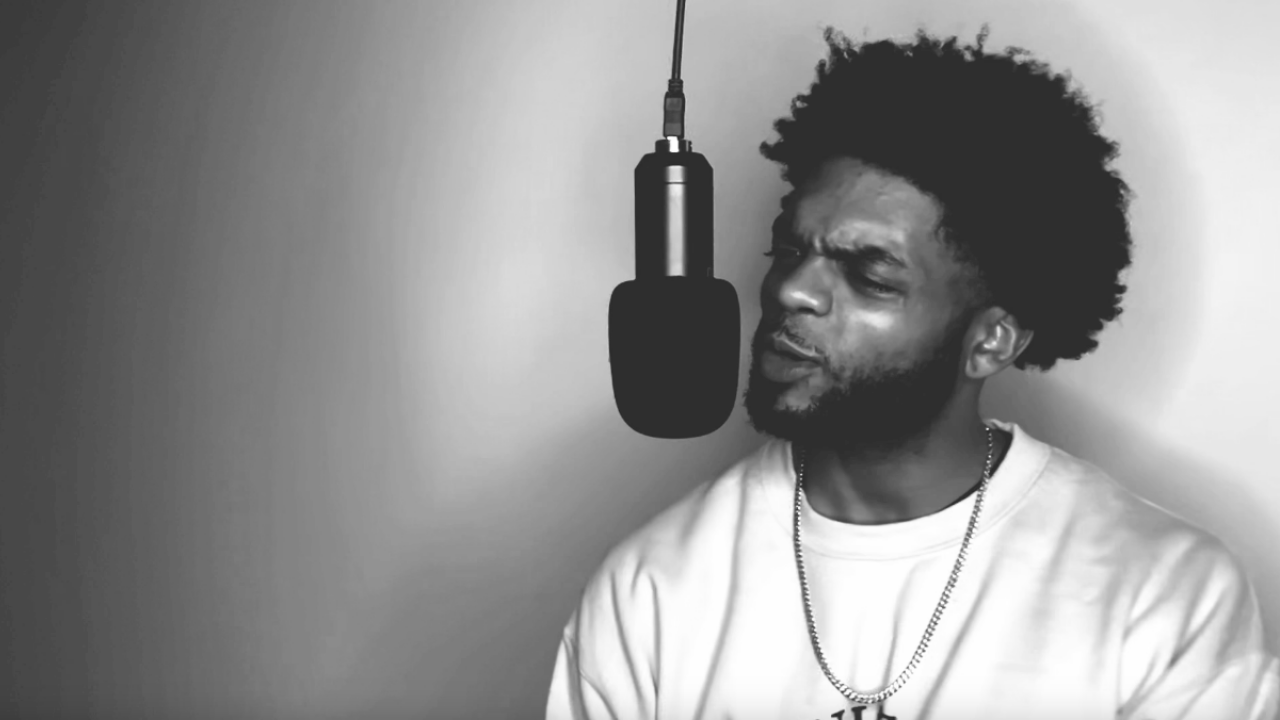
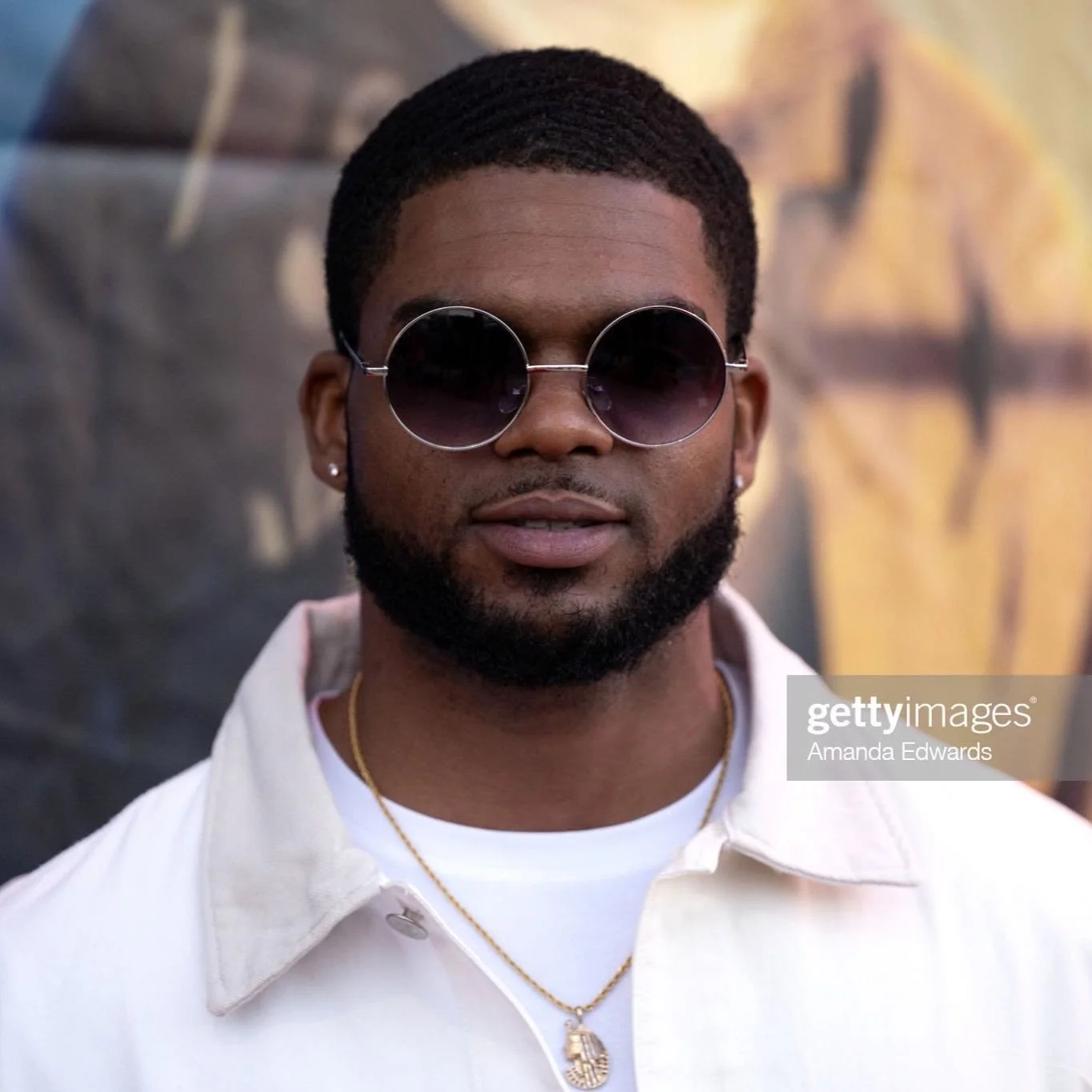
The Power of Black Art: Using Music and Creativity to Heal and Elevate
Black artists have the power to shape culture, and when we use our music and creativity to heal, inspire, and uplift, we leave a legacy that elevates our communities and transforms lives. We discuss it here!
Omar Cook Performs “Spiritual War”
By: Omar Cook
Art is powerful. Every note, every lyric, every visual we put into the world carries energy. As Black artists, we hold a unique platform to influence minds, hearts, and culture. Unfortunately, mainstream Black entertainment has often been steered toward negative agendas—glorifying sex, drugs, and materialism—rather than uplifting, healing, or inspiring. This imagery and messaging aren’t harmless; they shape how people think, feel, and act.
Music is spiritual. It affects the soul whether we acknowledge it or not. When hate, destruction, or death are the themes we amplify, that energy is released into the world, and eventually it comes back to us. Every song, every performance is a choice. It doesn’t have to be gospel or a political speech, but it should be intentional. Ask yourself: Does what I’m creating benefit others? Does it uplift, heal, or inspire, or does it add to the destruction of our people?
The youth feel the impact the most. They attend concerts, watch videos, and consume music on a massive scale. They are receiving this energy, absorbing it, and it becomes part of the environment they grow up in. As artists, we have a responsibility to be conscious of that influence. The music we create isn’t just entertainment; it’s shaping the mindset and spirit of generations.
Promoting positive, high-vibrational artistry starts with us as creators. It starts with being a catalyst for change and holding ourselves accountable for the legacy we leave behind. I want my art to exist as a source of healing, growth, relatability, and inspiration—something that gives people strength to keep going despite life’s challenges. That is the power of intention in art.
But the responsibility isn’t only on artists. As consumers, we also hold power. Where we put our energy—what we stream, share, and support—determines which artists rise and which messages dominate culture. Supporting artists who inspire and uplift is just as important as creating that content.
The shift starts now. It’s time to check ourselves, both as creators and as audiences. Black entertainment can evolve. Our art can carry the vibration of hope, love, and unity. Our legacies can be measured not only by hits and streams but by the healing and inspiration we leave behind. The question is simple: what energy do you want to leave on this planet, and how will your gifts serve the people?
YOU MAY ALSO BE INTERESTED IN:
SHARE TO SOCIAL MEDIA

From Empowerment to Exploitation: How Companies and Culture Exploit the Word | Oped
Empowerment has become a buzzword stripped of meaning, used to market overwork, consumption, and illusion instead of real power and change. We discuss it here!
When Empowerment Becomes Exploitation
Photo Credit: pixelfit via iStockPhoto.com
By: Jamila Gomez
Empowerment is everywhere. Companies claim they empower employees. Brands promise their products empower women. The word saturates ad campaigns, annual reports, and hashtags. But the more it circulates, the more hollow it becomes. Too often, what’s sold as empowerment is exploitation dressed in affirmations—demanding more while insisting you should be grateful for the chance.
The workplace is the clearest case. Employers boast about empowering staff with “flexibility” or encouraging “ownership.” In practice, flexibility means being reachable at all hours, and ownership translates into absorbing responsibilities without pay, support, or decision-making power. You’re told you’re being empowered to grow while your job quietly expands into what used to be two jobs. Autonomy becomes a brand name for overwork.
Consumer culture runs the same play. A fashion label celebrates “empowered women” in glossy ads while underpaying women of color who sew its garments under unsafe conditions. Wellness companies sell supplements, apps, and retreats as tools for empowerment, telling you peace is a purchase away. The burden lands on individuals to buy, optimize, and “fix” themselves, while the forces driving their stress—precarious wages, long hours, unaffordable housing—stay untouched.
The gig economy perfected the script. Platforms talk about empowering workers to “be their own boss,” but what many actually get is fluctuating pay, opaque algorithms, and the risks of employment without protections. The freedom to choose your hours often means stitching together income across multiple apps with no benefits. Again, the language elevates choice while the structure limits it.
This rhetoric doesn’t merely mislead; it relocates accountability. If you don’t feel empowered, the diagnosis becomes personal: you didn’t lean in, hustle harder, manifest correctly, or maintain the right mindset. Structural barriers fade from view, shielded by uplifting copy. Meanwhile, the people with the least control over their time and safety are told to self-improve their way out of systems designed to exhaust them.
Real empowerment is not a slogan. It is structural. It looks like fair wages, predictable schedules, safe workplaces, paid leave, and accessible healthcare. It means transparent advancement, independent recourse for harm, and a voice with teeth—unions, worker councils, tenant protections.
We should retire the applause lines and adopt testable questions: Who decides? Who benefits? Who bears the risk? How quickly can harm be remedied, and by whom? If the answers still point up the chain, that’s not empowerment—it’s marketing. Power that can be taken away without due process or a collective say was never power to begin with.
If institutions are serious, they should stop using empowerment as camouflage and ask harder questions: Are we shifting control to the people most affected, or simply rebranding extraction? Until “empowerment” is tied to actual power—time you can protect, money you can live on, safety you can trust—it will remain a flattering mask.
And masks, no matter how inspirational the slogan across them, cannot clean the air we’re forced to breathe. Real empowerment changes the air. Everything else is costume.
YOU MAY ALSO BE INTERESTED IN:
SHARE TO SOCIAL MEDIA
Blue Meridian Partners Donates $124 Million to HBCU Alliance
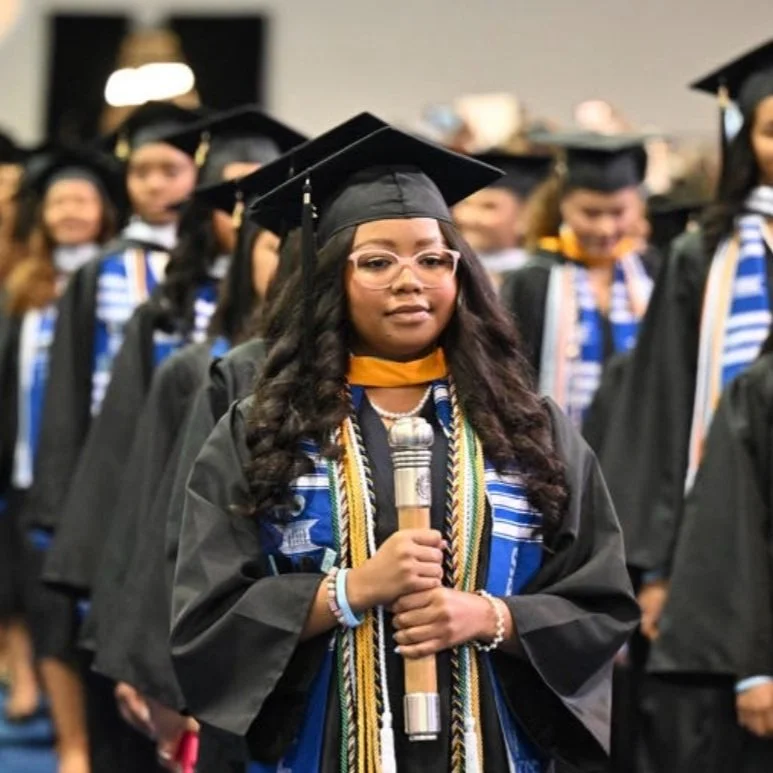
Blue Meridian Partners donated $124 million to the HBCU Transformation Project, enabling the project to advance its mission of fostering systemic improvements in historically Black colleges and universities across the country. We discuss it here!

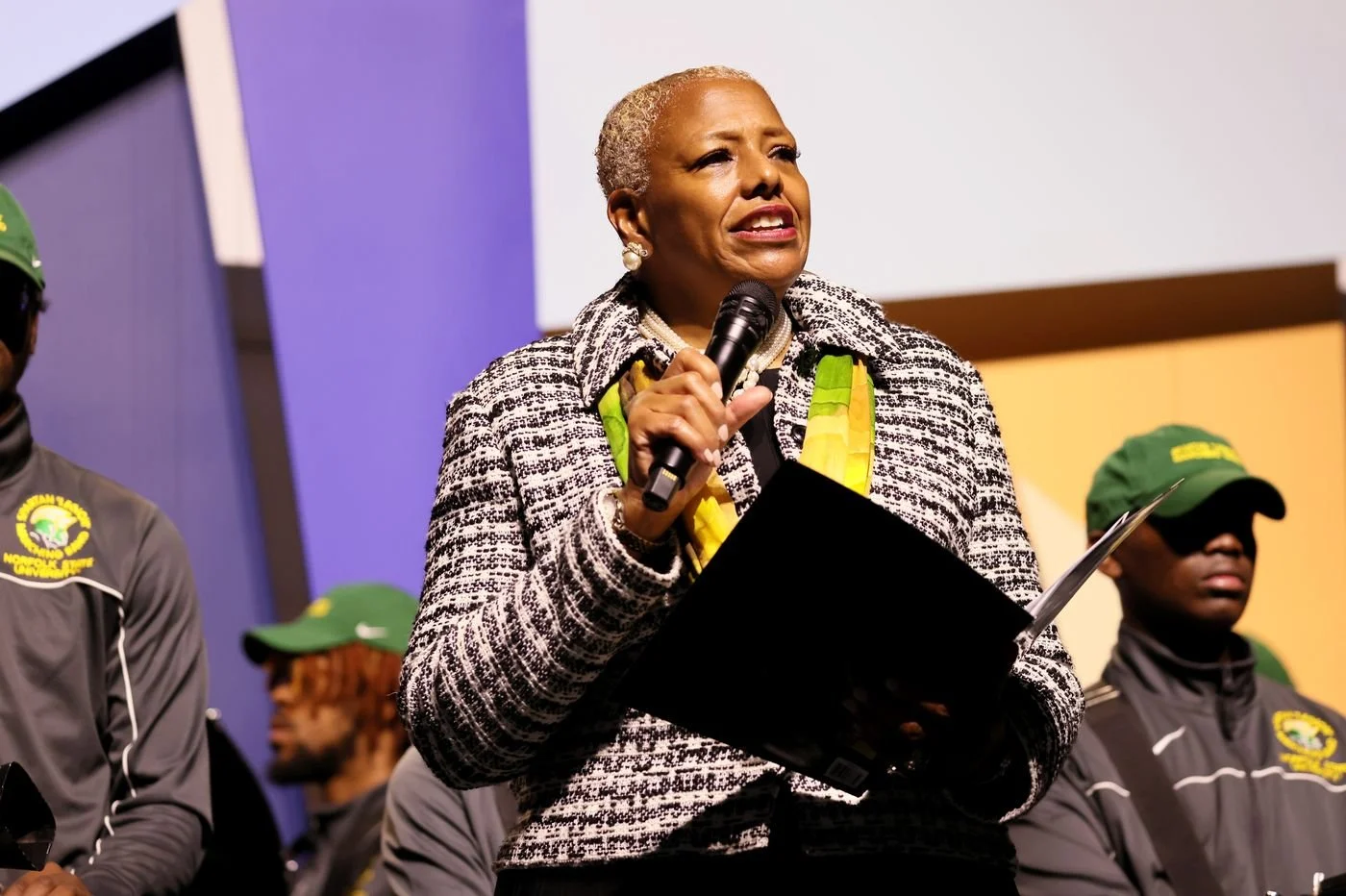
The President of Norfolk State University, Javaune Adams-Gaston, mentions that the institution frequently lacks the resources required for significant large-scale projects. (JEMAL COUNTESS/GETTY IMAGES FOR MIGHTY DREAM FORUM)
By: Gentel Sharrie
Donations are pouring in to transform 40 historically Black colleges and universities with the goal of supporting employment rates, enrollment, and graduation rates. This funding comes on the heels of a $75 million donation from Blue Meridian in 2020. Blue Meridian initially contributed funds at the start of the COVID-19 pandemic to cover operating costs while HBCU institutions were closed. South Carolina State University was among the first colleges to utilize these funds, investing in a customer relationship management platform to streamline enrollment and financial aid applications, a significant improvement over their previous manual processes.
It is important for sponsors to continue donating to HBCUs because during times of segregation and discrimination, these institutions provided African Americans with access to higher education when other establishments excluded them. HBCUs played a pivotal role in educating generations of Black individuals who subsequently became leaders, professionals, and advocates for these colleges. Historically Black Colleges have a longstanding tradition of delivering quality education and producing exceptional graduates. Despite frequently confronting limited resources and funding challenges, these institutions have consistently produced influential leaders, innovators, and scholars in various fields.
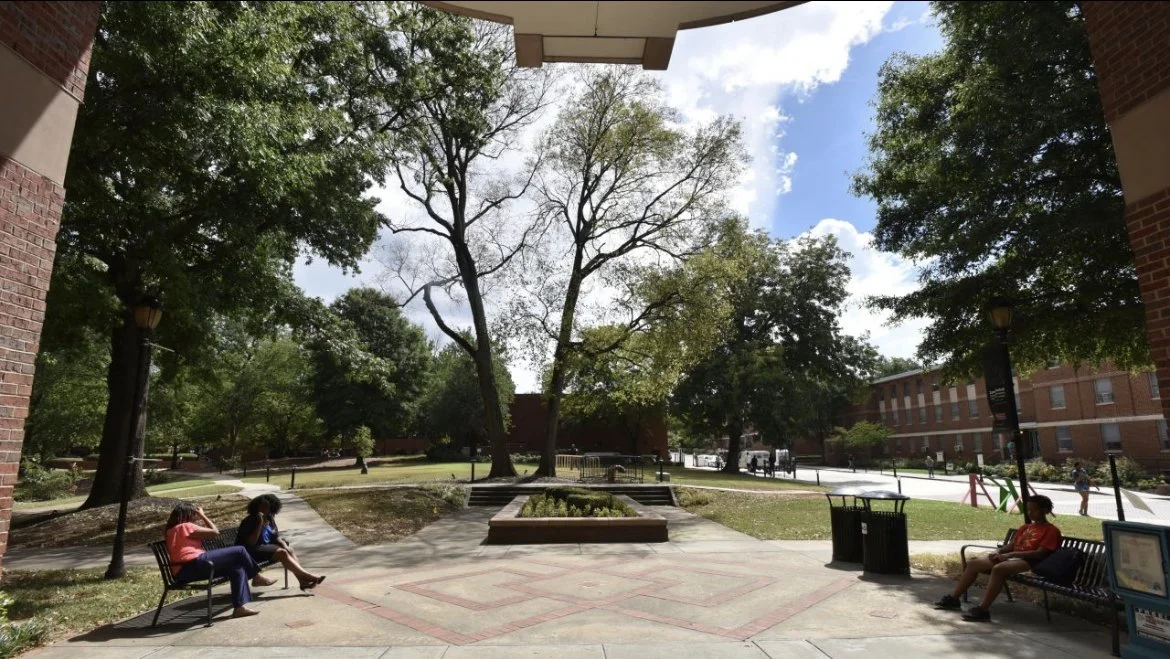
Students on the campus of Spelman College, a historically Black liberal arts college for women located in Atlanta. (Hyosub Shin/Atlanta Journal-Constitution/AP)
HBCUs have historically been pillars of support and empowerment within their communities. They have played a crucial role in uplifting marginalized communities by providing educational opportunities, scholarships, and resources for students who may face financial, social, or systemic barriers to education. HBCUs are important institutions that have played a vital role in providing access to education, preserving cultural heritage, nurturing academic excellence, supporting communities, promoting activism, and fostering diversity. They continue to be valuable contributors to society and the advancement of racial equality and with these donations the HBCUs will continue to rise to the top.
YOU MAY ALSO BE INTERESTED IN:
Meet Gentel Sharrie, Head of Media Coverage for 247 Live Culture!
Email: Gentel@247LCTV.com