
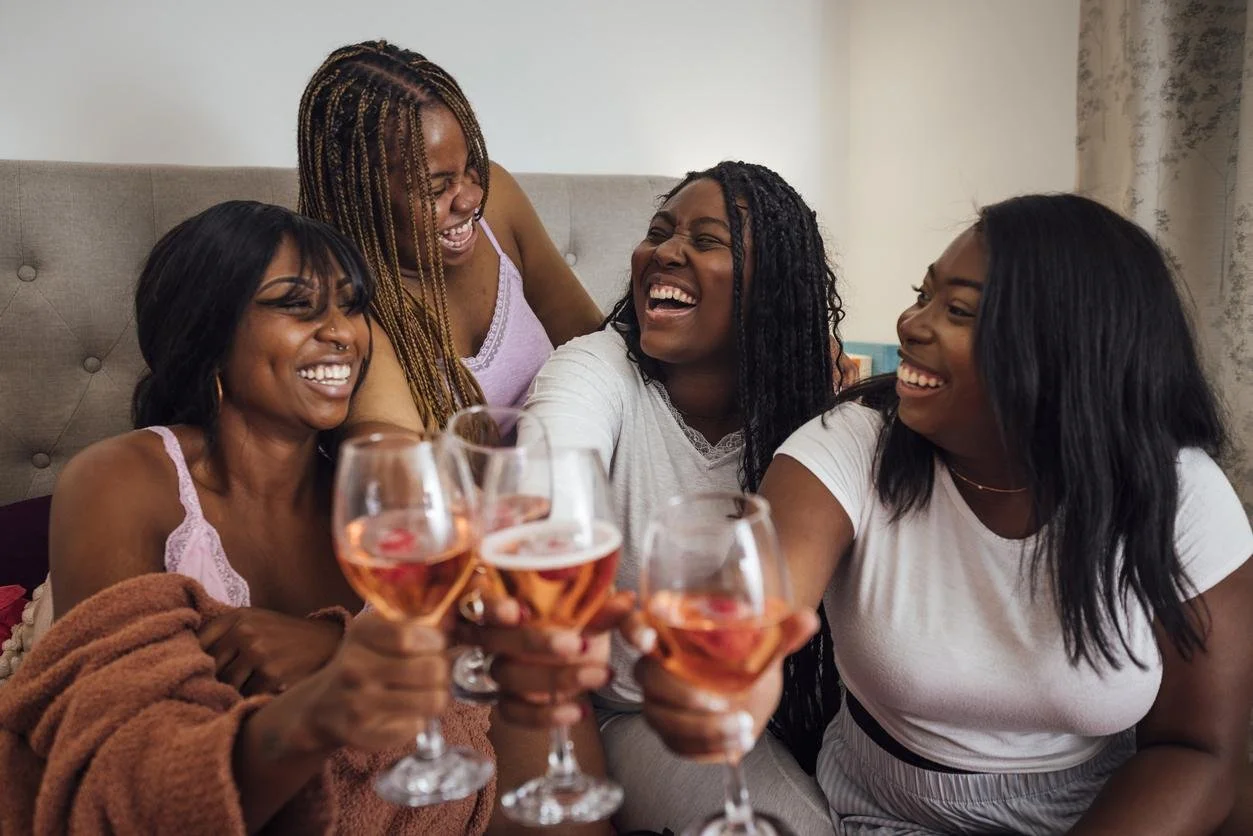
Joy as Resistance: Cultivating Happiness Amidst Challenges for Black Communities
Discover practical strategies for Black individuals to prioritize joy and well-being, from mindfulness and cultural expression to community engagement and advocacy for personal empowerment. We discuss it here!

Photo Credit: SolStock via iStockPhoto.com
By: Jamila Gomez
Prioritizing joy and cultivating happiness are essential pursuits for everyone, particularly for Black individuals who may face unique social stressors. Amidst the challenges, finding and maintaining spaces of joy can be both a personal triumph and a radical act of self-care. Here are some strategies aimed at helping Black people prioritize their happiness and well-being.
1. Community Engagement
Building and maintaining strong connections within the community can be a profound source of joy. Engaging with others who share similar experiences and backgrounds provides emotional support and strengthens communal ties. Whether it’s through local clubs, religious groups, or online forums, being part of a community can offer validation and a shared space for laughter and support.
2. Cultural Expression
Celebrating one’s cultural heritage can be a powerful way to enhance personal joy. This might involve participating in cultural events, learning traditional crafts, or enjoying the arts and music of one’s ancestors. Such activities not only foster a positive sense of identity but also connect individuals to a rich lineage of joy and resilience.
3. Mindfulness and Mental Health
Practicing mindfulness can help mitigate the impact of stress and promote a state of peace and contentment. Techniques like meditation, yoga, and deep-breathing exercises can center the mind and foster a sense of calm. Additionally, seeking support from mental health professionals who understand the specific experiences of Black individuals can be crucial in addressing and navigating racial stressors.
4. Finding Joy in Everyday Activities
Joy can often be found in everyday activities. Taking time to indulge in hobbies that lift spirits or simply taking a moment to enjoy a quiet morning can significantly boost one’s mood. Prioritizing these small pleasures and recognizing them as acts of self-care is vital for emotional resilience.
5. Advocacy and Empowerment
Engaging in advocacy and activities that promote justice can also be a source of profound happiness. Fighting for change not only contributes to the well-being of the community but can also give individuals a sense of purpose and agency. Whether it’s through volunteering, educating others, or participating in local governance, such activities can transform feelings of helplessness into empowerment.
6. Digital Detox
Sometimes, stepping away from digital spaces can significantly reduce stress. Social media and news outlets can often be sources of negative emotions. Taking regular breaks from digital devices allows individuals to reconnect with themselves and their immediate environment, paving the way for a clearer and more joyful mind.
By adopting these strategies, Black individuals can create a sustainable practice of joy that not only counters daily stressors but also enriches their lives with profound happiness and satisfaction. Prioritizing such activities is essential in nurturing both personal and communal well-being.

YOU MAY ALSO BE INTERESTED IN:




SHARE TO SOCIAL MEDIA

5 Safe and Welcoming Travel Destinations for Black Women in 2025
Discover the top five safest and most welcoming travel destinations for Black women in 2025, offering rich cultural experiences, inclusive communities, and essential travel tips for a fulfilling journey. We discuss it here!
Photo Credit: PeopleImages via iStockPhoto.com
By: Jamila Gomez
Traveling the world as a Black woman can be an incredible opportunity for personal growth, cultural immersion, and adventure. However, the intersection of race and gender may sometimes present unique challenges. From concerns about racial bias to navigating cultural norms, safety is often a top priority. Thankfully, more destinations are actively working to foster inclusive and welcoming environments. Below is a curated list of five travel spots that have been praised for their safety, vibrant culture, and openness to diversity in 2025.
1. Lisbon, Portugal
Why Visit?
Diverse Neighborhoods: Lisbon boasts multicultural neighborhoods—such as Mouraria and Intendente—where people of many backgrounds coexist.
Rich African Heritage: Portugal’s historical ties to Africa have contributed to a robust diaspora community and a thriving scene of African restaurants, cultural events, and community gatherings.
Welcoming Vibe: Whether enjoying live fado music in the Alfama district or chatting with locals at a cozy café, Lisbon’s laid-back atmosphere tends to make visitors—especially solo travelers—feel at ease.
Travel Tip: Visit the African Market in Martim Moniz to shop for authentic African fabrics, art, and cuisine. It’s a great way to connect with other members of the diaspora.
2. Toronto, Canada
Why Visit?
Cultural Mosaic: As one of the most multicultural cities in the world, Toronto offers a safe and inclusive environment. You’ll find strong Caribbean and African communities, particularly in neighborhoods like Little Jamaica and Regent Park.
Festivals and Events: From Afrofest (a large African music festival) to Caribana (the famous Caribbean carnival), the city offers numerous celebrations dedicated to Black culture.
Safety Record: Canada consistently ranks highly in global safety indexes, and its cities tend to have strong community policing and well-lit public areas.
Travel Tip: Check out the newly expanded Museum of Contemporary Art (MOCA), which frequently hosts exhibitions by Black artists from around the world.
3. Reykjavik, Iceland
Why Visit?
High Safety Index: Iceland often tops the list of the world’s safest countries, with low crime rates and a strong sense of community.
Progressive Mindset: Though Iceland is not ethnically diverse on a large scale, it is known for its progressive values and gender equality. The local population generally embraces visitors warmly.
Natural Wonders: From the Blue Lagoon to the Northern Lights, Iceland’s breathtaking landscapes make for a serene and memorable vacation.
Travel Tip: If you’re concerned about being in less diverse spaces, consider joining a small group tour specifically tailored to women of color. Several global travel companies now offer Iceland expeditions for Black women travelers.
4. Accra, Ghana
Why Visit?
Heritage and Homecoming: Ghana has embraced the diaspora through initiatives like “The Year of Return” (2019) and beyond. Many Black travelers are discovering and reconnecting with West African culture and history.
Budding Art Scene: The contemporary art and fashion scene is booming—check out galleries in neighborhoods like Osu and the emerging creative hub in Osu Accra for workshops, exhibitions, and meetups.
Friendly Locals: Ghanaians are known for their warmth and hospitality. English is widely spoken, which can ease communication barriers for many travelers.
Travel Tip: Make time for the Cape Coast Castle, an important UNESCO World Heritage Site. Guided tours and historical exhibits help shed light on the Transatlantic Slave Trade, providing a valuable and moving learning experience.
5. Bali, Indonesia
Why Visit?
Well-Established Tourism: Bali caters to travelers of all backgrounds with a developed infrastructure, making navigation and communication relatively easy.
Vibrant Wellness Scene: From yoga retreats to women-centered co-living spaces, there are countless options for relaxation, personal growth, and finding community.
Ubud’s Creative Vibe: The town of Ubud, in particular, has become a hotspot for digital nomads, many of whom are Black women entrepreneurs leading retreats, workshops, and community gatherings.
Travel Tip: Before booking accommodations, research local guesthouses and resorts that champion cultural sensitivity and diversity. Reading recent reviews by other Black women travelers can give added peace of mind.
Safe and enriching travel opportunities for Black women have never been greater. Thanks to thriving local communities, social media support groups, and businesses championing inclusion, 2025 promises to be an exciting year for cross-cultural exploration. By planning ahead, staying informed, and supporting destinations that value diversity, Black women travelers can fully enjoy transformative journeys around the globe.
Wherever you decide to go, remember that safety and well-being should be your top priority. Lean on digital communities for guidance, remain mindful of your surroundings, and get ready to create unforgettable memories in these global destinations. Safe travels!
YOU MAY ALSO BE INTERESTED IN:
SHARE TO SOCIAL MEDIA

Balancing Motherhood and Self-Care: A Guide to Thriving, Not Just Surviving
Balancing motherhood and self-care is essential for a mother's well-being, allowing her to nurture herself while also being present and fulfilled in her parenting journey. We discuss it here!

Photo Credit: Marlia Vitkovska via iStockPhoto.com
By: Jamila Gomez
Motherhood is a beautiful, life-changing experience that brings immense joy and fulfillment. However, it also comes with its own set of challenges, often leaving mothers struggling to find time for themselves. Between feeding schedules, school drop-offs, homework, and endless laundry, the concept of self-care can seem like a distant dream. Yet, prioritizing self-care is essential—not only for the well-being of the mother but also for the entire family.
Here’s how mothers can strike a balance between the demands of motherhood and the need to care for themselves.
1. Redefine Self-Care
Self-care doesn’t have to be elaborate or time-consuming. While spa days and weekend getaways are wonderful, they are not always feasible. Instead, focus on small, meaningful practices that recharge you. This could be enjoying a cup of tea in peace, reading a chapter of a favorite book, or taking a 10-minute walk outdoors. By redefining self-care as small, achievable acts, it becomes less overwhelming and more sustainable.
2. Ask for Help and Accept It
Many mothers feel the pressure to do it all, which can lead to burnout. Remember, it’s okay to ask for help—and to accept it when offered. Whether it’s leaning on your partner, family members, or close friends, sharing the load allows you to carve out time for yourself. If possible, consider delegating tasks like meal prep, cleaning, or childcare.
3. Set Boundaries
Boundaries are vital for maintaining your mental and emotional well-being. Learn to say no to activities or commitments that drain your energy. Whether it’s overextending yourself socially or taking on extra responsibilities at work, recognize your limits and honor them. Clear boundaries create space for rest and rejuvenation.
4. Prioritize Your Health
Your physical and mental health should be non-negotiable. Regular exercise, nutritious meals, and sufficient sleep are foundational to feeling your best. If time is tight, incorporate movement into your daily routine—such as stretching with your kids or dancing during a play session. Mental health care is equally critical, so don’t hesitate to seek therapy or counseling if needed.
5. Create a Support System
Motherhood can sometimes feel isolating, but you’re not alone. Connect with other moms who understand the challenges you face. Parenting groups, online forums, and community activities can provide a sense of camaraderie and support. Sharing experiences and solutions with others can lighten your emotional load.
6. Involve Your Kids
Teaching your children about self-care is not only beneficial for you but also for them. Show them that taking care of oneself is an essential part of life. Engage in activities that promote relaxation and bonding, such as yoga, painting, or gardening. This sets a positive example for your children and reinforces the value of self-care.
7. Embrace Imperfection
No mother is perfect, and trying to be one is exhausting and counterproductive. It’s okay if the house is messy or dinner isn’t Instagram-worthy. What matters most is the love and effort you pour into your family. Let go of unrealistic expectations and embrace the beauty of imperfection.
8. Schedule “Me Time”
Just as you schedule doctor’s appointments and parent-teacher conferences, schedule time for yourself. Block out regular periods—whether daily, weekly, or monthly—dedicated solely to activities you enjoy. Treat this time as sacred and non-negotiable, just like any other commitment.
Balancing motherhood and self-care is not about achieving perfection; it’s about finding harmony. By taking care of yourself, you not only improve your own well-being but also become a more patient, present, and joyful parent. Remember, self-care isn’t selfish—it’s a necessary ingredient for a thriving family. Prioritize yourself, and watch as the benefits ripple through every aspect of your life.
YOU MAY ALSO BE INTERESTED IN:
SHARE TO SOCIAL MEDIA
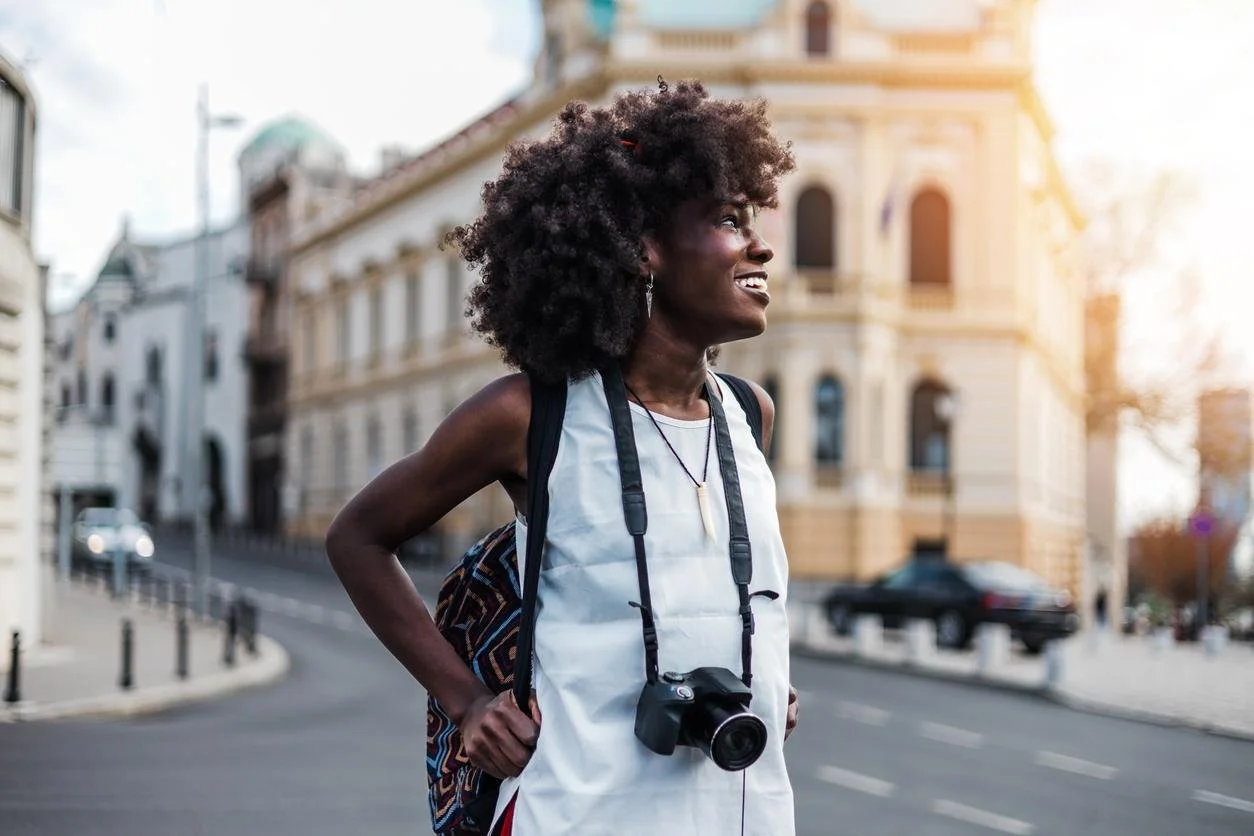
The Joys and Challenges of Solo Travel for Black Women
Solo travel for Black women is an empowering journey of self-discovery and cultural exploration, offering independence and personal growth while navigating unique challenges related to race, gender, and safety. We discuss it here!
Photo Credit: DuxX via iStockPhoto.com
By: Jamila Gomez
Solo travel is a transformative experience that allows for self-discovery, independence, and exploration of the world on your own terms. For Black women, traveling alone can be an empowering act of self-care and resistance against societal expectations. However, it also comes with unique challenges shaped by race, gender, and culture.
The Joys of Solo Travel for Black Women
1. Empowerment and Independence
Traveling alone as a Black woman is a powerful affirmation of independence. It gives you the freedom to set your itinerary, make spontaneous decisions, and explore the world without compromise. Solo travel often leads to increased self-confidence as you navigate unfamiliar situations and adapt to new cultures.
2. Self-Discovery
Solo travel allows you to step away from the roles and responsibilities you fulfill at home. Whether it’s pursuing hobbies, rediscovering passions, or simply enjoying solitude, traveling alone can provide the space for personal growth and self-reflection.
3. Representation Matters
As a solo Black woman traveler, you contribute to breaking stereotypes and expanding perceptions about who travels and why. Your presence in spaces where Black women are underrepresented can inspire others to pursue their own adventures.
4. Cultural Connections
Traveling solo opens doors to authentic cultural exchanges. Locals and fellow travelers are often more curious and open to engaging when you’re alone, creating opportunities for meaningful connections and friendships.
5. Freedom from Microaggressions
Many Black women find freedom in solo travel because it allows them to choose destinations and environments where they feel celebrated rather than tolerated. Exploring spaces that value and honor your identity can be deeply rejuvenating.
The Challenges of Solo Travel for Black Women
1. Navigating Racism and Colorism
Racism and colorism are global issues that can manifest in subtle or overt ways while traveling. From staring to discriminatory treatment, navigating these experiences requires resilience and preparation.
2. Safety Concerns
Safety is a priority for any solo traveler, but for Black women, there’s an added layer of vigilance due to intersecting factors of race and gender. Harassment, unwanted attention, and cultural misunderstandings can pose challenges in certain destinations.
3. Underrepresentation in Media
The lack of representation of Black women in mainstream travel media can make it difficult to find relatable resources or examples of similar travelers. This can create feelings of isolation, especially when navigating predominantly white spaces.
4. Hair Care and Beauty Products
Managing hair care and finding beauty products that cater to Black women can be a logistical challenge in many parts of the world. Access to specific products or professional services may require advance planning or creativity.
5. Language and Cultural Barriers
Language and cultural differences can sometimes lead to misunderstandings or amplify feelings of being an outsider, especially in places where Black travelers are rare.
Tips for Thriving as a Solo Black Woman Traveler
1. Research Your Destination
Look for Black travel bloggers, influencers, or online forums like Black Women Travel Network or Nomadness Travel Tribe. These communities offer invaluable insights into destinations that are welcoming and inclusive.
2. Prioritize Safety
Share your itinerary with a trusted friend or family member, stay in well-reviewed accommodations, and use reliable transportation options. Always trust your instincts, and don’t hesitate to leave a situation that feels uncomfortable.
3. Pack Strategically
Bring hair and beauty essentials you may not find at your destination. Research alternatives or local resources in advance if possible.
4. Embrace Cultural Curiosity
Be open to learning about and respecting the cultures you visit. This not only enriches your experience but also fosters positive interactions with locals.
5. Seek Community
Many cities have vibrant Black expat or local communities. Attend events, connect through social media, or use platforms like Meetup to find kindred spirits.
6. Celebrate Yourself
Solo travel is an act of self-love. Document your journey, take time to reflect, and celebrate your courage in stepping out of your comfort zone.
Solo travel for Black women is a rewarding journey of self-discovery, empowerment, and cultural connection. While challenges exist, they are often outweighed by the transformative experiences that come with stepping into the unknown. With preparation, resilience, and a sense of adventure, solo travel can open doors to a world of possibilities—and, most importantly, to a deeper understanding of yourself.
So pack your bags, embrace your wanderlust, and remember: the world is yours to explore.
YOU MAY ALSO BE INTERESTED IN:
SHARE TO SOCIAL MEDIA

When You Don’t Get What You Want: The Hidden Blessing in Disguise
Embrace life’s redirection as a path to greater opportunities by shifting your mindset from rejection to trust in the journey’s bigger picture. We discuss it here!

Photo Credit: Jacob Wackerhausen via iStockPhoto.com
By: Jamila Gomez
Life often has a way of throwing unexpected curveballs, especially when you’ve set your sights on something specific—a job, a relationship, a goal—and it doesn’t materialize. The disappointment can be overwhelming, leaving you questioning your worth or abilities. However, what if not getting what you want is the universe’s way of paving the path to something better?
The concept of “redirection, not rejection” offers a powerful shift in perspective. While it’s natural to feel crushed when things don’t go as planned, stepping back and trusting that the bigger picture holds unseen opportunities can be transformative. Often, the things we desperately chase may not align with our long-term happiness, even if they seem ideal in the moment.
The Wisdom of Letting Go
There’s an age-old saying: “When one door closes, another opens.” It’s easy to dismiss as a cliché when you’re grappling with disappointment, but countless stories prove its truth. Think about the times you didn’t get a job you thought you wanted, only to later land one that better aligned with your skills and passions. Or when a relationship ended, and later you found a partner who truly understood and supported you in ways you didn’t know were possible.
These experiences highlight that life often withholds what we want not as a punishment, but as protection. Perhaps that job would have been toxic, or that relationship would have held you back from becoming your best self. When you don’t get what you want, it’s often because there’s something better waiting, though you might not see it right away.
The Power of Trust
Trusting the process doesn’t mean passivity or blind faith. It means acknowledging that your current situation, no matter how painful, is part of a greater journey. Instead of focusing on what you’ve lost, ask yourself: What am I gaining instead? The answer might not be immediate, but in hindsight, the pieces often fall into place.
Consider Thomas Edison, who famously remarked, “I have not failed. I’ve just found 10,000 ways that won’t work.” Every “failure” in Edison’s quest to invent the lightbulb was a stepping stone to ultimate success. Similarly, when you’re denied something, it can propel you toward a path you never considered but one that’s far more fulfilling.
Moving Forward
The key is to remain open to possibilities. Don’t let disappointment cloud your ability to see opportunity. Life is dynamic, constantly changing, and often the things we think we want are merely stepping stones to something greater.
So, the next time you don’t get what you want, pause, breathe, and trust. The universe might be clearing the way for something extraordinary—something that will make you realize why your original plans didn’t work out.
YOU MAY ALSO BE INTERESTED IN:
SHARE TO SOCIAL MEDIA

Creating a Safe Space for Vulnerability and Healing with a Partner
Learn how to create a safe space for vulnerability and healing in relationships through empathy, trust, and open communication. We discuss it here!

Photo Credit: vitapix via iStockPhoto.com
By: Jamila Gomez
In any healthy relationship, fostering a safe space for vulnerability and healing is essential for deep connection and growth. Relationships thrive when both partners feel secure enough to share their thoughts, feelings, and experiences without fear of judgment or rejection. Creating this space is not just about words but also about actions and attitudes that reinforce trust and emotional safety.
Understanding Vulnerability
Vulnerability is often misunderstood as weakness, but in reality, it is a profound strength. Being vulnerable involves sharing fears, dreams, insecurities, and wounds—elements of our inner selves that we often protect. For healing to occur, these elements must be met with empathy and compassion, not criticism or dismissal. A safe space allows both partners to open up without feeling exposed or ridiculed.
Communication: The Cornerstone of Safety
Clear, honest, and non-judgmental communication is vital in creating a secure environment. Actively listening to your partner, without interrupting or jumping to conclusions, builds trust. Reflective listening—paraphrasing their words to show understanding—can help clarify emotions and validate their experiences. Avoiding blame or defensiveness ensures that the conversation remains constructive.
For example, instead of saying, “You always ignore me,” reframe it as, “I feel unheard when you don’t respond to me.” This shift focuses on feelings rather than accusations, encouraging your partner to respond with empathy rather than defensiveness.
Building Emotional Trust
Trust is a cornerstone of any relationship, and it grows through consistency and authenticity. Keeping promises, being dependable, and showing genuine care are all ways to cultivate trust. When a partner opens up, responding with warmth and acceptance reinforces their sense of safety. Conversely, dismissing or minimizing their feelings can erode trust over time.
Creating a Non-Judgmental Atmosphere
A non-judgmental attitude is critical in promoting healing. Everyone carries emotional scars, and these wounds often manifest in ways we may not fully understand. Recognizing that your partner’s behavior stems from their unique experiences allows you to approach challenges with compassion rather than frustration.
Practicing Patience
Healing takes time. Your partner may need to revisit painful topics or process emotions at their own pace. Rushing or pressuring them to “move on” can hinder their progress. Instead, offer consistent reassurance and remind them that their feelings are valid and important.
Shared Activities for Connection
Engaging in activities that promote connection, such as mindfulness practices, couples’ therapy, or even shared hobbies, can strengthen the bond and create a supportive framework for healing.
Creating a safe space for vulnerability and healing is an ongoing process that requires intention and effort from both partners. By prioritizing empathy, trust, and open communication, couples can transform their relationship into a sanctuary where both individuals feel valued and understood. This foundation not only promotes healing but also fosters a deeper, more resilient connection.
YOU MAY ALSO BE INTERESTED IN:
SHARE TO SOCIAL MEDIA
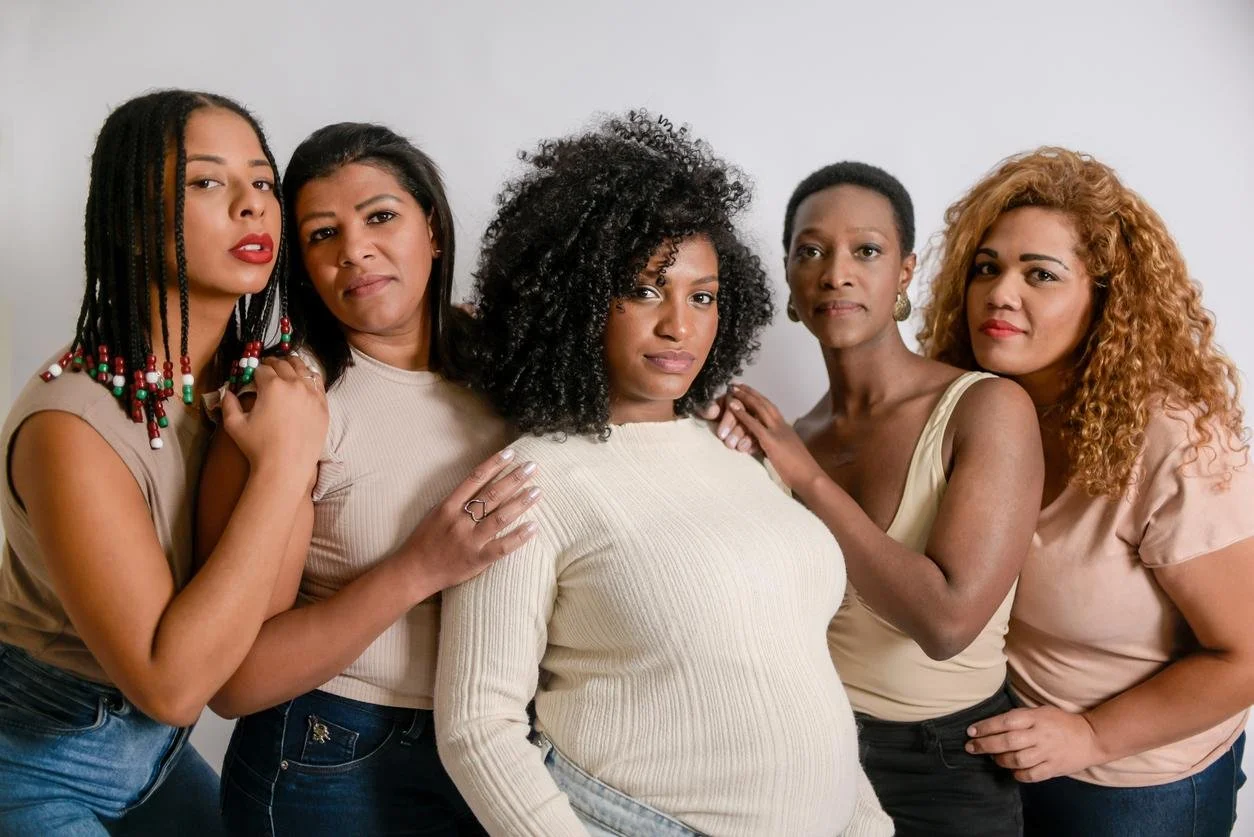
Body Positivity vs. Body Neutrality: Embracing Both in Self-Love
Discover how blending body positivity and body neutrality can help you foster self-acceptance, resilience, and a healthier relationship with your body. We discuss it here!
Photo Credit: Drs Producoes via iStockPhoto.com
By: Jamila Gomez
Body image conversations have evolved significantly over the years, moving away from narrowly defined standards of beauty toward more inclusive and empowering perspectives. Two concepts that frequently emerge in these discussions are body positivity and body neutrality. While both perspectives aim to dismantle harmful societal messages about appearance, they take slightly different approaches. Embracing elements of both can foster a healthier, more holistic relationship with our bodies.
Body positivity is rooted in the idea that all bodies are inherently worthy of love and respect, regardless of size, shape, ability, or appearance. It challenges narrow beauty norms by affirming that every person deserves to feel good about themselves. This movement encourages people to celebrate their unique features and reject media images that promote a single, often unrealistic standard of beauty. By practicing body positivity, individuals can work toward self-acceptance, self-compassion, and a resilient sense of self-worth.
However, some people find it difficult to maintain an unwavering sense of positivity about their bodies every day. This is where body neutrality comes in. Body neutrality suggests that you do not have to love every aspect of your physical appearance to treat yourself with kindness and respect. Instead, it emphasizes viewing the body as a vessel that performs essential functions, such as breathing, moving, and keeping us alive. The goal is not to celebrate perceived flaws but to reduce the power and pressure we place on them. Body neutrality can be especially helpful for those who struggle with body image, as it offers a gentler alternative to relentlessly striving for self-love.
Embracing both body positivity and body neutrality means recognizing that different situations may call for different approaches. On days when you feel radiant and confident, body positivity can be immensely uplifting. On days when insecurity or comparison creeps in, body neutrality can offer a more accessible, less pressurized path, allowing you to acknowledge your body’s functions without forcing overt praise or enthusiasm.
Ultimately, the goal is to cultivate a stable foundation of self-worth that withstands external influences. Whether you choose to celebrate your appearance wholeheartedly or simply appreciate your body for all it does, giving yourself permission to shift between these two mindsets can be empowering. By blending body positivity and body neutrality, individuals can foster balance, kindness, and resilience in how they see themselves—recognizing not only the beauty within but also the quiet strength that lies in acceptance and self-care.
YOU MAY ALSO BE INTERESTED IN:
SHARE TO SOCIAL MEDIA

Wealth-Building Strategies for Black Women: Empowering Financial Growth
Empower Black women to achieve financial independence with tailored wealth-building strategies, from financial planning and entrepreneurship to investing and overcoming systemic barriers. We discuss it here!
Photo Credit: Jacob Wackerhausen via iStockPhoto.com
By: Jamila Gomez
Building wealth is a vital step toward financial freedom and generational prosperity. For Black women, navigating systemic inequities while striving for financial security requires tailored strategies that address unique challenges and harness opportunities. Here are practical wealth-building strategies designed to empower Black women to achieve financial independence.
1. Develop a Financial Roadmap
Start by creating a clear financial plan. Assess your current financial situation, set short- and long-term goals, and outline actionable steps. Tools like budgeting apps, financial planners, or mentorship programs can provide guidance. Prioritize eliminating high-interest debt and building an emergency fund.
2. Invest in Financial Education
Understanding the fundamentals of personal finance is crucial. Attend workshops, read books, and explore online resources to learn about budgeting, investing, credit management, and retirement planning. Financial literacy lays the groundwork for informed decisions and long-term stability.
3. Embrace Entrepreneurship
Black women are among the fastest-growing groups of entrepreneurs. Starting a business not only generates income but also builds equity. Leverage community resources, business incubators, and small-business loans targeted toward minority-owned enterprises to launch or expand ventures.
4. Maximize Career Potential
In professional settings, advocate for fair pay and seek opportunities for advancement. Research industry salary benchmarks and negotiate effectively during hiring and promotion discussions. Upskilling through certifications, courses, and networking can also open doors to higher-paying roles.
5. Invest Wisely
Investing is a cornerstone of wealth building. Begin with employer-sponsored retirement accounts like a 401(k), especially if matched by your employer. Explore stocks, mutual funds, real estate, and other vehicles that align with your risk tolerance and financial goals. Seek advice from trusted financial advisors when needed.
6. Build Community Wealth
Pooling resources within families or communities can amplify wealth-building efforts. Investment clubs, co-ownership ventures, and group savings plans are effective strategies for collective growth. These initiatives often foster collaboration, mentorship, and shared knowledge.
7. Leverage Homeownership
Owning property is a proven pathway to wealth. For first-time homebuyers, programs like FHA loans or grants for minority buyers can ease the process. Real estate investment, such as rental properties, is another avenue to generate income and build equity.
8. Overcome Barriers
Acknowledge and address systemic challenges such as discrimination in lending and employment. Build strong credit, maintain meticulous financial records, and partner with organizations that advocate for economic equity for Black women.
9. Prioritize Mental and Physical Wellness
Wealth-building efforts thrive when paired with overall well-being. Allocate resources for self-care, therapy, and health management to ensure a balanced and sustainable approach to financial growth.
By implementing these strategies, Black women can break barriers, foster financial independence, and create lasting legacies. Building wealth is not just about accumulating money—it’s about empowerment, resilience, and thriving in every facet of life.
YOU MAY ALSO BE INTERESTED IN:
SHARE TO SOCIAL MEDIA

End-of-Year Reflections: A Time for Growth and Gratitude
Reflecting on achievements, lessons, and setting intentions during end-of-year reflections fosters personal growth, gratitude, and a purposeful start to the new year. We discuss it here!
Photo Credit: Barcin via iStockPhoto.com
By: Jamila Gomez
As the calendar year draws to a close, it’s natural to pause and reflect on the journey that brought us here. End-of-year reflections provide a valuable opportunity to take stock of what we’ve achieved, the lessons learned, and the moments that shaped us. It’s a time for celebration, evaluation, and forward planning—a chance to honor our growth and set intentions for the year ahead.
Celebrating Achievements
The end of the year is an ideal time to revisit our accomplishments. These victories, whether big or small, are the milestones that mark our progress. Perhaps you achieved a career milestone, nurtured meaningful relationships, or simply persevered through challenging times. By acknowledging these moments, we cultivate a sense of gratitude and pride, reminding ourselves of our resilience and capacity for success.
Reflecting on achievements is also a chance to recognize the people who supported us along the way. Whether it’s colleagues, family, or friends, expressing gratitude to those who contributed to our journey enriches our connections and reinforces the value of community in our lives.
Lessons from Challenges
Of course, no year is without its hurdles. Challenges, setbacks, and unexpected detours often teach us more than our successes. Reflecting on these moments allows us to identify patterns, understand our responses, and learn how we can navigate difficulties more effectively in the future.
Rather than focusing on regrets, we can reframe these experiences as opportunities for growth. What did you learn about yourself during difficult times? What strengths or skills emerged when you needed them most? By facing these questions honestly, we gain clarity and resilience, preparing us for whatever comes next.
Setting Intentions for the New Year
Reflection isn’t just about looking back—it’s also about looking forward. Once we’ve acknowledged the highs and lows of the year, we can set meaningful intentions for the future. This isn’t limited to traditional resolutions like fitness goals or financial plans. It’s about defining what matters most to us and aligning our actions with our values.
Perhaps you want to prioritize self-care, deepen your relationships, or pursue a passion project. Whatever your goals, clarity of purpose and a realistic approach are key. Reflecting on past successes and challenges can help you chart a course that feels both inspiring and achievable.
Moving Forward with Gratitude
End-of-year reflections encourage us to approach the future with gratitude and hope. They remind us of our capacity for growth and the strength we’ve cultivated through life’s ups and downs. As the new year approaches, take time to reflect on the moments that made this year meaningful. Celebrate your progress, learn from your journey, and step forward with optimism and purpose. The best is yet to come.
YOU MAY ALSO BE INTERESTED IN:
SHARE TO SOCIAL MEDIA

Liked by Few, Loved by You: A Guide to Self-Acceptance
Embracing the reality of being disliked can foster personal growth, authentic relationships, and a deeper sense of self-worth by prioritizing authenticity over approval. We discuss it here!
Photo Credit: Delmaine Donson via iStockPhoto.com
By: Jamila Gomez
In a world that often equates popularity with success, the idea of being disliked can feel like a daunting prospect. Many of us expend significant energy trying to win approval, avoid conflict, and fit in. But here’s the truth: being liked by everyone is not only impossible but also unnecessary for a fulfilling life. In fact, embracing the reality of being disliked can lead to personal growth, authentic relationships, and greater peace of mind.
The Roots of the Need for Approval
From an early age, many people are conditioned to seek validation. Whether it’s praise from parents, good grades in school, or likes on social media, external approval becomes a marker of self-worth. However, this approval-seeking can lead to sacrificing authenticity. The fear of being disliked may cause individuals to suppress their true opinions, avoid setting boundaries, or conform to expectations that don’t align with their values.
Why It’s Okay to Be Disliked
Being disliked isn’t inherently a negative thing—it often means you are standing firm in your values and being true to yourself. Not everyone will agree with your decisions, personality, or perspective, and that’s natural. Trying to appeal to everyone dilutes who you are, making it harder to form meaningful, genuine connections.
Accepting that some people won’t like you also sets you free from the exhausting task of managing perceptions. When you stop living for others’ approval, you create space for your own happiness and authenticity.
The Value of Authenticity
Choosing authenticity over popularity fosters self-respect. When you stay true to your principles, you attract people who appreciate and support the real you, rather than a curated version designed to please others. These relationships are deeper and more fulfilling, as they are based on mutual understanding rather than surface-level agreement.
Moreover, embracing your uniqueness allows you to contribute to the world in meaningful ways. Great leaders, thinkers, and artists are often polarizing figures because they challenge norms and inspire change. They are unafraid to be disliked, knowing that their purpose outweighs the opinions of detractors.
How to Embrace Being Disliked
Learning to be okay with being disliked starts with self-awareness. Recognize whose opinions truly matter and why. Not every criticism warrants a response or a change in behavior. Set boundaries that protect your time, energy, and well-being.
Lastly, practice self-compassion. Understand that being disliked doesn’t define your worth. By prioritizing your values and happiness, you gain confidence and resilience.
In the end, being disliked is not a failure; it’s a sign that you are living authentically. And that, in itself, is something worth celebrating.
YOU MAY ALSO BE INTERESTED IN:
SHARE TO SOCIAL MEDIA

Understanding Seasonal Depression in the Black Community
Seasonal depression, also known as Seasonal Affective Disorder (SAD), significantly impacts Black communities due to cultural stigma, systemic barriers, and limited access to culturally competent care. We discuss it here!
Photo Credit: FatCamera via iStockPhoto.com
By: Jamila Gomez
Seasonal depression, or Seasonal Affective Disorder (SAD), affects millions of people worldwide, but its impact on Black communities is often overlooked. This form of depression, typically linked to shorter days and reduced sunlight during fall and winter, can exacerbate mental health challenges in Black individuals due to unique cultural, systemic, and social factors.
What is Seasonal Affective Disorder?
SAD is a type of depression that usually emerges in the fall and winter months when daylight hours decrease. Common symptoms include fatigue, feelings of sadness, irritability, difficulty concentrating, and changes in appetite or sleep patterns. For many, these symptoms can interfere with daily life and well-being.
The Intersection of SAD and Black Identity
Black people face unique challenges when it comes to mental health. Systemic racism, economic disparities, and limited access to culturally competent mental health care can make diagnosing and managing SAD more difficult. Additionally, cultural stigma around mental health in many Black communities can discourage individuals from seeking help, leaving them to cope alone.
The physical symptoms of SAD, such as low energy and mood changes, may also be misattributed to external stressors or dismissed as minor concerns. However, SAD is a legitimate mental health condition requiring attention and care.
Barriers to Treatment
Access to mental health care is often inequitable. Studies show that Black Americans are less likely to receive a diagnosis for depression or to be treated for it, compared to white individuals. This disparity is compounded during the winter months, when SAD symptoms peak but awareness and resources remain low. Additionally, many therapeutic interventions, like light therapy or medication, may not be readily accessible in underserved communities.
Strategies for Managing SAD
1. Light Therapy: Using a light therapy box can help compensate for reduced sunlight.
2. Vitamin D: Many Black individuals are prone to Vitamin D deficiency due to melanin’s impact on sunlight absorption. Supplements may help boost mood and energy.
3. Culturally Competent Therapy: Finding a therapist who understands the lived experiences of Black individuals can provide tailored support.
4. Community Support: Leaning on family, friends, and community groups can be a vital source of encouragement and resilience.
Breaking the Stigma
Talking openly about mental health and encouraging help-seeking behaviors is crucial in addressing SAD within the Black community. Education, advocacy, and culturally relevant interventions are key to ensuring no one suffers in silence. By acknowledging and addressing SAD, Black individuals can prioritize their mental health and thrive year-round.
YOU MAY ALSO BE INTERESTED IN:
SHARE TO SOCIAL MEDIA

Black and Brilliant: Overcoming the Imposter Within
Imposter syndrome uniquely impacts Black professionals, influenced by systemic racism, stereotypes, and the pressures of hyper-visibility in predominantly white spaces. We discuss it here!
Photo Credit: fotostorm via iStockPhoto.com
By: Jamila Gomez
Imposter syndrome, a psychological phenomenon where individuals doubt their accomplishments and fear being exposed as frauds, is pervasive across many demographics. However, it manifests uniquely and with particular intensity in the Black community, driven by systemic inequities, cultural expectations, and historical marginalization.
For Black professionals and individuals navigating predominantly white spaces, imposter syndrome is often exacerbated by the pressures of racial stereotypes and a constant need to prove their worth. From academia to corporate boardrooms, Black individuals frequently feel the unspoken burden of representing their race in environments where they may be one of the few—or the only—Black person present. This hyper-visibility amplifies self-doubt, as any perceived mistake or shortcoming risks reinforcing negative stereotypes rather than being seen as individual human error.
The roots of imposter syndrome in the Black community are deeply entwined with systemic racism. Historically, Black Americans have faced persistent barriers to education, employment, and wealth accumulation. These inequities contribute to an internalized narrative that success is a fragile anomaly rather than a rightful achievement. Even when Black individuals excel, societal biases can overshadow their accomplishments. Microaggressions, such as being told, “You’re so articulate,” or being mistaken for a less senior role, subtly undermine confidence and reinforce feelings of not belonging.
Additionally, the concept of “Black excellence”—while empowering—can contribute to imposter syndrome. The pressure to excel and exceed expectations as a means of combating stereotypes often leads to overwork and burnout. For some, the constant pursuit of perfection fuels an internal voice that insists their success is merely a façade, sustained only by extraordinary effort and luck rather than competence and merit.
Family and community dynamics can also influence imposter syndrome. Many Black individuals are the first in their families to achieve higher education or enter prestigious professions. While these achievements are celebrated, they often come with a sense of isolation and guilt, as well as the pressure to pave the way for others. The weight of generational expectations, coupled with the external challenges of systemic racism, can foster a sense of inadequacy and fear of failure.
Addressing imposter syndrome in the Black community requires a multifaceted approach. On a personal level, cultivating self-awareness and seeking therapy can help individuals reframe their internal narratives. On a broader scale, workplaces and institutions must actively create environments where Black individuals feel seen, valued, and supported. This includes implementing mentorship programs, addressing implicit biases, and fostering diversity at all levels of leadership.
Recognizing the structural roots of imposter syndrome in the Black community is essential. Only through systemic change and collective support can we dismantle the barriers that perpetuate self-doubt and empower individuals to fully embrace their worth.
YOU MAY ALSO BE INTERESTED IN:
SHARE TO SOCIAL MEDIA

Spare the Rod?: The Effects of Discipline on Black Children
Understanding the cultural and systemic factors influencing discipline for Black children highlights the importance of empathetic and equitable practices that nurture growth and resilience. We discuss it here!

Photo Credit: PixelsEffect via iStockPhoto.com
By: Jamila Gomez
Discipline plays a significant role in shaping children’s lives, instilling values, and guiding behavior. For Black children, the effects of discipline are deeply influenced by the historical, social, and cultural contexts that inform their upbringing. Understanding how discipline impacts Black children requires exploring both its potential benefits and pitfalls, especially within the framework of systemic challenges and cultural strengths.
Cultural Foundations of Discipline in Black Families
In many Black households, discipline is seen as a tool to prepare children for the realities of a world that can be harsh and unforgiving. Historically, Black parents have faced the dual burden of teaching their children respect and self-regulation while shielding them from systemic racism. For many, discipline becomes a strategy to help children navigate a society where minor missteps can have disproportionately severe consequences. This emphasis on structure, respect, and accountability is often rooted in love and the desire to ensure survival in a world fraught with inequities.
The Positive Impacts of Discipline
When applied thoughtfully, discipline can empower Black children with life skills like resilience, self-control, and responsibility. Structured environments and consistent expectations can help children develop a sense of agency, boosting academic and social outcomes. Discipline rooted in cultural affirmations and open communication fosters self-confidence, cultural pride, and the ability to withstand societal pressures.
Community-oriented discipline, which includes guidance from extended family and mentors, offers additional support. This collective approach—rooted in African and African-American traditions—teaches children the value of interdependence, mutual accountability, and cultural heritage.
The Risks of Harsh or Misapplied Discipline
However, discipline can have adverse effects when it is overly punitive or harsh. Research indicates that Black children are more likely to experience corporal punishment than their peers, both at home and in school. While some view this as a culturally normative practice, excessive or inconsistent discipline can lead to feelings of fear, resentment, or low self-esteem. These outcomes are exacerbated when discipline is devoid of positive reinforcement or explanation, leaving children feeling misunderstood rather than guided.
In schools, Black children are disproportionately subjected to exclusionary disciplinary actions, such as suspensions or expulsions. This systemic bias can undermine their academic progress and contribute to the school-to-prison pipeline. When authority figures perceive Black children as older or less innocent than their peers, disciplinary actions often reflect these biases, perpetuating cycles of inequality.
Striking a Balance
To maximize the benefits of discipline while minimizing harm, it is essential to adopt culturally responsive approaches. Practices that emphasize empathy, understanding, and restorative justice can address misbehavior while affirming the child’s dignity. Black parents, educators, and communities must advocate for approaches that balance accountability with compassion, recognizing the unique challenges Black children face.
In conclusion, discipline can be a powerful tool for nurturing growth, but its effects depend on its application. By fostering supportive, culturally aware, and equitable practices, we can ensure that discipline serves as a pathway to empowerment, not oppression.
YOU MAY ALSO BE INTERESTED IN:
SHARE TO SOCIAL MEDIA
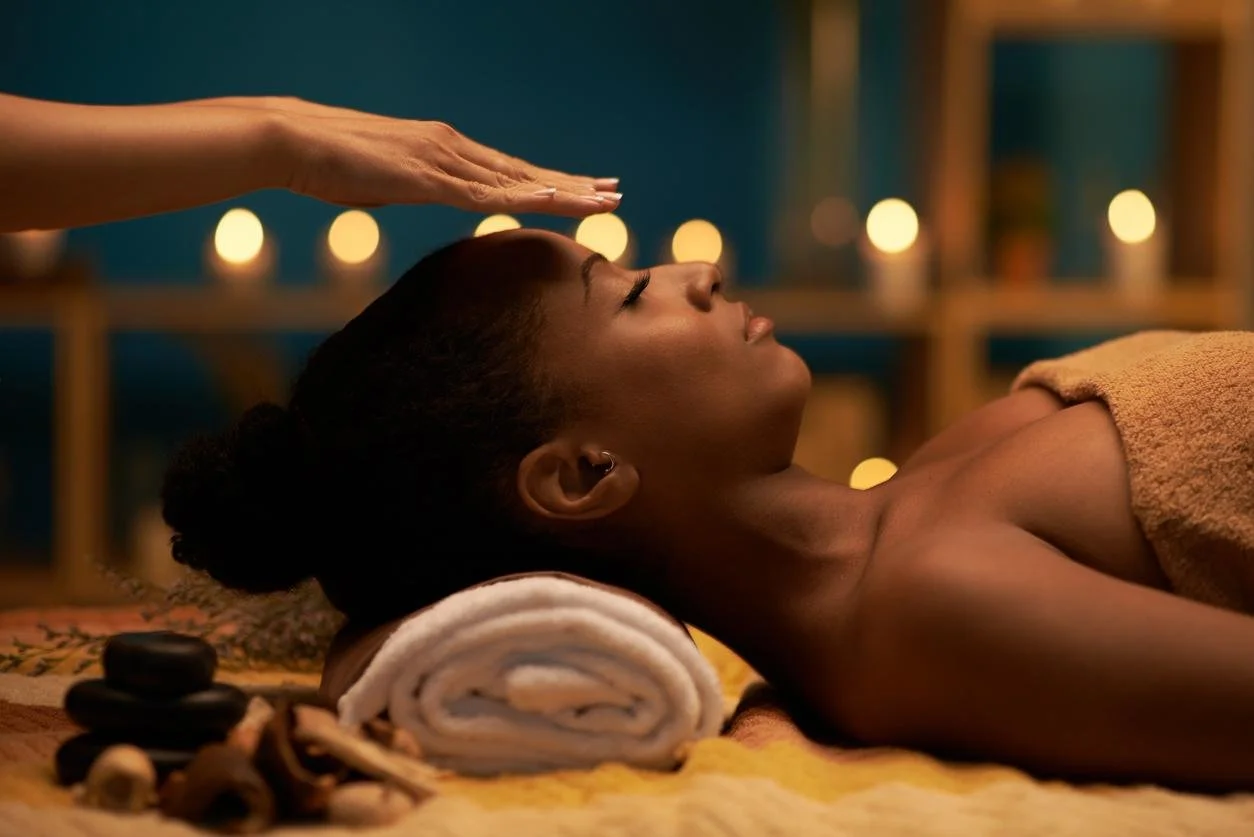
Celebrating Black Womanhood Through Holistic Self-Care Routines
Prioritizing holistic self-care allows Black women to nurture their mind, body, and soul while reclaiming joy, rest, and identity in a society that often overlooks their well-being. We discuss it here!
Photo Credit: DragonImages via iStockPhoto.com
By: Jamila Gomez
Black women embody resilience, beauty, and strength, often carrying the weight of their families, communities, and the world on their shoulders. Yet, in a society that frequently overlooks their well-being, prioritizing self-care becomes not only a radical act but a necessary one. Holistic self-care, which nurtures the mind, body, and soul, provides a pathway for Black women to reclaim their peace, honor their heritage, and celebrate their unique identities.
Mindful Healing
Mental health is often stigmatized in Black communities, but prioritizing mental wellness is vital. Journaling, for example, allows Black women to document their thoughts, dreams, and affirmations. Creating a gratitude practice through daily writing can help shift focus to joy and abundance. Meditation and mindfulness practices, particularly those guided by Black instructors, can offer a culturally affirming space for relaxation and self-reflection. Apps like Liberate, designed by and for Black communities, provide resources to meditate with cultural understanding.
Nourishing the Body
A holistic self-care routine celebrates the physical body as a temple. Movement like yoga, African dance, or even daily walks not only improves physical health but also connects Black women to ancestral traditions. Skincare and haircare routines can double as moments of meditation and pride, celebrating natural textures and melanin-rich skin. For example, creating a DIY shea butter mixture infused with essential oils like lavender or peppermint transforms a simple ritual into a deeply personal act of self-love.
Cultural and Spiritual Roots
Spirituality has always been a cornerstone of Black womanhood. Honoring this connection can involve practices like lighting candles, burning sage, or creating an altar dedicated to ancestors. These rituals ground Black women in their history, celebrating their lineage while offering a moment of spiritual reflection. Music, whether gospel, Afrobeats, or neo-soul, can serve as a meditative tool to connect with both inner strength and cultural identity.
Community Care as Self-Care
For Black women, self-care also extends to collective care. Joining sister circles, attending wellness retreats, or engaging in community activism reminds them they are not alone. Sharing joys, struggles, and wisdom within these spaces reaffirms the power of sisterhood and interconnectedness.
Holistic self-care for Black women is more than just a series of practices—it’s a reclamation of joy, rest, and identity. By centering their own needs and celebrating their unique heritage, Black women can cultivate a self-care routine that uplifts, heals, and empowers.
YOU MAY ALSO BE INTERESTED IN:
SHARE TO SOCIAL MEDIA

Exploring the Impact of Racism on Black Health Outcomes
Systemic racism and economic disparities significantly impact Black communities' health outcomes, leading to inequities in healthcare access, treatment quality, and chronic stress-related illnesses. We discuss it here!

Photo Credit: PeopleImages via iStockPhoto.com
By: Jamila Gomez
Racism, both systemic and individual, has a profound impact on the health outcomes of Black communities. This influence is not only visible in direct discriminatory actions but also in the broader socioeconomic factors that shape the lives and health of Black individuals. The disparities in health outcomes between Black populations and their white counterparts are stark, highlighting a troubling aspect of inequality that extends into the realm of public health.
Firstly, systemic racism results in unequal access to healthcare services. Black individuals often face significant barriers to healthcare, including fewer hospitals and clinics in predominantly Black neighborhoods, lower rates of health insurance coverage, and less access to emergency services. This lack of access contributes to higher rates of morbidity and mortality in these communities. For example, the COVID-19 pandemic disproportionately affected Black populations, not only because of greater exposure and less access to healthcare but also due to prevalent comorbidities that stem from reduced healthcare access over lifetimes.
Economic disparities further exacerbate these health inequities. Poverty, which affects Black communities at a higher rate due to historical and ongoing racial discrimination, is closely linked to poorer health outcomes. Economic hardship limits access to nutritious food, safe housing, and quality education—all factors that directly influence health. The stress associated with financial instability also takes a significant toll, contributing to higher rates of hypertension, diabetes, and mental health disorders among Black individuals.
Moreover, the psychological impact of experiencing or even anticipating racial discrimination can lead to chronic stress, known as “weathering.” This term describes the wear and tear on the body that occurs when individuals are exposed to prolonged stress. Weathering can lead to a host of health issues, including but not limited to cardiovascular disease, autoimmune disorders, and premature aging. The constant vigilance that Black individuals must maintain in a society rife with racial bias contributes to a heightened state of stress, which physiologically undermines health.
The quality of care received by Black patients is also a critical concern. Studies have shown that Black patients are less likely to be given appropriate medical tests and treatments compared to their white counterparts. There are documented cases of physicians underestimating the physical pain of Black patients, leading to inadequate pain management and suffering. This bias in treatment not only affects the quality of healthcare received but also erodes trust between Black patients and the medical system, discouraging individuals from seeking care when needed.
Addressing these disparities requires a multifaceted approach. Policymakers must work to eliminate barriers to healthcare access, ensure equitable distribution of resources, and enhance the cultural competency of healthcare providers. Additionally, addressing broader socioeconomic inequalities and educating the public on the effects of racism are vital steps towards mitigating its impact on health.
The health disparities experienced by Black communities are a clear indicator of the pervasive effects of racism. As society strives to achieve equity, understanding and addressing the health impacts of racism is crucial. Only through concerted efforts can the tide be turned toward a healthier, more equitable future for all.
YOU MAY ALSO BE INTERESTED IN:
SHARE TO SOCIAL MEDIA

Black Women Deserve Grace, Not Criticism
Black women face exhausting double standards in appearance, behavior, and cultural expression, highlighting society's need to dismantle biases and celebrate authenticity. We discuss it here!

Photo Credit: Rawpixel via iStockPhoto.com
By: Jamila Gomez
Black women often endure a unique and exhausting double standard in how their actions, appearance, and behavior are judged compared to women of other races. Despite their resilience and contributions to culture, society, and history, they are frequently ridiculed for things that are celebrated or overlooked when displayed by others.
One of the most glaring examples of this double standard lies in the policing of Black women’s physical appearance. Hairstyles like braids, afros, or locs, which are deeply rooted in Black culture, are often labeled as “unprofessional” or “unkempt” in corporate settings. Meanwhile, these same styles, when adopted by non-Black women, are praised as “edgy” or “trendy.” Similarly, Black women are criticized for their naturally curvier bodies or voluptuous figures, often labeled as “too sexual” or “inappropriate.” Yet, when others undergo cosmetic procedures to mimic these features, it’s deemed desirable and aspirational.
Black women’s assertiveness is also subject to an unfair lens. When they speak up for themselves or express strong opinions, they are often branded as “angry” or “aggressive.” This harmful stereotype of the “angry Black woman” minimizes their voices, making them hesitant to advocate for themselves in professional or personal settings. In contrast, women of other races who exhibit the same assertiveness are more likely to be seen as confident and empowered.
Even in parenting, Black women face harsher judgment. Single Black mothers are disproportionately stigmatized and blamed for societal issues, despite many demonstrating incredible strength and resourcefulness. Conversely, single mothers from other backgrounds often receive sympathy and support, with their struggles seen as individual challenges rather than moral failings.
Additionally, Black women are frequently ridiculed for their cultural expressions, from their vernacular to their style. Terms like “ghetto” are used to demean behaviors or aesthetics that are intrinsic to Black communities, only for those same traits to become celebrated when co-opted by others.
This constant scrutiny creates a societal burden that forces Black women to overperform in nearly every aspect of life just to be granted basic respect. While society has made progress in recognizing these disparities, there is still a long way to go in dismantling the biases that perpetuate these double standards. Black women deserve to live authentically, without fear of judgment for simply being themselves.
YOU MAY ALSO BE INTERESTED IN:
SHARE TO SOCIAL MEDIA
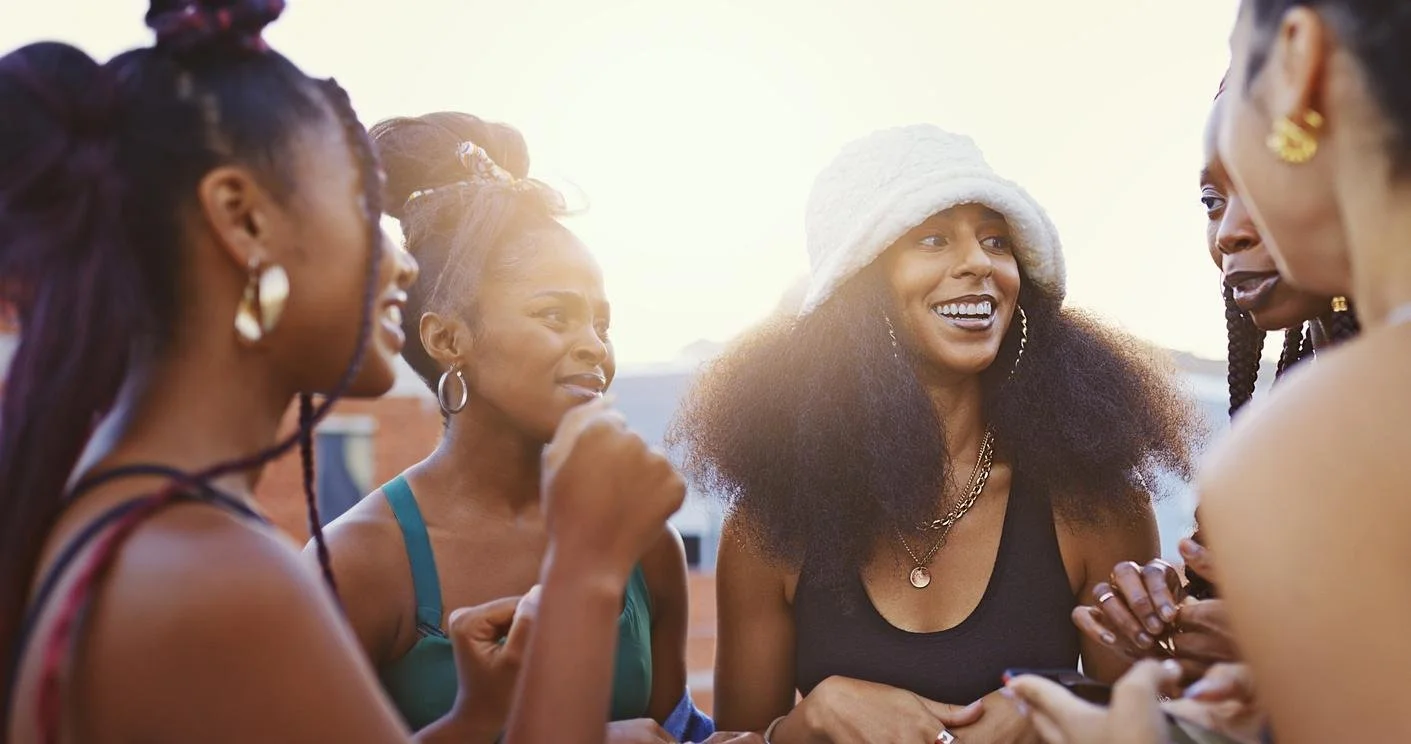
Feeding the Need: Craving Human Connection When You’re Not a People Person
Learn how introverts can balance craving human connection and valuing solitude through intentional strategies for meaningful relationships and self-care. We discuss it here!
Photo Credit: LaylaBird via iStockPhoto.com
By: Jamila Gomez
Craving human connection is a universal experience. Even those who identify as introverts or “not a people person” can feel the need for meaningful relationships and interactions. However, this desire often clashes with the natural tendency to avoid social situations. If you’re someone who values solitude but occasionally yearns for connection, here are strategies to balance these conflicting needs.
1. Embrace Your Desire for Connection
It’s important to acknowledge that wanting human connection doesn’t mean you’re suddenly outgoing or have to change who you are. Human beings are wired for relationships, even if they look different for everyone. Accept that your craving for connection is natural and doesn’t contradict your preference for alone time.
2. Opt for One-on-One Interactions
Large group settings can feel overwhelming, so prioritize one-on-one or small, intimate connections. Spending time with a close friend or family member can be fulfilling without being draining. A quiet coffee date or a walk in the park allows for meaningful connection without the chaos of group dynamics.
3. Explore Online Communities
The digital age offers countless opportunities to connect with like-minded individuals without the pressure of face-to-face interaction. Join online forums, social media groups, or virtual meetups that align with your interests. This allows you to engage in conversations and build connections at your own pace.
4. Practice Active Listening
If socializing feels intimidating, focus on listening rather than carrying the conversation. People appreciate being heard, and this can reduce the pressure to perform or entertain during interactions. Simply being present and attentive can create strong connections without feeling overwhelming.
5. Set Boundaries
Balancing connection and solitude means knowing your limits. Plan social activities with clear boundaries in mind, such as the duration of the interaction or the type of activity. Give yourself permission to leave when you feel drained and recharge afterward.
6. Engage in Shared Activities
Activities like volunteering, book clubs, or hobby-based groups allow for connection in a low-pressure environment. Shared goals or interests can make interactions feel more organic and less forced.
Craving human connection doesn’t mean you have to abandon your introverted tendencies. By taking small, intentional steps and setting boundaries, you can foster meaningful relationships while honoring your need for alone time. Connection is about quality, not quantity—so seek interactions that nourish you, even in small doses.
YOU MAY ALSO BE INTERESTED IN:
SHARE TO SOCIAL MEDIA

Overcoming Trust Issues: How to Build Healthy Foundations After Betrayal
Healing from betrayal involves rebuilding trust in yourself, practicing open communication, and fostering relationships rooted in respect and honesty. We discuss it here!
Photo Credit: LaylaBird via iStockPhoto.com
By: Jamila Gomez
Betrayal can be one of the most emotionally painful experiences, leaving scars that make trusting again feel impossible. Whether it stems from a romantic relationship, friendship, or family ties, betrayal shakes the very foundation of trust, creating feelings of vulnerability, anger, and fear. However, it’s important to remember that healing is possible, and trust can be rebuilt—not just with others but within yourself.
Acknowledge and Process the Pain
The first step in overcoming trust issues is acknowledging your emotions. Suppressing feelings of betrayal often leads to prolonged resentment or self-doubt. Journaling, speaking with a trusted confidant, or seeking therapy can provide safe outlets to process these emotions. By naming the hurt and recognizing its source, you begin the journey of self-awareness and healing.
Rebuild Trust in Yourself
Betrayal often leaves people questioning their judgment. Did I miss the signs? Was I too trusting? Rebuilding trust in yourself is crucial before attempting to trust others. Focus on strengthening your intuition and decision-making skills. Set boundaries that protect your emotional well-being, and learn to listen to your instincts. When you trust yourself, you’re better equipped to trust others.
Communicate Openly and Honestly
Healthy relationships are built on clear, honest communication. If you’re working on repairing trust with someone who betrayed you, have open conversations about what happened and what needs to change. Be clear about your boundaries and expectations moving forward. If they’re genuinely remorseful, their actions should align with their words over time.
Be Patient with the Process
Rebuilding trust takes time, and it’s not a linear journey. It’s normal to feel cautious or experience setbacks. Be patient with yourself and others. Celebrate small wins, like being able to share your feelings or take a leap of faith in a new relationship.
Focus on Relationships Built on Mutual Respect
While rebuilding trust, prioritize relationships where respect, empathy, and accountability are present. Surround yourself with people who value honesty and demonstrate reliability through consistent actions.
The Power of Forgiveness
Forgiveness doesn’t mean forgetting or excusing the betrayal; it’s about releasing the emotional burden it holds over you. By forgiving, you reclaim your peace and pave the way for new, healthier connections.
Healing from betrayal isn’t easy, but it’s possible. With time, effort, and a commitment to self-growth, you can overcome trust issues and lay the groundwork for healthier, more fulfilling relationships.
YOU MAY ALSO BE INTERESTED IN:
SHARE TO SOCIAL MEDIA

Falling Back in Love with Yourself After a Toxic Relationship
Reclaim your self-worth after a toxic relationship by embracing self-awareness, self-care, and self-compassion to fall back in love with yourself. We discuss it here!
Photo Credit: jacoblund via iStockPhoto.com
By: Jamila Gomez
Emerging from a toxic relationship can feel like escaping a storm—disoriented, drained, and unsure of who you are anymore. Toxic relationships often chip away at your self-esteem and self-worth, leaving behind emotional scars. However, while the aftermath may feel overwhelming, this period also offers a powerful opportunity: the chance to fall back in love with yourself.
The journey begins with self-awareness. Toxic relationships often blur boundaries and leave you questioning your own identity. Start by reconnecting with your likes, dislikes, passions, and values. What makes you happy? What lights you up? Reflect on what you’ve learned from the experience—both about yourself and the relationship. Forgive yourself for any perceived mistakes and understand that choosing yourself now is an act of courage.
Next, focus on self-care. Toxic relationships can erode your physical and mental well-being, so prioritize healing both. Whether it’s nourishing your body with nutritious food, engaging in physical activity, or simply getting enough rest, take small, consistent steps to care for yourself. On an emotional level, explore mindfulness techniques like journaling, meditation, or therapy. These tools can help you process your feelings, build resilience, and rediscover your inner strength.
Another key aspect of falling back in love with yourself is setting boundaries. Toxic relationships often involve a lack of healthy boundaries, so relearning how to protect your energy is crucial. Establish clear limits in your personal and professional relationships, ensuring that you prioritize your own needs and well-being.
Rebuild your confidence by rediscovering the things you’re good at. Maybe you’ve always been a great cook, a talented artist, or a thoughtful listener. Engaging in hobbies or learning something new can help you regain a sense of accomplishment and self-worth.
Finally, practice self-compassion. Falling back in love with yourself is not an overnight process. There will be days when self-doubt creeps in, but remember that healing isn’t linear. Speak to yourself with kindness and patience, as you would a close friend. Celebrate small victories along the way, no matter how minor they may seem.
Reclaiming yourself after a toxic relationship is a profound act of self-love. With time, you’ll not only heal but also come to appreciate your strength, resilience, and capacity for growth. This new chapter is yours to write—and you’re worth every ounce of love you give yourself.
YOU MAY ALSO BE INTERESTED IN:
SHARE TO SOCIAL MEDIA

How Self-Love Shapes Romantic Love in the Black Community
Prioritizing self-love in the Black community fosters healthier relationships by addressing generational trauma, promoting self-worth, and strengthening the foundation for authentic and resilient Black love. We discuss it here!
Photo Credit: Delmaine Donson via iStockPhoto.com
By: Jamila Gomez
Self-love is a profound foundation for healthy relationships, especially within the Black community, where historical challenges and systemic oppression have created unique barriers to both individual and collective healing. When individuals prioritize self-love, they cultivate an internal sense of worth and resilience, which profoundly influences their ability to give and receive love in romantic relationships.
For centuries, Black love has served as a radical act of defiance and survival, preserving joy and connection despite external adversities. However, self-love—a deeply personal and transformative practice—strengthens this legacy by fostering emotional well-being and breaking cycles of generational trauma. When Black individuals embrace self-love, they affirm that they are deserving of compassion, respect, and care—cornerstones of any healthy romantic partnership.
One of the ways self-love manifests in romantic relationships is through boundary-setting. Often, societal stereotypes and systemic inequities have pressured Black individuals to overextend themselves emotionally and physically, sometimes leading to unhealthy dynamics in relationships. When self-love is prioritized, individuals are more likely to establish boundaries that protect their mental and emotional health. In turn, this creates space for equitable and respectful romantic connections, where both partners feel seen and valued.
Moreover, self-love helps dismantle harmful patterns shaped by internalized racism, colorism, and negative self-perception. Within the Black community, unlearning these societal impositions is an act of self-care that directly impacts how individuals choose partners and navigate intimacy. When people accept their full selves—embracing their unique beauty, culture, and experiences—they are more likely to attract relationships rooted in authenticity and mutual respect.
Black love thrives when it emerges from a place of wholeness, rather than seeking completion in another person. Couples who prioritize self-love individually often bring emotional stability and self-awareness into their partnerships. This not only deepens their connection but also sets an example for future generations, emphasizing that love starts within.
In the Black community, self-love is not just a personal journey—it’s a communal one. By prioritizing self-care, self-respect, and self-acceptance, individuals contribute to a collective healing process that uplifts relationships and challenges narratives of unworthiness. Ultimately, self-love nurtures romantic love, empowering Black couples to build lasting, fulfilling connections that reflect the strength and beauty of their shared heritage.
YOU MAY ALSO BE INTERESTED IN: