

Pouring Back into You: Replenishing What You Pour Into Others
Maintaining balance, emotional health, and healthy relationship is possible by prioritizing your own care and avoiding burnout. We discuss it here!


Photo Credit: Vuk Saric via iStockPhoto.com
By: Jamila Gomez
In today’s fast-paced world, we are constantly giving. We give our time, energy, support, and love to those around us—our families, friends, colleagues, and even strangers. While it’s deeply rewarding to be a source of comfort and strength for others, there’s an undeniable truth: you cannot pour from an empty cup.
In the quest to uplift and care for others, many of us forget the importance of replenishing ourselves. The result? Burnout, exhaustion, and emotional fatigue. Let’s explore why it’s crucial to pour back into yourself what you so generously give to others, and how you can cultivate practices that nurture and restore your well-being.
The Importance of Self-Renewal
1. Avoiding Burnout
Burnout is real, and it doesn’t discriminate. You could be a parent, a caregiver, a leader in your workplace, or a friend that everyone turns to during hard times. If you keep giving without refilling your own emotional and physical reserves, you risk reaching a point where you have nothing left to give. Burnout leaves you drained, unable to function at your best, and affects not only your mental health but your physical health as well.
When you invest in yourself—whether through rest, hobbies, or self-care—you create a buffer that prevents burnout. You become more resilient, emotionally stable, and better equipped to handle life's challenges.
2. Modeling Healthy Boundaries
When you practice self-care, you’re not only helping yourself but also setting an example for others. Healthy boundaries are essential for maintaining emotional and mental balance. If you always say "yes" to every demand placed upon you, you teach others that your needs don’t matter.
By prioritizing time for yourself, you show the people in your life that it’s okay to prioritize their well-being too. This can create a ripple effect of self-care and mindfulness in your circle, encouraging healthier, more balanced relationships.
3. Reclaiming Your Sense of Identity
Constantly pouring into others can sometimes lead to a loss of self. Over time, you might find yourself identifying primarily by the roles you play in others’ lives—parent, friend, mentor, coworker—rather than by your own passions and aspirations. It’s easy to become so focused on who you are to others that you forget who you are to yourself.
By pouring back into yourself, you reconnect with your own identity. Whether it’s taking time to indulge in your favorite activities, learning something new, or simply enjoying moments of solitude, self-renewal allows you to honor who you are at your core, beyond the roles you play for others.
How to Pour Back Into Yourself
1. Schedule Regular "Me Time"
Just as you schedule meetings, deadlines, or time with family, you need to schedule moments for yourself. This could be a few minutes in the morning to meditate or a weekend getaway once in a while to recharge. Prioritize this time as non-negotiable; treat it as sacred. When you view your time as valuable, others will respect it as well.
2. Practice Mindfulness and Gratitude
Mindfulness is about being present in the moment, acknowledging your feelings, and understanding your needs. By practicing mindfulness, you can become more in tune with your emotional state, helping you recognize when you’re approaching exhaustion and need to take a step back. Paired with gratitude, mindfulness can remind you of the joy in small moments and of the beauty in balancing giving to others with giving to yourself.
3. Set Boundaries and Learn to Say No
You are not obligated to meet every request or solve every problem that comes your way. Setting clear boundaries can prevent emotional and physical exhaustion. Saying “no” doesn’t make you selfish—it makes you wise. It helps preserve your energy for the things and people that matter most, including yourself.
4. Invest in Your Own Growth
Personal growth and learning shouldn’t stop just because you’re busy caring for others. Reinvesting in your own development—whether through learning a new skill, pursuing a passion, or simply doing things that inspire and excite you—will give you the sense of fulfillment you need to keep going. When you continue to grow, you have more to offer to yourself and others.
5. Engage in Activities that Bring You Joy
What lights you up? Is it art, music, exercise, reading, or spending time in nature? Whatever brings you joy, make space for it. Joy is rejuvenating and gives you the energy to continue giving. Even small, simple pleasures can have a big impact on your emotional well-being.
6. Build a Support System
It’s important to have people in your life who pour into you, just as you pour into them. Surround yourself with individuals who uplift, encourage, and support you when you need it. A strong support system can make all the difference, providing you with the emotional resources to continue pouring into others while receiving the care you deserve.
Reframe Your Mindset: Self-Care is Not Selfish
One of the most pervasive myths about self-care is that it’s selfish. But self-care is essential for your health and well-being. When you are emotionally and physically drained, you cannot show up fully for others. Replenishing yourself allows you to be the best version of yourself, which ultimately benefits everyone around you.
By pouring back into yourself, you ensure that you’re operating from a place of abundance, not scarcity. The more nourished and fulfilled you are, the more you can genuinely give to others without resentment or exhaustion.
Balancing the Flow of Giving and Receiving
Pouring into others is a beautiful thing, but it should not come at the cost of your own well-being. Life is about balance. If you take the time to nurture yourself, you’ll find that you can continue to uplift others without losing yourself in the process. Make it a priority to pour back into yourself what you so freely give to others, and watch as you become even more capable of spreading love, joy, and support.
Remember: You are worth the time, energy, and care you so readily offer to others.

YOU MAY ALSO BE INTERESTED IN:




SHARE TO SOCIAL MEDIA

Kendrick Lamar’s Mirror to the Times
Kendrick Lamar offers a profound reflection on race, mental health, morality, and the complexities of Black success in America. His music has cemented him as a vital voice for social change and justice. We discuss it here!


Kendrick Lamar performs at Bonnaroo music festival in Manchester, Tennessee in October 17, 2023.
Photo Credit: L Paul Mann
By: Jamila Gomez
Kendrick Lamar, one of the most acclaimed artists of his generation, isn’t just a rapper or a storyteller—he's a chronicler of the human condition. Through his complex lyricism and powerful storytelling, Lamar has become a voice for the marginalized, giving listeners not only a window into his personal struggles but also a vivid commentary on the broader state of the world. His work, from good kid, m.A.A.d city to DAMN. to Mr. Morale & The Big Steppers, offers deep insights into themes of race, identity, mental health, morality, and social justice, and reveals much about the world we live in today.
The Duality of Success and Struggle
One of Kendrick Lamar’s central themes is the paradox of success for Black Americans. He grapples with the tension between personal achievement and the structural inequities that continue to define the experience of many Black people in the United States. On good kid, m.A.A.d city, Lamar's autobiographical narrative reflects on growing up in Compton, California, detailing the traps of gang violence, systemic poverty, and police brutality that surround him. Even as he achieves success, Lamar continues to feel the pull of these forces—a reminder of how deeply these challenges are ingrained in society.
Lamar's success doesn’t shield him from the weight of this history. In To Pimp a Butterfly, he weaves a complex narrative about how achieving fame can feel like an act of betrayal to those left behind. "Institutionalized" reflects on how the mindset of oppression can follow even those who escape their circumstances. His personal rise from the streets to global stardom parallels the struggle of many Black individuals who navigate their own success while facing societal oppression. The album speaks to a wider issue: the way systems of inequality remain, even for those who seem to "make it."
Racism and the American Dream
Racism and racial inequality are recurring subjects in Kendrick Lamar's work, and his music reflects a deep understanding of how embedded these issues are in American society. On To Pimp a Butterfly, Lamar delves into themes of Black empowerment, the history of oppression, and the cultural pride that resists it. The opening track, "Wesley's Theory," paints a picture of the exploitative nature of fame and capitalism for Black artists. It speaks to a broader critique of the American Dream, showing how the system co-opts and commodifies Black talent, while simultaneously sustaining systems of racial oppression.
Songs like "Alright" have become anthems for the Black Lives Matter movement. With its hook, “We gon’ be alright,” Lamar captures the resilience and hope of marginalized communities in the face of violence and systemic racism. The song's powerful message is not just about survival but about defiance—a refusal to give in to the despair that often accompanies the daily experiences of oppression. In many ways, it is a reminder that, despite the progress made in civil rights, the fight for true equality and justice is far from over.
Mental Health and Vulnerability
Another profound way Lamar’s music reflects the state of the world is in its candid exploration of mental health, trauma, and vulnerability—topics that have often been stigmatized, especially within the Black community. On DAMN., he directly addresses the psychological impact of living in a society that devalues Black lives. Tracks like "FEAR." and "FEEL." dive into his personal anxieties, struggles with faith, and the overwhelming pressures of fame, success, and being a Black man in America.
By opening up about his own struggles, Lamar is helping to break down the barriers that have traditionally kept mental health discussions out of the mainstream, particularly in the context of Black masculinity. His willingness to embrace vulnerability in his lyrics pushes back against the idea that showing emotion is a sign of weakness. In a world where mental health issues are becoming increasingly prevalent, Lamar’s openness serves as a vital reminder that healing begins with acknowledging pain, not hiding from it.
The Crisis of Morality and Spirituality
Throughout his discography, Kendrick Lamar also delves into the crisis of morality and spirituality in the modern world. He is a deeply introspective artist, often exploring his relationship with faith and the tension between good and evil in his own life. In DAMN., tracks like "PRIDE." and "HUMBLE." reflect on these internal struggles, raising existential questions about the nature of sin, humility, and self-worth.
Lamar's work suggests that the moral crises we face today—ranging from political corruption to environmental destruction to racial injustice—are rooted in a loss of spiritual grounding. In Mr. Morale & The Big Steppers, Lamar continues this theme, examining generational trauma, fatherhood, and the way our collective past shapes our present morality. He grapples with the role of God in a world that often seems broken and unjust, ultimately pointing toward personal accountability and redemption as pathways to healing.
The Power of Storytelling and Collective Memory
At the core of Kendrick Lamar’s music is the power of storytelling to shape collective memory and inspire change. He understands that personal narratives are also political, that the stories we tell about ourselves and our communities reflect the realities we face. Lamar’s lyrics don’t just speak to personal struggles but reflect a larger, systemic critique of America’s enduring racial and economic inequalities.
In doing so, Lamar teaches us that understanding the world requires grappling with its contradictions. He encourages us to hold multiple truths at once: the beauty of Black culture and the pain of its oppression, the thrill of success and the guilt of leaving others behind, the pursuit of personal salvation and the acknowledgement of collective responsibility. His ability to blend the personal with the political gives his work a sense of urgency and relevance, making him one of the most important cultural commentators of our time.
A World in Reflection
Kendrick Lamar’s music is a mirror to our times, reflecting the tensions, struggles, and hopes that define the contemporary world. He teaches us that the fight for justice, equality, and mental well-being is ongoing, and that personal success does not erase the systems of oppression that continue to shape our society. By confronting these uncomfortable truths, Lamar forces us to reckon with the world as it is while envisioning what it could be.
YOU MAY ALSO BE INTERESTED IN:




SHARE TO SOCIAL MEDIA

Life Is A Gift: The Importance of Appreciating Life
Learn how practicing gratitude, mindfulness, and intentional living can help you stop taking life for granted and embrace every moment. We discuss it here!

Photo Credit: petrenkod via iStockPhoto.com
By: Jamila Gomez
Life is fleeting. We often get so caught up in daily routines, future goals, or past regrets that we lose sight of the precious moments happening right now. Yet, life is a delicate balance of time, experiences, and relationships — all of which can be taken away without warning. Recognizing the impermanence of life and living with intention are not only important but transformative.
The Fragility of Life
It’s easy to assume that we have time — time to achieve our goals, reconnect with people, or travel to the places we've always dreamed of. However, the truth is that life is unpredictable. A sudden health scare, an accident, or a change in circumstances can remind us of how quickly everything can change. When we take life for granted, we lose appreciation for the present, assuming tomorrow will always come, when in fact, it’s never promised.
If you've ever experienced a sudden loss or witnessed someone face a life-altering event, you've likely felt the sharp reminder of life’s fragility. These moments make us pause, reflect, and often realize that we’ve been rushing through life without truly living.
Why Gratitude is Key
The antidote to taking life for granted is gratitude. By fostering gratitude, we shift our focus from what we lack or desire to what we already have. It encourages mindfulness and appreciation for the simple things — the laughter of loved ones, the warmth of the sun, the joy of a meal shared with friends. Gratitude transforms the ordinary into extraordinary.
Scientific studies have shown that practicing gratitude can improve mental and physical health, increase happiness, and even lengthen life expectancy. When you acknowledge what you're grateful for, you start living more fully, engaging in life with a deeper sense of purpose and contentment.
The Role of Mindfulness
Mindfulness, or the practice of being fully present, is another powerful tool to counter taking life for granted. How many times do we find ourselves caught up in a cycle of “I’ll be happy when…” thoughts? Whether it's the next promotion, a bigger home, or a vacation, these milestones are often tied to an elusive sense of future happiness.
But life isn’t a series of “when I get there” moments. It’s happening right now, in this breath, in this moment. Mindfulness allows us to experience the richness of the present, recognizing that joy, peace, and fulfillment aren’t found in the next big achievement, but in the quiet, everyday moments we so often overlook.
Strengthening Relationships
One of the greatest areas where we tend to take things for granted is in our relationships. We assume the people in our lives — our family, friends, and partners — will always be there, forgetting to appreciate their presence and the joy they bring us.
Taking the time to connect, to truly listen, and to show appreciation to the people who matter most is one of the greatest gifts we can give. It strengthens bonds, creates lasting memories, and fosters deeper understanding. When we neglect these relationships or treat them as an afterthought, we risk losing them, often realizing their importance only after it’s too late.
Living with Intention
Living with intention means actively making choices that align with your values and priorities. It’s about being purposeful with your time, energy, and actions. This doesn’t mean striving for perfection, but rather, seeking balance and making space for what truly matters.
Do you want to travel more? Make time for it. Do you wish to spend more time with loved ones? Don’t wait for the “perfect” moment. Do you want to make a difference? Start today. When we live with intention, we avoid the regret of missed opportunities and unlived dreams.
Cherishing Life’s Imperfections
It’s important to remember that life is not perfect, and neither are we. The beauty of life often lies in its imperfections — in the unexpected twists and turns, the challenges that shape us, and the lessons we learn along the way. Taking life for granted often stems from a desire for it to go exactly as planned. But the real joy comes from embracing the unpredictable, accepting the ups and downs, and seeing every moment as an opportunity to grow.
Not taking life for granted means cultivating an attitude of gratitude, living with mindfulness, and nurturing relationships that matter. It means embracing the present moment, acknowledging the preciousness of time, and living with a sense of purpose and intention. Life is a gift, and while it’s easy to forget amidst the hustle and bustle, we owe it to ourselves — and to those around us — to cherish it fully.
Don’t wait for a wake-up call to remind you of life’s impermanence. Appreciate it today. Let go of unnecessary distractions, hold your loved ones close, and live as though each day truly counts — because, in reality, it does.
YOU MAY ALSO BE INTERESTED IN:
SHARE TO SOCIAL MEDIA

The Ripple Effect of a Wrong Partner: How Choosing Wrong Can Ruin Your Life
The choice of a partner is vital to your happiness, your mental well-being and your future success. A bad one can have a negative impact on all aspects of your life. We discuss it here!
Photo Credit: PeopleImages via iStockPhoto.com
By: Jamila Gomez
The person you choose as your life partner can be one of the most significant decisions you will ever make. A partner influences your happiness, emotional well-being, and even your future. When you choose the wrong partner, the negative consequences can permeate every aspect of your life, leading to a cascade of challenges and unhappiness that can be difficult to reverse. Understanding the profound impact of this decision can help you navigate relationships with greater awareness and caution.
Emotional and Mental Health
At the heart of any relationship is the emotional bond between partners. A wrong partner can lead to emotional turmoil, which may manifest as stress, anxiety, or depression. This is especially true in relationships where there is a lack of trust, constant conflict, or emotional manipulation. A partner who is unsupportive, overly critical, or abusive can erode your self-esteem over time, leaving you feeling unworthy and trapped in a cycle of negativity.
The stress of being in an unhealthy relationship can lead to mental health issues that affect your ability to function in other areas of your life. Chronic anxiety or depression can stem from unresolved conflicts or the constant emotional strain of trying to maintain a failing relationship. In the worst cases, individuals may develop unhealthy coping mechanisms, such as substance abuse, to numb the pain of an unhappy relationship.
Career and Personal Growth
A wrong partner can significantly hinder your career and personal growth. A toxic relationship can drain your energy and focus, leaving you with little motivation to pursue your professional goals. If your partner is unsupportive of your ambitions or constantly undermines your efforts, it can lead to missed opportunities and unfulfilled potential.
Moreover, the stress and emotional burden of an unhealthy relationship can make it difficult to perform well at work. You may find yourself distracted, less productive, or even facing burnout. Over time, this can affect your career trajectory, leading to stagnation or regression in your professional life. In some cases, a wrong partner may actively sabotage your career by isolating you from networking opportunities or encouraging you to make decisions that are not in your best interest.
Financial Stability
Financial strain is a common issue in relationships, but it can become especially problematic with the wrong partner. Financial incompatibility, such as differing spending habits, attitudes towards debt, or financial irresponsibility, can lead to significant stress and conflict. A partner who is reckless with money or unwilling to contribute equally can leave you shouldering a disproportionate financial burden.
In more severe cases, a wrong partner may exploit or manipulate you financially, leading to debt, loss of savings, or even bankruptcy. Financial instability can compound the stress and anxiety already present in the relationship, creating a vicious cycle that is hard to break. Additionally, the long-term financial repercussions of a wrong partner can impact your ability to achieve life goals, such as buying a home, saving for retirement, or providing for your children.
Social and Family Relationships
Your choice of partner doesn’t just affect you; it also impacts your social and family relationships. A wrong partner can create rifts between you and your loved ones, especially if they disapprove of the relationship. You may find yourself isolated from friends and family, either because your partner encourages it or because you are too embarrassed to share the truth about your relationship.
This isolation can be detrimental to your overall well-being, as it cuts you off from the support network you need during challenging times. Over time, the absence of healthy social interactions can lead to feelings of loneliness and despair, further exacerbating the issues within the relationship.
Physical Health
The stress of being in a wrong relationship doesn’t just affect your mental health; it can take a toll on your physical health as well. Chronic stress from constant arguments, emotional abuse, or an unhealthy home environment can lead to physical symptoms such as headaches, digestive issues, and weakened immune function. In the long term, this stress can contribute to more serious health conditions, such as high blood pressure, heart disease, and other stress-related illnesses.
Moreover, an unhealthy relationship can lead to poor lifestyle choices. You may neglect your physical health, whether by overeating, not exercising, or engaging in other unhealthy behaviors as a way to cope with the emotional pain. This neglect can compound the physical toll of the relationship, leading to a decline in your overall health and quality of life.
The Long-Term Consequences
The long-term consequences of choosing the wrong partner can be profound. Years spent in an unhappy or toxic relationship can lead to deep emotional scars, affecting your ability to trust and form healthy relationships in the future. The damage to your mental and physical health, career, and finances can take years to recover from, if at all.
Moreover, if children are involved, the impact of a wrong partner can extend to them as well. Children raised in an unhealthy environment may develop emotional and behavioral issues, affecting their development and future relationships. The cycle of dysfunction can continue through generations, making it even more critical to choose a partner who will contribute positively to your life and your family’s well-being.
The Power of a Wise Choice
Choosing the right partner is not just about finding someone you love; it’s about finding someone who will support your growth, share your values, and contribute positively to your life. The wrong partner can derail your dreams, harm your health, and lead to years of unnecessary struggle. By being mindful and deliberate in your choice of partner, you can avoid the pitfalls of a toxic relationship and build a life filled with love, happiness, and fulfillment.
Ultimately, the decision is yours, and the power to shape your future rests in choosing wisely.
YOU MAY ALSO BE INTERESTED IN:
SHARE TO SOCIAL MEDIA

You Are More Capable Than You Realize
Discover how you can unlock your hidden talents and embrace your strength within to overcome the challenges of everyday life and thrive despite adversity. We discuss it here!

Photo Credit: JIgor Alecsander via iStockPhoto.com
By: Jamila Gomez
We all have moments of self-doubt, times when the road ahead seems daunting and we question our ability to navigate it. Maybe it's the fear of a new challenge, the weight of past failures, or the sheer uncertainty of the future. Whatever it is, these feelings can make us forget something profound: we are far more capable than we realize.
The Power of Underestimation
One of the most surprising things about human nature is how often we underestimate our own abilities. We see others achieving great things and assume they possess something special that we lack. The truth is, we all have incredible potential within us, often lying dormant, waiting for the right moment to shine. The key is not to wait for a crisis or a major life event to discover this; it’s about recognizing and nurturing our capabilities every day.
Strength Through Struggles
Think back to a time when you faced a challenge that seemed insurmountable. Perhaps it was a difficult project at work, a personal loss, or a time when everything seemed to go wrong. Yet, here you are, having overcome it. You found the strength, resilience, and creativity to get through it, even if it didn’t feel like it at the time. Each struggle you’ve faced has added a new layer to your strength, shaping you into the capable person you are today.
Embracing the Unknown
The fear of the unknown is a powerful force that often holds us back. We hesitate to take that leap, fearing failure or embarrassment. But the unknown is where growth happens. Every great achievement began as a step into uncertainty. When you embrace the unknown, you tap into resources you didn’t know you had. You start to realize that you can adapt, learn, and thrive in ways you never imagined.
The Role of Self-Belief
Believing in yourself is not about arrogance or overconfidence; it’s about recognizing your worth and your potential. It’s about understanding that you have the ability to learn, grow, and achieve whatever you set your mind to. Self-belief is the foundation of resilience. When you believe in yourself, setbacks become stepping-stones, and failures become lessons.
Unlocking Your Potential
To truly unlock your potential, start by setting small, manageable goals. Each time you achieve one, you build confidence. Over time, these small wins accumulate, and before you know it, you’ve climbed a mountain. Surround yourself with people who encourage and support you. Their belief in you will reinforce your own.
Take time to reflect on your achievements, no matter how small they seem. Write them down, celebrate them, and remind yourself of them often. Each one is proof of your capability.
You Are More Than Enough
You are more capable than you realize. Your potential is not something that needs to be discovered; it’s something that needs to be unleashed. It’s within you right now, waiting for you to recognize it, trust it, and act on it. So, the next time you face a challenge, remember that you have already conquered so many before it. You have the strength, the resilience, and the creativity to overcome whatever comes your way. All you need to do is believe it.
Embrace your hidden strengths and watch as you achieve more than you ever thought possible. The world is waiting for your unique contributions. It’s time to show just how capable you truly are.
YOU MAY ALSO BE INTERESTED IN:
SHARE TO SOCIAL MEDIA

Intent Versus Impact: Understanding the Nuances of Human Interaction
Understanding the difference between intent and impact is crucial for fostering empathy, accountability, and effective communication in both personal and professional relationships. We discuss it here!

Photo Credit: Jacob Wackerhausen via iStockPhoto.com
By: Jamila Gomez
Regarding human interaction, the concepts of "intent" and "impact" are often discussed, yet they remain sources of significant misunderstanding and conflict. While intent refers to the purpose or reason behind an action or statement, impact is the effect that action or statement has on others. These two concepts can diverge dramatically, leading to situations where good intentions result in negative outcomes. Understanding the distinction between intent and impact is crucial for fostering healthy communication, empathy, and accountability.
The Importance of Intent
Intent is the starting point of any action. It reflects the motivations, beliefs, and desires that drive a person to act in a certain way. For example, someone might intend to give constructive criticism to help a colleague improve their work. The intent here is positive, rooted in a desire to support and uplift the other person. In personal relationships, intent often carries significant weight because it speaks to the trust and goodwill between individuals.
However, good intentions do not automatically guarantee positive outcomes. Even with the best intentions, people can inadvertently cause harm. This is where the concept of impact comes into play.
The Reality of Impact
Impact, on the other hand, is the actual effect that an action or statement has on others. This effect can be positive, negative, or neutral, and it is influenced by various factors including the context, the recipient's experiences, and the way the message is delivered. In the example of giving constructive criticism, the impact might be that the recipient feels hurt, embarrassed, or misunderstood, regardless of the positive intent behind the feedback.
The divergence between intent and impact often occurs because individuals have different perspectives and experiences. What seems like a harmless joke to one person might be deeply offensive to another. A well-meaning suggestion can come across as condescending. The impact of an action is not always predictable, which makes it important to consider the potential outcomes before speaking or acting.
The Consequences of Focusing Solely on Intent
One of the most common pitfalls in communication is focusing exclusively on intent while disregarding impact. When someone says, "I didn't mean to hurt you," they are emphasizing their intent while overlooking the actual effect of their actions. While it's important to acknowledge that the harm was not intentional, this response can come across as dismissive or as an excuse to avoid accountability.
Focusing solely on intent can lead to a lack of empathy and understanding. It can prevent meaningful dialogue about why the impact was harmful and how similar situations can be avoided in the future. Moreover, it can perpetuate a cycle of unintentional harm, where individuals continue to act without fully considering the consequences.
Balancing Intent and Impact
To foster better communication and stronger relationships, it's essential to balance intent and impact. This requires both self-awareness and empathy. Here are some steps to help achieve this balance:
1. Reflect on Intent: Before acting or speaking, consider your motivations. Ask yourself why you are saying or doing something and what outcome you hope to achieve.
2. Consider the Impact: Think about how your actions or words might be received by others. Consider their perspective, experiences, and potential sensitivities.
3. Listen and Acknowledge: If someone tells you that your actions or words have hurt them, listen without immediately defending your intent. Acknowledge their feelings and the impact, even if it was unintended.
4. Apologize and Learn: When your impact does not align with your intent, apologize sincerely. Use the experience as a learning opportunity to better understand how your actions affect others.
5. Communicate Clearly: Strive for clear and compassionate communication. If your intent is positive, make it explicit, but also remain open to feedback about how your message is received.
The Role of Accountability
Accountability plays a crucial role in navigating the tension between intent and impact. It involves recognizing when your actions have caused harm, regardless of your intentions, and taking steps to make amends. Accountability is not about self-blame or punishment; it’s about learning and growth. It requires humility and a willingness to understand the other person's perspective.
In professional and personal settings, fostering a culture of accountability can lead to more respectful and understanding interactions. It encourages people to be mindful of their actions and their potential impacts, leading to healthier and more constructive relationships.
The interplay between intent and impact is a complex and often challenging aspect of human interaction. While intent is important, it does not negate the impact of our actions. By striving to understand and balance both, we can create more empathetic, respectful, and effective communication. This balance allows us to honor our intentions while being mindful of the effects they have on others, ultimately leading to more meaningful and positive connections.
YOU MAY ALSO BE INTERESTED IN:
SHARE TO SOCIAL MEDIA

Embrace Rest: The Key to Sustainable Success and Boosting Productivity
Learning rest is key to sustainable success, as it combats burnout and boosts productivity by helping both the mind and body recharge. We discuss it here!
Photo Credit: PeopleImages via iStockPhoto.com
By: Jamila Gomez
With the way the world is set up, we’re often caught in a relentless cycle of productivity, always chasing the next deadline, the next task, the next achievement. Amidst this hustle, rest can feel like a luxury—sometimes even a guilty pleasure. We’ve been conditioned to believe that every minute not spent working is a minute wasted. But this mindset is not only unhealthy; it’s unsustainable. It’s time we reframe how we view rest and understand its essential role in our lives.
The Myth of Constant Productivity
The culture of perpetual productivity glorifies busyness. We wear our overpacked schedules like badges of honor, equating our worth with how much we can accomplish in a day. But this constant push to do more, to be more, is a recipe for burnout. The reality is that our bodies and minds are not designed to function without breaks. Just as machines need downtime to avoid overheating, we too need moments of rest to recharge.
Rest is not the enemy of productivity; it’s its ally. Without adequate rest, our focus wanes, creativity dwindles, and efficiency plummets. The irony is that by denying ourselves rest, we actually diminish our ability to perform at our best. Rest is not a sign of weakness or laziness—it’s a fundamental component of success.
The Importance of Listening to Your Body
Our bodies are incredibly intuitive, sending signals when they need rest. These signals might come in the form of physical fatigue, difficulty concentrating, irritability, or a general sense of being overwhelmed. Ignoring these signs can lead to more severe consequences, including chronic stress, anxiety, and health issues.
Listening to your body means recognizing when you need to step back and take a break. It’s about honoring your physical and mental limits and understanding that pushing beyond them can do more harm than good. Rest allows your body to repair, your mind to reset, and your spirit to rejuvenate.
Redefining Rest as Self-Care
We often think of rest as simply doing nothing, but it’s much more than that. Rest can be an active choice, a deliberate practice of self-care. It’s about engaging in activities that restore your energy and bring you peace—whether that’s taking a nap, reading a book, going for a walk, meditating, or spending time with loved ones.
By redefining rest as a form of self-care, we remove the stigma associated with it. Self-care is not selfish; it’s necessary for maintaining balance in our lives. When we prioritize rest, we’re investing in our well-being, ensuring that we have the stamina and resilience to meet life’s challenges head-on.
Breaking Free from Guilt
Guilt is often the biggest barrier to rest. We feel guilty for taking time off, for not being “productive enough,” for prioritizing our needs. But guilt is a toxic emotion that drains our energy and diminishes the joy of rest. To break free from guilt, we must challenge the beliefs that fuel it.
Start by recognizing that rest is not a reward to be earned but a right to be exercised. You don’t need to justify taking a break. You deserve rest simply because you are human, and humans need rest to thrive. Remind yourself that rest enhances your ability to contribute, both to your work and to the people around you.
Another way to combat guilt is to reframe how you view downtime. Instead of seeing it as wasted time, view it as an essential part of your routine. Think of rest as a tool that enhances your productivity, creativity, and overall well-being. The more you embrace rest as a vital part of your life, the less guilty you’ll feel for taking it.
Practical Tips for Incorporating Rest into Your Life
1. Schedule Rest: Just as you schedule meetings and tasks, schedule time for rest. Whether it’s a few minutes of deep breathing during the day or a full day off, make rest a non-negotiable part of your routine.
2. Practice Mindfulness: Engage in activities that promote mindfulness, such as meditation, yoga, or simply being present in the moment. These practices help calm the mind and create a sense of inner peace.
3. Set Boundaries: Learn to say no when your plate is full. Protect your time and energy by setting boundaries around work and other commitments.
4. Listen to Your Body: Pay attention to the signals your body sends. If you’re tired, take a break. If you’re feeling mentally drained, step away from work for a while.
5. Disconnect: In a world where we’re constantly connected, it’s important to unplug. Set aside time to disconnect from screens and social media, allowing your mind to truly rest.
Rest as a Path to Sustainable Success
Rest is not an obstacle to success; it’s the foundation upon which sustainable success is built. By letting go of the guilt associated with rest, we open ourselves up to a life that is more balanced, joyful, and fulfilling. Remember, you are not a machine. You are a human being with needs, and rest is one of the most important needs of all. Embrace rest, honor it, and watch how it transforms your life for the better.
YOU MAY ALSO BE INTERESTED IN:
SHARE TO SOCIAL MEDIA

How to Make Friends as an Adult
Learn practical tips for making meaningful friendships as an adult and building lasting connections, despite the challenges of busy schedules and social circles. We discuss it here!

Photo Credit: Diamond Dogs via iStockPhoto.com
By: Jamila Gomez
Making friends as an adult can feel like an uphill battle. Unlike childhood or college years, where friendships seem to form effortlessly, adulthood often brings new challenges—busy schedules, responsibilities, and sometimes, the daunting feeling that everyone else already has their social circle. But the good news is that it's entirely possible to make new friends as an adult, and the process can be both fulfilling and enjoyable. Here’s how you can do it.
1. Understand That It’s Normal
First, it’s important to recognize that feeling lonely or wanting new friendships is entirely normal. Many adults find themselves in a place where their old friendships have drifted apart due to life changes like moving, career shifts, or starting a family. Accepting this as a natural part of life can ease the pressure and make you more open to new connections.
2. Put Yourself Out There
Making friends requires you to step out of your comfort zone. It might mean joining a new club, attending social events, or even striking up conversations with strangers in situations where you normally wouldn’t. Activities like joining a gym, signing up for a cooking class, or attending a community event can be great ways to meet like-minded people.
3. Leverage Your Existing Network
Sometimes, the best way to make new friends is to connect more deeply with acquaintances or friends of friends. If you know someone casually, invite them to hang out one-on-one. Attending social gatherings where you know a few people but aren’t necessarily close to everyone can also be a great way to expand your circle.
4. Be Genuine
Authenticity is key when forming new friendships. Be yourself, and let your personality shine through. People are drawn to those who are genuine and open. Don’t be afraid to share your interests, opinions, and even vulnerabilities. Real connections are built on honesty and mutual understanding.
5. Practice Active Listening
One of the most important aspects of making friends is showing a genuine interest in others. Ask questions, listen attentively, and remember details from your conversations. This not only shows that you care but also helps build a stronger connection. People appreciate when they feel heard and understood.
6. Be Patient
Building friendships takes time. Just like any relationship, friendships require effort and consistency. Don’t be discouraged if it takes a while to find your tribe or if not every connection turns into a close friendship. Keep putting in the effort, and over time, meaningful relationships will develop.
7. Use Social Media Wisely
While face-to-face interactions are invaluable, social media can be a useful tool for making friends as an adult. Platforms like Meetup, Bumble BFF, or even hobby-specific Facebook groups can help you connect with people who share your interests. However, be sure to transition online interactions to real-life meetings whenever possible to deepen the connection.
8. Be Open to Different Types of Friendships
As an adult, your friendships might not look like they did when you were younger. Some friends may be coworkers, others may be parents you meet through your children, and some might even be people you only see once in a while but have a deep connection with. Embrace the variety and recognize that different friends can fulfill different roles in your life.
9. Take the Initiative
Don’t wait for others to make the first move. If you meet someone you’d like to get to know better, suggest getting together. Whether it’s grabbing a coffee, going for a walk, or attending an event together, taking the initiative shows that you’re interested in building a friendship.
10. Maintain the Friendship
Once you’ve made a new friend, maintaining the friendship is crucial. Regular communication, whether through texting, calling, or meeting up, is key to keeping the bond strong. Also, be supportive, celebrate their successes, and be there during tough times—just like you would with any other important relationship.
Making friends as an adult may require more effort and intention than it did when you were younger, but it’s definitely worth it. Friendships enrich our lives, provide support, and bring joy. By being open, proactive, and patient, you can build meaningful connections that last a lifetime. So, take that first step—put yourself out there, and start making friends!
YOU MAY ALSO BE INTERESTED IN:
SHARE TO SOCIAL MEDIA

The Power of Vulnerability: Turning Perceived Weakness into a Strength
Accepting vulnerability can be a strength that fosters authentic connections, growth and emotional resilience. We discuss it here!

Photo Credit: bloodstone via iStockPhoto.com
By: Jamila Gomez
In a world that often glorifies strength, resilience, and invincibility, vulnerability can feel like an unwelcome guest. We're conditioned to believe that showing our soft spots is a sign of weakness, something to be hidden at all costs. Yet, what if we’ve misunderstood vulnerability all along? What if, instead of being a weakness, vulnerability is one of our greatest strengths?
The Misconception of Vulnerability
For many, vulnerability is synonymous with fear, insecurity, and exposure. It's the feeling you get when you open up to someone about your deepest fears or when you admit that you don’t have all the answers. It’s that moment of raw honesty where your guard is down, and you’re fully seen for who you are—flaws and all.
Because of this, we often go to great lengths to protect ourselves from feeling vulnerable. We put on masks, build walls, and hide behind facades of perfection. But in doing so, we miss out on the profound connections and growth that come from embracing our true selves.
Why Vulnerability Is a Strength
1. Authentic Connections: Vulnerability is the birthplace of authentic relationships. When we allow ourselves to be seen, we invite others to do the same. This openness fosters trust and deepens our connections with others, creating relationships that are not just surface-level but rich and meaningful.
2. Courage to Be Real: It takes immense courage to be vulnerable. To admit that you’re scared, that you’ve failed, or that you need help requires strength of character. This honesty with yourself and others is a testament to your inner resilience, not a lack thereof.
3. Growth and Learning: Embracing vulnerability is essential for growth. When we admit that we don’t know everything, we open ourselves up to learning. Failure, often seen as a byproduct of vulnerability, is a critical part of this learning process. Each misstep is an opportunity to grow, adapt, and come back stronger.
4. Emotional Resilience: Being vulnerable means being in touch with your emotions. Rather than suppressing or ignoring difficult feelings, vulnerability encourages us to confront and process them. This emotional awareness builds resilience, allowing us to navigate life’s challenges with greater ease.
5. Inspiration to Others: When you lead with vulnerability, you inspire others to do the same. Your willingness to be open about your struggles and fears can encourage others to step out of their comfort zones, creating a ripple effect of authenticity and bravery.
How to Embrace Vulnerability
1. Start Small: You don’t have to bare your soul all at once. Begin by sharing small aspects of your true self with those you trust. Over time, as you become more comfortable, you can gradually open up more.
2. Reframe Your Thinking: Instead of seeing vulnerability as a weakness, start viewing it as a strength. Remind yourself that being vulnerable is a courageous act that requires bravery and resilience.
3. Practice Self-Compassion: Being vulnerable means accepting yourself as you are, flaws and all. Practice self-compassion by treating yourself with kindness and understanding, especially when you’re feeling exposed or uncertain.
4. Seek Out Support: Surround yourself with people who value and encourage your vulnerability. These are the individuals who will support you, offer empathy, and remind you of your strength when you need it most.
5. Embrace the Uncomfortable: Vulnerability often feels uncomfortable, but that’s where the growth happens. Lean into that discomfort, knowing that it’s a sign you’re stretching beyond your comfort zone and growing as a person.
Vulnerability is not a weakness to be shunned but a strength to be embraced. It’s the key to authentic relationships, personal growth, and true courage. By allowing ourselves to be vulnerable, we unlock a power within us that transcends fear and insecurity, leading to a life of deeper connections, greater resilience, and genuine fulfillment. So, the next time you feel the urge to hide your vulnerability, remember that it’s not a sign of weakness—it’s a testament to your strength.
YOU MAY ALSO BE INTERESTED IN:
SHARE TO SOCIAL MEDIA

Don’t Go Back to What Broke You
For healing and growth, it is vital to let go of what has hurt you in the past. Refuse to be tempted to return to that pain and embrace your journey towards a healthier and more fulfilling future. We discuss it here!

Photo Credit: Delmaine Donson via iStockPhoto.com
By: Jamila Gomez
Life is a journey filled with twists and turns, some of which can lead us into dark and painful places. Whether it's a toxic relationship, a destructive habit, or an unhealthy environment, many of us have experienced situations that left us broken. The process of healing from these experiences is difficult, but the temptation to return to what once broke us can be even harder to resist. It might seem easier to go back to the familiar, even if it's harmful, rather than face the unknown of moving forward. However, it's essential to remember that going back to what broke you will only hinder your growth and keep you trapped in a cycle of pain.
The Comfort of Familiarity
One of the reasons people are drawn back to what hurt them is the comfort of familiarity. Our brains are wired to seek out what we know, even if it’s not good for us. A toxic relationship, for instance, might feel like home because it’s what we’ve grown accustomed to. The idea of leaving that behind can feel like stepping into a void, where nothing is certain.
However, familiarity is not the same as safety. Just because something is known doesn’t mean it’s good for you. The discomfort of the unknown is a small price to pay for the freedom and peace that comes with leaving behind what broke you.
The Illusion of Change
Another powerful lure to return to what broke you is the hope that things have changed. You might think that people, situations, or environments have improved or that you’ve grown strong enough to handle them differently. While it’s possible for people and circumstances to change, it’s important to be realistic.
Change takes time and effort, and it’s not always guaranteed. More often than not, going back to what broke you means returning to the same patterns and behaviors that caused you pain in the first place. It’s crucial to assess whether genuine change has occurred or if you’re simply holding onto the hope that things will be different this time.
The Cycle of Brokenness
Returning to what broke you often results in a vicious cycle. You find yourself back in the same situations, repeating the same patterns, and experiencing the same pain. This cycle can be exhausting, eroding your self-esteem and making it harder to break free each time.
Breaking this cycle requires courage and a commitment to your own well-being. It means recognizing that you deserve better than the hurtful situations you've experienced and that you have the power to create a different future. By refusing to go back, you disrupt the cycle and open up space for healing and growth.
Self-Worth and Boundaries
Not going back to what broke you is an act of self-love. It’s a declaration that you value yourself enough to protect your peace and well-being. This requires setting and enforcing boundaries, which can be challenging, especially if you’re used to putting others’ needs before your own.
Setting boundaries means understanding your limits and refusing to compromise them, even if it makes others uncomfortable. It’s about prioritizing your mental, emotional, and physical health over the desire to please others or maintain the status quo. In doing so, you create a safer and healthier environment for yourself, one where you can thrive rather than just survive.
The Strength in Moving Forward
Moving forward after being broken is an act of immense strength. It takes resilience to walk away from something that once had a hold on you, and even more strength to keep moving in a new direction. Each step forward, no matter how small, is a victory.
In moving forward, you reclaim your power. You’re no longer defined by what broke you, but by how you chose to rise from it. This journey of self-discovery and growth may be difficult, but it’s also incredibly rewarding. As you move forward, you’ll begin to see the possibilities that lie ahead, rather than the pain that lies behind.
Embracing the Unknown
The future can be daunting, especially when it’s uncharted territory. But it’s in the unknown that we find new opportunities, experiences, and connections that can bring joy and fulfillment. Embracing the unknown means trusting that there’s more for you beyond what broke you—more love, more happiness, and more peace.
While it’s natural to feel fear when stepping into the unknown, it’s important to remember that growth happens outside of your comfort zone. By choosing not to go back to what broke you, you’re giving yourself the chance to grow into the person you’re meant to be, free from the shadows of the past.
Choosing Yourself
At the heart of the decision not to go back to what broke you is a simple yet profound choice: to choose yourself. Choosing yourself means prioritizing your healing, your happiness, and your future over the familiar pain of the past. It’s about recognizing your worth and refusing to settle for anything less than you deserve.
Life is too short to spend it in places or with people that break you. The path forward may be uncertain, but it’s filled with the potential for healing, growth, and joy. So, choose to move forward. Choose to leave behind what broke you. Choose to create a life where you can truly thrive.
YOU MAY ALSO BE INTERESTED IN:
SHARE TO SOCIAL MEDIA

Healing Through Words: How Journaling Can Help You Heal from Trauma
Learn the healing power of journaling to overcome trauma, process emotions, and reclaim your life with these essential tips. We discuss it here!

Photo Credit: Daniel de la Hoz via iStockPhoto.com
By: Jamila Gomez
Trauma leaves deep, invisible scars that can affect every aspect of your life. Whether it's the result of a single overwhelming event or a prolonged period of stress, trauma can linger, influencing your thoughts, behaviors, and overall well-being. Healing from trauma is a complex journey, often requiring time, support, and various therapeutic approaches. Among these, journaling stands out as a powerful tool for recovery—a way to process emotions, gain insight, and ultimately, find peace.
The Power of Putting Pen to Paper
Journaling is more than just writing down thoughts—it's an active process of self-reflection that can unlock deeper understanding and emotional release. When you journal, you create a private space where you can safely explore your feelings, thoughts, and memories without judgment. This act of writing can be profoundly cathartic, helping to alleviate the weight of unspoken emotions and providing a sense of control over your narrative.
How Journaling Helps Heal Trauma
1. Processing and Understanding Emotions: Trauma can create a whirlwind of emotions—fear, anger, sadness, and confusion. These emotions, when left unaddressed, can become overwhelming and difficult to manage. Journaling allows you to name these feelings, understand their origins, and gradually diminish their intensity. By writing about your experiences, you give form to the formless, which can make the emotions feel less intimidating and more manageable.
2. Creating a Coherent Narrative: One of the hallmarks of trauma is the disruption of your personal narrative. The event or events that caused the trauma can fragment your sense of self, leading to feelings of disorientation and disconnection. Journaling helps you piece together these fragments, creating a coherent story of your experiences. This process can help you make sense of what happened, integrate it into your life story, and begin to reclaim your identity.
3. Releasing Pent-Up Emotions: Trauma often leads to the suppression of emotions, either because they are too painful to confront or because you feel the need to maintain a facade of normalcy. Journaling provides a safe outlet for these emotions. When you write about your anger, grief, or fear, you release the tension these feelings create in your body and mind. This emotional release can be incredibly freeing and is an essential step in the healing process.
4. Gaining Perspective: When you're in the midst of dealing with trauma, it's easy to feel trapped by your emotions and experiences. Journaling can help you step back and gain a broader perspective. Over time, as you read back through your entries, you may notice patterns, changes in your thoughts and feelings, and progress in your healing journey. This perspective can offer hope and a reminder that healing is possible.
5. Empowering Yourself: Trauma often leaves you feeling powerless, as if you have no control over your life or your emotions. Journaling is an empowering act because it puts you in the driver's seat of your own story. You choose what to write about, how to express your thoughts, and how to frame your experiences. This sense of agency is crucial for rebuilding self-esteem and confidence after trauma.
6. Reducing Symptoms of PTSD: Research has shown that expressive writing, a form of journaling, can reduce symptoms of Post-Traumatic Stress Disorder (PTSD). By writing about traumatic events in a structured way, individuals can begin to process the trauma more effectively, reducing the intensity of flashbacks, intrusive thoughts, and other PTSD symptoms.
Tips for Effective Journaling
Be Honest with Yourself: Your journal is your private space, so be as open and honest as you can. Write about your true feelings, even if they are difficult or uncomfortable.
Don’t Worry About Grammar or Structure: Journaling is not about writing well; it’s about expressing yourself. Don’t let concerns about spelling, grammar, or sentence structure hold you back.
Write Regularly: Try to make journaling a habit, even if it’s just for a few minutes each day. Consistency can help you process your emotions more effectively over time.
Use Prompts if You’re Stuck: If you’re not sure where to start, use prompts like “Today, I’m feeling…”, “What I wish I could tell someone is…”, or “The hardest part of my day was…”
Don’t Force It: Some days, journaling might feel too difficult, and that’s okay. Listen to yourself and take a break if you need it.
A Journey Worth Taking
Healing from trauma is a journey—a path that requires patience, compassion, and resilience. Journaling is one of the tools that can guide you along this path, helping you process your emotions, reclaim your narrative, and find a sense of peace. Through the simple act of writing, you can begin to heal, one word at a time.
YOU MAY ALSO BE INTERESTED IN:
SHARE TO SOCIAL MEDIA

The Power of a Pamper Day
Learn the importance of taking a guilt-free pamper day to recharge, boost productivity, and improve your overall well-being. We discuss it here!

Photo Credit: Dimensions via iStockPhoto.com
By: Jamila Gomez
A high-powered job and a tight schedule are what you are working for. The positive effects of hard work are visible to you. You’re a busy, busy bee. You feel fine, and you have a lot of energy to keep going. But now you’re being recommended for a day off.
A pamper day. “What on earth is that?” you think to yourself, and “Why should I take a day off just to pamper myself?” Or perhaps you want to take a pamper day, but you keep pushing it back. Pampering yourself is whatever pampering yourself means to you. Caring for yourself doesn’t mean treating yourself to luxuries you don’t need.
It could be a day where you play video games, watch YouTube videos, hop on a streaming service, drink some wine, draw a bath, light some candles, take it easy, and relax—a day where you put your happiness first.
This concept might sound foreign to you, especially if you are someone who struggles to make yourself rest.
Consider these powerful reasons to take a pamper day
1. You get to plan your ideal day. Choose a day. Mark it on your calendar. That day is your day. Your pamper day. Spend quality time with yourself doing something you enjoy. Spend that day enjoying and exploring, relaxing, and learning more about yourself.
Giving yourself time off is important. It’s also important not to feel guilty for taking time off. So, take a break from your normal day-to-day. You’ll return revitalized and happy.
2. It’s invaluable for your physical and mental health. Rest is as vital to your health as good nutrition and exercise. Occasional pamper days save you a bunch of health problems. You get to take a breather when no one else is taking a breather.
Most of your pamper day methods cost nothing but are excellent for your mental health. Your body benefits when you take a break. Rest is essential. If you don’t let your body rest once in a while, you’ll get overwhelmed by fatigue, eventually.
3. Take a step away from all the stress. The effects of stress on our bodies have been well-documented - from its impact on our skin to our hearts. If you don’t have fun once in a while, you will have no alternative to a stressful life.
You’ll take days off to rest, not when you want to or because you want to, but because you’re forced to.
Compare that to getting a massage to take the pressure off. You’ll come out of it feeling energetic and refreshed. It will make you feel better and have more energy.
You also recover from emotional stress. You reduce your risk of burnout. Reduce your stress level by taking a relaxing break from the grind.
4. Gives you something to look forward to. What’s the point of working so hard if you don’t get to enjoy the fruits of your labor? You won’t feel bad about doing something nice for yourself if you plan for it. You are motivated to work harder when looking forward to a day of relaxation.
The opportunity to recharge and do something nice for yourself because you deserve it works as a morale boost. It’s a way of appreciating and encouraging yourself. It also sets you up in a positive cycle as you develop a healthier relationship with your work.
5. You make wiser decisions. Relaxed people make better decisions regarding their well-being, work, and even relationships. With the stress taken away, you can examine matters more carefully. Decisions are well thought through and balanced.
6. You have more positive relationships with others. When you return after taking a day off, your mood improves drastically. When we are stressed, we snap at others, and things get ugly fast.
After a pamper day, you help others genuinely and not out of a place of resentment. Self-care and self-love are important because if you don’t show them to yourself, you can’t sincerely show them to others.
7. You are more productive. When working out, actual gains occur during recovery. That applies to working. Rest heightens your productivity. The productivity momentum is not broken when you rest, and it is balanced. Let your body rest to recover from the work you put it through.
When you take a day off, it is essential to do so in a guilt-free way. Do something that is recharging. Don’t waste your pamper day stressing and beating yourself up for being unproductive. Letting your mind and body rest is part of being productive.
Taking a day off when you’ve planned to and can enjoy it is much better than taking a day off because your body is broken and fatigued. Resting seriously makes a huge difference. You will come back massively refreshed and able to boost your productivity. Rest is critical to progress.
YOU MAY ALSO BE INTERESTED IN:
SHARE TO SOCIAL MEDIA

How To Find Joy In The Smaller Moments
Learn simple steps to find joy in the little moments of life and reclaim your peace amidst the demands of adulthood. We discuss it here!

Photo Credit: DisobeyArt via iStockPhoto.com
By: Jamila Gomez
The seriousness of adult life can wear us all down. We have so many demands placed on us that it can be difficult to have fun and not take life too seriously.
We all need a bit of a boost now and again, and sometimes we need to remember to take a step back and enjoy the smaller moments in life. If you’re curious to find out how you might start this journey, look at these simple steps to point you in the right direction.
How to find joy in the little moments in life:
Take Time Out For Yourself
Sometimes, it can feel as though we are constantly available, always trying to connect with people and hit our goals.
It's important to take time out for yourself and to be alone to process your thoughts properly. Take some time away from the office, or the laptop, or your busy diary full of commitments.
Go for a walk in nature. Sit in a coffee shop and order your favorite drink. Watch the world go by. Take pleasure in feeling the wind on your face or in your hair as you go for a walk.
Enjoy the cozy spot at that coffee shop you’ve meant to go to. Take a moment to look at the frost on a cold winter’s day. Take some time to embrace solitude. Look at all the little things in life you may never have stopped to consider before!
Be Bold And Ambitious
Be at one with nature by setting an alarm and watching the sunrise. Alternatively, watch the sunset. Take a beverage with you and some food and watch one of nature’s marvels unfold in front of you.
You will find a sense of peace while watching sunrises, sunsets, even waves crashing at the beach. Appreciate the sounds, sights, and beauty of something that is out of your control.
You can’t decide when these beautiful moments will happen - all you can do is sit and appreciate them. Be tranquil and enjoy the moment.
Try to be still, clear your mind, and enjoy every color in the sky, every sound the wind makes, and every feeling you can savor.
Be Curious
When you manage to take time out of your hectic schedule, indulge and be curious about the world around you.
Go for a walk in your city and go to that building or historical site you’ve always meant to visit.
Visit a museum or an exhibition that you normally wouldn't. It is the freedom we have in life to try new things, be bold, and challenge ourselves that brings us joy.
Volunteer
Observe the world around you and help make it a better place. Consider volunteering to support those who are in need. You will find joy in the simple task of giving back to your local community and knowing you are making a selfless difference.
Even the act of supporting and guiding others will give you a boost. Enjoy those tiny, worthwhile human interactions that make life vibrant and exciting.
Whether you’re watching a sunrise or a sunset, whether you're experiencing a new hobby for the first time or are simply enjoying the beauty nature has to offer, there are plenty of ways to enjoy the smaller moments in life. Be bold and be adventurous!
YOU MAY ALSO BE INTERESTED IN:
SHARE TO SOCIAL MEDIA

Rebuilding Your Life After Narcissistic Abuse
Learn how to rebuild your life after narcissistic abuse by reclaiming your power, healing deeply, and transforming challenges into strengths. We discuss it here!

Photo Credit: Anastasiia Stiahailo via iStockPhoto.com
By: Jamila Gomez
Narcissistic abuse is a deeply traumatic experience that can leave lasting scars on your emotional, mental, and even physical well-being. Whether it’s a romantic relationship, a friendship, or a family dynamic, the manipulation, control, and gaslighting involved in such abuse can strip away your sense of self and leave you feeling lost and broken. However, the aftermath of this experience, though challenging, also offers a unique opportunity for profound growth, healing, and transformation. Rebuilding your life after narcissistic abuse is not just about survival; it’s about reclaiming your power and thriving in ways you never thought possible.
1. Acknowledge and Understand the Abuse
The first step in rebuilding your life is acknowledging what you’ve been through. Narcissistic abuse often involves subtle, insidious tactics that can make you question your own reality. Gaslighting, for example, is a common manipulation technique where the abuser makes you doubt your memories, perceptions, and sanity. It’s crucial to understand that what you experienced was real and that it was abusive.
Educate yourself about narcissistic personality disorder (NPD) and the typical behaviors of narcissists. Understanding the dynamics of narcissistic abuse can validate your experiences and help you recognize that the problem was not with you but with the abusive behavior you were subjected to. This knowledge is empowering and serves as the foundation for your healing journey.
2. Establish No Contact or Limited Contact
If possible, the most effective way to heal from narcissistic abuse is to cut off all contact with the abuser. This process, known as "No Contact," allows you to distance yourself from the toxic influence and begin the healing process without the constant threat of re-engagement. If complete separation isn’t possible, as in cases involving shared children or a workplace, establish strict boundaries and engage in "Limited Contact." Keep communication to a minimum and only when absolutely necessary.
No Contact isn’t just about physical distance; it’s also about emotional and psychological boundaries. This means refraining from checking the abuser’s social media, avoiding mutual friends who might relay information, and not allowing yourself to be drawn back into the cycle of abuse through guilt or manipulation.
3. Reconnect with Your Identity
Narcissistic abuse often leaves you disconnected from your true self. You may have been conditioned to prioritize the abuser’s needs and desires while suppressing your own. Reconnecting with your identity is an essential step in rebuilding your life. Start by exploring who you are outside of the abusive relationship.
Engage in activities that bring you joy and fulfillment. Revisit hobbies and interests that you may have neglected. Surround yourself with supportive people who encourage your growth and celebrate your successes. This is a time to rediscover your passions, values, and strengths. Remember that you are more than what the narcissist led you to believe.
4. Seek Professional Support
Healing from narcissistic abuse is a complex process that often requires professional support. Therapy can be incredibly beneficial in helping you process the trauma and rebuild your self-esteem. A therapist with experience in trauma and abuse recovery can guide you through the healing process, providing you with tools to manage anxiety, depression, and other symptoms that may arise.
Support groups, both online and in-person, can also offer a sense of community and understanding. Connecting with others who have experienced similar abuse can be validating and comforting. Knowing you’re not alone in your journey can be a powerful motivator to keep moving forward.
5. Rebuild Your Self-Esteem and Confidence
Narcissistic abuse can severely damage your self-esteem. You may have been belittled, criticized, and made to feel worthless. Rebuilding your confidence takes time, but it’s a crucial part of your healing journey. Start by challenging the negative beliefs that were instilled in you by the abuser.
Practice self-compassion and affirmations. Remind yourself daily of your worth, your strengths, and your capabilities. Celebrate small victories and be patient with yourself as you rebuild your self-image. Surround yourself with positive influences who uplift you and remind you of your value.
6. Embrace Self-Care and Healing Practices
Self-care is not a luxury; it’s a necessity, especially when healing from narcissistic abuse. Embrace practices that nourish your body, mind, and spirit. This could include mindfulness, meditation, journaling, exercise, and spending time in nature. These activities can help you reconnect with yourself, manage stress, and foster a sense of peace and well-being.
Healing is also about setting healthy boundaries and learning to say no. After enduring narcissistic abuse, it’s essential to protect your energy and prioritize your needs. This might mean distancing yourself from toxic people or situations that do not serve your healing.
7. Cultivate a Future-Focused Mindset
While it’s important to process the past, it’s equally crucial to cultivate a future-focused mindset. Set goals for yourself and envision the life you want to create moving forward. This could involve pursuing new career opportunities, developing new relationships, or simply embracing a new outlook on life.
Rebuilding after narcissistic abuse is a journey of transformation. It’s an opportunity to create a life that reflects your true self, free from the shadows of the past. As you heal, you’ll discover new strengths and resilience within yourself. You are not defined by the abuse you endured; you are defined by the courage it takes to rebuild and thrive.
Rebuilding your life after narcissistic abuse is a deeply personal journey. It’s one that requires courage, patience, and self-compassion. But with each step, you reclaim the power that was taken from you. Remember, healing is not linear, and it’s okay to seek help along the way. You have the strength to rebuild your life, and in doing so, you’ll emerge stronger, wiser, and more empowered than ever before. Your future is yours to create, and it can be filled with the love, joy, and peace you deserve.
YOU MAY ALSO BE INTERESTED IN:
SHARE TO SOCIAL MEDIA

Grow Through What You Go Through
Embrace life's challenges as opportunities for personal growth by adopting a growth mindset, building resilience, and finding strength in adversity. We discuss it here!

Photo Credit: Viktor Cvetovic via iStockPhoto.com
By: Jamila Gomez
Life is an unpredictable journey filled with highs and lows, successes and setbacks, joys and sorrows. While we often celebrate the moments of triumph, it is the challenges we face that truly shape who we are. The concept of "growing through what you go through" encapsulates the idea that our most difficult experiences are often the ones that lead to the most profound personal growth. This article explores how embracing challenges and learning from them can transform us, enabling us to emerge stronger, wiser, and more resilient.
The Inevitability of Adversity
No one is immune to hardship. Whether it’s a career setback, a personal loss, a relationship breakdown, or a health crisis, adversity is an inevitable part of life. However, it’s not the adversity itself that defines us, but how we respond to it. When faced with difficult situations, we have a choice: we can let them defeat us, or we can use them as opportunities for growth.
Embracing a Growth Mindset
A growth mindset is the belief that our abilities and intelligence can be developed through dedication and hard work. This mindset is crucial when dealing with adversity. Instead of seeing challenges as insurmountable obstacles, those with a growth mindset view them as opportunities to learn and improve. This perspective allows us to approach difficulties with curiosity rather than fear, and with perseverance rather than despair.
The Power of Resilience
Resilience is the ability to bounce back from setbacks, adapt to change, and keep going in the face of adversity. It’s a quality that is not innate but can be cultivated through experience. When we face challenges and overcome them, we build resilience. Each time we confront a difficult situation and come out on the other side, we gain confidence in our ability to handle whatever life throws our way.
Resilience also involves the ability to find meaning in our struggles. Viktor Frankl, a Holocaust survivor and psychologist, famously wrote about the importance of finding purpose in suffering. According to Frankl, those who can find meaning in their hardships are more likely to survive and thrive. This perspective shift—from seeing ourselves as victims of circumstance to seeing ourselves as active participants in our own growth—can be transformative.
Learning Through Pain
Pain, whether physical, emotional, or psychological, is a powerful teacher. It forces us to confront our vulnerabilities, reevaluate our priorities, and often, to make changes we might have been avoiding. While it’s natural to want to avoid pain, doing so can prevent us from experiencing the growth that comes from working through it.
When we allow ourselves to fully experience our pain, we gain valuable insights into ourselves and our lives. We learn about our strengths and weaknesses, our fears and desires, our values and beliefs. This self-awareness is the foundation of personal growth. It enables us to make more informed decisions, build healthier relationships, and live more authentically.
The Role of Support Systems
While personal growth is an individual journey, it doesn’t mean we have to go through it alone. Having a strong support system can make a significant difference in how we navigate challenges. Friends, family, mentors, and even professional counselors can provide the encouragement, perspective, and guidance we need to keep moving forward.
Sharing our struggles with others also helps us feel less isolated and more connected. It reminds us that we’re not alone in our experiences and that others have faced similar challenges and come out stronger. This sense of connection can be incredibly empowering and can reinforce our belief in our ability to grow through adversity.
The Ripple Effect of Growth
When we grow through what we go through, the impact extends beyond our personal lives. As we become more resilient, compassionate, and self-aware, we influence those around us in positive ways. Our growth can inspire others to face their own challenges with courage and determination. Moreover, as we develop greater empathy and understanding, we become better equipped to support others in their journeys.
This ripple effect of personal growth contributes to the well-being of our communities and society as a whole. By cultivating our own resilience and helping others do the same, we create a more compassionate and supportive world.
Growing through what you go through is a powerful principle that encourages us to embrace life’s challenges as opportunities for personal growth. By adopting a growth mindset, building resilience, learning from pain, and seeking support, we can navigate adversity with grace and emerge stronger on the other side. In doing so, we not only transform our own lives but also contribute to the growth and well-being of those around us. Life’s challenges are inevitable, but how we choose to respond to them defines the trajectory of our personal development.
YOU MAY ALSO BE INTERESTED IN:
SHARE TO SOCIAL MEDIA
Walking in Purpose Without Seeking Validation
Learn the power of walking in purpose without seeking validation, and learn how to stay true to your calling even when external approval is lacking. We discuss it here!
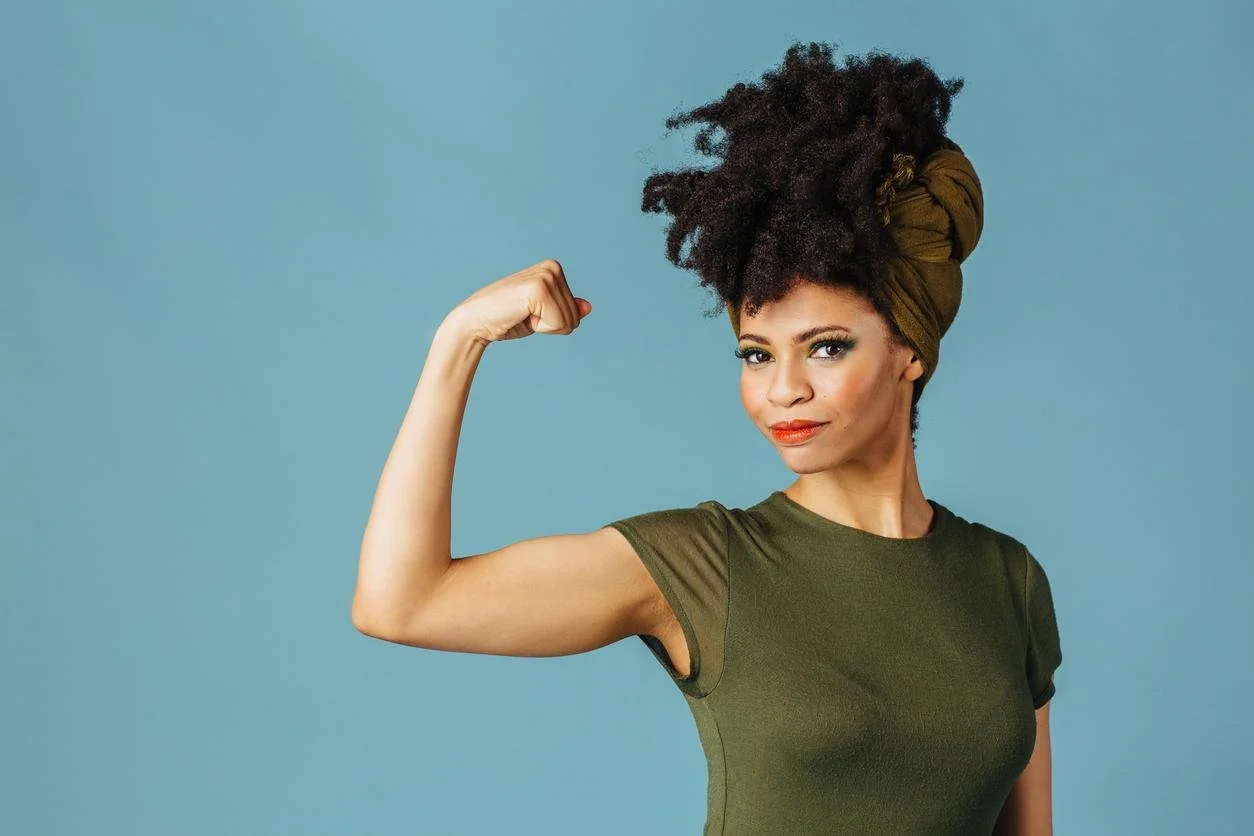
Photo Credit: CarlosDavid.org via iStockPhoto.com
By: Jamila Gomez
In a world that thrives on likes, shares, and external recognition, it’s easy to fall into the trap of seeking validation. We’re constantly bombarded with images and messages that tell us our worth is determined by how others perceive us. But what happens when the applause fades, when the accolades are few, or when our path is misunderstood? The truth is, the journey of walking in purpose requires a mindset that goes beyond the need for validation.
The Illusion of Validation
Validation feels good—it’s a warm embrace from the world that says, “You’re on the right track.” But relying on it can be a slippery slope. When we seek validation, we often find ourselves swayed by the opinions of others, whether they align with our purpose or not. The danger here is that external validation can become a substitute for internal conviction.
Imagine a seedling growing in a forest. It doesn’t wait for the other trees to give it permission to grow; it pushes through the soil, reaching for the sun, because that’s what it was designed to do. In the same way, we are all designed with a unique purpose. Our growth and success aren’t dependent on the validation of others but on our ability to stay true to that purpose.
Purpose Is Internal, Not External
Your purpose is a deeply personal calling. It’s the reason you were created, the contribution only you can make to the world. This calling doesn’t come with a need for external approval. It’s not about fitting into the mold others have created for you but about breaking out of it to fulfill your unique destiny.
When you walk in your purpose, your focus shifts from “What will people think?” to “What am I meant to do?” This shift is powerful. It frees you from the constraints of people-pleasing and allows you to pursue what truly matters.
Validation Is Fleeting, but Purpose Is Steadfast
The need for validation can be exhausting because it’s never fully satisfied. One day you’re praised, the next you’re criticized. If you base your actions on the reactions of others, you’ll find yourself on an emotional roller coaster, constantly chasing the next high of approval. But purpose is different. It’s a steady, unchanging force that doesn’t waver with public opinion.
Purpose gives you the courage to stand firm in your beliefs, even when others don’t understand. It’s the guiding light that keeps you moving forward, even when the path is lonely. When you embrace your purpose, you develop an inner resilience that’s not easily shaken by external circumstances.
The Power of Internal Validation
Internal validation comes from knowing your worth and your mission. It’s about having a deep, unshakable belief in your abilities and your purpose. This self-assurance doesn’t require constant reinforcement from others because it’s rooted in something far more substantial—your core values, your passion, and your unique gifts.
To cultivate internal validation, practice self-reflection. Take time to connect with your inner self and understand your motivations, strengths, and desires. Celebrate your progress, no matter how small, and recognize the value you bring to the world, independent of anyone else’s opinion.
Walking in Purpose Without Needing Validation
Walking in purpose means taking action aligned with your calling, regardless of who is watching or what they’re saying. It’s about living authentically, making decisions based on your values, and pursuing your goals with passion and persistence.
Here are a few practical steps to help you walk in purpose without seeking validation:
1. Define Your Purpose: Get clear on what you’re here to do. What are your passions? What impact do you want to make? Understanding your purpose gives you a clear direction and a reason to keep going, even when validation is lacking.
2. Set Boundaries: Protect your purpose by setting boundaries. Limit your exposure to negative influences and opinions that may derail you from your path. Surround yourself with people who support your journey, but don’t rely on them for validation.
3. Trust Your Intuition: Your intuition is a powerful guide. Trust it to lead you in the right direction, even when others don’t see the vision. Your purpose is often something only you can fully understand, so give yourself permission to follow your instincts.
4. Celebrate Your Own Wins: Don’t wait for others to acknowledge your progress. Celebrate your milestones and accomplishments, no matter how small. This reinforces your sense of purpose and reminds you that you’re on the right track.
5. Practice Gratitude: Focus on what you have, not what you lack. Gratitude shifts your mindset from seeking external approval to appreciating the journey you’re on. It reminds you that your purpose is a gift, and you’re privileged to live it out.
Walking in purpose without needing validation is a liberating experience. It allows you to pursue your calling with confidence, resilience, and authenticity. When you free yourself from the need for external approval, you unlock the full potential of your purpose. Remember, your worth isn’t determined by how others see you; it’s defined by how true you are to yourself and the unique path you’re meant to walk. Embrace your purpose, and let it guide you—validation will become an afterthought, not a necessity.
YOU MAY ALSO BE INTERESTED IN:
SHARE TO SOCIAL MEDIA

Be Who You Needed When You Were Younger
Be the person you needed to be when you were younger, and empower yourself and others by becoming that person. We discuss it here!

Photo Credit: andreswd via iStockPhoto.com
By: Jamila Gomez
As we grow older, we often find ourselves reflecting on the past—on the person we once were and the experiences that shaped us. There’s a common piece of advice that resonates deeply with many: "Be who you needed when you were younger." This simple yet profound concept encourages us to become the person our younger selves desperately needed, to fill the gaps that were once empty, and to offer the guidance, support, and love that we might have lacked.
But what does it truly mean to embody this idea, and how can we apply it to our lives?
Understanding the Concept: Why It Matters
When we think back to our younger years, we may remember moments of vulnerability, confusion, or loneliness. Perhaps we needed someone to listen, to believe in us, or to simply offer reassurance that everything would be okay. Unfortunately, not everyone had that kind of support.
Being who you needed when you were younger is about healing those past wounds by becoming the source of strength, wisdom, and kindness that you once craved. It's about breaking the cycle and providing for others—and for your current self—the compassion and understanding that might have been missing in your own life.
1. Providing the Support You Longed For
Many of us faced challenges in our youth—feeling misunderstood, struggling with self-esteem, or dealing with difficult circumstances without a reliable support system. As an adult, you have the opportunity to offer others the support you wish you had. Whether it's mentoring a young person, being a supportive friend, or simply offering a listening ear, you can make a significant difference in someone’s life by being present in the way you needed someone to be for you.
2. Embracing Your Authenticity
Growing up, you may have felt pressure to conform to certain expectations or standards, suppressing your true self in the process. Now, you have the power to embrace your authenticity and live unapologetically as the person you are. By doing so, you not only honor your younger self but also inspire others to do the same. Being who you needed when you were younger means showing up as your authentic self, giving others permission to do likewise.
3. Cultivating Self-Compassion
One of the most powerful ways to be who you needed when you were younger is to practice self-compassion. As a child or teenager, you may have been overly critical of yourself, constantly striving for perfection or feeling inadequate. Now, you can offer yourself the kindness and understanding you once needed. Treat yourself with the same love and compassion you would have given to a friend in need. This not only heals old wounds but also fosters a healthier, more resilient mindset.
4. Breaking the Cycle
Many of the struggles we faced in our youth were inherited from the generations before us—patterns of behavior, limiting beliefs, and unresolved trauma. By consciously working to break these cycles, you can create a healthier, more positive environment for yourself and those around you. This might involve setting boundaries, challenging negative thought patterns, or seeking therapy to address unresolved issues. Breaking the cycle is a powerful way to ensure that the next generation doesn't have to carry the same burdens.
5. Inspiring and Guiding Others
Think about the role models you wished you had when you were younger. Perhaps you longed for someone who would inspire you to pursue your dreams, or someone who could guide you through tough times. Now, you have the chance to be that role model for others. Share your experiences, offer advice, and encourage others to believe in themselves. By doing so, you can have a lasting impact on their lives, just as you once hoped someone would for you.
6. Forgiving the Past
Part of being who you needed when you were younger involves forgiving the past—both yourself and others. Holding on to resentment or regret only keeps you tethered to the pain of your youth. By forgiving those who may have let you down and forgiving yourself for any perceived shortcomings, you free yourself to move forward with a lighter heart. This act of forgiveness is not about condoning the past but about releasing its hold on your present and future.
7. Building a Life You Love
Finally, being who you needed when you were younger means building a life that reflects your deepest values and desires. It means pursuing your passions, nurturing meaningful relationships, and creating a life that feels fulfilling and authentic. Your younger self may have had dreams and aspirations that were left unfulfilled—now is the time to honor those dreams and make them a reality. By doing so, you pay tribute to the person you once were and the journey that brought you here.
A Path to Healing and Empowerment
Being who you needed when you were younger is a powerful way to heal the wounds of the past while empowering yourself and others in the present. It’s a journey of self-discovery, compassion, and growth. By offering the support, understanding, and love that you once needed, you create a ripple effect that can transform not only your life but also the lives of those around you.
So, take a moment to reflect on who you needed when you were younger, and consider how you can embody that person today. Whether through acts of kindness, embracing your authenticity, or breaking negative cycles, each step you take brings you closer to the life you deserve and the person you were always meant to be.
YOU MAY ALSO BE INTERESTED IN:
SHARE TO SOCIAL MEDIA

The Hidden Costs of Putting Your Life on Hold for Others
Learn how to create a healthy life balance and avoid the hidden costs that come with putting others first. We discuss it here!

Photo Credit: Delmaine Donson via iStockPhoto.com
By: Jamila Gomez
We’ve all heard the saying, "You can't pour from an empty cup." But in our efforts to care for others, it's easy to lose sight of that wisdom and put our own lives on hold. Whether it's for family, friends, or even work, sacrificing your own goals and happiness can feel noble. However, this selflessness often comes at a significant cost. Let's delve into the hidden downsides of constantly putting your life on hold for others.
1. Erosion of Personal Identity
When you constantly prioritize others' needs, your sense of self can begin to erode. You may start to define yourself by what you do for others rather than who you are. Over time, this can lead to a loss of identity, making it difficult to recognize your own desires, passions, and purpose. Instead of growing into your unique potential, you become a shadow of yourself, molded by external demands.
2. Unfulfilled Dreams and Regret
Every time you delay pursuing your own dreams, you chip away at the possibility of achieving them. Life is finite, and while helping others is commendable, neglecting your aspirations can lead to deep-seated regret. The longer you put off your goals, the harder it becomes to pursue them. Years down the line, you might find yourself wondering what could have been if you had only focused on your own path earlier.
3. Mental and Emotional Exhaustion
Constantly putting others first can be mentally and emotionally draining. You're always "on," tending to the needs of others without taking time to recharge. This can lead to burnout, anxiety, and even depression. The irony is that by trying to be everything to everyone, you risk becoming less effective in all areas of your life, including the relationships you’re trying to nurture.
4. Dependency and Resentment
When you put your life on hold for others, you may inadvertently foster a dependency that is unhealthy for both parties. The people you help might come to rely on your constant presence, which can prevent them from developing their own independence. Additionally, over time, you might begin to resent those you’ve sacrificed for, especially if you feel unappreciated or taken for granted. This can strain relationships and lead to feelings of bitterness.
5. Missed Opportunities
Opportunities don't always wait. By consistently delaying your own plans to support others, you might miss out on life-changing chances—be it career advancements, personal growth experiences, or relationships. Life is full of fleeting moments that require us to be present and proactive. When you’re always on hold for someone else, you might find that these moments pass you by, leaving you with fewer options later in life.
6. Imbalance in Relationships
Healthy relationships are built on mutual respect and support. When one person is always the giver, and the other is always the receiver, it creates an imbalance that can be difficult to sustain. Over time, this dynamic can lead to frustration and a sense of inequality. Both parties may begin to feel trapped in roles that don’t allow for growth or reciprocity, ultimately weakening the bond.
7. Neglect of Self-Care
Self-care isn't just about pampering yourself—it's about taking the necessary steps to maintain your physical, mental, and emotional well-being. When you put your life on hold for others, self-care often falls by the wayside. This neglect can have serious consequences, from health issues to decreased resilience in the face of stress. Taking care of yourself isn’t selfish; it’s essential for being able to support others in a healthy, sustainable way.
Finding the Balance: How to Put Yourself First Without Guilt
It’s important to remember that putting yourself first doesn’t mean neglecting others; it means creating a balance where your needs are met alongside those of the people you care about. Here are a few tips to help you achieve this:
Set Boundaries: Learn to say no when necessary. It’s okay to prioritize your own needs and protect your time.
Delegate Responsibilities: You don’t have to do everything yourself. Empower others to take responsibility for their own lives.
Pursue Your Passions: Make time for the things that bring you joy and fulfillment. Your happiness benefits everyone around you.
Practice Self-Compassion: Don’t feel guilty for putting yourself first. You deserve the same care and attention you give to others.
Putting your life on hold for others might seem like the right thing to do, but in the long run, it can do more harm than good. By finding a healthy balance between caring for others and caring for yourself, you can create a life that is both fulfilling and sustainable—one that allows you to be the best version of yourself, for yourself and those you love.
YOU MAY ALSO BE INTERESTED IN:
SHARE TO SOCIAL MEDIA
The Power of Learning from Past Mistakes
Embrace your mistakes as essential steps toward growth by reflecting on their lessons, building resilience, and moving forward with renewed purpose and courage. We discuss it here!
Photo Credit: LeoPatrizi via iStockPhoto.com
By: Jamila Gomez
Mistakes. We all make them, sometimes daily. They’re those moments that can make us cringe, feel embarrassed, or wish we could hit the rewind button on life. But what if we reframed how we view our mistakes? What if, instead of seeing them as failures, we began to see them as stepping stones to success, as essential ingredients in the recipe for growth?
The Gift of Reflection
One of the most powerful tools we have as human beings is the ability to reflect. When we take the time to look back at our past mistakes, we’re engaging in an act of self-awareness that is crucial for personal development. Reflection isn’t about wallowing in regret; it’s about extracting wisdom from our experiences.
Think about a time when you made a mistake. Maybe you spoke out of turn in a meeting, made a poor financial decision, or let someone down. Initially, it might feel painful to revisit those moments. However, in that pain lies a lesson. What did you learn about yourself? What would you do differently next time? These questions are the key to transforming a mistake into a learning opportunity.
Mistakes as Teachers
It’s easy to label a mistake as a failure, but what if we started to see mistakes as our greatest teachers? Life doesn’t come with a manual, and the only way to navigate it is through trial and error. Each mistake we make teaches us something invaluable—whether it’s about the world, other people, or most importantly, ourselves.
Consider the mistakes of great inventors, entrepreneurs, and leaders throughout history. Thomas Edison is famously quoted as saying, “I have not failed. I’ve just found 10,000 ways that won’t work.” His perspective is a testament to the power of perseverance and learning. Every “failed” attempt brought him one step closer to success. By embracing mistakes as lessons, Edison was able to invent the lightbulb, forever changing the world.
Building Resilience
Learning from mistakes is not just about gaining knowledge; it’s also about building resilience. Each time we bounce back from a mistake, we strengthen our ability to cope with challenges. Resilience is like a muscle—the more we use it, the stronger it becomes. When we learn to navigate the discomfort of making mistakes, we equip ourselves with the mental and emotional tools needed to face future obstacles with confidence.
Moreover, embracing mistakes as part of the learning process can lead to a more compassionate relationship with ourselves. Instead of harsh self-criticism, we can approach our past missteps with kindness, understanding that making mistakes is a natural part of being human. This shift in perspective allows us to move forward without the weight of guilt or shame, opening the door to self-growth.
Moving Forward with Purpose
The key to truly learning from past mistakes is to use those lessons to inform our future actions. Mistakes should not define us but rather guide us. When we understand where we went wrong and how we can improve, we gain clarity and direction for our journey ahead.
To do this, it’s essential to set intentions for how we want to move forward. What did your mistake teach you, and how will you apply that lesson in the future? By setting specific goals and intentions, we transform our mistakes into catalysts for positive change.
For instance, if a past mistake taught you the importance of time management, you might set a goal to prioritize your tasks more effectively. If you learned the value of patience from a mistake, you might commit to practicing mindfulness in moments of stress. These actions turn lessons into habits, ensuring that our mistakes contribute to our ongoing personal growth.
The Courage to Try Again
Perhaps the most significant lesson that mistakes teach us is the courage to try again. Fear of failure can be paralyzing, but when we’ve already faced and learned from our mistakes, we become less afraid of the unknown. We understand that mistakes are not the end of the road but merely a detour. Armed with this knowledge, we can approach new challenges with confidence, knowing that even if we stumble, we will rise again, stronger and wiser.
Mistakes are an inevitable part of life, but they don’t have to be a source of regret. By embracing reflection, seeing mistakes as teachers, building resilience, moving forward with purpose, and summoning the courage to try again, we can transform our past mistakes into powerful tools for growth. So, the next time you find yourself wishing you could go back and undo a mistake, remember that every misstep is an opportunity to learn, grow, and become the best version of yourself. After all, it’s not our mistakes that define us, but how we rise after falling.
YOU MAY ALSO BE INTERESTED IN:
SHARE TO SOCIAL MEDIA

Breaking Free: Embracing Authentic Living by Letting Go of Expectations
Letting go of others' expectations empowers you to live authentically, embracing your true self and creating a life aligned with your own values and desires. We discuss it here!

Photo Credit: izusek via iStockPhoto.com
By: Jamila Gomez
From a young age, we’re surrounded by expectations. Our families, friends, teachers, and society at large often have a vision of who we should be, what we should achieve, and how we should live our lives. While some expectations can guide us, others can become heavy burdens, steering us away from our true selves and leaving us feeling trapped in a life that doesn’t align with our deepest desires.
Letting go of others’ expectations is one of the most liberating choices you can make. It’s about reclaiming your life, your decisions, and your happiness. It’s about living authentically and on your own terms, free from the weight of external pressures.
The Invisible Chains of Expectations
Expectations can be like invisible chains, subtly influencing our choices and shaping our lives in ways we might not even realize. They often come from those closest to us—our parents who want us to follow a certain career path, our friends who expect us to share their lifestyle, or society that dictates what success looks like. These expectations can lead us to make decisions based on what others want for us, rather than what we truly want for ourselves.
Over time, living according to others’ expectations can create a sense of disconnection from our own desires and needs. We may find ourselves pursuing goals that don’t fulfill us, saying yes to things that drain us, or hiding parts of ourselves to fit in. The pressure to meet these expectations can be overwhelming, leading to stress, anxiety, and a sense of inadequacy when we inevitably fall short.
The Cost of Conforming
Conforming to others’ expectations often comes at a high cost—our own happiness and authenticity. When we prioritize what others want over what we need, we start to lose touch with our own identity. We may find ourselves living a life that looks good on the outside but feels empty on the inside.
The cost of conforming isn’t just emotional; it can also stifle our growth and potential. When we ignore our passions, suppress our true selves, or pursue paths that don’t resonate with us, we miss out on the opportunity to live a life that is deeply meaningful and fulfilling. We become spectators in our own lives, watching from the sidelines as our dreams fade into the background.
The Power of Self-Discovery
Letting go of others’ expectations begins with self-discovery. It’s about taking the time to explore who you really are, what you value, and what you want out of life. This process requires introspection and honesty. Ask yourself: *What do I truly want? What makes me feel alive? What values do I want to live by?*
Self-discovery is about reconnecting with your inner voice—the voice that knows what’s best for you, even when it goes against the grain. It’s about understanding that your worth is not defined by how well you meet others’ expectations but by how authentically you live your own truth. The more you get to know yourself, the clearer your path becomes, and the easier it is to let go of the expectations that no longer serve you.
The Courage to Disappoint
One of the hardest parts of letting go of others’ expectations is the fear of disappointing those we care about. We don’t want to let down our parents, friends, or partners, and this fear can keep us stuck in a cycle of trying to please everyone but ourselves. But the truth is, you cannot live your life for others. Trying to meet everyone’s expectations is an impossible task that will only lead to frustration and resentment.
The courage to disappoint is an essential part of reclaiming your life. It means accepting that not everyone will understand or approve of your choices—and that’s okay. You don’t need anyone’s permission to be yourself. When you choose to live authentically, you may face criticism or judgment, but you’ll also find freedom and peace that comes from being true to yourself.
Setting Boundaries and Saying No
Letting go of others’ expectations also involves setting boundaries and learning to say no. Boundaries are essential for protecting your time, energy, and well-being. They help you stay aligned with your own values and priorities, rather than getting swept up in what others want from you.
Saying no can be difficult, especially if you’re used to saying yes to please others. But every time you say no to something that doesn’t align with your true self, you’re saying yes to your own happiness and growth. It’s about making choices that honor who you are and what you need, rather than what others expect from you.
Setting boundaries also means communicating openly and honestly with those around you. Let them know what you need and why certain expectations don’t align with your goals or values. This can lead to more authentic and supportive relationships, where your true self is respected and valued.
Embracing Your Own Path
The beauty of letting go of others’ expectations is that it opens up a world of possibilities. When you’re no longer confined by what others want or expect, you’re free to explore, experiment, and create a life that truly reflects who you are. You can pursue passions that ignite your soul, make choices that bring you joy, and build a future that excites you.
Embracing your own path is about trusting yourself and your journey. It’s about knowing that your worth is not tied to how well you conform to others’ expectations but to how authentically you live your life. It’s about understanding that your path may be different from what others envision for you, and that’s not just okay—it’s beautiful.
Letting go of others’ expectations is one of the most empowering decisions you can make. It’s about breaking free from the invisible chains that hold you back and stepping into a life that is authentically yours. It requires courage, self-awareness, and a commitment to honoring your true self. But the reward is a life of freedom, fulfillment, and joy—one where you are the author of your own story.
Remember, you are not here to meet others’ expectations. You are here to live your own life, in your own way. Let go of the pressure to conform, embrace your true self, and follow the path that resonates with your soul. When you do, you’ll discover a sense of peace and happiness that can only come from living authentically and on your own terms.
YOU MAY ALSO BE INTERESTED IN: