Behind The Strength: The Overlooked Reality of Depression in Black Women
High-functioning depression among Black women often hides behind strength, success, and survival, revealing how deeply exhaustion can disguise itself as resilience. We discuss it here!

By: Jamila Gomez
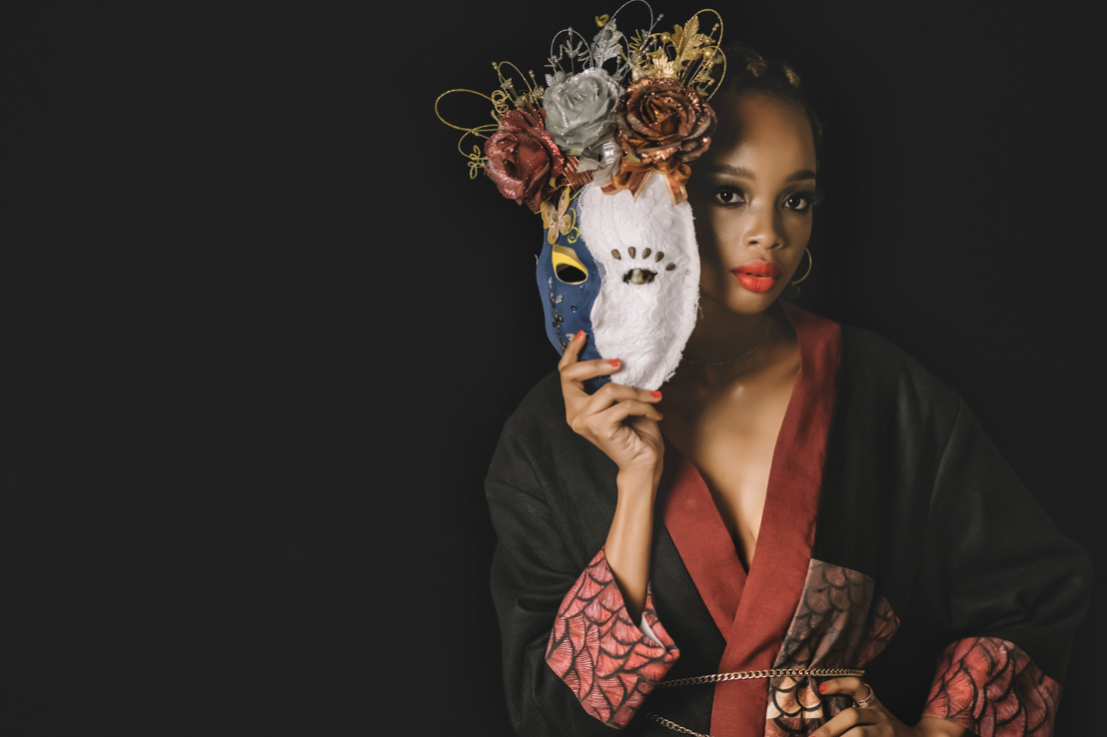
We know how to show up. We know how to smile through it, handle the details, meet the deadlines, send the check-ins, cook the meals, run the errands, answer the texts, and follow up when no one else does. We know how to get through the day without falling apart. And to most people, that looks like being “fine.” But high-functioning depression is what happens when “fine” is just a mask that fits too well. It’s what lives underneath the competence, the caretaking, the survival mode. It’s the part no one checks on because we don’t “look” like we’re struggling.
For Black women especially, high-functioning depression often goes unnoticed—not just by others, but by us. Because we were raised to be strong. We were raised to hold it down, hold it together, hold everybody else. And when you’ve been taught that rest is laziness and sadness is weakness, you learn to suppress, minimize, and keep it moving. You don’t get the luxury of falling apart, so you never let yourself consider how tired you actually are. Even exhaustion becomes something you normalize. Even numbness becomes something you ignore.
The danger of high-functioning depression is that it hides in plain sight. It doesn’t look like staying in bed all day. It looks like showing up to work and still feeling like a ghost in your own life. It looks like replying to every message and still feeling disconnected. It looks like accomplishing things that don’t even feel real anymore—like you’re just going through the motions on autopilot. It looks like success that doesn’t feel like success. Joy that feels like work. Laughter that feels borrowed. And it’s heavy. Heavier than most people understand.
What makes this even more complicated is that Black women are rarely believed when we name our pain. We’re told we’re “strong,” as if that means we don’t struggle. We’re told we’re “resilient,” as if that means we don’t need rest. Our high functioning becomes our hiding place. And the world rewards us for it. We get praised for being dependable while quietly breaking down. We get affirmed for being “the strong friend” while no one notices we’re slipping. And because we don’t fit the typical image of what depression is supposed to look like, we get overlooked—by doctors, by therapists, by systems, by our own people, and sometimes by ourselves.
But just because you’re still standing doesn’t mean you’re okay. Just because you’re handling it doesn’t mean you should have to. Just because you’re functioning doesn’t mean you’re thriving. We have to stop equating productivity with wellness. We have to stop confusing performance with peace. We have to start asking ourselves not just “Did I get it all done?” but “How am I actually doing?” And we have to be willing to answer that honestly, even when the truth is uncomfortable.
Living with high-functioning depression doesn’t mean you’re broken. It means you’ve been surviving. It means your body and brain have adapted to pain in a way that kept you moving when slowing down didn’t feel like an option. That’s not weakness—that’s resourcefulness. But survival isn’t the same as healing. And I know we’ve been taught to put everyone else first. I know we’ve been taught that self-care is selfish. But the truth is, ignoring your needs doesn’t make you noble. It makes you disappear.
So here’s the reminder: You are not alone in this. You are not the only one who feels this way. You are not the only one who’s been smiling through the ache, pushing through the fog, showing up while feeling empty. There are more of us than you think. And you deserve spaces where you can be seen, not just for what you do, but for who you are. You deserve rest. You deserve softness. You deserve to be supported—not only when you’re falling apart, but also when you’ve mastered the art of holding it together.
Let’s stop making pain invisible. Let’s stop wearing strength as armor. Let’s start checking in on ourselves and each other in real, honest ways. Not the “you good?” texts, but the “how’s your spirit?” kind of check-ins. The kind that give us room to not be okay and still be loved. This is how we create community. This is how we come home to ourselves.

YOU MAY ALSO BE INTERESTED IN: