

'Find Your Passion': The Career Advice That Keeps Women Exhausted
For many women, especially Black women, the pressure to “find your passion” has turned purpose into exhaustion and fulfillment into survival, reminding us that meaning should never come at the cost of our peace! We discuss it here!

Career Advice That Keeps Women Exhausted
Photo Credit: LaylaBird via iStockPhoto.com
By: Jamila Gomez
“Find your passion.” It’s the line that’s been etched into commencement speeches, career panels, and motivational posts for decades. It sounds noble—who wouldn’t want to spend their life doing what they love? But for many women, especially Black women and women of color, this advice has become another kind of trap. Instead of leading to fulfillment, it often leads to guilt, burnout, and the endless pressure to turn passion into proof of worth.
The message behind “find your passion” assumes privilege. It imagines a world where people have the time, safety, and resources to explore what lights them up—and to walk away from what doesn’t. But most women don’t live in that world. They live in one where bills are due, children need care, parents need help, and stability isn’t optional. Passion sounds lovely, but it doesn’t pay rent. And yet, women are constantly told that if they’re not doing what they love, they’ve somehow failed themselves.
What this advice rarely admits is that passion work often becomes more exploitative than traditional labor. Women who turn their gifts into businesses or creative careers are told to “monetize what you love,” only to find themselves working longer hours for less security. Their emotional investment becomes part of the job description. The line between purpose and labor blurs until both feel heavy. Passion becomes another way to justify unpaid work, low pay, or burnout—because if you “love it,” you’re supposed to keep pushing through.
This is especially true in care-driven professions—teaching, social work, counseling, nursing, and nonprofit roles—fields dominated by women. Passion is treated as both requirement and reward: the very thing that makes the job meaningful is also what makes the exploitation easier to ignore. Employers don’t have to offer adequate pay or support when they can point to passion as the moral substitute. “You’re here because you care,” they say, as if care alone should cover the cost of survival.
It’s time to tell the truth: passion is not protection. Loving what you do does not make you immune to burnout, underpayment, or being undervalued. Purpose is not a shield—it’s a responsibility that still requires boundaries. The idea that passion should carry us through exhaustion has left too many women working twice as hard for half the return, still questioning whether their effort is enough.
There’s nothing wrong with wanting work that feels meaningful. But meaning shouldn’t demand martyrdom. The better question isn’t what’s your passion? It’s what kind of life do you want your work to make possible? That’s a question about sustainability, not sacrifice—about balance, not branding.
Work doesn’t have to be a calling to be worthwhile. It just has to leave room for you to live.

YOU MAY ALSO BE INTERESTED IN:

SHARE TO SOCIAL MEDIA

From Empowerment to Exploitation: How Companies and Culture Exploit the Word | Oped
Empowerment has become a buzzword stripped of meaning, used to market overwork, consumption, and illusion instead of real power and change. We discuss it here!
When Empowerment Becomes Exploitation
Photo Credit: pixelfit via iStockPhoto.com
By: Jamila Gomez
Empowerment is everywhere. Companies claim they empower employees. Brands promise their products empower women. The word saturates ad campaigns, annual reports, and hashtags. But the more it circulates, the more hollow it becomes. Too often, what’s sold as empowerment is exploitation dressed in affirmations—demanding more while insisting you should be grateful for the chance.
The workplace is the clearest case. Employers boast about empowering staff with “flexibility” or encouraging “ownership.” In practice, flexibility means being reachable at all hours, and ownership translates into absorbing responsibilities without pay, support, or decision-making power. You’re told you’re being empowered to grow while your job quietly expands into what used to be two jobs. Autonomy becomes a brand name for overwork.
Consumer culture runs the same play. A fashion label celebrates “empowered women” in glossy ads while underpaying women of color who sew its garments under unsafe conditions. Wellness companies sell supplements, apps, and retreats as tools for empowerment, telling you peace is a purchase away. The burden lands on individuals to buy, optimize, and “fix” themselves, while the forces driving their stress—precarious wages, long hours, unaffordable housing—stay untouched.
The gig economy perfected the script. Platforms talk about empowering workers to “be their own boss,” but what many actually get is fluctuating pay, opaque algorithms, and the risks of employment without protections. The freedom to choose your hours often means stitching together income across multiple apps with no benefits. Again, the language elevates choice while the structure limits it.
This rhetoric doesn’t merely mislead; it relocates accountability. If you don’t feel empowered, the diagnosis becomes personal: you didn’t lean in, hustle harder, manifest correctly, or maintain the right mindset. Structural barriers fade from view, shielded by uplifting copy. Meanwhile, the people with the least control over their time and safety are told to self-improve their way out of systems designed to exhaust them.
Real empowerment is not a slogan. It is structural. It looks like fair wages, predictable schedules, safe workplaces, paid leave, and accessible healthcare. It means transparent advancement, independent recourse for harm, and a voice with teeth—unions, worker councils, tenant protections.
We should retire the applause lines and adopt testable questions: Who decides? Who benefits? Who bears the risk? How quickly can harm be remedied, and by whom? If the answers still point up the chain, that’s not empowerment—it’s marketing. Power that can be taken away without due process or a collective say was never power to begin with.
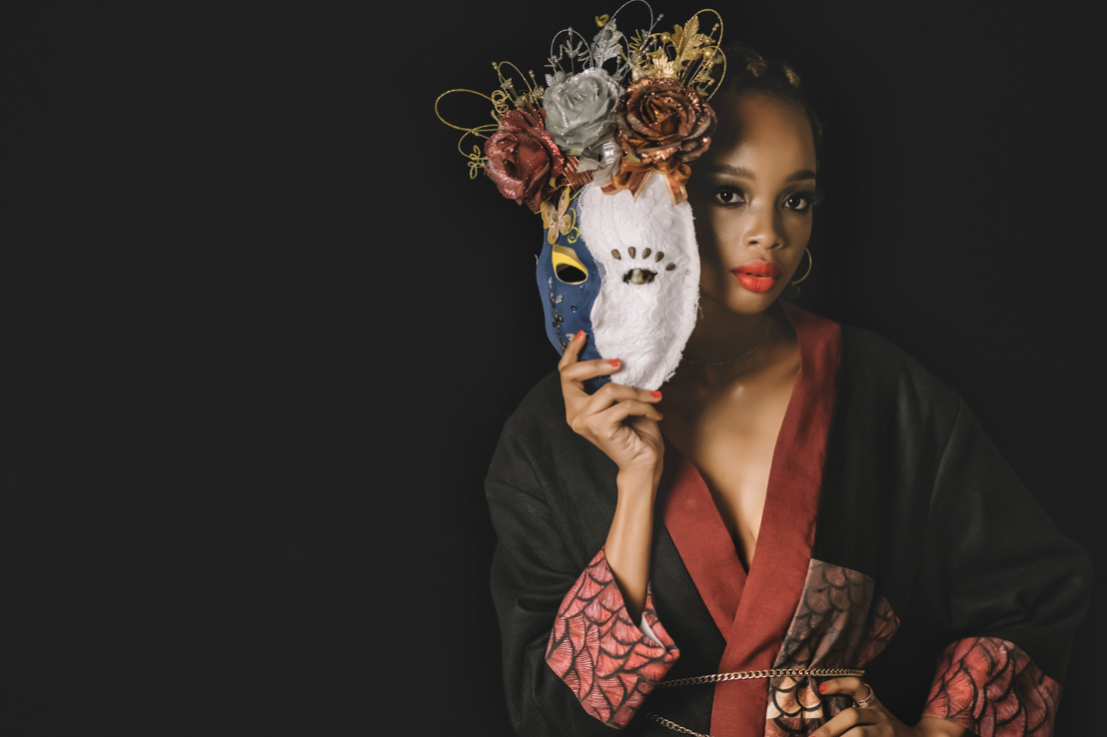
If institutions are serious, they should stop using empowerment as camouflage and ask harder questions: Are we shifting control to the people most affected, or simply rebranding extraction? Until “empowerment” is tied to actual power—time you can protect, money you can live on, safety you can trust—it will remain a flattering mask.
And masks, no matter how inspirational the slogan across them, cannot clean the air we’re forced to breathe. Real empowerment changes the air. Everything else is costume.
YOU MAY ALSO BE INTERESTED IN:
SHARE TO SOCIAL MEDIA
Slutty Vegan CEO Pinky Cole Makes The Times 100 Next List
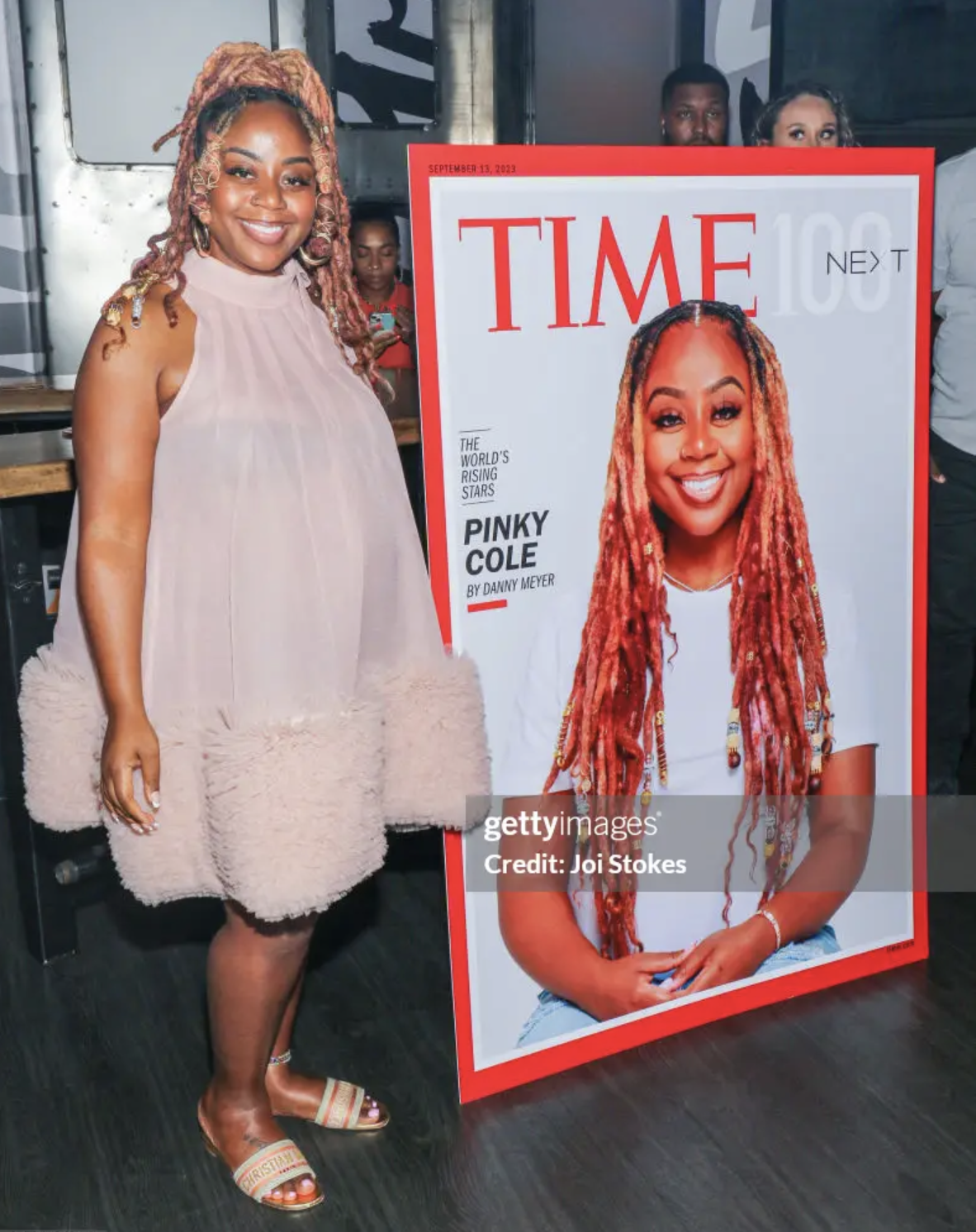
“TIME” just released their 100 Next List, and the CEO of “Slutty Vegan” Pinky Cole, made it on the list as one of the most influential people in the world. We discuss it!

By: Gentel Sharrie
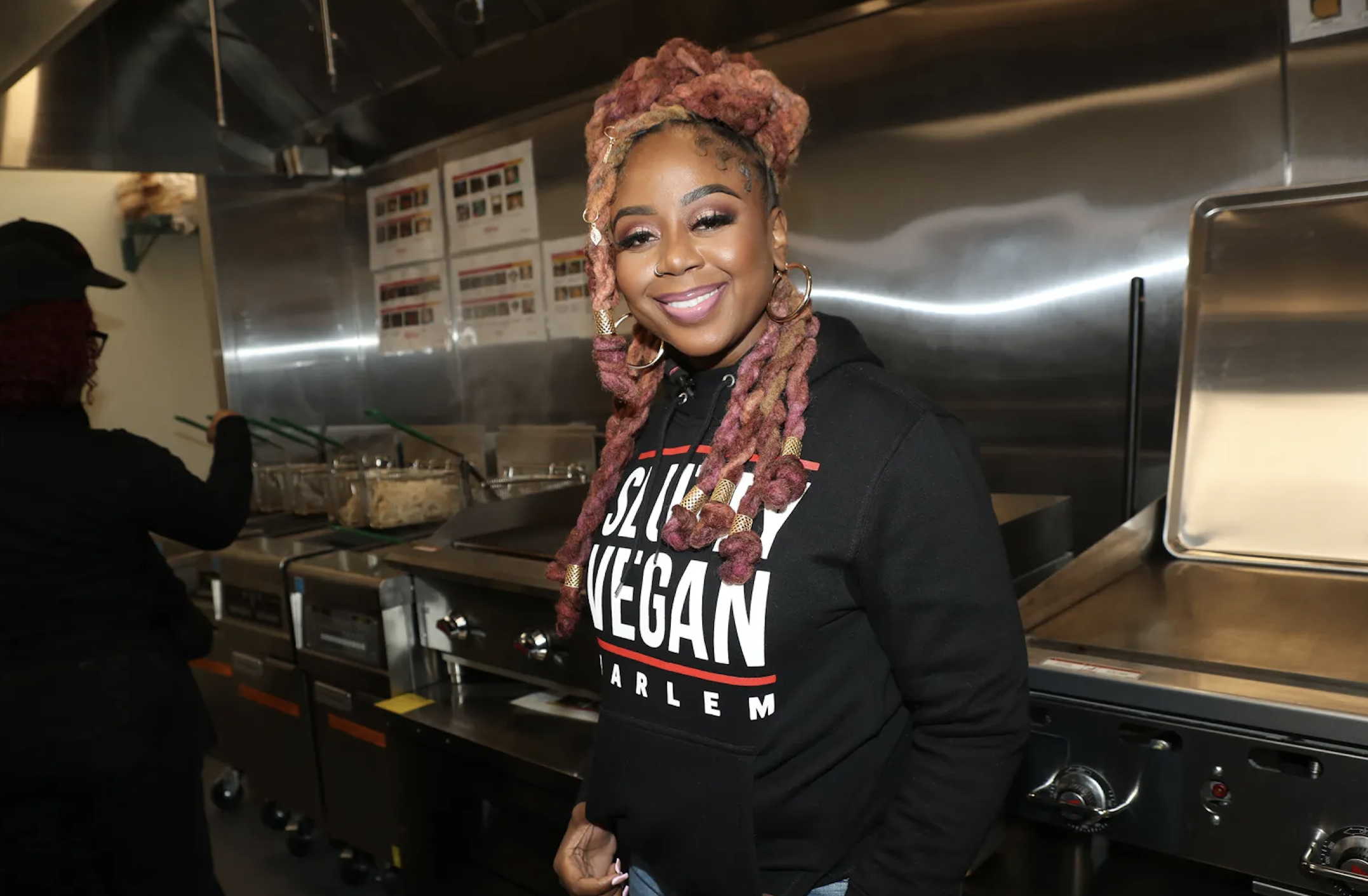
“TIME” just released their 100 Next List, and the CEO of “Slutty Vegan” Pinky Cole, made it on the list as one of the most influential people in the world. Slutty Vegan is the most talked about and favorite, plant-based fast-food restaurant based in Atlanta, Georgia. Pinky first launched Slutty Vegan as a food truck in 2018, offering creative vegan burgers. The brand quickly gained attention and developed a dedicated following for its delicious and innovative menu items.
Pinky Cole's vision for Slutty Vegan extends beyond providing tasty plant-based food. Slutty Vegan is a healthier and more sustainable lifestyle while her platform also creates opportunities for her community. Pinky is known for her philanthropic efforts, supporting different initiatives and partnering with organizations to give back to those in need.
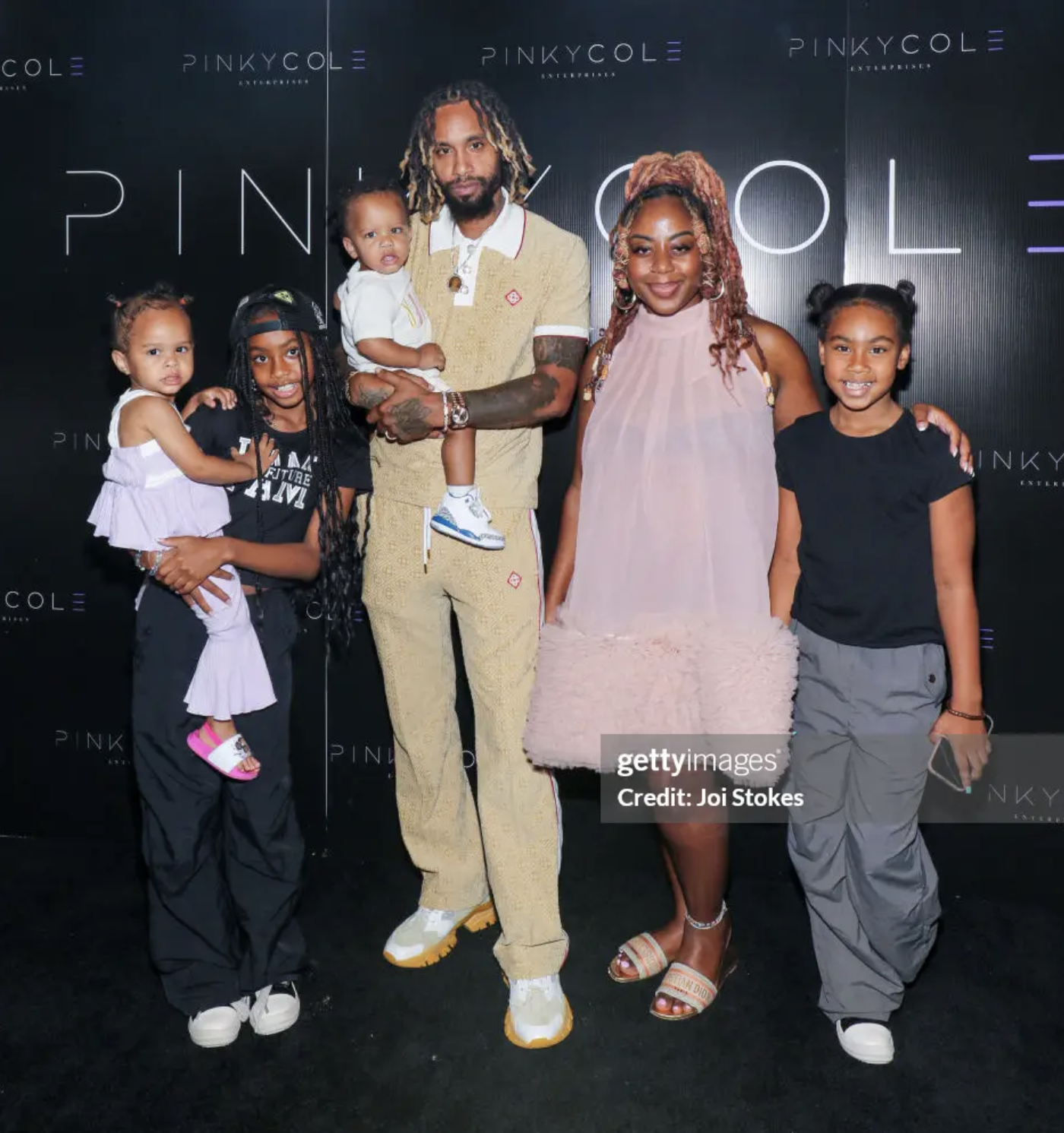
ATLANTA, GEORGIA - SEPTEMBER 13: Pinky Cole, Derrick Hayes and guests attend a celebration for Time Magazine's Next 100 at Bar Vegan on September 13, 2023, in Atlanta, Georgia.
Photo Credit: Joi Stokes/Getty Images
Slutty Vegan not only influences vegan eaters but also individuals curious about exploring plant-based options. The brand has gained significant media coverage and has received recognition for its impact on the culinary scene and its commitment to social causes.
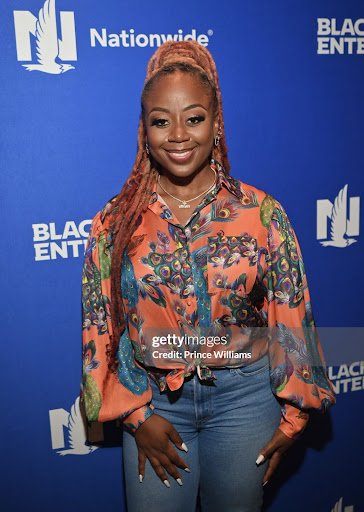
ATLANTA, GEORGIA - JUNE 3: Pinky Cole attends the Black Enterprise Disruptor Summit at Grand Hyatt Atlanta in Buckhead on June 03, 2023, in Atlanta, Georgia.
Photo Credit: Prince Williams/WireImage
Pinky Cole's entrepreneurial journey and her dedication to providing accessible and delicious vegan food have made her an inspirational figure within the food industry. She continues to inspire others to embrace a plant-based lifestyle and make positive changes in their communities.
YOU MAY ALSO BE INTERESTED IN:
SHARE TO SOCIAL MEDIA
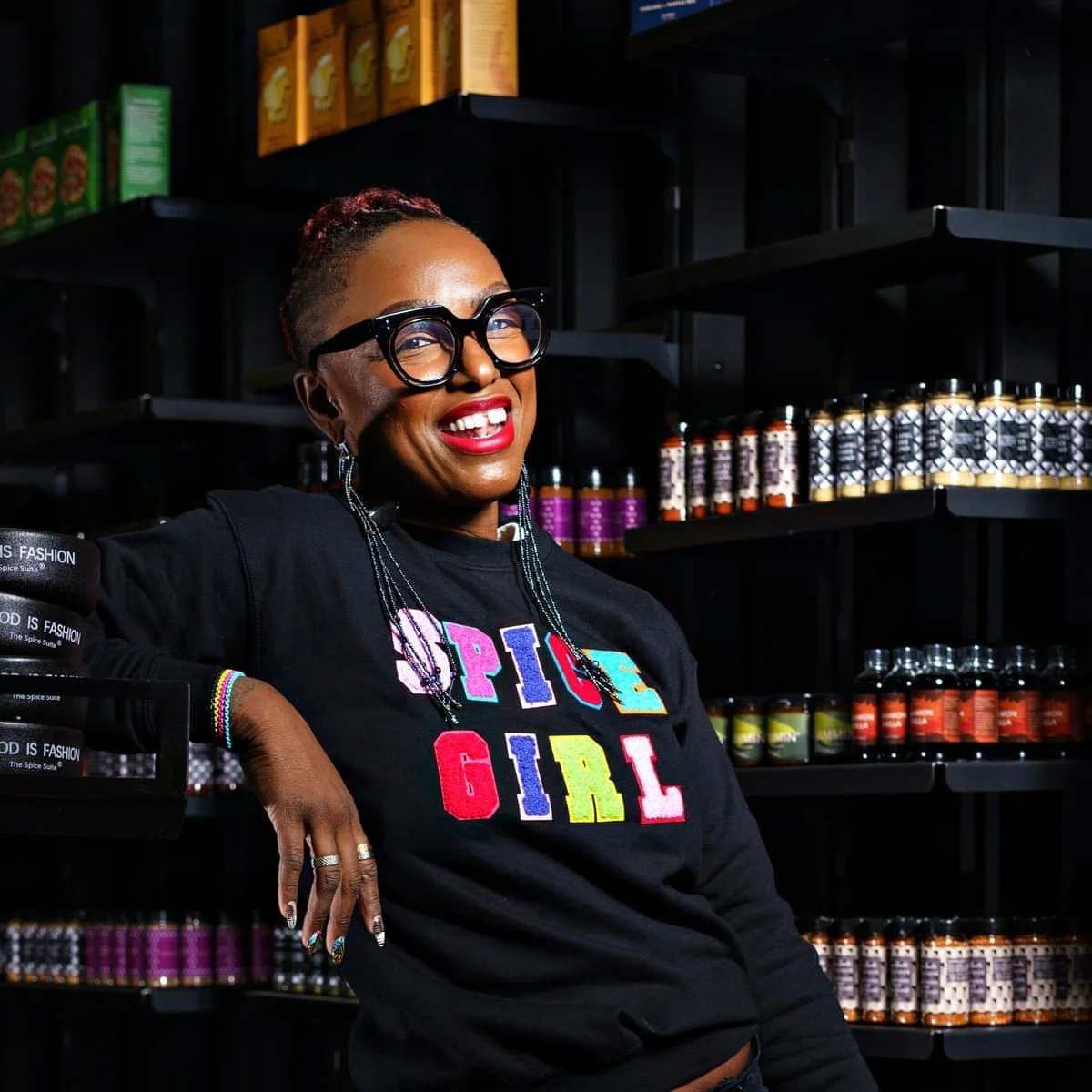
Angel Gregorio Makes History With The First All Black Shopping Center In D.C.
Discover the motivating story of Angel Gregorio and her journey to creating the first all-black shopping center in D.C. We discuss it here!

Angel Gregorio | Owner of Black and Forth
By: Adonis Armstrong
In 2015, Angel Gregorio took a leap of faith and quit from being a principal to a business owner. She opened up a spice shop called the Spice Suite, but her aspirations were always bigger. Instead of just opening her own establishment, she remolded a 7,500 square foot lot in a D.C. neighborhood into a retail community for local Black-owned businesses. She named the space, Black and Forth, which is located at 2201 Channing St. NE.
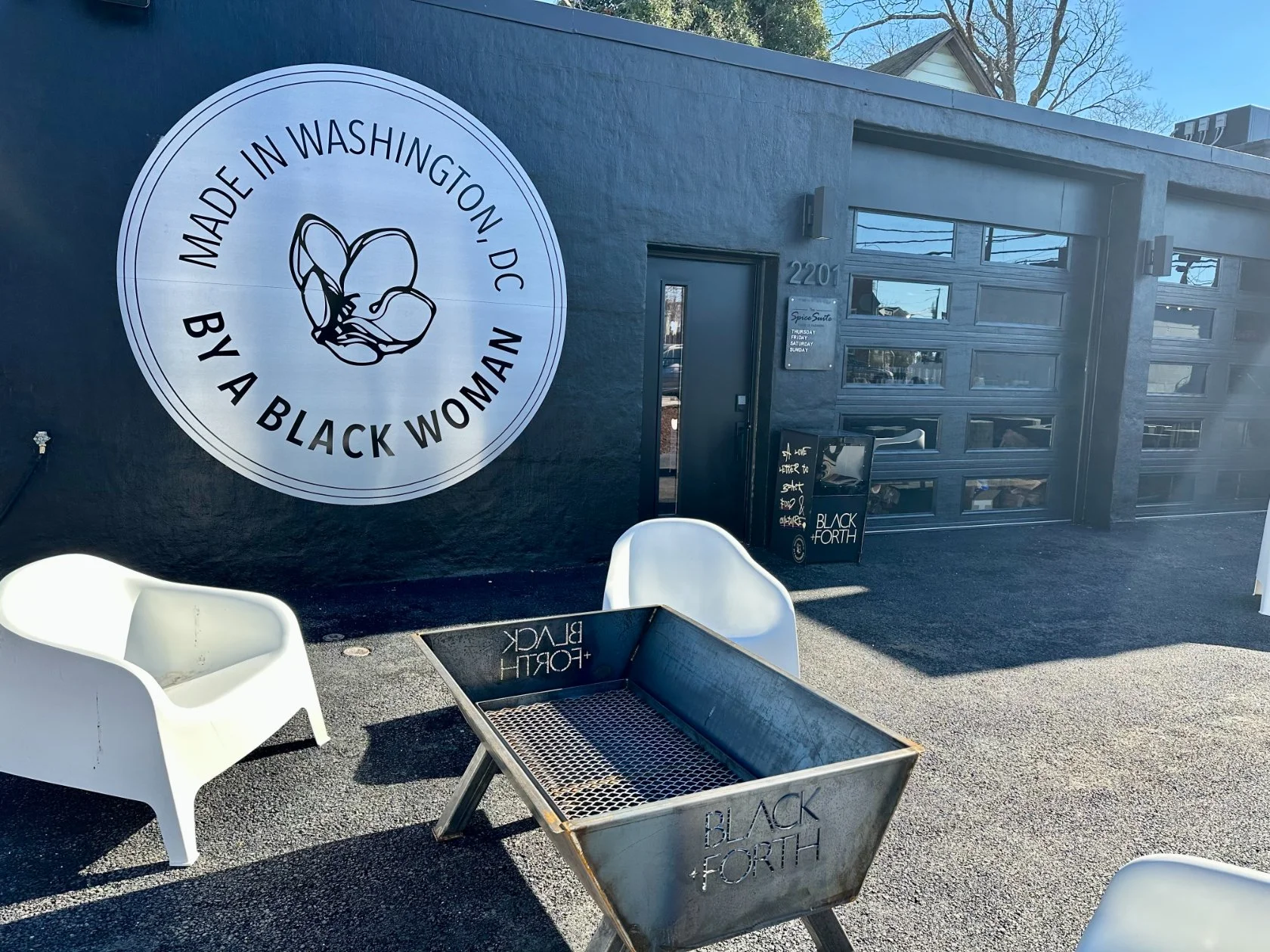
Black and Forth
Angel now is the first Black woman to own a strip mall in D.C. and has partnered with other Black women entrepreneurs as well. The strip mall is home to a variety of businesses, including hair salons, clothing stores, and restaurants. Many of these businesses have been owned and operated by African American entrepreneurs for years and they will continue to be a staple in the community.
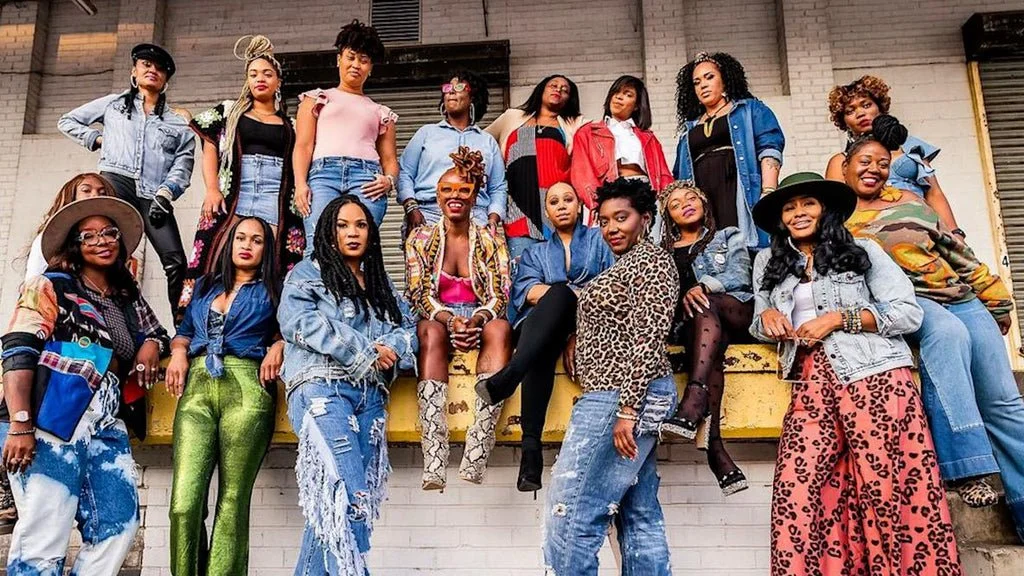
It is pivotal that the Black and Forth shopping center is protected and celebrated for future generations to understand the rich legacy of this extraordinary cultured place. I believe it will serve as a symbol of trust and motivation for other Black entrepreneurs who are looking to begin their own business in the future. With Angel Gregorio's leadership, the Black and Forth shopping center will be a vital part of D.C.'s community and a guide for financial empowerment for the black community.

YOU MAY ALSO BE INTERESTED IN:
SHARE TO SOCIAL MEDIA

Miiriya, The App That Makes Shopping From Black Owned Businesses Easy
Black-owned businesses have exploded in popularity over the years, especially during the COVID-19 pandemic. Miiriya is an app that is making it easier to shop from Black owned businesses directly on one app! We discuss it here!

By: Kwana Adams
Black-owned businesses have exploded in popularity over the years, especially during the COVID-19 pandemic. There are now so many black-owned businesses that some popular e-commerce sites are even attempting to highlight or uplift black-owned businesses that they find. A lot of sites, however, take fees out of the profits that businesses make. It is amazing to see black people starting businesses and becoming successful, but it can get sometimes overwhelming to keep track of all of them. How can we possibly find what we’re looking for? If only there was a site that was not only for black-owned businesses but a site that is completely free to register for and 100% of proceeds go to the business…
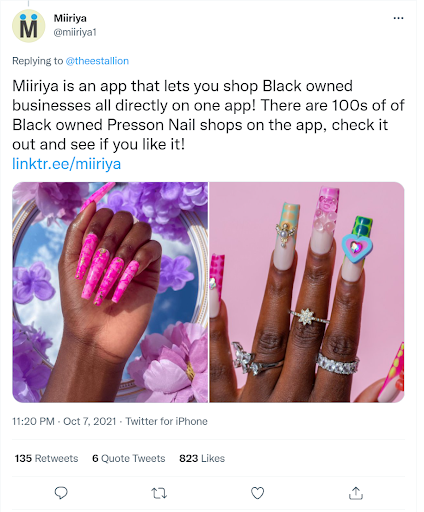
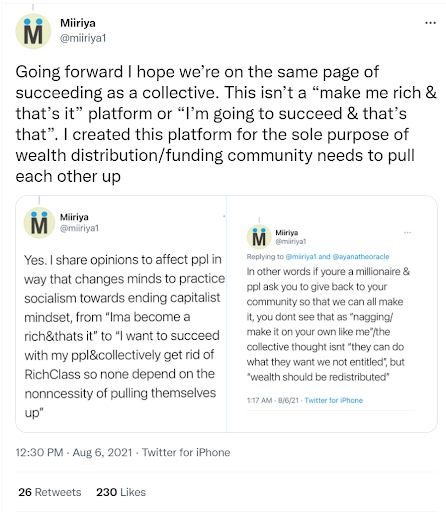
“I wish there was a site like Etsy, but for black businesses.” “Is there an app like Amazon but only for black businesses?” If you’ve tweeted this, then you’re probably aware of the hilarity of the owner, Lamine Loco’s tweets to promote the app and you’ve probably gotten a response like these:

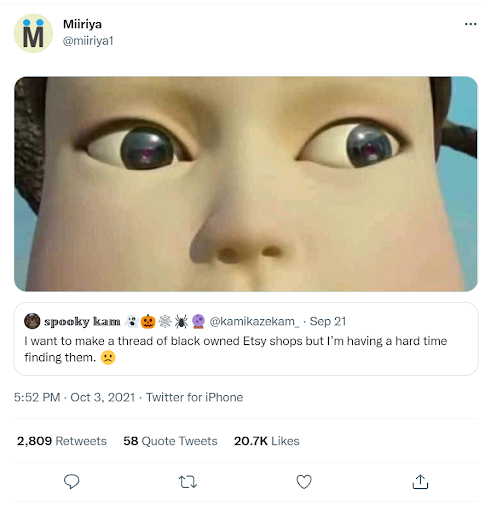
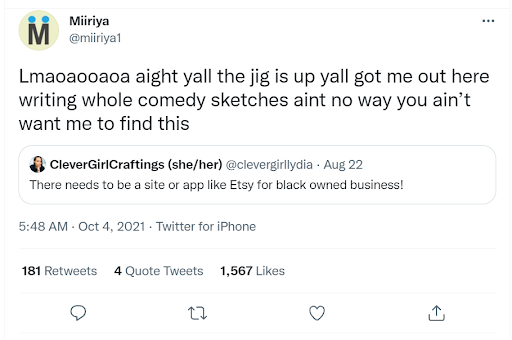
Don’t even think you’re going to tweet words like: Amazon, Etsy, Black Owned Business, and Miiriya’s not going to find out.
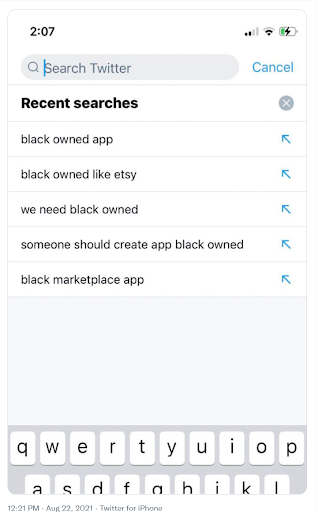
They gon’ find you..
Stop playing with this man. We’re all aware by now of the hard work, money, and time he has put into making Miiriya a place where we can thrive. This is a one man show, or one single N*gga running this whole show on his own and putting his whole foot into it. As a collective, we needed something like this where we can support and be supported. Amazon, Etsy, and other platforms can highlight black owned businesses and have separate tabs all they want, but they’re not here for us the way Miiriya is. Many of black owned businesses have praised the site for helping boost their sales. If you follow the Twitter account, you’re already aware of the daily tweets promoting products from the businesses on the site, and if you go to the website or the app, you’ll notice the many featured products and services that are constantly promoted.
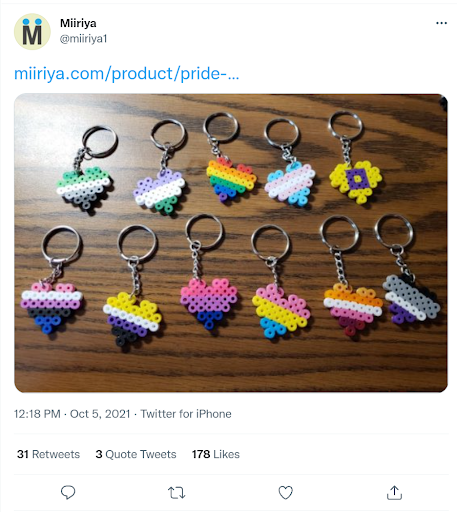
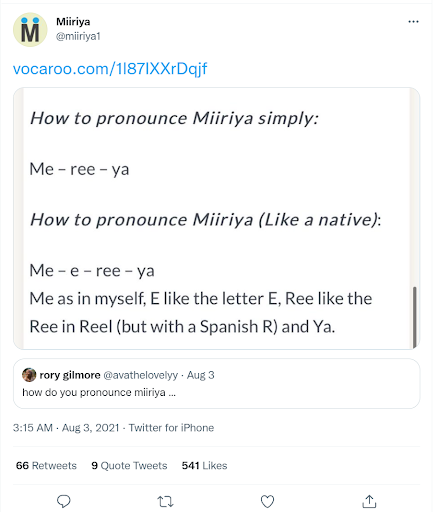
Say the word three times and Miiriya will appear in your comments. What does the word actually mean though, and where does it come from? The word comes from Mr. Loco’s native language of Bambara/Dioula and it means “thoughts” and “ideas.” According to Mr. Loco, it can also be used with other words to mean “philosophers” and “thinkers.” It’s such a fitting name as the sole purpose of the app is to be a marketplace for all black owned businesses including but not limited to, cosmetics, fashion, books, decor, and more. Miiriya also now has booking services for black business owners to sell their services like hairstylists, classes, and even tutoring and language learning, and it continues to grow every day.
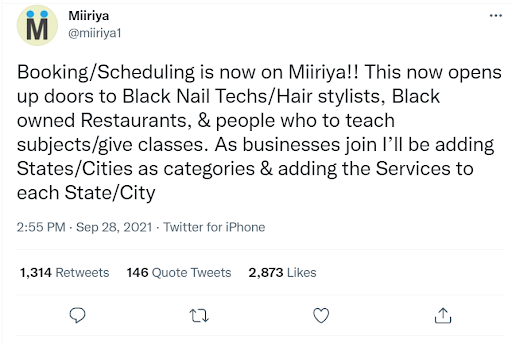
According to Glamour, Lamine Loco also plans to use the app to create solutions to the problems that our communities face by accepting donations from customers and vendors. The money donated will go to things such as community fridges in more areas, so that people who are hungry may go in and get food whenever they are in need.
How does one get their business onto Miiriya and prove that they’re a black business. It’s simple:
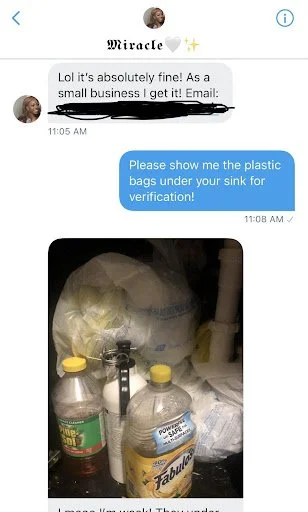
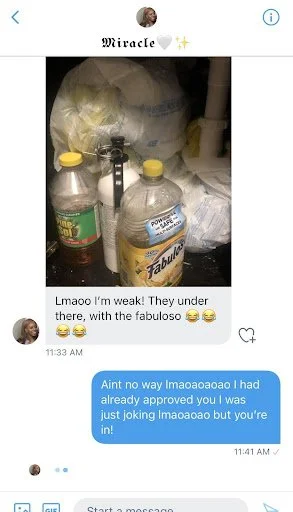
He just playin’. To register for Miiriya, simply go on to the website, click on the figure in the top right corner, or bottom corner on the app, and then click “Register Here”. After doing that, the form will pop up and click on the bubble that says, “I am a vendor” and fill out the form with your info. It will ask you to put in your email, a password, first and last name, shop name, shop URL, and phone number. After registering, wait to hear from Miiriya for any further instructions.
Since Miiriya is independently run and owned, a lot of the money that goes into running it, comes out of the owner’s pocket. It does not take a dime from any of the profits from black owned businesses. In order to thrive, aside from using his own money, there is also a Patreon where people can become patrons for as low as $1 a month to help with the costs of running the site. At the time of this article, there are currently 577 patrons with the goal being $3000 a month being donated. If you believe in what Miiriya is doing, consider becoming a monthly patron. $1 a month is not much at all to ask, and if you can spare it, the tiers are $1, $3, $5, $8, and $10. Open your purse if you can and register your black owned business on Miiriya.
During my search for information on Miiriya, I was surprised that there were not more articles written about the site. The social media game itself is enough to write articles about. Mr. One Single N*gga singlehandedly kills it on social media every time. Why are they not verified yet?! Where is Miiriya’s blue check? There are no other apps that focus solely on black owned businesses while also creating a space where we can also work on having our community on even footing. It really is a community centered marketplace where we spend our money with each other and circulate the black dollar to other black businesses. With 100% of profits going to the business owners, we know exactly where our money is going and who it’s benefitting. US. Please give Lamine Loco and Miiriya its flowers and let’s follow that example.
YOU MAY ALSO BE INTERESTED IN:
Meet Gentel Sharrie, Head of Media Coverage for 247 Live Culture!
Email: Gentel@247LCTV.com