

You Can Be Aligned—and Still Feel Overlooked
Feeling overlooked while walking in your purpose is normal—alignment doesn't always come with applause, but your work, truth, and growth still matter deeply. We discuss it here!

Photo Credit: Jay Yuno via iStockPhoto.com
By: Jamila Gomez
Let’s go ahead and tell the truth:
You can be aligned. You can be clear on your purpose, committed to your path, and doing the work with your whole heart—and still feel overlooked.
Still feel like no one’s seeing you.
Still feel like you’re showing up for a room that stays quiet.
Still feel like you’re doing everything “right” and wondering if any of it matters.
That’s the part nobody tells you about when they talk about purpose and passion.
That you can be walking in alignment with everything you’re called to do and still question yourself. Not because you lack direction, but because the world around you hasn’t caught up to what you’re building.
It’s a hard space to sit in.
Especially when you’re watching other people get the visibility, the support, the success—while you’re still grinding quietly, trying not to take it personal.
But here’s what you need to know:
Silence is not a sign of failure.
And slowness is not a sign that you’re lost.
You are not being punished for choosing purpose.
You are not invisible just because you aren’t being applauded.
You are not on the wrong path just because no one’s walking beside you yet.
The work you’re doing matters, even if it hasn’t gone viral.
The truth you’re sharing matters, even if it hasn’t “converted” yet.
And the healing you’re offering—through your story, your creativity, your courage—is still reaching the people it’s meant to, even if it’s one soul at a time.
So if you’re feeling discouraged, not because you’re unmotivated but because you’re unseen, hold onto this:
You don’t need to be celebrated to be in alignment.
You just need to keep showing up as yourself.
That is the work. That is the calling. That is enough.
And even if no one’s clapping yet—you’re still becoming.

YOU MAY ALSO BE INTERESTED IN:




SHARE TO SOCIAL MEDIA
I Don’t Know Who Needs to Hear This, But…
Feeling emotionally exhausted is valid, especially for Black individuals navigating strength, survival, and unspoken burdens—this is your reminder that rest, softness, and being enough without performing are all your birthright. We discuss it here!
Photo Credit: Boogich via iStockPhoto.com
By: Jamila Gomez
You don’t have to keep pretending that you’re okay just because people are used to you being strong.
I don’t know who needs to hear this, but your exhaustion makes sense. Not just the physical kind—the soul kind. The kind of tired that doesn’t go away after one good night’s sleep. The kind that lingers after you’ve checked off every box but still feel like you’re falling short.
This world asks a lot of you. And if you’re Black, it asks for even more—your time, your brilliance, your patience, your resilience—and rarely pauses to return the favor. You’re expected to be dependable even when no one checks to see if you’re depleted. And you’ve probably learned how to smile through it. To keep showing up. To hold space for others when no one holds space for you.
But what about you?
You, who is grieving things you never got to name.
You, who is tired of performing strength while no one sees your softness.
You, who doesn’t feel good enough—even when you’re doing more than most.
Let me say this clearly: You are not weak for feeling weary. You are human.
Feeling tired doesn’t mean you’re doing something wrong. It might just mean you’ve outgrown the life you had to build just to survive. It might mean your spirit is asking for more rest, more truth, more honesty. Not just naps and spa days—but real permission to not always be okay.
You are not behind. You are not broken. You are not less than.
You are carrying more than most people will ever see. And even if no one claps for you today, even if no one texts to check in, even if no one says “I’m proud of you”—you’re still doing something sacred.
You’re surviving systems not made for you.
You’re trying to heal without a map.
You’re showing up in rooms that weren’t designed with your rest in mind.
That deserves more than just validation. It deserves relief.
So, if no one has told you lately: You matter. You’re allowed to pause. You are enough—right now, without proving a thing.
You don’t need to be everyone’s anchor. Sometimes, you just need to float.
And maybe this is your permission to do just that.
YOU MAY ALSO BE INTERESTED IN:
SHARE TO SOCIAL MEDIA
5 Things You Need to Let Go of to Truly Thrive
Learn how to thrive by releasing emotional burdens, setting boundaries, and redefining healing on your own terms in this empowering guide for Black wellness and liberation. We discuss it here!
Photo Credit: pixdeluxe via iStockPhoto.com
By: Jamila Gomez
Thriving isn’t just about money, success, or finally taking that trip. Thriving is about liberation—emotional, mental, spiritual. And for many of us, especially in the Black community, that journey starts not with what we gain, but with what we release.
Here are five things it’s time to let go of if you’re ready to truly thrive:
1. The Pressure to Be Everything for Everyone
You don’t have to carry the whole family. You don’t have to be the one everyone leans on while secretly breaking inside. Let go of the identity that says you’re only valuable when you’re useful. Your peace matters. Your rest matters. You matter even when you’re not producing.
2. Guilt Around Choosing Yourself
Choosing yourself is not betrayal. It’s survival. It’s wholeness. We’ve been taught to put everyone else first—but thriving demands boundaries. It means letting go of guilt when you say no, when you walk away, when you honor your own needs. Guilt has no place in your self-care.
3. The Idea That Healing Has to Look a Certain Way
Your healing doesn’t have to be soft, poetic, or Instagram-ready. It might be ugly crying in the car. It might be setting fire to old journals. It might be silence. Stop comparing your healing to someone else’s timeline. Let go of the image, and honor the process.
4. Needing Everyone to Understand Your Growth
Not everyone will get it. Not everyone needs to. You’re not growing for their approval—you’re growing for your freedom. Let go of needing people to clap for your boundaries, understand your distance, or agree with your vision. You’re not available for shrinking anymore.
5. The Story That Says You’re Too Late
You are not behind. You’re not too old. You didn’t miss your moment. That lie is rooted in comparison and capitalism. As long as you’re still breathing, there is still time to do what you were called to do. Let go of the shame, and give yourself permission to begin again.
Letting go isn’t weakness—it’s a form of power. It’s not giving up. It’s making room. And you deserve a life with room to breathe, grow, and be well—not just survive.
Because thriving isn’t a luxury.
It’s your birthright.
YOU MAY ALSO BE INTERESTED IN:
SHARE TO SOCIAL MEDIA
Hope Without Evidence: The Sacred Strength of Believing in the Silence
Holding onto hope without evidence is an act of emotional and spiritual strength, especially for those quietly believing, creating, and showing up without recognition or visible results. We discuss it here!
Photo Credit: FG Trade via iStockPhoto.com
By: Jamila Gomez
Hope without evidence is one of the heaviest things a person can carry. It’s not the kind of hope people write songs about or post inspirational quotes for. It’s not pretty. It’s not poetic when you’re actually living it. It’s the quiet, aching kind—the kind that wakes you up in the morning with a lump in your throat and still somehow pushes you to get up and try again. It’s the hope you hold when nothing around you is changing, when the silence is louder than the signs, when you’ve prayed, worked, and shown up, and the results still haven’t come.
There’s a sacred exhaustion that comes with holding onto vision when reality won’t cooperate. You believe in healing, but your wounds still ache. You believe you’re called to help others, but no one’s reaching out. You believe your words matter, but your posts get ignored. You believe your gifts have value, but nothing’s selling. And still… you keep going. You keep creating. You keep believing. And that kind of hope? That’s holy.
We don’t talk enough about the emotional labor of waiting. Waiting in faith. Waiting in silence. Waiting when you feel invisible. Some people confuse that with weakness or foolishness. But the truth is, it takes an unbelievable amount of strength to hope without proof. To say, “I still believe,” when you have every reason to walk away. That’s not naïve. That’s spiritual endurance.
What makes hope without evidence even harder is how isolating it can feel. You see others getting what you’ve been praying for. You watch people blow up overnight with half the depth or intention. You wonder if your voice is even real anymore, or if you’ve imagined the whole thing. You get tempted to shrink, to stop, to delete it all. And yet—something in you keeps whispering, “Not yet.” That’s the part you can’t explain. That’s the part that still believes in breakthrough, even with empty hands.
If you’re in that space right now—holding hope that no one sees, trusting God in the silence, showing up without applause—please hear this: You are not crazy. You are not weak. And you are not alone. Your voice still matters, even when it feels like no one’s listening. And the weight you’re carrying? It’s not a burden. It’s a seed.
Let it root. Let it stretch. Let it rest.
The evidence will come.
YOU MAY ALSO BE INTERESTED IN:
SHARE TO SOCIAL MEDIA
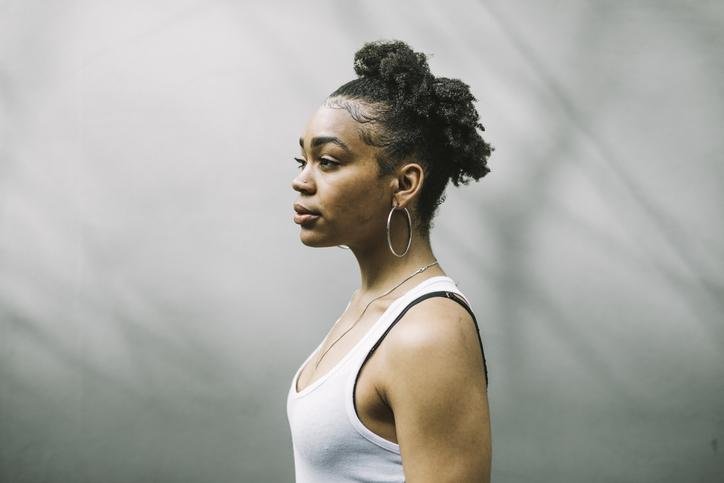
Don’t Save Me. See Me
Many young Black adults aren’t asking to be saved—they simply want to be seen, held, and acknowledged for their quiet healing, emotional resilience, and everyday survival. We discuss it here!
Photo Credit: visualspace via iStockPhoto.com
By: Jamila Gomez
There’s a difference between needing help and needing to be witnessed. A lot of us—especially young Black adults—aren’t out here begging to be saved. We’re not waiting for someone to swoop in and rescue us. We’ve learned how to survive. How to patch ourselves up. How to smile when we’re breaking. What we want—what we deserve—is to be seen.
To be seen in the moments when we’re holding it together with frayed threads. To be seen in the spaces where we’re healing, even if the healing is slow, messy, or invisible to everyone else. We don’t need anyone to tell us how to fix our lives—we’ve had enough advice. What we need is someone who can hold space for us without trying to change us. Someone who sees the effort beneath the silence. Someone who can look past the performance and say, “I know it took everything for you to show up today. I see that.”
Too often, we feel like we have to earn our worth through productivity or perfection. That if we’re not thriving, we’re failing. That if we’re not performing joy, we’re a burden. So we shrink. We smile. We keep going. But inside, we’re just wishing someone would notice. Not to fix us. Just to acknowledge the weight we carry.
This is especially true when you’re doing inner work that no one can see. Healing childhood wounds. Breaking cycles. Choosing peace over chaos. Setting boundaries. Unlearning how to abandon yourself. That kind of work doesn’t come with applause. But it deserves recognition. And even if no one around you is clapping for your quiet transformation, it doesn’t mean it’s not real.
So if you’ve been showing up for yourself in ways that no one knows about—if you’ve been choosing to stay, choosing to try, choosing to keep breathing when it would’ve been easier to shut down—that matters. You matter.
You don’t need to be rescued. You’ve already made it through things that were meant to break you. What you need—what we all need—is to be reminded that our becoming is valid, even when it’s unseen.
You don’t want to be saved. You just want to be seen. And you are.
YOU MAY ALSO BE INTERESTED IN:
SHARE TO SOCIAL MEDIA
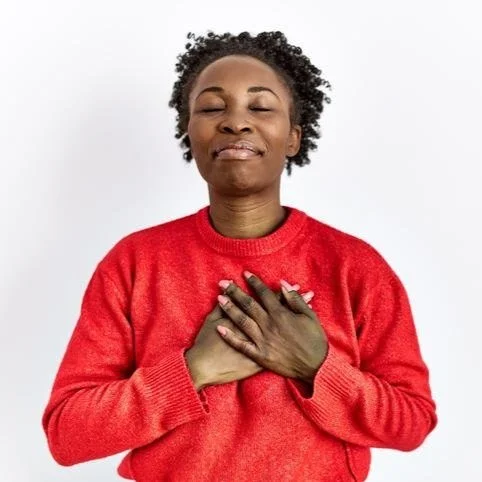
How to Hold Grief and Gratitude at the Same Time
Explore how grief and gratitude can coexist in the Black experience, revealing the healing power of embracing both pain and thankfulness in everyday life. We discuss it here!
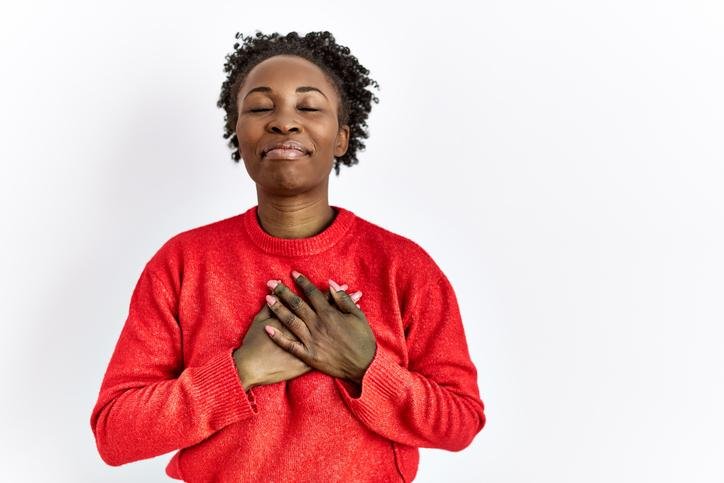
Photo Credit: AaronAmat via iStockPhoto.com
By: Jamila Gomez
Grief and gratitude seem like emotional opposites. One cracks you open. The other grounds you. One is heavy, hard, and hollow. The other feels light, warm, and full. But the truth is, they often show up together — especially in the Black community, where we’ve had to become experts in holding contradictions.
We laugh at funerals. We sing through sorrow. We keep going, even when our hearts are breaking.
Grief and gratitude don’t cancel each other out — they exist side by side in the same breath.
Maybe you’re mourning a loved one but grateful you got to know them at all.
Maybe you’re grieving a version of yourself you had to let go of, while still being thankful for how far you’ve come.
Maybe life feels unfair right now, and yet you still find yourself smiling at the sky, or saying “thank you” in the quiet.
This is what it means to be human — to be Black — to be alive in a world that doesn’t always make sense but still holds moments of softness.
The trick isn’t choosing between grief and gratitude. The real healing starts when you give yourself permission to feel both — without guilt.
You’re allowed to cry and still appreciate the love that was real.
You’re allowed to miss someone deeply and still move forward with joy.
You’re allowed to say, “This hurts” and also say, “I’m thankful for what it gave me.”
In our culture, we’re often taught to be either broken or blessed. But we’re both. We’re layered. We carry sorrow in one hand and survival in the other.
So how do you hold them both?
Start small.
Say thank you for the little things, even on the hard days.
Make space to honor your grief — not fix it, not rush it, just witness it.
And when joy shows up — in laughter, in food, in sunlight on your skin — let it in. Don’t push it away just because you’re still hurting.
There is no right way to grieve. There is no perfect time to feel grateful. There is only the truth of what you’re holding right now — and the courage to hold it with care.
You don’t have to be all healed to be thankful.
You don’t have to be joyful every day to honor your blessings.
You are allowed to be both hurting and healing — grieving and grateful.
Both can be true. And both can lead you home.
YOU MAY ALSO BE INTERESTED IN:
SHARE TO SOCIAL MEDIA

Do We Really Want Healing or Just the Aesthetic of It?
Real healing goes beyond self-care aesthetics, asking us to confront pain, set boundaries, and do the inner work needed for true growth and emotional freedom, especially in the Black community. We discuss it here!
Photo Credit: Jacob Wackerhausen via iStockPhoto.com
By: Jamila Gomez
Healing is trending. You see it in soft pastel quote graphics, in perfectly curated self-care routines, in caption-ready declarations of “choosing peace.” We post about protecting our energy, cutting off toxic people, and living in our soft girl era — but sometimes, behind the scenes, we’re still raw, reactive, and unsure how to actually feel better. It’s fair to ask: do we really want healing, or just the look of it?
This isn’t shade — it’s a real reflection on how the world around us has commercialized a deeply personal journey. The aesthetic of healing is easier to digest. It’s polished. It’s Instagrammable. It gives us the illusion of growth, even if nothing’s actually changing beneath the surface. But real healing? It’s uncomfortable. It’s messy. It’s private. Sometimes it looks like crying in your car, losing friends, setting boundaries that make people mad, or admitting you’re not okay.
In the Black community especially, we’re carrying generations of pain. And when we finally get the language to name what we’ve been through — “trauma,” “attachment wounds,” “inner child work” — it can feel empowering. But language isn’t the same as liberation. Naming the pain is only the beginning. Doing the work? That’s the part that doesn’t always make it to the timeline.
Healing requires us to look at ourselves honestly — not just the ways we’ve been hurt, but the ways we hurt others. It asks us to slow down when we’ve been conditioned to grind. It asks us to forgive, sometimes without closure. It challenges us to feel our feelings instead of numbing them with distractions. And most of all, it asks us to commit — even when there’s no applause for our progress.
This doesn’t mean we can’t enjoy the aesthetics. Light a candle, run that bath, journal in your matching loungewear — if it brings you comfort, do it. But let’s not confuse rituals with repair. The goal isn’t to look like we’re healing. The goal is to live in a way that’s rooted in truth, self-awareness, and growth — even when it’s not pretty.
So the next time we talk about healing, let’s make space for the full picture. Not just the quotes and the crystals, but the inner work that takes courage. Because real healing isn’t always cute — but it is freeing. And we deserve that freedom more than we deserve the aesthetic.
YOU MAY ALSO BE INTERESTED IN:
SHARE TO SOCIAL MEDIA

Who Heals the Healer?
Explore the emotional weight of being the "therapist friend" and why those who hold space for others also deserve rest, support, and healing. We discuss it here!
Photo Credit: Delmaine Donson via iStockPhoto.com
By: Jamila Gomez
You’re the one they call when everything falls apart. The one with the calm voice, the right words, the emotional clarity. You’ve helped friends leave toxic relationships, walked them through panic attacks, stayed up late dissecting family trauma and patterns. You’re the safe space. The “therapist friend.”
But what happens when you’re the one unraveling — quietly, invisibly, with no one to hold space for you the way you do for everyone else?
There’s an unspoken pressure that comes with being the emotionally mature one in the group. People start to expect you to have it all together. You become their mirror, their compass, their relief. But inside, you might be exhausted. Resentful. Avoiding your own healing because helping others feels easier — or at least more immediately rewarding.
Many of us learned early that being useful kept us safe. We became the fixer, the listener, the emotional translator in our families. That skill followed us into adulthood, and now we wear it like a badge — even when it’s suffocating. Even when we haven’t had a chance to deal with our own grief, anxiety, fear of abandonment, or burnout.
And the truth is, you can be wise and wounded at the same time. You can give great advice and still struggle to follow it. You can understand boundaries and still have trouble enforcing them. Holding space for others doesn’t mean you’re healed — it just means you’ve learned how to survive while holding pain quietly.
This isn’t about shame. It’s about honesty. You deserve more than being the emotional backbone for everyone else while you’re left holding your own weight in silence. You deserve support, too. Validation. A place to lay your burdens down without needing to explain yourself first.
So here’s a gentle reminder:
You don’t have to earn your worth by being the strong one.
You’re allowed to take off the healer hat and just be human.
You don’t owe anyone 24/7 emotional availability — not even your closest people.
If this is you, consider what replenishes you. Who pours back into you? What would it look like to say, “I don’t have it in me today,” and let that be enough?
Being the therapist friend is beautiful. But so is being the one who rests, who receives, who remembers they’re allowed to need care too. You’re not just a resource. You’re a whole person. Start treating yourself like it.
YOU MAY ALSO BE INTERESTED IN:
SHARE TO SOCIAL MEDIA

Why We’re Afraid of Intimacy, Not Just Relationships
Explore why emotional intimacy can feel terrifying, especially in the Black community, and how fear of vulnerability often blocks the deep connection we truly crave. We discuss it here!
Photo Credit: Wavebreakmedia via iStockPhoto.com
By: Jamila Gomez
It’s easy to say we’re afraid of relationships. Commitment. Titles. Vulnerability. But if we go deeper, many of us aren’t just afraid of being with someone — we’re afraid of being truly seen. That’s what intimacy actually is. And that’s what terrifies us.
Intimacy isn’t just physical closeness or romantic connection. It’s emotional exposure. It’s letting someone witness the parts of you that you usually hide — your insecurities, your habits, your weird little fears, your dreams that feel too big to say out loud. Intimacy is sitting in silence with someone and not performing. It’s being loved in the parts of yourself you’re still learning to accept. And for a lot of us, that level of openness feels unsafe.
Especially in the Black community, where strength is often a survival mechanism, we’ve been taught to keep our guards up — not because we don’t want love, but because we’ve learned that love doesn’t always mean safety. Some of us were taught to prioritize loyalty over emotional honesty. Others were raised around emotional withholding, where love came with conditions or was only shown in acts of service — not softness.
So we build walls instead of bridges. We say we’re “chilling” or “not ready.” We self-sabotage when things get too real. We date people who stay emotionally unavailable because deep down, we’re afraid of what it would mean to be with someone who’s actually present. Someone who asks real questions. Someone who doesn’t let us hide.
The truth is, many of us want intimacy — deeply. We crave closeness, emotional safety, real connection. But we’ve never had a model for it that didn’t involve pain, loss, or betrayal. So we protect ourselves from love the same way we protect ourselves from harm — by distancing, distracting, or detaching.
But here’s the thing: You can’t heal what you keep hiding. And the love you want can’t reach you if you’re too armored to let it in.
So if you find yourself running from connection that feels “too much,” pause and ask yourself: Am I afraid of them… or of being seen by them?
It’s okay to move slow. To be cautious. But don’t confuse fear with readiness. You might be more ready for real intimacy than you think — not because it’s easy, but because you’re tired of keeping the most tender parts of you locked away.
You don’t have to be perfect to be loved deeply. You just have to be open.
YOU MAY ALSO BE INTERESTED IN:
SHARE TO SOCIAL MEDIA

When Grief Is Complicated: Mourning Someone You Weren’t Close to Anymore
Mourning someone you weren’t close to anymore can bring complicated grief marked by guilt, confusion, and unresolved emotions — a deeply human experience that deserves space, honesty, and healing. We discuss it here!
Photo Credit: PeopleImages via iStockPhoto.com
By: Jamila Gomez
Grief doesn’t always arrive in the form we expect. Sometimes, it shows up quietly — not with tears and flowers, but with confusion, tension, and a subtle ache that lingers in the chest. This is what complicated grief often looks like — especially when mourning someone you had a strained, distant, or unresolved relationship with.
When someone passes away, society expects a certain kind of response. We’re supposed to remember only the good. We’re supposed to show up in mourning clothes with clean emotions and shared memories. But what about the people we weren’t close to anymore? The ones we had history with, but also hurt, distance, or emotional friction? What happens when someone passes before there’s been a chance to reconcile, repair, or even fully process what the relationship meant?
That kind of grief hits differently.
It brings with it a heavy blend of emotions — sadness, guilt, regret, relief, confusion. Sometimes the connection was real, but fractured. Sometimes it never quite healed. And now the opportunity for understanding, clarity, or closure is gone.
For many people in the Black community, these emotional complexities are even harder to name out loud. There’s pressure to stay composed. To be strong. To not speak ill of the dead. But grief doesn’t follow those rules. Especially not when there’s unfinished business.
Complicated grief might sound like:
• “I cared about them, but I’m not sure I liked who they were to me.”
• “We used to be close, and then we weren’t… and now I don’t know how to feel.”
• “I wanted to reach out, but I didn’t know how. And now I can’t.”
All of that is valid.
Mourning someone you weren’t close to anymore is still grief. It still deserves tenderness.
So what can be done with these feelings?
We start by telling the truth.
By giving ourselves permission to grieve without needing it to look perfect.
By honoring the bond for what it was — not what we wish it could’ve been.
And by remembering that complexity doesn’t make the loss less real. It just makes it more human.
To anyone holding this kind of grief:
You don’t owe anyone a neat story.
You don’t need to explain why it hurts.
You’re allowed to feel it all — even when it doesn’t make sense.
That, too, is a form of healing.
And that, too, deserves space.
YOU MAY ALSO BE INTERESTED IN:
SHARE TO SOCIAL MEDIA
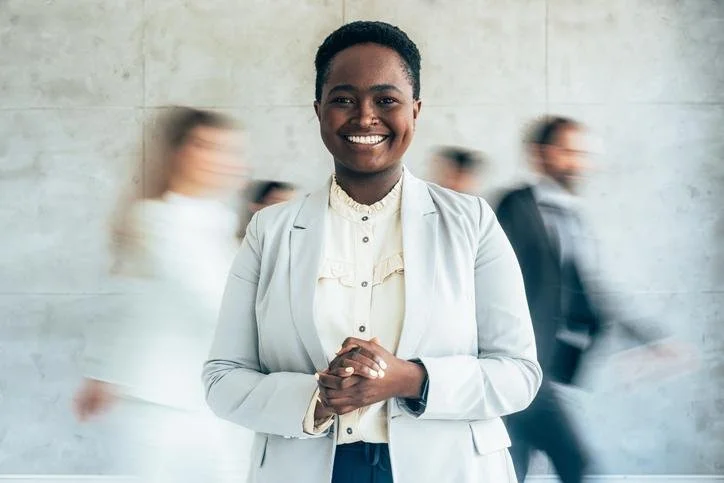
Polished Ain’t Protection: Dismantling the Lie That Playing by the Rules Keeps Us Safe
Respectability politics continues to harm Black communities by promoting conformity over authenticity, reinforcing systemic racism, and dividing us based on outdated standards of acceptability. We discuss it here!
Photo Credit: filadendron via iStockPhoto.com
By: Jamila Gomez
Respectability politics has been lurking in our conversations for generations. You know the vibes: “Pull your pants up,” “Speak properly,” “Don’t act ghetto.” It’s that belief that if we just present ourselves the “right” way—dress a certain way, talk a certain way, follow all the rules—we’ll be treated with dignity and respect.
But let’s be real: has that ever truly worked?
Respectability politics was born out of survival. Back in the day, our grandparents and great-grandparents navigated a violently racist society by trying to fit into the mold that white America deemed “acceptable.” It was a strategy. If they could just prove they were “good” and “decent,” maybe they could avoid the worst of what white supremacy had to offer. It was a coping mechanism, and in a way, it made sense—when your very life is on the line, you do what you have to do.
But here’s the thing: no amount of code-switching, Sunday-best outfits, or Ivy League degrees has ever stopped racism. Look at how they treat us—whether we’re in hoodies or three-piece suits. The truth is, systemic racism doesn’t care how polished you are. Sandra Bland was college-educated and articulate. Barack Obama was President. They still faced disrespect and worse. So what are we really gaining by clinging to respectability?
More importantly, it creates division within our community. It tells us that some Black people are “better” than others based on how closely they align with whiteness or “mainstream” standards. That’s dangerous. It turns us against each other instead of standing together against the real enemy: the system that devalues Black lives across the board.
We’re not a monolith. We are diverse, vibrant, and full of contradictions—and that’s beautiful. We have the right to be ratchet and refined, hood and scholarly, spiritual and secular. All of it is valid. None of it makes us less worthy of dignity, safety, or justice.
So maybe it’s time we leave respectability behind. We don’t need to shrink ourselves or conform to be worthy of basic human rights. The revolution will not be polite—and it shouldn’t have to be.
Let’s love on each other in all our forms. Let’s uplift the aunties with the loud nails, the queer cousins, the kids with grills and dreams. Because we all deserve to be free—not just the ones who “fit in.”
YOU MAY ALSO BE INTERESTED IN:
SHARE TO SOCIAL MEDIA
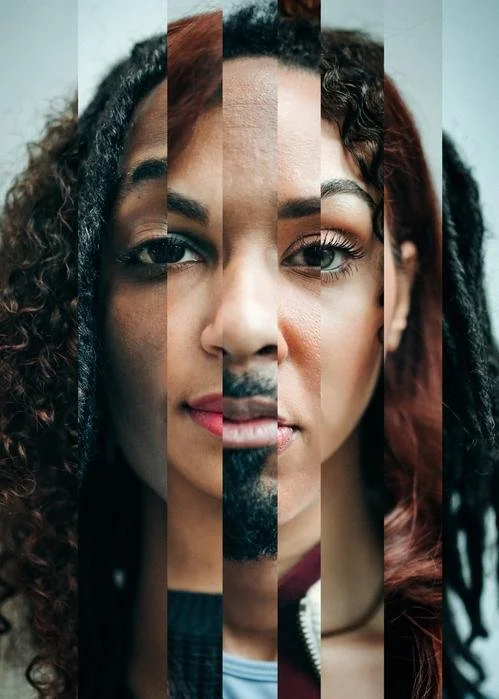
Confronting the Enemy Within: Challenging Anti-Blackness Across the Diaspora
Confronting anti-Blackness within the global Black community is essential for healing, unity, and building solidarity through truth, empathy, and accountability. We discuss it here!
By: Jamila Gomez
Anti-Blackness within our communities is one of those conversations that makes family dinners uncomfortable and Twitter timelines explosive. But it’s necessary. Anti-Blackness isn’t just external—it can thrive quietly within our own circles, shaping interactions and opportunities among us.
At its root, anti-Blackness within the diaspora is tied to colonialism and slavery. From Brazil to Jamaica to the United States, centuries of conditioning taught us to internalize colorism and hierarchies based on proximity to whiteness. We often unconsciously reproduce these biases within our families, churches, schools, and workplaces.
Think about the aunties who praise lighter skin or looser curls, or families discouraging their kids from playing outside for fear of getting “too dark.” It shows up in derogatory jokes about Haitians or Africans made by Black Americans and Caribbeans. It’s in how Afro-Latinos often find themselves invisible or dismissed in conversations about Latin identity. This behavior doesn’t happen in isolation—it’s a painful manifestation of deeply ingrained beliefs about what it means to be acceptable, respectable, or successful.
The first step toward healing is acknowledging the harm done. As a community, we need honest dialogue about how anti-Blackness influences our interactions and perceptions. Yes, the legacy is painful, but denying its existence won’t liberate us from its grip.
It’s also important to understand that confronting anti-Blackness doesn’t mean we’re creating divisions. Quite the opposite: acknowledging these tensions can help us unify authentically. Solidarity is stronger when it’s rooted in truth, respect, and accountability. This starts with calling out problematic behavior, even when it comes from loved ones or respected community members.
We should also uplift voices and experiences from across the diaspora. This means intentionally creating spaces where darker-skinned, marginalized members of our community can lead and be heard without the filters of colorism or prejudice.
Cultural education and self-reflection are key. Learning about the diversity of our Black experiences globally helps dismantle stereotypes and confront internalized racism. It reminds us of our shared history, struggle, and potential strength in unity.
Finally, dismantling anti-Blackness within our diaspora is critical to fighting broader systemic racism. Our strength as a global Black community is amplified when we confront these issues head-on. We’re powerful individually, but unstoppable together.
Let’s continue the difficult conversations. Let’s keep challenging each other with love, empathy, and accountability. Because our liberation as a collective depends on rooting out anti-Blackness, not only in society but within ourselves first.
YOU MAY ALSO BE INTERESTED IN:
SHARE TO SOCIAL MEDIA
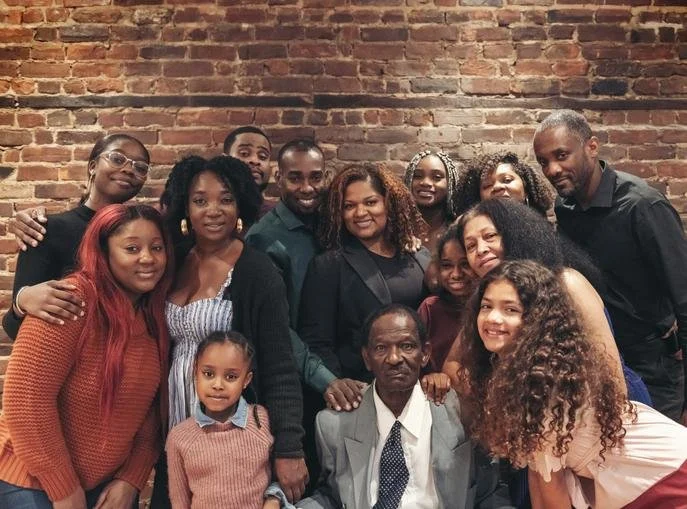
“That’s My Cousin”: The Power of Cousin Bonds in the Black Community
In the Black community, cousin relationships go beyond bloodlines, serving as lifelong bonds of friendship, support, and shared cultural identity that shape our earliest memories and hold families together. We discuss it here!
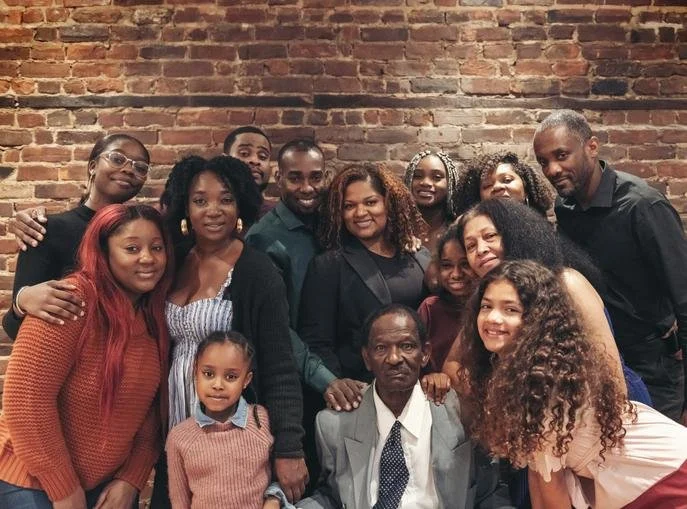
Photo Credit: lisegagne via iStockPhoto.com
By: Jamila Gomez
In the Black community, “cousin” doesn’t just mean your mama’s sister’s kid. It’s deeper than blood. It’s a bond, a lifeline, a whole experience. For so many of us, cousins are our first best friends, our first partners-in-crime, and sometimes the only people who understand the full flavor of what we’re going through. In a world that often tries to break us down, cousin relationships build us up.
Growing up, cousins were the ones we sat at the kiddie table with during Thanksgiving, sneaking extra rolls and giggling through family gossip. They were the ones we shared rooms with during summer breaks, staying up late talking about everything from cartoons to crushes. Cousins helped us learn how to roast, how to play spades, how to braid hair, how to defend ourselves — and how to laugh through pain. That bond doesn’t fade with time. If anything, it gets stronger.
And let’s be real: in many Black families, the cousin network is what holds the whole structure together. We may not always come from traditional nuclear homes, but our families are rich with aunties, uncles, Big Mamas, and cousins who step up, show out, and show love. Your cousin might’ve been your babysitter, your ride to school, your first call after a breakup. They’re your people — your tribe — when the world gets cold.
Cousins often grow up like siblings, especially in households where resources were tight and love had to stretch wide. That closeness builds a unique understanding, an unspoken language that even your closest friends might not get. You share memories, music, inside jokes, and sometimes trauma. But the beauty is in how cousins help you carry it — laughing, praying, healing together.
In today’s world, where everything moves fast and people feel more disconnected than ever, those cousin ties are sacred. They remind us where we come from. They keep us grounded. And for the next generation, it’s up to us to keep that spirit alive — making sure our kids know their cousins, grow with them, and love them like we did.
So when we say, “That’s my cousin,” it’s not just a label. It’s pride. It’s history. It’s love.
Hold your cousins close. Call them. Check on them. Celebrate them. Because in this community, cousin love is family love — and family is everything.
YOU MAY ALSO BE INTERESTED IN:
SHARE TO SOCIAL MEDIA
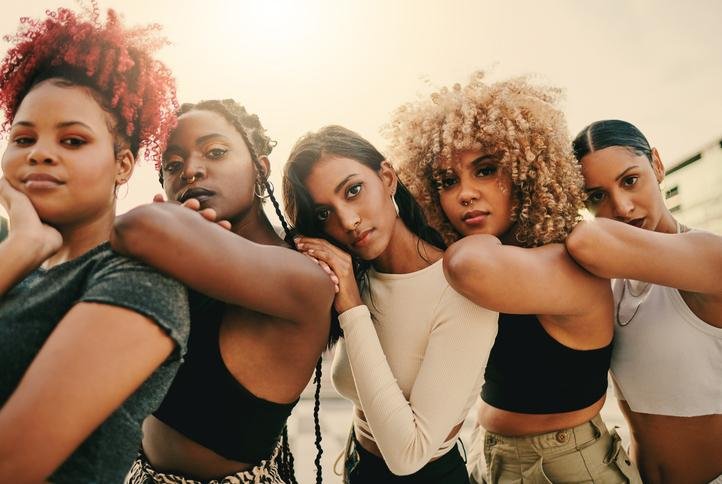
Choosing Health Over Length — In Life and in Love
Prioritizing health over longevity in life and relationships means letting go of what no longer serves your well-being and embracing emotional, mental, and relational alignment. We discuss it here!

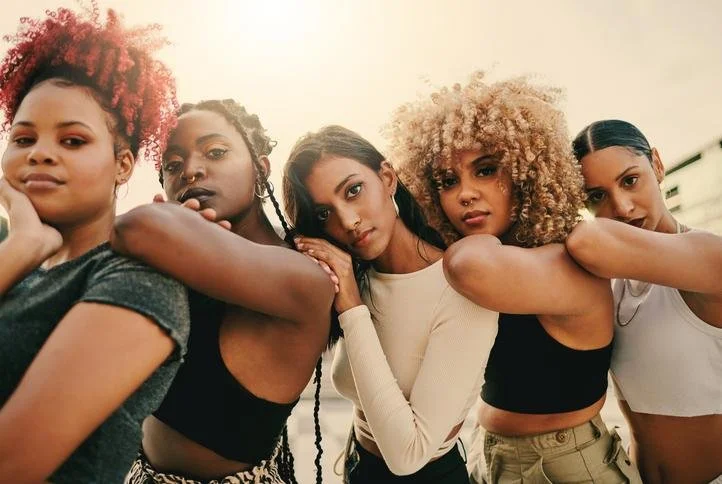
Photo Credit: Delmaine Donson via iStockPhoto.com
By: Jamila Gomez
When we think about health, our minds often go straight to physical wellness—eating clean, getting in daily steps, scheduling regular checkups. But health isn’t just about the body; it’s about our emotional, mental, and relational wellbeing, too. And sometimes, the healthiest thing we can do—for ourselves and for those we care about—is to let go, even if it means something ends sooner than we hoped.
There’s a common trap we fall into: believing that the length of something is proof of its worth. We celebrate long relationships, long careers, long lives. But what if the real measure of value isn’t length, but quality?
This idea especially hits home in relationships. We’re often taught to fight for love, to stick things out no matter what, to believe that longevity equals success. But staying in something that drains us, damages us, or slowly erodes our sense of self isn’t romantic—it’s exhausting. Choosing to prioritize the health of a relationship over the length of it can be one of the most powerful, loving choices we make.
Sometimes that means having the hard conversation. Sometimes it means walking away—not because you gave up, but because you chose peace. Because you finally understood that real love shouldn’t cost your wellbeing.
Healthy relationships are marked by mutual respect, communication, trust, and growth. They’re not perfect, but they’re safe. They nurture you. When those foundations crumble and can’t be rebuilt, clinging to the shell of something “for the sake of time” only leads to more hurt.
The same principle applies to life itself. We’re constantly bombarded with ways to extend our years—diets, supplements, hacks—but what’s the point of a long life if it’s filled with stress, disconnection, or suffering? A shorter life full of meaning, love, laughter, and alignment with your values can be far richer than one stretched out in survival mode.
Choosing health over length is about intentional living. It’s about asking: Does this nourish me? Am I growing here? Is this kind to my soul? If the answer is no, then you owe it to yourself to realign—even if it means letting go of what’s familiar.
In the end, we remember the moments we felt most alive, not just the number of years we lived. The same is true in love. A short, healthy relationship that helped you grow is far more meaningful than a long one that left you smaller.
So whether it’s life or love—choose health. Always.
YOU MAY ALSO BE INTERESTED IN:
SHARE TO SOCIAL MEDIA
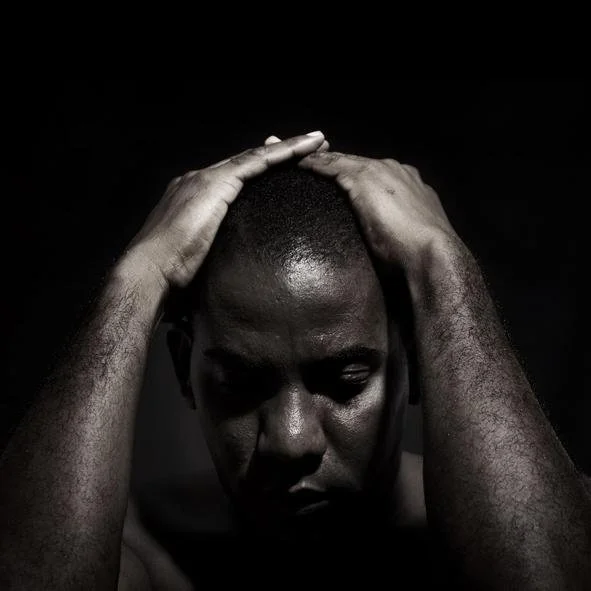
How to Love Someone Who Suffers from Anxiety or Depression
Supporting a loved one with anxiety or depression means listening without judgment, offering consistent care, encouraging professional help, and educating yourself about mental health—especially within the Black community. We discuss it here!
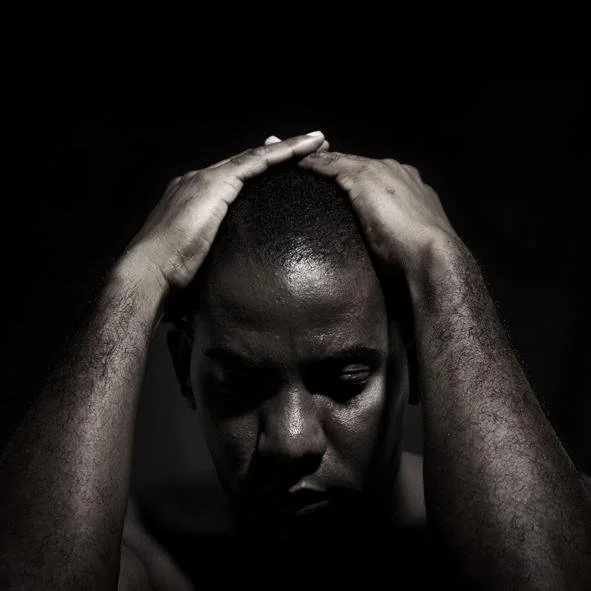
Photo Credit: rgbspace via iStockPhoto.com
By: Jamila Gomez
In our community, we often hear phrases like “pray about it,” “be strong,” or “you’ll be fine” when it comes to mental health. But the truth is, anxiety and depression are real, heavy burdens that don’t disappear overnight — and sometimes, our loved ones are fighting silent battles we can’t see. If someone you care about is struggling, knowing how to show up for them with love, patience, and understanding can make all the difference.
1. Listen Without Judgment
One of the most powerful things you can do is simply listen. A lot of us grew up in households where feelings weren’t always talked about, so when someone opens up about their mental health, it’s not easy. Let them speak their truth without jumping to fix, lecture, or minimize their experience. Sometimes, they don’t need answers — they need to feel heard and seen.
2. Educate Yourself About Mental Health
Anxiety and depression don’t always look like sadness or panic attacks. Sometimes, it looks like isolation, irritability, fatigue, or even overworking to avoid feelings. Take time to learn about how these conditions show up, especially in Black folks who often carry the extra weight of systemic stress and cultural expectations to “keep it together.”
3. Offer Real Support — Not Just Words
Saying “I’m here if you need me” is a beautiful sentiment, but actions speak louder. Offer to sit with them, check in regularly, or help with small tasks like errands or cooking. Depression and anxiety can make even basic things feel overwhelming. Your presence and consistency remind them they’re not alone.
4. Be Patient With Their Healing
Mental health struggles don’t have a timeline. There will be good days and bad days. Your loved one may cancel plans, withdraw, or seem distant — try not to take it personally. Healing isn’t linear, and your understanding gives them the space to breathe without added pressure.
5. Encourage Professional Help — Without Shame
In the Black community, therapy has sometimes carried stigma, but it’s crucial to remind your loved one that getting help is a form of strength, not weakness. Encourage them to talk to a professional when they’re ready, and if they’re open to it, help them find a culturally competent therapist who understands the nuances of Black mental health.
6. Protect Your Own Energy, Too
Loving someone with anxiety or depression requires empathy, but it’s also important to care for yourself. Set boundaries when you need to, and don’t be afraid to seek your own support as you walk alongside them.
At the end of the day, love is about showing up, even when the road is hard. Your presence, patience, and compassion could be the light that helps your loved one find their way back to themselves.
YOU MAY ALSO BE INTERESTED IN:
SHARE TO SOCIAL MEDIA
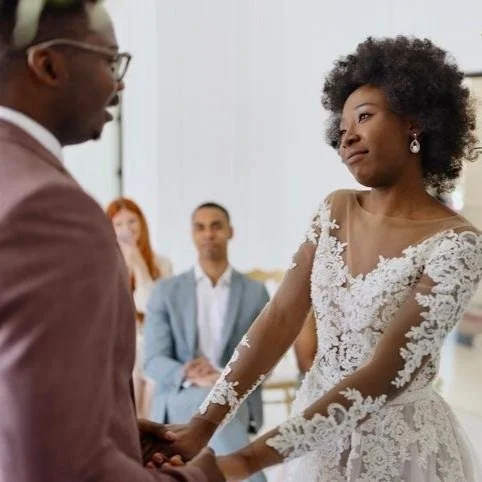
Is Marriage Still the Goal? A Look at Modern Black Relationships
As modern Black love continues to evolve beyond traditional expectations, many are redefining relationship success by prioritizing authenticity, emotional well-being, and personal fulfillment over marriage as a required milestone. We discuss it here!
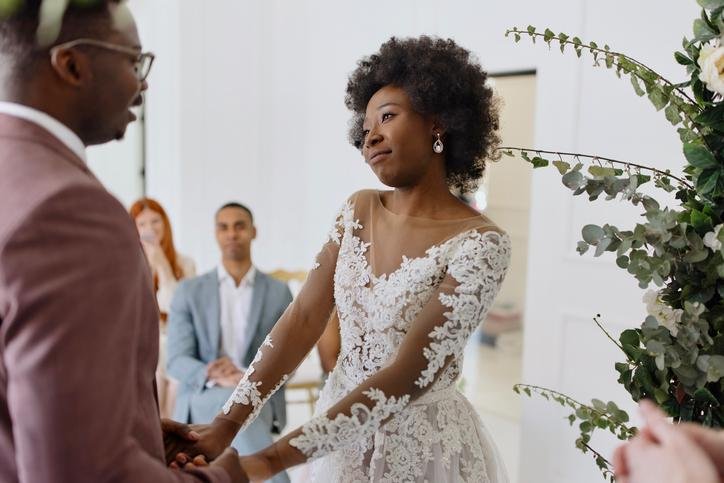
Photo Credit: Anchly via iStockPhoto.com
By: Jamila Gomez
Throughout generations, people have viewed marriage as the ultimate indicator of relationship success which serves as a symbol of stability alongside love and legacy. Marriage was viewed as a way to establish solid families that in turn would create better communities among Black people. The modern world presents different priorities and expectations along with altered realities which cause people to wonder about marriage goals.
Research shows that Black marriage statistics show a decreasing trend during the past several decades. Many African Americans currently delay marriage or choose not to marry at all. The reasons behind this trend exist as complex factors which include economic differences alongside changes in gender roles and free will decisions.
The question “When are you going to settle down and get married?” was commonly heard during our childhood as if marriage served as the ultimate life milestone. Many modern Black singles across millennial and Gen Z generations view marriage as an available choice instead of a requirement to achieve happiness and fulfillment in partnership.
People have started this change by observing past generations. Many people observed marriages which seemed perfect in public records but lacked genuine happiness in private spaces. We watched as people stayed trapped in toxic relationships because traditional views of Black love demanded marriage no matter the cost to individual well-being.
The modern Black community now embraces love without requiring marriage to validate its worth. The number of couples who select long-term relationships without marriage commitments keeps growing. Many couples decide to establish financial security and achieve their professional targets as well as care for their mental health and raise children before getting married or choose alternative paths.
The discussion must include the obstacles that stand in the way. Economic inequality directly affects the development of Black relationships. Systemic racism combined with mass incarceration along with the wealth gap have influenced how people marry and when they choose to do so.
Even though marriage still exists it is not necessary for everyone. Black couples continue to exchange vows and establish strong relationships which combine their love with faith and their connection to the community. Modern society has introduced a new perspective because people now recognize various methods to measure love success beyond marriage.
The decision to make marriage a life goal depends entirely on the individual person. Some couples dedicate themselves to creating business empires together. Some people desire freedom and peaceful companionship alongside the absence of legal documentation. The life choices people make are equally valid.
The Black love experience continues to transform as it manifests through various forms of partnership including marriage as well as singleness and committed relationships and situationships and self-love. Maybe the new objective should be discovering what truly brings you satisfaction and authenticity and sustainability.
YOU MAY ALSO BE INTERESTED IN:
SHARE TO SOCIAL MEDIA

Practicing Gratitude: A Radical Act of Joy
Practicing gratitude as a Black person is a revolutionary act of joy, resilience, and healing that honors our ancestors, celebrates our culture, and empowers us to thrive despite systemic challenges. We discuss it here!

Photo Credit: Tassil via iStockPhoto.com
By: Jamila Gomez
Being Black in this world is a unique experience—one filled with beauty, resilience, and deep cultural richness, but also with challenges that can be exhausting. Every day, we navigate spaces that weren’t always designed for us, carry generational struggles, and face both overt and subtle forms of discrimination. Yet, despite all of that, we continue to create, thrive, and love. And one of the most powerful ways we can protect our joy is through the practice of gratitude.
Gratitude isn’t about ignoring struggles or pretending oppression doesn’t exist. It’s about recognizing our power, our community, and the blessings that sustain us. It’s about reclaiming our joy in a world that often tries to dim our light.
Gratitude as Resistance
There’s something revolutionary about choosing to see the good in your life when society constantly reminds you of its hardships. When we take time to acknowledge what we’re grateful for—our ancestors’ sacrifices, our culture’s resilience, the love we share with our people—we are resisting narratives that tell us we should always be struggling.
Black joy is an act of defiance. Gratitude strengthens that joy by reminding us that, despite what history and systems have tried to do, we are still here. We are still creating, still innovating, still loving, still pushing forward.
Finding Gratitude in the Everyday
Practicing gratitude doesn’t have to be complicated. It can be as simple as taking a few minutes in the morning to reflect on what you appreciate, journaling about small wins, or even telling your people how much they mean to you. Here are some ways to integrate gratitude into your daily life:
1. Honor Your Ancestors – Take a moment to reflect on those who came before you. Whether through prayer, storytelling, or simply acknowledging their sacrifices, expressing gratitude for their resilience is a powerful way to stay grounded.
2. Celebrate Black Creativity – Be grateful for the music, art, literature, and innovation that Black people have contributed to the world. Whether it’s a song that lifts your spirit or a book that inspires you, take time to appreciate our cultural genius.
3. Thank Your Community – From family and friends to mentors and strangers who support you, recognize the people who show up for you. Gratitude strengthens our bonds and reminds us that we’re not alone.
4. Appreciate Your Own Growth – You’ve survived things that were meant to break you. Give yourself credit. Express gratitude for your strength, your growth, and the lessons you’ve learned.
Gratitude Keeps Us Whole
Practicing gratitude doesn’t mean ignoring reality. It means choosing to see the beauty in the midst of struggle, to uplift ourselves, and to keep our spirits intact. In a world that often tries to wear us down, gratitude is a tool for survival, healing, and joy. And that, in itself, is revolutionary.
YOU MAY ALSO BE INTERESTED IN:
SHARE TO SOCIAL MEDIA

Navigating Wellness in a Hyper-Productive Society
In a world driven by hustle culture, finding wellness means redefining success, setting boundaries, and prioritizing balance over burnout for a more fulfilling and sustainable life. We discuss it here!

Photo Credit: Marco VDM via iStockPhoto.com
By: Jamila Gomez
In a world that glorifies hustle culture, self-worth is often measured by output. From the moment we wake up, we’re bombarded with productivity hacks, morning routines optimized for efficiency, and the pressure to squeeze the most out of every minute. While ambition isn’t inherently bad, an obsession with doing more can take a serious toll on mental and physical health. The challenge, then, is finding balance—navigating wellness without feeling like we’re falling behind.
The Productivity Trap
Modern society rewards busyness. Whether it’s climbing the corporate ladder, monetizing hobbies, or optimizing daily routines, we’re conditioned to believe that slowing down is synonymous with laziness. This mindset leads to burnout, anxiety, and a constant feeling of inadequacy. Even rest becomes another productivity tool—something we “schedule” so we can get back to work with renewed energy.
But wellness isn’t just about recovering from overwork; it’s about creating a sustainable lifestyle that prioritizes health, joy, and fulfillment beyond professional success.
Redefining Success
The first step in navigating wellness is shifting our definition of success. Instead of equating it with output, we should consider a more holistic view—one that includes mental health, relationships, personal growth, and overall happiness. True success isn’t just about how much we accomplish but how we feel while doing it.
This shift requires unlearning societal expectations and tuning into what actually makes us feel fulfilled. Are we working long hours because we genuinely enjoy our careers, or because we fear falling behind? Are we saying yes to every opportunity because we want to, or because we feel guilty for saying no?
Practical Strategies for Wellness
While mindset shifts are crucial, practical strategies can help reinforce a healthier approach to wellness:
1. Prioritize Rest Without Guilt – Rest is not a reward for hard work; it’s a necessity. Quality sleep, relaxation, and leisure should be non-negotiable, not just tools to boost productivity.
2. Set Boundaries – Overworking isn’t a badge of honor. Define clear work-life boundaries, whether that means logging off at a certain time, limiting weekend work, or saying no to additional responsibilities.
3. Engage in Activities Without an End Goal – Not everything needs to be monetized or optimized. Read a book for enjoyment, take a walk without tracking steps, or engage in hobbies just because they make you happy.
4. Practice Mindfulness – Being present in the moment can reduce stress and help break the cycle of constant busyness. Simple practices like deep breathing, journaling, or unplugging from technology can make a difference.
5. Reevaluate Your Goals – Regularly check in with yourself. Are your goals aligned with your well-being? If not, adjust them. Productivity should serve your life, not consume it.
Wellness in a hyper-productive society isn’t about abandoning ambition—it’s about integrating balance. We don’t have to choose between success and well-being; we just need to redefine what success means. By prioritizing health, joy, and sustainability over endless hustle, we create a life that’s not just productive but genuinely fulfilling.
YOU MAY ALSO BE INTERESTED IN:
SHARE TO SOCIAL MEDIA
How to Plan Rejuvenating and Culturally Enriching Trips for Black Travelers
Plan a rejuvenating and culturally enriching trip as a Black traveler by choosing meaningful destinations, prioritizing wellness, supporting Black-owned businesses, exploring historical landmarks, and ensuring safety for a fulfilling travel experience. We discuss it here!
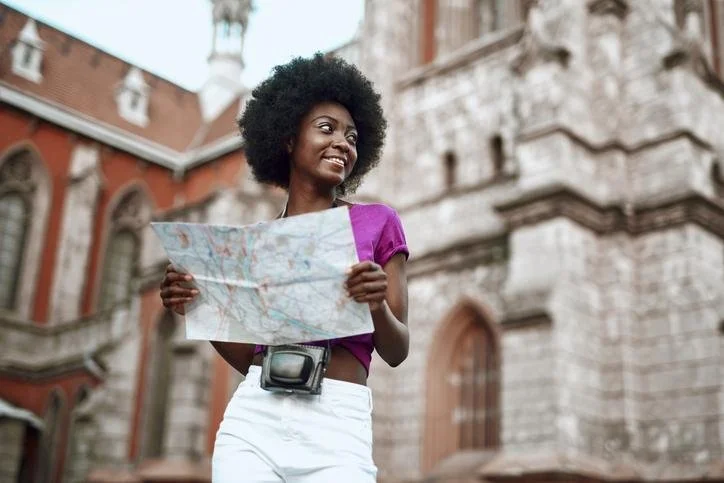
Photo Credit: Three Spots via iStockPhoto.com
By: Jamila Gomez
Traveling can be an opportunity for both relaxation and cultural enrichment, especially for Black travelers seeking destinations that celebrate heritage, history, and wellness. Thoughtful trip planning ensures a balance between personal rejuvenation and deep cultural engagement. Here’s how to craft an itinerary that leaves you refreshed and inspired.
1. Choose a Destination with Meaning
Selecting a destination that aligns with your interests and cultural background can enhance your travel experience. Places like Ghana, Brazil, Cuba, and New Orleans offer rich Black history and vibrant cultural expressions. For relaxation, consider Black-owned resorts in the Caribbean or wellness retreats in Africa. Research Black history tours, Afrocentric cultural festivals, and Black-owned businesses in your chosen location.
2. Prioritize Wellness and Self-Care
Rejuvenating travel isn’t just about sightseeing—it’s about restoring your mind and body. Look for destinations with spas, natural hot springs, or meditation retreats. Many wellness retreats cater specifically to Black travelers, offering experiences like yoga in Kenya, traditional healing practices in South Africa, or spa treatments rooted in African and Caribbean traditions. Even if you’re visiting a bustling city, set aside time for self-care, whether it’s a beach day or a visit to a local wellness center.
3. Support Black-Owned Businesses and Experiences
To make your trip more enriching, seek out Black-owned accommodations, restaurants, and tour companies. Websites like the Black Travel Alliance and EatOkra help travelers find Black-owned businesses worldwide. Dining at Black-owned restaurants, shopping at local markets, and booking experiences with Black tour guides provide economic support while giving you a more authentic, community-driven experience.
4. Explore Historical and Cultural Landmarks
Visiting sites significant to Black history adds depth to your travels. In the U.S., cities like Washington D.C., Atlanta, and Charleston have extensive Black heritage tours. Internationally, you can walk through the Door of No Return in Senegal, explore the Maroon villages of Jamaica, or visit Salvador, Brazil, known for its strong African influence. Museums, historical sites, and cultural centers provide deeper insight into the struggles and triumphs of the African diaspora.
5. Travel with Like-Minded Groups
If solo travel isn’t your style, consider joining a group trip catered to Black travelers. Companies like Travel Noire, Black & Abroad, and Nomadness Travel Tribe curate trips that mix adventure, culture, and connection. These groups offer the comfort of shared experiences and the opportunity to build lasting friendships.
6. Stay Mindful of Safety and Comfort
Research the social climate of your destination regarding race and safety. Some places are more welcoming than others, so check travel advisories and read firsthand experiences from other Black travelers. Pack accordingly, know your rights in a foreign country, and ensure you have access to local resources in case of emergencies.
By blending cultural exploration with personal wellness, Black travelers can create trips that are both soul-nourishing and deeply meaningful. Thoughtful planning ensures that each journey is not only a getaway but also a powerful connection to heritage, history, and personal growth.
YOU MAY ALSO BE INTERESTED IN:
SHARE TO SOCIAL MEDIA

Self-Advocacy in the Workplace: Asking for Raises, Promotions, and Respect
Learn how to advocate for yourself in the workplace by negotiating a raise, securing a promotion, and demanding respect to advance your career with confidence. We discuss it here!

Photo Credit: Three Spots via iStockPhoto.com
By: Jamila Gomez
Self-advocacy is essential for career growth. If you don’t speak up for yourself, you risk stagnation while others take opportunities that could have been yours. Advocating for your worth in the workplace—whether for a raise, a promotion, or simply respect—requires preparation, confidence, and strategy.
Asking for a Raise
Many employees hesitate to ask for a raise, fearing rejection or retaliation. But if you’re delivering value, you deserve fair compensation. The key is to prepare.
1. Know Your Market Value – Research salaries for your role in your industry and location using sources like Glassdoor, Payscale, or industry reports. If you’re underpaid compared to the market, you have leverage.
2. Track Your Achievements – Keep a record of your accomplishments, including revenue increases, cost savings, successful projects, or any metric that proves your contributions. The stronger your case, the harder it is to ignore.
3. Time It Right – The best time to ask is after a big win, during performance reviews, or when your company is doing well financially. Avoid making your request during company downturns or right after layoffs.
4. Be Direct and Professional – Approach the conversation with confidence. Instead of saying, “I was hoping for a raise,” say, “Based on my contributions and market comparisons, I believe a salary adjustment is warranted.”
Positioning Yourself for a Promotion
Promotions aren’t just given; they’re earned and often negotiated. If you’re eyeing a higher position, be proactive.
1. Take Initiative – Show leadership in your current role. Volunteer for challenging projects, mentor colleagues, and consistently exceed expectations.
2. Express Your Interest Early – Don’t assume your boss knows you want a promotion. Have a conversation about your career goals and ask what you need to do to move up.
3. Develop New Skills – Identify the skills required for the next level and work on them. This could mean taking courses, earning certifications, or asking for stretch assignments.
4. Build Relationships – Promotions often involve decision-makers beyond your direct supervisor. Cultivate strong relationships with upper management and key stakeholders.
Demanding Respect in the Workplace
Respect is non-negotiable. If you feel undervalued, ignored, or disrespected, address it head-on.
1. Set Boundaries – If someone is treating you unfairly, don’t tolerate it. Say, “I’d appreciate it if you spoke to me with respect,” or “I expect to be included in these discussions.”
2. Document Issues – If disrespect is persistent, keep a record. Documentation strengthens your case if you need to escalate the issue.
3. Address It with Leadership – If necessary, bring concerns to HR or higher management. A workplace that tolerates disrespect is not one where you should invest your future.
Self-advocacy isn’t just about asking—it’s about knowing your worth and asserting it. When you push for fair pay, career advancement, and professional respect, you don’t just benefit yourself—you help set a precedent for others..
YOU MAY ALSO BE INTERESTED IN: