
You Might Be Doing Better Than You Think
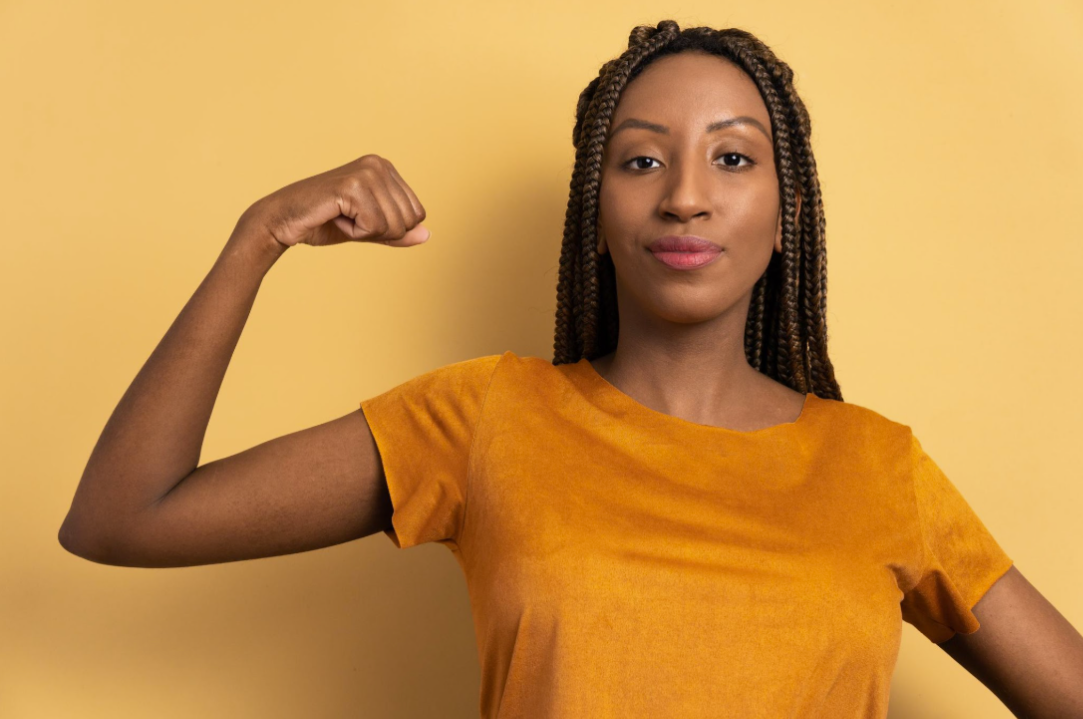
A lot of Black women are carrying far more than people realize, and constantly focusing on what still needs to be done can make it easy to overlook just how much strength, growth, and resilience it has already taken to make it this far! We discuss it here!

You’re Doing Better Than You Think
Photo Credit: Vergani_Fotografia via iStockPhoto.com
By: Jamila Gomez
A lot of Black women are harder on themselves than they realize.
There is always something else that needs attention. Another responsibility. Another goal. Another thing to improve. Because so much focus goes toward what still is not finished, it becomes easy to overlook everything that has already been handled, survived, rebuilt, or carried.
A lot of women have gotten so used to figuring things out that they barely stop long enough to acknowledge how much they actually manage on a daily basis. They adapt quickly. They push through quickly. They recover quietly. Then life moves on and expects more from them again.
So even after accomplishing something difficult, the mind immediately moves to the next thing. The next payment. The next task. The next problem. The next expectation. After a while, “enough” starts to feel impossible to reach because the standard keeps moving.
Meanwhile, many women are carrying things today that an earlier version of themselves would have struggled to survive at all.
Some are rebuilding emotionally while still handling work and responsibilities every day. Some are managing health struggles while still trying to be present for the people around them. Some are navigating grief, heartbreak, financial pressure, caregiving, loneliness, disappointment, or burnout while still finding a way to continue moving forward.
That effort deserves to be acknowledged.
Everything does not have to be perfect before someone is allowed to recognize their own progress. There is still room to grow while also admitting that growth has already happened.
Because sometimes progress looks very ordinary while it is happening. It looks like responding differently than before. It looks like setting boundaries that once felt impossible. It looks like getting through a hard season without completely losing yourself inside it. It looks like trying again after disappointment instead of shutting down completely.
A lot of people overlook their progress because it did not happen loudly. It happened slowly, quietly, and through small decisions made over time.
The truth is, surviving difficult seasons changes people in ways they do not always notice immediately. Many women are stronger, wiser, more self-aware, and more resilient than they give themselves credit for because they are too busy focusing on where they think they should be by now.
But life does not move in straight lines. People outgrow things. People restart. People heal slowly. People rebuild in pieces. That does not mean they are failing.
Sometimes doing enough looks different than expected. Sometimes doing enough means continuing to show up for your life while carrying things nobody else fully sees. Sometimes it means resting. Sometimes it means surviving a season that felt like it would never end.
A lot of Black women give so much of themselves to other people, responsibilities, expectations, and survival that they rarely stop to recognize themselves with the same compassion they offer everyone else.
There is nothing weak about acknowledging that something has been difficult while still continuing anyway. And there is nothing wrong with taking a moment to recognize how far you have already come before rushing yourself toward the next thing.

YOU MAY ALSO BE INTERESTED IN:



SHARE TO SOCIAL MEDIA

When Burnout Pushes You Into a Career Change You Didn’t Plan For
Burnout often pushes Black women into unplanned career transitions that feel disruptive and disorienting but ultimately reveal the truth about what no longer fits and what kind of work actually allows them to live with dignity, health, and wholeness. We discuss it here!
Burnout Forces Career Transitions We Didn’t Plan For
Photo Credit: DMP via iStockPhoto.com
By: Jamila Gomez
Burnout rarely shows up as a dramatic collapse. Most of the time, it looks like you pushing through one more week. One more deadline. One more conversation where you tell yourself you just need to get it together. For Black women especially, burnout is quiet and obedient. It wears responsibility like a badge and convinces us that exhaustion is just part of being capable.
That is why so many career transitions happen without a plan.
We do not wake up one day deciding to blow up our professional lives. What happens instead is a slow erosion. The work that once felt meaningful starts asking more than it gives back. The environment tightens. Your body starts reacting before your mind catches up. Sleep gets shallow. Irritation comes faster. Motivation dries up. You tell yourself you are tired because life is busy, because this season is heavy, because everybody is struggling. You keep going.
Until you cannot.
Burnout has a way of forcing clarity when we have been avoiding it. It strips away the stories we tell ourselves about loyalty, grit, and gratitude. It exposes the cost of staying somewhere that no longer fits. And when you have built your identity around being reliable, being strong, being the one who holds it down, that exposure can feel terrifying.
What makes burnout-driven transitions so destabilizing is that they often come without ceremony. There is no neat exit strategy. No celebratory resignation letter. Sometimes there is a layoff. Sometimes there is a medical scare. Sometimes you realize you are crying in the car every morning and pretending you are fine by the time you badge in. The transition arrives not as a choice, but as a consequence.
For Black women, this moment carries extra weight. Many of us were raised to value stability above all else. We watched previous generations survive by holding on. We learned that a steady paycheck meant safety, even if it came with silence. So when burnout pushes us out of roles we worked hard to earn, the shame can hit just as hard as the fear. We question our competence. We worry about how it looks. We wonder if we failed.
But burnout does not mean you are weak. It means something in your life became unsustainable, and your nervous system refused to keep pretending otherwise.
Unplanned career transitions force a different kind of reckoning. You have to sit with the truth that your capacity changed. That the version of you who accepted certain conditions did so for a reason, and that reason may no longer exist. You start asking harder questions. What am I actually good at? What drains me beyond recovery? What do I need now, not ten years ago?
This is where the grief shows up. Grief for the dream you had. Grief for the version of yourself who believed endurance was the same thing as purpose. Grief for the time you spent convincing yourself that discomfort was normal. Burnout does not just end jobs. It ends illusions.
At the same time, it opens space. Not immediately, and not comfortably. But slowly, you begin to imagine a life that does not require constant recovery. You start valuing work that respects your limits. You look at success through a more honest lens. One that includes your health, your dignity, and your ability to breathe.
Career transitions born from burnout are messy. They are rarely linear. They require humility and courage at the same time. You may have to step sideways instead of up. You may have to redefine what ambition looks like in this season. You may have to let go of proving anything to anyone.
What burnout ultimately does is remove the option to stay the same. It forces alignment, even when you did not ask for it. And while that kind of change can feel brutal, it can also be truthful. Sometimes the career you did not plan for ends up being the one that finally lets you live like a whole person.
YOU MAY ALSO BE INTERESTED IN:
SHARE TO SOCIAL MEDIA

Protecting Your Energy as a Black Woman: Mental Health, Boundaries, and Healing
Protecting your energy and mental health as a Black woman means releasing survival mode, setting unapologetic boundaries, choosing rest and support over endurance, and honoring a life rooted in peace rather than constant sacrifice! We discuss it here!
Protecting Your Energy and Mental Health as a Black Woman
Photo Credit: LaylaBird via iStockPhoto.com
By: Jamila Gomez
Protecting your energy isn’t a luxury — it’s survival. As Black women, we carry expectations that were handed to us long before we had the chance to name ourselves. We’re expected to be resilient, unbreakable, endlessly available, and grateful for whatever space we’re given — even when that space drains the life out of us. Protecting your energy and mental health starts with rejecting the lie that your worth is tied to how much pain you can hold or how much you can endure for everyone else.
The first hard truth is this: no one is going to guard your boundaries for you. People will take what you keep giving, especially when you’ve trained them to expect your labor, your listening ear, your time, your emotional care — all without question. Protecting your energy means noticing where you are overextending and being honest about the cost. If every conversation leaves you exhausted, if every relationship feels one-sided, if every room you walk into demands that you shrink just to keep the peace, something has to change. You don’t owe your sanity to anyone’s comfort.
It also means getting clear about the difference between being “strong” and being supported. Strength without support becomes isolation. Too many of us are praised for our endurance while suffering in silence. There’s nothing empowering about carrying what is slowly breaking you down. Protecting your mental health requires unlearning the habit of pushing through every storm alone. Ask for help. Say when you’re not okay. Choose friendships and communities where vulnerability is not treated like weakness, but like truth-telling.
Another part of protecting your energy is walking away from constant survival mode. When you’ve spent years fighting to prove yourself — in workplaces, families, relationships, and even spiritual spaces — rest can feel like guilt. Stillness can feel like laziness. But your nervous system is not a machine. Rest is not a reward you earn after you’ve almost collapsed. It is a necessity. Give yourself permission to log off, decline invitations, say “not today,” and step back from environments that thrive on urgency and chaos. Peace isn’t passive — it is intentional.
And let’s be honest: some of the harm comes from spaces that claim to love us. Family, church, friendships, or communities that refuse to respect your boundaries will frame you as selfish when you finally choose yourself. Protecting your mental health as a Black woman means accepting that some relationships will not survive your healing. That grief is real — but so is your freedom. You are not abandoning anyone by refusing to abandon yourself.
Pay attention to your body. The headaches, tension, fatigue, irritability, emotional numbness — those are signals, not inconveniences. Your body tells the truth even when you try to push past it. Therapy, journaling, movement, breathwork, medication if needed — these are tools, not admissions of failure. You deserve comprehensive care, not just encouragement to “be strong.”
Protecting your energy also means honoring your voice. Stop minimizing what hurts you just to avoid being labeled “difficult.” Advocate for fair pay. Challenge disrespect. Leave workplaces that drain you without remorse. You are not required to shrink to remain employable, lovable, or acceptable.
Most importantly, protecting your mental health requires envisioning a future where you are more than what you’ve survived. Healing is not just about recovering from the past — it’s about choosing a life that aligns with your values, your capacity, and your joy. Say yes to spaces where you feel seen. Say yes to softness, to laughter, to friendships that pour back into you. Say yes to a version of yourself that doesn’t center struggle as an identity.
You have one life in this body. Your energy is sacred. Your mind is not a battlefield for everyone else’s expectations. Protect it — boldly, unapologetically, and without delay.
YOU MAY ALSO BE INTERESTED IN:
SHARE TO SOCIAL MEDIA

Finding Everyday Joy: How Black Women Can Cultivate Peace in Daily Life
Everyday joy for Black women is found in intentional presence, small pleasures, meaningful connections, and self care, offering a way to honor the fullness of life while navigating responsibility, resilience, and becoming! We discuss it here!
Finding Joy in the Moment
Photo Credit: Dani DG via iStockPhoto.com
By: Jamila Gomez
Joy doesn’t always show up in big milestones or picture-perfect moments. For many Black women, joy has to be chosen — carved out between responsibility, exhaustion, and the weight of expectations we never asked to carry. Finding joy in everyday moments isn’t about pretending struggle doesn’t exist. It’s about refusing to let hardship be the only story we live inside of.
One of the most powerful ways to access everyday joy is through presence. Not the rushed, half-checked-out version of moving through the day — but intentional presence. That might look like slowing down long enough to taste your morning tea instead of gulping it while multitasking. It might be stepping outside for two minutes of fresh air between calls, letting the sun hit your face, and acknowledging, “I’m still here.” Joy grows when we stop running autopilot scripts and actually witness our own lives in real time.
Another path to joy comes from creating room for pleasure without guilt. Too many Black women have been conditioned to earn rest, to justify peace, to explain why we deserve softness. Choosing joy in small pleasures is an act of resistance. Light the candle you bought “for special occasions.” Play the song that shifts your mood and let yourself dance in the kitchen. Make a cup of hot cocoa for no reason other than it feels good. You don’t have to wait until the crisis is over to enjoy something simple. Joy doesn’t disrespect your pain. It reminds you there is still more to you than what hurts.
Connection is also a daily doorway to joy — not just deep friendships, but micro-connections we overlook. Sharing a laugh with a coworker, exchanging a knowing nod with another Black woman in the grocery aisle, texting someone who “gets it” without needing a long explanation. These tiny reminders that we are not alone carry more weight than we often acknowledge. Seeking — and allowing — connection is a way of letting joy breathe in community instead of suffering silently in isolation.
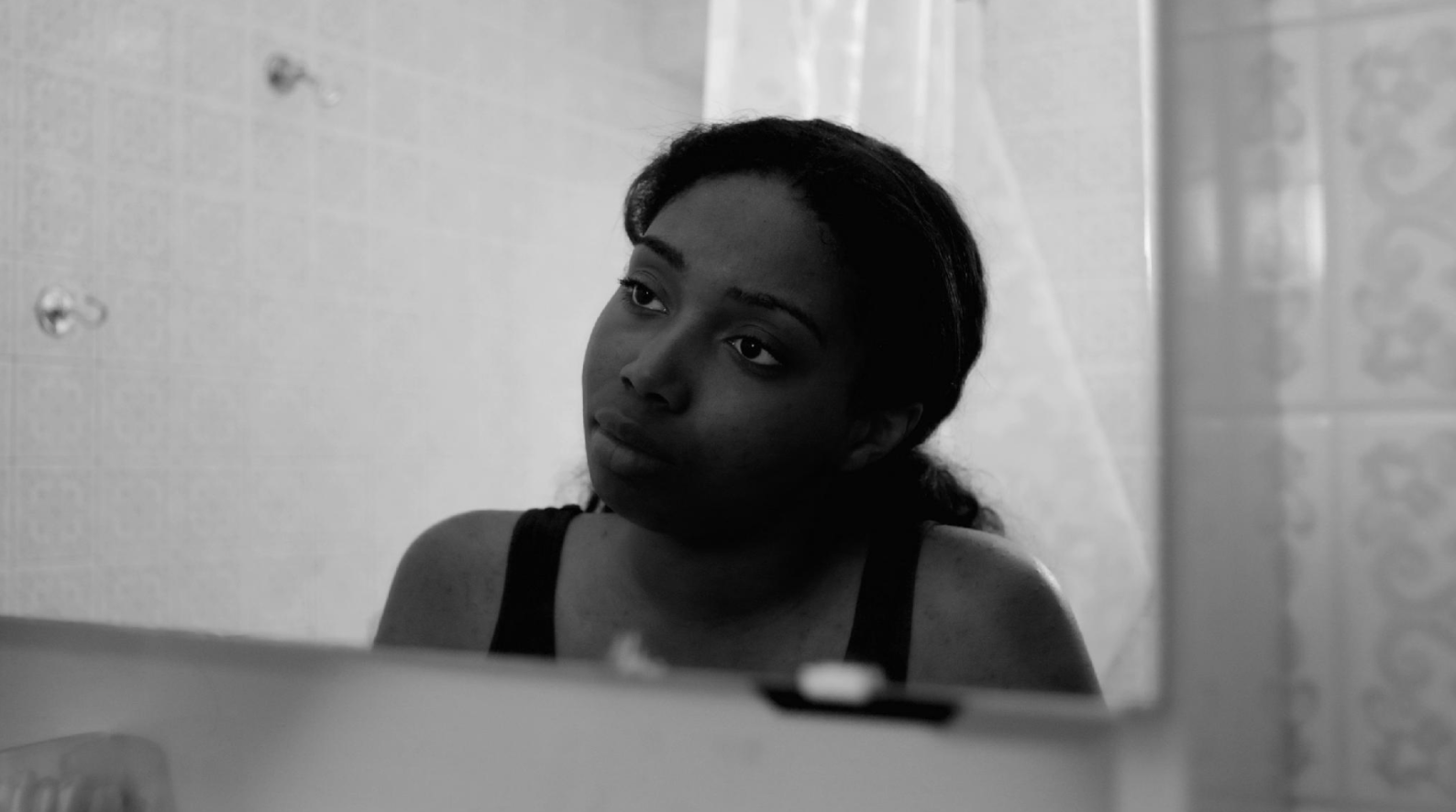
There’s also joy in honoring the body you live in today, not the version you think you “should” have by now. That might mean stretching before bed, taking a slow walk, putting on lotion with intention instead of rushing through it. It might be looking in the mirror and naming something you genuinely appreciate — your smile, your strength, your resilience — without tearing yourself apart first. Joy shows up when we stop treating our bodies like problems to fix and start treating them like homes to care for.
Another everyday practice is celebrating small wins — especially the ones nobody else sees. Maybe you sent the email you’d been avoiding. Maybe you set a boundary, or chose not to argue, or allowed yourself to cry instead of pushing through. Those moments matter. Black women are often praised for surviving chaos, but everyday joy grows when we acknowledge growth that doesn’t come from struggle. Naming these moments out loud shifts the narrative from “I made it” to “I am becoming.”
There is also joy in letting yourself dream — not in a distant, someday way, but through small acts of intention. Journaling for five minutes. Making a list of things you want more of, not just what you’re trying to escape. Rearranging a corner of your space so it feels like yours again. Joy expands when we allow ourselves to imagine a life that isn’t built only around endurance.
And finally, there is joy in giving yourself permission to be human. Not perfect. Not constantly strong. Human. Some days joy will feel loud and full. Other days it will be quiet and tender — a deep breath, a soft smile, a moment of release. But when you choose to notice it, protect it, and claim it without apology, everyday joy becomes less of a luxury and more of a practice — one that honors your wholeness, not just your survival.
YOU MAY ALSO BE INTERESTED IN:
SHARE TO SOCIAL MEDIA

Misunderstood: Being Read Through Someone Else’s Lens
That uneasy moment when you realize you’re no longer being heard but interpreted reveals how assumptions, bias, and misplaced lenses quietly reshape meaning, drain trust, and change how you show up in spaces that claim to value nuance! We discuss it here!
Photo Credit: AaronAmat via iStockPhoto.com
By: Jamila Gomez
There’s a particular discomfort that comes with realizing you’re no longer being listened to—you’re being interpreted. You can feel the shift when it happens. The room changes. The questions aren’t really questions anymore. They’re confirmations of a story that’s already forming in someone else’s mind.
Being read through someone else’s lens means your words stop belonging to you. Tone replaces intent. Assumptions replace context. Your explanation becomes evidence, not information. And once that lens locks in, it doesn’t matter how carefully you speak. Everything gets filtered through whatever they’ve already decided about who you are.
What makes this especially destabilizing is that it often happens in spaces that claim to value reflection, nuance, or growth. You come in expecting dialogue and leave realizing you were part of an evaluation. Not of your work, but of your character. Not of what you said, but of what someone assumed you meant.
There’s a moment when you recognize that clarity isn’t going to save you. That moment is quiet, but it’s sharp. You understand that no additional explanation will correct the record, because the record was never neutral to begin with. It was shaped by someone else’s framework, biases, and comfort level long before you spoke.
In those moments, you start doing mental math. How much do I say? How much do I hold back? Do I push against the narrative and risk being labeled defensive, or do I let it sit and absorb the impact later? None of these options feel clean. They all cost something.
What lingers afterward isn’t always anger. Often it’s disorientation. You replay the exchange, not to prove yourself right, but to understand how you were seen so differently than you intended. You question your delivery. Your timing. Your presence. And then, if you’re honest, you realize the problem wasn’t any of that. The problem was the lens.
Being read through someone else’s lens is exhausting because it asks you to manage perceptions you didn’t create. It places the burden of correction on you, even when the misunderstanding wasn’t mutual. And over time, it changes how you show up. You become more measured. More contained. Less willing to offer raw thoughts in spaces that haven’t earned them.
There’s also a loss that comes with this experience. Not a dramatic one, but a subtle one. You lose trust in the room. You lose ease. You lose the assumption that good faith is shared. And once that’s gone, participation becomes strategic instead of natural.
What’s rarely acknowledged is how common this experience is, especially for Black women navigating professional or learning environments. Neutral expressions get read as something else. Directness gets reframed. Thoughtfulness gets mistaken for resistance. And the moment you realize you’re being read instead of heard, you start protecting yourself in ways that are invisible to everyone else.
Being read through someone else’s lens teaches you something, even if it isn’t the lesson that was intended. It teaches you that understanding isn’t always available, no matter how articulate you are. It teaches you that some spaces reward conformity more than honesty. And it teaches you to pay attention to where your voice lands, not just how it sounds.
You don’t always get to change the lens. Sometimes all you can do is recognize it, decide what you’re willing to give, and move forward differently. Not louder. Not quieter. Just more aware.
And that awareness stays with you long after the moment passes.
YOU MAY ALSO BE INTERESTED IN:
SHARE TO SOCIAL MEDIA

Prioritizing Self-Care: A Guide for Black Women
In our busy lives, Black women must prioritize self-care. Taking time to nurture ourselves physically, mentally, and emotionally isn’t just a luxury; it’s a necessity. We discuss it here!

Photo Credit: Prostock-studio
By: Jayla Smith
In our busy lives, Black women must prioritize self-care. Taking time to nurture ourselves physically, mentally, and emotionally isn’t just a luxury; it’s a necessity. Amidst the hustle and bustle, indulging in self-care practices helps us recharge and embrace our unique beauty. Here’s why self-care should be at the top of your list and how you can make it both meaningful and affordable.
Embracing Our Beauty
As Black women, we often face societal pressures and beauty standards that can be overwhelming. Prioritizing self-care allows us to embrace our natural beauty and redefine what that means for us. Investing time in skincare routines, hair care, and wellness practices fosters a sense of self-love and confidence. Whether it’s a simple evening skincare ritual or a weekly hair treatment, these moments are essential for reinforcing our self-worth.
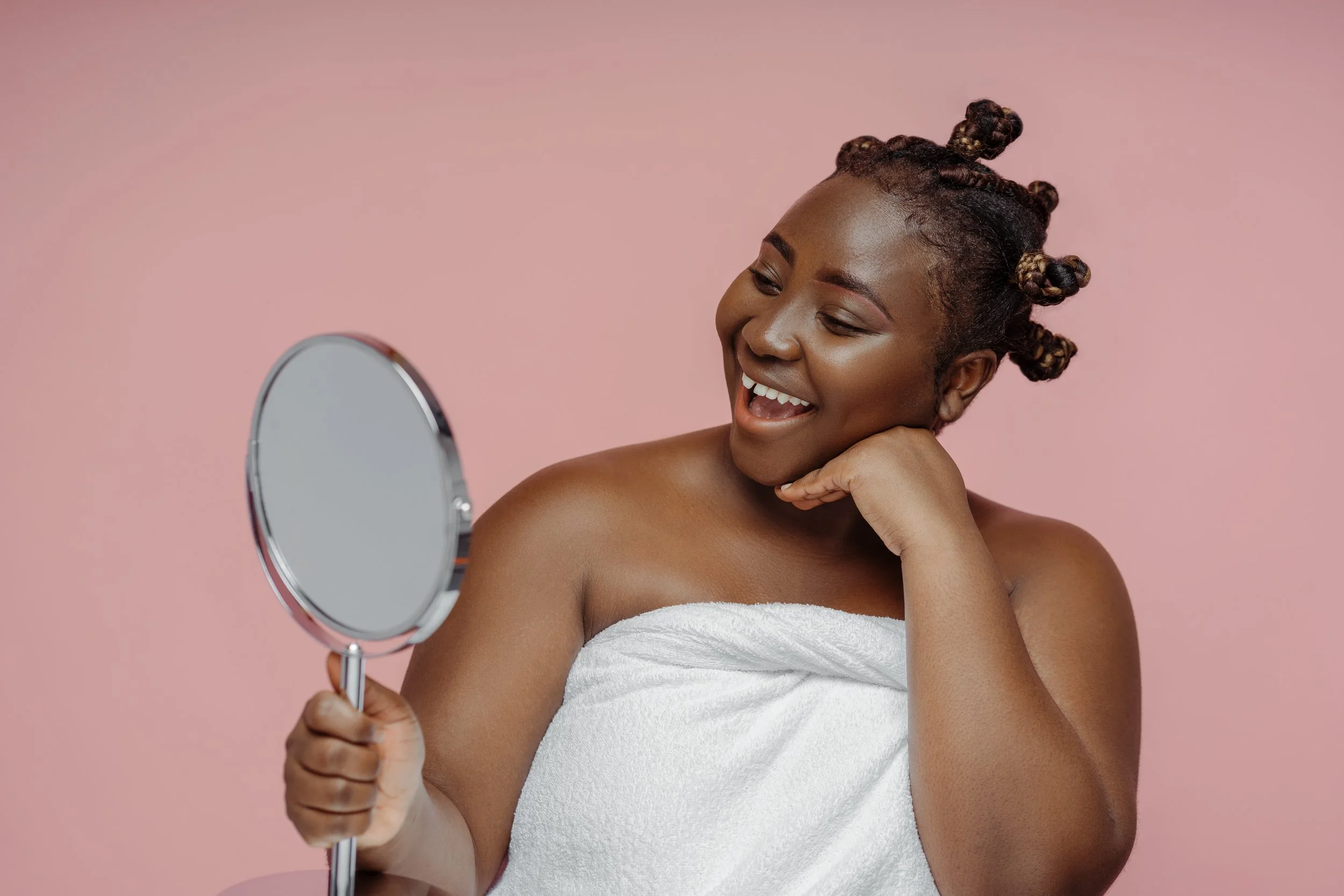
Photo Credit: AYO Production
Affordable Beauty Products
You don’t have to break the bank to indulge in quality beauty products. Countless affordable brands cater specifically to the needs of Black women. Look for products focusing on hydration and nourishment, as our skin and hair often require specialized care. Brands like SheaMoisture, Black Girl Sunscreen, and Cantu offer great options that are effective and budget-friendly.
Consider creating a self-care basket filled with your favorite affordable beauty products. Include items like hydrating facial masks, shea butter for your skin, and nourishing oils for your hair. This basket can serve as a reminder to take time for yourself, even on the busiest days.

Photo Credit: Oksana Mizina
Setting Aside Time for Yourself
Self-care isn’t just about products; it’s about creating a routine that allows you to unwind and reconnect with yourself. Schedule regular “me time” in your calendar, whether it’s a few quiet moments with a good book, a long bath, or a yoga session. These dedicated times help reinforce the importance of self-care in your life and create a space where you can breathe and reflect.

Photo Credit: Prostock-studio
The Power of Community
Connecting with other Black women can also enhance your self-care journey. Share beauty tips, recommend products, or even host a self-care day with friends. Creating a community where you uplift and support each other is powerful. It reminds us that we’re not alone in our experiences and that we can find joy in our shared journeys.

Photo Credit: oneinchpunch
Mental Health Matters
Don’t forget about mental health as part of your self-care routine. Journaling, meditation, and therapy are all valuable tools for managing stress and anxiety. Consider finding apps or online resources tailored to Black women on mental wellness. Prioritizing your mental health is just as important as any beauty routine and can profoundly impact your overall well-being.
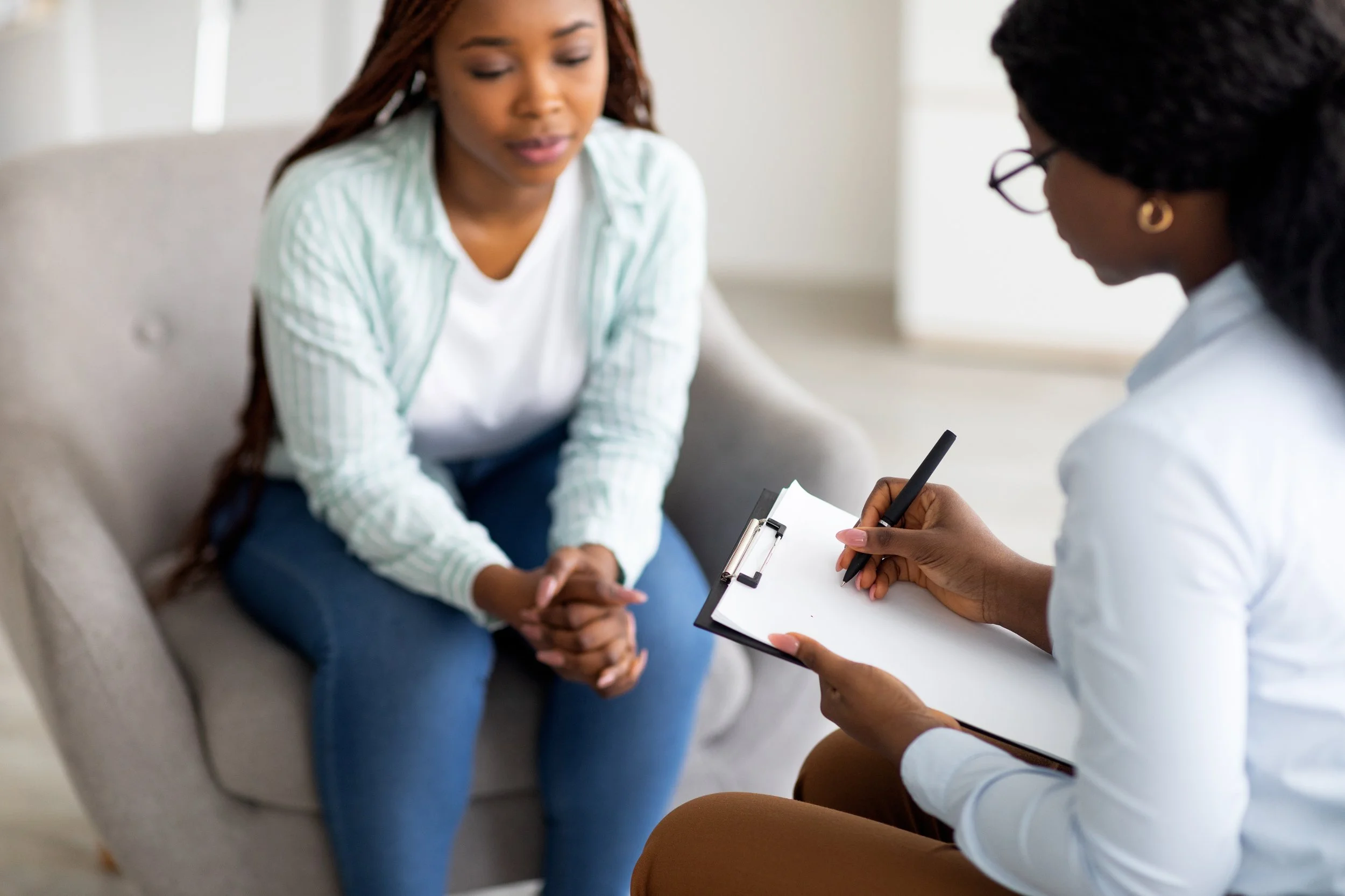
Photo Credit: Prostock-studio
Celebrating Small Wins
Self-care doesn’t always have to be elaborate. Celebrate small wins and everyday achievements. Acknowledge your efforts, whether it’s getting through a tough week or treating yourself to a favorite snack. This positive reinforcement can boost your mood and remind you that self-care is about recognizing and appreciating yourself. Prioritizing self-care is essential for Black women navigating a world that often demands so much from us. By embracing our beauty, investing in affordable products, setting aside time for ourselves, and connecting with our communities, we can foster a lifestyle that honors our uniqueness. Remember, self-care is not selfish; it’s an act of self-love that empowers us to show up fully in our lives!

Photo Credit: PeopleImages.com - Yuri A
YOU MAY ALSO BE INTERESTED IN:
Meet Jayla Smith, contributing Writer for 247 Live Culture!