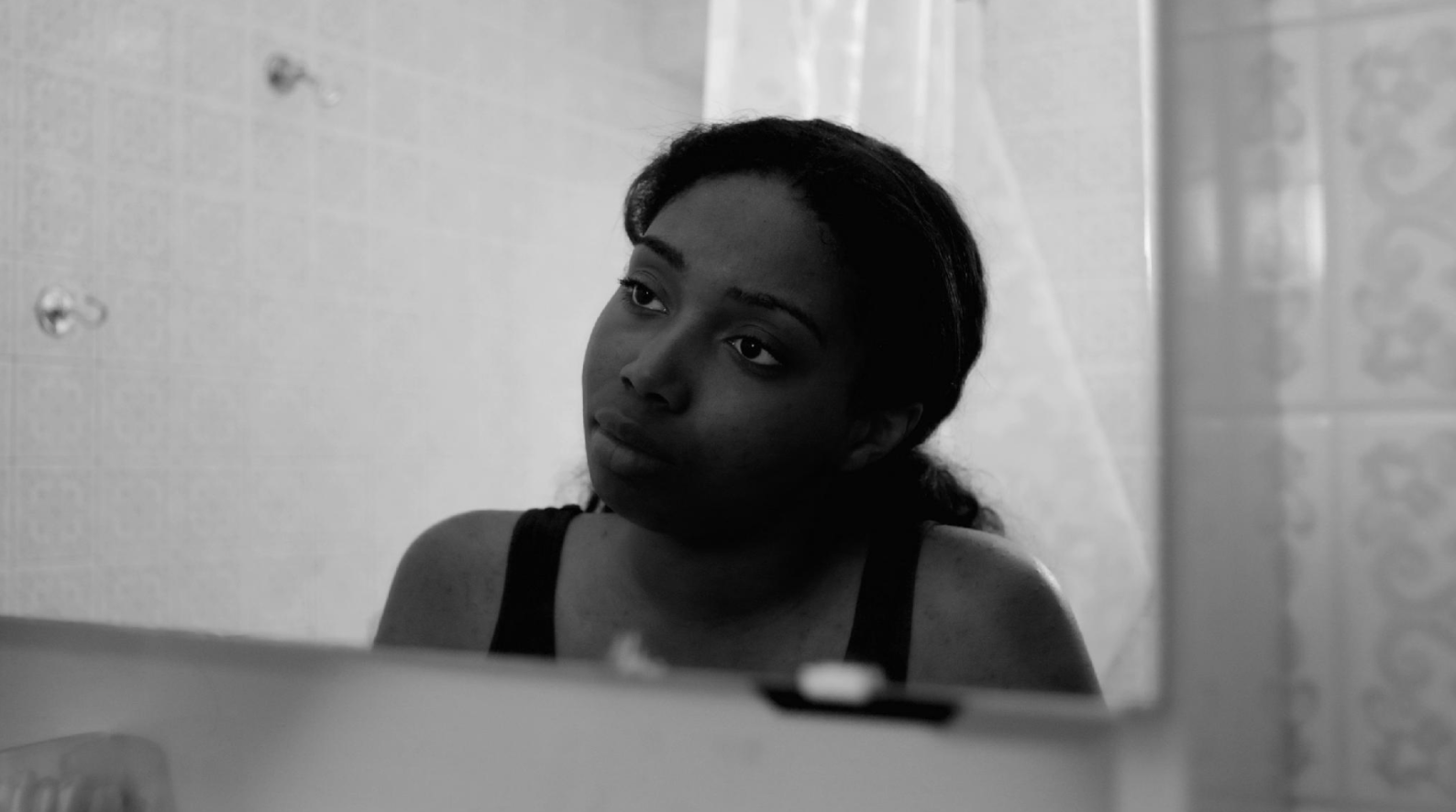
Misunderstood: Being Read Through Someone Else’s Lens


Photo Credit: AaronAmat via iStockPhoto.com
By: Jamila Gomez
There’s a particular discomfort that comes with realizing you’re no longer being listened to—you’re being interpreted. You can feel the shift when it happens. The room changes. The questions aren’t really questions anymore. They’re confirmations of a story that’s already forming in someone else’s mind.
Being read through someone else’s lens means your words stop belonging to you. Tone replaces intent. Assumptions replace context. Your explanation becomes evidence, not information. And once that lens locks in, it doesn’t matter how carefully you speak. Everything gets filtered through whatever they’ve already decided about who you are.
What makes this especially destabilizing is that it often happens in spaces that claim to value reflection, nuance, or growth. You come in expecting dialogue and leave realizing you were part of an evaluation. Not of your work, but of your character. Not of what you said, but of what someone assumed you meant.
There’s a moment when you recognize that clarity isn’t going to save you. That moment is quiet, but it’s sharp. You understand that no additional explanation will correct the record, because the record was never neutral to begin with. It was shaped by someone else’s framework, biases, and comfort level long before you spoke.
In those moments, you start doing mental math. How much do I say? How much do I hold back? Do I push against the narrative and risk being labeled defensive, or do I let it sit and absorb the impact later? None of these options feel clean. They all cost something.
What lingers afterward isn’t always anger. Often it’s disorientation. You replay the exchange, not to prove yourself right, but to understand how you were seen so differently than you intended. You question your delivery. Your timing. Your presence. And then, if you’re honest, you realize the problem wasn’t any of that. The problem was the lens.
Being read through someone else’s lens is exhausting because it asks you to manage perceptions you didn’t create. It places the burden of correction on you, even when the misunderstanding wasn’t mutual. And over time, it changes how you show up. You become more measured. More contained. Less willing to offer raw thoughts in spaces that haven’t earned them.
There’s also a loss that comes with this experience. Not a dramatic one, but a subtle one. You lose trust in the room. You lose ease. You lose the assumption that good faith is shared. And once that’s gone, participation becomes strategic instead of natural.
What’s rarely acknowledged is how common this experience is, especially for Black women navigating professional or learning environments. Neutral expressions get read as something else. Directness gets reframed. Thoughtfulness gets mistaken for resistance. And the moment you realize you’re being read instead of heard, you start protecting yourself in ways that are invisible to everyone else.
Being read through someone else’s lens teaches you something, even if it isn’t the lesson that was intended. It teaches you that understanding isn’t always available, no matter how articulate you are. It teaches you that some spaces reward conformity more than honesty. And it teaches you to pay attention to where your voice lands, not just how it sounds.
You don’t always get to change the lens. Sometimes all you can do is recognize it, decide what you’re willing to give, and move forward differently. Not louder. Not quieter. Just more aware.
And that awareness stays with you long after the moment passes.

YOU MAY ALSO BE INTERESTED IN: