When Icons Fall: Black Celebrity Deaths and the Weight of Collective Grief

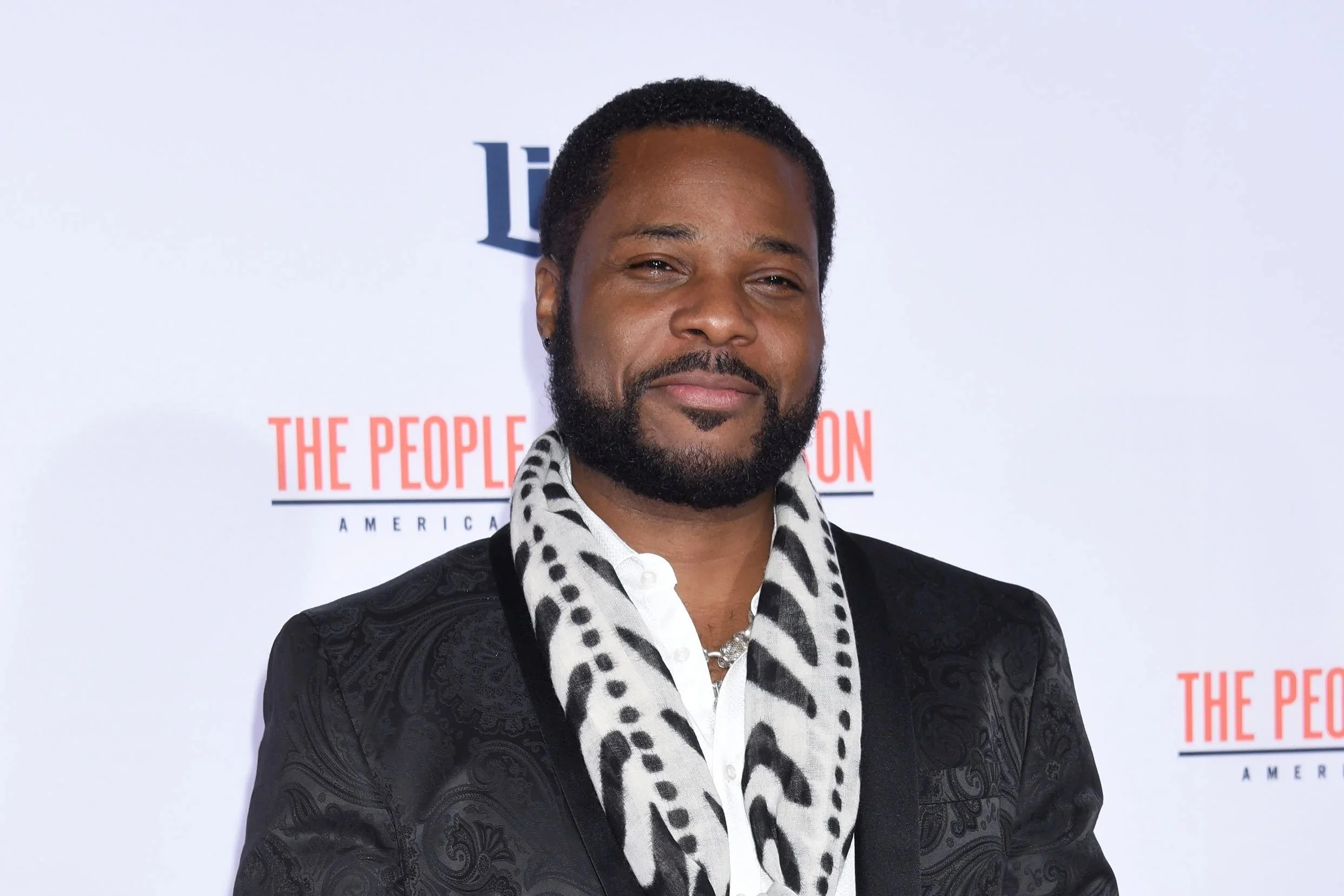
LOS ANGELES – JAN 27 – Malcolm-Jamal Warner attended the premiere of The People v. O.J. Simpson: American Crime Story on January 27, 2016, in Westwood, California.
Photo Credit: Ga Fullner via Shutterstock
By: Jamila Gomez
When a beloved Black celebrity dies, it hits differently. It’s not just the loss of a public figure. It’s the loss of a cultural anchor, a mirror, a thread in the fabric of how we see ourselves and what we hold on to. In a world where Black life is too often devalued or dismissed, Black celebrity becomes more than fame—it becomes legacy, affirmation, and, in many ways, survival.
The death of Malcolm-Jamal Warner in July 2025 sent shockwaves through Black communities. He wasn’t just Theo from The Cosby Show; he was a symbol of what Black boyhood and manhood could look like—sensitive, curious, human. For many, he was the first representation of a Black son or brother who was allowed to grow and make mistakes without being criminalized or erased. His passing stirred more than sadness; it stirred memory. It brought people back to living rooms filled with laughter and Black family love in a time when positive representation was rare.
The grief felt after a Black celebrity dies often reopens wounds that go beyond the individual. When Chadwick Boseman passed in 2020, the pain was global. But for Black folks, especially Black children, it cut deep. He was our superhero. A king. An embodiment of grace and strength and quiet resilience. His death reminded us of how many of our heroes have to fight battles in silence. It reminded us that even in celebration, we are not exempt from pain.
Michael Jackson’s death in 2009 brought a different kind of mourning—one that tangled nostalgia with complexity. He was a generational force, a sound, a style, a rhythm that shaped Black childhoods and dance floors for decades. But he also carried the weight of being both idolized and torn apart. His passing sparked conversations about trauma, exploitation, and what happens to Black genius under a white-hot spotlight.
These moments are never just about fame. They are about how deeply we are connected to those who manage to rise and represent us in spaces we weren’t always allowed to occupy. Their deaths remind us of our own mortality, our own fight, our need to hold one another a little tighter.
In mourning them, we mourn the parts of ourselves they carried. We revisit the joy they gave us, the pride they stirred, and the pain we still carry. Their loss becomes a shared reckoning—with our history, our visibility, and our future.

YOU MAY ALSO BE INTERESTED IN: