
The Performative Nature of “Cancel Culture” And It's Inconsistency
The growth of social media has led to the phenomenon of "cancel culture”, but the inconsistency lies with certain artists being excused from bad behavior because they make good music or create nice products. We discuss it here!

By: Cory Utsey
The public spectacle of withdrawing support from a famous person or brand is nothing new, as those who do questionable things in the limelight have always existed and received public scrutiny, or ostracization, for it. The main difference between this concept being applied in the past and in the present is the existence and the power of social media.
Referred to as “cancel culture”, what often happens is the following: a public figure or company will commit an act that has been deemed problematic, and social media users will either expose said act or shame it. Then, in the process of explaining why this action was wrong, people will call for the deplatforming of the brand or individual.
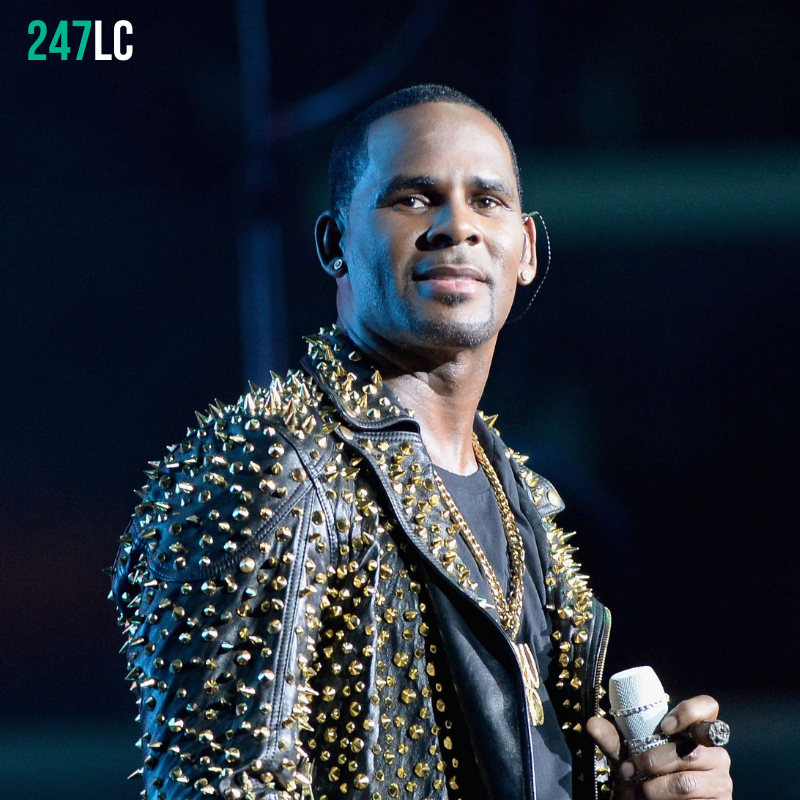
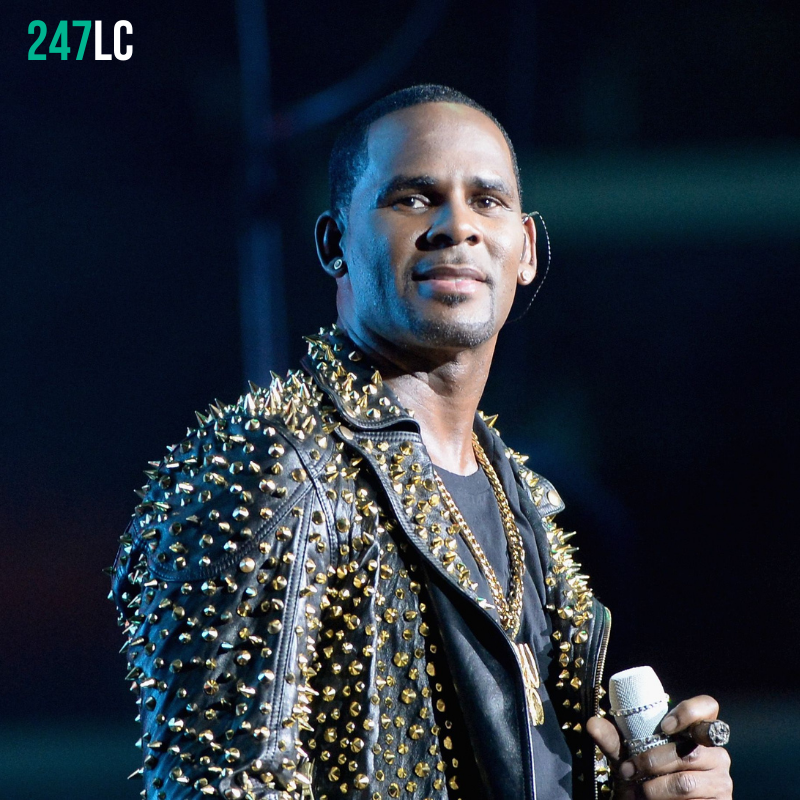
This phenomenon, which has worked hand in hand with movements such as #MeToo, has proven to be quite effective with the cancellation of some individuals, such as R. Kelly, Bill Cosby, and Harvey Weinstein. But with other individuals--such as the former president-- and even with certain companies, problematic behavior seems to be ignored and at times forgotten, with very little change in their level of power.
The idea of being cancelled is often thrown into any conversation surrounding the troublesome behavior of someone or something in the limelight, but the performative act of engaging with cancel culture is just that-- it is performative.
The implications of controversial behavior are relative because controversy itself is relative; although there are many societal commonalities in what might be considered vile versus what might be considered virtuous, individual biases still play a key role in the way that people determine what is good and what is bad.
In many cases, biases will present themselves through forms of discrimination such as racism or misogyny, and they are so prominent that certain actions will only be considered “cancellable” if they are committed by certain people. Additionally, those on the receiving end of different types of discrimination are often taught to be complacent in the face of prejudiced activity; they are told that because these activities are “normal”, there is no reason to be upset over them.
Even if biases are not inherently discriminatory, every individual experiences life differently, meaning that every individual’s perception on what is acceptable is also different.
But even if an action has been collectively deemed as wrong by society, this does not necessarily mean that they will be deplatformed.
Everytime the user of a social media app watches the video of an influencer or streams the song of an artist, they are putting money in someone’s pockets-- it does not matter if that click comes from a place of outrage or a place of praise. In turn, if content from these public figures goes viral, then the number of clicks will greatly increase, and so will their revenue.
When the inconsistent labeling of cancellable offenses is combined with the potential of profit, the vast majority of those who do “bad things” receive very little punishment. Their names are brought up in Twitter discourse, they might issue an ingenuine apology, and people move on.
Cancel culture, in theory, is quite effective in ensuring that power is taken away from those who do terrible things, but in application, it simply serves as a spectacle.
At the end of the day, people deserve to be held accountable for their wrongdoings--regardless of what is labeled as.
But biases should not take the place of morality.
If people truly want to engage with cancel culture, then they must be consistent with the parameters of cancellable offenses; one should not be excused from bad behavior because they make good music or create nice products.
This consistency must also be applied to the ideas of redemption and growth. Some actions are certainly unredeemable, but once again, redemption should not be offered only to those who create nice things.
And in regards to the use of social media, Twitter threads and “Exposed Videos” should not be the start and endpoint of accountability; if someone is truly undeserving of a platform, then the energy should be put towards minimizing that platform as opposed to amplifying the reach of their offenses, especially if these offenses are triggering.
Cancel culture itself is not the problem; it is inconsistency, along with the desire to receive mass social media interaction, that serve as the main culprits.
But with some slight redirection, deplatforming might become much more viable.
YOU MAY ALSO BE INTERESTED IN:
SHARE TO SOCIAL MEDIA
Abolishing the N-word: A Personal Experience
Have you ever dealt with non-Black friends trying to justify their right to use the n-word? We discuss it here!

By: Kwana Adams
When I was a child, I was taught that the N-word was a swear word like bitch or fuck, and I wasn’t allowed to say it. I once heard a non-black little girl say to another little child, “at least I ain’t a n*gga like you are.” I remember hearing an adult tell her that n*gga meant an ignorant black person, and she shouldn’t be calling people that. What does it actually mean, though? Does it even have a meaning?
I didn’t know what it meant at that point; I just knew from the way the little girl said it that it was an insult. As I got older and learned what the word meant, I never felt the need to use it myself, but I didn’t check people for using it around me. White friends of other friends would say it in front of me, then immediately begin apologizing- “I’m sorry, I didn’t mean to offend you!” I remember stating that I wasn’t offended, but on the inside, I was uncomfortable.
Beyond high school, I started asking my non-black friends and acquaintances why they keep saying it. I got annoyed when someone said, “and?” and then proceeded to explain what the word meant after I questioned their reasoning for using it. This was a non-black person trying to explain to me, a black person, what the n-word means. Now that I reminisce about those moments, I think to myself: “why were these people so comfortable saying that?”
When I got to high school, our faculty and staff tried to push the “Abolish the N-word” campaign. They even had posters in the classroom. No one took it seriously, despite the signs and constant reminders. After high school, I went to a predominantly white university. That feeling of discomfort started to come back when a majority of white people surrounded me. They tried hard to advocate for their right to use that word.
To me, it sounded like children only wanting to do it because they felt left out. I realized I didn’t like them saying it. It felt wrong coming from their lips, no matter the context. Even if they were just singing along to a song with the word in it, it disgusted me. My ears and my brain automatically take it as disrespect when I hear that word come out of a non-black mouth, and quite honestly, I don’t like it escaping from black lips either. I know it sounds corny as hell, but I do wish we would abolish the N-word. I wish we would all stop saying it.
I know that to some black people, it might feel powerful to reclaim a word and use it, so it doesn’t hurt anymore. I disagree with it, but I’m not one to tell black people how to feel. However, to me, it’s too close to the original word, and after learning that my grandparents were called that during their youth, I simply cannot allow anyone to call me that.
The term goes back so far, and it was created by white people to refer to our enslaved ancestors, so out of respect for them, I’ve opted out of adding it to my vocabulary. I now politely check people who use it around me, black and non-black. I let them know I’m not comfortable with them saying it around me.
Despite my discomfort with the word, I’m not trying to force any black person to stop using it. These are just my personal feelings on the word, and I am in no way judging any black person for continuing to use it. As for myself being referred to as a n*gga, I only have one thing to say: I am not a n*gga, and I am damn sure not YOUR n*gga. Thank you.
YOU MAY ALSO BE INTERESTED IN:
SHARE TO SOCIAL MEDIA
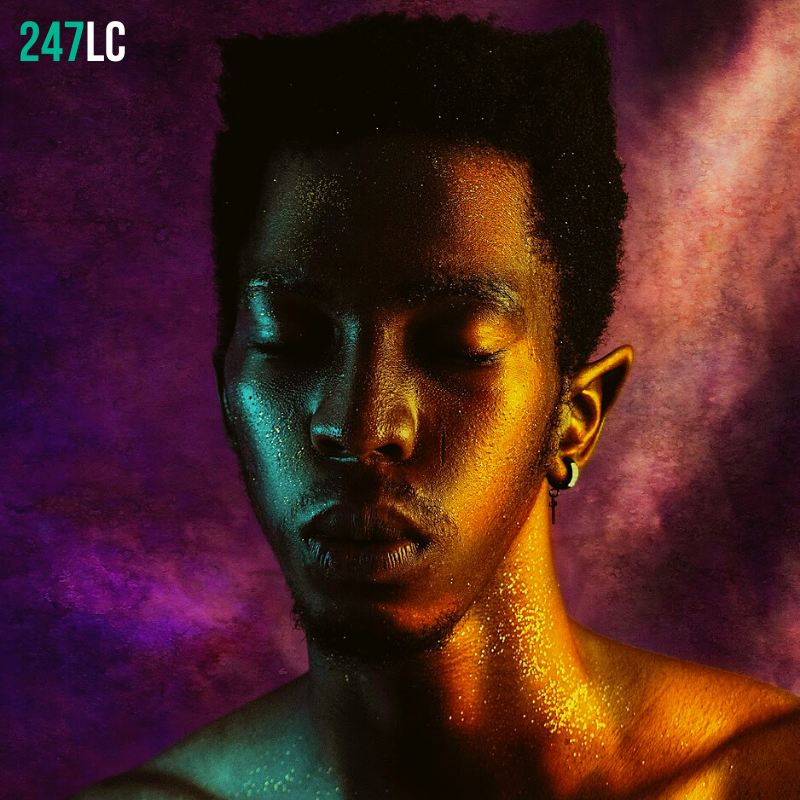
Why Afrofuturism Is A Fierce Instrument Of Black Empowerment And Liberation
At the intersection of fantasy, technology, and Black liberation lies the thrilling idea of Afrofuturism, one of the most innovative tools used by Black innovators today to empower Black people. We discuss it here!
By: Cory Utsey
At the intersection of fantasy, technology, and Black liberation lies the thrilling idea of Afrofuturism.
Afrofuturism functions as a reimagining of what it means to be Black, as well as how this blackness might exist in the future, and it is one of the most innovative tools used by Black innovators to empower Black people.
The concept of Afrofuturism did not have a succinct name until 1994, when Mark Dery released an essay entitled “Black to the Future”. In this essay, he defined Afrofuturism as a form of speculative fiction, which is a broad genre of fiction that incorporates elements of fantasy and the supernatural. When these elements are combined with African-American centered themes and a technologically advanced future, Afrofuturism is born.
Even though this loose ideology did not always have a name, it has been contributed to by a number of Black artists, scholars, and activists over the years. Whether it was exemplified by means of science-fiction novels from author Octavia Butler, or the unique, mythical sounds from composer Sun Ra, Afrofuturism has allowed Black people to construct worlds in which oppression and white supremacy have no agency over Black bodies-- where the potential and possibilities of Black existence has no bounds.
One of the most well-known imaginings of Afrofuturism is found in the 2018 Marvel movie Black Panther, specifically in the country of Wakanda. The mere existence of Wakanda, an African nation untouched by colonization, already serves as an immaculate conceptualization of how any culture within the African diaspora might exist had it been left to thrive on its own. But when this is combined with advanced technology and the fusion of traditional African dress with cyber-gothic clothing, the pure essence of Afrofuturism is employed.
HBO’s Lovecraft Country, especially in the seventh episode “I Am”, also utilizes elements of Afrofuturism to drive the plot. Although the show does not eradicate racism and white supremacy, its emphasis on ancestral connection and self-realization are still important features for Black people to draw inspiration from.
Afrofuturism is also quite prominent in the music of many modern artists, with Janelle Monae being one of its best known proponents. Throughout her whole discography and its accompanying images, Monae cultivates a complex dystopia in which themes of female empowerment, sexual reclamation, and the re-possession of one’s power are framed as the gateways to liberation.
Solange’s visual album for “When I Get Home”, along with many of Chloe X Halle’s most recent videos and performances for “Ungodly Hour” are also known for their incorporation of futuristic dress and electronic sound.
Chloe x Halle - ‘Ungodly Hour’
Though some elements of Afrofuturism might seem intangible, the ideology empowers Black people to work towards a future full of tangible change. It breeds the conception of a society advanced by equity, lined with inclusivity, and void of oppression.
Afrofuturism inspires us to continue fighting. It breeds a sense of hope. And most of all, it enables us to shape our reality rather than let reality shape us.
YOU MAY ALSO BE INTERESTED IN:
SHARE TO SOCIAL MEDIA
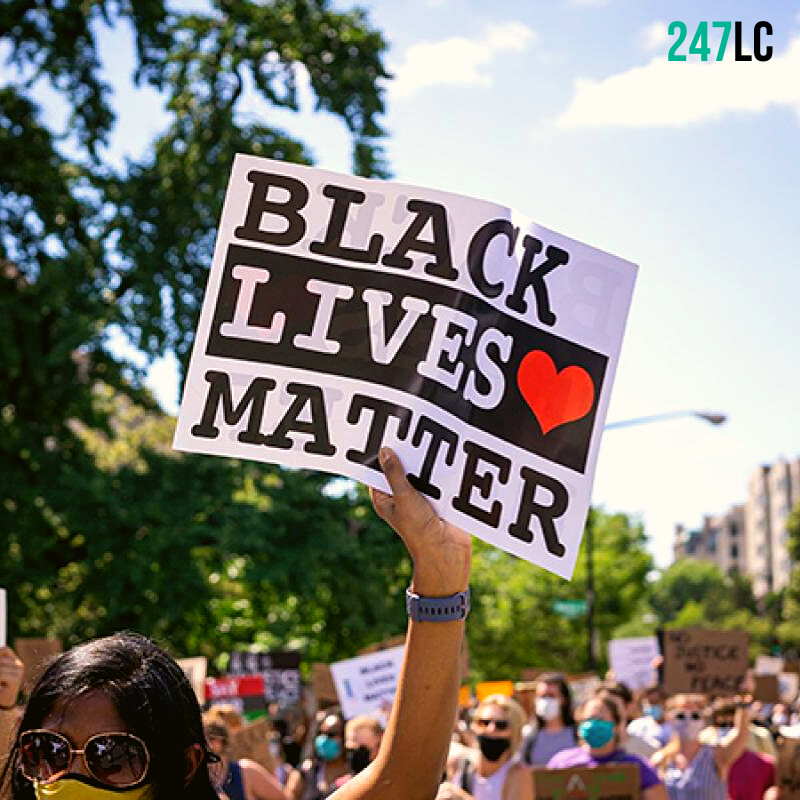
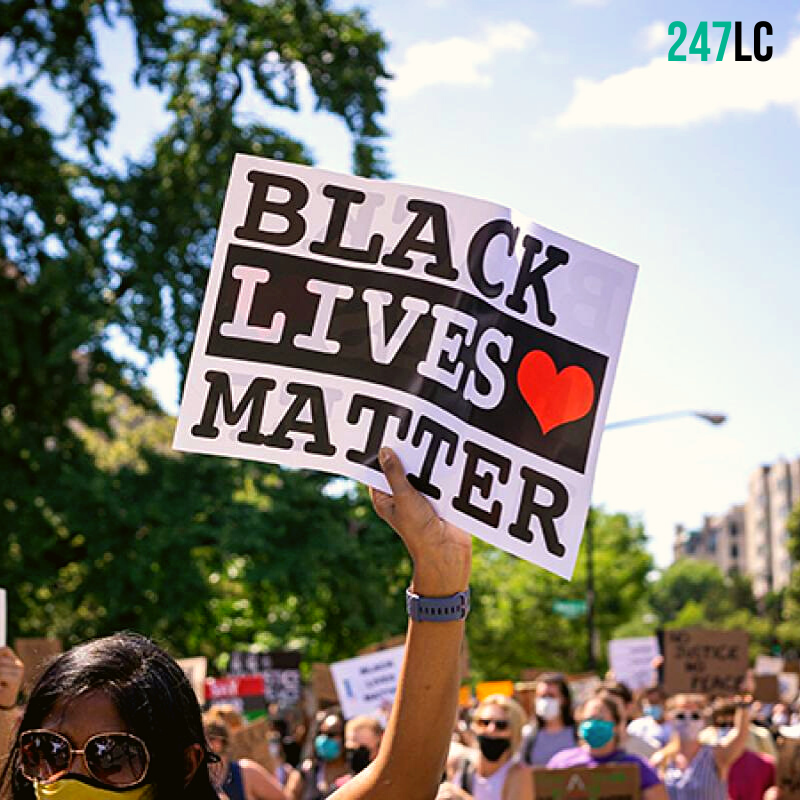
Black Lives Matter Is Raising Money But Where Is It Going?
Since 2013, “Black Lives Matter” has risen in popularity and has raised millions of dollars, but there has been a lot of criticism surrounding the BLM Network and where the money they are earning is going. We discuss it here!
By: Kwana Adams
Since its conception in 2013, Black Lives Matter has steadily risen to prominence. With the publicity, they’ve received a lot of money, and with that money came a lot of criticism. In 2020, the BLM Network foundation raised $90 million.
According to their impact report, they donated a quarter of it to BLM chapters and local organizations. There has been a lot of criticism surrounding the BLM Network and where the money they are earning is going. Samaria Rice, the mother of Tamir Rice, has accused BLM and activists of exploiting and profiting off her son’s death and other black people who were victims of police brutality.
She is joined by Lisa Simpson, Richard Risher’s mother, in slamming activists allegedly profiting off black death but not donating to the families affected. They are calling for the organization and other activists to step down and stop using their families’ names to gain recognition. They are also demanding some of the money that BLM has earned, claiming they never saw a penny of it.
Michael Brown Sr, whose son Michael Brown was shot by a police officer in 2014, is demanding $20 million of what BLM made. He received $500 from the BLM Network since 2014. Michael Brown’s case was a high-profile case in Ferguson, Missouri, after courts decided not to indict the police officer who shot him. The shooting itself caused months of protest in Ferguson,, and it was news all over the country.
Although Black Lives Matter was a response to what happened to Trayvon Martin, it was the Ferguson case that really brought it into the spotlight further. Michael Brown was only 18, and he was allegedly shot with his hands up, implying that he was surrendering while the officer was still shooting. This is still something that no one knows for sure is true, but the “Hands up, don’t shoot” slogan was birthed from it.
The biggest thing that upset me about this case and many others like it was that Michael Brown was unarmed, despite whether he actually had his hands up or not. The world began widely questioning why the police keep shooting unarmed black men with no repercussions.
Michael Brown Sr and other Ferguson activists believe that BLM should donate some of the funding they received to him and the community. They hope to use the money for their “Chosen for Change” foundation, the Mike Brown community center, grants for Ferguson protests and activists, and more, including an annual commemoration of Mike Brown Jr’s death. This is the first year that the network has been open about their finances and Patrisse Cullors, BLM co-founder, says they plan to reinvest the money into their organization and chapters.
There has been a lot of opinions from both sides on what BLM should do with the money. Some people believe they should be morally obligated to give more money to the families of the victims they gain prominence from. Others believe that they should be allowed to spend the money how they see fit. The whole platform and main purpose of Black Lives Matter is to “eradicate white supremacy, and build local power to intervene in violence inflicted on black communities by the state and vigilantes.” No one can deny the work they have done in spreading awareness and organizing protests to demand change. We also can’t deny that the only reason they are able to do this work is because of the families who have lost their loved ones due to a police killing that went unpunished.
They keep their names amplified so that no one forgets them. However, when it comes to assisting these families, I believe they can do better. I personally think they should leave some space in their budget to give to those asking. A lot of these families are tirelessly working in their own communities trying to gain justice and spark change. They are not just simply asking for handouts. Should the BLM Network give some of their money to the families who ask for it or should it be their choice to give and decide the amount they want to give?
YOU MAY ALSO BE INTERESTED IN:
SHARE TO SOCIAL MEDIA
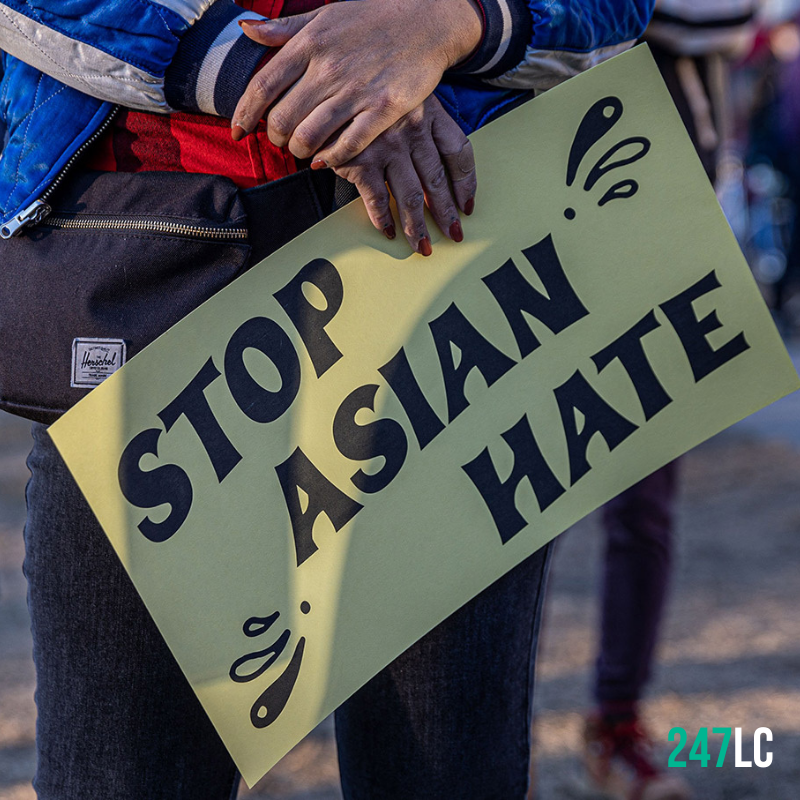
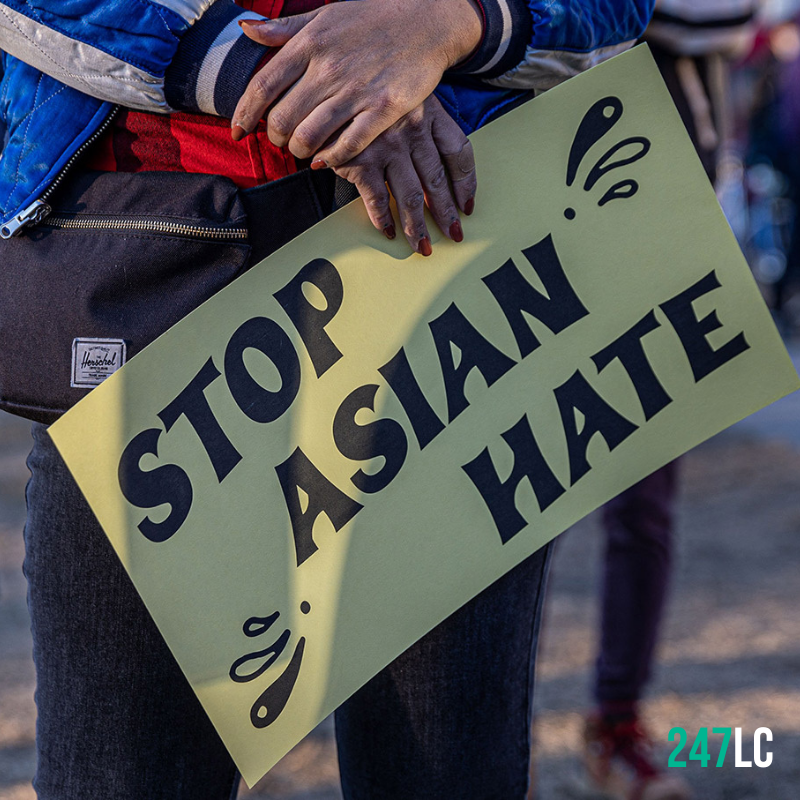
Stop Asian Hate: Support a Cause Without Degrading Another
With recent hate crimes against the Asian community rising, awareness on the situation is definitely needed. But why are Black people being used as a compare and contrast option to bring awareness to the Anti-Asian hate crime movement? We discuss it here!
By: Kwana Adams
There has been a lot of Anti-Asian hate crimes happening all over the world. It’s been a thing since the pandemic started over a year ago, but it has gotten significantly worse over the recent months.
Recently, there was a mass shooting in Georgia that took the life of six out of 8 women of Asian descent. Although the gunman himself claimed the crime was not racially motivated, it’s hard to believe, seeing as though all the victims were of Asian descent and mostly women.
Older people of Asian descent have been the biggest victims of Anti-Asian hate crimes lately too, and it’s hard to ignore or deny the fact that Asian people are being targeted. This is a topic that deserves a lot more attention than it’s getting and people are trying to raise awareness.
However, I’ve noticed something off about the way some people are bringing awareness to this issue…Why is it that people are degrading the Black Lives Matter movement to uplift the Anti-Asian hate crime movement? You know these two issues can co-exist right? And each movement is equally as important. There have been numerous Tik Toks and tweets saying things along the lines of, “Y’all were loud for BLM so why aren’t you being loud for this?” or when a black person commits a crime against an Asian person, here come the “But BLM right?” comments.
I want to see how passionately people (incl other POC) will stand up for Asians. Those of you who were so vocal w BLM, where are you on the 1900% increase in Asian-directed hate crimes? The violence that has taken many lives (yet we rarely see those stories covered in the media)
— Laura Huang (@LauraHuangLA) February 11, 2021
My question is, why does BLM need to be brought up at all? Why can’t one issue be brought up without trying to degrade another? If people did their research, they would know that the movement didn’t happen overnight.
Black Lives Matter was created in 2012 by three black queer women, Alicia Garza, Opal Tometi, and Patrisse Cullors. Regardless of what it’s become today, it originally began as a response to Trayvon Martin’s death and the injustice that followed it. It’s grown tremendously since 2012 and that is mostly due to the backlash that it’s received from people who don’t understand what it is.
It started off as a response to police brutality and how the police treat our black bodies. From there, it just grew and grew. Black people have been abused and ignored for so long, that no one could have anticipated this growing as big as it did. Making comments like “But BLM right,” is just anti-black and has no place in these conversations.
Right girlie. pic.twitter.com/oY28QvrR7F
— Johnny (@garontherun) March 18, 2021
The point I’m trying to make is, it can take time for people to catch wind of important issues. It has nothing to do with people thinking one issue is more important than other. You don’t need to degrade and disrespect one movement to uplift another. And if you’re only bringing up the Anti-Asian hate crime movement, only to bring down the BLM movement, do you even care about that movement, or are you just trying to spew hate?
The other reason the BLM movement was so popular was because black people not only created it, but they refused to let it die. Every single time an injustice was done to a black person, the community rose up. They were in the streets protesting, they were boycotting, they were on social media spreading awareness. All of that contributed to the popularity of BLM.
Creating a movement and making so much noise that people can’t even pretend not to hear you, is why BLM is not going anywhere. Michael Brown, Sandra Bland, Tamir Rice, George Floyd, Breonna Taylor… and hundreds more names. There’s a pattern here. There’s a reason we all know their names and it’s because we made sure no one would forget them.
Activists for the Black Lives Matter movement have been jailed, gone missing, or been killed for this movement. It’s so much bigger than people think it is. So when people try to downgrade it, they’re not only disrespecting the movement, but they’re also disrespecting the people who lost their lives behind it. A lot of pain, injustice, and loss went into making BLM as big as it is.
This may be a hard pill to swallow but the black community is not in charge of making all issues go viral. Stop trying to guilt people into joining a movement when you could be sharing information and raising awareness instead. Black Lives Matter or BLM is not some punchline or retort you can use when there is an issue that’s not getting enough media attention. The Anti-Asian hate crime movement deserves a lot more than that. It is an important issue that deserves a platform that’s not tied to someone else’s movement. Talk about it more.
Let people in your communities know about the hate crimes against the Asian population that’s been happening. Speak to your elected officials. Go out into the streets and protest to get their attention and the attention of the media. Most importantly, make your own movements.
“Y’all were loud for BLM, but quiet for this,” is not the way to get people involved. Please do better.
YOU MAY ALSO BE INTERESTED IN:
SHARE TO SOCIAL MEDIA
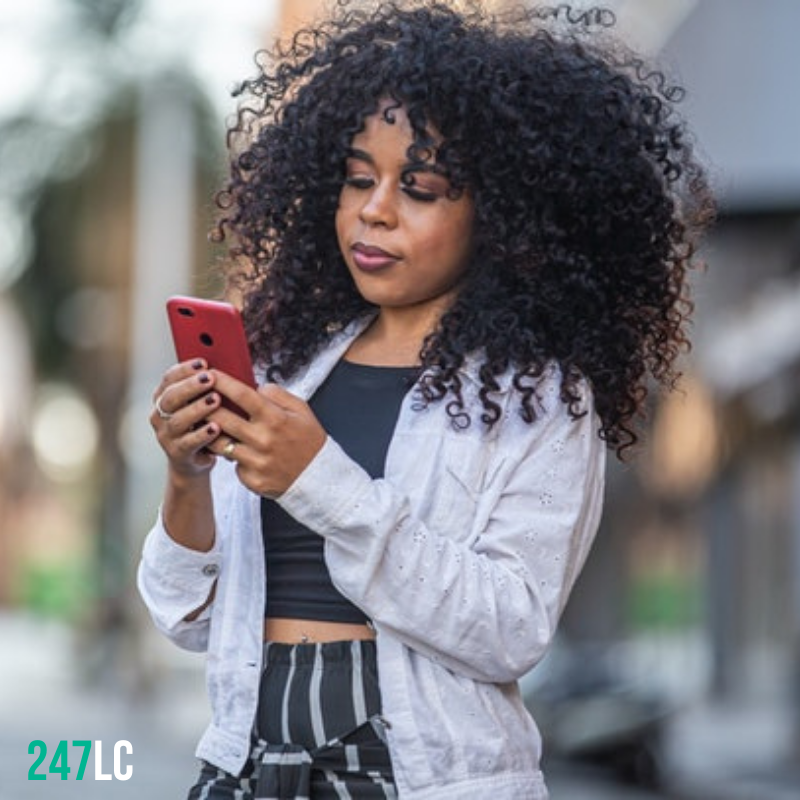
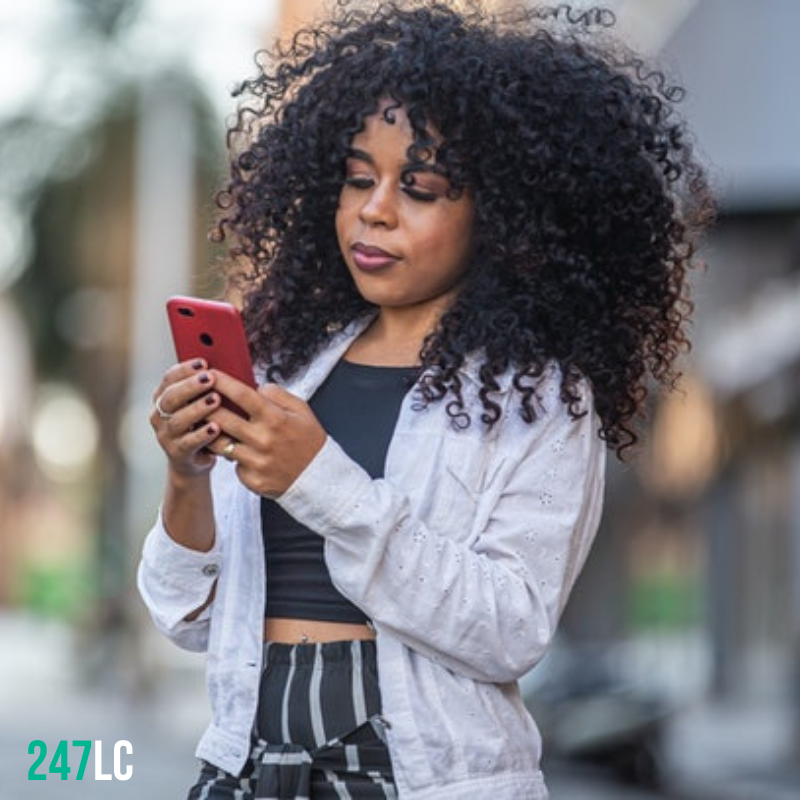
Disrespecting Black Women Is An Easy Way To Gain Social Media Clout
Disrespecting Black Women has become an easy way to gain social media clout, specifically through tik tok! We discuss it here!
Disrespecting Black Women Is An Easy Way To Gain Social Media Clout
By: Kwana Adams
Have you been having trouble promoting yourself and your work on social media? Are you just not getting the clout that you feel you deserve? It’s difficult making yourself known when so many others are trying to do the same thing but there is a way to get around that. There’s a great way to boost your online presence and make you an overnight sensation!
If you want to gain clout quickly without ANY effort and hard work, just start talking shit about black women unprovoked! This method has been proven time and time again to be effective. Let’s take that recent video for example. You know the one I’m talking about so I don’t even need to link it here. A man with an unwashed ass and an opinion nobody asked for decided to make a Tik Tok where he claimed he’d rather go blind than date a black woman.
Black women really just be minding our business and here comes this.... pic.twitter.com/HvQmGsZHLC
— NaijaBabe🇳🇬 (@eberelovesyou) March 11, 2021
Of course, the video spread rapidly. Most videos of that nature usually do. Not only did this man have the absolute nerve to use a song sung by two talented, successful and beautiful black women to disrespect black women, he then created another video where he tried to explain the original. In this video, that again, NOBODY asked for, he claims that he wasn’t hating but he’d rather go blind than marry one of “your kind.” As he says this, he also acts out “vomiting” and whispers “disgust me”. What’s crazy is, he is one of “our kind.” No sir, YOU disgust ME.
This brings me to my next tip on how to gain internet clout. If you are a black man, or a man of color, who is trying to gain internet clout, this method is definitely for you. Self hating black men and anti-black men are the most successful in gaining clout when they shit on black women. Make sure your opinion was unprovoked, and don’t forget to profess your love for “snow bunnies” and “spicy latinas” because we all know you can’t have a preference if you don’t talk about how much you hate Black women first!
Now, I’ve personally seen ‘that’ video on my Twitter timeline multiple times in just a day so I imagine the Cinnamon stick from the Apple Jacks commercial must be seeing all of the comments, RTs and quote replies. Checking the comments, I discovered that this man is a tattoo artist and a musician. Suddenly, it all makes sense… This is probably what he wanted all along.
He made sure to record himself lying next to a white woman to really get the people talking. I’ve scrolled past this video and responses to it multiple times in less than an hour, so I’d say he executed the method very successfully. The fact that I’m even writing this article proves this as well!
In all seriousness, stop using black women to gain clout. It’s old, it’s tired, and quite frankly, it’s very lazy. Black women are constantly just minding their business and having to be reminded that men, especially black men, are looking down on them. The same things that other races of women get praised for, black women get abused for.
You can have your preference without bringing up black women. It’s really that simple. The 15 minutes of fame you’re getting are not worth disrespecting a group of people who didn’t do a damn thing to you. Let us exist in peace and keep us out of your mouth.
YOU MAY ALSO BE INTERESTED IN:
SHARE TO SOCIAL MEDIA
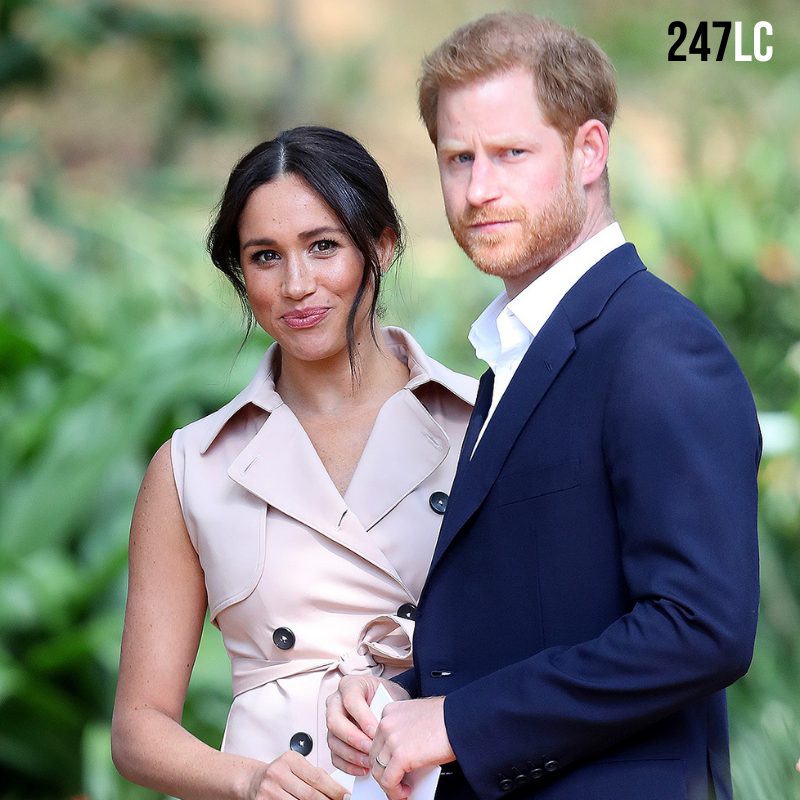
Meghan Markle Is An Example Of Skin Color Remaining An Issue In Society
Despite Meghan Markle being fair-skinned and biracial, the issue of skin color still remains after marrying into the Royal family. We discuss it here!
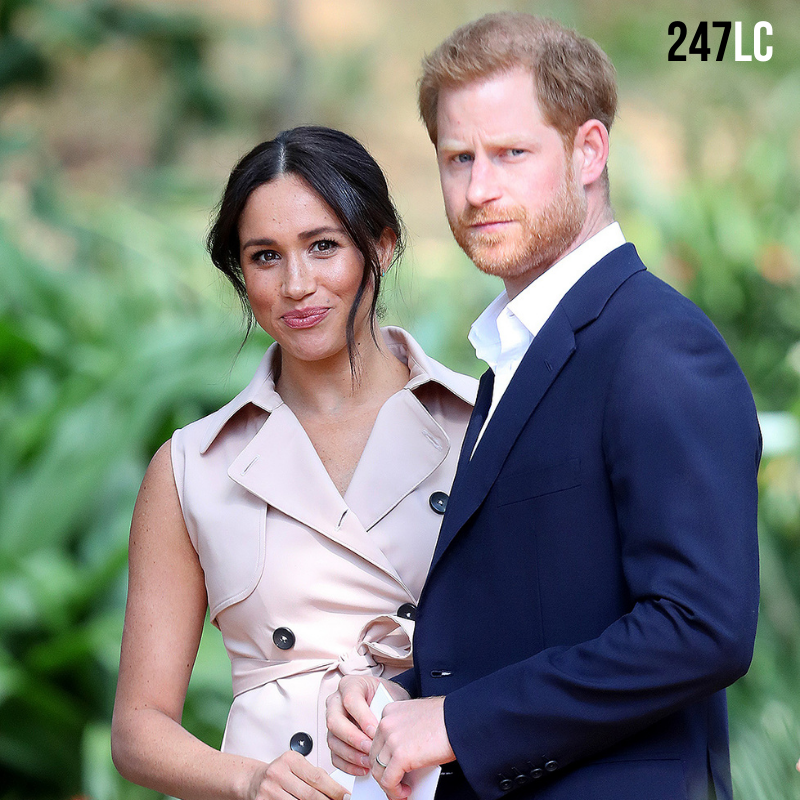
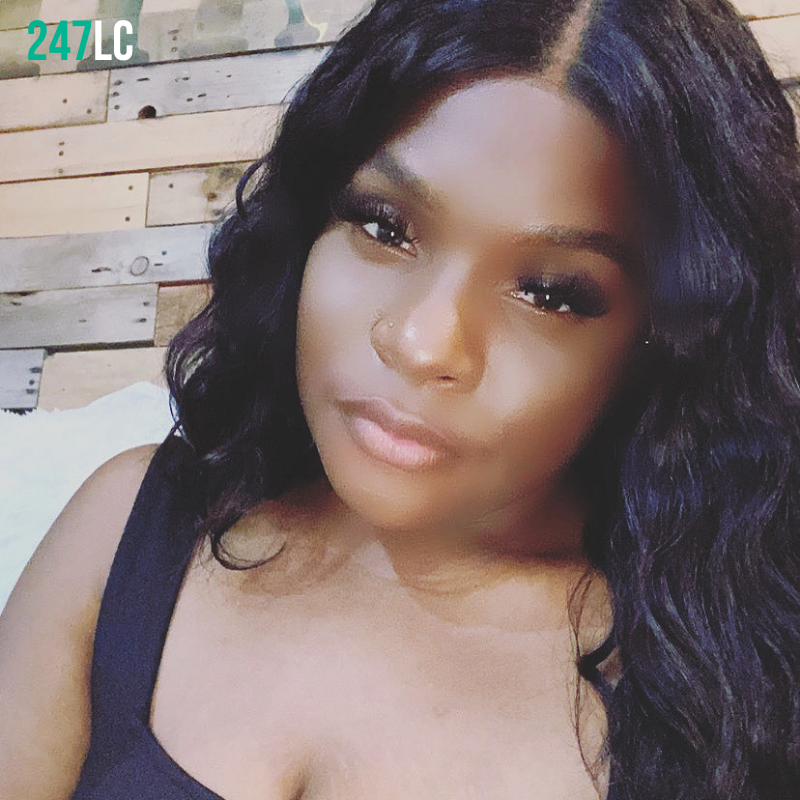
Meghan Markle and Prince Harry | CREDIT: CHRIS JACKSON/GETTY
By: Alexis Oatman
The former Duchess of Sussex, Megan Markle, and her husband Prince Harry recently sat down in an explosive interview with Oprah on CBS Sunday night accusing the royal family of not only racism, even going as far as asking about their son Archie’s skin tone, and ignoring calls for help from the constant barrage of negative and albeit racist media coverage.
Meghan Markle Is An Example Of Skin Color Remaining An Issue In Society
Still, Meghan as a fair-skinned, almost white-passing biracial woman, in today’s American culture due in part to cultural beauty standards, would more be more exotified.
Lighter-skinned biracial people have quite a bit of a representation in media and entertainment. I mean, there is an entire show dedicated to the plight of them called Mixed-ish.
Markle has been able to play a race chameleon somewhat, and it worked so far in the US, but once she got to the UK, things were very different. I don’t consider Meghan as Black; she is mixed and has not even outrightly claimed the title herself, and yet she admits she still experienced harsher treatment in the media still due in part to her race.
Let’s be clear, while colorism is what allowed Meghan to marry into the Royal Family, anti-blackness is what forced her out of it.
Among the many revelations revealed throughout the one-hour and 30-minute interview, the couple claims a royal family member asked how dark their son, Archie, would be.
So, yes, she was light enough for him to marry, but her being of mixed-race struck fear into the heart of the monarchy to have their future “superior” bloodline disrupted. This is what it means to benefit from colorism and suffer because of racism.
Unfortunately, to them, it doesn’t matter how fair-skinned you are, how much you straighten your hair either, or even if you have an entire white parent. For them, it is any connection to blackness—features, hair, color, etc.
While her proximity to whiteness with complexion got her in the door, it was still ultimately not enough. She was never entirely accepted by the Royals.
The endless and overtly hostile references to her race, the pathologizing of her move, and tiresome comparison to Kate. Meghan’s mother, a Black woman, adorned her beautiful locs and warm brown skin at their wedding. I wonder was it at that moment when they feared the worst.
But are we surprised?
The British monarchy has built its wealth off white supremacy, classism, elitism, oppression, and slavery.
The major emphasis on her heritage by national media coverage meant that her humanity was now diminished to the point she was treated in the same capacity as a full Black woman. Her light skin/ proximity to whiteness privilege had been revoked by the UK.
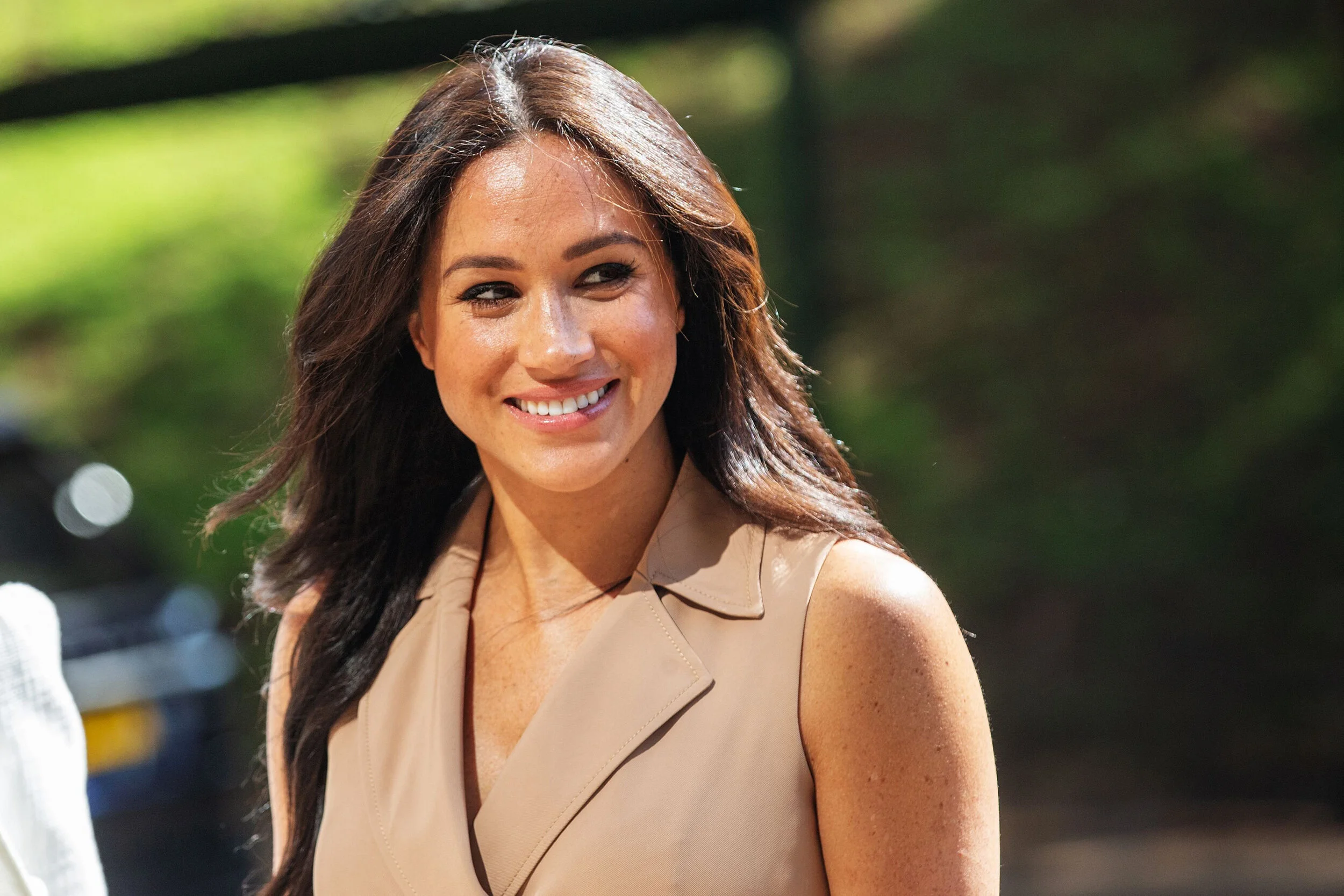
I’m personally happy she and her husband decided to give up their titles and did what was best for them.
In a clip from the Oprah interview, Prince Harry admitted that he “feared history repeating itself.” After all, if his family didn’t protect his mother Diana, why would they protect a Meghan, a woman of color? I don’t know why we expected any different.
YOU MAY ALSO BE INTERESTED IN:
SHARE TO SOCIAL MEDIA
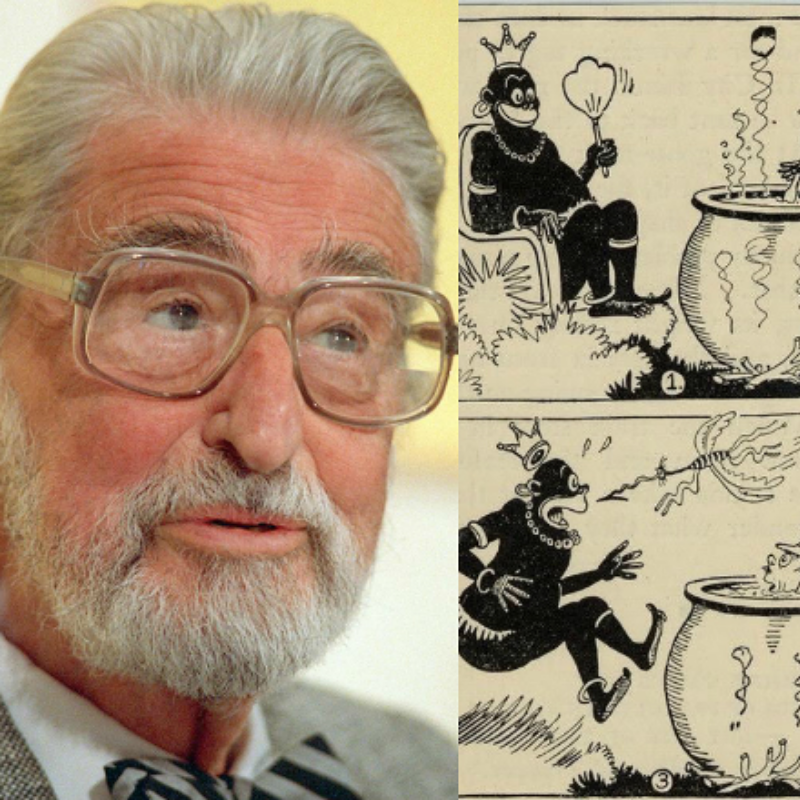
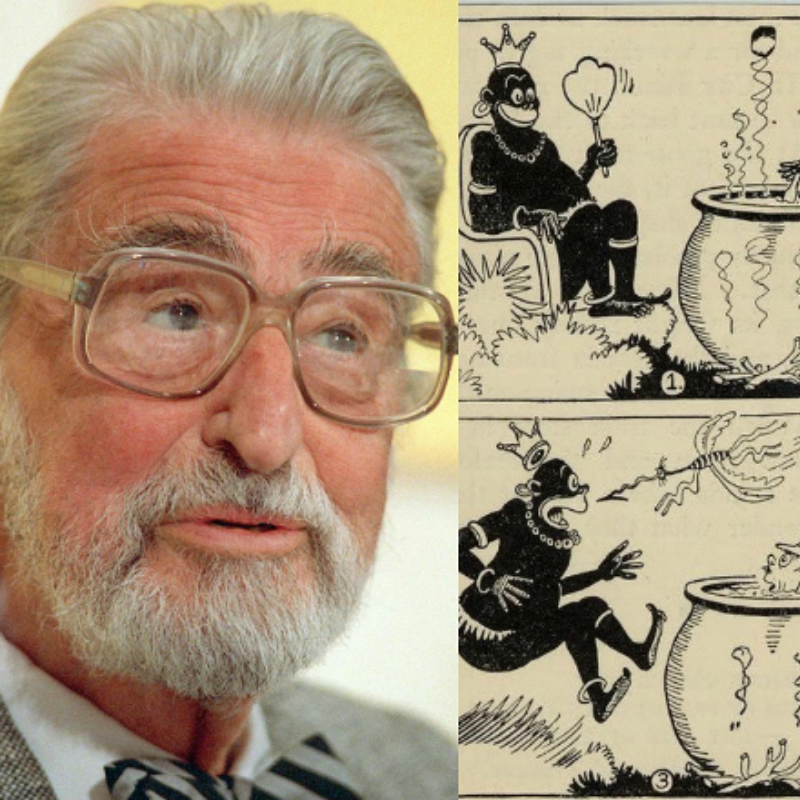
Dr. Seuss Books Are Being Pulled Due To A History Of Racist Illustrations
After a long history of making racist references to African culture and Asian stereotypes, Dr. Seuss Enterprises has halted the circulation of six of their books. We discuss it here!
By: Emily-Ann
It looks like Dr. Seuss is following suit with Quaker Oats and has halted the circulation of six of their books. The books make references to African culture and Asian stereotypes.
The following books have been pulled out of circulation due to harmful imagery and illustrations in the books. This comes after the call for companies, organizations, and across the board to review how they do business and the people they hurt to make a profit. Dr. Seuss Enterprises has issued a statement that can be found on their website.
Dr. Seuss wore blackface, acted in his own minstrel shows, and drew racist cartoons. They make sure we read his books in school though. pic.twitter.com/u8PZZQouqZ
— 247 Live Culture (@247LC) February 16, 2021
“We are committed to action. To that end, Dr. Seuss Enterprises, working with a panel of experts, including educators, reviewed our catalog of titles and made the decision last year to cease publication and licensing of the following titles: And to Think That I Saw It on Mulberry Street, If I Ran the Zoo, McElligot’s Pool, On Beyond Zebra!, Scrambled Eggs Super!, and The Cat’s Quizzer. These books portray people in ways that are hurtful and wrong.
Ceasing sales of these books is only part of our commitment and our broader plan to ensure Dr. Seuss Enterprises’s catalogue represents and supports all communities and families.”
This statement was issued on the birthday of Dr. Seuss and has made nationwide news and has got many people talking. It looks like this company’s values and concerns have shifted. Whether it is a genuine or a business move one thing is for sure, companies alike are changing the way do they business. I have heard websites like eBay, listing these books as $4,000 where they used to be $14.99 each. The exclusive copies of his work have increased sales and sale prices.
Why are people still purchasing these books? I am sure we’ve had these books read to us as small children. Why would you want to hang on to a past? Hopefully, our fight for progress will continue to inspire change. This is just a constant reminder that this society still has work to do. Our voices are stronger and louder together!
YOU MAY ALSO BE INTERESTED IN:
SHARE TO SOCIAL MEDIA
Women's History Month: 11 Prominent Black Women Making An Impact
Women’s History Month is essential in honoring women who inspire us! Here are 11 prominent Black Women who are making a major impact!
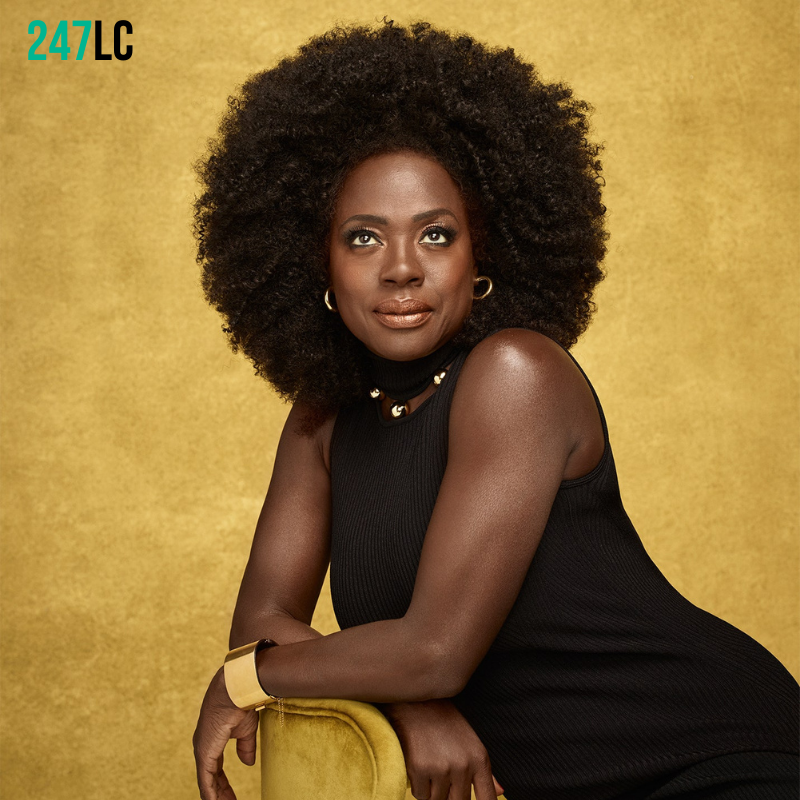
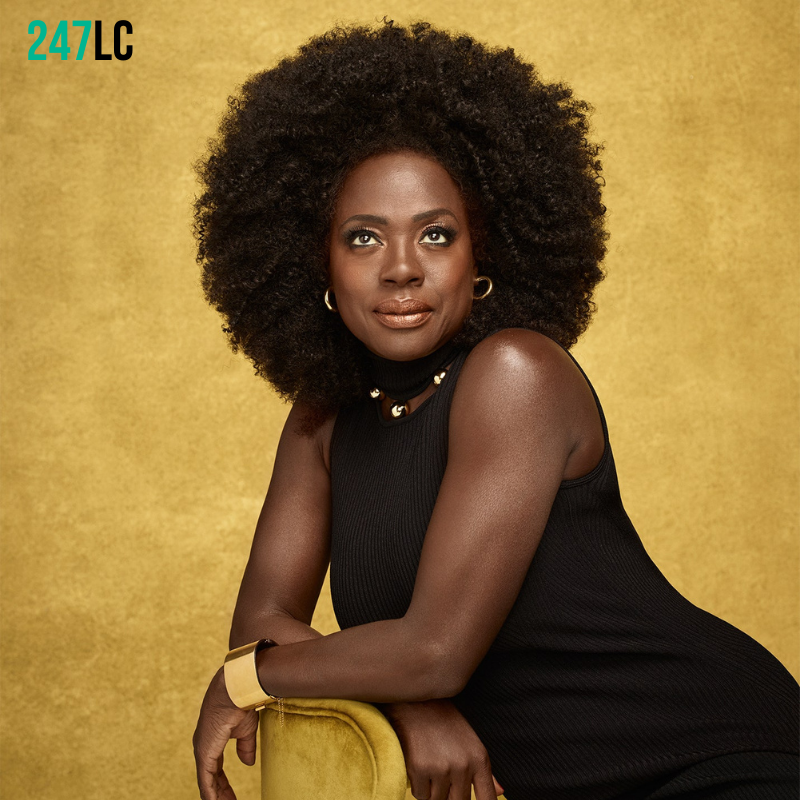
Viola Davis - PHOTOGRAPH BY DARIO CALMESE
By: Kwana Adams
It’s a little comforting to know that right after Black History Month is Women’s History Month. As a black woman, both months are essential to me because they represent two pieces of my identity. They are the first things people will notice about me when they see me.
Being black and a woman means that I have to work so much harder to prove myself in a white and male-centered world. Tv shows and movies where black women are powerful, strong, and ruthless are some of my favorites, but I also love when black women can be soft and vulnerable.
Many of my favorite black women are actresses and writers because that’s what I aspire to be, but there are artists that I love because their music just speaks to me on a deep level. Here is a list of some of my favorite black women and women who inspire me.
Viola Davis
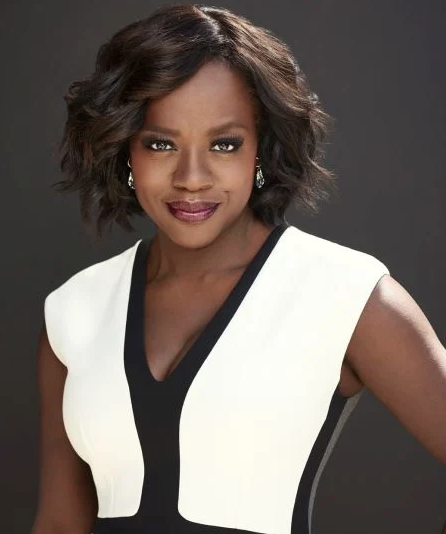
Viola Davis
As a fellow Rhode Island native, Viola is proof that I can also make it out of a state that some people mistake as part of New York. (Rhode Island is a state, guys!) As an aspiring actress, Viola is someone I look up to immensely. Before Covid, when I was able to walk the Rhode Island College campus, I would see her pictures on the walls and hope that it could be me someday.
Taraji P. Henson
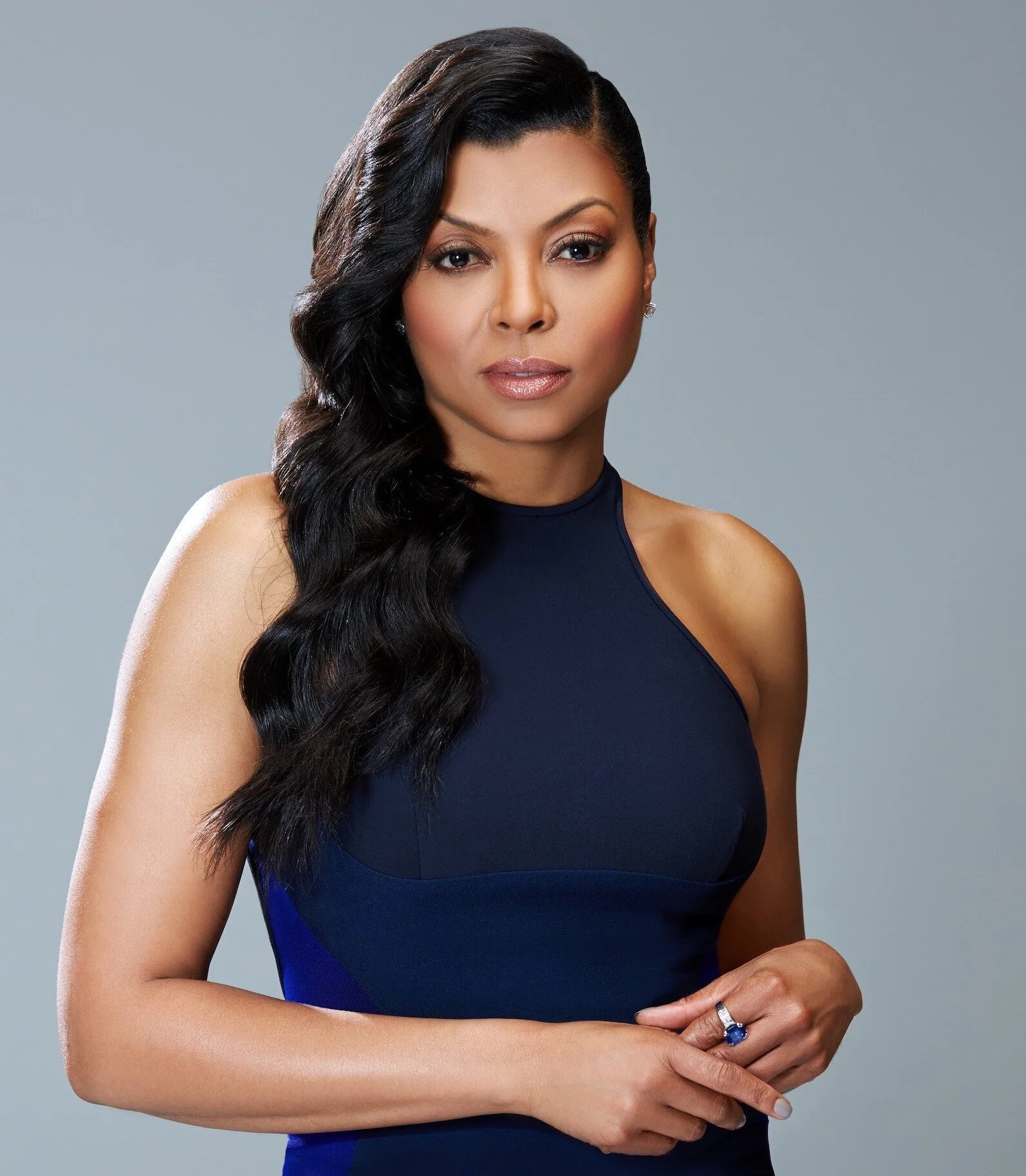
Taraji P. Henson (Photo credit: Erik Umphery)
The first movie that I saw Taraji P Henson in was Tyler Perry’s ‘I Can Do Bad All By Myself.’ Her performance in that film shook me to my very core. The most memorable scenes are when she is crying about her mother passing away on a bus. I felt like I could feel the pain she felt, knowing that no one was there for her mom in her final moments.
The other powerful moment in that movie for me was after finding out that her man had tried to take advantage of her niece; she runs him a bath and almost electrocutes him. This scene gets to me because, at first, it looks as though she doesn’t believe her niece, but having gone through something similar at a young age, she was able to recognize who this man really was. Every movie I’ve seen Taraji in, she delivers 100%, and I love that about her.
Kerry Washington
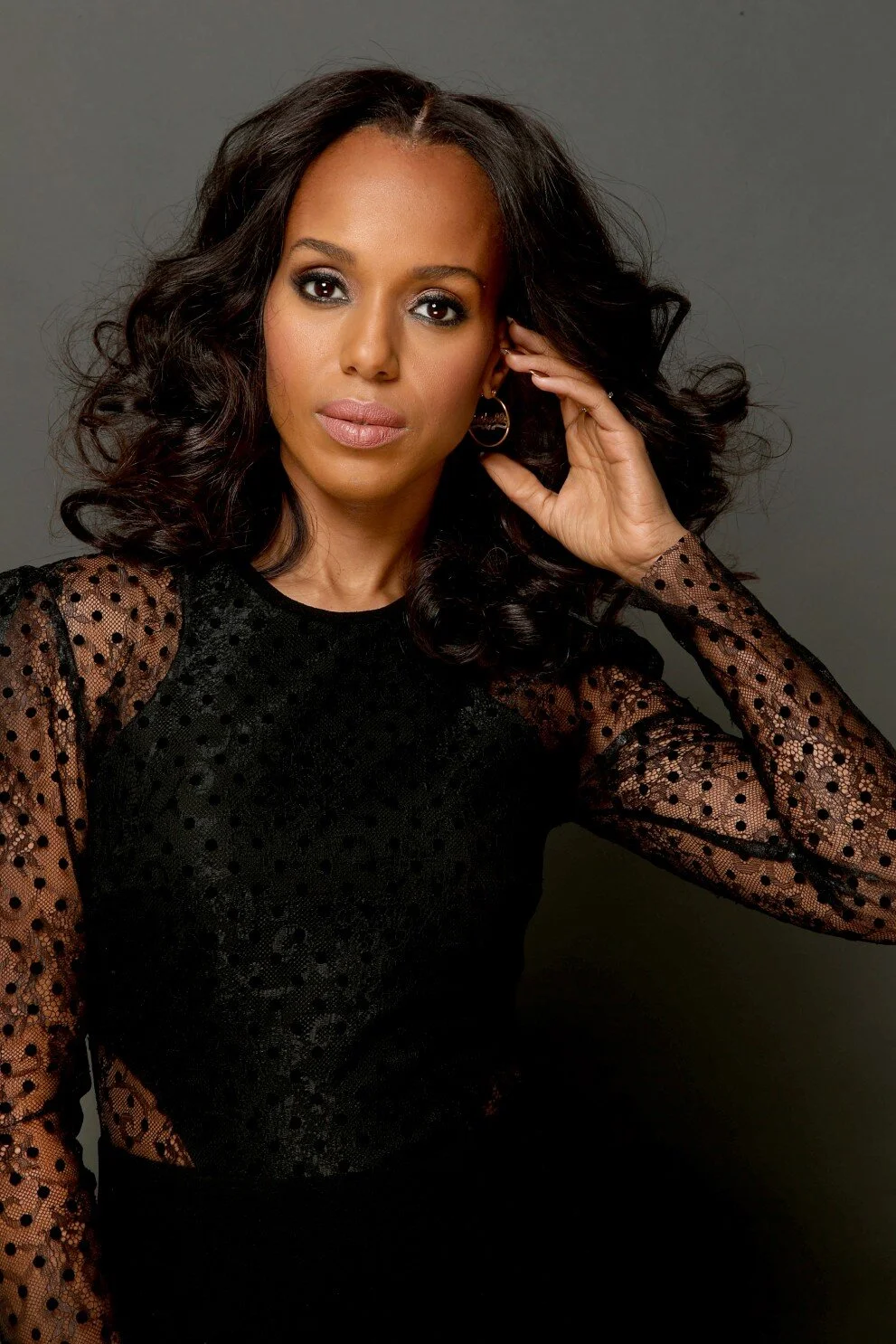
Kerry Washington - (Kirk McKoy/Los Angeles Times)
I’m just going to say it: No one, and I mean NO ONE could ever be Olivia Pope better than Kerry Washington. She played Olivia so well that she made me wish I was a lawyer and a gladiator in a suit. I was hooked on Scandal the second I began watching. Olivia was so powerful and had everything handled with nary a hair out of place. I even did an Olivia Pope monologue for an acting course, and I could swear I felt her power with every word I spoke.
Gabrielle Union
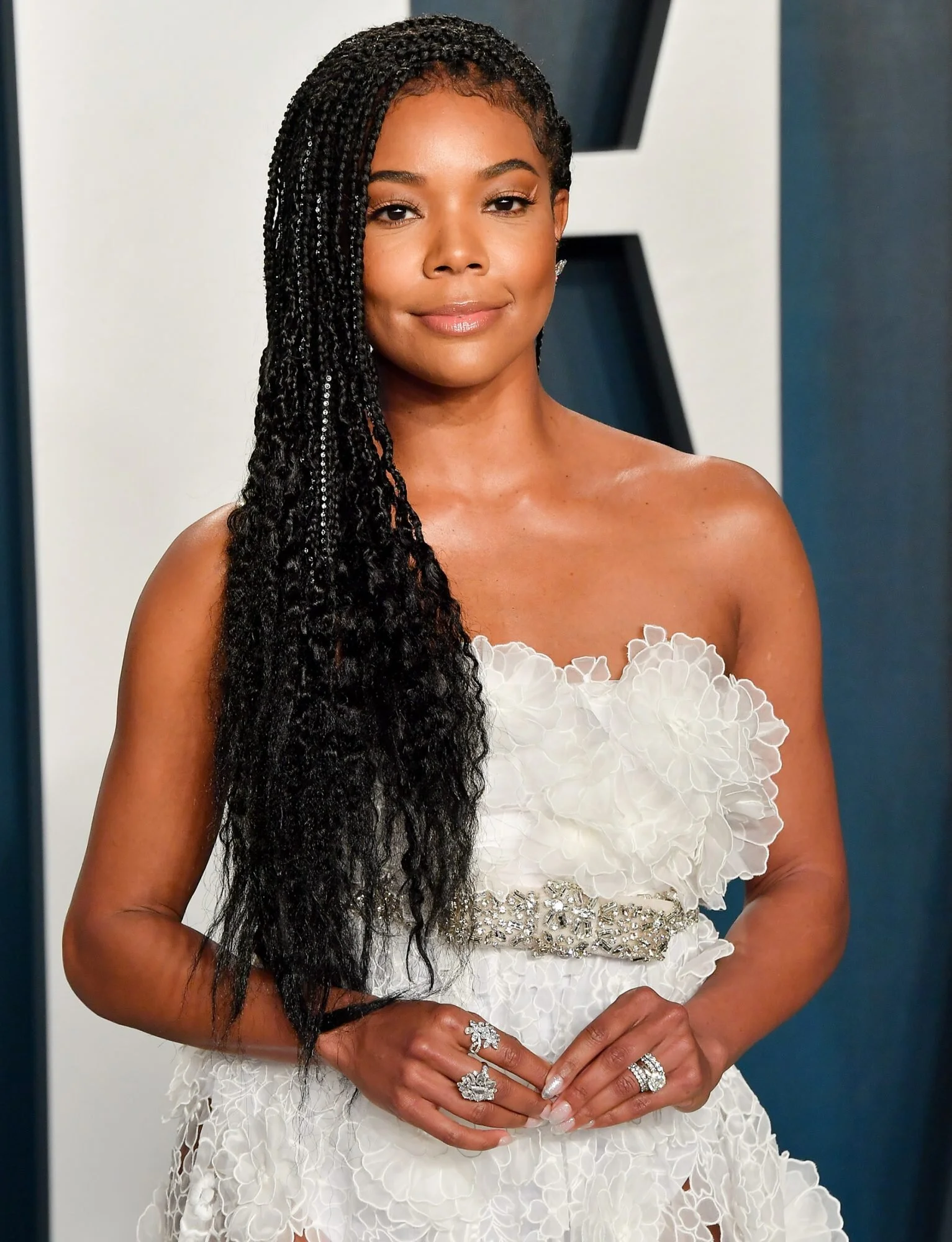
Gabrielle Union - CREDIT: ALLEN BEREZOVSKY/GETTY
Gabrielle has been one of my favorite actresses since I was a little girl. Being Mary Jane was the best thing BET has ever done, and it’s a shame they didn’t keep it on the air long before canceling it. Despite the tired trope that black women can’t have a successful career and a happy relationship simultaneously, Being Mary Jane was a fantastic show. No one could have played Mary Jane better than Gabrielle.
Regina Hall
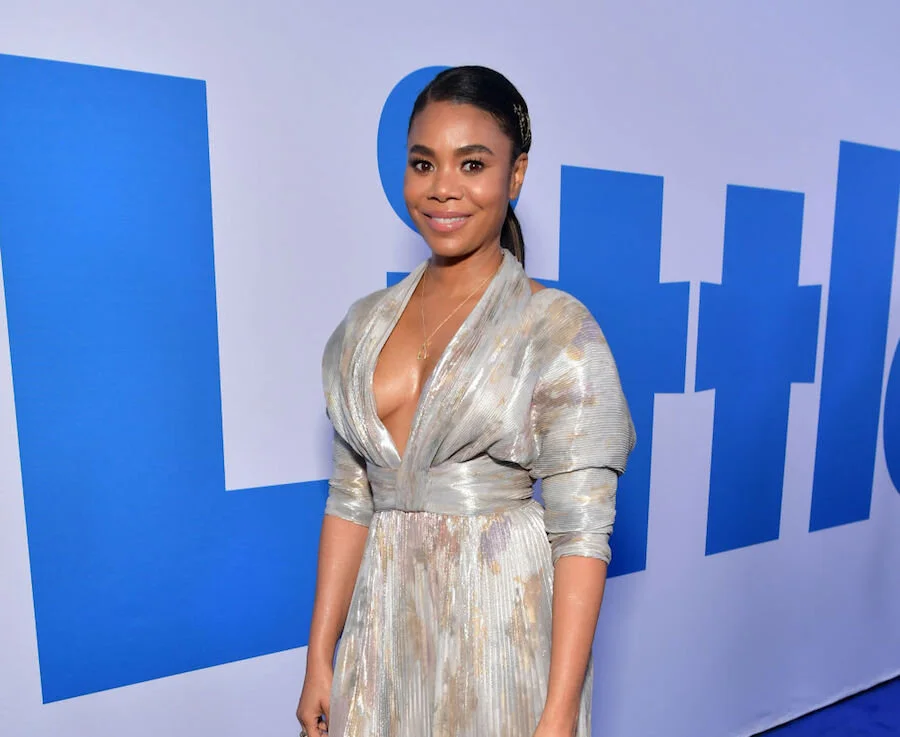
Regina Hall - CREDIT: EMMA MCINTYRE/GETTY IMAGES
Girls Trip and Little are two of my favorite Regina Hall films. I remember waiting months for Little to premiere in theaters and then excitedly watching it when it finally did. I enjoy Regina on and off the screen. She’s hilarious, and I just know she lights up any room she walks in.
Regina King

Regina King - FREDERIC J. BROWN - GETTY IMAGES
We all know and love her for the ‘pour baby oil on the bathroom floor and beat your man with a belt’ trick, but my favorite performances of hers are Poetic Justice and Miss Congeniality 2: Armed and Fabulous. Her rap sheet is extensive, not just as an actress but as a director and voice actress. She’s incredibly talented, and she deserves her flowers.
SZA

SZA
CTRL came out in 2017, but I still listen to it endlessly to this day. It is one of the only albums that I can listen to nonstop for hours and study to. This album got me through a lot when it first came out. I do love the recent music that she has been dropping, but nothing will top CTRL in my eyes.
Maya Angelou

Maya Angelou
I wrote a separate article about Maya, but this list wouldn’t be complete without mentioning her. She’s my favorite writer and poet, and I wish I could have met her before she passed away; what I wouldn’t give to have had just one conversation with her.
Angela Davis
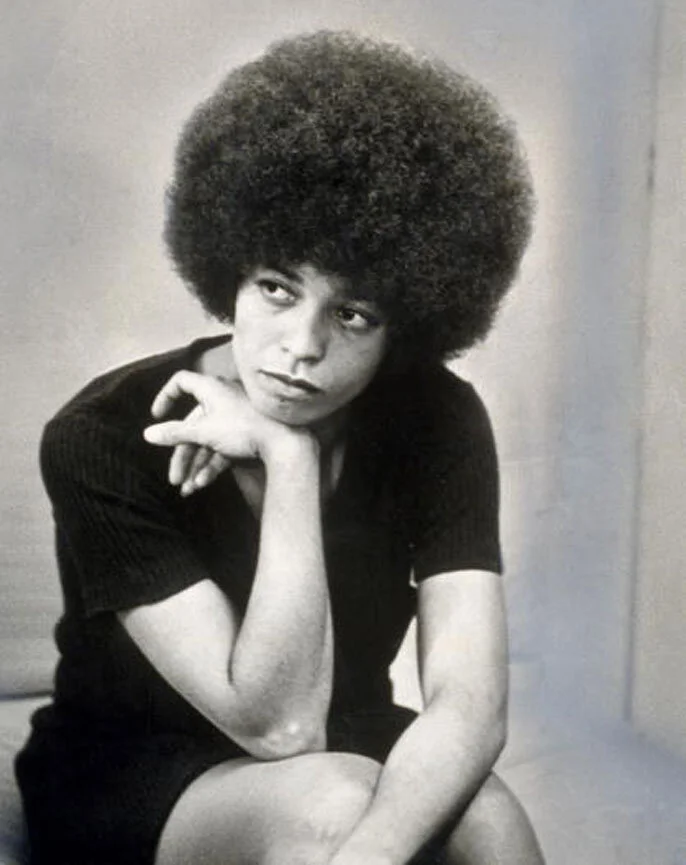
Angela Davis
Angela Davis also got her own article, but it wouldn’t be right not to mention her here either. She is the most important black rights activist I’ve ever learned about. She has and still, to this day, makes it her mission to uplift and fight for black people. Black women tend to be overlooked in history, so I make sure to mention her as much as possible.
Rico Nasty
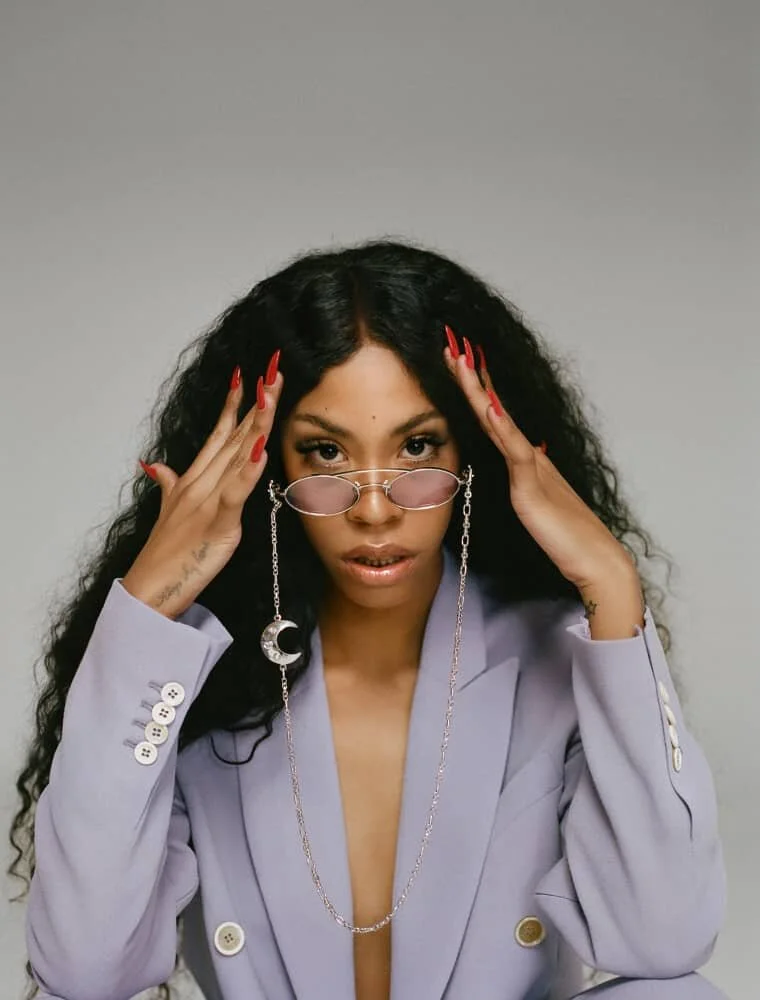
Rico Nasty
I discovered Rico Nasty while watching my favorite show, Insecure. After that, I checked out more of her music, and the rest is history. I love the diversity and aggression in her music. I love her style of dress and the way she moves through the world so carefree.
Issa Rae
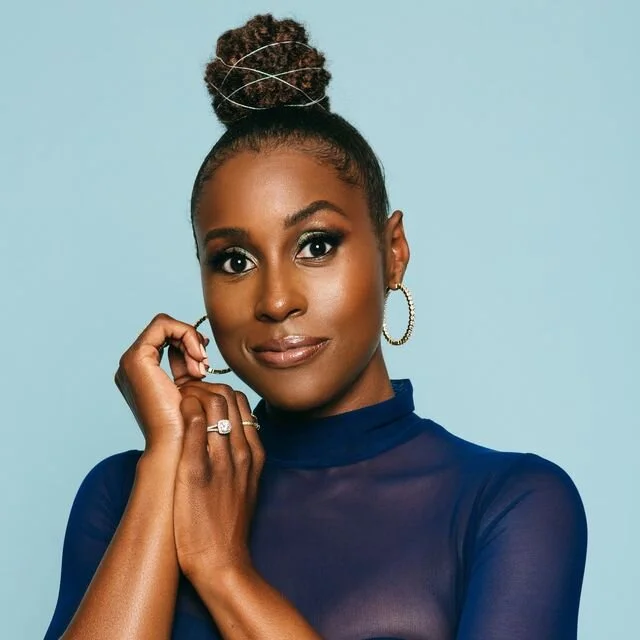
Issa Rae - Credit: JABARI JACOBS
Insecure was my first introduction to Issa Rae, and I was hooked immediately. After A Different World was removed from Netflix and many other majority-black shows were canceled or removed, it was hard for me to find something to watch that I could somewhat relate to. Insecure is funny but also touches on important issues. Issa Rae is a comedic genius, and I aspire to develop something that gets people talking as much as Insecure does.
YOU MAY ALSO BE INTERESTED IN:
SHARE TO SOCIAL MEDIA
Workplace Discrimination Based On Your Name: So-Called 'Hood' Names
Discrimination in the workplace should be a thing of the past and your name should not be an issue when applying to a new job! You shouldn’t have to change your name to get your foot in the door. We discuss it here!
By: Kwana Adams
Every time I think we black people are making progress as a unit, something always pops up to disappoint me. There’s always an argument or hot topic going through Black Twitter that just makes me screw my face up. Usually, it’s harmless yet ridiculous things like, “who gets their plate first? The kids or the husband?” or “Should your man pay for your friend’s dinner?” Why are we even discussing this, and why can we never agree?
This time I’m referring to a Tik Tok I saw where a black woman in HR admitted that HR professionals, including herself, judge us based on our ‘hood’ sounding names, and some will even throw our applications out. Reading this as someone with a ‘hood’ name, I was disappointed and angry as hell.
The Tik Tok is captioned “tips from the HR department’ so I know her heart was in the right place but, no. Nope. No, thank you. Get this sh*t out of my face. Respectfully. This is not right. I’m not down with this, and imma tell you why.
Before I rip this thinking to pieces, here is the tweet that features the Tik Tok in question for you to listen for yourself before you continue:
What do you think about this? 🤨 🤨 pic.twitter.com/EOZybmyLpk
— Revamped | Career Strategist (@RevampedCP) February 20, 2021
There are a few things I found uncomfortable with this video. First of all, why are you judging us? Ain’t you black too? Shouldn’t you be holding the door open for us instead of holding us back? In the video, she goes on to say, “let your experience speak for you.” How, when our applications aren’t even being looked at sometimes? You saw that someone’s name was Shaniqua or Tyshaun, and you tossed their application aside based on some bias that tells you all you need to know about them, apparently.
We already face discrimination from white-owned companies based on our names. Why would you, as a black person, further pile onto that? You found yourself in a position to change this, but you made it worse, and on top of that, you’re offering us advice like this? We already have to work twice as hard. This is not what we need to be hearing and internalizing. You’re part of the problem, ma’am. You’re not remedying it like you think you are.
The other thing that made me screw my face up was the comments under the tweet where black people are saying things like, “this is why black people can’t have shit” or “this is why black people can’t get ahead” in response to people (rightfully) calling out the BS in this video. No, that’s not why black people can’t have shit or can’t get ahead. The reason ‘black people can’t have shit’ is because instead of paving the way for more black people to follow in your footsteps, you’re making videos like this, making people feel ashamed and embarrassed of their names.
I’m not sure why anyone would think this was good advice, but they do, and that’s none of my business. However, it is my business when you’re trying to talk down on other black people because they disagree with something. Queen Latifah said U.N.I.T.Y, and we need to really listen and come together because it’s upsetting how we tear each other down.
Some of our names are cultural or derived from a cultural name, but you’re too busy judging them to figure out where they came from. I wish respectability politics would release its hold on the black community. I don’t know who needs to hear this, but we don’t need a seat at any table that we have to change ourselves for.
At the end of the video, she advises us to use our initials or middle names on applications to get our foot in the door. Remember up above where I said her heart was in the right place? I know she thinks she’s giving us good advice, but I’m gonna have to pass on it. Stop telling us to change our names and tell us how to spruce up our resumes. Tell us how to ace an interview with flying colors.
We need discrimination in the workplace to be a thing of the past, and it starts with people like this woman who are already at the table. Instead of looking at our ‘hood’ names and judging us, how about looking at our experience and cover letter? We shouldn’t have to change our names to get our foot in the door. If that’s what it takes, then we don’t need to work there. My name is Kwana- Shikwana, to be exact. No, I’m not using my initials or my less ‘hood’ middle name. No, you can’t use any nicknames you made up to address me. Learn to pronounce my name, call me what I want to be called, or don’t address me at all. I’m not changing a damn thing about myself for you to accept me. Instead of wasting your energy encouraging us to change our names, channel that energy into calling out the people and the system that discriminates against us. Please.
YOU MAY ALSO BE INTERESTED IN:
SHARE TO SOCIAL MEDIA
Aunt Jemima: Rebranding A Brand Built On Racial Stereotypes
“Aunt Jemima” has been a controversial figure for well over 100 years with the brand being built on racial stereotypes dating back to the Jim Crow era. We discuss its origins and the recent name change and rebrand to the “Pearl Milling Company”.
By: Emily-Ann
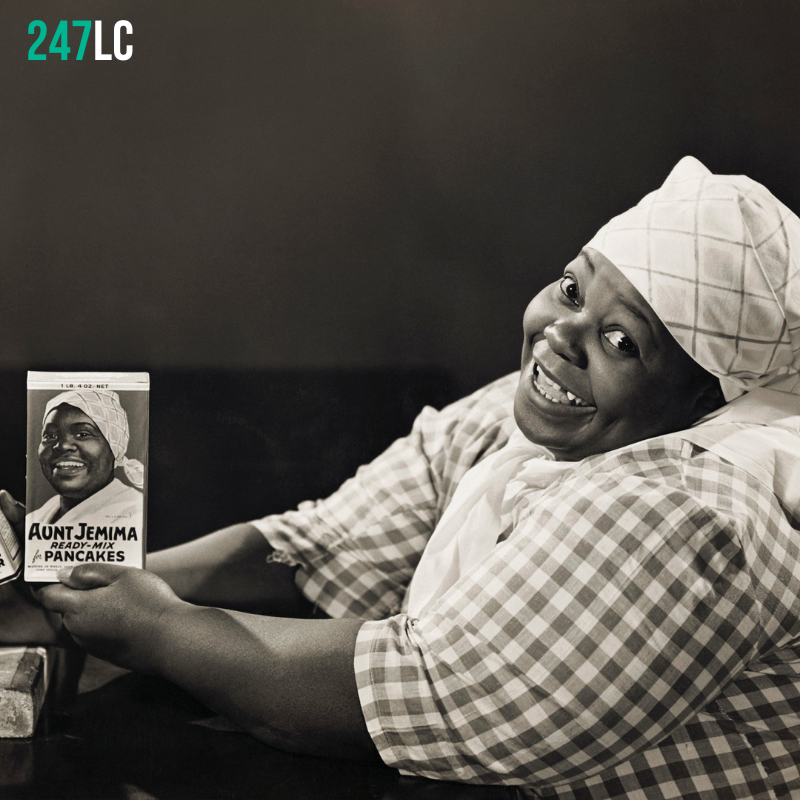
In the spirit of Black History Month celebration, let’s talk about the Quaker Oats rebranding campaign with the Aunt Jemima line. I am so happy they removed the image. As a young child I remember watching A Different World tv show, Whitley brought out the dolls and the image of Aunt Jemima was put up for the full display for their showcase. It is still my favorite episode to this day!
In this episode, the conversational piece brought up mixed emotions and feelings and put a spotlight on the hate driven black face caricatures. Kimberly, a black medical student, was having a hard time because she was comparing her beauty to this false image of black women. Kimberly’s traumas of her childhood was due to the direct impact on how she viewed herself, self-worth, and beauty.
The Aunt Jemima image was on their products for decades. My question for Quaker Oats, “Why did it take so long for these racist images to be removed off of products and store shelves?” I remember this brand from my childhood and not being a fan of the box. I vowed that I would never purchase any of these products for this reason. I didn’t fully understand the magnitude of the black woman on the box but even as a child I knew it was wrong.
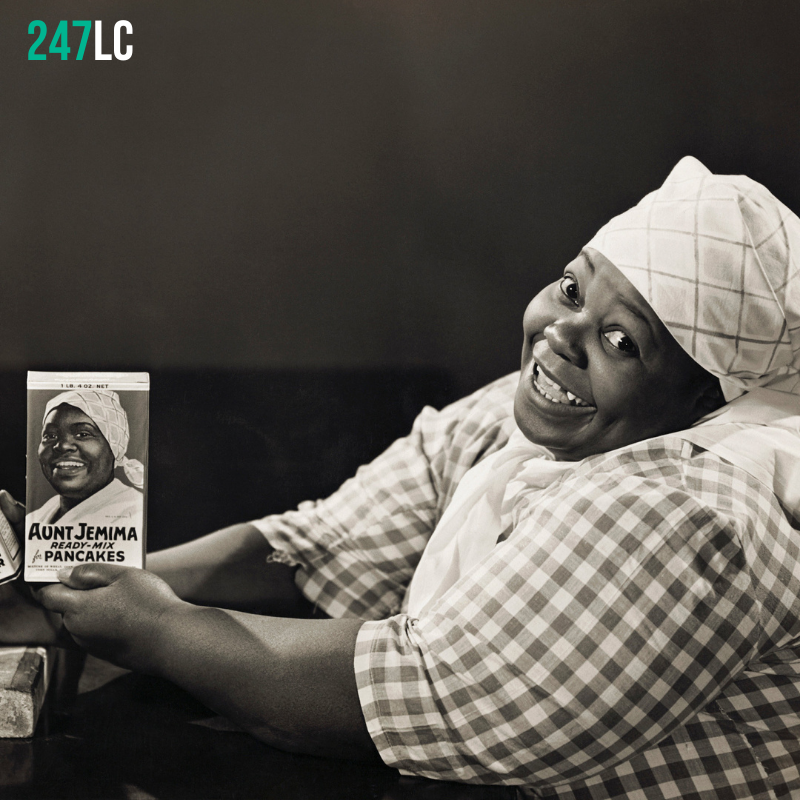
The pancake mix was developed in 1888-1989 by the Pearl Milling Company and advertised as the first ready pancake mix. The maple syrup was added later to the Aunt Jemima line. The woman on the box was a racially driven caricature that became popular in the south by white men. I’d like to give you some background on why this image is horrible and should have never been on any box in first place, never mind on store shelves. The figures were also over-sexualized, often depicted as black elderly obese, with deep skin tone, and dressed in the typical slave attire for the time period.
The company tried to modernize the image to make it more socially acceptable to hide the dark past of its origins. They removed her head scarf and removed the evident slave attire. The truth was always there and nothing could change the dark history that has been embedded in human history. The women who inspired this image were often referred to on the plantations as Mammies and forced to be wet nurses for white children, often neglecting their own children due to the demands of their white masters.
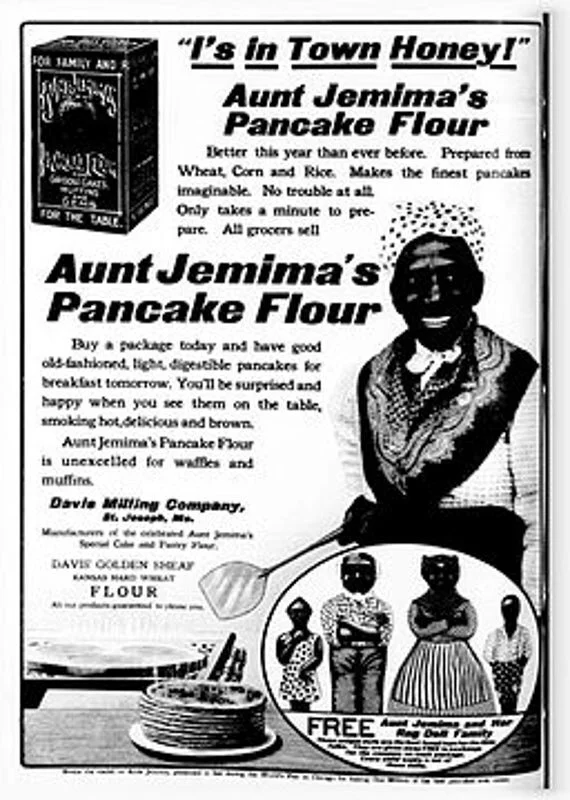
The dehumanization of the black enslaved women continued throughout the south to the Jim Crow era. It perpetuated the stereotype that black women were happy being slaves to white families. It gave a false narrative that the enslaved women were not interested in caring for their own families or children. This is obviously false, black women were either enslaved or worked as domestic help (the only jobs they could get) during these eras.
They encouraged the narrative of white men viewing women of color as sex objects and property. Often these black women were in danger of being raped by white men in the household or on the plantation. Women who were married were victims of this abuse, and the enslaved husbands of the enslaved wives couldn’t do anything to protect them. It was one of many ways they showed dominance and mental chess to keep power.
The children of these horrible crimes were the evidence of these actions and would infuriate the white’s mistresses of the households or plantation. Thus, the cycle of abuse by both master and mistress would continue for many enslaved black women, and they would often run away. Few incidents of consensual sexual relations have been recorded. However, enslaved black women were viewed and treated like property.

The mammy caricature was also used to sell many things during the Jim Crow era like breakfast foods, detergents, planters, ashtrays, sewing accessories, and beverages. Why the obsession with these horrible items still baffles me. Why would anyone want to be forcibly taken away, stripped of your native tongue, culture, and be auctioned off ? On top of that, they turn around and make caricatures to glorify the evidence of their crimes. No one in their right mind would want to endure such a horrible experience committed so openly by the enslavers. Looking at these items reminds the survivors and the descendants of the traumatic experiences.
Aunt Jemima was portrayed by a woman named Nancy Green. Nancy Green, a former slave who was born in Kentucky in 1834, portrayed the false Aunt Jemima until her death in 1923. Nancy Green played the role of Aunt Jemima for R.T Davis Company to continue the narrative, and portray false imagery of the happy enslaved women serving her white family. The company had her serving pancakes mix across the country, fairs, and flea-markets, telling false stories of happy days in the south between whites and blacks. The image and character she played would have her fighting her own personal battles. Feeding her family or portraying the false narrative that she knows personally isn’t true. Goodbye Aunt Jemima and it looks like Uncle Ben will also be getting a rebranding. Quaker Oats, it’s about time I guess it’s better late than never!
"I'se in town, honey."- Nancy Green, Aunt Jamima

The Aunt Jemima Model List
Nancy Green - 1923
Anna Robinson - 1933
Edith Wilson-1948 & 1966
Let us know your thoughts in the comment section. Don’t forget to like and share on all social media platforms.
YOU MAY ALSO BE INTERESTED IN:
SHARE TO SOCIAL MEDIA
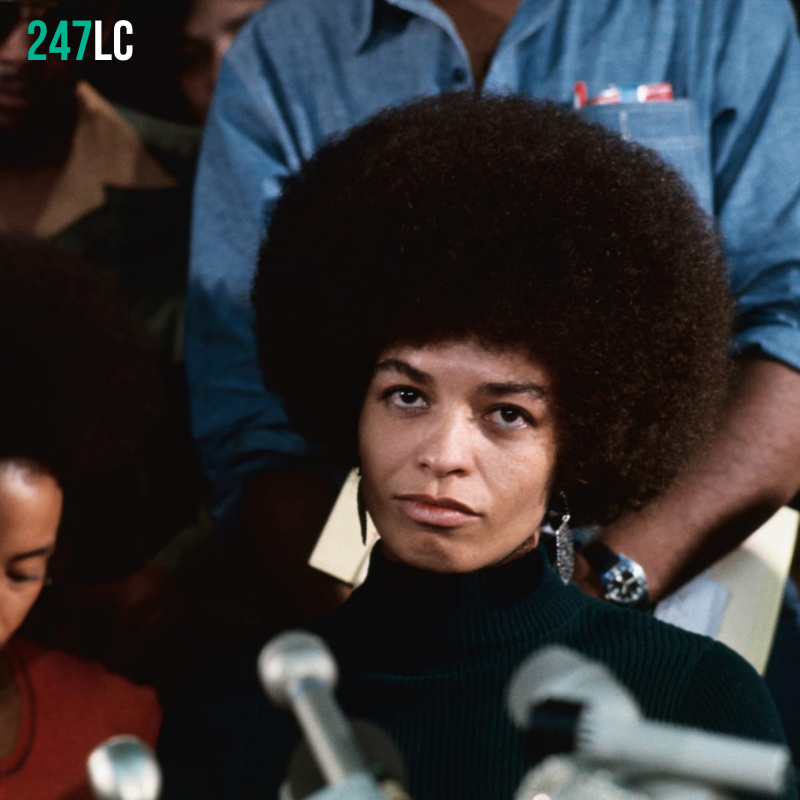
Celebrating Black History | The Life of Political Activist Angela Davis
Angela Davis spent most of her life fighting against racism and prejudice! We discuss her legacy and impact here!

By: Kwana Adams
I didn’t learn a thing about Angela Davis until well into my college years, and she immediately became one of my favorite people. I learned about her during a time when I was learning more about activism and black history. I was angry and tired, and I wanted people to look up to. My knowledge of prominent black women in activism was and still is severely lacking, and it’s disappointing. However, if I want to learn black history, I’ve come to terms that I have to teach myself.
That has been my mission ever since learning about Angela Davis. She, too, thought that black women were not being represented enough in history. The school system only taught me so much then sent me on my way. I can remember the few names of prominent black men I learned about, but I can’t remember learning about a single black woman. Black men are usually the face of activism and civil rights, but women were right along with them, fighting just as hard and being brutalized and treated just as horribly for being black.
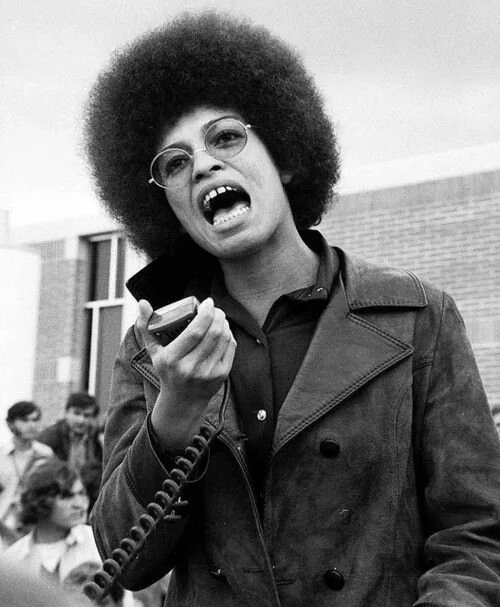
After being involved in a highly publicized murder case and her involvement in the Black Panther and an all-black Communist Party, Angela Davis became widely known. Most of her life was filled with racism and prejudice, so it’s no surprise that she became as radicalized as she did. As a child, she learned to live with the racial segregation that surrounded her, but she also learned that it would start with her and her generation if there were to be any change.
Birmingham, Alabama, where she was born, was a very infamous city for racial attacks, and it was hard for black people living there. Not only did she become an activist and influential political figure, but she is a fantastic author as well. A book by her is much more valuable to me than anything I learned as a student. She has so much more to offer me, as a black woman, than the school system has.
With the life that she lived and is still living, it comes as a shock that it wasn’t part of any curriculum. She was on the FBI’s most-wanted list; she was imprisoned for 18 months of her life, she saw her friends die from bombs, and most of all, she lived to tell the tale. When asked if she approved of the use of violence by the Black Panthers, this was her response:
“You ask me whether I approve of violence? That just doesn’t make any sense at all. Whether I approve of guns? I grew up in Birmingham, Alabama. Some very, very good friends of mine were killed by bombs- bombs that were planted by racists. I remember, from the time I was very small, the sounds of bombs exploding across the street and the house shaking… That’s why when someone asks me about violence, I find it incredible because it means the person asking that question has absolutely no idea what black people have gone through and experienced in this country from the time the first black person was kidnapped from the shores of Africa.”
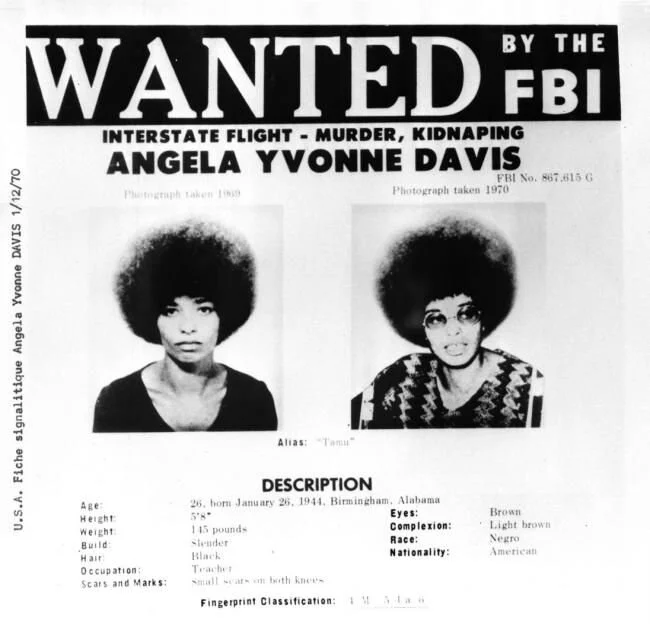
I look up to Angela because she spent a lot of her life fighting and being knocked down, and she is still fighting. She is still working towards the future she’s been wanting to see since she began her fight. I love the drive and the determination, and the power she possesses. I’m embarrassed to admit I haven’t known her long, but I make up for it every day. It’s sad to say that her fight is not over, but we have come so far from where she started. Some progress is better than no progress, and I hope people don’t think the fight ends here because we aren’t going anywhere until we see results. Angela taught us.
YOU MAY ALSO BE INTERESTED IN:
SHARE TO SOCIAL MEDIA
Creating Safe Black Spaces: 9 Virtual Communities Where Black People Can Connect
Being part of a community where black people can just be themselves and relate to each other is extremely important. We discuss 9 Black virtual communities where Black people can connect and network!
By: Kwana Adams
I am my best self when other black people surround me. I’m just more comfortable when the room is full of us. With Covid and all its restrictions, it hasn’t been safe to gather in groups. Before all of the limits, my favorite places to be were black hair salons and around the kitchen table at my aunty’s houses. The latter feels like family, and the former is family. Both feel like home.
Hair is important to the black community. It’s a cultural thing that ascends invisible lines. Am I the only one who remembers sitting between my mom’s legs, the cup of water with the brush in it next to me, wincing as she braided my hair, or pampering myself with a salon visit to get my hair blown out? I just know I’m not the only one who misses being packed into grandma or aunty’s house, gossiping and laughing in the kitchen, or listening to the tv being yelled at by our sports fan uncles and cousins. These are the communities that covid has made me miss being a part of.
Although I haven’t physically surrounded myself with blackness lately, I’ve found a way to still feel comfortable and secure in specific communities. Social media has made it easy to connect with people all over the world and create virtual communities. In my teen years, I was a huge ‘fangirl.’ I joined Twitter and immersed myself in my favorite celebrities’ lives. My top favorite was Justin Bieber. I spent hours on the internet listening to his music, reading his tweets, and trying in vain to get him to notice me. I had never experienced going to one of his concerts and meeting other fans, so I looked for them online.
It was hard to find communities where I fit in as a black fan girl. Most people think of white girls when they think of fans of Justin Bieber, so when I found a community of black Justin Bieber fans, I immediately immersed myself in it. This was my first virtual black community. This was a place I could feel safe as a black fangirl in a world that liked to pretend we didn’t exist or were a rarity. The one thing I love about black people is that when we don’t fit into a community, we just make our own. This is an occurrence I have noticed becoming more popular, and I’m living for it.
As an adult, I’ve decided the fangirl life isn’t for me anymore, and my fellow black girls must have agreed because our community fizzled out. I’ll always be grateful for it because I’ve made lifelong friends I’ve known for years. However, with the community dead and gone, I started to feel empty again. I loved being part of a community where black people can just be themselves and relate to each other on levels that no one else would understand. So I went looking for more and found a ton on Facebook. Despite the faults that Facebook has, there are communities for everything black that you can think of. For instance, I’ve immersed myself in the following communities:
Most of the groups I listed are spaces for black women specifically, but there are communities where we all fit in. Not only am I learning valuable life skills, but I’m explicitly learning them from other black people who have expertise in the area. I’m learning how to manage my finances better by black women, I’m learning how to build and buy stocks from black women, and I’m immersing myself in a community of black business owners.
It’s beautiful to me that we’re thriving in communities that have excluded us for years. I look to the black elders who came before me and made the mistakes that I don’t have to learn from. They answer my questions and offer advice to my generation and the one after me so we can all come up together. Safe black spaces are so very dear to my heart because it’s about time we start building as one.
YOU MAY ALSO BE INTERESTED IN:
SHARE TO SOCIAL MEDIA
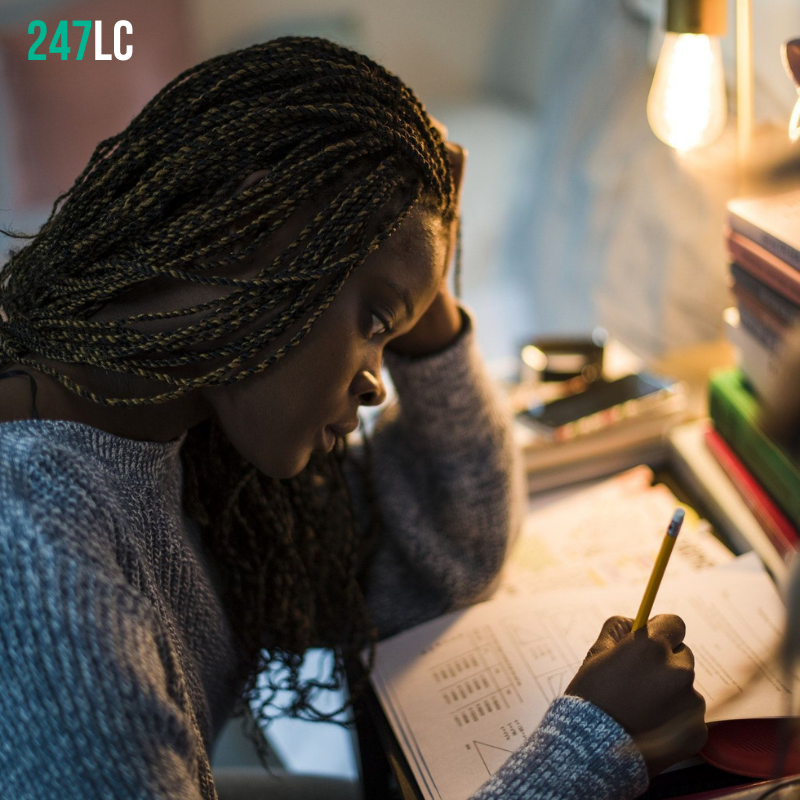
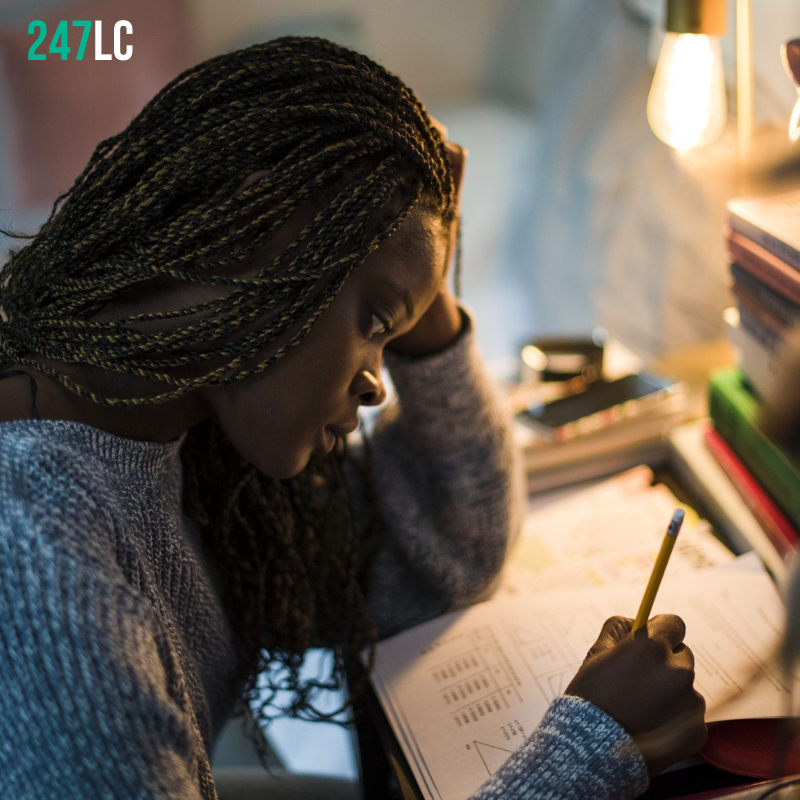
The Effects of Financial Insecurity on the Mental Health of College Students
College students are told that the 4 years they spend at a University will be huge in determining their future success, however they do not always have the funds to afford college itself. Financial difficulties, and worry over school debt can be detrimental to your mental health. We discuss it here!
By: Sydni Hatley
College is a weird time for many. You are away from home for the first time but are usually still financially dependent on your parents. You can make your own decisions and don’t have adult supervision governing your every move, but for most of that time are not even old enough to legally buy a drink.
And finally, you have the freedom to do what you want, but not the funds to do it. College students are told that the four years they spend at a University will be huge in determining their career path and success, however they do not always have the funds to afford college itself, let alone the many personal expenses that come with it.
According to sciencedaily.com, “experiencing financial difficulties and worrying about debt at university increases the risk of mental health conditions such as depression and alcohol dependency”. College students stress so much about how to pay for school because, let’s face it, college is expensive! Thousands of dollars and it isn’t getting cheaper. Not everyone can afford this and that is completely understandable.
Many families struggle to pay for their kids to go to school, and many kids share the financial stresses with their parents. This stress comes from the want to help out and not see their own parents struggling, but the reality is, it is hard for a college student to raise that kind of money mostly or entirely on their own. Attending college itself is expensive and it is basically impossible to be a full-time student while working a job that makes enough to pay for it. Financial insecurity is a constant stressor, so the fact that many students must find a way to pay for that and personal, day-to-day life expenses makes it easy to understand the connection to increased depression and alcohol dependency.
The need for money and financial stability is the main reason why so many college students become personal entrepreneurs while in school. Students start their own hair businesses, paper-writing businesses, lash tech businesses, makeup businesses, and anything that can help bring in some money. Students are forced to get creative for pocket-change, and sometimes are forced to do so whether it is by legal or even illegal means.
If the cost of obtaining an education were not so expensive and catered to the middle-upper and upper classes, students would not have to do so much to make the money for their education. College itself is already stressful enough with having to compete with your classmates and get grades good enough to get you a good job. This also does not include the need to be involved on and off campus as well, so a financial stressor on a college student’s back is just one more thing to cause their mental health to deteriorate.
To assist with relieving financial stress off of college student’s backs, institutions should consider either lowering the (unnecessary) costs affiliated with the institution, or at least offer more scholarship opportunities. They should also consider allocating more of the money that is donated to the institution to scholarships that will help make school more affordable. Education should not be expensive, it should really be free, but if America wants to charge its students, it should at least make attendance more accessible for all.
YOU MAY ALSO BE INTERESTED IN:
SHARE TO SOCIAL MEDIA
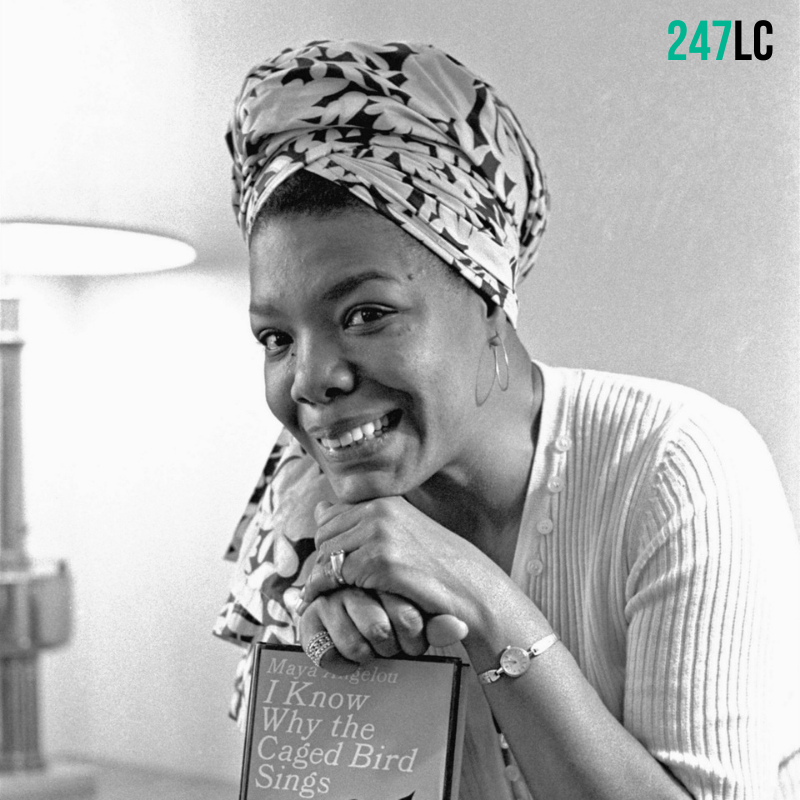
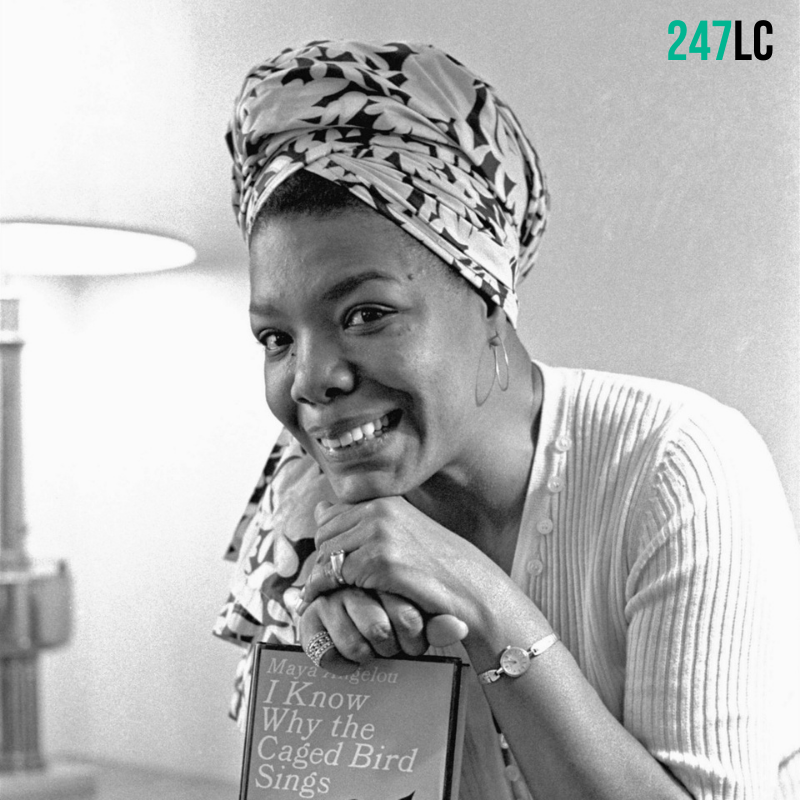
Phenomenal Woman | Remembering Maya Angelou
Maya Angelou is remembered as a renowned bestselling author, iconic poet, actress, and activist! We celebrate her legacy here!
By: Kwana Adams
Every time Black History month comes along, many articles pop up about historical black figures and their contributions to black history. I know you’re tired of it, but here’s another one. This person is significant to me, and I will always shout my love for them from the rooftops. This article is about one of my favorite black women of all time: Maya Angelou. She had such a long and beautiful life; it continually amazes me. She is one of my most significant role models and answers to, “who do I look up to?”
As a black woman and a writer, she stands out like a star for me. I can recite “Phenomenal Woman” word for word. Her poems and her books just speak to me on such a deep level. I never tire of reading them. I’ve always considered myself a great writer, but my Achilles heel is writing poetry. It’s one of the things I struggle with when it comes to being a writer.
Every time I read one of her poems, I marvel at the talent she had for putting words together and making them sound beautiful and flow so effortlessly. She had such a beautiful way with words for someone who didn’t speak a word for five years of their life. During this period of her life, she immersed herself in all kinds of literature, reading authors such as Langston Hughes, W.E.B. DuBois, Paul Laurence Dunbar, and even Shakespeare and Edgar Allen Poe. Although there were many men authors whose work she familiarized herself with, it was a black woman who finally helped her gain her voice back. In a way, Ms. Angelou is that woman for me. I like to think that ‘Phenomenal Woman’ was written for little black girls like me, as a child, who needed someone to tell them those words. I am a phenomenal woman, and so is every other black woman.
As a writer, anything and everything can be an inspiration. When I find myself struggling for words, I love to read her work and get out of my element; just go outside and find my own words. It helps me to read the work of legends and imagine myself one day being in their shoes. Her words and her work are important to me. Having black women figures to look up to in general is essential to me. Contrary to popular belief, this is not a man’s world. Ms. Angelou never dulled her shine for men, and neither shall I. One of my favorite lines from one of her poems is,
“Bringing the gifts that my ancestors gave,
I am the hope and the dream of the slave.
I rise.
I rise.
I rise.”
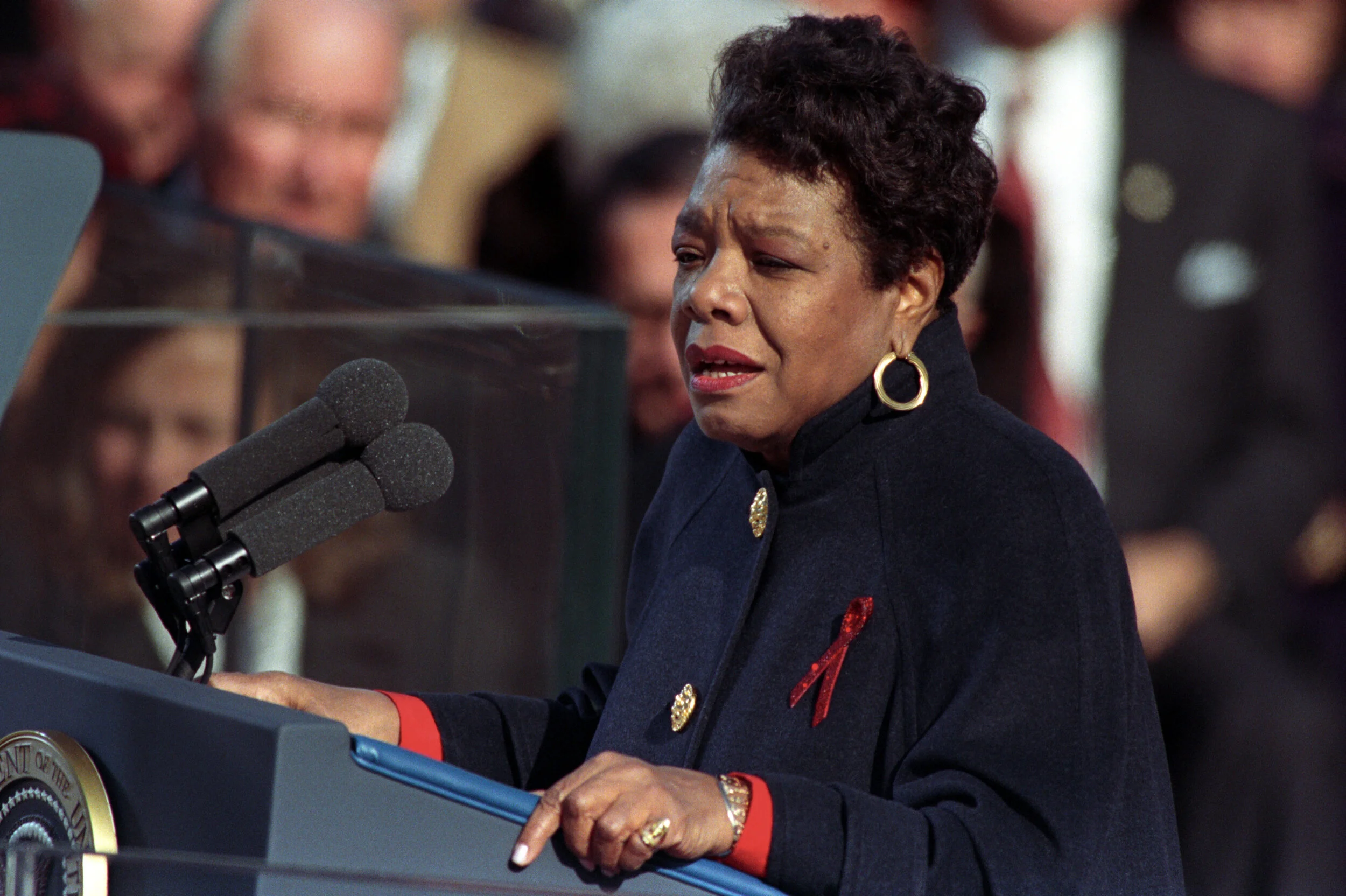
Maya Angelou Recites a Poem at Bill Clinton’s Inauguration
My main ambition to succeed in life is to make my family and my ancestors proud. Sometimes when I think about life and where we are in history, I think about the suffering that my ancestors went through for me to be able even to be typing this right now. I think of every generation who got another step closer to making a better life for their descendants. Maya Angelou put all of those feelings into words for me, and I wish I could thank her. Since I can’t, this article is my tribute to her. Thank you, Maya. Thank you for teaching me why the caged bird sings. Thank you for helping me find my voice.
YOU MAY ALSO BE INTERESTED IN:
SHARE TO SOCIAL MEDIA
Celebrating Black Culture: Black History Needs A Longer Month
Black history is so vast and so rich, but they’re barely scratching the surface on what they teach us in school. Black History Month is just a glimpse into our history and one month does not do it justice. We discuss it here!
By: Kwana Adams
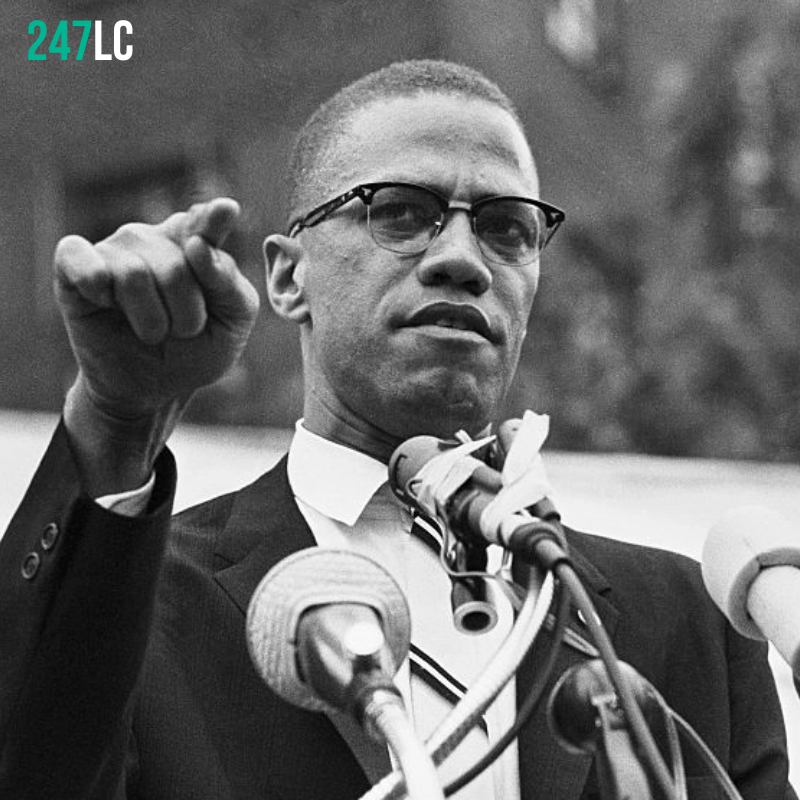
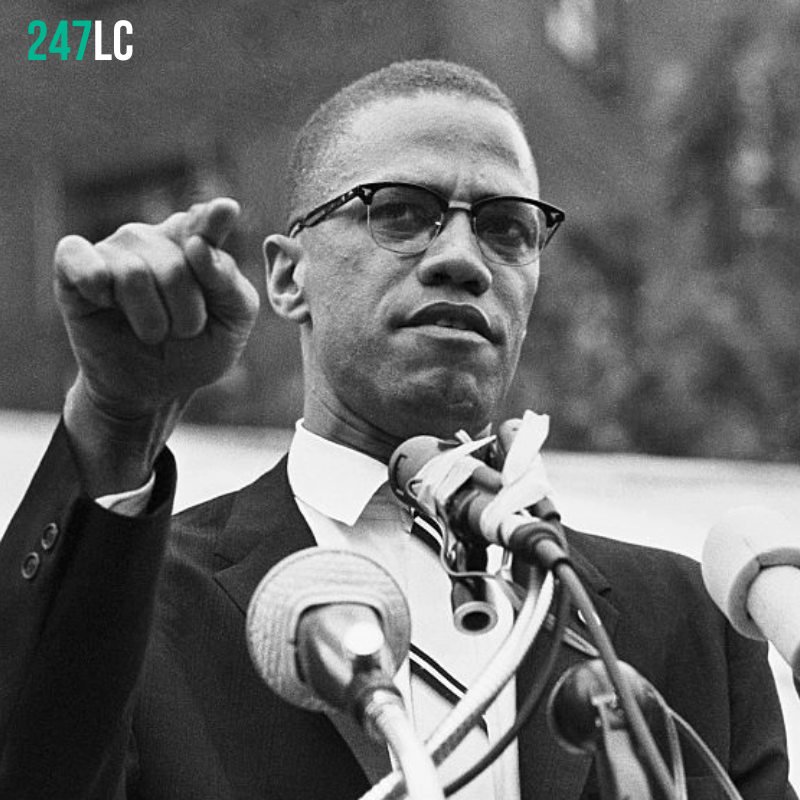
There’s something about Black History Month that makes me feel so close to my fellow black people. There’s also something about Black History Month that makes me feel ripped off. First off, they gave us the shortest month of the year. Second of all, why are we celebrating black history when we’re not learning black history?
This is something that has been bothering me since I became a college student and broadened my horizons. I learned so much, on my own, that I’ve wondered, why haven’t we been taught this? For instance, when I read the story of Medgar Evars, the anger that flowed through my body was real. Why did my teachers not teach me about him? In front of his family, this man was murdered in his driveway, and they didn’t think we needed to learn about him? He was a veteran who fought for a country whose citizens shot him dead in front of his home. He was also a prominent civil rights activist who died fighting for the cause. So many other black people did, too, but we hardly get to hear about them. I want to know why.
When I was in school before college, black history month was just slavery, Harriet Tubman and Martin Luther King Jr. Am I supposed to be grateful for this? Where is the rest? Why are you keeping our history from us? I know all about European history because it’s part of the curriculum, but why was black history taught separately?
Black history is so vast and so rich, but they’re barely scratching the surface on what they teach us in school. Every day I learn something new about black history, and I can’t help but wonder why it wasn’t significant enough to add to the curriculum.
The world likes to pretend that slavery, civil rights, and segregation happened hundreds of years ago, but they didn’t. My grandmother marched with Dr. King. There were areas in the city she and her black friends weren’t allowed to step foot. Recently, I did an audio documentary project that touched on this subject. My goal was to interview all people of all generations and races and question them about the black history education they received in school. I never got around to interviewing too many people because the stories my grandparents told were just too great. The whole project ended up being about them, what they learned about black history in school, and what they experienced growing up during the 60s and 70s. My grandparents lived some of what they’re teaching us now, and they are still well and alive.
I’m from the state of Rhode Island, which resides up north on the east coast. People, especially Rhode Islanders, love to pretend that the north isn’t as racist as the south. My grandparents would beg to differ. The racism here isn’t as blatant as it is in the south. In Providence, the city I’m from, there is a small area called Federal Hill, also known sometimes as ‘Little Italy.’ Federal Hill is a long street filled with all types of Italian restaurants. Nowadays, it’s an excellent spot for couples to go on dates or for friends to sit and enjoy a meal.
Back in the 70s, when my grandparents were growing up, they were chased out of this area and called the N-word, with the hard ER. When they told me this story, I was disgusted and appalled. I go through Federal Hill freely all the time. I never stopped to think that it wasn’t always like that for everyone. It also really makes me think, “if my grandparents are still alive, then most likely the people who chased them off are alive as well.” This is why teaching black history is so important. The people who caused the most hurt are alive and walking among us without a care in this world. The people who chased my grandparents off and hurled slurs at them live happily while my grandparents and family live with the pain of how they were treated. The least you can do is give us our history.
YOU MAY ALSO BE INTERESTED IN:
SHARE TO SOCIAL MEDIA
Editorial: Is it Possible For You To Retain Your Racial Identity While Receiving A Formal Education?
As minorities, for us to take steps through doors to be in certain careers or institutions we have to change to fit a Eurocentric standard, especially with going through the regular K-12 school system. Is it possible for you to retain your racial identity while receiving a formal education? We discuss it here!
By: Lauryn Bass
Is it possible for you to retain your racial identity while receiving a formal education? The fact that this question has been posed as a discussion is quite humorous. As you go through the regular K-12 school system, you learn and grow with what you experience in and outside of the home and classroom. You are shaped by so many things, but this does not take away from who you are as a person.
Consider the phrase, "It takes a village to raise a child." It is impossible for someone to be shaped into an efficient communicator without being exposed to the outside world of their community. Yet, you retain what makes you happy, what you understand to be true and morph into who you are supposed to be.
But let's go back to the question at hand: Can you be you, with outside forces at hand? Well to introduce myself, I am a black woman from Georgia attending Hampton University. Sure, that can be attached to a little bit of information about me--but not who I am. I am me by how I walk, talk, and carry myself. My beliefs, thoughts, interests, are all mine and can't be compared to anyone else.
Where my influence stems from can come from my parents, friends, religion, what I've perceived, or even innovated from what I've gained from my studies. People are not supposed to be one set thing. We are allowed to change our minds, make mistakes, and expand. So to believe that you may lose or gain any part of yourself by attending a secondary education system is quite absurd. In all honesty, it is based on insecurity.
I understand the argument that many around me know as "code-switching". This is when you change to fit into the atmosphere around you. As a minority, for us to even take a step to be in the doors with the big boys, we have to change to fit a Eurocentric standard. For example, lessening our use of slang, straightening our hair, cutting our locs, ridding ourselves of our accents, shielding our cultural prints, you name it. Anything to conform to our brethren and sistren who aren't exactly like us culturally. But that shouldn't matter. But it is the way of the world where white-privilege has to continually be pushed to the limit so that we can demand change and be who we are.
Currently, we had to pass the Crown Act of 2020 just so that we won't be judge by our physical but by the hard work we do and the content of our character in the workplace. This just shows how far we have come but also how behind we were in terms of equality. It is a sad truth, but much like the thought that you can't be who you are and also strive to be smarter and wiser just doesn't sit well in my spirit because it is just not true.
As we age, we definitely lose parts of us that were keeping us stagnant. We also cherish the memories that brought us to where we stand in the present. Education is just like that. I don't know about most but unless you have a photographic memory, you do not retain ALL that you are taught in college. You soak up as much as you can and use what is beneficial to you. You keep what you need.
As far as my culture, I keep what I need. There are things that are cultural that we can also grow from to be better. Traditions aren't always the best and you have the ability to create new ones. As you learn, you take back what helped you to your families and communities so that we can become better and better as time passes. We learn more about government, financial literacy, anything to progress and keep history from repeating.
Think of the doctors who tested gained more knowledge from testing and creating vaccines for smallpox. They are no less the person they were before and after totally eradicating the disease. They then shared their discovery with the world and made life a little less hard. I know that the biggest disagreement that Frank possibly had with Obama was his grammar. It is known for illiteracy to be a common cultural difference in the Black community but look at our history; are you surprised?
As you dive deeper into ebonics, you find that English is very complex. New words are created every day, much of our language comes from another--it is very telling about your roots how you speak. But whether or not your proficiency level is eloquent or full of idiosyncrasies, does not define who you are. At the end of the day, you're just communicating. The way you speak is a personal choice. You decide who you are and who you want to be.
In conclusion, the education you obtain does not define who you are but just adds to the qualities you have to offer. It adds to your story, your walk, your journey. It is possible to bring what you've learned from every place you've been with you in bits and pieces. You are a collage full of color, ridges, dips, and glued pieces. Life is not simply black or white. It's grey. You will not be like your parents but a mix. Your siblings will reflect who you are. Your friends will shape who you are. Ultimately, you will turn out to be the best you and there should be no shame in that. Do what helps others and makes you happy, and do not worry about if you'll lose who you were or are. You won't.
YOU MAY ALSO BE INTERESTED IN:
SHARE TO SOCIAL MEDIA
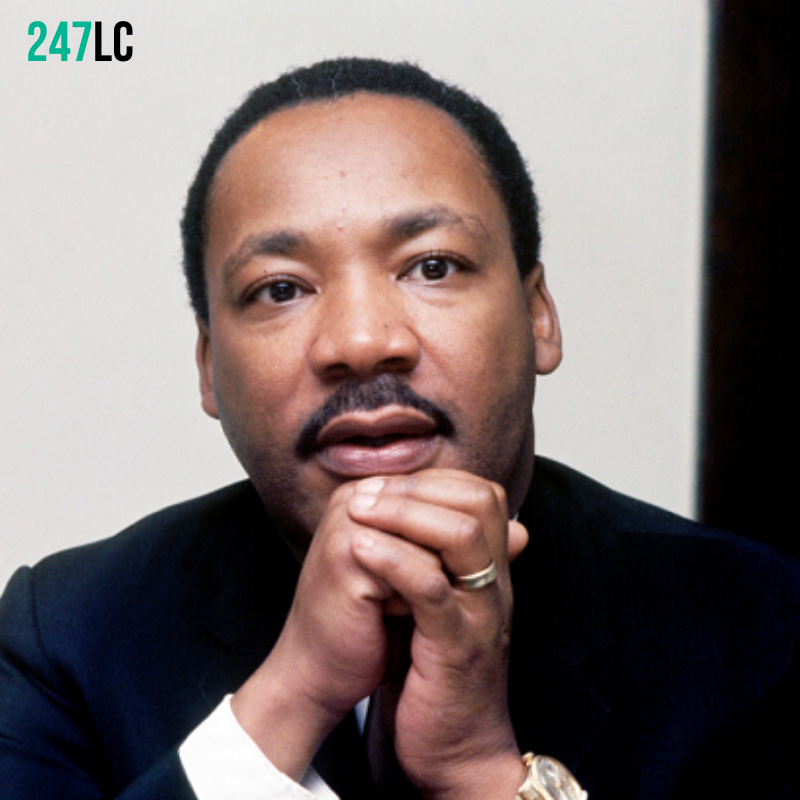
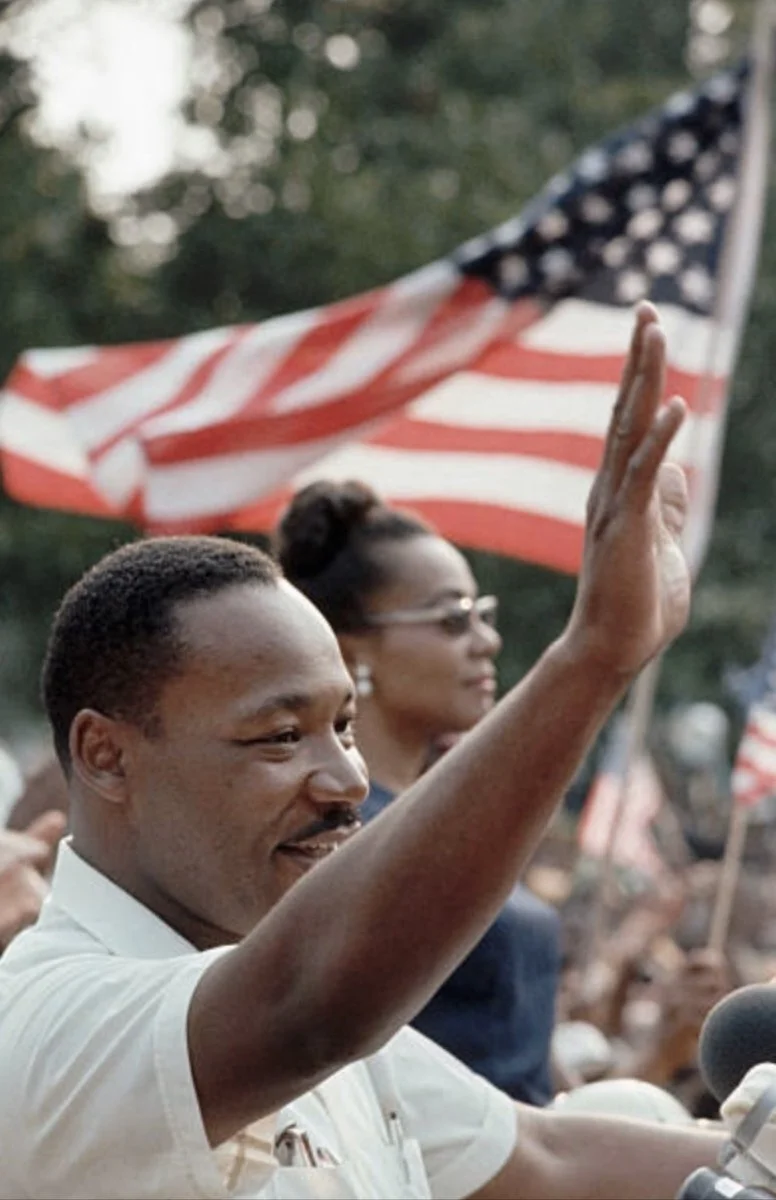
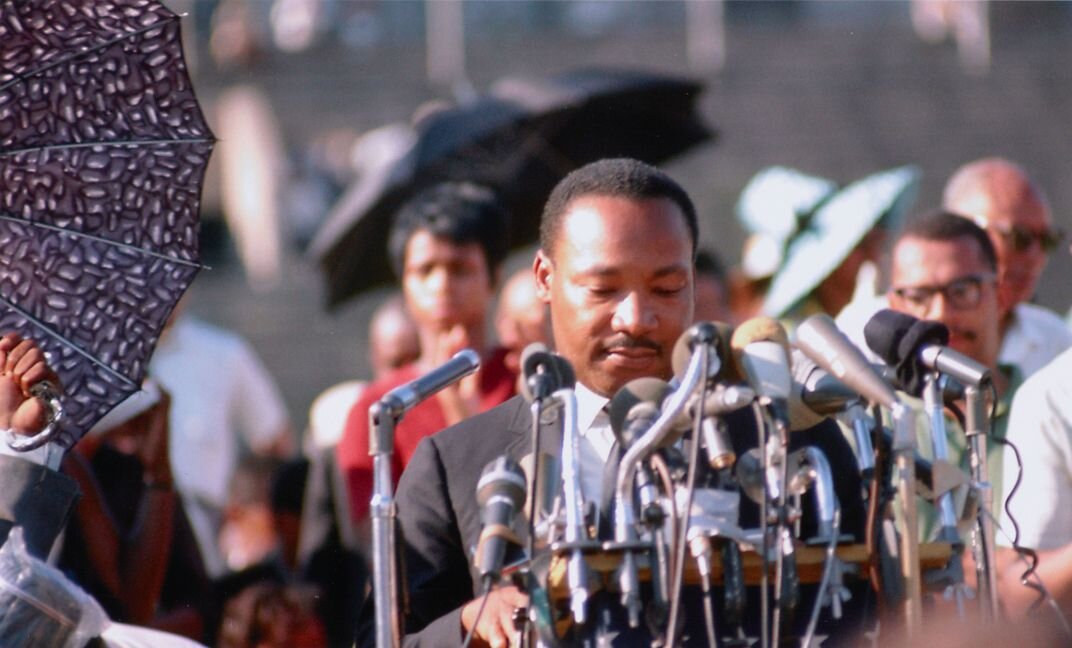
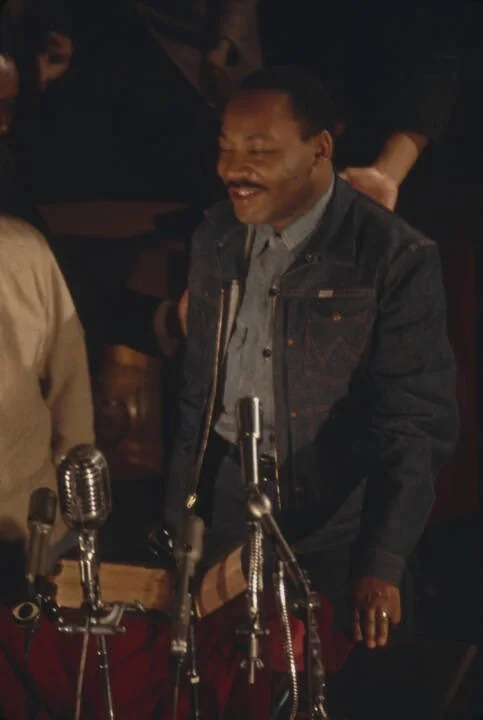
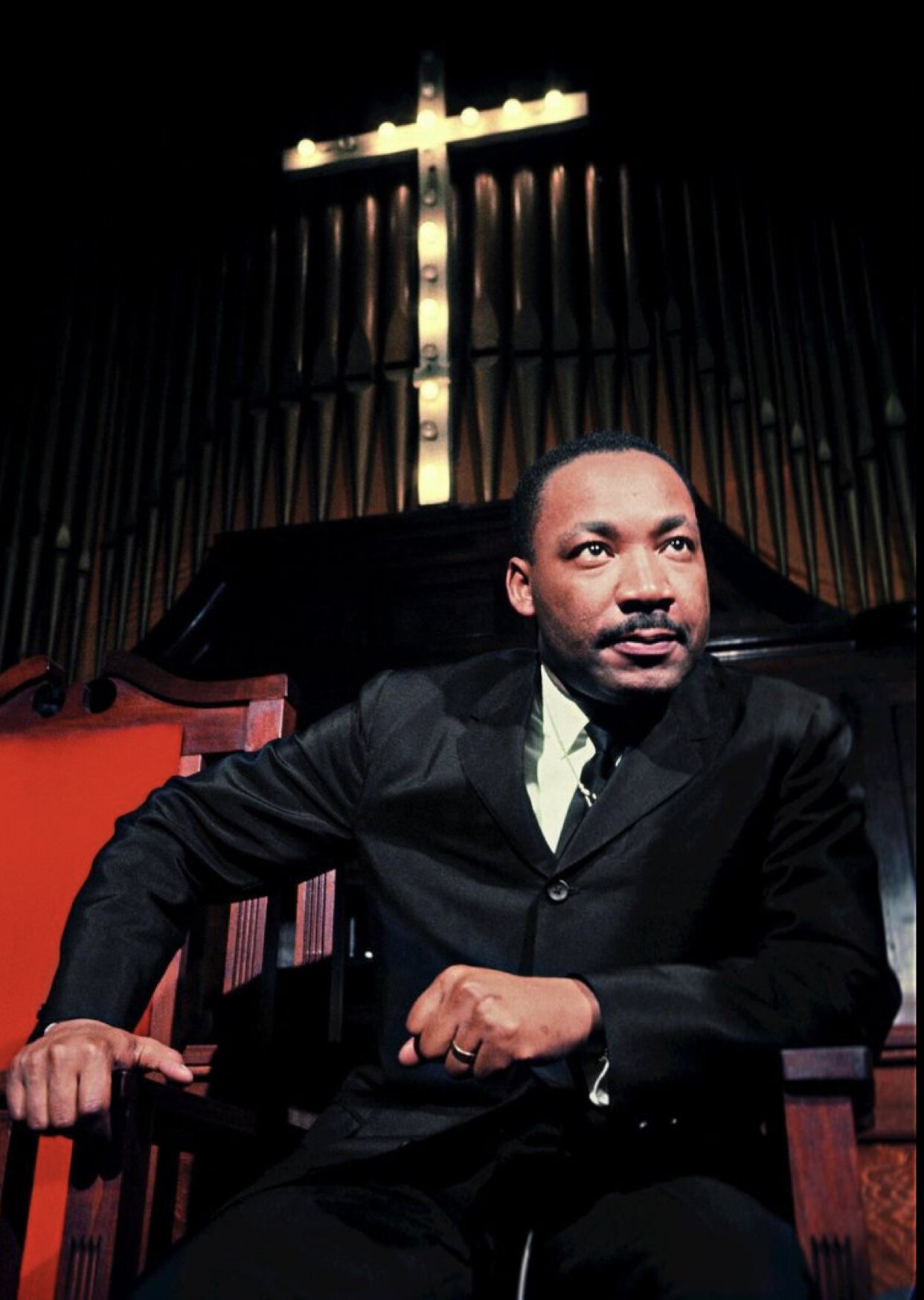
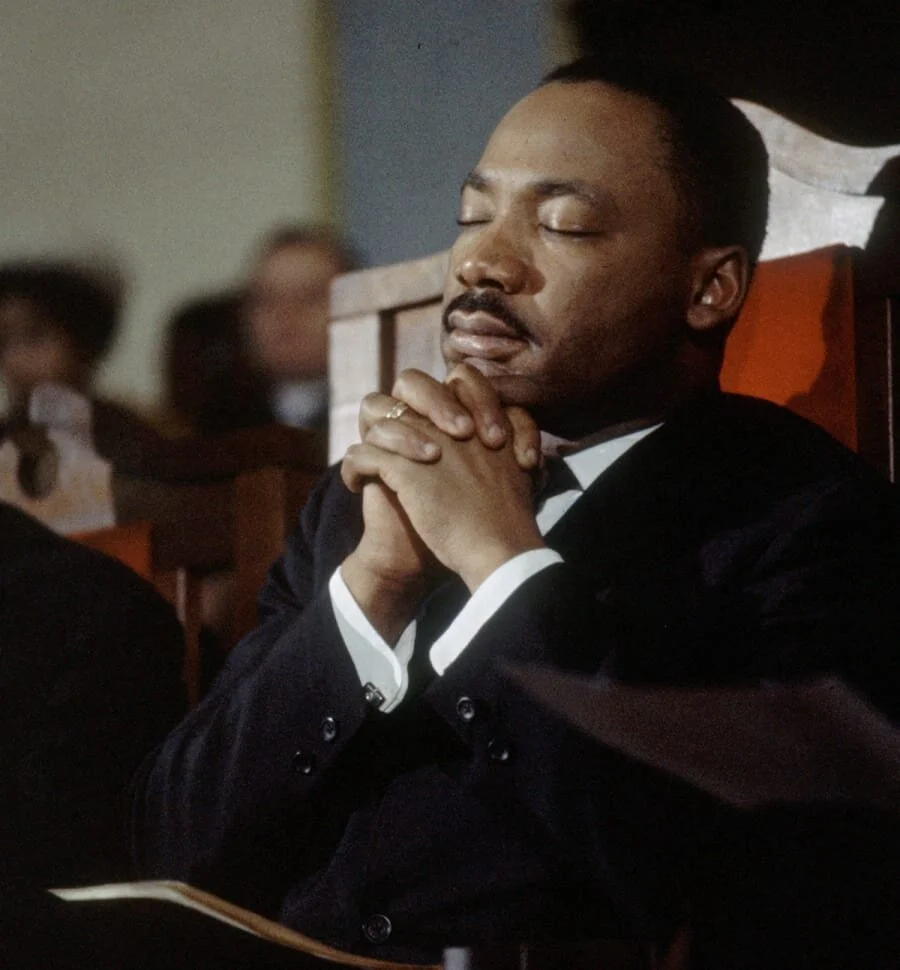
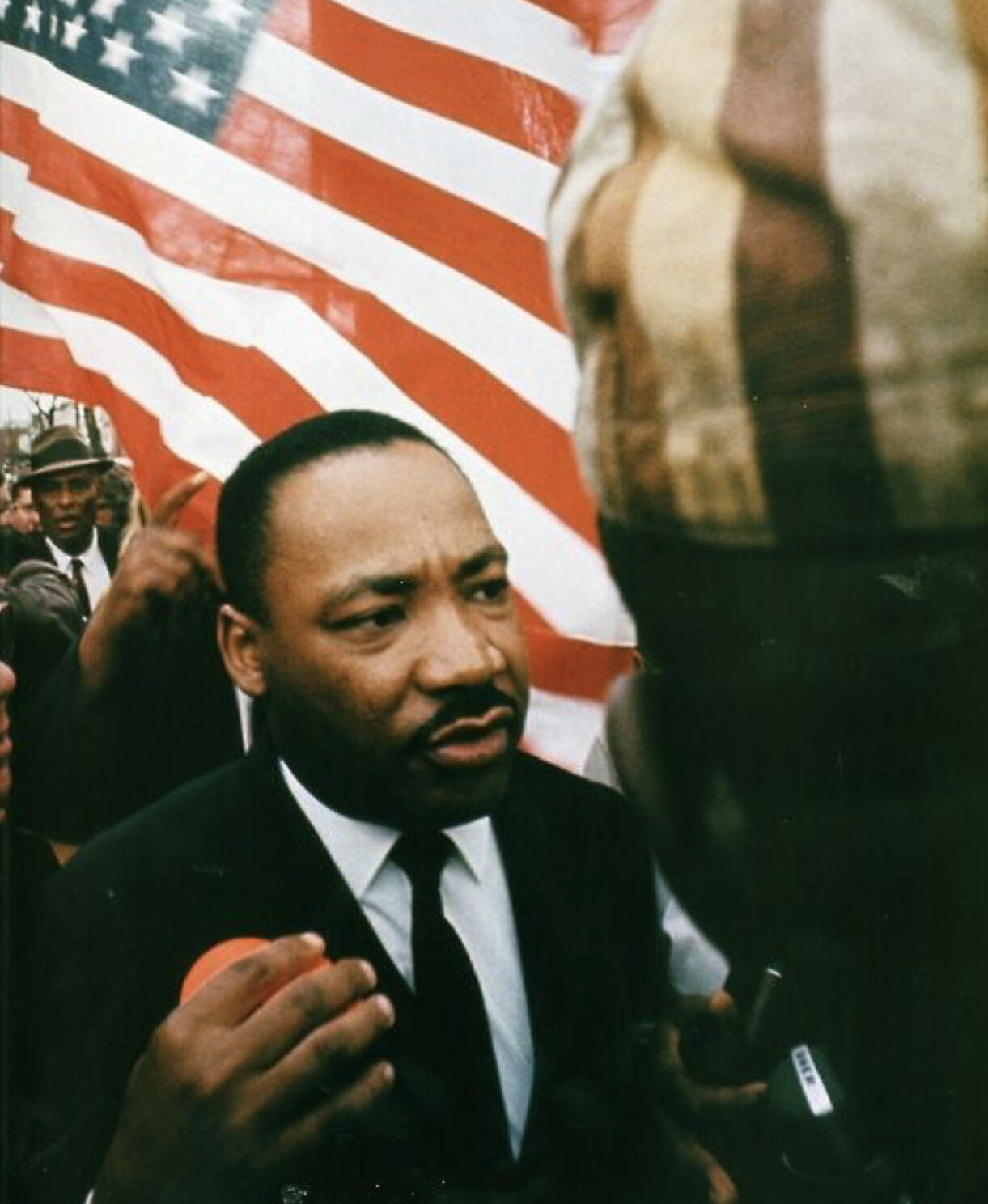
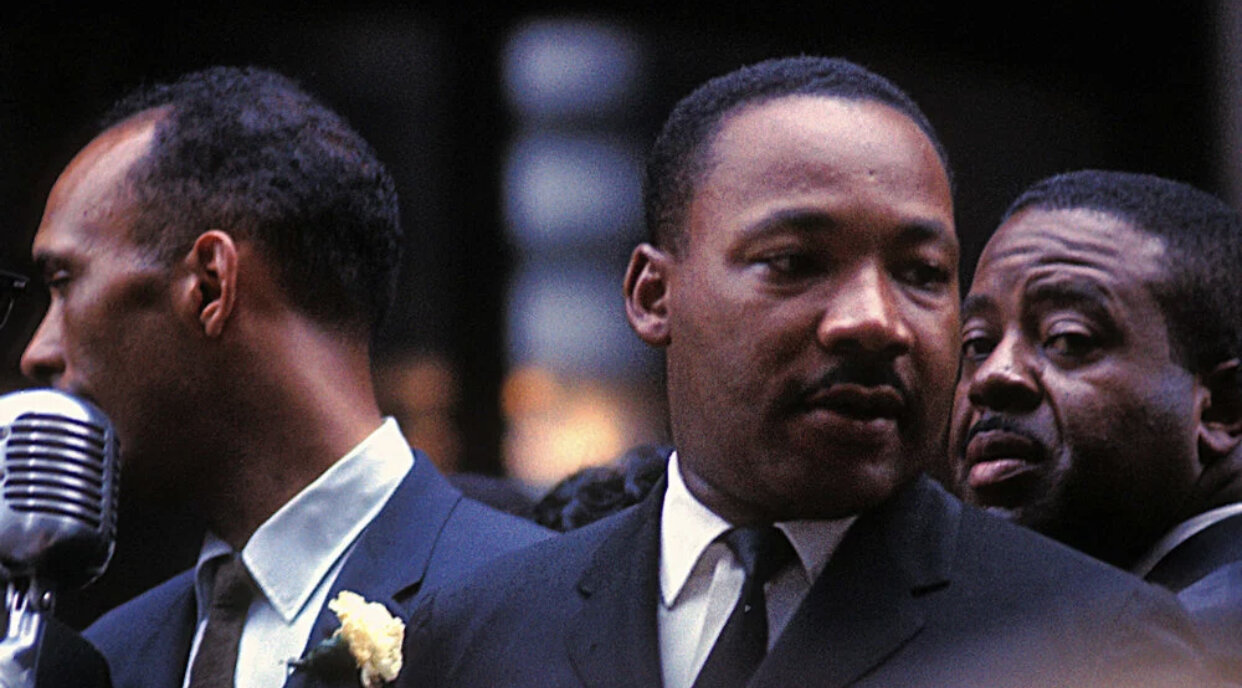
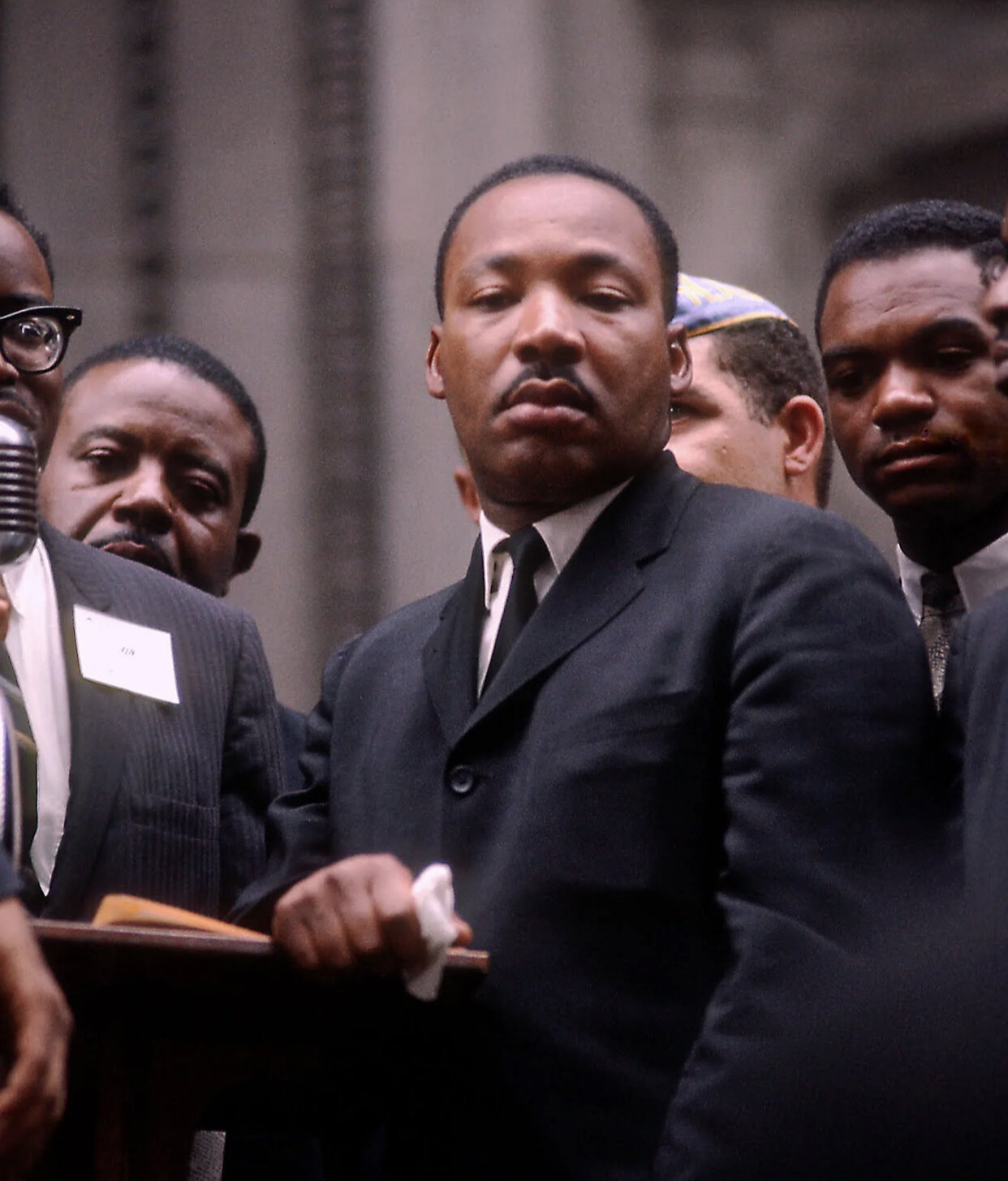
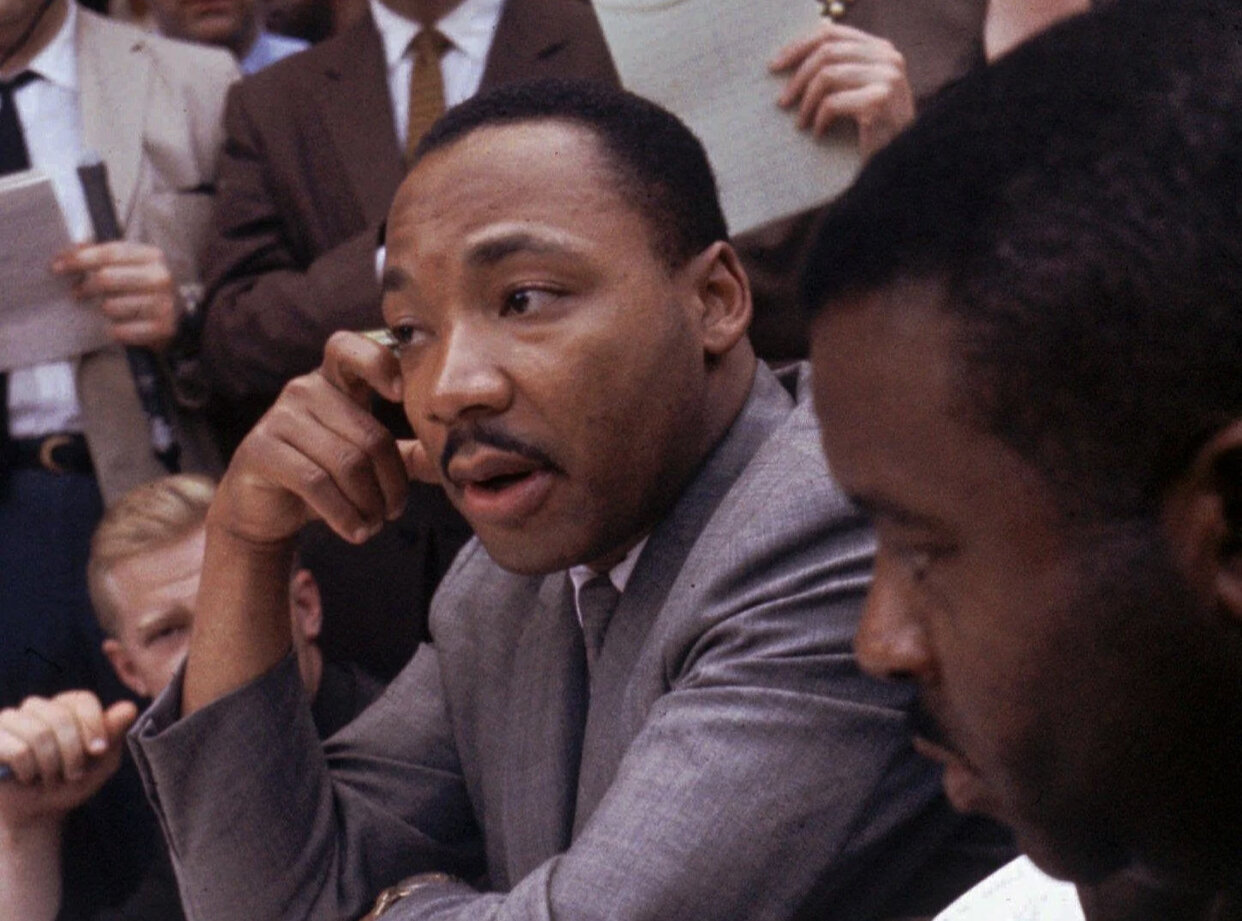
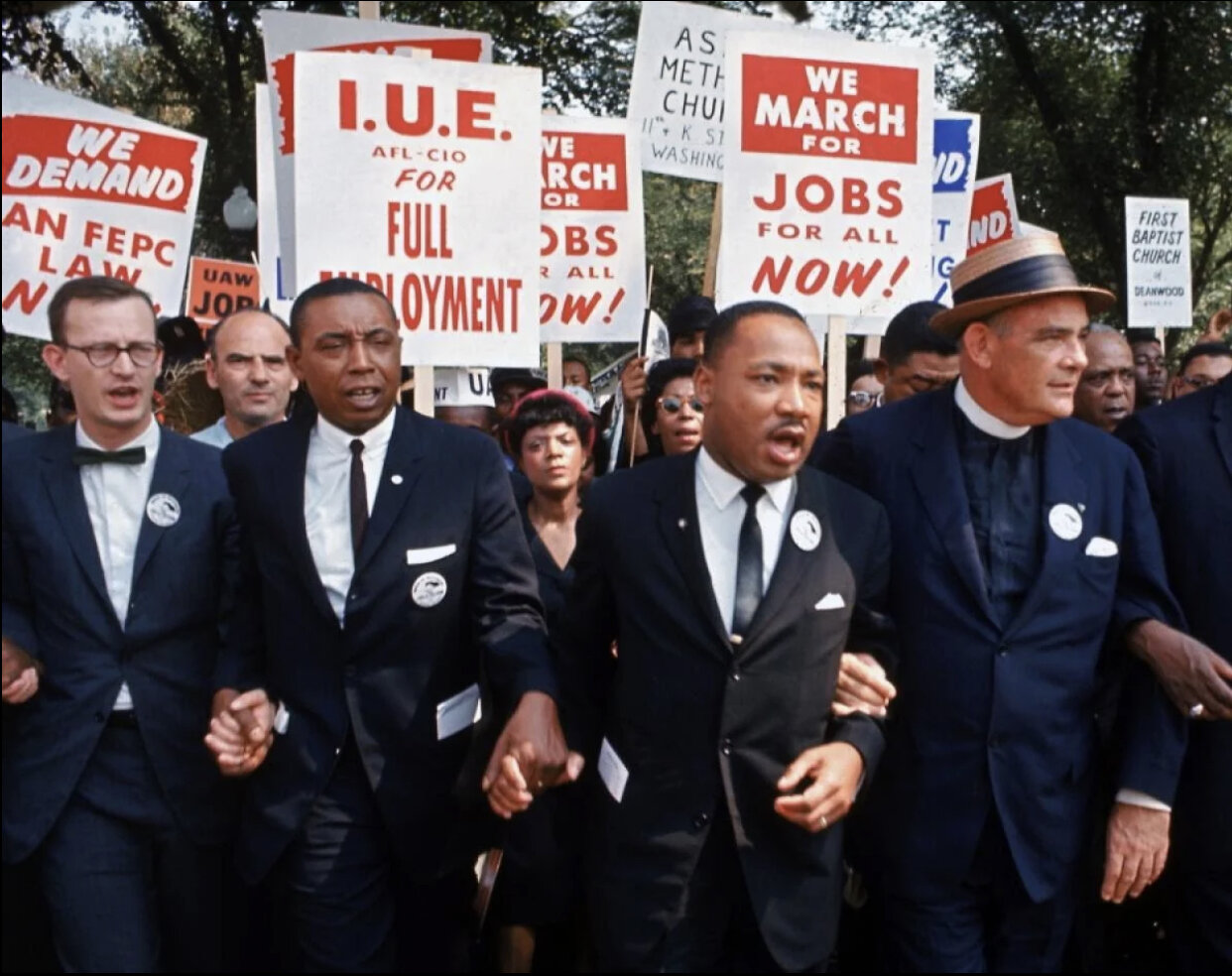
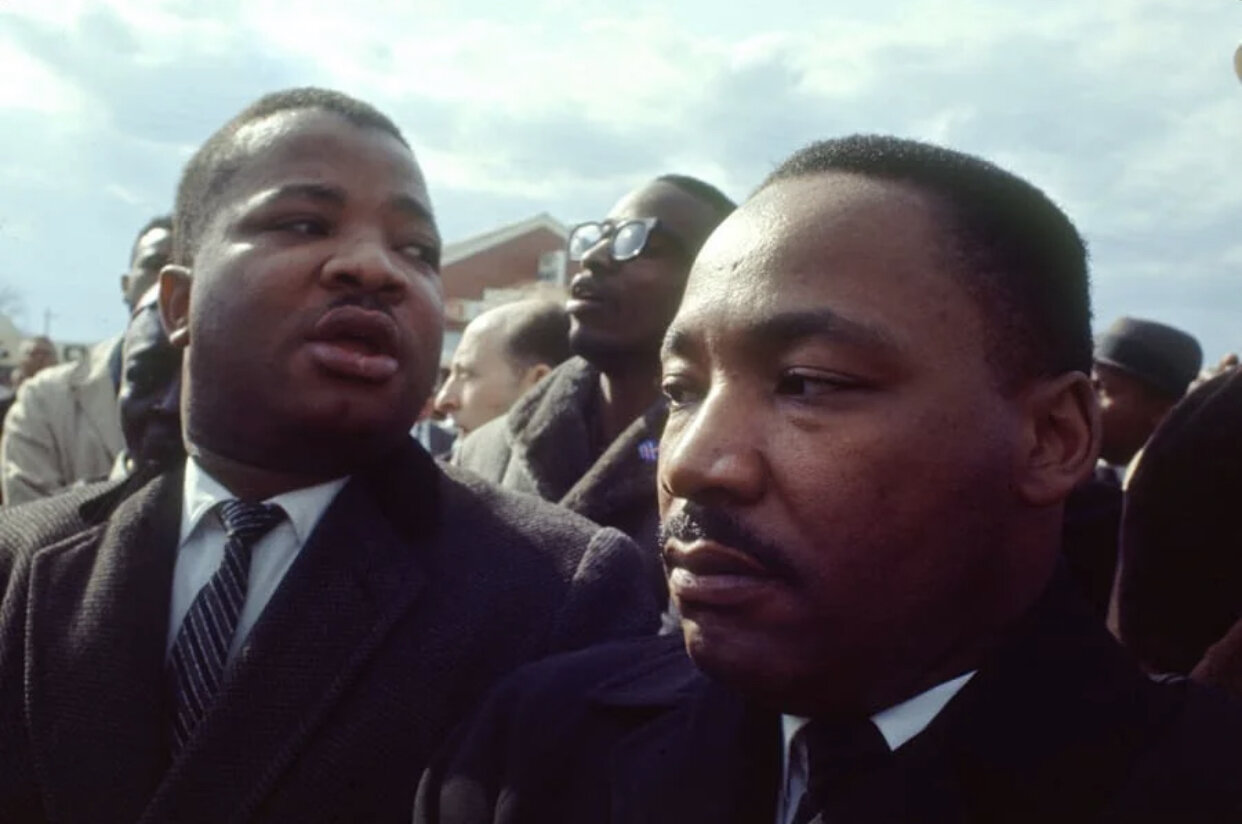
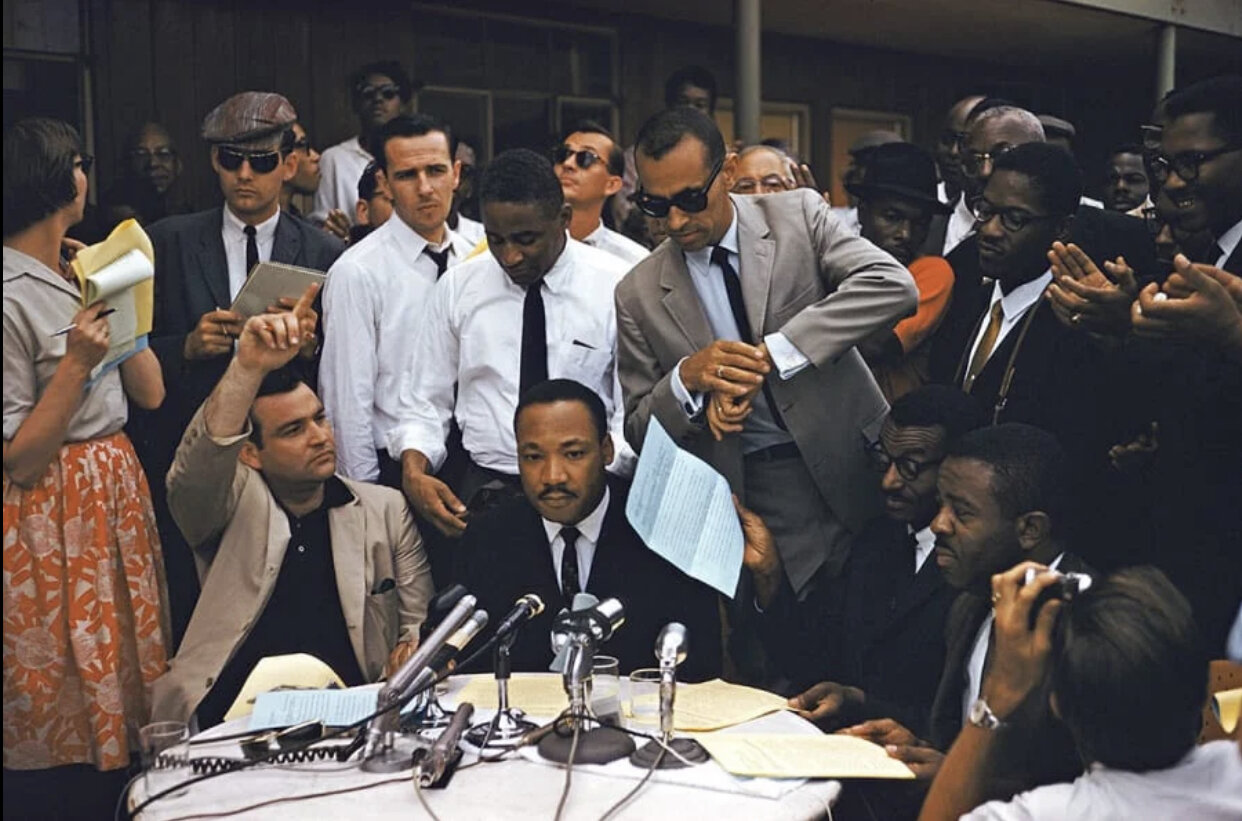
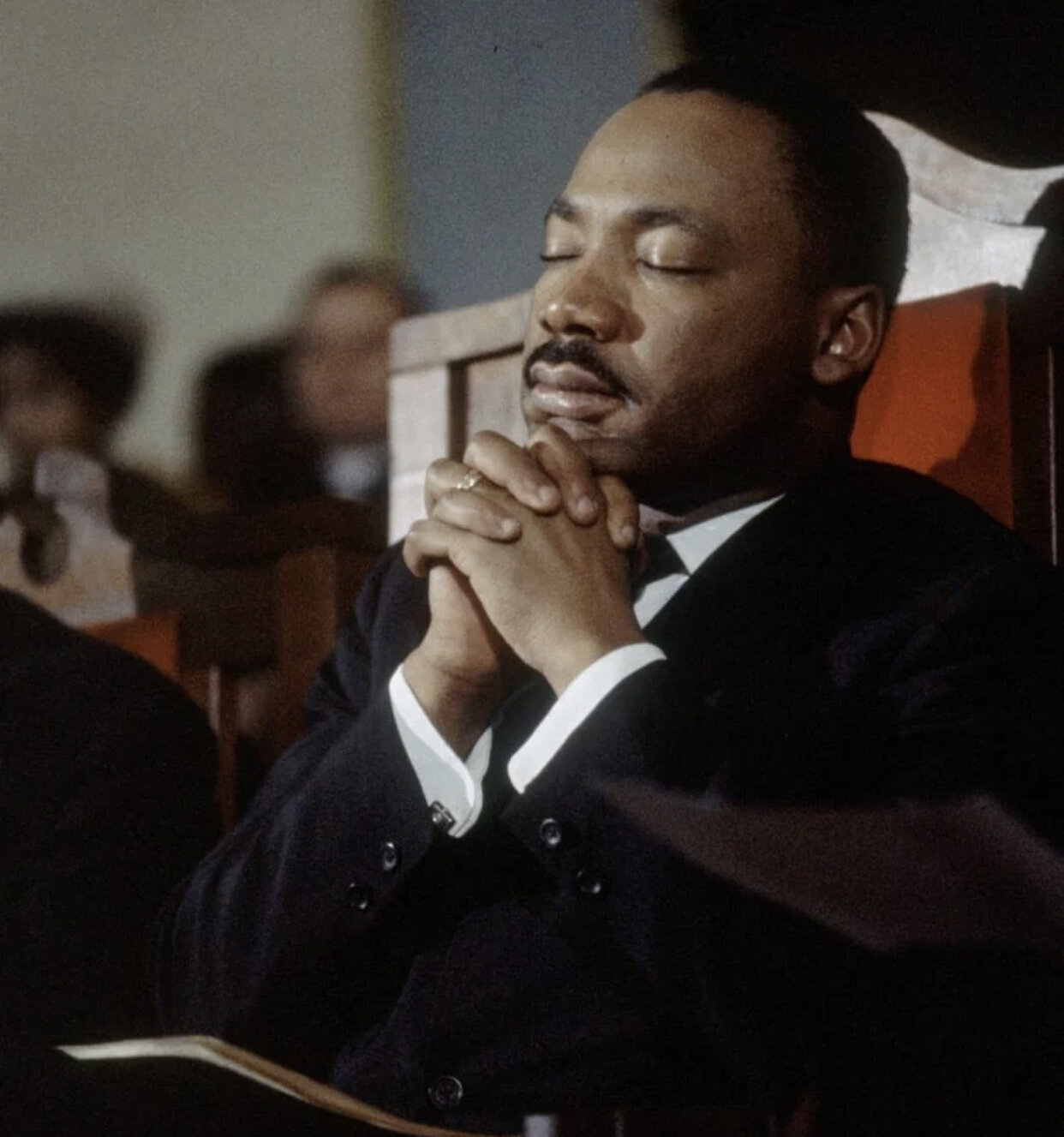
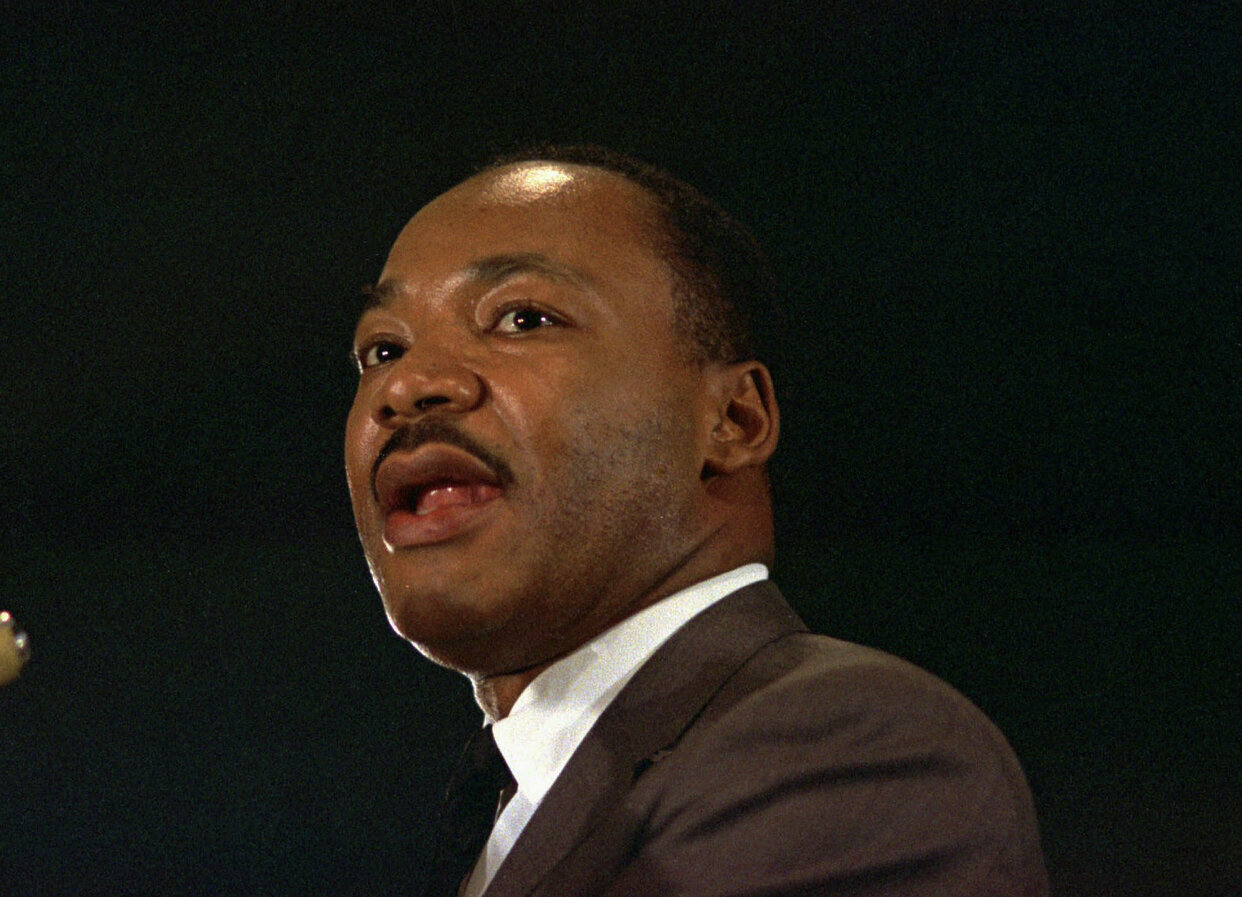
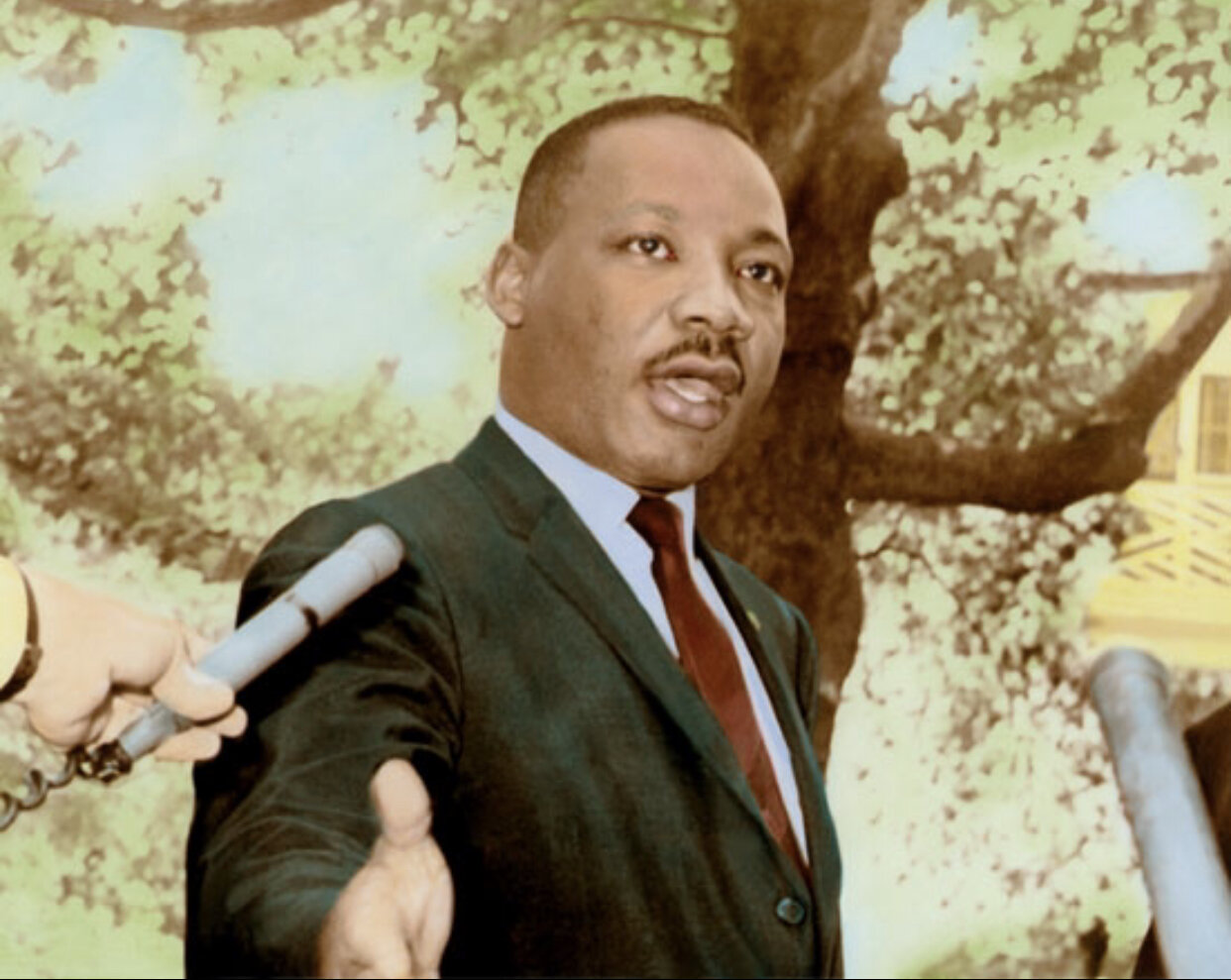
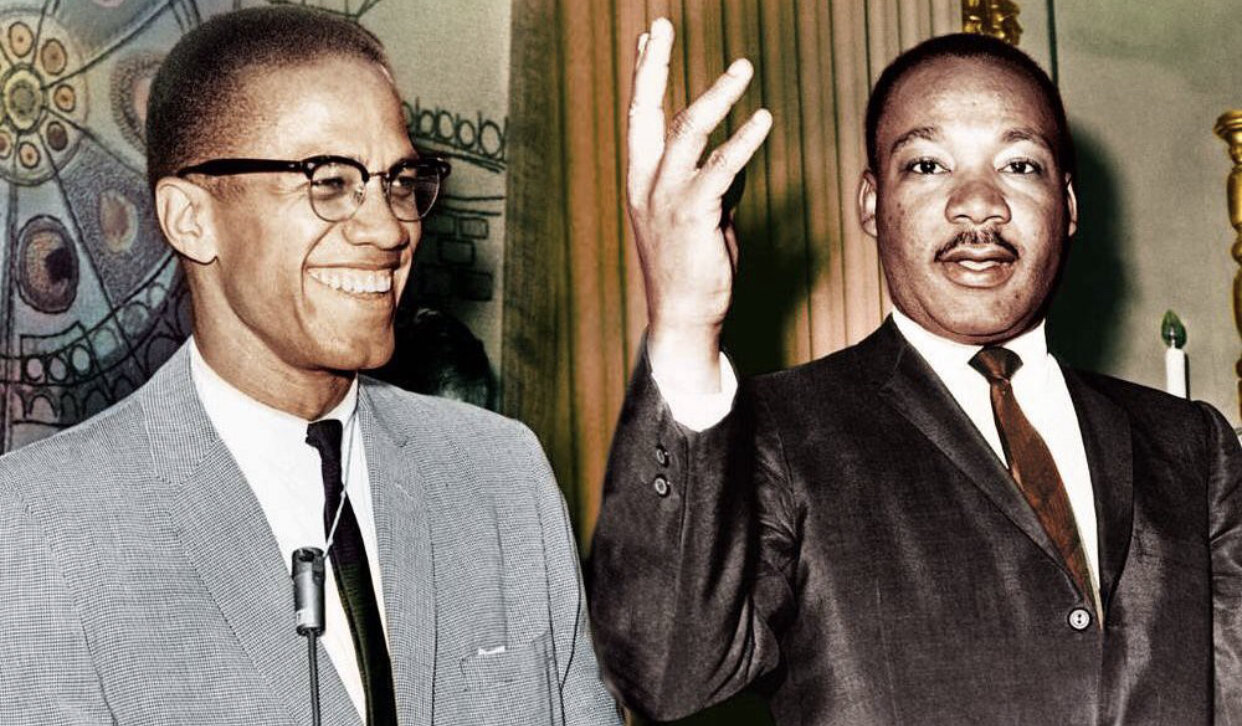
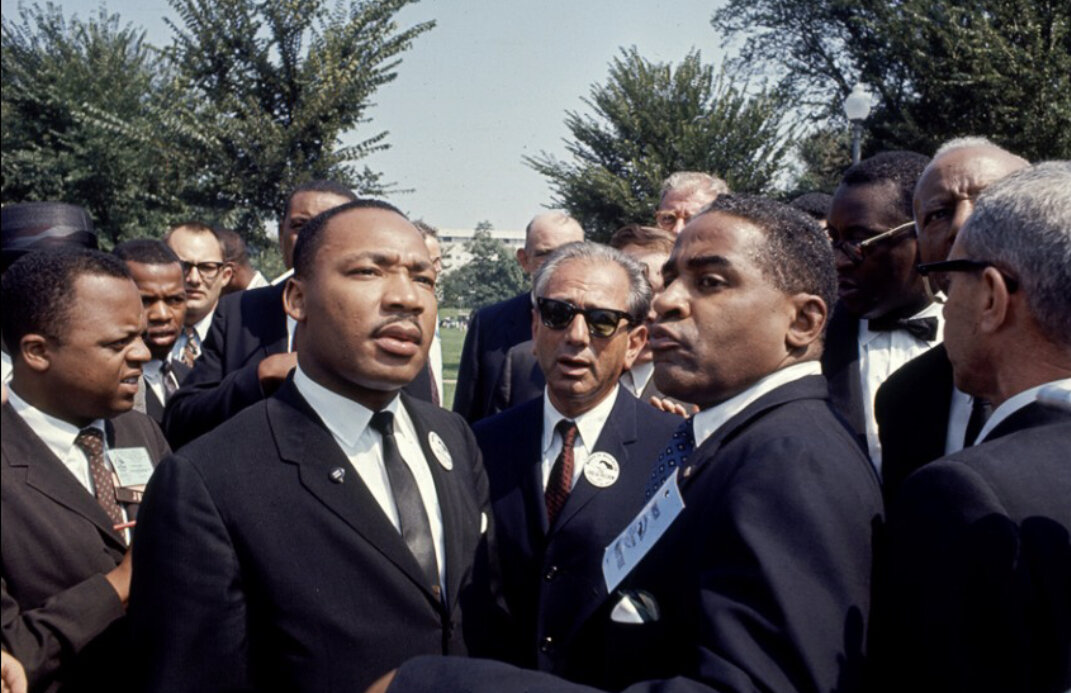
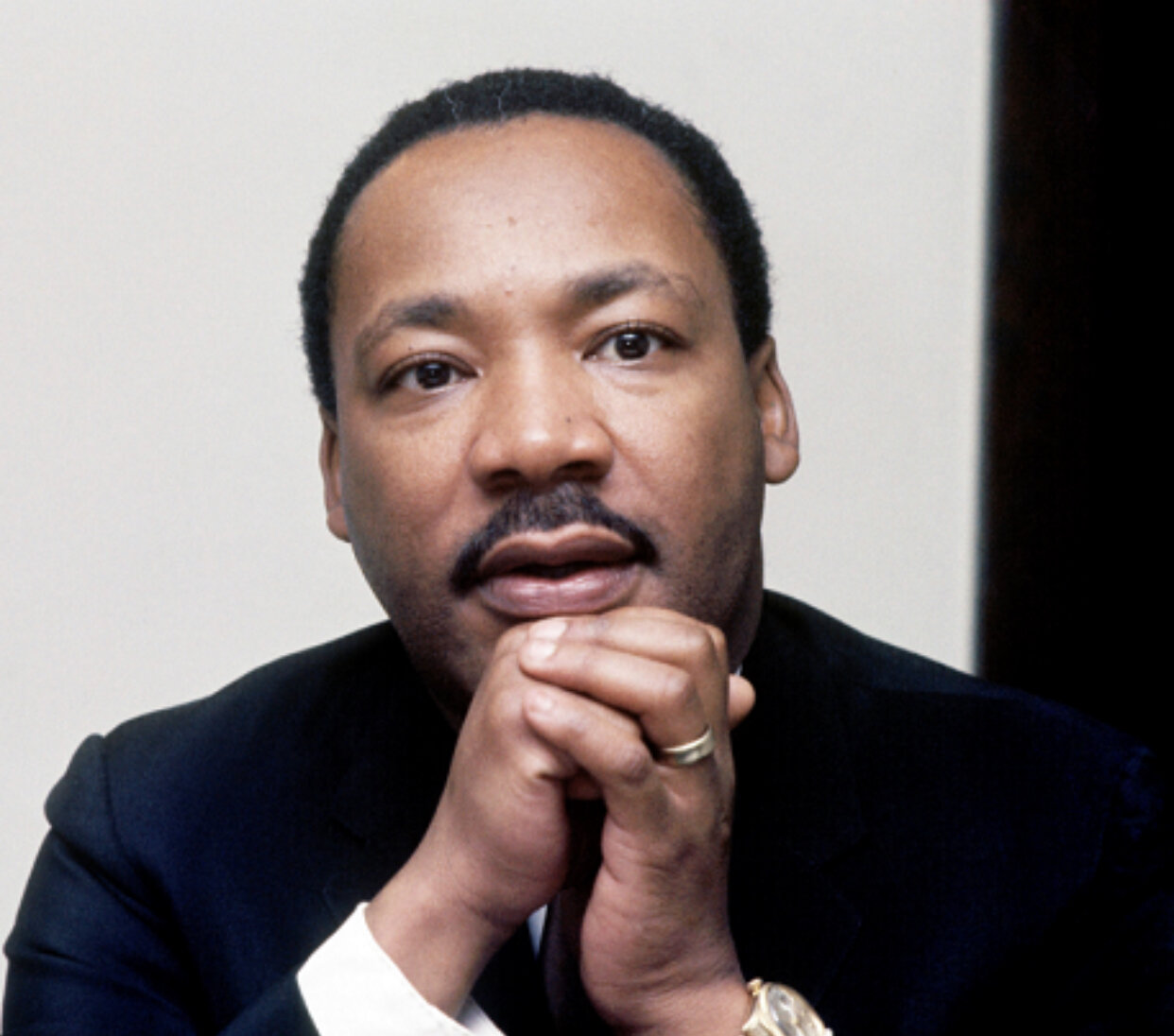
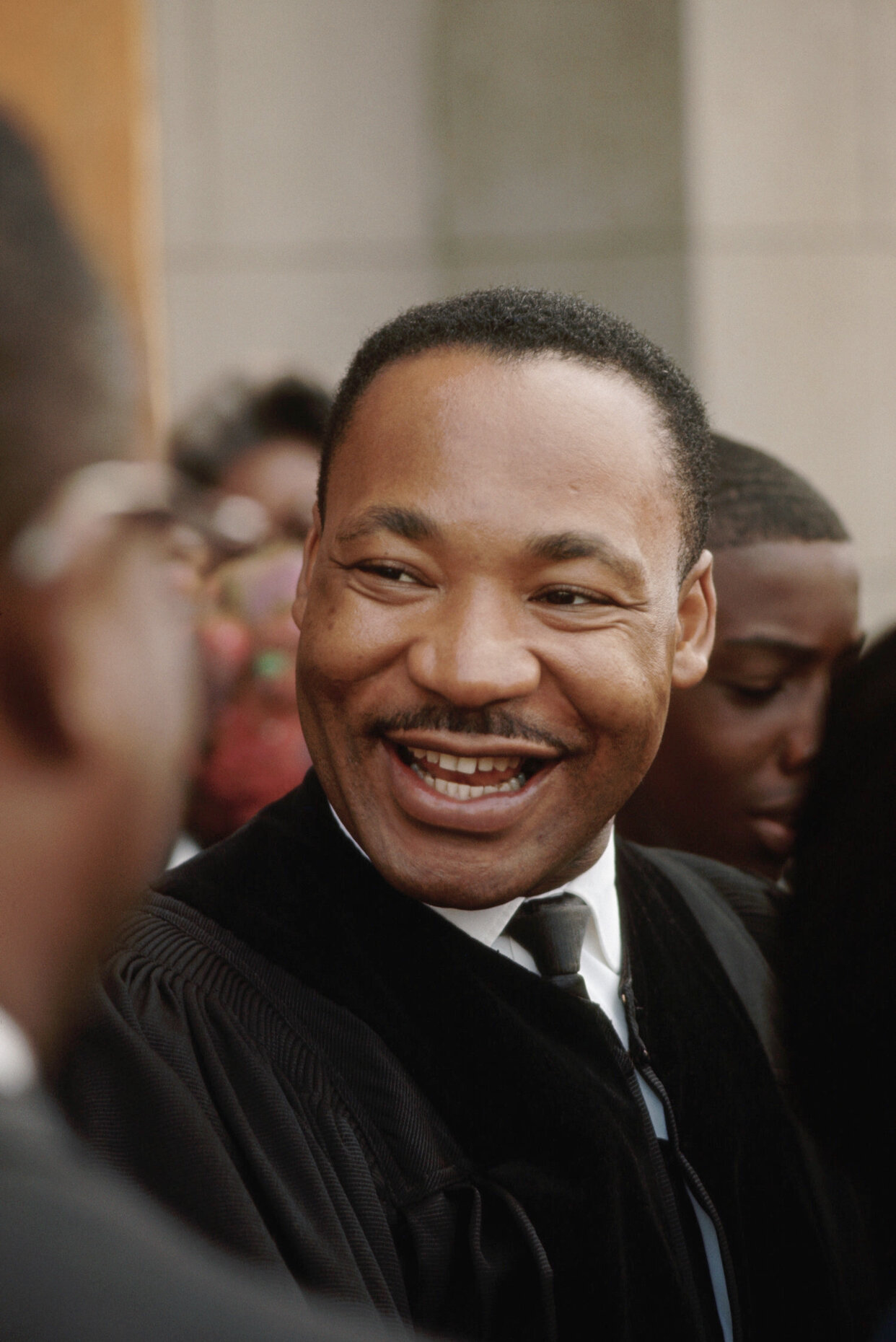
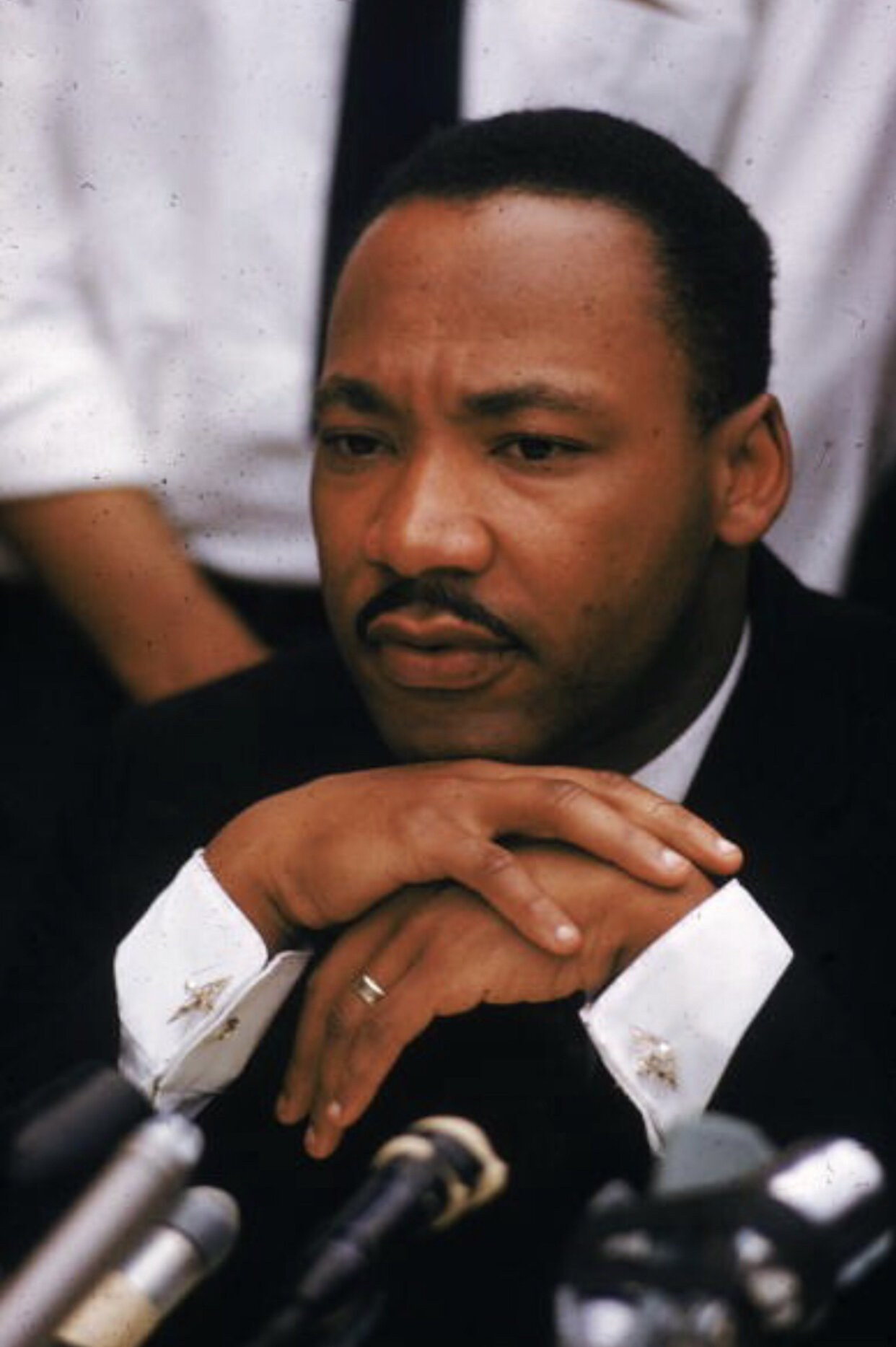
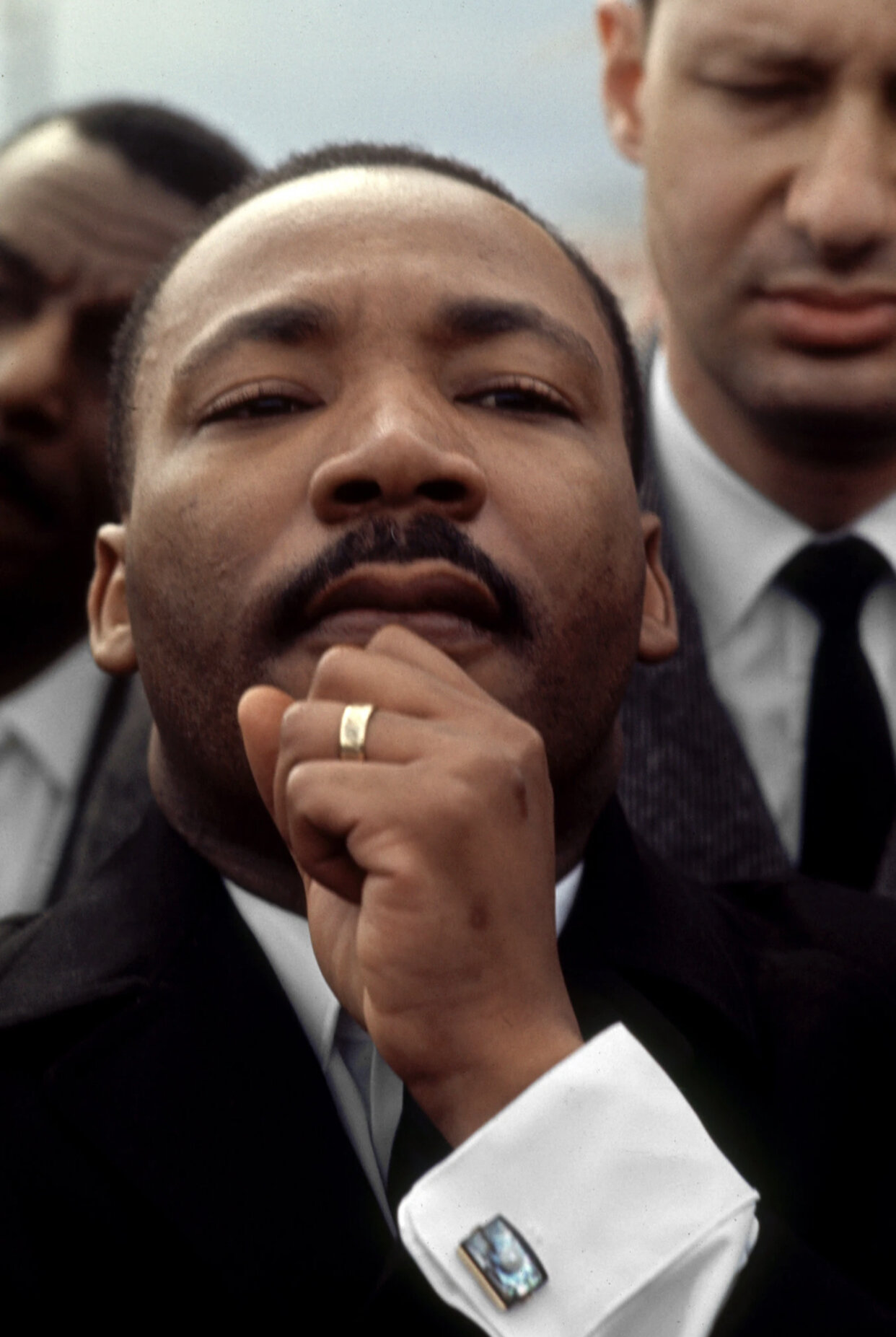
24 Images Of Martin Luther King Jr. In Color
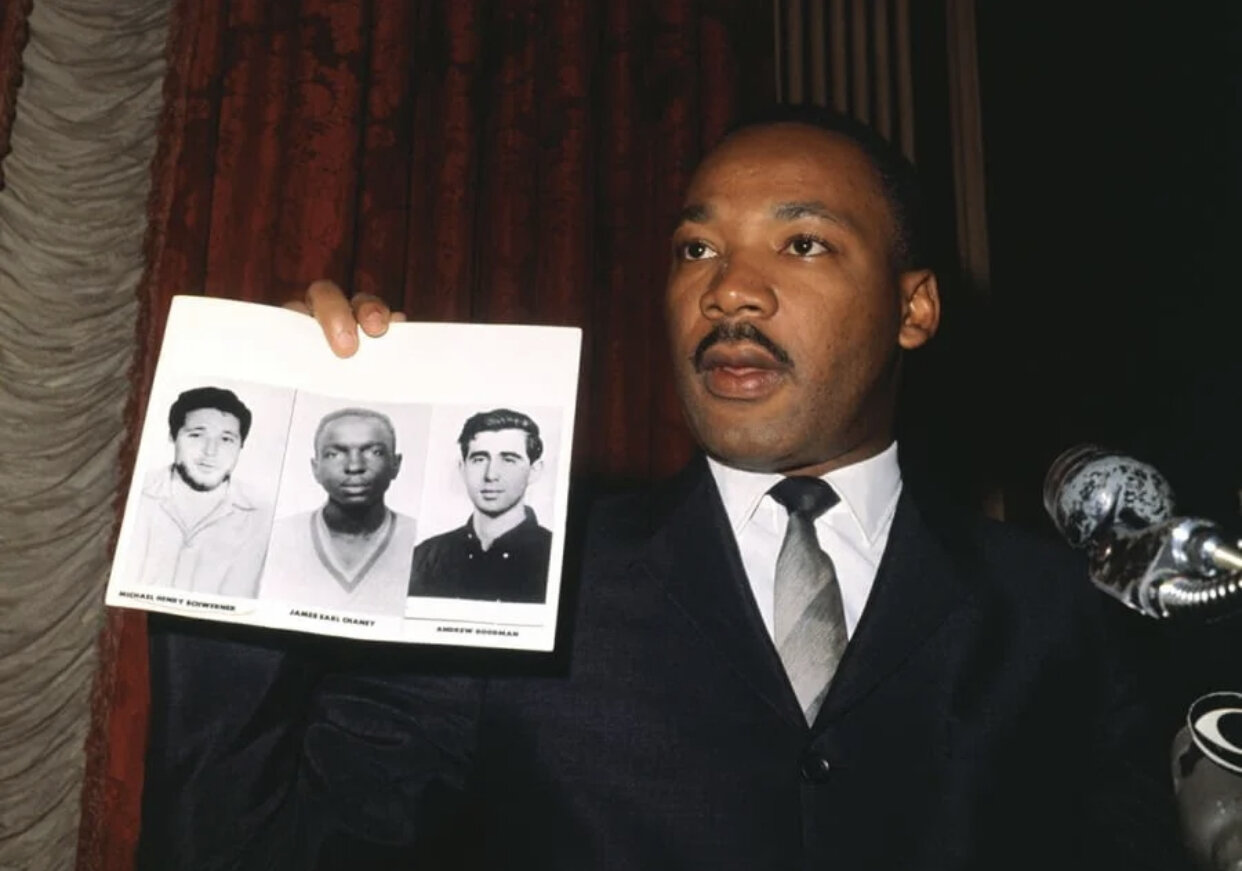
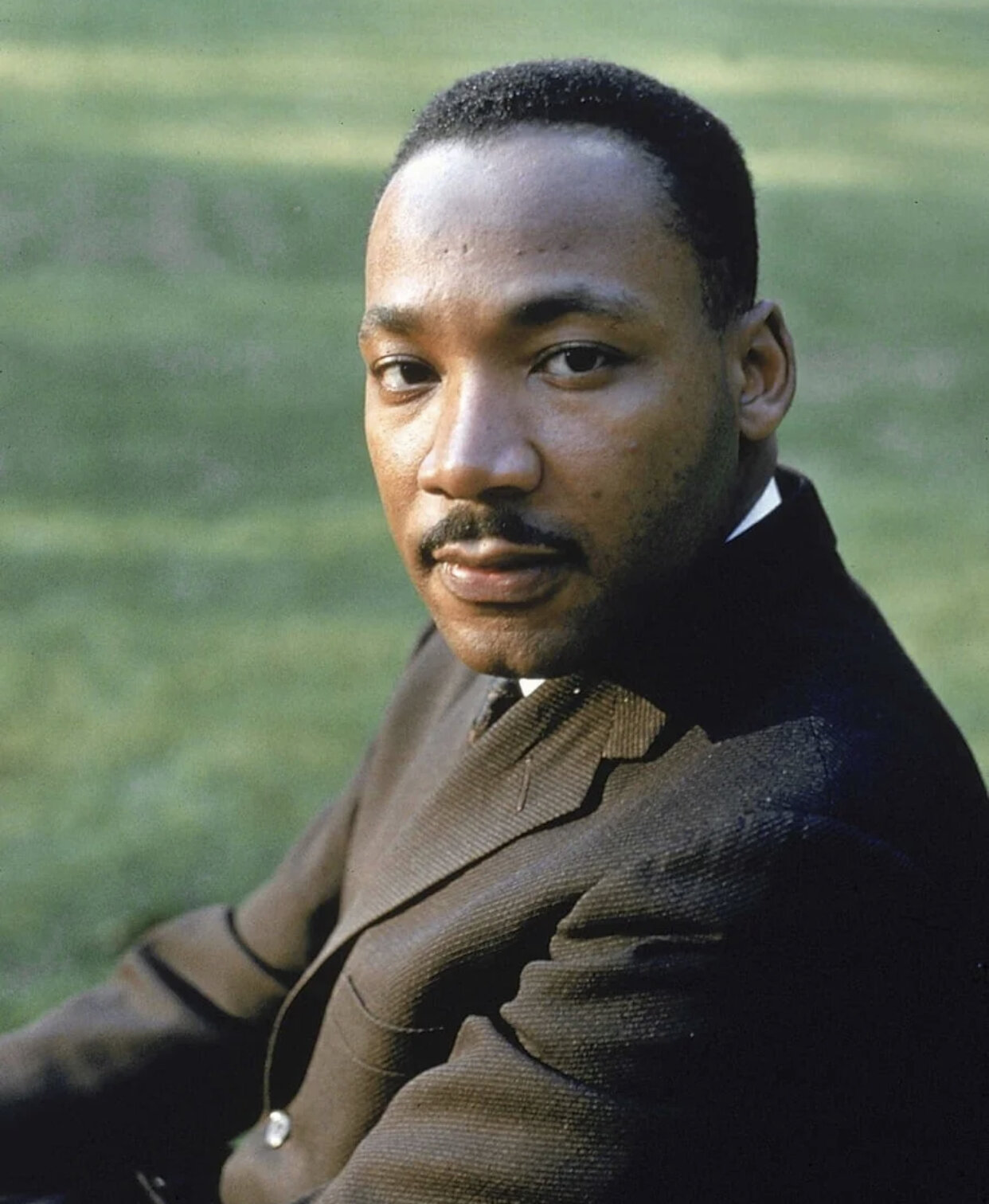
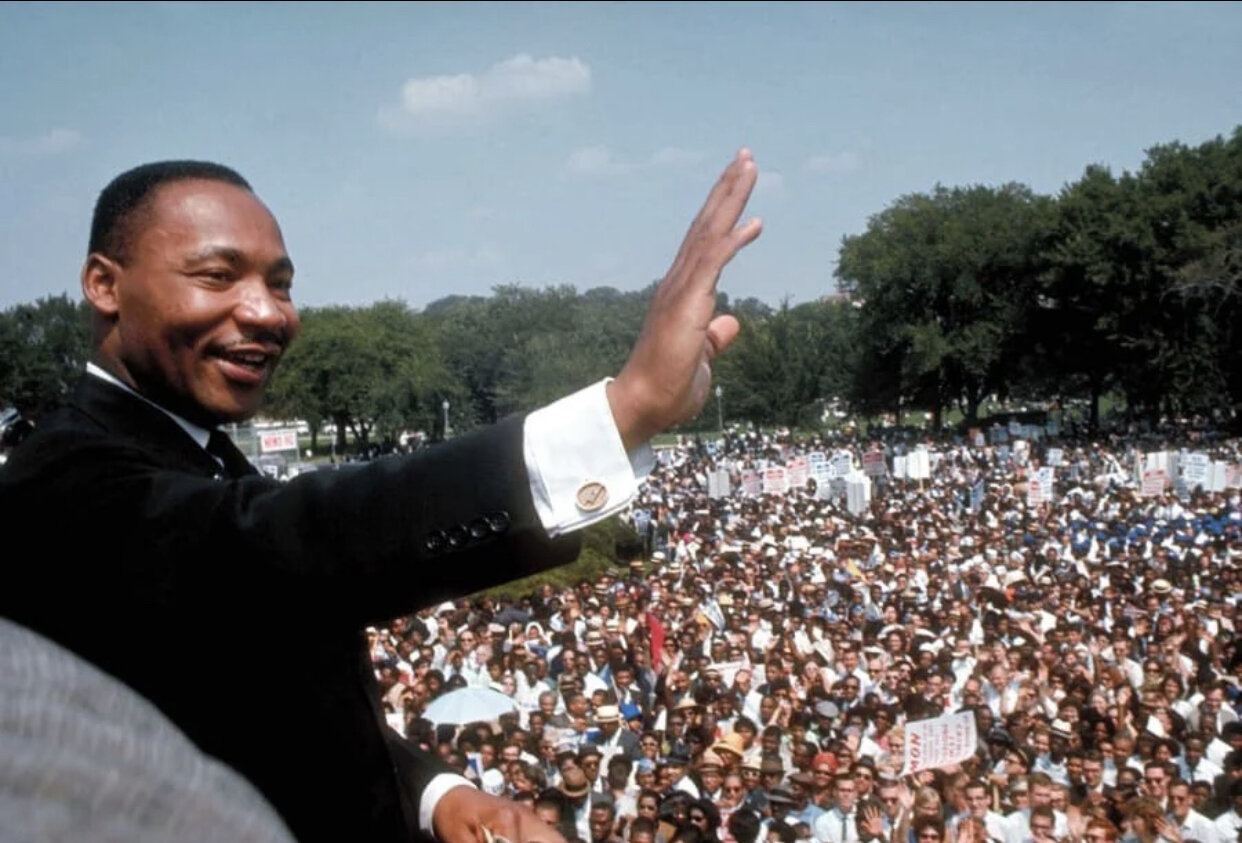
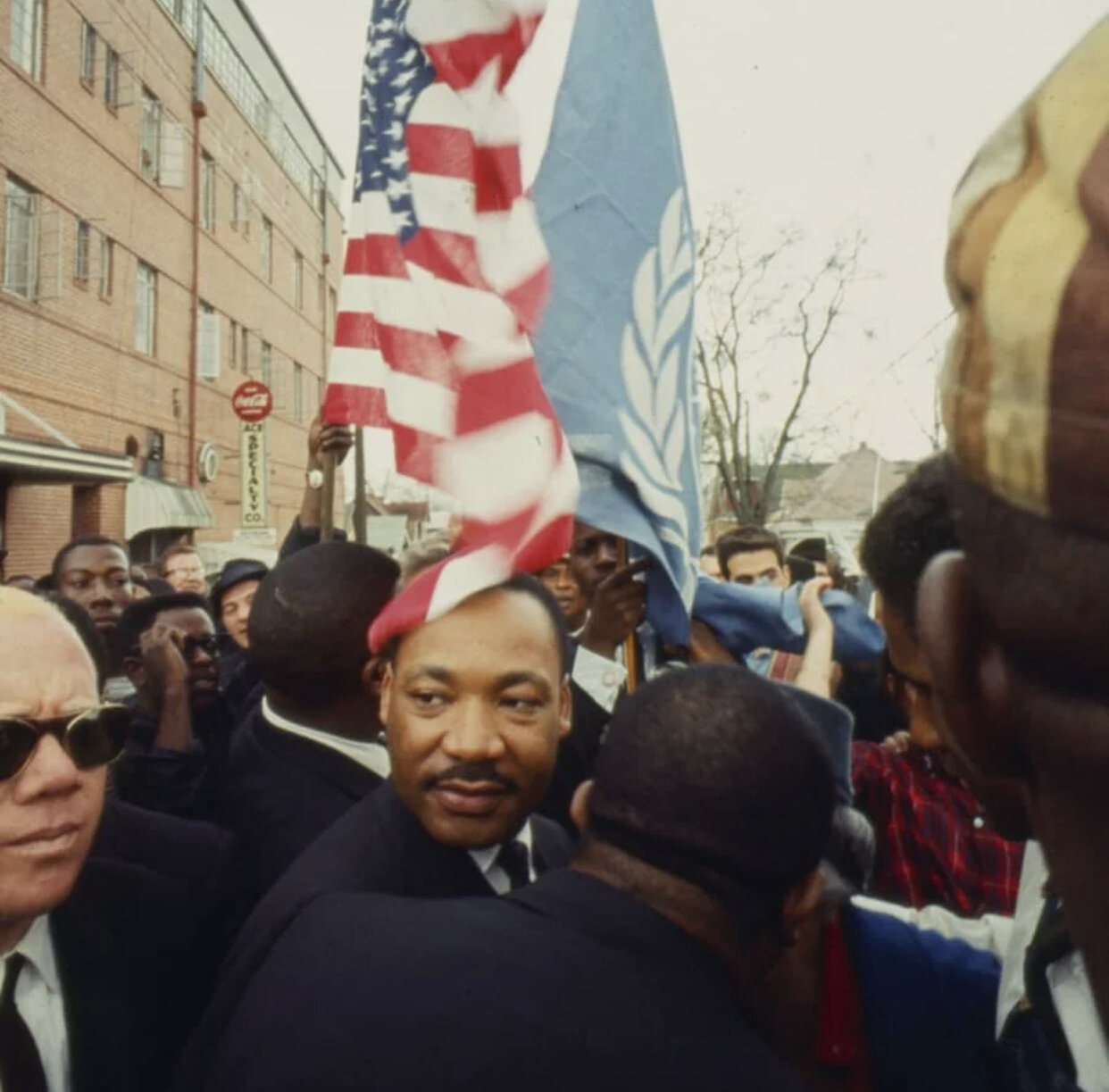
For Martin Luther King, Jr. day, we compiled a gallery of full color images of this iconic leader so you can see very clearly that this time period was not too long ago.

By: Omar Cook
Growing up, we were shown black and white images of the civil rights movement depicting this time period as if it happened so long ago. Rarely do we see our heroes and legends of the past in full color, in particular Martin Luther King, Jr.
This was obviously intentional as our textbooks were designed to show us this on purpose. For Martin Luther King, Jr. day, we compiled a gallery of full color images of this iconic leader so you can see very clearly that this time period was not too long ago.
YOU MAY ALSO BE INTERESTED IN:
SHARE TO SOCIAL MEDIA
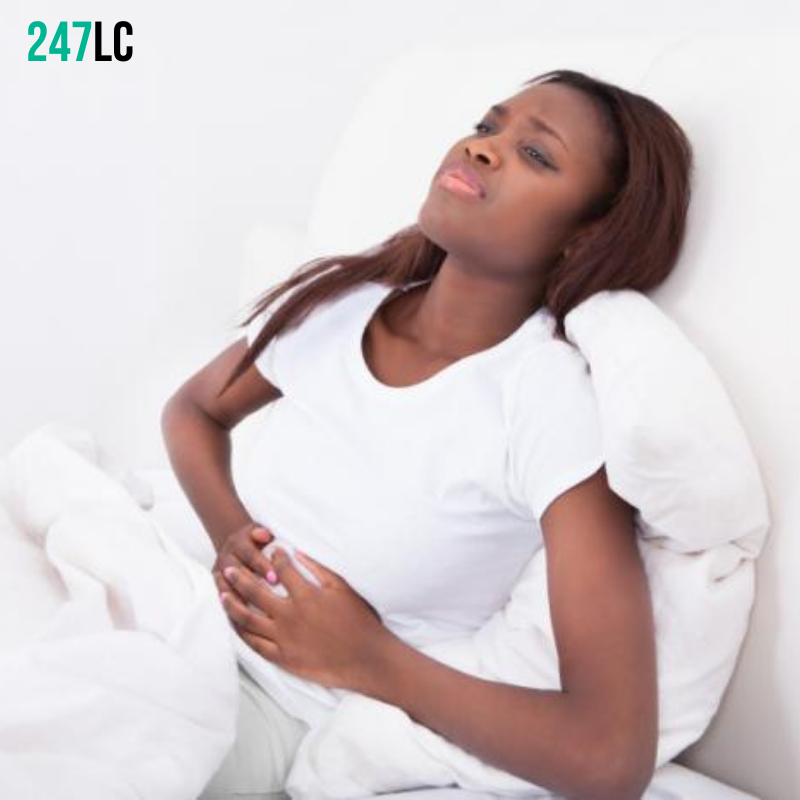
Natural Remedies For Fibroid Treatment: Diet, Herbal Remedies, and Lifestyle Changes
Here are some natural herbal remedies, dietary suggestions, and lifestyle changes that can help treat uterine fibroids!
By: Emily-Ann
First and foremost, happy new year! This year started with a bit of chaos and uncertainty. Amid our uncertainty, one thing we can take control of is our reproductive health.
If you are reading this post it's because you enjoyed our last post where we discussed fibroids. In the previous post, we discussed the alarming rate at which women of color, specifically African/Caribbean women being diagnosed with fibromyalgia. Research links fibroids to deficiency of vitamin D, a hormone produced in the body when the sun penetrates the skin. Taking Vitamin D3 supplements can help prevent the fibroid(s) from increasing in size.
Before we get into the alternatives let me give you some background story. I became educationally aware of the condition. I was unsatisfied with the answers given to me by a childhood doctor. It was more of dismissal and “ Ah, don’t worry about it, many women have children even with fibroids”. Only to find out almost two years later, it grew and so did my symptoms along with an irregular period. I am happy to say, I have made improvements with the changes I have implemented so far.
Over the last two years, I have very familiar with the condition and experienced some of the most common symptoms of fibroids. Gaining knowledge about fibroids I began to ask questions like, what I can do to improve my quality of life? What can I do naturally to shrink and rid my uterus of fibroids without surgery? I found different herbs that may aid in this process, and alleviate symptoms associated with fibromyalgia. Seeking natural remedies for shrinking the fibroids is fueled by my urge to preserve my fertility and the health of my uterus.
Doctors often focus on treating the symptom(s) and not the root cause. They do this by recommending extracting the fibroid(s) using different methods. Performing a hysterectomy (removal of the uterus) is one of the popular suggestions depending on the size and even suggesting hormonal therapy, which for a young person can wreak havoc on the body. They mean well but, you also have to know what is right for you and speak up for yourself.
Before seeking alternative methods for dealing with my fibroids, I felt like I was being dismissed by the doctor, and I had this doctor since I was a small child. I was extremely hurt and disappointed when my fibroid grew within a year of doing nothing besides monitor at the advice of the first doctor. This became my motivation to change my provider, and ask for a different OBGYN who was a good fit for me. Think of it this way, finding the right provider is like a relationship. You wouldn’t stay in a relationship that was no longer serving you.
Herbs
Let’s talk about mother nature’s kitchen, shall we? I mean it’s been around for as long as humans have been consuming and reproducing. It’s only natural that we return to what we know, at times we fall short, and our bodies will let us know very quickly when something is off. I will introduce some of the herbs and their meniscal properties that help in striking fibroids and detoxing the body.
Red clover tea
Red Raspberry Leaf tea
Dandelion root tea
Milk Thistle
Yellow-Dock
Stinging Nettle Leaf
Burdock Root
Chaste berry (Vitex)
Herbs
Burdock Root
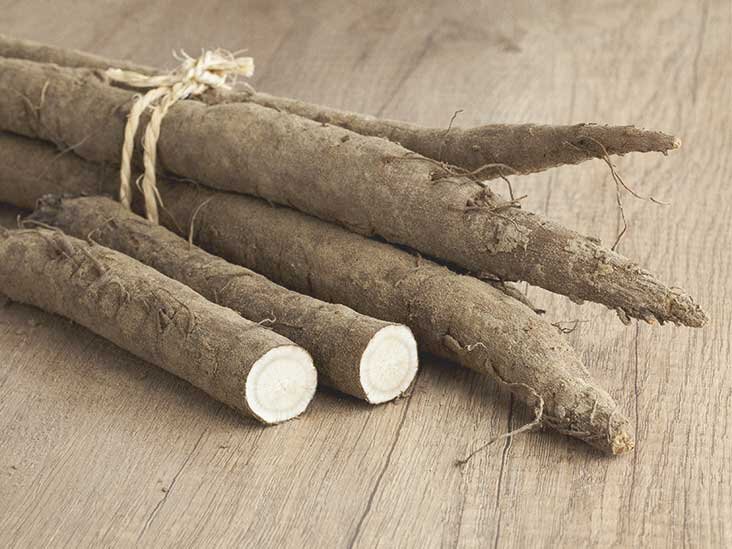
Burdock Root
Burdock Root is the herb you want to get familiar with if any, because of its overall health for the body and healing properties possessed in just one plant. The benefits of this herb are more for overall health and not just for fibroids.
Healthy skin
Boost the immune system
Prevents cancer
Balances blood sugar
Cures tonsillitis
Healthy for the liver, which is important for getting rid of excess estrogen in the body
Red Clover
Red clover (Trifolium pratense) is a flower that is in the same family as beans and peas. This dark pink herbaceous plant originates from North Africa, Europe, and Asia. Red clover is an overall fertility booster and improves circulation, and can also help promote cervical fluid.
Red Raspberry Leaf Tea
This herbal remedy tones uterus muscles and is packed with very critical vitamins and minerals for boosting your fertility. Some benefits include vitamin C, E, and strengthen the uterine lining. This herb improves the outcome of labor and prevents excessive bleeding after childbirth. Currently it is my favorite herb so far, due to various benefits for women’s health.
Dandelion Root & Leaf
Dandelion Root & Leaf known as Taraxium Officinalis provides liver support to help with hormonal health. This herb is high in vitamins and minerals that nourish the whole body and provide liver health.
Chaste berry (Vitex)
Chasteberry is also known as Vitex Agnes-castus. This particular herb has effects that will signal the brain to release a luteinizing hormone which is responsible for triggering ovulation. This helps the ovaries produce more progesterone, which is critical for supporting early pregnancy. Vitex also helps normalize hormone balance and regulates a healthy period and manages PMS symptoms.
Many of these herbs come in teas, pills, and droplets.
Milk Thistle
This herb is known as Silybum marianum. Milk Thistle stimulates the secretion of bile in the liver which aids in proper digestion of the hormone estrogen.
Sting Nettle
The scientific name is Urtica dioica, this herb can be found in Europe, Asia, and North-Western Africa. Now, this herb can be found worldwide and is said to be helpful to remove fibroids, promote regulation of hormones, menstrual cycle, and reduce PMS symptoms. This herb has many other benefits like a digestive aid, urinary tract benefits, hair loss, hair conditions.
Yellow-Dock
Primarily used to treat low iron when dealing with fibroids. Yellow-Dock is used for poor digestion and liver detoxification. This herb was mentioned, but I still have yet to try this particular herb myself.
Heating Oil Packs
This method calls for flannel cloth, heating pad, and a towel used to help keep in the heat. Saturate the flannel cloth in Jamaican black castor oil. Place the flannel cloth on the lower abdomen, and place the heating pad over it. Sit in a quiet place, meditate, watch a show/movie for 30 minutes. There might be some dripping, so it’s a good idea to keep an extra towel around. This method is to be applied several times a week. It’s another way to effectively shrink fibroids and relieve pain.
Bonus, look up the benefits of molasses and fibroids, the benefits of this particular product regarding fibroids will surprise you.
Additional Support
Seeking additional help from a Naturopathic doctor to help identify the cause of certain foods that may be contributing to inflammation of the body. This is said to be one of the primary reasons for the fibroids appearing in the uterus. They can also help in balancing hormone levels. Accountability and Support from family, friends, and loved ones can make a huge impact. There will be days where you don’t feel like it or slip up and have that sweet snack. Don’t worry and remember to be kind to yourself.
Let our team know if this list was helpful. If you want to know more information, drop a comment below and let’s continue the conversation here on 247LiveCulture.
Disclaimer: Please, consult with your healthcare provider before starting or any prolonged use of any of these herbs. I am not a healthcare professional nor do I claim to be one. I am sharing the herbs I have found to be helpful.
YOU MAY ALSO BE INTERESTED IN:
SHARE TO SOCIAL MEDIA

Polycystic Ovarian Syndrome (PCOS): What You Should Know
Polycystic Ovarian Syndrome (PCOS) is a condition that affects the hormonal balance within women, but how do you know you have it? We discuss it here!
By: Sydni Hatley
Polycystic Ovarian Syndrome - what is it and how do you know you have it?
Women deal with many things that feel close to the unimaginable. From cramps and menstrual cycles, to mood swings and hormone fluctuations, all the way down to bringing forth new life and the bodily changes that come with it—women deal with a lot. But what is PCOS and how does it fit into all of this? It’s actually a lot more common than we think, and may be the cause for a lot of unfavorable bodily functions that women do not like.
PCOS is a condition that affects the hormonal balance within women. Women with PCOS have higher levels of male hormones than the average, and experience things like irregular periods, weight gain, excessive or unwanted hair growth, ovarian cysts, acne, and difficulty getting pregnant. Many women actually do not realize that they have PCOS, as it is something that must be diagnosed by a doctor. However, it is possible to make a personal assessment of your own body to see if what you experience aligns with any of these listed symptoms. After that you can inquire about it to your doctor whenever you are comfortable.
So now you are probably wondering: is this life threatening, and how can I deal with the symptoms? In general it should not be life threatening, and there are ways to remedy these symptoms. For your period and excess hair growth, the most common recommendation is usually birth control. Birth control is known to regulate the period, and it will also balance out those imbalance of hormones that are throwing things off.
You can take vitamins as a source of vitamin D to help promote ovulation and fertility as well, and when it comes to the weight gain caused by a metabolic dysfunction from PCOS, you can manage it by changing your diet and going gluten and dairy free. It may not be easy, but it may be worth it! As far as ovarian cysts, you can get those surgically removed, and talk to your doctor/dermatologist about ways to remedy the acne you experience. Natural alternatives to helping remedy PCOS symptoms will also be linked below.
The unwanted hair specifically can be annoying, but there are ways to help reduce it that are natural as well. You can drink spearmint tea twice a day to slow the growth of the hair, and take zinc tablets to help as well. If you are plucking the hair and experience scarring (especially for black women) due to ingrown hairs, you can use treatments such as “Tend Skin” or the Ingrown Hair Serum from the European Wax Center twice a day for reference.
Keke Palmer recently opened up about discovering that she herself was diagnosed with PCOS in order to bring awareness to it.
“For some of you this may be TMI, but for me my platform has always been used for things much greater than me,” she said. “Polycystic [ovary] syndrome has been attacking me from the inside out my entire life and I had no idea.”
The bottom line is, for women it takes a lot to feel beautiful, let alone when you have what seems like so many forces working against you with PCOS. The silver lining is that you or not alone in having this condition, as more women have it than you think. With the right tools and research, you can reverse these symptoms and finally live the life you want to.
YOU MAY ALSO BE INTERESTED IN:
Meet Emily-Ann Brown, contributing writer to 247 Live Culture!