
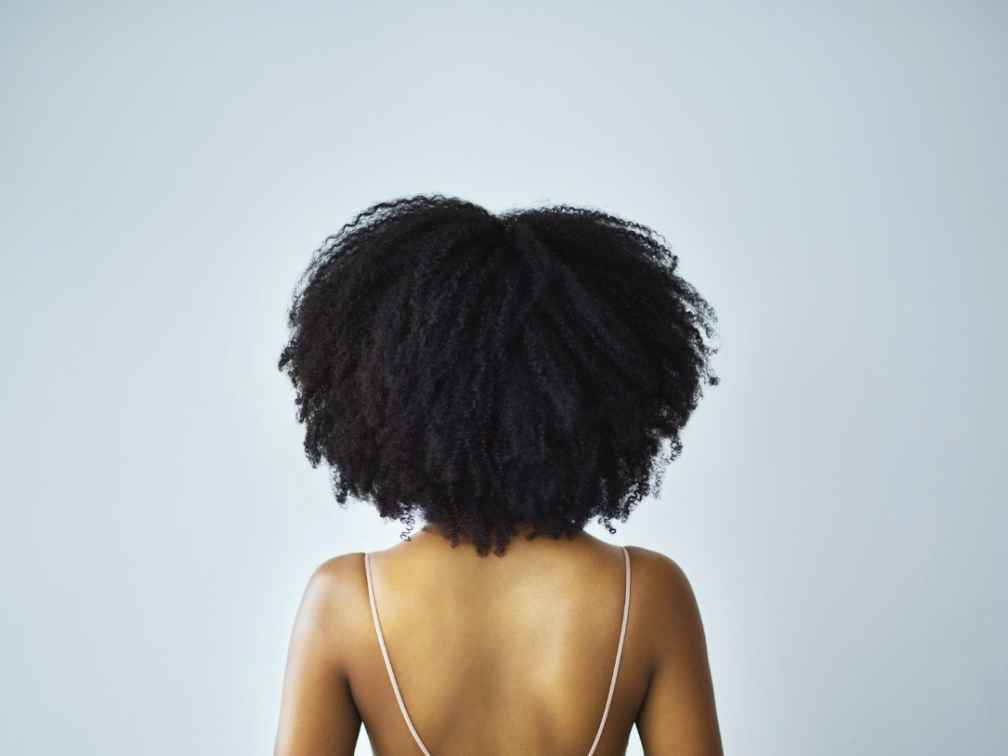
The Healing Power of Black Hair: Why Black Hair Is a Powerful Symbol of Identity and Self Love
For many Black women, the journey of caring for their hair goes far beyond beauty, becoming a powerful process of reclaiming identity, challenging historical beauty standards, and finding healing through self-acceptance and cultural connection! We discuss it here!

The Healing Power of Black Hair
Photo Credit: Delmaine Donson via iStockPhoto.com
By: Jamila Gomez
For many Black women, hair carries meaning that goes far beyond style. It holds memory, identity, culture, and sometimes even pain. The relationship between Black women and their hair is deeply layered, shaped by history and personal experience. Because of that, caring for hair can also become a form of healing.
Hair has long been tied to identity in Black communities. Before the transatlantic slave trade, many African cultures used hairstyles to communicate status, tribe, age, or marital position. Hair was art, language, and community all at once. Enslavement disrupted those traditions. Heads were often shaved, both for sanitation and as a way to strip people of cultural identity. That loss created a deep cultural rupture that still echoes today.
After slavery, pressure to conform to European beauty standards intensified. Straight hair became associated with professionalism, attractiveness, and social acceptance. For generations, Black women were taught—sometimes directly and sometimes subtly—that their natural hair was something to control, hide, or fix. Relaxers, hot combs, and chemical treatments became common tools not just for styling, but for survival in workplaces and schools where natural textures were often judged harshly.
Because of that history, hair can hold emotional weight. It is not simply about aesthetics. It can represent years of messaging about worth, belonging, and acceptance.
This is where healing begins.
When Black women start to redefine their relationship with their hair, they are often doing more than changing a hairstyle. They are challenging long-standing narratives about beauty and value. Choosing to wear natural curls, coils, braids, locs, or protective styles can be an act of self-acceptance. It is a way of saying that what grows naturally from the scalp is already worthy.
For many women, the natural hair journey becomes a period of rediscovery. Learning about curl patterns, moisture, and protective care reconnects people with their own bodies. What once felt like something to battle becomes something to understand.
Hair care routines can also create space for reflection. Wash days, detangling sessions, and styling rituals can be slow, intentional moments in an otherwise fast-moving world. These routines allow time to check in with oneself, breathe, and reconnect. The process becomes less about perfection and more about care.
There is also healing in community. Black hair care has always been a shared experience. Mothers doing their daughters’ hair, friends braiding each other’s hair, women exchanging product tips, or sitting together in salons. These moments create conversation, laughter, storytelling, and support.
The salon chair in particular has long functioned as more than a place for styling. It can be a space of honesty where women speak openly about life, relationships, work, and struggles. In those spaces, hair becomes the backdrop for emotional release and connection.
Healing also comes through visibility. When Black women wear their hair in ways that reflect their natural texture or cultural traditions, they expand the definition of beauty for others. Younger girls grow up seeing more possibilities. Representation shifts what is considered normal and acceptable.
This is part of why legislation like the CROWN Act has gained attention in recent years. Laws protecting natural hairstyles in workplaces and schools highlight just how serious the issue of hair discrimination has been. Protecting the right to wear natural hair affirms that cultural expression should not come with penalties.
Ultimately, the connection between hair and healing lies in reclaiming ownership. Black women deciding how to wear their hair, how to care for it, and how to define beauty on their own terms is a powerful shift.
Hair may grow from the scalp, but its meaning runs much deeper. For many Black women, tending to their hair is also a way of tending to themselves.

YOU MAY ALSO BE INTERESTED IN:

SHARE TO SOCIAL MEDIA

Black Women Deserve to Be Proud
In a world that applauds Black women for their strength but rarely encourages them to celebrate themselves, learning to embrace healthy, unapologetic pride becomes an essential act of self-recognition, confidence, and quiet revolution! We discuss it here!
Black Women Deserve To Be Proud
Photo Credit: Prostock-Studio via iStockPhoto.com
By: Jamila Gomez
Black women are often praised for endurance. People admire how they hold families together, show up for everyone else, and keep moving forward no matter what. Strength becomes the headline. Resilience becomes the brand. What rarely gets centered is pride. Real, unapologetic pride in what they have accomplished and who they have become.
For many Black women, pride can feel complicated. There is a long history of being told to stay humble, to not make others uncomfortable, to not appear arrogant or ungrateful. Success is often softened. Achievements are minimized. Wins are attributed to luck, favor, or timing rather than effort and ability. Over time, that habit of shrinking becomes second nature.
But denying yourself pride slowly chips away at your sense of self. Pride, in its healthiest form, is simply acknowledgment. It is the ability to look at your life and say, I worked for this. I survived that. I grew through that season. It is allowing yourself to feel the weight of what you carried and the fact that you did not drop it.
Without pride, accomplishments blur together. One milestone is reached and immediately replaced by the next demand. There is no pause to integrate what happened. No space to let your nervous system register that something meaningful occurred and that you were the one who made it happen. That constant forward motion creates exhaustion because there is never a moment where anything feels complete.
Black women carry layered expectations from family, community, work, and faith spaces. Many were raised to believe that strength is proven through service and sacrifice. Pride can feel indulgent in comparison. It can feel like drawing attention to yourself in a world that already scrutinizes you. Yet pride is not arrogance. It is alignment. It is recognizing that your effort matters.
The world does not consistently affirm Black women. Competence is often questioned before it is acknowledged. Labor is expected before it is appreciated. Leadership is relied upon before it is credited. If you wait for external validation, you may be waiting a long time. That is why internal validation becomes essential.
Healthy pride builds self trust. It becomes an internal voice that says, I see what you did. I know what it cost you. That voice strengthens confidence in a way that applause never could. It also reshapes identity. Instead of seeing yourself only as the strong one or the responsible one, you begin to see yourself as capable, accomplished, and worthy of celebration.
There is also room for faith in this conversation. Gratitude and pride can coexist. You can acknowledge God’s grace and still recognize your obedience, your discipline, and your courage. Partnership does not require erasing your contribution.
Allowing yourself to be proud changes how you move. You negotiate with more clarity. You rest without as much guilt. You make decisions from confidence rather than fear. Most importantly, you model something powerful for younger Black girls watching. They learn that achievement does not have to be whispered and that celebration does not have to be quiet.
Black women deserve more than survival. Thriving includes honoring yourself. Pride is not excess. It is necessary.
YOU MAY ALSO BE INTERESTED IN: