Fear of Abandonment While Living With Disability or Chronic Illness
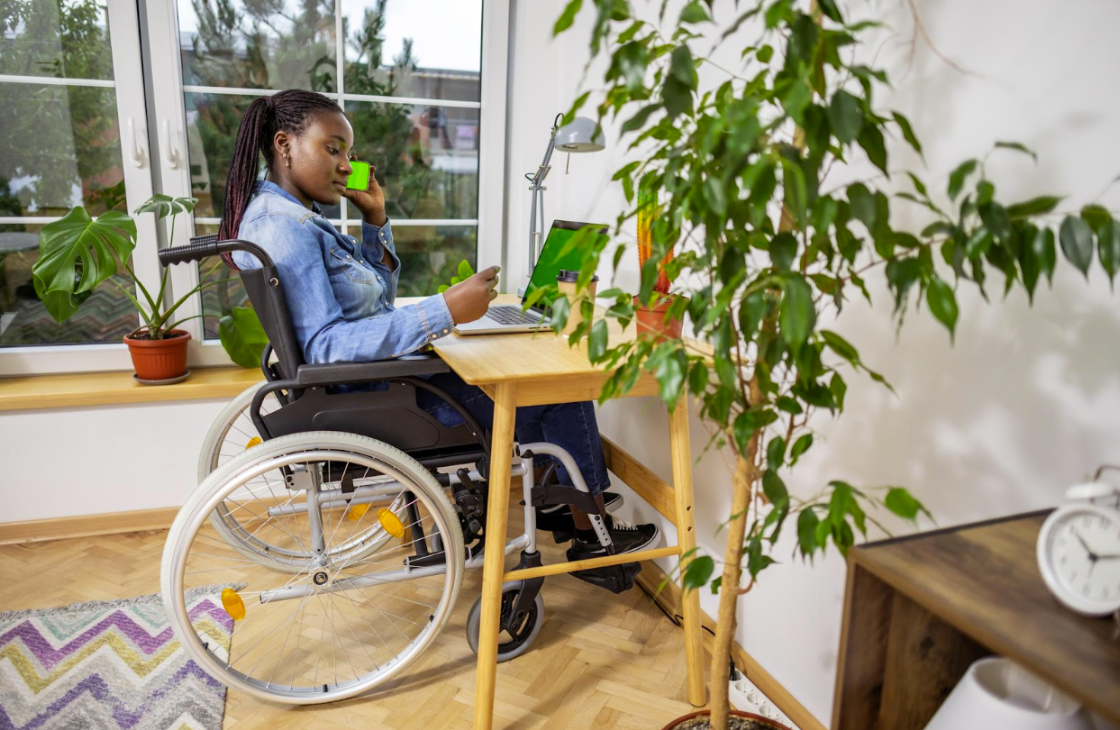
Photo Credit: Constantinis via iStockPhoto.com
By: Jamila Gomez
Fear of abandonment looks different when you’re a Black woman living with a physical, medical, or neurological condition. It’s not just the fear of someone walking away — it’s the quiet, lingering question of whether anyone will stay long enough to understand the life you carry. It’s the weight of wondering if your body, your limits, your fatigue, or the way you move through the world will make you “too much” for people who say they care.
For many of us, the fear didn’t start with a dramatic event. It started with the way people reacted to our needs. The sighs. The impatience. The disbelief. The way folks minimized our symptoms because we didn’t “look sick.” The way we were praised for pushing through pain instead of protected from it. We learned early that our bodies were negotiable, but other people’s comfort was not. And once that message sets in, it becomes second nature to guard yourself against the possibility of being left — not because you’re fragile, but because you’ve been conditioned to survive disappointment before it arrives.
Living with a condition that shapes how you function means living with a level of vulnerability most people never have to consider. Every plan depends on how your body feels. Every commitment comes with a quiet calculation: Will I have the energy? Will they understand if I don’t? Will this inconvenience them? Will I lose them if I’m honest? That mental load alone can push you into silence, isolation, or overcompensation. You end up trying to be “easy,” “flexible,” and “low-maintenance,” just so no one can accuse you of needing too much. But in the process, you abandon yourself long before anyone else gets the chance.
The fear of abandonment hits differently when you’ve had people dismiss your reality because they couldn’t see it. Invisible limitations create invisible grief. You carry the loss of who you thought you’d be by now. You grieve the friendships that faded because you canceled too much. You grieve the partners who got tired of adapting. You grieve the dreams that now require more support than you feel allowed to ask for. And beneath all of that grief is the fear that anybody you let close will eventually decide you’re a burden.
But here’s the truth most women like you never say out loud:
You’re not afraid of being left — you’re afraid of being misunderstood in the one place you should feel most held.
This fear shows up in the way you hesitate before expressing discomfort. It shows up in the apologies you give for pain you didn’t choose. It shows up every time you hide how hard the day was because you don’t want to look like you’re “complaining.” It shows up when you overextend yourself just to prove your worth. And it shows up when you stay in relationships that run on crumbs because at least crumbs don’t disappear.
But the deeper truth is this: your fear doesn’t mean you’re weak. It means your lived experience has taught you to be cautious. You’ve learned that not everyone has the capacity to love a woman with boundaries, limitations, and expectations. You’ve learned that some people only know how to hold you as long as you’re convenient. And that kind of history will shape how you love, how you trust, and how you let people close.
Still, there’s another side of the story — the part where you stop apologizing for the life you live. The part where you release the shame around your needs. The part where you stop shrinking your reality just to keep people who don’t deserve a front-row seat. Because the fear of abandonment loses its grip the moment you stop negotiating your belonging.
You don’t need people who are intimidated by your truth. You need people who can sit in the room with it without flinching. People who don’t make your limitations feel like liabilities. People who stay when things get inconvenient. People who understand that your body isn’t a burden — it’s a story, and you deserve to be surrounded by those who are willing to read it.
That kind of connection doesn’t eliminate the fear, but it gives it somewhere honest to land. And when a woman like you finally finds that? She stops bracing for abandonment and starts trusting her right to be chosen.

YOU MAY ALSO BE INTERESTED IN: