Built to Lead, Longing to Rest: The Catch-22 of Loving a Strong Black Woman
Many Black women navigate the complex tension between strength and softness, shaped by survival and independence, while seeking emotional safety in relationships that honor their full humanity. We discuss it here!

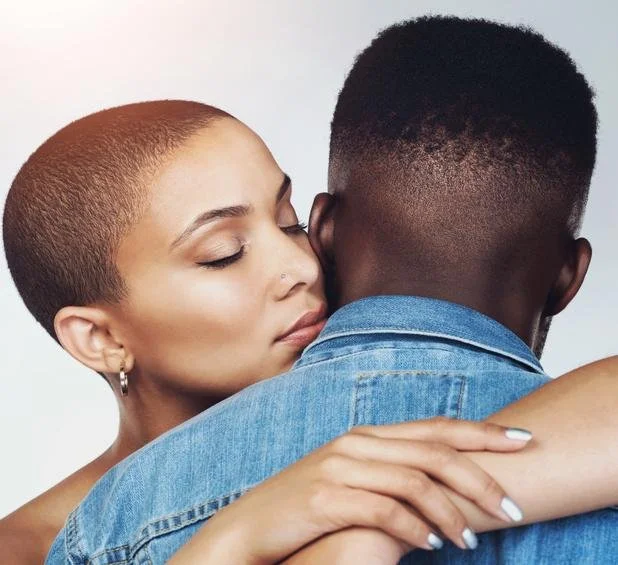
Photo Credit: Jacob Wackerhausen via iStockPhoto.com
By: Jamila Gomez
There’s a constant, quiet tug-of-war many Black women feel—but rarely speak about out loud. It’s the tension between wanting to be soft, loved, and held—and knowing we’ve been raised, shaped, and sometimes forced to always be the strong one.
From the time we’re young, we’re taught independence like it’s gospel. Be smart. Be capable. Don’t depend on anyone. Make your own money. Handle your business. And it’s not just talk—it’s modeled for us in the way we watch our mothers, aunties, grandmothers, and older sisters carry families on their backs with little to no help. We inherit their resilience because we’ve had to. Survival demanded it.
Then we grow up and enter male-dominated spaces, and what do we do? We hold our own. We outperform. We lead. We become providers in ways our mothers never got to. We carry success and self-sufficiency like armor because we had to build our lives in a world that never handed us softness to begin with.
But then… we enter relationships. And suddenly, all that independence becomes “too much.” We’re told we don’t know how to “let a man lead.” We’re accused of being too masculine, too combative, too hard to love. And the same traits that helped us survive—and thrive—are used against us.
It’s confusing. If we stand tall, we’re difficult. If we ease up, we’re gold diggers or lazy. There’s rarely grace for us to just be. And the truth is, many of us do want to rest. We want to be held, not just needed. We want to feel safe enough to take the cape off. But trust—real trust—requires safety. And softness is a risk when you’ve been taught your whole life that depending on others means being let down.
This isn’t about bashing men. It’s about naming the weight we carry, and how complicated it becomes when we’re expected to shift gears emotionally with no support, no reassurance, and no room to be in process.
If we want softness from Black women, the conditions have to exist for us to feel safe being soft. That means emotional safety, consistent leadership, and the kind of partnership that honors our whole humanity—not just the version of us that’s useful or easy.
We are not hard because we want to be. We’re hard because we had to be. And for many of us, the journey isn’t about “submitting”—it’s about unlearning survival in spaces that finally feel safe enough to exhale.

YOU MAY ALSO BE INTERESTED IN: