
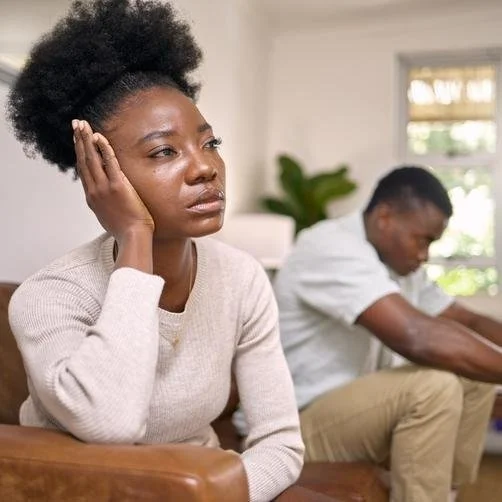
“Was It Me?” The Weight of Being Left, and the War Women Wage on Themselves
Many women blame themselves after a breakup, but the truth is, being left doesn't mean you're unworthy—it often means you loved someone unwilling to rise and meet your depth. We discuss it here!

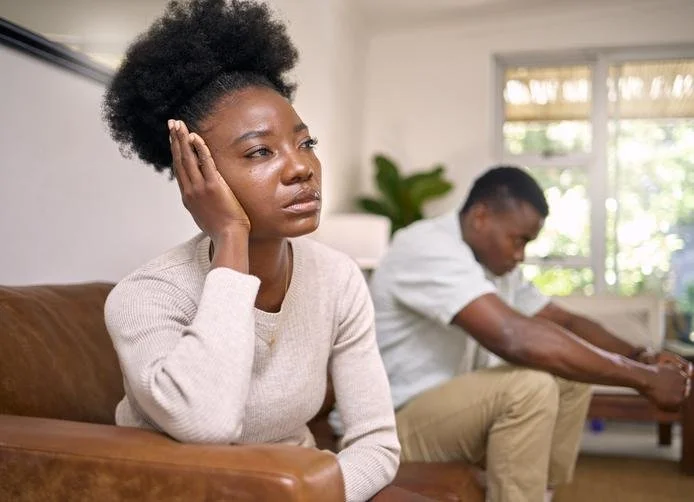
Photo Credit: PeopleImages via iStockPhoto.com
By: Jamila Gomez
When a relationship ends, especially one that felt deeply personal and emotionally invested, many women are left sitting in the rubble asking the same quiet question: “Was it me?”
This question doesn’t usually come from nowhere. It comes after months—or years—of showing up fully. Of offering softness, patience, loyalty, and grace. Of adjusting expectations, waiting through silence, and giving more than was ever reciprocated. And still, the person leaves. Or worse, they stay just long enough to erode the woman’s sense of self.
It becomes easy—almost automatic—to assume that if someone leaves after being given so much, the fault must lie with the giver. So many women begin internalizing the departure as a personal failure. If someone else gets the version of that person who is ready to love, ready to commit, ready to show up—what does that say about the one who got left?
The mind turns grief into a loop of self-blame. “Maybe I was too much.” “Maybe I wasn’t supportive enough.” “Maybe I wasn’t the one.” And it becomes even more painful when the person they loved appears to move on with ease—offering to someone else the very things they withheld.
But here’s the truth many women miss while sitting in that loop: sometimes it’s not about capacity. Sometimes that person was fully capable of loving, committing, and showing up. They just didn’t want to. At least, not for the woman who loved them first.
And that’s what cuts the deepest—not just the abandonment, but the realization that someone could have done better, and simply chose not to. They chose not to grow. Not to stay. Not to honor the love that was freely given.
In response to this pain, many women don’t get angry. They get self-punishing. They dig through the relationship for clues. They take on blame that doesn’t belong to them. Not just for the parts they played, but for the parts the other person refused to own. This isn’t accountability—it’s absorption. It’s self-blame disguised as growth. The idea is, “If I claim everything, maybe I can avoid being blindsided next time.”
But true accountability sounds different. It says: “Here’s what I did. Here’s what I allowed. Here’s what I’ll do differently next time.” It does not say: “Here’s all the harm they caused—and how I made it happen.”
It’s possible to acknowledge the ways one may have stayed too long, ignored their own instincts, or hoped beyond reason—and still not carry the shame of someone else’s refusal to rise. Self-blame often feels like a kind of control: if it’s my fault, then maybe I can change enough to prevent it from happening again. But the only thing it truly does is keep the wound open and the healing out of reach.
Many women confuse being “easy to love” with being convenient. And many have spent years giving the best of themselves to people who were not willing to meet them at that depth. This doesn’t make them unlovable—it makes them unmatched. It means they haven’t yet been met by someone emotionally available, honest, and invested enough to see them clearly and choose them fully.
Being loved should never require being less. It should not ask for self-erasure, performance, or proof. And being left is not evidence of unworthiness. It’s often just evidence that the person was unwilling to meet love with the maturity, courage, and emotional labor it takes to sustain it.
The grief is real. The loneliness is sharp. But the story that says “you weren’t enough” is not true—it’s trauma. It’s repetition. It’s the residue of being too understanding for too long.
The truth is: real love doesn’t need convincing. It doesn’t require self-abandonment. And it doesn’t leave when things stop being easy.
Some women are still protecting their most sacred parts from people who only know how to consume, not contribute. That’s not a weakness. That’s wisdom.
And it’s not too late to stop blaming yourself for the times you called exploitation love. You didn’t fail at love—you just loved someone who refused to rise to meet you. That doesn’t mean you weren’t worth it. It means you loved past your limits, and now, it’s time to come home to yourself.

YOU MAY ALSO BE INTERESTED IN:




SHARE TO SOCIAL MEDIA

Why Taking a Break from Dating Might Be the Best Choice
Taking a break from dating empowers you to rediscover yourself, heal emotionally, and build independence, paving the way for healthier, more fulfilling relationships. We discuss it here!


Photo Credit: Jacob Wackerhausen via iStockPhoto.com
By: Jamila Gomez
In a world where dating apps, social expectations, and romantic pressures dominate, taking a break from dating might seem counterintuitive. However, stepping back from the pursuit of love can actually be one of the healthiest and most beneficial decisions you make for yourself. Whether you’ve experienced a string of unsuccessful relationships, emotional burnout, or simply feel disconnected from yourself, a dating hiatus can provide clarity, healing, and personal growth.
1. Time for Self-Discovery
One of the most significant benefits of taking a break from dating is the opportunity to reconnect with yourself. When actively seeking a partner, it’s easy to lose sight of personal goals, interests, and values. A pause allows you to reflect on what you truly want in a relationship, assess past patterns, and redefine your priorities. This period of self-discovery can lead to stronger self-awareness and confidence, making future relationships healthier and more fulfilling.
2. Emotional Healing and Clarity
Breakups, disappointments, and dating fatigue can take a toll on mental and emotional well-being. Jumping from one relationship to another without properly processing emotions can lead to unresolved baggage. Taking a break gives you the necessary space to heal, understand past experiences, and break unhealthy relationship cycles. It helps you approach love from a place of wholeness rather than from loneliness or desperation.
3. Stronger Sense of Independence
Relying on romantic relationships for happiness or validation can be a slippery slope. Stepping away from dating encourages self-sufficiency and the realization that fulfillment comes from within. Learning to enjoy your own company, pursuing personal passions, and building strong platonic relationships can significantly enhance your quality of life. When you do decide to date again, you’ll enter relationships with a stronger foundation of self-worth and independence.
4. Avoiding Dating Burnout
Constantly navigating the ups and downs of dating can be exhausting. Swiping on apps, going on multiple dates, and facing repeated disappointments can lead to emotional exhaustion and cynicism. Taking a break provides a much-needed mental reset, allowing you to return to dating with fresh enthusiasm, patience, and a healthier mindset.
5. Attracting the Right Partner
When you’re content with yourself and clear on what you want, you naturally attract healthier and more compatible partners. Rushing into relationships out of fear of being alone often leads to settling for less than you deserve. A dating break helps you gain clarity on your standards, ensuring that future relationships are based on mutual compatibility rather than urgency.
Taking a break from dating isn’t about giving up on love—it’s about investing in yourself. When you take time to heal, grow, and rediscover what truly makes you happy, you set the stage for a more fulfilling romantic future. Love will come when the time is right, but until then, prioritize your well-being and enjoy the journey of self-love.
YOU MAY ALSO BE INTERESTED IN: