

How Personal Growth Changes Your Relationships and Makes Others Uncomfortable
Growth isn’t always celebrated and it’s the quiet, courageous act of choosing yourself even when it costs you connection, revealing the beauty and heartbreak of outgrowing what no longer fits. We discuss it here!

When Your Growth Makes People Uncomfortable
Photo Credit: Prostock-Studio via iStockPhoto.com
By: Jamila Gomez
Everyone celebrates growth until yours stops making them feel good. People love a redemption story as long as it doesn’t include them as part of what you had to outgrow. They’ll clap when you talk about lessons learned, but not when the lesson is them.
Growth sounds noble in theory, but in real life it’s messy. It looks like saying no when you used to say yes. It feels like distance from people who were once your whole circle. It comes with guilt, with silence, and with the sharp awareness that becoming better often costs you belonging. You expect growing pains—you just don’t expect them to show up as people.
At first, it’s subtle. A friend grows quiet when you share good news. A family member starts talking to you like you’ve forgotten where you came from. A coworker who once encouraged you now competes with you. None of it is loud; it’s all tone and timing. But you can feel it—the energy has shifted. You haven’t changed for the worse; you’ve just stopped being the version of yourself that made their life easier.
Some people liked you best when you were unsure. You needed advice. You leaned on their opinions. You played small enough to keep the peace. That version of you was comforting. The newer you—the one who moves with boundaries, clarity, and self-trust—doesn’t fit their story anymore. They’ll say you’ve become different, but what they mean is you’ve stopped shrinking to match their comfort.
The hard part is not apologizing for it. You’ll be tempted to make yourself more approachable, to explain your choices so no one feels accused. But you can’t protect people from the discomfort of watching you evolve. Growth doesn’t ask for permission. It simply reveals who’s willing to adjust and who’d rather you stay the same.
Some connections will stretch to meet your new shape. Others will break under the weight of your becoming. That’s not betrayal; it’s alignment. Relationships built on mutual limitation don’t survive expansion. You’re not required to carry who you were just to keep others calm.
Keep going. Let the silence around you be information, not punishment. The people meant to walk beside you will adapt. The ones who drift were never anchored—they were attached to your uncertainty. Growth is proof that you finally chose yourself, even if it means fewer witnesses.
Keep growing anyway. The applause fades, the real ones stay, and the rest remind you why elevation requires distance.

YOU MAY ALSO BE INTERESTED IN:




SHARE TO SOCIAL MEDIA

The Power of Self-Love: How Loving Yourself Attracts Everything You Desire
Self-love is the most powerful force in the universe, the energy that attracts peace, purpose, and everything meant for you when you begin honoring yourself first. We discuss it here!
Omar Cook Attends Event For AMNTS
By: Omar Cook
Self-love is the most powerful love in the universe. It’s the foundation of everything you attract, everything you build, and everything you become. When you truly love yourself—when you honor who you are, flaws and all—the universe responds in kind. You start magnetizing people, opportunities, and experiences that reflect that same energy of love right back to you.
Love is the highest vibration there is, and it begins with you. You can’t pour from an empty cup or love others deeply if you haven’t learned how to love yourself first. That means looking yourself in the mirror and saying, “I love you”—and meaning it. It means spending time alone and actually enjoying your own company. It’s taking yourself out on dates, doing things that make you feel alive, and realizing that validation doesn’t come from others—it comes from within.
When you love yourself, you stop needing the world’s approval. You stand firm in your truth, confident in your morals and beliefs, unshaken by outside opinions. That’s what it means to move through the world with grace, self-respect, and peace.
Especially as people of color, self-love is a radical act. In a world that has tried to dim our light and devalue our worth for generations, choosing to love yourself loudly and unapologetically is a form of rebellion. It’s resistance through joy. It’s power through peace.
Loving yourself looks like giving your body what it needs—good food, movement, rest, and hydration. It looks like setting boundaries that protect your energy, walking away from what doesn’t serve you, and creating a life that reflects your truth.
Real love is not about perfection. It’s about presence. It’s living on your own terms, being your own peace, and refusing to shrink for anyone. When you love yourself, you elevate your vibration—and that’s when everything meant for you naturally finds its way home.
Love yourself so fully that it becomes your lifestyle, not just your mantra. Because when you do, you’ll find that self-love isn’t selfish—it’s sacred.

YOU MAY ALSO BE INTERESTED IN:
SHARE TO SOCIAL MEDIA

The Cost of Chasing Perfect: Why Perfectionism Holds You Back From Success
Chasing perfection drains your energy and keeps your dreams on pause, but choosing presence over perfection sets you free to move forward with honesty and power. We discuss it here!
The Cost of Chasing “Perfect”
Photo Credit: Prostock-Studio via iStockPhoto.com
By: Jamila Gomez
Perfect sounds good in theory. It promises security, approval, and the sense that once you finally achieve it, you’ll be able to breathe easier. But the truth is, chasing “perfect” doesn’t deliver freedom. It delivers exhaustion.
Perfection is a moving target. You think you’ve reached it, but then the bar shifts again. Someone else posts something shinier. You notice one more thing to fix. You tell yourself, If I tweak just this one detail, then I’ll be ready. That cycle never ends. One “fix” becomes ten, and suddenly weeks or even years have passed. The project never gets finished. The relationship never moves forward. The dream stays stuck in rehearsal mode.
And the price isn’t only time. The deeper cost is your energy. The energy you could have used to live, to try, to share, to create without apology. Perfectionism siphons all of it into polishing edges most people won’t even notice. You end up drained, and ironically, you still don’t feel satisfied. What was supposed to bring pride ends up leaving you empty.
The harder truth is this: chasing perfect is almost never about standards. It’s about fear. Fear of being judged. Fear of not measuring up. Fear that if you show up with anything less than flawless, you’ll be exposed. But here’s the trap—the longer you wait for perfect, the more invisible you become. Nothing gets shared. Nothing gets said. Nothing gets lived.
Think about how much of your life has already been swallowed up by “getting ready.” The ideas you never pitched. The words you never published. The conversations you rehearsed in your head but never spoke out loud. The opportunities you let pass because you didn’t feel polished enough yet. That’s the erosion of perfectionism—it steals moments that will never come back.
The alternative isn’t settling for sloppy. It’s choosing momentum over paralysis. It’s admitting that “done” matters more than “perfect,” because done gives you something to stand on and something to build from. Perfection keeps you locked in theory; movement creates proof. And once you have proof, you can refine. You can grow. You can keep moving forward without waiting for permission from flawless.
And here’s the piece we forget: people don’t connect with perfect anyway. They connect with presence. They connect with honesty. They connect with seeing someone risk showing up as they are. The cracks are where the light gets in, and those cracks make you relatable in ways perfection never will.
Perfect will drain you. Honest will sustain you. And every time you choose presence over perfection, you get your energy back—and with it, your freedom to keep moving.
YOU MAY ALSO BE INTERESTED IN:
SHARE TO SOCIAL MEDIA

Creating From the Heart: How to Find Freedom in Authentic Expression
True creativity isn’t about likes or applause but about creating from the heart, honoring your truth, and finding freedom in expression for its own sake. We discuss it here!
Creating from the Heart
Photo Credit: valentinrussanov via iStockPhoto.com
By: Jamila Gomez
There’s constant pressure to create for an audience. We measure our work by likes, shares, or applause, and if those things aren’t guaranteed, we hesitate to even begin. Before the paintbrush touches the canvas, before a single word is written, before the camera even records, the questions creep in: Will anyone care? Will this be good enough? Will people approve? That pressure is heavy, and it can choke the very creativity we’re trying to protect.
But creativity wasn’t born from metrics. It was born from expression. From the need to tell a story, to release an emotion, to make beauty or truth out of what feels unshaped inside of us. When you create from your heart, the goal isn’t applause—it’s honesty. It’s presence. It’s giving shape to something that matters to you, whether or not anyone else ever consumes it.
Think about the songs sung in kitchens that never left the house. The doodles that lived in the corners of notebooks. The prayers whispered into the night. Those creations didn’t need an audience to matter. They mattered because they held truth for the person who made them. They were a release, a record, a small form of healing.
When you create without worrying about who will see it, you give yourself freedom. Freedom to experiment, to fail, to be messy, to make something that doesn’t “fit” a brand or trend. That freedom is where the deepest work often comes from. Some of it will be for you alone, and some of it may find its way into the world later, but either way, it’s still worth making.
And sometimes, paradoxically, the work that touches people most is the work that wasn’t made with them in mind. There’s a certain rawness, a certain truth, in art that isn’t built for approval. People can feel it. They recognize when a piece came from the soul, not from strategy. But even if no one else ever experiences it, you’ve still honored yourself in the act of creating it. That’s enough.
So the next time you feel that inner critic rise up—the one asking who will care, who will watch, who will clap—quiet it. Ask instead: What do I need to express right now? What wants to come through me, even if it never leaves this room? Then make that. Let it be imperfect, let it be real, and let it be yours.
Creating from the heart is a reminder that the value of your work isn’t found in the numbers—it’s found in the act of making. That act, all by itself, is already worthy.
YOU MAY ALSO BE INTERESTED IN:
SHARE TO SOCIAL MEDIA
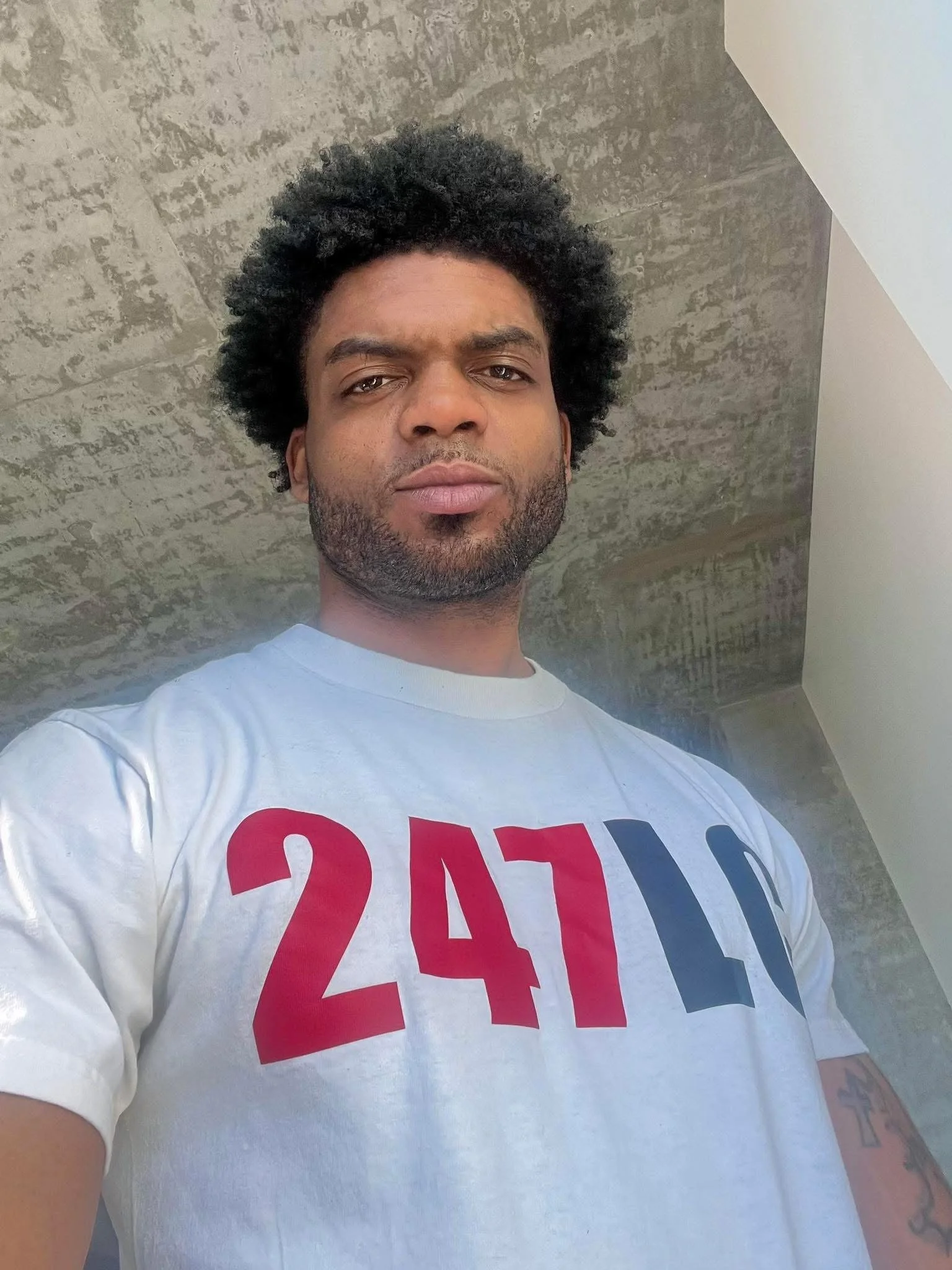
5 Tips to Becoming a Mental Giant and Building Top-Tier Mental Strength
Becoming a mental giant means mastering your inner voice, building resilience, and staying rooted in vision and faith no matter life’s challenges. We discuss it here!
Tips For Becoming A Mental Giant
Credit: Omar Cook
By: Omar Cook
Mental strength is the greatest strength that we can have. It’s more important than physical or emotional strength, as your mental leads the way for all things to be controlled. When you can control your mind, you can control your physical vessel and your emotional responses.
Life will test you, stretch you, and sometimes even break you down. But the ones who rise, who endure, who thrive? They’re the mental giants. And the good news is, mental strength isn’t something people are just born with. You can start from where you are right now and train, practice, and master your mind. Here are five powerful ways to step into your highest mental self and stay there, no matter what life throws your way.
1. Master Your Inner Voice
The conversation you have with yourself is constant and it’s either lifting you up or tearing you down. Becoming a mental giant starts with mastering that inner voice. Trade self-doubt for affirmations, fear for faith, and worry for words of power. Every time your mind whispers “I can’t,” speak back with “I will.” That simple shift rewires your entire perspective.
2. Build Discipline Through Daily Habits
Mental strength isn’t built overnight. It’s a strength that’s built brick by brick, habit by habit. Start with small, consistent actions that anchor your day. Journal your thoughts, move your body, pray, meditate, or practice gratitude each morning. Discipline is freedom, and daily rituals keep you steady even when life feels unstable.
3. Embrace Adversity as Training
Setbacks aren’t punishments. Change your perspective and look at them as training sessions. Every challenge you face is a chance to grow your resilience. When things get hard, don’t ask, “Why me?” Instead, ask, “What is this teaching me?” Mental giants don’t avoid struggle; they use it as fuel. Every storm strengthens your foundation if you let it.
4. Guard Your Energy and Environment
Your mind is only as strong as the energy you allow around you. Protect your peace like it’s priceless, because it is. Limit your time with negativity, whether it’s toxic relationships, chaotic spaces, or endless scrolling on social media. Feed your mind with books, music, and conversations that inspire. Mental giants know: you can’t control everything, but you can control what you allow into your space.
5. Stay Rooted in Vision and Faith
When the road gets hard, and it does for everyone, your vision and your faith will carry you further than willpower ever could. Write down your goals. Speak them daily. Connect to a higher source, whatever faith or spiritual practice grounds you. Mental giants don’t just stand strong; they stand anchored in purpose. That’s what keeps them unshakable.
Being a mental giant doesn’t mean you will never breakdown. Mental strength gives you the power to break and come back stronger every single time. It’s about showing up with courage, resilience, and focus, even when the world tries to pull you apart. Remember, your greatest power is already within you. Train your mind, guard your peace, and live rooted in vision, and you’ll step into a version of yourself you never thought possible.
YOU MAY ALSO BE INTERESTED IN:
SHARE TO SOCIAL MEDIA

The Myth of Balance: Why Alignment Matters More | Op-Ed
Balance sounds good on paper, but real freedom comes from alignment, choosing what truly matters in each season and letting go of the guilt of trying to do it all. We discuss it here!
Why Alignment Matters Over Balance
IPGGutenbergUKLtd via iStockPhoto.com
By: Jamila Gomez
We love to talk about “balance” like it’s the secret to a better life. Balance between work and home. Balance between ambition and rest. Balance between giving to others and pouring into yourself. It sounds good. It feels like the responsible goal. But balance is a myth.
Balance assumes everything gets equal weight. That you can divide your life into neat little sections and tend to each of them the same way. But life has never worked like that. Some seasons pull more from you than others. Some roles demand more of your energy. And sometimes, the very thing that gives you life will cost you in another area.
Think about it: if you’re pouring yourself into building a business, you may not have time to keep a spotless home. If you’re caring for family, you may not have the bandwidth to take on every opportunity at work. If you’re chasing a dream, you may sacrifice money, time, or comfort to get there. None of that means you’re failing—it means you’re human.
The problem with balance is that it sets us up for constant guilt. If you can’t give everything equal attention, you start to feel like you’re falling short everywhere. Instead of appreciating the areas where you’re actually thriving, you zero in on what’s slipping. Balance becomes another measuring stick that proves you’re not enough.
What if we shifted the focus from balance to alignment? Alignment means your choices match your values. It means you’re clear about what matters most right now, and you organize your life around that. Instead of chasing equal slices of the pie, you’re choosing what deserves your energy in this season.
Alignment frees you from the myth that everything has to get equal time. Some days you’ll give more to work, some days to family, some days to yourself. What matters is whether those choices reflect the life you want to build—not whether they look even on a scale.
The truth is, balance was never the goal. Wholeness is. Integrity is. Living a life that feels like yours, even when it’s lopsided from the outside. When you stop trying to measure your worth by how “balanced” you are, you start giving yourself permission to be present where it counts.
So no, I don’t believe in balance anymore. I believe in alignment. I believe in seasons. I believe in showing up fully where I’m called, even if it means letting something else wait. That’s not failure. That’s focus. And it’s a lot more honest than the myth of balance.
YOU MAY ALSO BE INTERESTED IN:
SHARE TO SOCIAL MEDIA

Invisible Success: Why the Quiet Wins Matter Just as Much as the Big Ones
True success isn’t only in the loud wins the world applauds, but in the quiet, invisible shifts that transform who we are from the inside out. We discuss it here!
Why the Quiet Wins Matter Just as Much as the Big Ones
Photo Credit: Gorodenkoff via Shutterstock
By: Jamila Gomez
We’re so used to measuring success by the big, flashy things—new jobs, degrees, houses, relationships. The stuff you can post about, the stuff people instantly understand and applaud. Those are the kinds of wins people celebrate for you, the ones that prove you’ve “made it.”
But there’s another kind of success that doesn’t get celebrated the same way. The quiet wins. The ones nobody sees but you. And honestly, those are the ones that change you the most.
Invisible success is saying no when you used to say yes out of guilt. It’s recognizing when your peace is worth more than pleasing everybody else. It’s finally letting your real voice come out instead of swallowing it. It’s being able to walk into a room without shrinking, even when you used to disappear into the background.
It’s walking away from that one-sided friendship. It’s ignoring the text you know will pull you back into something you’ve already outgrown. It’s catching yourself before you spiral, pausing long enough to choose differently. It’s being able to admit, “I’m not okay,” when you’ve spent years convincing people you were fine. It’s starting therapy, or journaling, or even just sitting with yourself when silence used to scare you.
These shifts don’t usually come with a round of applause. There’s no big announcement, no obvious milestone to point to. Sometimes you don’t even recognize them until later—when you realize that the thing that used to tear you down doesn’t have the same grip anymore.
And that’s the tricky part. From the outside, invisible success looks like nothing. People might think you’re stuck, when the truth is you’re transforming in ways they can’t see. That’s why you can’t rely on validation to measure your progress. If you do, you’ll always underestimate yourself.
Because here’s the truth: invisible success is success. It’s the foundation everything else stands on. Before the new job came the confidence to apply. Before the healthy relationship came the boundaries you practiced. Before the opportunity came the self-worth you decided to honor. Without those invisible shifts, the visible ones don’t last.
So don’t dismiss it just because it doesn’t make noise. Don’t downplay it because no one else noticed. Every small, quiet decision is proof that you’re not who you used to be. And that’s worth acknowledging.
The loud wins will come. They always do. But when they do, don’t forget it was the invisible ones that got you ready. Success isn’t just about what people can see. Sometimes the most powerful progress is the kind that happens when no one’s watching.
YOU MAY ALSO BE INTERESTED IN:
SHARE TO SOCIAL MEDIA

Why Resilience Isn’t Enough: Beyond Survival and the Need for Real Change | Op-Ed
Resilience may inspire us, but when it’s praised without accountability, it risks normalizing struggle instead of demanding change. We discuss it here!
By: Jamila Gomez
“She remained strong through it all.” It’s the kind of line we’ve all seen—splashed across headlines after disasters, tucked into profiles of grieving families, repeated in stories of women carrying impossible loads. The word “resilient” is always meant as praise. But when you hear it often enough, it begins to sound less like admiration and more like an evasion.
Resilience is the ability to bend without breaking, to endure hardship and still move forward. That is undeniably a powerful human quality. But the way our media frames resilience often does more to soothe the public than to confront reality. Survival is elevated as if it were the whole story, while the conditions that required such resilience are left unexamined.
The patterns are easy to spot. After a hurricane, neighbors rebuilding their homes with bare hands are celebrated, but little attention is given to why infrastructure failed or why government aid was delayed. In the aftermath of shootings, survivors are praised for their courage, but coverage often avoids asking why the violence keeps recurring. And when a Black woman shoulders caregiving, community leadership, and full-time work, she is hailed as strong, while the lack of structural support that forced her into that role goes unquestioned. In each case, admiration of resilience replaces accountability.
Resilience stories are seductive because they give audiences permission to look away. They transform painful realities into inspirational content. It’s easier to marvel at how someone endured than to demand changes that might prevent the suffering altogether. “Look, she survived” is a much tidier ending than “she should never have been put through this.”
But resilience comes at a cost. Bending without breaking still leaves scars. Constant endurance drains bodies, frays relationships, and erodes trust in institutions. When media outlets elevate resilience as the ultimate virtue, they normalize struggle as something to be admired rather than addressed. The unspoken message is that we should expect to suffer and expect to keep going—no matter the toll.
What if the media told a different story? Imagine if, alongside honoring strength, headlines interrogated the failures that made strength necessary. Instead of “She rose from the ashes,” imagine “She should never have been left in the fire.” Instead of celebrating communities for bouncing back, imagine celebrating the policies, infrastructure, and care that kept them from being knocked down in the first place.
Resilience deserves respect, but it should never be the end of the story. Real progress begins when we move beyond marveling at survival and start dismantling the conditions that make survival the only option. Until then, resilience will remain both inspiring and tragic: a testament to human willpower, and a reminder of how much we still refuse to change.
YOU MAY ALSO BE INTERESTED IN:
SHARE TO SOCIAL MEDIA

Wellness, Self-Care, and the Need for Real Structural Change | Op-Ed
Op-Ed: Why true wellness goes beyond yoga mats and meditation apps and must address systemic issues like inequality, wages, and access to care!
By: Jamila Gomez
Wellness is everywhere. It’s in the apps on our phones, the aisles of our grocery stores, the curated corners of social media urging us to “breathe, reset, and find balance.” It’s sold through yoga mats, green juices, therapy-inspired journals, and weekend retreats designed to make us forget the weight of our daily lives. The message is consistent: if you invest in yourself—your body, your mindset, your routine—you can create calm no matter what chaos surrounds you.
But here’s the problem: the chaos isn’t always of our own making, and no amount of lavender oil or positive affirmations can erase it. The wellness industry has built an empire on personal solutions to systemic problems. It tells people to “self-care harder” while ignoring the fact that much of what keeps them unwell—low wages, unaffordable housing, unsafe workplaces, systemic racism—cannot be fixed by buying another product or waking up at 5 a.m. for meditation.
This disconnect is more than frustrating—it’s dangerous. When wellness ignores structural harm, it subtly shifts the blame onto the individual. If you’re burned out, you must have skipped your morning routine. If you’re anxious, maybe you didn’t manifest the right mindset. Struggle becomes evidence of failure, rather than a natural response to being overworked, underpaid, or constantly on guard. The very people most in need of care end up feeling like they’re not doing enough to “heal.”
And who exactly does wellness center? The glossy branding usually assumes a person with disposable income, flexible time, and access to safe environments. But for the single parent working double shifts, the caregiver who cannot clock out, or the essential worker living paycheck to paycheck, “just slow down” is not advice—it’s mockery. Those who need relief most are often the least able to access what’s being sold.
None of this means that wellness practices are useless. Many people find genuine comfort in meditation, journaling, or movement. The problem isn’t the practices themselves; it’s the narrative that these rituals alone can undo what society has broken. Wellness without justice is incomplete.
If the industry really wants to live up to its promise, it has to start telling the truth: personal rituals cannot replace structural change. True wellness is collective. It’s affordable housing, safe workplaces, accessible healthcare, and communities where survival isn’t mistaken for thriving. Without that, the industry is just selling candles for a house still on fire.
YOU MAY ALSO BE INTERESTED IN:
SHARE TO SOCIAL MEDIA

Reigniting Your Inspiration: Finding Your Way Back When Creativity Feels Blocked
When creativity feels stuck, sometimes the block is really an invitation to pause, shift, and rediscover your spark in new ways. We discuss it here!
By: Jamila Gomez
Every creative person hits that wall at some point. You sit down to make something—write, paint, sing, build—and nothing comes. The ideas that usually flow so easily feel stuck behind a closed door. It can make you question yourself, like maybe the spark is gone for good. But blocks don’t mean you’ve lost it. They just mean it’s time to approach things differently.
Sometimes the simplest shift makes the biggest difference. Step outside, move your body, change your view. A new environment gives your mind fresh material to work with. Even something as small as working in a different corner of your house can open things up. Creativity feeds off of contrast, and when everything feels the same, your imagination runs out of oxygen.
Other times, it helps to shrink the task. Instead of aiming for a finished piece, aim for the tiniest step. Write one sentence. Doodle for five minutes. Hum a tune with no expectation it will turn into a song. Lowering the stakes takes off the pressure. What often follows is momentum, and momentum is what pulls you out of the block more than perfection ever could.
And then there are moments when you need to switch it up completely. If the words aren’t coming, maybe it’s time to pick up a brush. If painting feels heavy, maybe turn on music and move. If nothing else, try cooking something new. Changing the medium gives your brain a chance to play without rules. You’ll usually return to your main craft with fresh energy and looser hands.
Don’t forget: creativity needs input to keep going. When you’re running dry, fill yourself back up. Watch something outside your usual taste. Listen to music that takes you somewhere different. Read words that stretch you. Inspiration rarely shows up when you’re empty—it needs something to spark against.
And sometimes the best move is to stop trying. Rest. Take a nap, stretch, or sit in silence. Some of the best ideas arrive not when you chase them, but when you create enough stillness for them to find you.
The truth is, blocks are part of the creative process. They’re not the end. They’re invitations—to pause, to experiment, to look at your craft from a new angle. And if you let them, they’ll lead you back to your creativity in a way that feels freer, deeper, and more alive than before.
YOU MAY ALSO BE INTERESTED IN:
SHARE TO SOCIAL MEDIA

Balancing Your Hustle: A Mental Health Check-In For Creatives and Entrepreneurs
Balancing ambition with self-care is essential for creatives and entrepreneurs, reminding us that protecting our peace is just as important as chasing our dreams. We discuss it here!
Balancing Your Hustle: A Mental Health Check-In For Creatives and Entrepreneurs
By: Omar Cook
As creatives and entrepreneurs, we’re often told to grind harder, hustle longer, and sacrifice everything for the vision. And while chasing dreams and building empires can be beautiful, it can also be draining if we’re not intentional about how we care for ourselves along the way. I know this firsthand. With multiple passions and businesses pulling me in different directions, I’ve had to remind myself: if I don’t take care of my mind, body, and spirit, I can’t give my best to the world.
Self-care isn’t a luxury—it’s a necessity. It means finding balance between ambition and wellness. Go to the gym or take a walk outside and let the sun remind you that life is bigger than your to-do list. Drink water. Eat food that fuels you with energy. Read a book that stretches your perspective. And don’t forget the hobbies. Personally, I like to play video games as a reward after a good day’s work—it’s my way of reminding myself that joy and play are just as important as productivity.
Keep Growing
Part of taking care of yourself is also feeding your mind. I call YouTube “YouTube University” because it’s a space where you can learn anything—new skills, fresh ideas, new approaches to business and creativity. Keep yourself curious. Keep yourself open. Growth is its own form of self-love.
For me, keeping my prayer life strong and spending time with God keeps me grounded. It reminds me that even when I feel “behind,” I’m always right on time—because I’m on God’s timing. Trust Him. Have faith in His plan. The peace that comes with that trust allows you to create from a clear and powerful place.
Protect Your Vibe
The energy you surround yourself with matters. Listen to inspirational music that makes you feel good. Spend time with other people on the same wavelength—people who push you higher instead of pulling you down. Go enjoy creative arts—live music, poetry, theater—and let that energy refill your soul.
Set realistic goals and give yourself permission to be human. Don’t be too hard on yourself—you are exactly where you need to be. Every step, every stumble, every small win is part of the journey. Loving yourself, fully and unapologetically, allows you to radiate the best version of who you are. And when you operate from that state of peace, you give your greatest creations to the world.
At the end of the day, your dreams need you—whole, healthy, and present. So this is your check-in: drink some water, step outside, say a prayer, laugh with friends, learn something new, play, rest, and keep building. The empire will come, but protecting your peace along the way is what will keep it standing.
YOU MAY ALSO BE INTERESTED IN:
SHARE TO SOCIAL MEDIA

Choosing Yourself Is Harder Than Anyone Tells You
Choosing yourself means facing the lonely nights, hard truths, and quiet victories that come with honoring your worth and protecting your peace. We discuss it here!
Choosing Yourself Is Harder Than Anyone Tells You
By: Jamila Gomez
People talk about “choosing yourself” like it’s a clean, glamorous act of self-love. Like you light a candle, make a vision board, and boom—you’re healed, whole, and standing in your power. The truth is, it’s nothing like that. Choosing yourself is messy. It’s lonely. It’s questioning whether you made the right choice while also knowing deep down you did.
I had a hard day recently—the kind of day where you walk through the door and feel the weight of the world on your shoulders. My first thought was how nice it would be to have somebody there. Not to fix anything, not to solve the problem, just to be present. To sit next to me, maybe bring me a cup of tea, or say, “Yeah, today was rough.” That longing was real.
But then I remembered what it was like when I did have somebody. The truth is, those hard days didn’t magically get better just because I wasn’t alone. Sometimes, I still felt lonely in the same room with them. Sometimes, their way of being “there” came with extra weight—judgment, distraction, or even the silent reminder that my needs weren’t really understood. And it hit me: being partnered doesn’t always mean being supported.
That’s the part people skip over. Choosing yourself often means saying no to situations that look good from the outside but drain you on the inside. It’s walking away from what’s familiar because it costs too much of your peace. And when you do, the empty space it leaves behind can feel unbearable at first.
You have to learn how to hold yourself in that space. To sit with your own feelings instead of numbing them. To be your own witness on the hard days. And that’s a skill nobody teaches you—because most people don’t want to sit with themselves long enough to learn it.
Choosing yourself isn’t about isolation. It’s about knowing you’d rather stand alone than stay somewhere that requires you to shrink. It’s about building a life where you are not a side character, where your needs matter as much as anyone else’s. That doesn’t mean the longing disappears—it means you don’t let longing be the only reason you settle.
So yes, it’s hard. It’s uncomfortable. But over time, you notice the small victories: how you speak to yourself more gently, how you trust your own judgment more, how your peace feels less negotiable. And then one day, even on a hard day, you realize—you’d still choose yourself.
YOU MAY ALSO BE INTERESTED IN:
SHARE TO SOCIAL MEDIA

Designing a Trip That Actually Feels Good to You
Learn how to plan travel that truly nourishes your spirit, prioritizes rest, and aligns with your personal rhythm instead of performance-based pressure. We discuss it here!

Photo Credit: FG Trade via iStockPhoto.com
By: Jamila Gomez
It’s not just in your head. When Black women say something feels off, we’re often met with blank stares, rushed explanations, or worse—dismissal. Whether it’s pain being minimized, symptoms being overlooked, or valid concerns being downplayed, the truth is this: healthcare was not built with us in mind. And you can feel that in the way you’re spoken to, treated, or ignored altogether.
You shouldn’t have to prepare for a fight every time you book a checkup, but in many cases, that’s what it becomes. A tug-of-war between what you know about your body and what someone else assumes based on their bias or lack of training. So you learn to prepare—not because you want to, but because you have to.
Start by treating your body like a case file. If something doesn’t feel right, log it. Don’t wait until the day before your appointment to remember when it started. Track your symptoms in real time—note the frequency, what makes it worse, what helps, and how it interferes with your daily life. This isn’t about proving you’re in pain. It’s about refusing to let anyone act like it’s unclear.
Walk into that office with questions—real ones. And expect real answers. If they hand you a vague explanation, ask for specifics. If they dismiss your concern, ask what diagnostic process they’re using. You’re not being difficult—you’re being informed. There’s a difference.
And let’s be honest: you might need a witness. Having someone with you—a friend, partner, cousin—can change the entire tone of the visit. They don’t even have to speak. Just being there can interrupt that tendency providers have to steamroll, assume, or rush through. If you can’t bring anyone, prepare a list of questions and take notes. If they push back on that, take that as a sign.
If you feel ignored, move on. Ask for a referral, a second opinion, or a complete switch. Don’t explain your discomfort. You don’t owe loyalty to a system that hasn’t earned your trust. Keep records. Ask for your charts. You have rights—use them.
And above all, trust your own expertise. You’ve been living in your body long enough to know when something’s off. Listen to that. Act on it. Say it without softening your tone.
You don’t need to convince anyone to care about your health. But you do need to make sure they can’t ignore it.
YOU MAY ALSO BE INTERESTED IN:
SHARE TO SOCIAL MEDIA

Getting Heard in Healthcare: A Survival Guide for Black Women
Black women are often dismissed in healthcare settings, but learning to track symptoms, ask informed questions, and advocate for your body can help protect your health and ensure you’re taken seriously. We discuss it here!

Photo Credit: nortonrsx via iStockPhoto.com
By: Jamila Gomez
It’s not just in your head. When Black women say something feels off, we’re often met with blank stares, rushed explanations, or worse—dismissal. Whether it’s pain being minimized, symptoms being overlooked, or valid concerns being downplayed, the truth is this: healthcare was not built with us in mind. And you can feel that in the way you’re spoken to, treated, or ignored altogether.
You shouldn’t have to prepare for a fight every time you book a checkup, but in many cases, that’s what it becomes. A tug-of-war between what you know about your body and what someone else assumes based on their bias or lack of training. So you learn to prepare—not because you want to, but because you have to.
Start by treating your body like a case file. If something doesn’t feel right, log it. Don’t wait until the day before your appointment to remember when it started. Track your symptoms in real time—note the frequency, what makes it worse, what helps, and how it interferes with your daily life. This isn’t about proving you’re in pain. It’s about refusing to let anyone act like it’s unclear.
Walk into that office with questions—real ones. And expect real answers. If they hand you a vague explanation, ask for specifics. If they dismiss your concern, ask what diagnostic process they’re using. You’re not being difficult—you’re being informed. There’s a difference.
And let’s be honest: you might need a witness. Having someone with you—a friend, partner, cousin—can change the entire tone of the visit. They don’t even have to speak. Just being there can interrupt that tendency providers have to steamroll, assume, or rush through. If you can’t bring anyone, prepare a list of questions and take notes. If they push back on that, take that as a sign.
If you feel ignored, move on. Ask for a referral, a second opinion, or a complete switch. Don’t explain your discomfort. You don’t owe loyalty to a system that hasn’t earned your trust. Keep records. Ask for your charts. You have rights—use them.
And above all, trust your own expertise. You’ve been living in your body long enough to know when something’s off. Listen to that. Act on it. Say it without softening your tone.
You don’t need to convince anyone to care about your health. But you do need to make sure they can’t ignore it.
YOU MAY ALSO BE INTERESTED IN:
SHARE TO SOCIAL MEDIA

Depth Doesn’t Trend: The Loneliness of Being Real Online
In a digital world obsessed with performance and virality, being authentic online can feel invisible—but for Black creators committed to truth and depth, meaningful impact still matters and builds over time. We discuss it here!
Photo Credit: Jacob Wackerhausen via iStockPhoto.com
By: Jamila Gomez
Let’s be honest—being real online can feel pointless. You share what actually matters, you speak from the heart, and it’s like shouting into the void. Meanwhile, the loudest, flashiest, most watered-down content gets all the attention.
Social media says it’s about connection, but most days it feels more like performance. If you’re not entertaining or overexposing yourself, you’re invisible. And if you’re someone who values honesty, nuance, and slow, meaningful growth? It’s easy to feel like you just don’t fit.
You try to share truth. You try to speak to people’s hearts. But the algorithm doesn’t reward truth—it rewards reaction. Soyou’re left wondering: is anyone even listening? Is it worth it to keep showing up?
There’s a specific kind of loneliness that comes with being genuine in a space that’s built for performance. You don’t want to fake it. You don’t want to scream to be seen. But you still want to matter. You still want your work, your voice, your presence to mean something.
What makes it worse is seeing content that feels empty take off, while your most thoughtful posts go untouched. You start second-guessing yourself. Maybe I should be louder. Maybe I should post more selfies. Maybe I should jump on the trend just this once. And maybe you do. But it never feels right. It feels like you’re borrowing someone else’s voice, someone else’s lane.
There’s no quick fix for that feeling. But what helps is remembering you’re not the only one. There are others out here building quietly. Sharing things that don’t scream for attention but still have weight. Still have value. Still matter.
You don’t have to become something you’re not to be seen. And you don’t have to shrink your message down to get a like. The right people are paying attention. They may not always show up in the comments or the DMs, but they’re there. They’re listening. They’re watching. They’re taking in every word.
It’s not about being viral. It’s about being clear. Being consistent. Being rooted. That kind of presence doesn’t explode—it builds. It lingers. It lands where it’s meant to. And that’s more than enough.
Not being seen right away doesn’t mean your presence lacks impact. It means your work is building something deeper than views. And deep always takes time.
Keep creating. Keep showing up. And don’t water down what’s real just to be seen faster.
YOU MAY ALSO BE INTERESTED IN:
SHARE TO SOCIAL MEDIA

We Need to Talk About Emotional Manipulation in Black Families
Many Black families struggle to differentiate love from control, mistaking emotional manipulation for tradition and loyalty, but healing begins by naming the harm and breaking generational cycles. We discuss it here!
Photo Credit: Rawpixel via iStockPhoto.com
By: Jamila Gomez
There’s a difference between love and control—but in many Black families, that line has been blurred for so long, we’ve been taught to see them as the same thing.
Emotional manipulation isn’t always loud or aggressive. Most of the time, it shows up quiet and familiar, wrapped in phrases we’ve heard all our lives:
“After all I’ve done for you.”
“That’s just how I was raised.”
“You think you better than us now?”
It’s the guilt trip when you try to set boundaries. The silent treatment when you say no. The expectation that you’ll show up, pay up, and never speak up. And if you dare to name what’s happening, you’re suddenly the disrespectful one—the ungrateful child, the outsider, the problem.
In Black families, there’s often an unspoken belief that elders are above accountability, that “family business” should stay quiet, and that loyalty means silence—even in the face of harm. It’s a survival response rooted in real history. Our families have spent generations trying to hold it together under systemic pressure, economic struggle, and racial trauma. Control, shame, and fear became tools to protect and preserve. But those same tools are now damaging us from the inside.
When love is measured by obedience, and respect is weaponized to silence you, it’s not protection—it’s manipulation. And what gets dismissed as “just how they are” ends up becoming our emotional blueprint. It teaches us to ignore our own needs, overextend ourselves, and mistake guilt for connection. We carry that into our friendships, romantic relationships, and even into parenting, where the cycle threatens to continue.
This isn’t about blame—it’s about awareness. Because healing starts with naming what hurt us, not pretending it didn’t. And some of the things we normalized growing up were never okay. The problem is, if you try to break the pattern, you risk being labeled difficult, distant, or “not family-oriented.” But what they don’t understand is that choosing your peace isn’t abandonment—it’s protection, too.
Black families deserve better than cycles of emotional silence and manipulation dressed up as tradition. We deserve relationships built on mutual respect, real communication, and space to grow. But we won’t get there if we keep pretending that guilt is love and silence is strength.
We’re allowed to want more. We’re allowed to choose differently. And we don’t owe anyone our emotional freedom just to keep the peace.
The truth is that the only way to truly honor our families is to do the work they weren’t allowed—or willing—to do. That starts by being honest about what’s been passed down… and deciding which parts end with us.
YOU MAY ALSO BE INTERESTED IN:
SHARE TO SOCIAL MEDIA

Your Attachment Style Isn’t a Personality Trait
Understanding that attachment styles are learned coping mechanisms—not fixed personality traits—can help you break free from emotional patterns and build healthier, more secure relationships. We discuss it here!
Photo Credit: SolStock via iStockPhoto.com
By: Jamila Gomez
Attachment styles have become a popular topic lately—people are quick to label themselves as anxious, avoidant, secure, or fearful. Social media quizzes, memes, and quick-hit psychology posts make it easy to say, “Oh, I’m just anxiously attached,” or, “I’m avoidant—that’s who I am.” But here’s the truth we often overlook: your attachment style isn’t actually your personality. It’s not something you were born with, and it certainly isn’t fixed for life.
Attachment styles are coping mechanisms formed in early relationships—usually with caregivers—and shaped by later life experiences. If you felt consistently loved and safe as a child, chances are you developed a secure attachment style. If affection was unpredictable, you might have become anxious—always bracing for the possibility of being abandoned. If your emotional needs were consistently neglected or dismissed, avoidance became your armor. And if your caregivers were unpredictable or unsafe, fearful attachment—mixing anxiety with avoidance—likely became your default mode of navigating relationships.
But these styles aren’t personality traits; they’re survival strategies. They’re what you learned to do to protect yourself from emotional pain, disappointment, and rejection. And what was learned can also be unlearned.
When you see attachment as something fluid rather than fixed, you create space to grow, heal, and transform. Labeling yourself permanently as anxious or avoidant can lock you into patterns of behavior that no longer serve you. It can even become an excuse to avoid doing the deeper emotional work necessary to develop healthier, more secure connections.
Consider this: if your attachment style were truly a core part of your personality, you’d never feel the urge to change it. Yet, many of us do. We grow tired of sabotaging good relationships, exhausted by constantly needing reassurance, or burdened by our instinct to emotionally withdraw whenever intimacy feels too real.
Healing begins by recognizing that your attachment style is not who you are—it’s simply how you learned to be. With awareness, intention, and often professional or therapeutic support, you can reshape your emotional habits and responses. You can develop trust, communicate openly, and build emotional safety within yourself and with others.
Your attachment style doesn’t define your worth or your capacity to love and be loved. Instead, it’s a roadmap showing you exactly where healing needs to happen. By treating your attachment style as something to understand rather than something to accept as your permanent identity, you reclaim your power and invite genuine connection into your life.
So remember: your attachment style isn’t your destiny. It’s your starting point—and your invitation—to heal.
YOU MAY ALSO BE INTERESTED IN:
SHARE TO SOCIAL MEDIA

Designing a Trip That Actually Feels Good to You
In a world full of noise, true spiritual clarity often comes through stillness, reminding us that God's voice is often found not in the loud, but in the quiet moments of intuition, presence, and peace. We discuss it here!
Photo Credit: andreswd via iStockPhoto.com
By: Jamila Gomez
There’s a difference between traveling and actually enjoying the trip. Too many women return from vacation exhausted, overstimulated, and needing another few days to recover. What was supposed to be a reset turns into another task—a tightly packed schedule designed for aesthetics more than actual enjoyment. Somewhere along the way, leisure started to feel like performance.
Designing a trip that feels good to you begins with clarity. Not every destination needs to be trendy. Not every restaurant needs to be Michelin-rated. And not every moment needs to be posted. The real question is: what kind of travel makes you feel most like yourself? Because if the trip isn’t aligned with who you are, it won’t serve you—no matter how far the flight.
Some women want movement—museums, excursions, and planned days from start to finish. Others want slow mornings, late breakfasts, and no alarms. Both are valid. But problems start when people plan around pressure instead of preference. If you’re not a morning person at home, forcing a sunrise hike on vacation isn’t self-care—it’s performance. Trust your rhythm.
Start by identifying the purpose of the trip before you book anything. Is it a break, a celebration, a recovery, or just an escape? That answer will tell you what kind of space you need, how much energy you have to give, and who (if anyone) should come with you. Don’t say yes to trips that don’t reflect your needs. Grown woman travel should feel good before, during, and after the flight.
Build space into your itinerary. If every hour is accounted for, it’s not leisure—it’s obligation. You need room to wander, to nap, to cancel plans without guilt. The best memories often happen during the unscheduled time. A good trip leaves space for spontaneity without leaving you drained.
There’s also power in traveling for yourself—not for photos, not for content, not for a recap. You don’t owe anyone a slideshow or proof of fun. If the experience felt meaningful to you, that’s enough. The views can stay in your head. The peace can stay off the grid.
And when the trip ends, ask yourself: did it give something back to me? Whether it’s calm, clarity, connection, or just a reason to smile when you think back on it—that’s what matters. Because a trip done right doesn’t just take you somewhere new. It brings you back to yourself.
YOU MAY ALSO BE INTERESTED IN:
SHARE TO SOCIAL MEDIA

Gentle Words for a Mind in Overdrive
Feeling overwhelmed is not a weakness—it's a human signal to slow down, breathe, and take one compassionate step toward peace and clarity. We discuss it here!
Photo Credit: Viorel Kurnosov via iStockPhoto.com
By: Jamila Gomez
When overwhelm sets in, it often feels like being trapped beneath a wave, struggling to catch your breath. Let’s pause right here. First, breathe with me—slowly in, and slowly out. Let’s ground ourselves before we unpack everything swirling around inside.
It’s completely understandable to feel buried under this weight right now. Life has a relentless way of piling on challenges, obligations, and expectations. Recognize this: your overwhelm doesn’t indicate weakness or failure; it’s a signal from your body and mind that you’re juggling more than feels manageable. That’s not a flaw—it’s being human.
Take a moment to acknowledge everything that’s causing your overwhelm. It can feel counterintuitive to face it directly, but clarity often begins with gentle acknowledgment. What specifically feels too heavy today? Is it work pressure, relationship struggles, health concerns, or perhaps the accumulation of many smaller tasks?
Now, let’s compassionately observe what’s happening inside. Overwhelm often whispers lies that sound like truth: “You can’t handle this,” or “You’ll never catch up.” But pause here—these are feelings, not facts. Feelings are valid but not permanent, intense but not all-knowing. You have navigated moments of overwhelm before, even when it felt impossible, and each time, you have found your way through.
Even now, in the fog of too much, there is still something steady inside you. That part of you that got up today, that part of you reading this right now—it matters. It counts. You are not frozen, even if you’re moving slowly. That is still movement. That is still you choosing to try.
Consider for a moment what small action could create some breathing room right now. Not a sweeping, overwhelming solution—just one small step. Maybe it’s writing down a single task to complete, asking someone for help, or choosing to postpone something until tomorrow. Allow yourself permission for small actions that feel gentle rather than Herculean.
And if the small step today is simply letting yourself cry, or rest, or sit in silence for five minutes—that’s valid too. You are not lazy for needing to pause. You are not broken because your capacity is lower today. You’re responding to the weight of your life the best way you can in this moment.
Finally, remember this: you are not alone in this feeling. Many others have stood exactly where you are, feeling exactly what you’re feeling. Overwhelm is isolating, but the reality is profoundly human and deeply shared.
Give yourself the grace you would generously offer someone else in your shoes. Talk to yourself gently: “It’s okay that I’m feeling this. It won’t last forever. I’m allowed to take this slowly, step by step.”
Trust your resilience—it has quietly helped you move through countless tough moments before. It’s okay to slow down, reach out, and prioritize care. You’ve got this—not because it’s easy, but because you have the strength, even in exhaustion, to show up for yourself one gentle step at a time.
YOU MAY ALSO BE INTERESTED IN:
SHARE TO SOCIAL MEDIA

Dare to Want What’s Truly Yours
Discover how shedding expectations and embracing your authentic desires can lead to a more fulfilling, purpose-driven life rooted in self-trust and clarity. We discuss it here!

Photo Credit: Tinpixels via iStockPhoto.com
By: Jamila Gomez
If you woke up tomorrow morning completely free of anyone else’s expectations, judgments, or opinions, what would you truly want? It’s a deceptively simple question, yet many of us struggle to answer it honestly. We spend so much of our lives shaping our choices around how they’ll be perceived by others—family, friends, coworkers, even strangers—that we often lose sight of our authentic selves. But beneath the layers of external validation and approval-seeking lies a powerful clarity waiting to be uncovered.
Discovering what we truly desire, independent of others’ perceptions, requires courage. It demands that we peel away the protective layers we’ve built up over the years—layers formed by societal pressures, familial expectations, and cultural norms. Beneath it all, you’ll find not just your authentic desires, but also your unique passions, joys, and purposes that are truly yours.
The journey of self-discovery begins with curiosity. Start by asking yourself small, yet deeply revealing questions: What activities make me lose track of time? When do I feel most alive and genuine? Which dreams excite me even if they seem impractical or unconventional? These questions can guide you back to yourself, illuminating paths you may have overlooked because they weren’t “acceptable” or aligned with traditional expectations.
Imagine for a moment how liberating it would feel to genuinely prioritize your own desires without the noise of judgment clouding your decisions. Maybe you’d pursue a career that society doesn’t typically celebrate but makes your heart race with excitement. Perhaps you’d relocate to a city or country that resonates deeply with your spirit, despite skepticism from those around you. Or maybe you’d finally commit to a passion project, whether it’s writing poetry, making art, or traveling solo.
It’s not selfish to seek out what fulfills you; it’s self-respect. The beauty of authenticity is that it doesn’t diminish your relationships—it enriches them. When you’re living in alignment with your true desires, your connections become deeper and more genuine, rooted in who you truly are rather than who you’re expected to be.
Consider taking just one brave step today toward embracing your truth. Speak a desire aloud, journal about your secret dreams, or explore a small, unconventional choice that resonates with your soul. By gradually nurturing this inner authenticity, you’ll build confidence and clarity, ultimately discovering a life shaped by your genuine desires rather than others’ expectations.
So, ask yourself again: What would you truly want if no one else’s opinions mattered? Your answer could be the beginning of a remarkable journey toward your most authentic and fulfilling life.
YOU MAY ALSO BE INTERESTED IN: