

I Don’t Know Who Needs to Hear This, But…
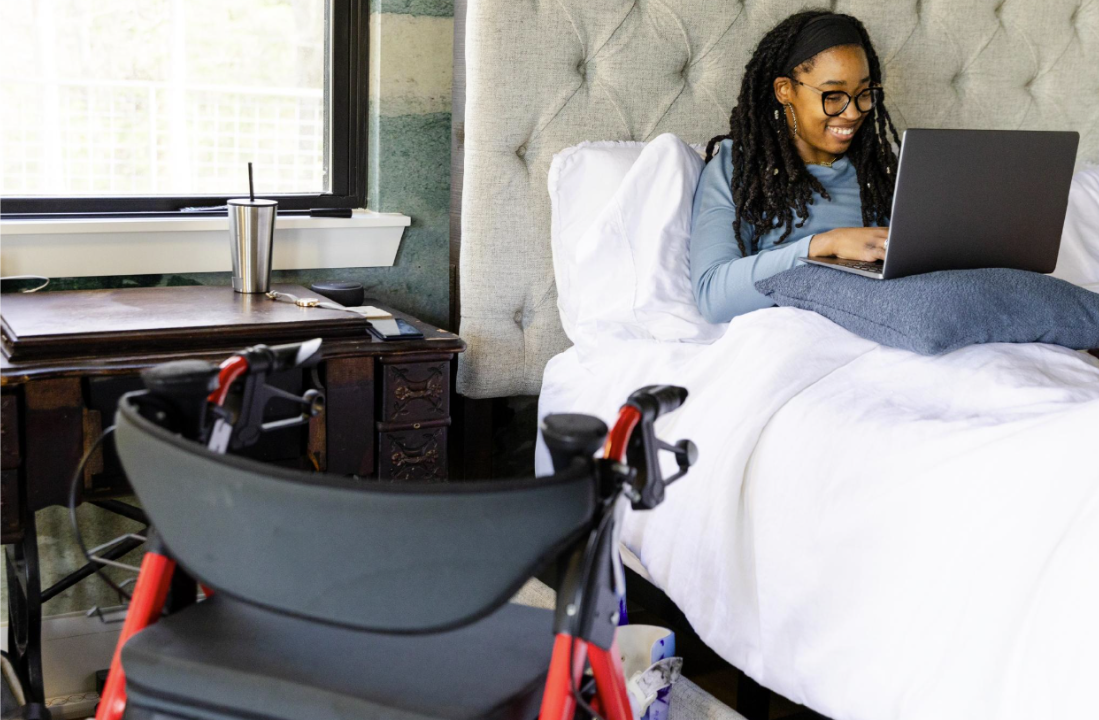
Feeling emotionally exhausted is valid, especially for Black individuals navigating strength, survival, and unspoken burdens—this is your reminder that rest, softness, and being enough without performing are all your birthright. We discuss it here!

Photo Credit: Boogich via iStockPhoto.com
By: Jamila Gomez
You don’t have to keep pretending that you’re okay just because people are used to you being strong.
I don’t know who needs to hear this, but your exhaustion makes sense. Not just the physical kind—the soul kind. The kind of tired that doesn’t go away after one good night’s sleep. The kind that lingers after you’ve checked off every box but still feel like you’re falling short.
This world asks a lot of you. And if you’re Black, it asks for even more—your time, your brilliance, your patience, your resilience—and rarely pauses to return the favor. You’re expected to be dependable even when no one checks to see if you’re depleted. And you’ve probably learned how to smile through it. To keep showing up. To hold space for others when no one holds space for you.
But what about you?
You, who is grieving things you never got to name.
You, who is tired of performing strength while no one sees your softness.
You, who doesn’t feel good enough—even when you’re doing more than most.
Let me say this clearly: You are not weak for feeling weary. You are human.
Feeling tired doesn’t mean you’re doing something wrong. It might just mean you’ve outgrown the life you had to build just to survive. It might mean your spirit is asking for more rest, more truth, more honesty. Not just naps and spa days—but real permission to not always be okay.
You are not behind. You are not broken. You are not less than.
You are carrying more than most people will ever see. And even if no one claps for you today, even if no one texts to check in, even if no one says “I’m proud of you”—you’re still doing something sacred.
You’re surviving systems not made for you.
You’re trying to heal without a map.
You’re showing up in rooms that weren’t designed with your rest in mind.
That deserves more than just validation. It deserves relief.
So, if no one has told you lately: You matter. You’re allowed to pause. You are enough—right now, without proving a thing.
You don’t need to be everyone’s anchor. Sometimes, you just need to float.
And maybe this is your permission to do just that.

YOU MAY ALSO BE INTERESTED IN:



SHARE TO SOCIAL MEDIA

Why We’re Afraid of Intimacy, Not Just Relationships
Explore why emotional intimacy can feel terrifying, especially in the Black community, and how fear of vulnerability often blocks the deep connection we truly crave. We discuss it here!
Photo Credit: Wavebreakmedia via iStockPhoto.com
By: Jamila Gomez
It’s easy to say we’re afraid of relationships. Commitment. Titles. Vulnerability. But if we go deeper, many of us aren’t just afraid of being with someone — we’re afraid of being truly seen. That’s what intimacy actually is. And that’s what terrifies us.
Intimacy isn’t just physical closeness or romantic connection. It’s emotional exposure. It’s letting someone witness the parts of you that you usually hide — your insecurities, your habits, your weird little fears, your dreams that feel too big to say out loud. Intimacy is sitting in silence with someone and not performing. It’s being loved in the parts of yourself you’re still learning to accept. And for a lot of us, that level of openness feels unsafe.
Especially in the Black community, where strength is often a survival mechanism, we’ve been taught to keep our guards up — not because we don’t want love, but because we’ve learned that love doesn’t always mean safety. Some of us were taught to prioritize loyalty over emotional honesty. Others were raised around emotional withholding, where love came with conditions or was only shown in acts of service — not softness.
So we build walls instead of bridges. We say we’re “chilling” or “not ready.” We self-sabotage when things get too real. We date people who stay emotionally unavailable because deep down, we’re afraid of what it would mean to be with someone who’s actually present. Someone who asks real questions. Someone who doesn’t let us hide.
The truth is, many of us want intimacy — deeply. We crave closeness, emotional safety, real connection. But we’ve never had a model for it that didn’t involve pain, loss, or betrayal. So we protect ourselves from love the same way we protect ourselves from harm — by distancing, distracting, or detaching.
But here’s the thing: You can’t heal what you keep hiding. And the love you want can’t reach you if you’re too armored to let it in.
So if you find yourself running from connection that feels “too much,” pause and ask yourself: Am I afraid of them… or of being seen by them?
It’s okay to move slow. To be cautious. But don’t confuse fear with readiness. You might be more ready for real intimacy than you think — not because it’s easy, but because you’re tired of keeping the most tender parts of you locked away.
You don’t have to be perfect to be loved deeply. You just have to be open.
YOU MAY ALSO BE INTERESTED IN:
SHARE TO SOCIAL MEDIA

Creating a Safe Space for Vulnerability and Healing with a Partner
Learn how to create a safe space for vulnerability and healing in relationships through empathy, trust, and open communication. We discuss it here!


Photo Credit: vitapix via iStockPhoto.com
By: Jamila Gomez
In any healthy relationship, fostering a safe space for vulnerability and healing is essential for deep connection and growth. Relationships thrive when both partners feel secure enough to share their thoughts, feelings, and experiences without fear of judgment or rejection. Creating this space is not just about words but also about actions and attitudes that reinforce trust and emotional safety.
Understanding Vulnerability
Vulnerability is often misunderstood as weakness, but in reality, it is a profound strength. Being vulnerable involves sharing fears, dreams, insecurities, and wounds—elements of our inner selves that we often protect. For healing to occur, these elements must be met with empathy and compassion, not criticism or dismissal. A safe space allows both partners to open up without feeling exposed or ridiculed.
Communication: The Cornerstone of Safety
Clear, honest, and non-judgmental communication is vital in creating a secure environment. Actively listening to your partner, without interrupting or jumping to conclusions, builds trust. Reflective listening—paraphrasing their words to show understanding—can help clarify emotions and validate their experiences. Avoiding blame or defensiveness ensures that the conversation remains constructive.
For example, instead of saying, “You always ignore me,” reframe it as, “I feel unheard when you don’t respond to me.” This shift focuses on feelings rather than accusations, encouraging your partner to respond with empathy rather than defensiveness.
Building Emotional Trust
Trust is a cornerstone of any relationship, and it grows through consistency and authenticity. Keeping promises, being dependable, and showing genuine care are all ways to cultivate trust. When a partner opens up, responding with warmth and acceptance reinforces their sense of safety. Conversely, dismissing or minimizing their feelings can erode trust over time.
Creating a Non-Judgmental Atmosphere
A non-judgmental attitude is critical in promoting healing. Everyone carries emotional scars, and these wounds often manifest in ways we may not fully understand. Recognizing that your partner’s behavior stems from their unique experiences allows you to approach challenges with compassion rather than frustration.
Practicing Patience
Healing takes time. Your partner may need to revisit painful topics or process emotions at their own pace. Rushing or pressuring them to “move on” can hinder their progress. Instead, offer consistent reassurance and remind them that their feelings are valid and important.
Shared Activities for Connection
Engaging in activities that promote connection, such as mindfulness practices, couples’ therapy, or even shared hobbies, can strengthen the bond and create a supportive framework for healing.
Creating a safe space for vulnerability and healing is an ongoing process that requires intention and effort from both partners. By prioritizing empathy, trust, and open communication, couples can transform their relationship into a sanctuary where both individuals feel valued and understood. This foundation not only promotes healing but also fosters a deeper, more resilient connection.
YOU MAY ALSO BE INTERESTED IN:
SHARE TO SOCIAL MEDIA

The Power of Vulnerability: Turning Perceived Weakness into a Strength
Accepting vulnerability can be a strength that fosters authentic connections, growth and emotional resilience. We discuss it here!

Photo Credit: bloodstone via iStockPhoto.com
By: Jamila Gomez
In a world that often glorifies strength, resilience, and invincibility, vulnerability can feel like an unwelcome guest. We're conditioned to believe that showing our soft spots is a sign of weakness, something to be hidden at all costs. Yet, what if we’ve misunderstood vulnerability all along? What if, instead of being a weakness, vulnerability is one of our greatest strengths?
The Misconception of Vulnerability
For many, vulnerability is synonymous with fear, insecurity, and exposure. It's the feeling you get when you open up to someone about your deepest fears or when you admit that you don’t have all the answers. It’s that moment of raw honesty where your guard is down, and you’re fully seen for who you are—flaws and all.
Because of this, we often go to great lengths to protect ourselves from feeling vulnerable. We put on masks, build walls, and hide behind facades of perfection. But in doing so, we miss out on the profound connections and growth that come from embracing our true selves.
Why Vulnerability Is a Strength
1. Authentic Connections: Vulnerability is the birthplace of authentic relationships. When we allow ourselves to be seen, we invite others to do the same. This openness fosters trust and deepens our connections with others, creating relationships that are not just surface-level but rich and meaningful.
2. Courage to Be Real: It takes immense courage to be vulnerable. To admit that you’re scared, that you’ve failed, or that you need help requires strength of character. This honesty with yourself and others is a testament to your inner resilience, not a lack thereof.
3. Growth and Learning: Embracing vulnerability is essential for growth. When we admit that we don’t know everything, we open ourselves up to learning. Failure, often seen as a byproduct of vulnerability, is a critical part of this learning process. Each misstep is an opportunity to grow, adapt, and come back stronger.
4. Emotional Resilience: Being vulnerable means being in touch with your emotions. Rather than suppressing or ignoring difficult feelings, vulnerability encourages us to confront and process them. This emotional awareness builds resilience, allowing us to navigate life’s challenges with greater ease.
5. Inspiration to Others: When you lead with vulnerability, you inspire others to do the same. Your willingness to be open about your struggles and fears can encourage others to step out of their comfort zones, creating a ripple effect of authenticity and bravery.
How to Embrace Vulnerability
1. Start Small: You don’t have to bare your soul all at once. Begin by sharing small aspects of your true self with those you trust. Over time, as you become more comfortable, you can gradually open up more.
2. Reframe Your Thinking: Instead of seeing vulnerability as a weakness, start viewing it as a strength. Remind yourself that being vulnerable is a courageous act that requires bravery and resilience.
3. Practice Self-Compassion: Being vulnerable means accepting yourself as you are, flaws and all. Practice self-compassion by treating yourself with kindness and understanding, especially when you’re feeling exposed or uncertain.
4. Seek Out Support: Surround yourself with people who value and encourage your vulnerability. These are the individuals who will support you, offer empathy, and remind you of your strength when you need it most.
5. Embrace the Uncomfortable: Vulnerability often feels uncomfortable, but that’s where the growth happens. Lean into that discomfort, knowing that it’s a sign you’re stretching beyond your comfort zone and growing as a person.
Vulnerability is not a weakness to be shunned but a strength to be embraced. It’s the key to authentic relationships, personal growth, and true courage. By allowing ourselves to be vulnerable, we unlock a power within us that transcends fear and insecurity, leading to a life of deeper connections, greater resilience, and genuine fulfillment. So, the next time you feel the urge to hide your vulnerability, remember that it’s not a sign of weakness—it’s a testament to your strength.
YOU MAY ALSO BE INTERESTED IN: