Is the Black Church Still a Safe Space? Depends Who You Ask
The Black church holds a powerful legacy of faith, resilience, and community, but it also carries a complicated history of silence, shame, and spiritual harm that continues to shape conversations about healing, inclusion, and transformation today. We discuss it here!

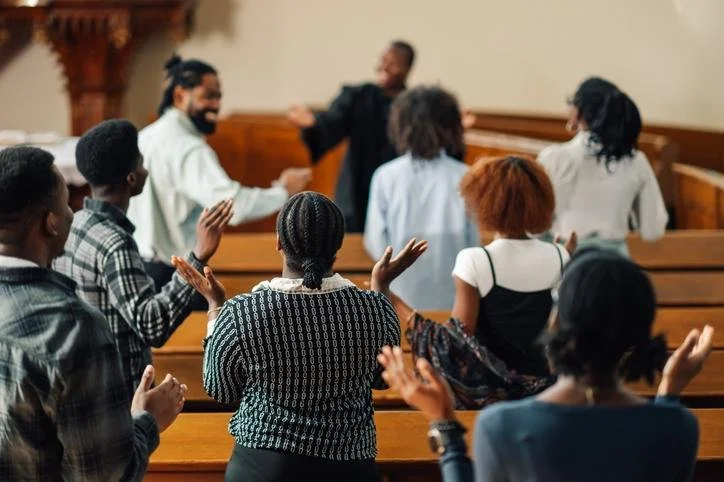
Photo Credit: zamrzutitonovi via iStockPhoto.com
By: Jamila Gomez
The Black church has always been more than just a building. It’s been a refuge, a gathering place, a sanctuary when the rest of the world felt unsafe. For many of us, it’s where we learned to pray, to praise, to hold on. But for others, it’s also where we first learned how to hide.
Because while the Black church gave us faith, community, and language for survival—it also gave us silence, shame, and suppression.
The Duality We Don’t Talk About Enough
To say the Black church saved lives isn’t an exaggeration. It has carried generations through slavery, segregation, systemic injustice, and communal grief. It built leaders, movements, and entire cultural traditions.
But alongside that power sits a less often acknowledged truth: the church has also been a space where many of us first encountered spiritual manipulation, misogyny, homophobia, and emotional abuse—all wrapped in scripture.
And that’s the part folks don’t always want to admit: you can love a space and still name how it hurt you.
The Pain That Got Dressed Up as Doctrine
For many Black women, the church taught us to be small and silent. To serve before we spoke. To stay in marriages that were breaking us. To “pray it away” instead of going to therapy. To mistake suffering for virtue.
For many queer folks, it meant sitting in pews that preached damnation over dignity—learning to perform identity in order to survive the judgment.
For survivors of abuse, the message was often clear: protect the reputation of the church, even if it costs you your voice.
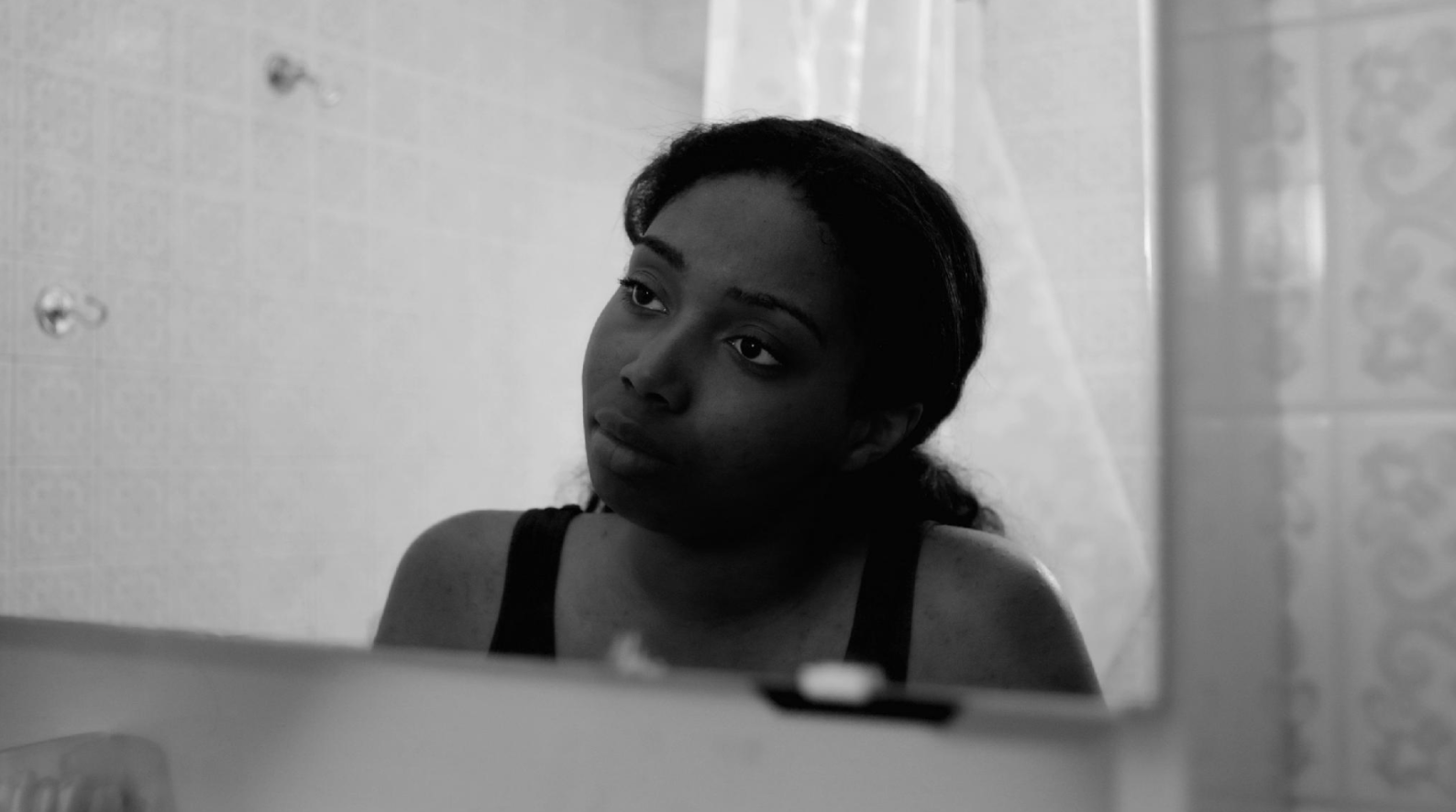
What do you do when the place that taught you about God also taught you how to disappear?
Why Some of Us Left
Some of us didn’t leave the church because we lost faith—we left because we found ourselves.
We started asking questions no one wanted to answer. We got tired of being told that our trauma was a test, or that our boundaries were rebellion. We craved a God who didn’t require erasure as an offering.
And so we left. Not always in anger. Sometimes just in silence.
And Yet, for Some, It’s Still Home
There are Black churches doing real, radical work—centering mental health, embracing LGBTQ+ members, challenging generational harm. For some, it remains a lifeline, a chosen family, a vital anchor in the chaos of the world.
So when someone asks, “Is the Black church still a safe space?”—the most honest answer might be: For some, yes. For others, it never was.
The Black church has a legacy of resilience and contradiction. It has held us up and held us back. It has birthed liberation and enabled silence. It has given us hope, and for some of us, it has demanded our hiding in return.
But telling the truth about that complexity isn’t betrayal—it’s healing. Because safe spaces don’t just feel good. They make room for hard conversations. They grow. They evolve. They repent when needed.
And maybe the real question isn’t whether the Black church is a safe space—but whether it’s willing to become one.

YOU MAY ALSO BE INTERESTED IN: