
When DC Becomes a Battlefield: The Capital’s Militarization Is a National Danger
Washington, DC’s militarization reveals a deeper threat to Black communities nationwide, serving as a warning of how federal power can be used to suppress and control. We discuss it here!

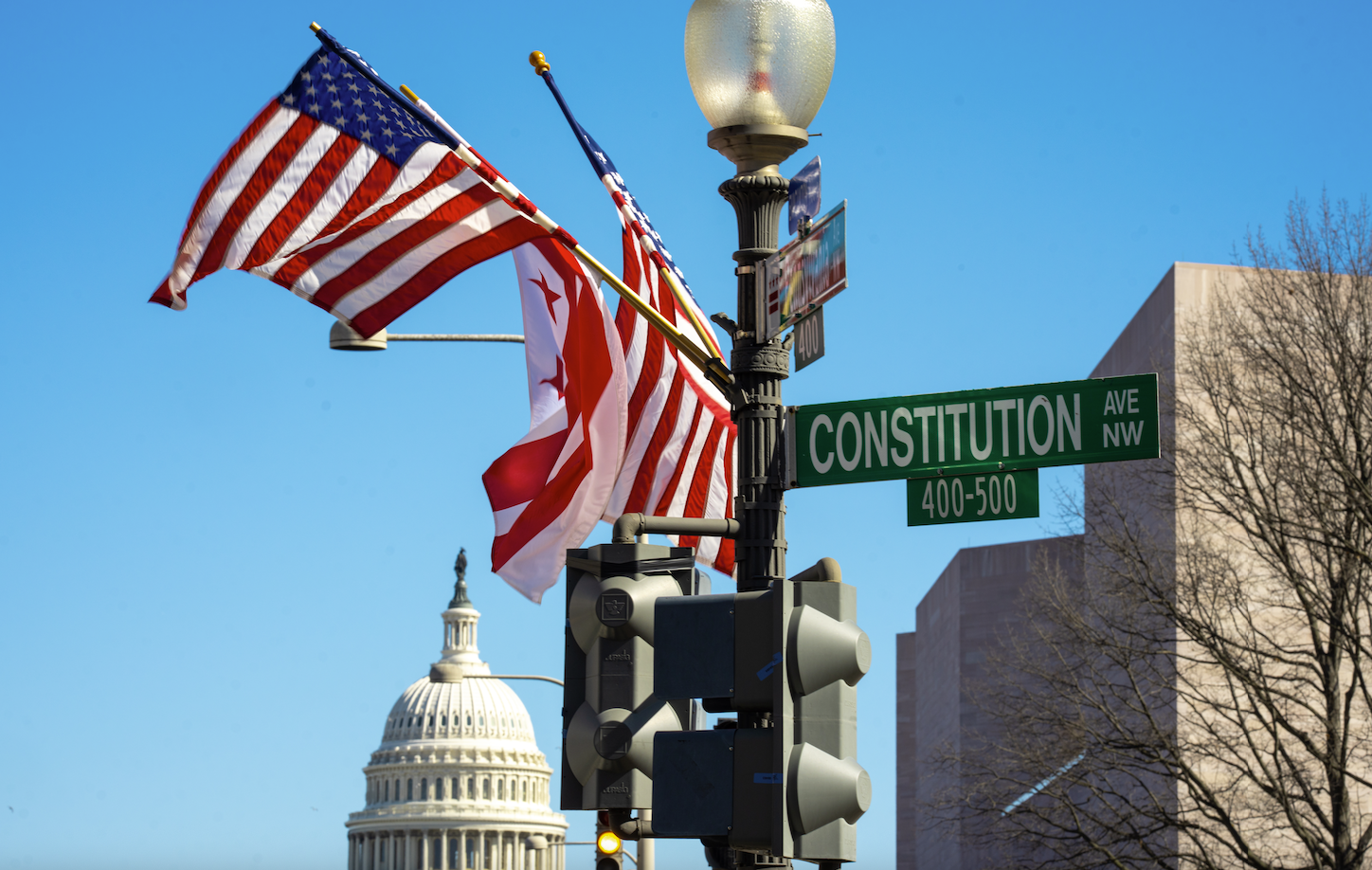
The U.S. Capitol, long seen as a symbol of democracy, now stands at the center of Washington, DC’s struggle against militarization and the fight for true representation.
Credit: Volodymyr TVERDOKHLIB via Shutterstock
By: Omar Cook
In Washington, DC—long celebrated as “Chocolate City”—Black culture has always been the heartbeat of the community. From go-go rhythms pulsing through humid nights to the deep ancestral roots that trace back to Benjamin Banneker’s design and the enslaved labor that built its foundations, the city carries the imprint of Black brilliance and resilience. Yet today, its residents face a chilling reality: militarized occupation.
The Trump administration’s decision to flood DC’s streets with troops and heavy weaponry isn’t just political theater, but a calculated move that signals something bigger. What’s unfolding in the nation’s capital is not simply about control in one city. It’s a test case for how federal power could be used to suppress and intimidate Black communities nationwide.
A Manufactured Crisis
Despite claims of rising crime and chaos, statistics tell another story. Violent crime in DC is at a thirty-year low, mirroring trends across other major U.S. cities. Yet armored vehicles rumble past rowhouses, and assault rifles are pointed at citizens whose only crime is demanding justice. Bulldozers destroy makeshift homes of unhoused residents who are victims of gentrification, leaving behind a trail of broken belongings,
This is what repression looks like when dressed in patriotism. It’s the creation of fear where none exists, used as justification for occupation.
800 National Guard troops deployed in DC as part of Trump's 'takeover'
The Blueprint Beyond DC
When a city of more than 700,000 residents, nearly half of them Black, can be placed under military lockdown by the federal government, the implications stretch far beyond its borders. DC becomes the prototype. If unchecked, the same tactics could be unleashed in cities like Baltimore, Philadelphia, Chicago, Los Angeles, and Oakland—places where Black leadership and Black populations are strong.
This strategy is threefold:
Invent chaos to rationalize federal control.
Militarize communities by treating Black residents like enemy combatants.
Undermine Black leadership by stripping elected officials of authority and dismissing their legitimacy.
This is bigger than governance. Tt’s domination.
When Politicians Fall Short
While Black mayors and elected officials face mounting pressure, many within the political class remain silent or absent, more concerned with preserving personal status than confronting creeping fascism. Representation without accountability means little when communities are under siege. Liberation has never come from politicians alone. It has always been driven by ordinary citizens who refused to bow to oppression.
In DC, that resistance is alive and unyielding. For decades, organizers under the #FreeDC movement have demanded autonomy and liberation for a disenfranchised city. Leaders like Nee Nee Taylor, along with groups such as Harriet’s Wildest Dreams, are mobilizing through sound brigades, “DC Don’t Sleep” actions, and community patrols that safeguard neighbors where the state has failed. These grassroots efforts carry the same spirit that has fueled generations of Black resistance, from enslaved ancestors to the civil rights warriors of the 20th century.
All Power to the People
What’s happening in DC is not just a local crisis, but also a national alarm. The message is clear: if militarization can be normalized in the nation’s capital, no Black community is safe from similar tactics. But history has also proven another truth just as enduring: the power of the people cannot be contained.
The soul of Chocolate City lives in every beat, every march, every act of defiance. Tanks, tear gas, and troops cannot erase the rhythm of resistance that has always defined Black DC. And as it has always been, the struggle continues, but so does the certainty that the people will prevail.
Keep Building Your Power
Taking action today is just the beginning—but lasting change comes when you stay committed to being an informed, engaged citizen for the long run. That’s why I wrote Civic Empowerment: A Citizen’s Guide to Effective Participation in Government—a practical resource designed to help you navigate the system, organize with impact, and make your influence count.
👉 Grab your copy here and start shaping the future of your community—and our nation.
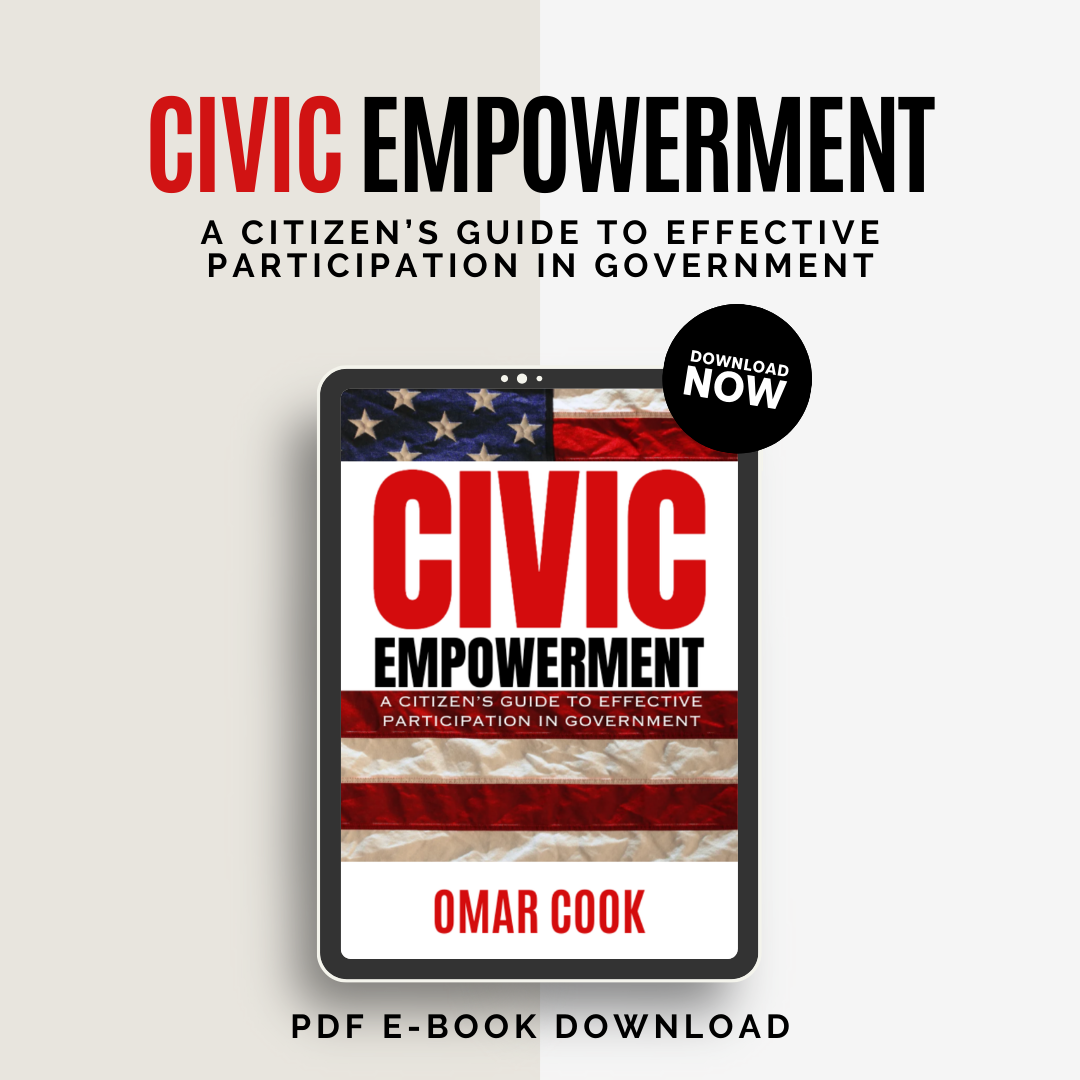
Are you ready to make a real difference in your community and beyond? Civic Empowerment: A Citizen’s Guide to Effective Participation in Government is your ultimate resource for understanding how to get involved in the political process and make a meaningful impact. This comprehensive guide is designed for everyday citizens who want to go beyond voting and become active participants in shaping the future of their communities and the nation. Whether you're passionate about social justice, healthcare, climate change, or economic fairness, this book will equip you with the knowledge and tools you need to engage with your government, influence policies, and advocate for the causes that matter most.
In this ebook, you’ll learn how to navigate the political landscape with confidence. Discover how to engage with your local and national representatives, mobilize others for causes you care about, and stay informed about the political decisions that impact your life. With practical advice on using digital tools for activism, understanding government structures, and participating in elections, Civic Empowerment gives you a roadmap for making your voice heard. This book also covers how to organize campaigns, tackle voter suppression, and hold elected officials accountable. Empower yourself to create lasting change and take an active role in strengthening democracy.
Ideal for anyone looking to take the next step in civic engagement, Civic Empowerment provides easy-to-follow steps for becoming an effective contributor to society. Perfect for first-time voters, activists, and anyone wanting to become more involved in their community and government, this book is a must-read for those who want to make a difference. Get started today and become the kind of informed, active citizen who shapes the future of our nation!

YOU MAY ALSO BE INTERESTED IN:


SHARE TO SOCIAL MEDIA
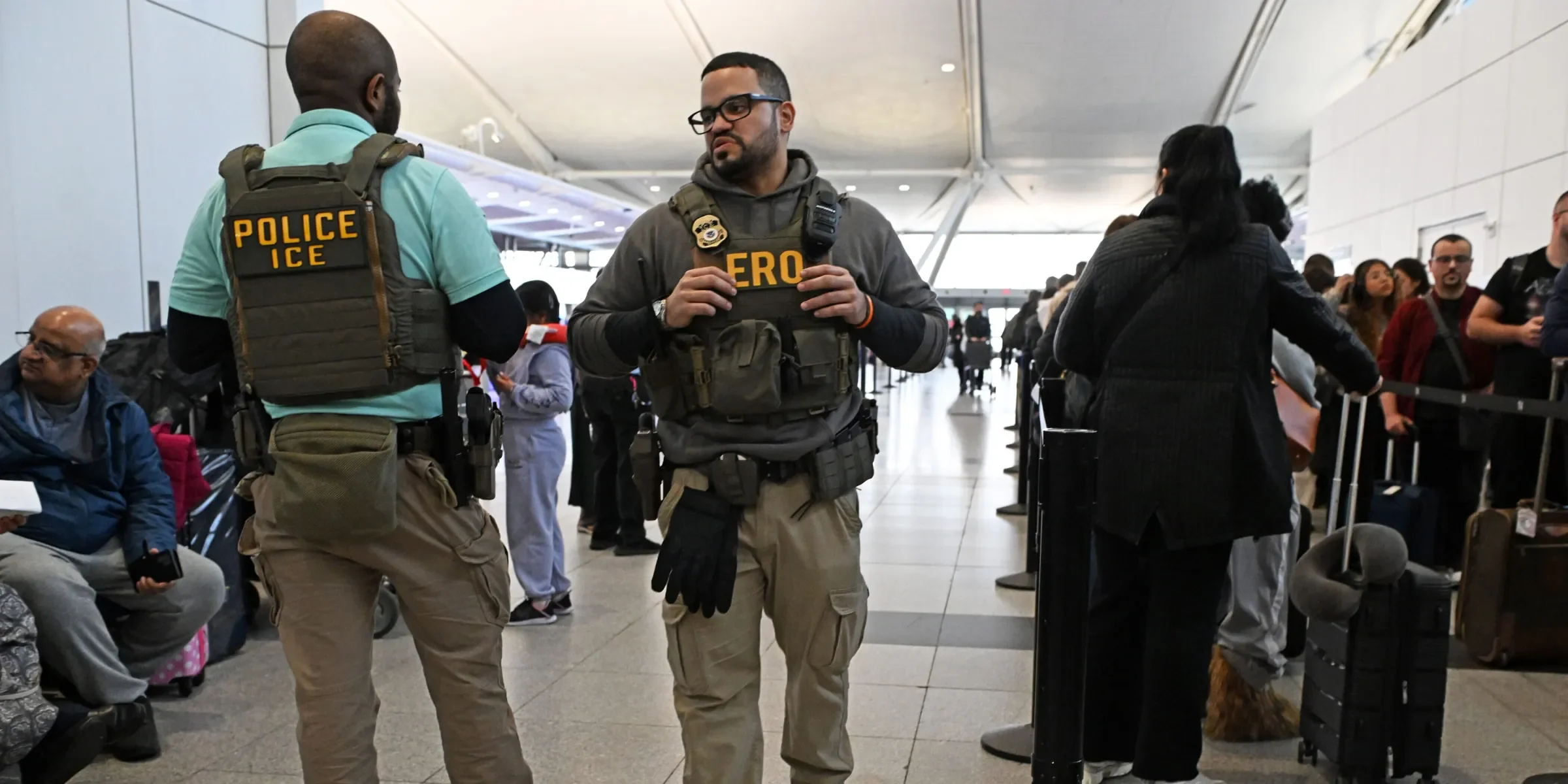
5 Powerful Ways The Average Citizen Can Get Involved in Government and Make Your Voice Heard
Discover five practical and empowering ways everyday citizens can step into the political process, influence change, and make their voices heard. We discuss it here!
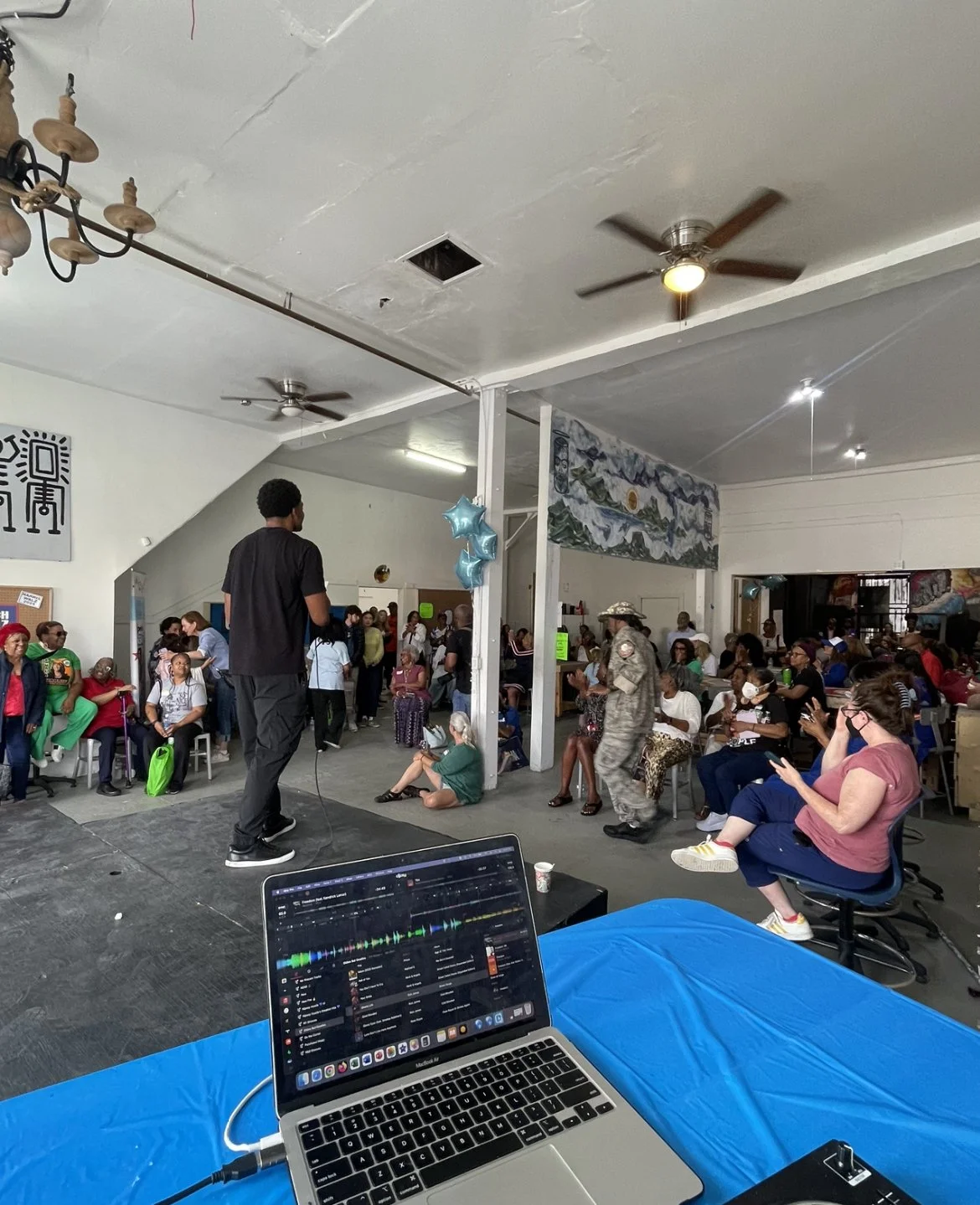
Omar Cook Speaks to Local Voters in Leimert Park
By: Omar Cook
We often hear that voting is the cornerstone of democracy, and it is, but our power as citizens goes far beyond casting a ballot every few years. True civic empowerment means stepping into the everyday spaces where decisions are made and making sure our voices, our needs, and our communities are represented. You don’t have to be a politician to create change! You just have to be willing to show up. Here are five meaningful ways to get involved with government participation right now.
1. Know Who Represents You
It all starts with access. Do you know the names of your city council members, your school board leaders, or even your state representative? These are the people making decisions that touch your daily life such as education, policing, healthcare, housing. Make it a point to know them, connect with them, and let them know where you stand.
2. Take Up Space in Community Rooms
Your power is amplified when you show up in the rooms where issues are being debated. Town halls, school board meetings, and neighborhood forums are all open to the public. Don’t just listen to the discussion! Ask questions, share concerns, and demand accountability. Your presence shifts the conversation.
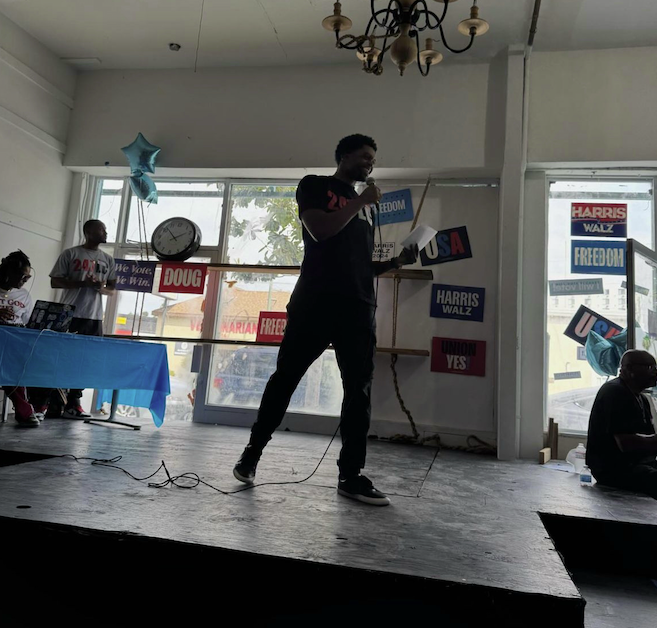
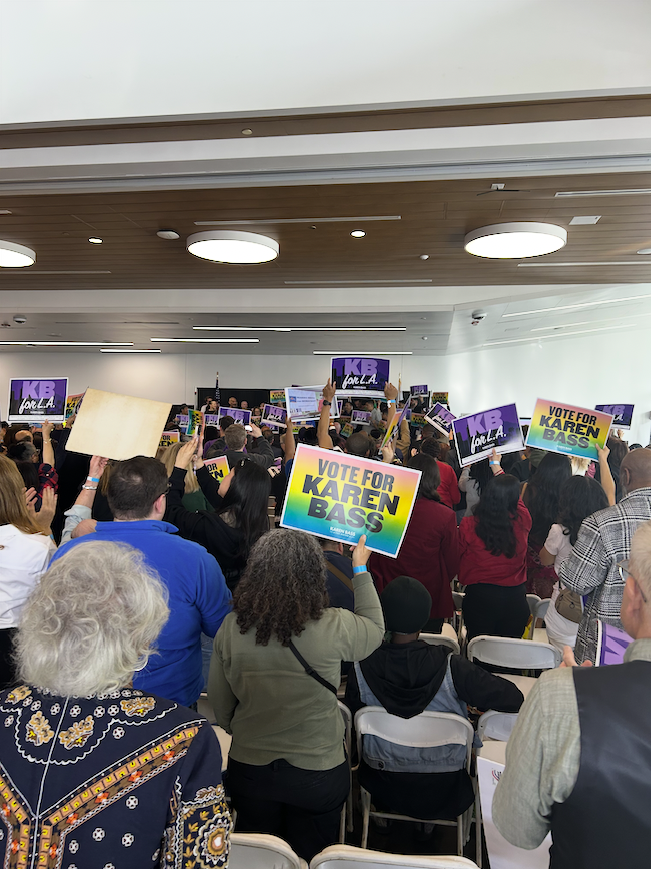
Omar Cook Speaks at Presidential Voter Event In Leimert Park
3. Put Your Passion Into Action
Campaigns and advocacy groups run on people power. Whether you’re knocking on doors, making calls, or running digital outreach, your time and talent fuel the causes and candidates you believe in. Start where your passion live, whether it be social justice, healthcare, climate change, or education and lend your voice to the movement.
4. Use Your Digital Megaphone
Social media isn’t just for trending topics. Tt’s one of the most powerful tools for activism. Share petitions, raise awareness, and remind your community about key election dates. A single post can spark hundreds of others to register, show up, and speak out. Never underestimate the reach of your digital voice.
5. Hold Leaders Accountable
Voting someone into office doesn’t end your role. It simply begins it. Pay attention to how your leaders vote, what policies they champion, and whether their actions match their promises. Write, call, and show up. Accountability is how we remind elected officials they work for us.
Keep Building Your Power
These are the first steps, but the real transformation comes when you commit to being an active, informed citizen for the long haul. That’s why I created Civic Empowerment: A Citizen’s Guide to Effective Participation in Government which is a resource to help you navigate the system, organize effectively, and amplify your influence.
👉 Grab your copy here and start shaping the future of your community and our nation.
Are you ready to make a real difference in your community and beyond? Civic Empowerment: A Citizen’s Guide to Effective Participation in Government is your ultimate resource for understanding how to get involved in the political process and make a meaningful impact. This comprehensive guide is designed for everyday citizens who want to go beyond voting and become active participants in shaping the future of their communities and the nation. Whether you're passionate about social justice, healthcare, climate change, or economic fairness, this book will equip you with the knowledge and tools you need to engage with your government, influence policies, and advocate for the causes that matter most.
In this ebook, you’ll learn how to navigate the political landscape with confidence. Discover how to engage with your local and national representatives, mobilize others for causes you care about, and stay informed about the political decisions that impact your life. With practical advice on using digital tools for activism, understanding government structures, and participating in elections, Civic Empowerment gives you a roadmap for making your voice heard. This book also covers how to organize campaigns, tackle voter suppression, and hold elected officials accountable. Empower yourself to create lasting change and take an active role in strengthening democracy.
Ideal for anyone looking to take the next step in civic engagement, Civic Empowerment provides easy-to-follow steps for becoming an effective contributor to society. Perfect for first-time voters, activists, and anyone wanting to become more involved in their community and government, this book is a must-read for those who want to make a difference. Get started today and become the kind of informed, active citizen who shapes the future of our nation!
YOU MAY ALSO BE INTERESTED IN: