Misdiagnosed and Misunderstood: What the System Gets Wrong About Black Emotion
This powerful article explores how the mental health system often mislabels Black pain, calling survival strategies symptoms and overlooking cultural context, while offering a path toward healing through culturally affirming care and self-reclamation. We discuss it here!


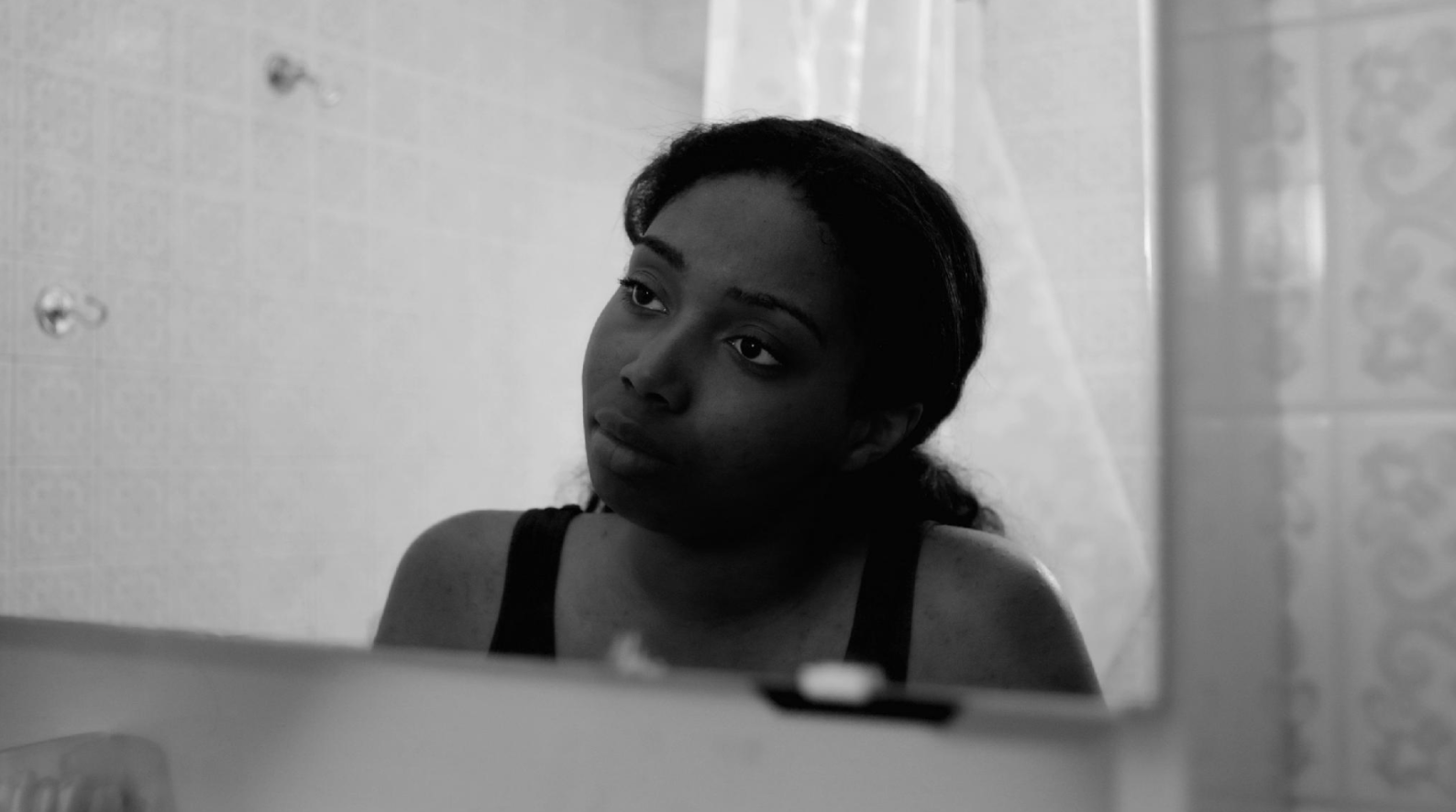
Photo Credit: nortonrsx via iStockPhoto.com
By: Jamila Gomez
You sit across from someone who’s supposed to help. You try to explain the weight you carry—the irritability, the sadness that won’t leave, the constant fear of being too much or not enough. But instead of asking what happened to you, they start jotting down what’s wrong with you.
And just like that, your rage is aggression. Your grief becomes a diagnosis. Your survival instincts are now symptoms.
This is what happens when Black people’s pain gets filtered through a lens that was never meant to see us clearly.
The System Was Never Neutral
Let’s be honest: the mental health system is not as neutral, objective, or inclusive as it wants to believe. Most of what we’ve come to accept as psychological “norms” were built around white, Western ideals of expression, behavior, and functionality. So when we show up with a completely different cultural blueprint—one rooted in resilience, resistance, and generational trauma—we’re often misunderstood.
Studies have shown that Black people are more likely to be diagnosed with psychotic disorders like schizophrenia, while white patients presenting the same symptoms often get milder mood disorder labels like depression or anxiety. Black children are more likely to be labeled “oppositional” than “traumatized.” Black women are told they’re too guarded, too angry, too loud, too resistant.
Too everything.
What You Call a Disorder, I Call a Defense Mechanism
What happens when you grow up in environments where being too emotional wasn’t safe? When silence and strength were expected just to survive? When no one ever said “I see you,” so you stopped expecting to be seen?
You develop defenses. You shut down. You get sharp-tongued. You armor up.
And then, when you finally sit down in front of someone with a clipboard and an acronym behind their name, they name the behavior—but not the why. Suddenly you’re “avoidant.” “Hypervigilant.” “Disregulated.”
No one ever stops to ask: What would it look like to treat the context, not just the symptoms?
Labels Without Language
When you’ve spent your whole life navigating racism, family trauma, economic stress, and cultural silence, your emotions don’t always show up politely. Some of us dissociate in church pews. Some of us stay booked and busy because the stillness is triggering. Some of us laugh too loud, too long, because we’ve never been allowed to cry in peace.
But these are not disorders. These are strategies. They were our ancestors’ armor—and now they’re our inheritance.
And yet, if you walk into the wrong office with the right pain, you might leave with a label that cages more than it frees.
The Cost of Misdiagnosis
It’s not just about hurt feelings—it’s about missed healing.
When our anger gets labeled as aggression, no one investigates what we lost.
When our numbness gets labeled as detachment, no one asks what we’re still trying to survive.
When our silence is labeled as non-compliance, no one considers that maybe we’re just exhausted from not being believed.
Mislabeled pain doesn’t get healed. It gets managed, medicated, monitored. But it doesn’t get met with compassion or curiosity.
And that’s the real danger—when the system treats our trauma like a character flaw, our healing becomes harder to reach.
So What Do We Do?
We name it. We question it. We stop blindly accepting frameworks that were never built with us in mind.
We seek therapists who see us fully—not just as a bundle of symptoms, but as whole human beings with rich cultural lives and layered histories. We explore alternative healing modalities that speak to the soul, not just the psyche—ancestral healing, somatic work, storytelling, ritual, reclamation.
And most importantly, we remember this:
Not every emotion needs to be fixed.
Not every reaction is dysfunctional.
Not everything needs to be diagnosed.
Sometimes it’s just being Black… and tired.
To anyone who has ever felt misread, mislabeled, or mishandled in a space that was supposed to help you—you are not imagining it. The system isn’t broken. It was built this way.
But so were we. Built to endure, built to adapt, built to remember ourselves whole.
And now? We get to heal on our terms.

YOU MAY ALSO BE INTERESTED IN: