

Balancing Doubt and Trust: Learning to Stay Hopeful Without Expecting the Worst
When past disappointments make you want to guard your expectations, learning to balance realism with hope becomes the quiet discipline that allows you to keep pursuing your goals without shutting yourself off from the possibility of joy! We discuss it here!

Balancing Doubt and Trust
Photo Credit: Deagreez via iStockPhoto.com
By: Jamila Gomez
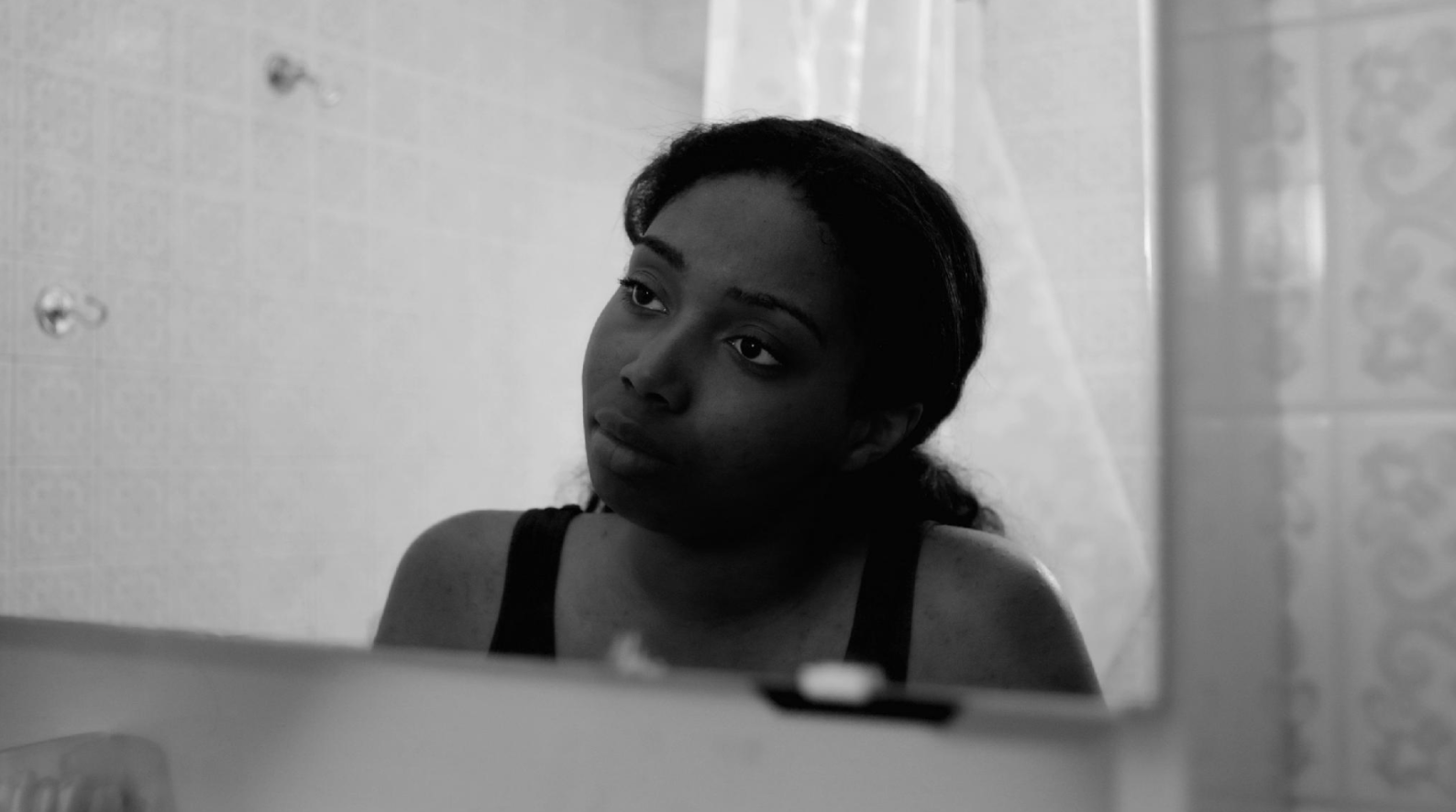
There’s a strange tension that shows up when you’re working toward something you really want. Part of you wants to trust the process, to believe that your effort will pay off and that things are unfolding the way they should. The other part of you is already preparing for it to fall apart. You tell yourself not to get too excited. You remind yourself that you’ve been disappointed before. You try to stay measured so you will not feel foolish if it doesn’t work out.
Bracing for disappointment often comes from experience. It usually means you have lived long enough to know that outcomes are not guaranteed. You have seen opportunities disappear. You have watched people change their minds. You have felt the sting of hoping hard for something that never materialized. So now, you try to protect yourself. You lower your expectations just enough to soften the blow. You keep your language cautious. You refuse to celebrate until everything is final.
At first, that feels wise. It feels grounded. It feels like emotional maturity. But over time, constantly bracing can turn into living in a permanent half-flinch. You never fully let yourself feel anticipation. You struggle to enjoy progress because you are already preparing for the setback. Even good news is met with suspicion. You think you are protecting your peace, but sometimes you are just restricting your own joy.
On the other hand, trusting the process asks something different of you. It asks you to stay open. It asks you to keep showing up even when you cannot see immediate results. Trusting the process is not blind optimism. It is a decision to believe that consistent effort matters. It is accepting that growth often happens quietly before it becomes visible. It requires patience, which can feel especially difficult when you are tired or uncertain.
However, trust can also become an excuse. You can tell yourself everything is working out perfectly when clear signs suggest you need to adjust your strategy. You can stay in situations longer than you should because you believe that endurance alone will fix them. Trust without reflection can turn into avoidance.
The real challenge is learning how to hold both realism and hope at the same time. You can acknowledge that disappointment is possible without expecting it at every turn. You can stay open to good outcomes while still preparing responsibly. You can believe in your path without ignoring practical changes that need to happen.
Living in that balance requires emotional steadiness. There are no guarantees there. You are choosing to care deeply about something while admitting you do not control the outcome. That vulnerability can feel risky, especially if you have been hurt before. Yet it is also where growth lives.
Bracing alone keeps you guarded. Blind trust leaves you unprotected. Steady faith combined with clear-eyed awareness allows you to move forward without shrinking or deluding yourself. It is quieter than hype and less dramatic than cynicism. It simply looks like this: you keep doing the work, you stay honest about what you see, and you allow yourself to hope anyway.

YOU MAY ALSO BE INTERESTED IN:


SHARE TO SOCIAL MEDIA
Hope Without Evidence: The Sacred Strength of Believing in the Silence
Holding onto hope without evidence is an act of emotional and spiritual strength, especially for those quietly believing, creating, and showing up without recognition or visible results. We discuss it here!
Photo Credit: FG Trade via iStockPhoto.com
By: Jamila Gomez
Hope without evidence is one of the heaviest things a person can carry. It’s not the kind of hope people write songs about or post inspirational quotes for. It’s not pretty. It’s not poetic when you’re actually living it. It’s the quiet, aching kind—the kind that wakes you up in the morning with a lump in your throat and still somehow pushes you to get up and try again. It’s the hope you hold when nothing around you is changing, when the silence is louder than the signs, when you’ve prayed, worked, and shown up, and the results still haven’t come.
There’s a sacred exhaustion that comes with holding onto vision when reality won’t cooperate. You believe in healing, but your wounds still ache. You believe you’re called to help others, but no one’s reaching out. You believe your words matter, but your posts get ignored. You believe your gifts have value, but nothing’s selling. And still… you keep going. You keep creating. You keep believing. And that kind of hope? That’s holy.
We don’t talk enough about the emotional labor of waiting. Waiting in faith. Waiting in silence. Waiting when you feel invisible. Some people confuse that with weakness or foolishness. But the truth is, it takes an unbelievable amount of strength to hope without proof. To say, “I still believe,” when you have every reason to walk away. That’s not naïve. That’s spiritual endurance.
What makes hope without evidence even harder is how isolating it can feel. You see others getting what you’ve been praying for. You watch people blow up overnight with half the depth or intention. You wonder if your voice is even real anymore, or if you’ve imagined the whole thing. You get tempted to shrink, to stop, to delete it all. And yet—something in you keeps whispering, “Not yet.” That’s the part you can’t explain. That’s the part that still believes in breakthrough, even with empty hands.
If you’re in that space right now—holding hope that no one sees, trusting God in the silence, showing up without applause—please hear this: You are not crazy. You are not weak. And you are not alone. Your voice still matters, even when it feels like no one’s listening. And the weight you’re carrying? It’s not a burden. It’s a seed.
Let it root. Let it stretch. Let it rest.
The evidence will come.
YOU MAY ALSO BE INTERESTED IN: