

Balancing Your Hustle: A Mental Health Check-In For Creatives and Entrepreneurs
Balancing ambition with self-care is essential for creatives and entrepreneurs, reminding us that protecting our peace is just as important as chasing our dreams. We discuss it here!

Balancing Your Hustle: A Mental Health Check-In For Creatives and Entrepreneurs
By: Omar Cook
As creatives and entrepreneurs, we’re often told to grind harder, hustle longer, and sacrifice everything for the vision. And while chasing dreams and building empires can be beautiful, it can also be draining if we’re not intentional about how we care for ourselves along the way. I know this firsthand. With multiple passions and businesses pulling me in different directions, I’ve had to remind myself: if I don’t take care of my mind, body, and spirit, I can’t give my best to the world.
Self-care isn’t a luxury—it’s a necessity. It means finding balance between ambition and wellness. Go to the gym or take a walk outside and let the sun remind you that life is bigger than your to-do list. Drink water. Eat food that fuels you with energy. Read a book that stretches your perspective. And don’t forget the hobbies. Personally, I like to play video games as a reward after a good day’s work—it’s my way of reminding myself that joy and play are just as important as productivity.
Keep Growing
Part of taking care of yourself is also feeding your mind. I call YouTube “YouTube University” because it’s a space where you can learn anything—new skills, fresh ideas, new approaches to business and creativity. Keep yourself curious. Keep yourself open. Growth is its own form of self-love.
For me, keeping my prayer life strong and spending time with God keeps me grounded. It reminds me that even when I feel “behind,” I’m always right on time—because I’m on God’s timing. Trust Him. Have faith in His plan. The peace that comes with that trust allows you to create from a clear and powerful place.
Protect Your Vibe
The energy you surround yourself with matters. Listen to inspirational music that makes you feel good. Spend time with other people on the same wavelength—people who push you higher instead of pulling you down. Go enjoy creative arts—live music, poetry, theater—and let that energy refill your soul.
Set realistic goals and give yourself permission to be human. Don’t be too hard on yourself—you are exactly where you need to be. Every step, every stumble, every small win is part of the journey. Loving yourself, fully and unapologetically, allows you to radiate the best version of who you are. And when you operate from that state of peace, you give your greatest creations to the world.
At the end of the day, your dreams need you—whole, healthy, and present. So this is your check-in: drink some water, step outside, say a prayer, laugh with friends, learn something new, play, rest, and keep building. The empire will come, but protecting your peace along the way is what will keep it standing.

YOU MAY ALSO BE INTERESTED IN:


SHARE TO SOCIAL MEDIA

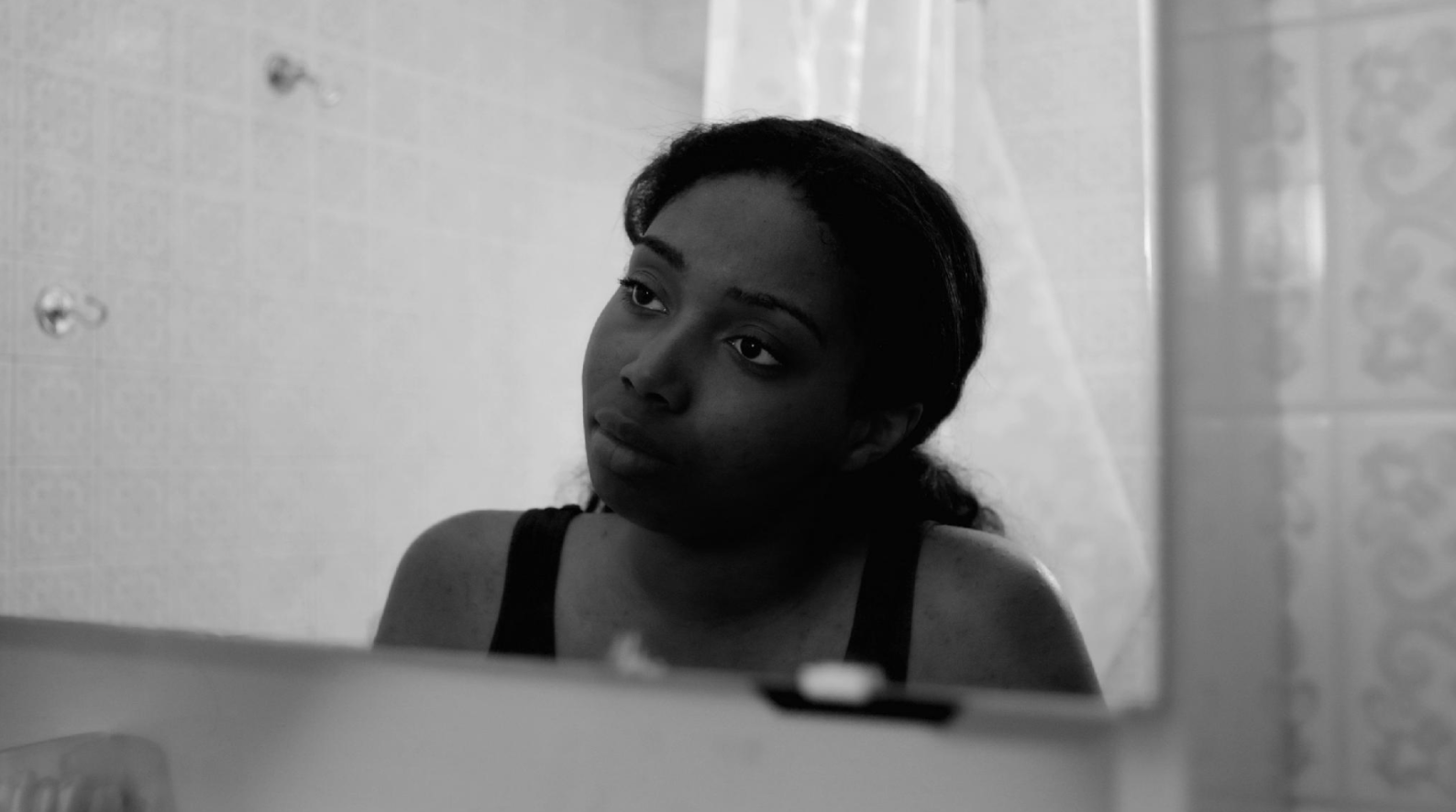
Managing Mental Health in a World Where Black Women’s Experiences are Ignored
Black women navigate mental health challenges at the intersection of race, gender, and societal expectations, while combating stereotypes, healthcare bias, and the need for culturally competent care. We discuss it here!


Photo Credit: ijubaphoto via iStockPhoto.com
By: Jamila Gomez
For Black women, mental health management often involves navigating the unique intersection of race, gender, and cultural expectations in a world that rarely recognizes or validates their experiences. Societal stereotypes often depict Black women as inherently strong and resilient, yet these perceptions can lead to the dangerous dismissal of their mental health needs. The “strong Black woman” stereotype, while intended to convey strength, often prevents Black women from feeling safe in expressing vulnerability or seeking help, perpetuating cycles of unaddressed stress, anxiety, and depression.
One major barrier to mental health care is the healthcare system itself, which has a history of marginalizing and misdiagnosing Black women. Studies reveal that Black women face higher rates of misdiagnosis in mental health care, often due to racial bias. Additionally, many may feel uncomfortable with therapists who lack cultural competence or understanding of their lived experiences, leading to a sense of isolation within therapeutic spaces.
To manage mental health effectively, Black women benefit from culturally relevant resources, such as community support groups, wellness practices rooted in their cultural background, and therapists who are trained in racial trauma. Black mental health professionals, though underrepresented, offer an essential perspective in providing a safe space for Black women to express their full experiences without fear of judgment.
Self-care is also a critical part of mental health management for Black women. Practices like journaling, mindfulness, and affirmations can serve as powerful tools for emotional regulation. But self-care alone is not enough; societal change is essential. Advocacy and systemic reform can ensure that Black women receive the mental health support they deserve.
By prioritizing mental health, validating experiences, and pushing for inclusive mental health care reform, we can create a more compassionate world that honors the needs and experiences of Black women.

YOU MAY ALSO BE INTERESTED IN: