The Good Days Are Complicated, Too: Living with a Chronic Illness
For people living with chronic conditions, good days can bring hope, pressure, guilt, and even grief all at once, revealing that feeling better is often far more emotionally complex than most people realize! We discuss it here!

The Good Days are Complicated, Too
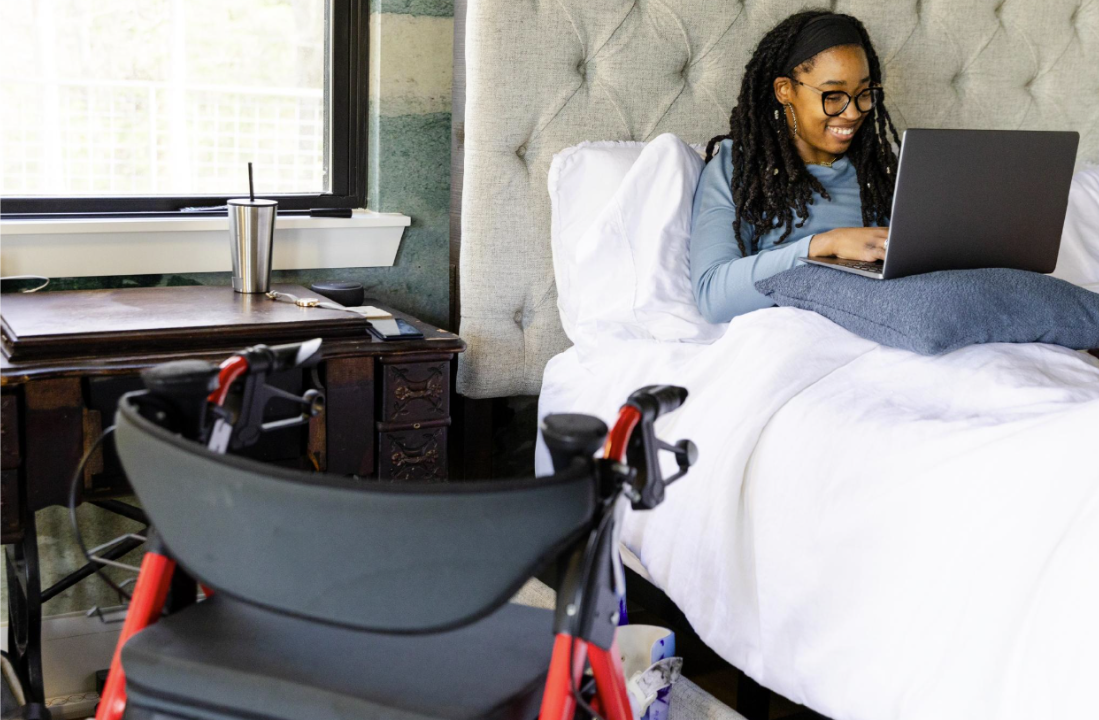
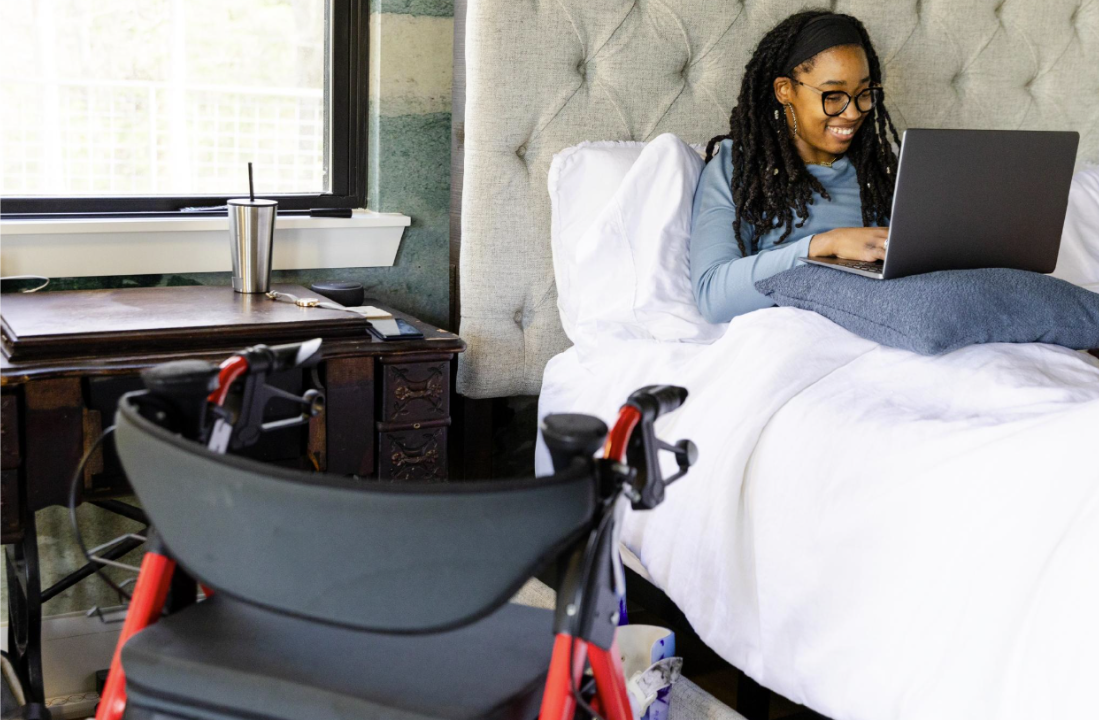
Photo Credit: SDI Productions via iStockPhoto.com
By: Jamila Gomez
Bad days get all the attention.
And that makes sense. Bad days are hard to ignore. They show up loud, they demand something, and the people around you can usually tell when you are having one. Bad days have a shape that most people recognize, even if they do not fully understand it.
Good days are different. Good days are quiet in a way that sounds like relief but often is not.
For people living with chronic physical or neurological conditions, a good day is not simply the absence of struggle. It is its own complicated experience, one that carries a particular kind of emotional weight that rarely gets named or acknowledged.
The first thing that happens on a good day is hope. And hope, when you have learned not to trust it, is not always a comfortable feeling. It arrives with a shadow attached. You feel well, and somewhere underneath the feeling well is the knowledge that this will not last. You have been here before. You know how this goes. So instead of settling into the good day, you spend part of it bracing for it to end.
That bracing is exhausting in its own right.
Then there is the pressure to perform. A good day can feel like an obligation. You should do more. You should catch up on everything the bad days cost you. You should show people you are capable, productive, present. The good day becomes a window you have to climb through as fast as possible before it closes, and the rest and enjoyment that the day could have offered gets swallowed by the urgency to make up for lost time.
Good days can also bring guilt. Guilt about the days you could not show up. Guilt about the people who had to adjust around your hard days. Guilt that you are fine right now when yesterday you were not, as if your body's inconsistency is a character flaw rather than just the nature of living with a chronic condition.
And sometimes, strangely, good days bring grief. Not because anything is wrong, but because feeling well throws into sharp relief everything the bad days take away. The contrast can hurt. A good day can remind you of the life you would have if every day felt like this one, and that reminder is not always easy to sit with.
None of this means good days are unwelcome. They are not. They matter deeply. They are the days that make everything else survivable. But the idea that a good day is simply easy, simply a break from the complexity of living with a chronic condition, misses something important about what that experience is actually like.
Wellness is not binary for everyone. For a lot of people, it is a moving target, and even hitting it comes with its own set of feelings to sort through.
What people with chronic conditions often need most on a good day is the same thing they need on a bad one. Permission to feel whatever they actually feel, without having to justify it or explain it or perform something more convenient for the people around them.
A good day is still their day. It belongs to them. Not to productivity, not to catching up, not to proving that they are more than their worst days.
Just theirs. Fully and without conditions.

YOU MAY ALSO BE INTERESTED IN: