
Black Burnout Is Different
Black burnout goes beyond workplace exhaustion—it's cultural fatigue, emotional trauma, and the relentless pressure to perform, making rest and systemic change essential for healing. We discuss it here!


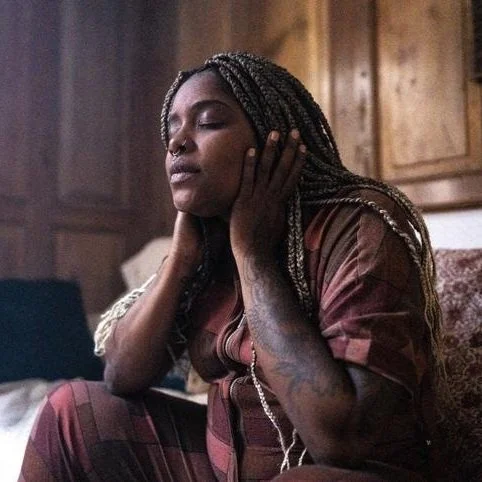
Photo Credit: FG Trade
By: Jamila Gomez
Burnout is a buzzword now—plastered across social media, dissected in think pieces, and casually mentioned in Zoom calls like an annoying guest who refuses to leave. Everyone is exhausted. Everyone is overworked. Everyone is running on fumes. But for Black folks, burnout hits different. It’s not just the exhaustion of too many emails, back-to-back meetings, or an ever-growing to-do list. Black burnout is cultural exhaustion. It is the slow erosion of self in a world that demands your labor, your resilience, and your silence while offering little in return.
The Weight of Representation
For many Black professionals, simply existing in predominantly white spaces is a full-time job. We are expected to be excellent—flawless, really—because mediocrity isn’t an option when you’re “the only” or “one of the few.” Black burnout comes from the constant weight of having to represent an entire race in boardrooms, classrooms, and workplaces where our presence is still treated like a diversity initiative instead of a given.
It’s the extra work of translating, softening, and managing how we are perceived. The pressure to be twice as good for half as much is not just a phrase—it’s an inherited survival tactic passed down from ancestors who knew that one mistake could mean losing everything. That kind of vigilance takes a toll. It eats at the psyche, drains the spirit, and leaves no room for rest.
The Trauma of Witnessing
Black burnout is also tied to what we see and cannot unsee. It’s the ceaseless exposure to racial violence—both historical and present-day—without reprieve. It’s the videos that circulate before we have a chance to opt out, the breaking news alerts that remind us that justice remains a moving target, the performative allyship that flares up and fades just as quickly.
Imagine trying to focus on work while mourning yet another life lost to police brutality. Imagine carrying centuries of generational trauma while expected to smile on a Zoom call. Imagine being told to “take care of yourself” in the same breath that your concerns about systemic racism are dismissed. Black burnout is this contradiction in motion—the expectation to function at full capacity while enduring emotional devastation.
The Cost of Resilience
The world loves Black resilience. It loves our ability to endure, to thrive in the face of adversity, to turn pain into poetry, music, and culture. But resilience is often mistaken for an infinite resource, as if we don’t need rest, care, or protection. The truth is, we are exhausted from being resilient.
Resilience, in the way it is expected of us, is not empowerment—it is extraction. It is the expectation that we will keep pushing forward no matter what, that we will keep showing up, keep leading, keep teaching, keep explaining, keep forgiving, keep doing the work. But what happens when we can’t? What happens when we won’t?
Reclaiming Rest as Resistance
Rest is a radical act for Black people. To rest is to reject the grind culture that was never meant to serve us. To rest is to refuse the idea that we must earn our humanity through endless labor. To rest is to reclaim time, joy, and self-worth from a world that tries to steal them.
Black burnout will not be solved by yoga, deep breathing, or self-care Sundays alone—though those things help. It requires systemic change. It requires workplaces that truly invest in Black employees, not just during Black History Month, but in the policies and culture that shape their daily experiences. It requires a world where Black life is valued, protected, and allowed to flourish beyond survival.
Until then, we must prioritize our own well-being, not as an afterthought but as a necessity. We must give ourselves permission to rest, to disengage, to demand more, and to say no. Because Black burnout is different. And so is the way we must heal from it.

YOU MAY ALSO BE INTERESTED IN:




SHARE TO SOCIAL MEDIA

Black and Brilliant: Overcoming the Imposter Within
Imposter syndrome uniquely impacts Black professionals, influenced by systemic racism, stereotypes, and the pressures of hyper-visibility in predominantly white spaces. We discuss it here!
Photo Credit: fotostorm via iStockPhoto.com
By: Jamila Gomez
Imposter syndrome, a psychological phenomenon where individuals doubt their accomplishments and fear being exposed as frauds, is pervasive across many demographics. However, it manifests uniquely and with particular intensity in the Black community, driven by systemic inequities, cultural expectations, and historical marginalization.
For Black professionals and individuals navigating predominantly white spaces, imposter syndrome is often exacerbated by the pressures of racial stereotypes and a constant need to prove their worth. From academia to corporate boardrooms, Black individuals frequently feel the unspoken burden of representing their race in environments where they may be one of the few—or the only—Black person present. This hyper-visibility amplifies self-doubt, as any perceived mistake or shortcoming risks reinforcing negative stereotypes rather than being seen as individual human error.
The roots of imposter syndrome in the Black community are deeply entwined with systemic racism. Historically, Black Americans have faced persistent barriers to education, employment, and wealth accumulation. These inequities contribute to an internalized narrative that success is a fragile anomaly rather than a rightful achievement. Even when Black individuals excel, societal biases can overshadow their accomplishments. Microaggressions, such as being told, “You’re so articulate,” or being mistaken for a less senior role, subtly undermine confidence and reinforce feelings of not belonging.
Additionally, the concept of “Black excellence”—while empowering—can contribute to imposter syndrome. The pressure to excel and exceed expectations as a means of combating stereotypes often leads to overwork and burnout. For some, the constant pursuit of perfection fuels an internal voice that insists their success is merely a façade, sustained only by extraordinary effort and luck rather than competence and merit.
Family and community dynamics can also influence imposter syndrome. Many Black individuals are the first in their families to achieve higher education or enter prestigious professions. While these achievements are celebrated, they often come with a sense of isolation and guilt, as well as the pressure to pave the way for others. The weight of generational expectations, coupled with the external challenges of systemic racism, can foster a sense of inadequacy and fear of failure.
Addressing imposter syndrome in the Black community requires a multifaceted approach. On a personal level, cultivating self-awareness and seeking therapy can help individuals reframe their internal narratives. On a broader scale, workplaces and institutions must actively create environments where Black individuals feel seen, valued, and supported. This includes implementing mentorship programs, addressing implicit biases, and fostering diversity at all levels of leadership.
Recognizing the structural roots of imposter syndrome in the Black community is essential. Only through systemic change and collective support can we dismantle the barriers that perpetuate self-doubt and empower individuals to fully embrace their worth.
YOU MAY ALSO BE INTERESTED IN: