
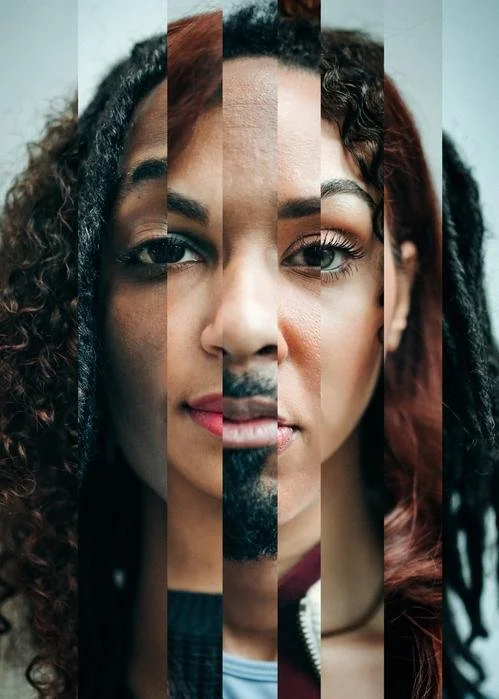
Confronting the Enemy Within: Challenging Anti-Blackness Across the Diaspora
Confronting anti-Blackness within the global Black community is essential for healing, unity, and building solidarity through truth, empathy, and accountability. We discuss it here!

By: Jamila Gomez
Anti-Blackness within our communities is one of those conversations that makes family dinners uncomfortable and Twitter timelines explosive. But it’s necessary. Anti-Blackness isn’t just external—it can thrive quietly within our own circles, shaping interactions and opportunities among us.
At its root, anti-Blackness within the diaspora is tied to colonialism and slavery. From Brazil to Jamaica to the United States, centuries of conditioning taught us to internalize colorism and hierarchies based on proximity to whiteness. We often unconsciously reproduce these biases within our families, churches, schools, and workplaces.
Think about the aunties who praise lighter skin or looser curls, or families discouraging their kids from playing outside for fear of getting “too dark.” It shows up in derogatory jokes about Haitians or Africans made by Black Americans and Caribbeans. It’s in how Afro-Latinos often find themselves invisible or dismissed in conversations about Latin identity. This behavior doesn’t happen in isolation—it’s a painful manifestation of deeply ingrained beliefs about what it means to be acceptable, respectable, or successful.
The first step toward healing is acknowledging the harm done. As a community, we need honest dialogue about how anti-Blackness influences our interactions and perceptions. Yes, the legacy is painful, but denying its existence won’t liberate us from its grip.
It’s also important to understand that confronting anti-Blackness doesn’t mean we’re creating divisions. Quite the opposite: acknowledging these tensions can help us unify authentically. Solidarity is stronger when it’s rooted in truth, respect, and accountability. This starts with calling out problematic behavior, even when it comes from loved ones or respected community members.
We should also uplift voices and experiences from across the diaspora. This means intentionally creating spaces where darker-skinned, marginalized members of our community can lead and be heard without the filters of colorism or prejudice.
Cultural education and self-reflection are key. Learning about the diversity of our Black experiences globally helps dismantle stereotypes and confront internalized racism. It reminds us of our shared history, struggle, and potential strength in unity.
Finally, dismantling anti-Blackness within our diaspora is critical to fighting broader systemic racism. Our strength as a global Black community is amplified when we confront these issues head-on. We’re powerful individually, but unstoppable together.
Let’s continue the difficult conversations. Let’s keep challenging each other with love, empathy, and accountability. Because our liberation as a collective depends on rooting out anti-Blackness, not only in society but within ourselves first.

YOU MAY ALSO BE INTERESTED IN:




SHARE TO SOCIAL MEDIA

Black Joy as Resistance: Embracing Happiness Despite Adversity
Black joy serves as a powerful act of resistance, celebrating the resilience and vibrancy of Black culture while countering systemic oppression. We discuss it here!

Photo Credit: PeopleImages via iStockPhoto.com
By: Jamila Gomez
Black joy is a powerful act of resistance, a deliberate choice to experience happiness in the face of systemic oppression, discrimination, and societal challenges. Historically, Black communities have been marginalized and subjected to systemic inequities, and while the narratives often focus on struggle, survival, and resilience, Black joy brings a transformative dimension to the fight for justice and equity. This joy is not merely about momentary happiness but is a profound assertion of humanity, dignity, and self-worth.
At its core, Black joy resists the notion that pain and trauma should define the Black experience. Throughout history, Black people have found ways to celebrate life despite adversity. Whether through music, dance, food, spirituality, or storytelling, Black joy has always been interwoven with culture and identity. From the rhythms of jazz, soul, and hip-hop to the laughter shared at family gatherings and the joy expressed in Black art, each act of joy is a reminder of the richness of Black culture and heritage. These expressions challenge limiting narratives and reinforce a broader, more authentic view of what it means to live and thrive as a Black person.
Black joy is also an antidote to oppression, a way of reclaiming agency in a world that often tries to strip it away. Rather than passively enduring hardship, embracing joy disrupts narratives of victimhood and instead cultivates strength and resilience. It is a way of saying, “We will not let the weight of injustice rob us of our humanity.” This joyful resistance is evident in the celebration of Blackness, the appreciation of shared history, and the embracing of community. By choosing to revel in the beauty of Black life, Black communities resist systems that have attempted to devalue and marginalize them.
Furthermore, Black joy can create space for healing, community, and solidarity. It allows Black individuals to affirm their identities, celebrate each other’s successes, and draw strength from shared experiences. This joy is contagious, spreading a message that Black lives are not defined solely by struggle but are filled with love, laughter, and triumphs.
In embracing Black joy as resistance, Black communities refuse to be solely defined by their struggles. Instead, they assert a powerful, enduring message: that Black life, in all its beauty and vibrancy, is worth celebrating. Black joy is a testament to the resilience and richness of Black culture, a radiant light that continues to shine, undeterred by adversity.
YOU MAY ALSO BE INTERESTED IN: