

We Need to Talk About Emotional Manipulation in Black Families
Many Black families struggle to differentiate love from control, mistaking emotional manipulation for tradition and loyalty, but healing begins by naming the harm and breaking generational cycles. We discuss it here!

Photo Credit: Rawpixel via iStockPhoto.com
By: Jamila Gomez
There’s a difference between love and control—but in many Black families, that line has been blurred for so long, we’ve been taught to see them as the same thing.
Emotional manipulation isn’t always loud or aggressive. Most of the time, it shows up quiet and familiar, wrapped in phrases we’ve heard all our lives:
“After all I’ve done for you.”
“That’s just how I was raised.”
“You think you better than us now?”
It’s the guilt trip when you try to set boundaries. The silent treatment when you say no. The expectation that you’ll show up, pay up, and never speak up. And if you dare to name what’s happening, you’re suddenly the disrespectful one—the ungrateful child, the outsider, the problem.
In Black families, there’s often an unspoken belief that elders are above accountability, that “family business” should stay quiet, and that loyalty means silence—even in the face of harm. It’s a survival response rooted in real history. Our families have spent generations trying to hold it together under systemic pressure, economic struggle, and racial trauma. Control, shame, and fear became tools to protect and preserve. But those same tools are now damaging us from the inside.
When love is measured by obedience, and respect is weaponized to silence you, it’s not protection—it’s manipulation. And what gets dismissed as “just how they are” ends up becoming our emotional blueprint. It teaches us to ignore our own needs, overextend ourselves, and mistake guilt for connection. We carry that into our friendships, romantic relationships, and even into parenting, where the cycle threatens to continue.
This isn’t about blame—it’s about awareness. Because healing starts with naming what hurt us, not pretending it didn’t. And some of the things we normalized growing up were never okay. The problem is, if you try to break the pattern, you risk being labeled difficult, distant, or “not family-oriented.” But what they don’t understand is that choosing your peace isn’t abandonment—it’s protection, too.
Black families deserve better than cycles of emotional silence and manipulation dressed up as tradition. We deserve relationships built on mutual respect, real communication, and space to grow. But we won’t get there if we keep pretending that guilt is love and silence is strength.
We’re allowed to want more. We’re allowed to choose differently. And we don’t owe anyone our emotional freedom just to keep the peace.
The truth is that the only way to truly honor our families is to do the work they weren’t allowed—or willing—to do. That starts by being honest about what’s been passed down… and deciding which parts end with us.

YOU MAY ALSO BE INTERESTED IN:




SHARE TO SOCIAL MEDIA
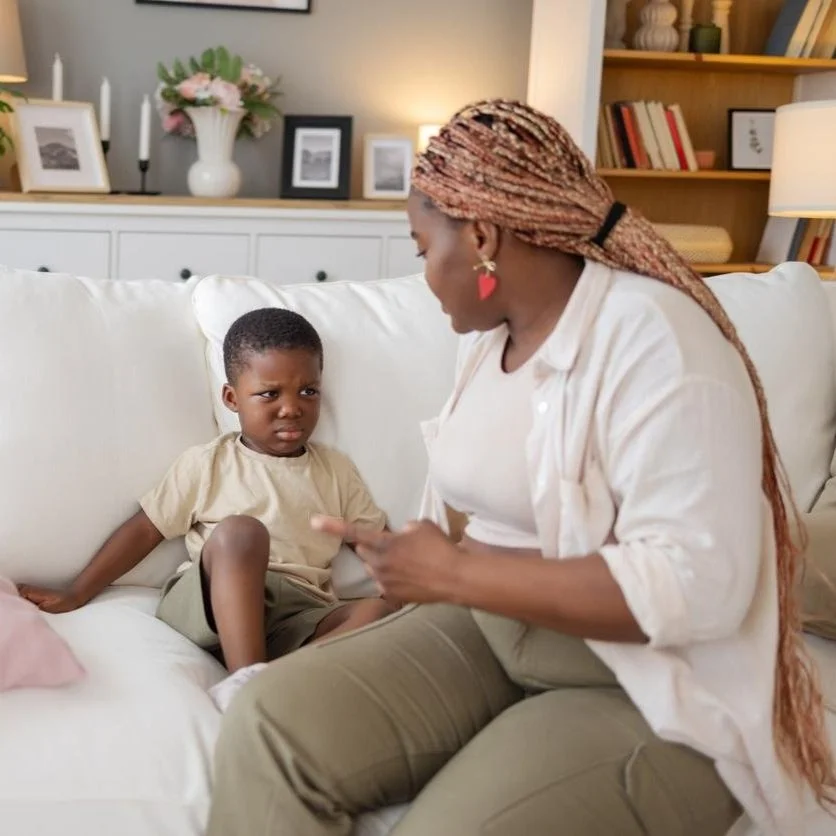
Spare the Rod?: The Effects of Discipline on Black Children
Understanding the cultural and systemic factors influencing discipline for Black children highlights the importance of empathetic and equitable practices that nurture growth and resilience. We discuss it here!


Photo Credit: PixelsEffect via iStockPhoto.com
By: Jamila Gomez
Discipline plays a significant role in shaping children’s lives, instilling values, and guiding behavior. For Black children, the effects of discipline are deeply influenced by the historical, social, and cultural contexts that inform their upbringing. Understanding how discipline impacts Black children requires exploring both its potential benefits and pitfalls, especially within the framework of systemic challenges and cultural strengths.
Cultural Foundations of Discipline in Black Families
In many Black households, discipline is seen as a tool to prepare children for the realities of a world that can be harsh and unforgiving. Historically, Black parents have faced the dual burden of teaching their children respect and self-regulation while shielding them from systemic racism. For many, discipline becomes a strategy to help children navigate a society where minor missteps can have disproportionately severe consequences. This emphasis on structure, respect, and accountability is often rooted in love and the desire to ensure survival in a world fraught with inequities.
The Positive Impacts of Discipline
When applied thoughtfully, discipline can empower Black children with life skills like resilience, self-control, and responsibility. Structured environments and consistent expectations can help children develop a sense of agency, boosting academic and social outcomes. Discipline rooted in cultural affirmations and open communication fosters self-confidence, cultural pride, and the ability to withstand societal pressures.
Community-oriented discipline, which includes guidance from extended family and mentors, offers additional support. This collective approach—rooted in African and African-American traditions—teaches children the value of interdependence, mutual accountability, and cultural heritage.
The Risks of Harsh or Misapplied Discipline
However, discipline can have adverse effects when it is overly punitive or harsh. Research indicates that Black children are more likely to experience corporal punishment than their peers, both at home and in school. While some view this as a culturally normative practice, excessive or inconsistent discipline can lead to feelings of fear, resentment, or low self-esteem. These outcomes are exacerbated when discipline is devoid of positive reinforcement or explanation, leaving children feeling misunderstood rather than guided.
In schools, Black children are disproportionately subjected to exclusionary disciplinary actions, such as suspensions or expulsions. This systemic bias can undermine their academic progress and contribute to the school-to-prison pipeline. When authority figures perceive Black children as older or less innocent than their peers, disciplinary actions often reflect these biases, perpetuating cycles of inequality.
Striking a Balance
To maximize the benefits of discipline while minimizing harm, it is essential to adopt culturally responsive approaches. Practices that emphasize empathy, understanding, and restorative justice can address misbehavior while affirming the child’s dignity. Black parents, educators, and communities must advocate for approaches that balance accountability with compassion, recognizing the unique challenges Black children face.
In conclusion, discipline can be a powerful tool for nurturing growth, but its effects depend on its application. By fostering supportive, culturally aware, and equitable practices, we can ensure that discipline serves as a pathway to empowerment, not oppression.
YOU MAY ALSO BE INTERESTED IN: